REVIEW · PHNOM PENH
Two Day Tour, Taxi Phnom Penh to Siem Reap, Angkor Visit & Return
Book on Viator →Operated by Private Taxi Cambodia E C T · Bookable on Viator
Two days can feel like a shortcut to wonder. What makes this trip click is the private, air-conditioned Phnom Penh to Siem Reap drive with an English-speaking driver, plus a guided Angkor temple day where you can choose sunrise. I especially like the mix of “on the road” culture (including Skun Spider Sanctuary and Spean Praptos/Kompong Kdei) and the chance to see major Angkor sights with a real guide. One thing to plan for: the Angkor pass isn’t included, and you’ll have to sort your temple entry at the checkpoint yourself.
I’m also drawn to how flexible the day can be. Your pickup is set up for your hotel, you can time the departure around 7–8 am, and you can choose whether to add or skip the optional floating village on Day 1. In the experience data, drivers named Thet, John, and Man. Pheakdey show up in past outings, and a temple guide named Ben appears for the Angkor portion—so there’s a good chance you’ll feel looked after by someone who cares about the details.
Keep your budget thinking straightforward. Meals are on your own (there’s a lunch break stop), the Angkor pass is extra (37 USD per person), and entrance fees for temples are not included in the Angkor day list. If you’re coming from Phnom Penh just for Angkor, this still often feels like good value because you’re paying for transport plus a guided temple day, not just a car ride.
In This Review
- Key highlights you’ll actually feel on this tour
- Two days that turn a long drive into part of the trip
- Day 1 from Phnom Penh: Skun spiders, countryside temple vibes, and Kompong Kdei bridge
- Skun Spider Sanctuary (the stop you remember)
- Prasat Kuha Nokor (a calmer countryside break)
- Lunch break at Somros Prey Pros Restaurant (use it wisely)
- Spean Praptos (Kompong Kdei): the bridge story you’ll appreciate more later
- The optional floating village on Day 1: choose what fits your energy
- Day 2: Angkor Wat sunrise versus a later start
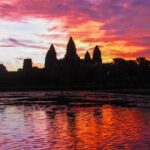
- Sunrise at Angkor Wat (listed early start around 4:45 am)
- Angkor Thom South Gate and the circuit logic
- Bayon, Angkor Thom, Ta Keo, and Ta Prohm: the big set pieces explained
- Bayon Temple (about 1 hour)
- Angkor Thom (about 1 hour)
- Ta Keo (about 45 minutes)
- Ta Prohm (about 1 hour): yes, it’s the Tomb Raider temple
- Ta Nei: a quieter temple break before the long return
- Returning to Phnom Penh (about 6 hours)
- Price and value: where your $193.50 per person makes sense
- Practical tips so this tour stays fun, not exhausting
- Start early with the right expectations
- Wear for temples, not for Instagram
- Use the planned breaks
- Plan for your Angkor entry
- Who this tour suits best
- Should you book this Phnom Penh to Siem Reap taxi plus Angkor day plan?
- FAQ
- Is pickup and drop-off included?
- What’s included in the price?
- Is the Angkor pass included?
- What time does the Angkor Wat sunrise visit start?
- Are meals included?
- Is the floating village stop included?
- Is this a private tour?
- Do I need to buy my own temple pass at the checkpoint?
- What’s the cancellation policy?
Key highlights you’ll actually feel on this tour
- Hotel pickup plus private, air-conditioned comfort for the long Phnom Penh–Siem Reap drive.
- Skun Spider Sanctuary stop as a memorable roadside detour that breaks up the journey.
- Spean Praptos (Kompong Kdei) bridge on the route—easy to miss if you travel only by bus.
- Optional floating village on Day 1, so you can choose charm or speed.
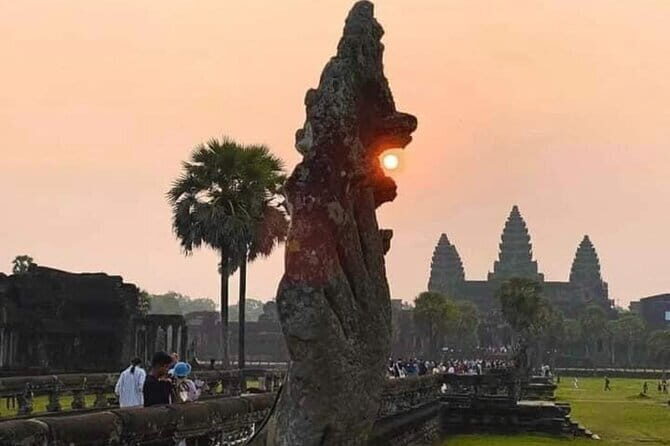
- Angkor Wat sunrise option with a very early start if you want the quiet light.
- English-speaking temple guide in Siem Reap to make Bayon and Ta Prohm make sense fast.
Two days that turn a long drive into part of the trip
The best thing about this kind of two-day format is the way it removes the “how do we get there” stress. You’re not squeezing Angkor into a frantic half-day between transfers; instead, the drive is treated like a first act of the trip with meaningful stops and a calm pace.
You also get a private setup. That matters in Cambodia because temple day logistics (heat, lines, timing, and where to stand) can change everything. Having an English-speaking driver and an English-speaking guide for the Angkor portion helps you move with purpose, not guesswork.
The route is designed to be readable day-to-day: Day 1 is about getting there and seeing a few well-chosen stops, Day 2 is about the big Angkor circuit (with the option to start at sunrise).
Other Phnom Penh transfer tours we've reviewed in Phnom Penh


Day 1 from Phnom Penh: Skun spiders, countryside temple vibes, and Kompong Kdei bridge
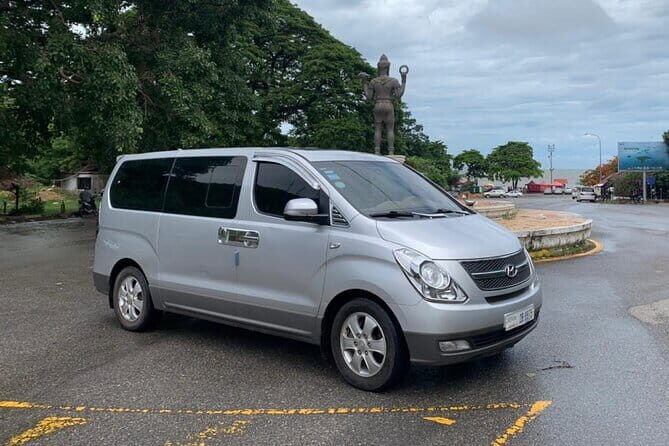
Day 1 starts with pickup and a departure timed around breakfast, usually between 7 and 8 am. The transfer time is listed as about 5 hours, but the whole day isn’t just highway time—there are planned breaks that make the trip feel like sightseeing, not commuting.
Skun Spider Sanctuary (the stop you remember)
The Skun Spider Sanctuary stop is the kind of place you either love for its oddness or you appreciate from a respectful distance. It’s described as a popular pit stop on the Phnom Penh–Siem Reap route, which usually means you won’t waste time hunting for it.
What I like about making this part of the itinerary: it breaks up the long drive so you’re not arriving in Siem Reap exhausted. It also adds a distinctly Cambodian roadside moment—something you can’t swap for a generic viewpoint.
Practical note: this is a quick stop (15 minutes listed). If you want more time to look around, you’ll need to ask your driver if you can extend, because the schedule is tight by design.
Prasat Kuha Nokor (a calmer countryside break)
After Skun, the tour includes Prasat Kuha Nokor, listed for about 35 minutes. This is a temple in a village context (within the Wat Kuhak Nokor complex), so it feels quieter than the big tourist magnets.
I like this kind of stop because it gives you a different texture of Cambodia—more lived-in, less “performance for visitors.” You get a short walk-through rhythm without turning the day into a full-on trek.
Lunch break at Somros Prey Pros Restaurant (use it wisely)
There’s a lunch break stop around 30 minutes at Somros Prey Pros Restaurant, and it’s also called out for bathroom time. Since meals and drinks aren’t included, your best move is to use this as a reset moment rather than a slow sit-down.
One specific tip from the tour experience data: bamboo sticky rice is recommended. If it’s available, it’s a fun local order that fits the “quick lunch, keep moving” style of this itinerary.
Spean Praptos (Kompong Kdei): the bridge story you’ll appreciate more later
Day 1 ends with Spean Praptos, about 20 minutes. The bridge is described as the former longest corbeled stone-arch bridge in the world, with more than twenty narrow arches spanning about 285 feet, and it’s tied to Kompong Kdei on the Angkor corridor.
This stop is small in time but big in context. Seeing an Angkor-era stone structure before your temple day helps you mentally switch from modern Cambodia to Khmer architecture mode. Even if you’re not into engineering, it’s the kind of sight that makes you pause and look longer than you planned.
The optional floating village on Day 1: choose what fits your energy
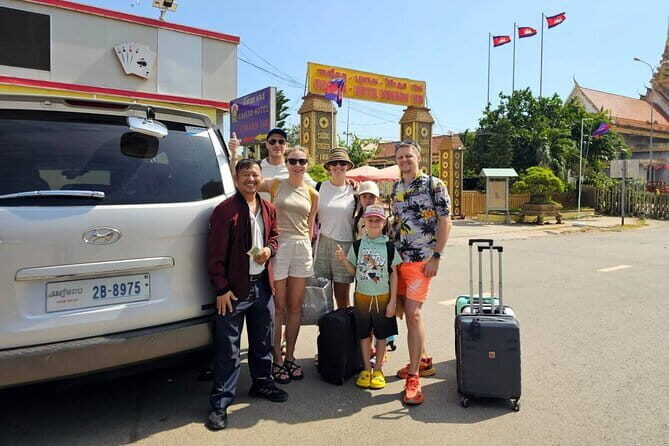
The tour overview calls out a scenic floating village option on Day 1 that you can choose to visit or skip. Since it’s optional, the real question is not whether it’s worth it, but whether you want another location added to an already full travel day.
If you like water communities and you’re traveling with kids who can handle short outings, it can be a memorable color spot before Angkor day. If you want to protect your stamina for the sunrise start on Day 2, skipping it may be the smarter move.
Either way, the key value here is control. You can decide based on how you feel after the morning drive.
Day 2: Angkor Wat sunrise versus a later start
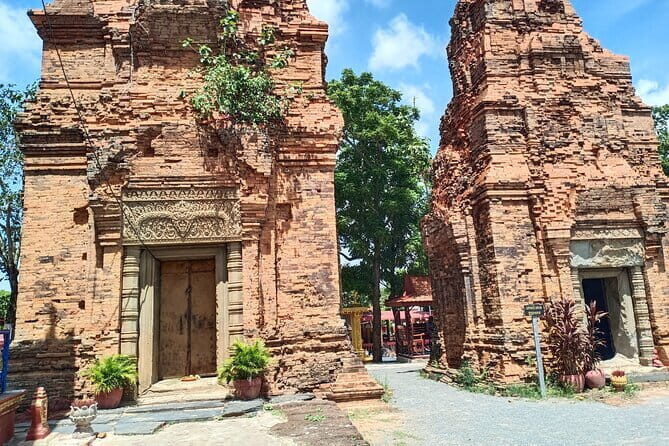
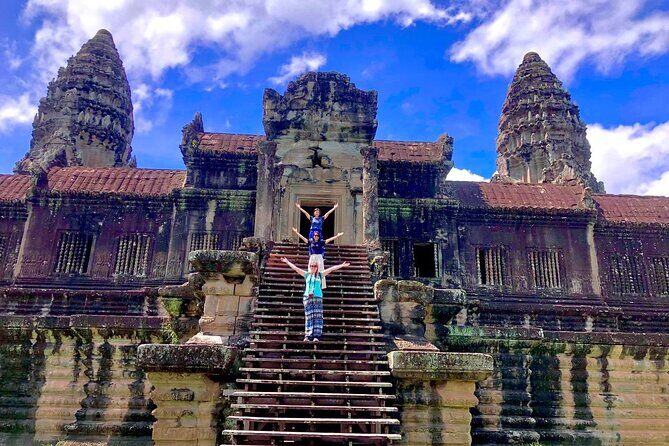
Day 2 is where the trip earns its reputation. The tour includes an English-speaking guide for the Angkor temple portion, and you can choose the start time—either sunrise or a later morning start.
Sunrise at Angkor Wat (listed early start around 4:45 am)
If you choose the sunrise option, the schedule lists an early morning start around 4:45 am, with a visit time of about 3 hours at Angkor Wat. This is one of the places where early timing really changes the experience—cooler air, softer light, and the feeling that you have space.
The practical trade-off is obvious: you’ll wake up very early. If you’re the type who handles early starts well, sunrise is a no-brainer. If not, choose the later start and spend your energy on temple details when you’re more alert.
Angkor Thom South Gate and the circuit logic
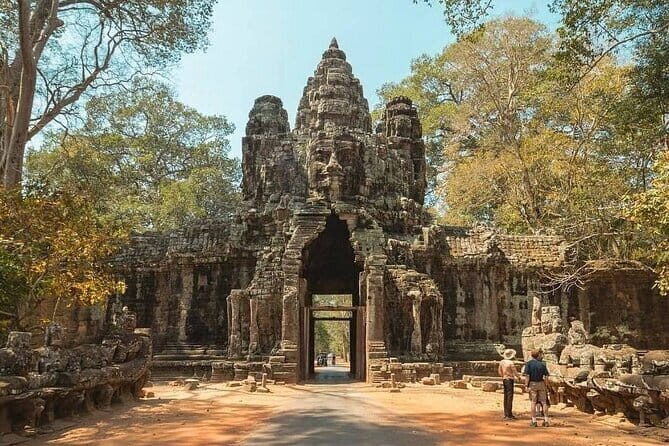
After Angkor Wat, the day moves into the larger Angkor Thom area. The schedule lists Angkor Thom South Gate (about 20 minutes) and includes a description tied to Neak Pean, an artificial island with a Buddhist temple associated with Jayatataka Baray and King Jayavarman VII’s building period.
Even if you don’t spend long here, this step is useful. It signals a shift from the iconic Angkor Wat imagery into the broader “capital city” layout of Angkor Thom. A guide helps you connect these places instead of treating them like separate photos.
Bayon, Angkor Thom, Ta Keo, and Ta Prohm: the big set pieces explained
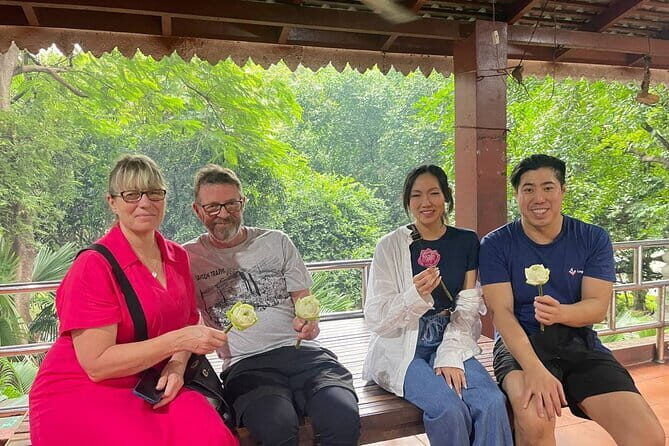
From here, the day becomes a sequence of high-impact temples. The tour lists timed visits that keep you moving while still allowing enough time to look, not just pass by.
Bayon Temple (about 1 hour)
Bayon Temple is listed for about 1 hour. It’s highlighted for its importance and for bas-reliefs depicting key events, plus its role as one of the first and only Buddhist temples constructed by the Angkor (Khmer) Empire.
What I like about having a guide at this point is interpretation. When you understand what you’re seeing, the stones stop being random carvings. You start noticing storytelling in the bas-reliefs instead of chasing only the famous faces.
Angkor Thom (about 1 hour)
Angkor Thom is described as the capital of Jayavarman VII’s empire and the center of his large building program. The time on site is listed at about 1 hour, which is usually enough for a meaningful walk-through without feeling like you’re stuck for hours.
If you’ve been to big ruins before, you know how easy it is to get “temple fatigue.” The solution is to pace yourself and let the guide point out what matters. This itinerary structure helps because it breaks the day into chunks.
Ta Keo (about 45 minutes)
Ta Keo is listed for 45 minutes. It’s described as a temple-mountain, possibly the first in Angkor built entirely of sandstone by the Khmer Empire.
This is one of those stops where 45 minutes can feel like the perfect amount. It’s long enough to appreciate the stonework and shape, but short enough to keep you energized for the more visually chaotic sites later.
Ta Prohm (about 1 hour): yes, it’s the Tomb Raider temple
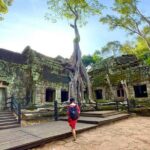
Ta Prohm is listed for about 1 hour, with the classic note that it’s often associated with Tomb Raider. This is a temple where trees and roots take an active role in the visual drama, and having context helps you understand why the site looks the way it does.
I like Ta Prohm on a guided day because you get the “why” behind the look—how the architecture and nature interact—rather than only the photo angles.
Ta Nei: a quieter temple break before the long return
After Ta Prohm, the itinerary lists Ta Nei Temple (about 45 minutes). It’s described as a small, hidden Angkor temple surrounded by dense jungle, built in the late 12th century under King Jayavarman VII, and described as less visited with a peaceful atmosphere.
This is a smart scheduling choice. After the famous crowd-pullers, you get a chance to reset your brain and slow down. A smaller temple also tends to feel less like an indoor museum and more like an actual place you can breathe inside.
Returning to Phnom Penh (about 6 hours)
After the temple day, you return to Phnom Penh in comfort. The schedule lists about 6 hours for the return, and it’s described as a comfortable drive.
If you want to keep the day from getting stressful, pack snacks for the evening or plan to eat soon after you arrive—meals are not included in the tour, so you’ll want a plan for dinner once you’re back.
Price and value: where your $193.50 per person makes sense
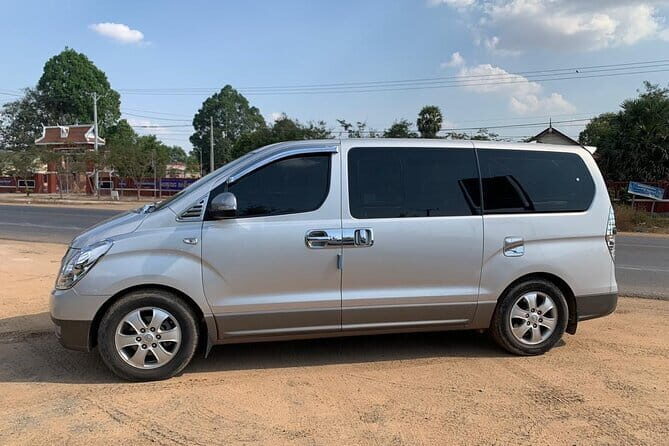
The price is listed at $193.50 per person. For a two-day plan that includes hotel pickup and drop-off, an air-conditioned vehicle, English-speaking drivers, cool drinking water, plus an English-speaking guide for the Angkor temple day, it’s not a bad deal if you want structure without losing independence.
Here’s the honest value math:
- What you get included: transport + guiding (driver all day on Day 1 and return drive, plus a guide during Angkor temples).
- What costs extra: meals, personal expenses, gratuities, and especially the Angkor pass.
Angkor pass is listed as 37 USD per person, not included. So your all-in day cost depends on how many people you’re traveling with and whether you’re comfortable with early mornings. Still, you’re likely to spend the same time and money on entry anyway—this tour’s advantage is paying for the right mix of transport and guidance rather than figuring it out yourself.
One more value angle: the vehicle time includes multiple stops. That reduces the “wasted time” that happens when you’re negotiating separate rides between sights.
Practical tips so this tour stays fun, not exhausting
This trip has one big rhythm: a long drive plus a high-energy temple day. So you’ll feel the best if you plan for comfort.
Start early with the right expectations
If you pick sunrise, you’re waking up before most of the city does. That’s fine, but your payoff is cooler temperatures and a more peaceful start at Angkor Wat. If you’re not a morning person, choose the later start and treat it like a long day of sightseeing rather than a sleep sacrifice.
Wear for temples, not for Instagram
Temple days in Cambodia tend to mean walking on uneven ground and dealing with sun. Light layers, comfortable shoes with grip, and a hat help more than people think. You’ll also want water, and the tour includes cool drinking water.
Use the planned breaks
Day 1 includes bathroom and lunch time at Somros Prey Pros Restaurant, and the other stops are timed enough that you shouldn’t feel stuck. If you need extra time somewhere, ask early—don’t wait until you’re already behind schedule.
Plan for your Angkor entry
The tour information notes that temple pass guests need to get by themselves when they arrive at the check point. So don’t treat this as a “your guide handles everything” situation. Build in enough time to get your pass and settle your group.
Who this tour suits best
This is a great match if you:
- Want a private Phnom Penh to Siem Reap transfer instead of the bus-and-taxi chaos.
- Care about Angkor but don’t want to organize everything yourself.
- Like the idea of a structured day with short, meaningful stops rather than a rushed checklist.
- Are traveling with kids, based on past experience notes about patience and safe driving.
It may feel less ideal if you:
- Want completely unstructured freedom from start to finish.
- Don’t want any early mornings, since sunrise is offered and the Day 2 start can be very early.
- Prefer meals to be included—meals are not part of the package.
Should you book this Phnom Penh to Siem Reap taxi plus Angkor day plan?
If your goal is to see Angkor without turning the trip into logistics homework, I think this is a strong option. The biggest win is the pairing of a comfortable private drive with an English-speaking guide during the temples—so you get both transport ease and site context.
Book it if you’re willing to handle the Angkor pass yourself and you’re okay with a couple of short stops on Day 1 to make the whole drive feel purposeful. Skip it only if you want meals included, or if sunrise sounds like a punishment rather than a treat.
FAQ
Is pickup and drop-off included?
Yes. Pickup and drop-off at your hotel in Phnom Penh and for the relevant segments are included.
What’s included in the price?
Included features are an air-conditioned vehicle, pickup & drop-off at hotel, cool drinking water, English-speaking drivers, and an English-speaking guide at the temples in Siem Reap.
Is the Angkor pass included?
No. The Angkor pass entrance fee is not included and is listed as 37 USD per person.
What time does the Angkor Wat sunrise visit start?
The sunrise option is listed with an early start around 4:45 am, with about 3 hours at Angkor Wat.
Are meals included?
No. Personal expenses such as meals, drinks, and gratuities are not included. There is a lunch break stop on Day 1.
Is the floating village stop included?
It’s optional. Day 1 floating village is described as optional, and guests can choose to visit or skip.
Is this a private tour?
Yes. It’s described as private, with only your group participating.
Do I need to buy my own temple pass at the checkpoint?
Yes. Temple pass guests need to get their pass by themselves when they arrive at the check point.
What’s the cancellation policy?
Free cancellation is offered up to 24 hours in advance of the experience start time for a full refund. If you cancel less than 24 hours before, the amount paid is not refunded.