REVIEW · SIEM REAP
Explore Angkor Temple & Other – Private Vehicle with Tour Guided
Book on Viator →Operated by Siem Reap Shuttle · Bookable on Viator
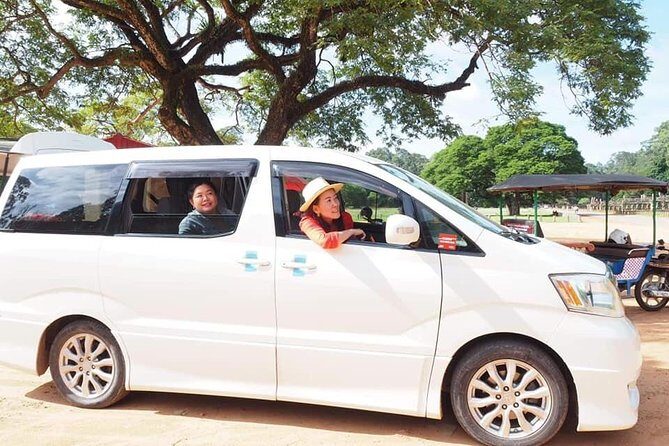
Angkor is one of those places you remember forever. This private day tour makes it feel doable, with an air-conditioned vehicle, round-trip hotel transfers, and an English-speaking guide to keep you oriented all day. You’ll also get cold towels and bottled water, which matters when you’re walking stone paths under a hot Cambodian sun.
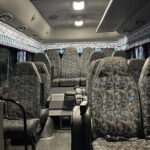
I especially like the comfort setup. The ride is planned around long temple visits, so you’re not cooking in a crowded car, and you’re not stuck figuring out logistics after every stop. Another win is the structure: you hit the big names—Angkor Thom, Ta Prohm, Angkor Wat, and Bakheng Mountain for sunset—without feeling like you’re rushing solo.
One thing to consider: park entrance tickets are not included, so your real budget starts with those Angkor pass costs before you even add lunch.
In This Review
- Key things to know before you go
- Comfort that buys you more temple time
- Price and what feels like real value
- The temple route: Angkor Thom to Ta Prohm to Angkor Wat
- Angkor Thom Complex and Bayon: start with the faces
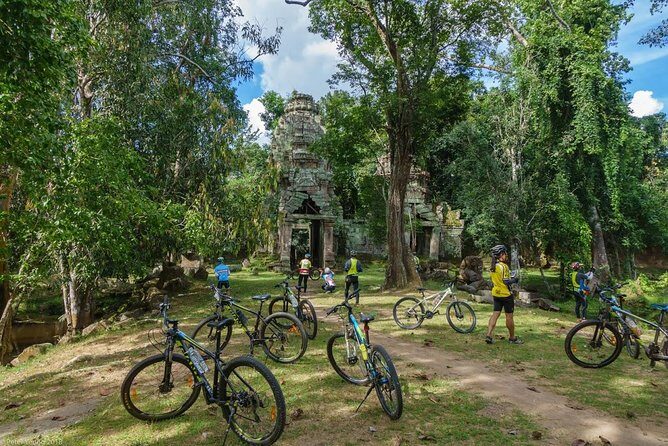
- Ta Prohm: where trees grab the stones
- Angkor Wat: the main event you’ll plan around
- Bakheng Mountain sunset: a classic finish with a workload
- What the guide does for you (beyond facts)
- Dress code and practical prep you should not skip
- Lunch, tickets, and how to avoid the most common day-trip friction
- Who this private Angkor tour is best for
- Should you book this private vehicle Angkor day tour?
- FAQ
- Do I need to buy Angkor park admission tickets separately?
- What does the tour price include?
- Is hotel pickup and round-trip transport included?
- How long is the tour?
- Is lunch included?
- What should I wear to visit the temples?
Key things to know before you go
- Air-conditioned private transport keeps the day from turning into a sweaty slog
- Cold towels and bottled water help you reset between temple stops
- Hotel pickup and round-trip transfers save you time and guesswork in Siem Reap
- An English-speaking guide helps you understand what you’re seeing (and where to look)
- Sunset at Bakheng Mountain gives you a classic finish, not just daytime temples
- Smart-casual dress code matters for entry, especially for religious areas
Comfort that buys you more temple time
Angkor is famous for its scale. That sounds dramatic, but it’s practical too: you cover a lot of ground, and you can’t always count on cool air once you’re out the door. This tour helps because your day runs on transport by aircon vehicle with round-trip hotel transfers, so you get real breaks between stops.
The small group part is worth attention. It’s a private tour/activity, meaning only your group goes along for the day. That changes the vibe. You’re not waiting around for strangers, and your pace can stay consistent as you move from complex to complex.
Also, the ride isn’t the only comfort detail. You’re provided cold towels and bottled water, which turns out to be one of the best “small” inclusions at Angkor. Between heat, dust, and sun, those quick resets keep your legs and patience from melting.
Other multi-temple archeological tours we've reviewed in Siem Reap


Price and what feels like real value
The price is $89 per group (up to 3) for a day around 9 to 10 hours. On paper, that can look like a “private tour premium,” but the value comes from what you’re not doing: not hunting for transport, not coordinating multiple tickets and timing on your own, and not spending a chunk of the day trying to figure out where to go next.
Here’s the catch you should budget for: Angkor park entrance tickets are not included. The ticket cost is listed as USD 37 for 1 day or USD 62 for 3 days. If you’re only doing one full day, the 1-day pass is usually your match, but if you plan to go back for sunrise or another temple day, the 3-day option can be smarter.
Lunch is also not included. You may find yourself buying food at a restaurant during the day. Since you’ll be outside for hours, plan to treat lunch like part of the temple schedule. If you start the day hungry, you’ll feel it by the time you’re climbing, photographing, and walking again.
The temple route: Angkor Thom to Ta Prohm to Angkor Wat
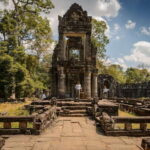
This tour is built around the five major hits: Angkor Thom Complex, Bayon Temple, Ta Prohm, Angkor Wat, and Bakheng Mountain for sunset. The benefit of this exact mix is that it shows you different faces of Angkor instead of repeating the same look.
Angkor Thom Complex and Bayon: start with the faces
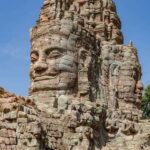
Angkor Thom is the kind of place where you instantly get why people keep coming back. The scale is big, and the details reward slower walking. Bayon is the centerpiece with those famous stone faces, and having a guide here helps you understand what you’re looking at instead of just pointing your camera and hoping for the best angles.
What I like about starting here is timing. Early in the day, it’s usually easier to take in the atmosphere and keep your energy for later. Bayon can be busy, but going earlier means you’re not as worn out before the truly iconic stops.
A practical note: bring your water mindset. You’ll be doing repeated short bursts of walking and stopping, so take sips regularly rather than waiting until you feel tired. Your cold towel and water breaks during the day make this easier.
Ta Prohm: where trees grab the stones
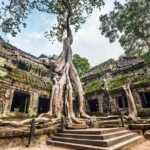
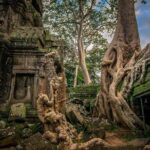
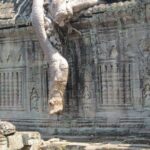
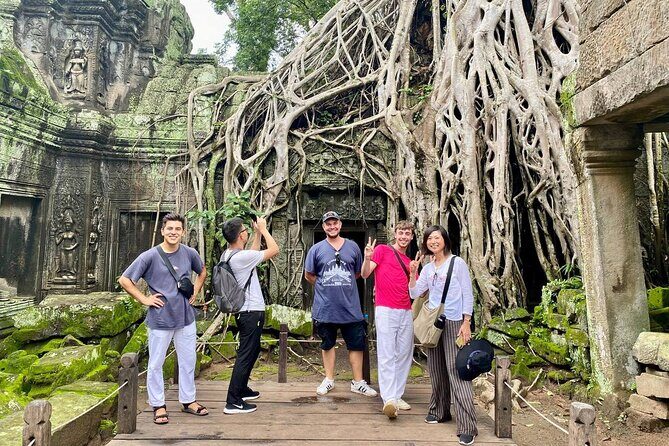
Ta Prohm has that movie-poster feeling, with roots and trunks intertwined among the architecture. The temple’s look can feel chaotic at first, but that’s part of the point. A good guide can help you see the structure underneath the dramatic setting.
This stop is usually where people slow down. It’s not just the visuals—it’s the way the space makes you stop and look longer. Even if you’ve seen photos, you’ll notice the texture and scale more up close.
One thing to watch is that it can feel more crowded and “Instagram-fast” than other parts of the route. If you want calm photos, you’ll do best when you stay a little patient—step aside when you can, and don’t fight the flow. You’ll get cleaner frames and fewer stress moments.
Other private car and van tours we've reviewed in Siem Reap

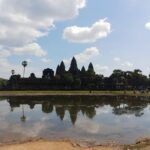
Angkor Wat: the main event you’ll plan around
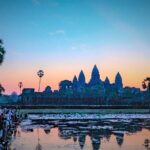
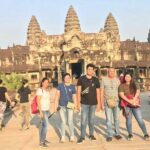
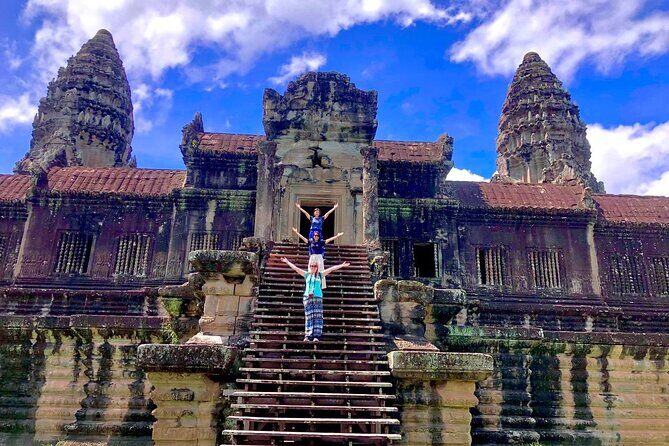
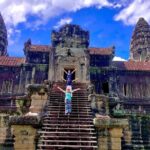
Angkor Wat is the reason many people come to Siem Reap. It’s also the stop where you’ll want your timing and expectations to be realistic. Even with a private vehicle, you can’t control visitor numbers, but you can control your own pace and attention.
This is where an English-speaking guide can change the day. You’ll likely get help with what to look for: the layout, key motifs, and how the temple’s design communicates meaning. Without that, you can still enjoy it, but you might miss the “why” behind the “wow.”
My best advice for Angkor Wat is simple: commit to one slow circuit, then come back to your favorite angles. People often rush in a single loop and leave feeling like they didn’t get enough. If you treat it like two passes—one for overview, one for details—you’ll feel much more satisfied.
Also, bring a plan for your photos. If you’re constantly switching positions, you’ll lose time and energy. Decide which areas you want, then give yourself time to step back and reframe rather than sprinting across open ground.
Bakheng Mountain sunset: a classic finish with a workload
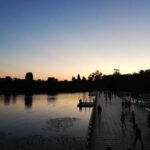
If Angkor Wat is the big attraction, Bakheng Mountain is the classic sunset closer. Sunset adds stakes. The light is beautiful, but the clock is real.
This tour includes Bakheng for sunset, so you’re not guessing how to time it or whether you’re getting there early enough. A guide also helps with where to stand and when to move so you can catch the light without turning the last part of the day into a scramble.
Be honest with yourself about physical comfort here. The tour notes a moderate physical fitness level requirement. Even if you’re not doing a hard hike, the mountain finish and temple walking add up. Wear shoes that grip, and don’t count on flip-flops to stay comfy when you’re climbing and standing around for the sky to change.
The other practical thing: at sunset, you’ll likely be in the heat-cool transition. Your body goes from hot to cooler fast, and temples are open-air spaces. A thin layer can make you happier when the air shifts.
What the guide does for you (beyond facts)
The guides on this kind of tour tend to be the difference between seeing Angkor and understanding it. In the feedback I took cues from, the best guides are clear, helpful, and ready to adjust if time allows. That flexibility can matter: if the day runs smoothly, you might get extra time around certain temple areas rather than feeling like you’re herded through.
Good guiding also helps with timing and expectations. Temples look similar on a map, but they feel different in person. The guide can help you spot what’s meaningful right now versus what you can appreciate later.
And there’s a comfort angle too. During the day, guides are expected to keep you going—staying attentive when you need water or a break. One of the most appreciated touches is that after you come out of a temple, someone is ready with cooling items, not just leaving you to fend for yourself in the heat.
Dress code and practical prep you should not skip
You’ll want to dress smart casual and respect religious areas. The guidelines specify clothing that covers your shoulders and knee-length pants/skirts. This isn’t about fashion. It’s about entry and comfort once you’re walking among active sacred spaces.
So plan simple. Bring a shirt that covers your shoulders. Wear breathable pants or a skirt that hits at least knee length. Save the heavy, long-sleeve stuff for cooler days; Angkor is warm.
Also, this experience runs in all weather conditions, so pack for real life. If you get rain, you’ll still move. A light rain layer helps you keep your day from turning into a wet, slow mess.
For walking, assume you’ll be on uneven surfaces. Your moderate fitness requirement isn’t about athletic extremes—it’s about being able to handle temple steps, paths, and long periods standing and walking.
Lunch, tickets, and how to avoid the most common day-trip friction
Because lunch isn’t included, you’ll want to treat meal planning like part of the itinerary. If you wait too long to eat, you’ll feel it when you reach the later stops. If you eat too early and then burn through energy, you’ll also feel off. Aim for a normal human rhythm: eat before you’re starving, and sip water regularly.
For tickets, do this at least once before your day starts:
- Decide if you’re buying the 1-day (USD 37) pass or the 3-day (USD 62) pass.
- Don’t assume your tour ticket covers park entry. This tour specifically notes that admission tickets are not included.
One more friction point: the tour does provide bottled water and cold towels, but that doesn’t mean you’ll magically forget the basics. Wear sunscreen. Bring a hat if you tolerate one. Keep your phone straps secure. Heat and dust make everything feel slightly more annoying.
Who this private Angkor tour is best for
This works well for first-timers who want a clear, efficient Angkor day without thinking too hard about logistics. If you’re staying in Siem Reap and want to knock out the major temples with minimal hassle, this kind of private vehicle approach saves time and stress.
It also fits families or groups who want a steady pace. The private setup makes it easier for parents to manage kids’ breaks. One of the standout comfort comments tied to the experience is that the guide/driver team can be accommodating with cooling supplies when you’ve got small children in tow.
If you’re a serious photographer, this tour can also help because it keeps the day organized enough for you to spend time where you care. Just remember: you’re still at the mercy of daylight and crowds, especially at the big names and sunset spots.
Should you book this private vehicle Angkor day tour?
If your goal is a smooth, air-conditioned Angkor day with a capable guide and a classic sunset finish, I think this is a strong pick. The big value is practical: hotel pickup, private comfort, and built-in temple order means you spend your attention on the temples instead of on figuring out the day.
I’d skip or rethink it only if you already have a ticket plan, transportation sorted, and you don’t care about an English-speaking guide. In that case, you could do it on your own. But if you want your day structured and comfortable, this option gives you that.
One last nudge for decision-making: if Angkor Wat and sunset at Bakheng are on your must-do list, this format helps you hit them in one shot. You’ll just want to budget for the park entrance tickets and be ready for a long walking day.
FAQ
Do I need to buy Angkor park admission tickets separately?
Yes. Angkor park entrance tickets are not included. The listed costs are USD 37 for a 1-day ticket or USD 62 for a 3-day ticket.
What does the tour price include?
The price includes transport by air-conditioned vehicle, cold towels and bottled water, and an English-speaking tour guide service.
Is hotel pickup and round-trip transport included?
Yes. Round-trip transfers from your hotel are included, and pickup is offered.
How long is the tour?
The duration is about 9 to 10 hours.
Is lunch included?
No, lunch is not included.
What should I wear to visit the temples?
Dress smart casual and respect the religious grounds. Wear a shirt that covers your shoulders and trousers or knee-length pants or skirts.