REVIEW · SIEM REAP
Floating Village-Mangrove Forest Private Tonle Sap Lake Boat Tour
Book on Viator →Operated by About Cambodia Travel & Tours · Bookable on Viator
A morning boat ride can change how you see Cambodia. This private Tonle Sap experience mixes floating village life with mangroves and a smart cultural run through Siem Reap. You get pickup and an English-speaking guide, and it’s a full day that feels both practical and eye-opening. The only real watch-out: the schedule is pretty fast-paced, so it’s less about lingering slowly.
For the money, you’re paying for time on the water plus included sights, not just a transfer. You’ll cruise Kampong Phluk Floating Village, spend time on Tonle Sap Lake itself, and then fit in local market and temples like Wat Bo and the Royal Residence gardens. I also like that the guide brings context on Khmer civilization and the post-Khmer Rouge era, which helps the places make sense, not just look pretty.
One consideration if you’re sensitive to tight timing: lunch is on your own. You can stop for food, but you’ll be making choices on the fly while the day keeps moving.
In This Review
- Key highlights worth your time
- Tonle Sap floating village life: what you’re really seeing
- Boat day logistics that matter more than you think
- Stop 1: Kampong Phluk Floating Village (3 hours)
- Stop 2: Tonle Sap Lake time (about 1 hour)
- Stop 3: Ro Lous Market (about 30 minutes)
- Stop 4: Wat Bo Temple (about 30 minutes)
- Stop 5: Artisans Angkor (about 40 minutes)
- Stop 6: Royal Resident Garden (about 30 minutes)
- Stop 7: Preah Ang Chek Preah Ang Chorm Shrine (about 30 minutes)
- Stop 8: Angkor Botanical Garden (about 1 hour)
- What makes the guide experience matter
- Value check: is $71.25 a good deal?
- Who this tour suits best
- A few practical tips for your day
- Should you book this Tonle Sap floating village tour?
- FAQ
- What is the duration of the Floating Village and Tonle Sap Lake boat tour?
- Where does the tour take place?
- How much does it cost per person?
- Is pickup and drop-off included?
- Is the tour private?
- What is included in the price?
- What is not included?
- Do I need to buy tickets for the stops?
- Will I have mangrove time on the water?
- What is the cancellation policy?
Key highlights worth your time
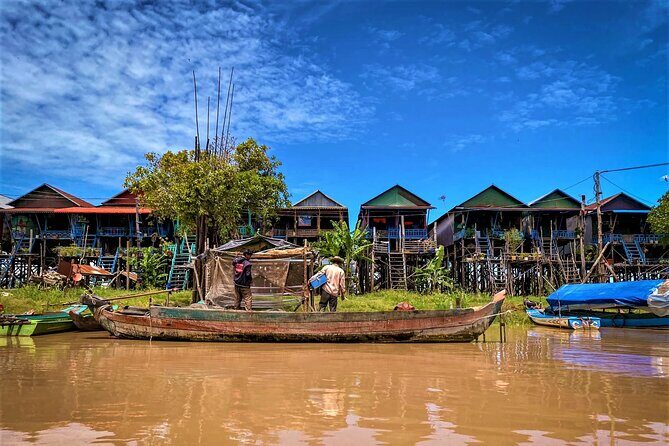
- Private boat time on Tonle Sap: built around seeing water-based life, not rushing past it
- Kampong Phluk Floating Village (3 hours): enough time to look closely and understand daily routines
- Mangrove exploration depends on water levels: traditional paddle-boat style in the mangroves when conditions allow
- Guide-led history in plain English: Khmer civilization plus post-Khmer Rouge challenges for Tonle Sap communities
- Siem Reap add-ons that don’t feel random: Wat Bo, Ro Lous Market, Artisans Angkor, and garden/pagoda stops
- All fees handled up front: entrance tickets and guide services are included, so you’re not doing ticket math all day
Tonle Sap floating village life: what you’re really seeing
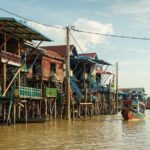
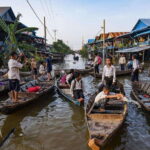
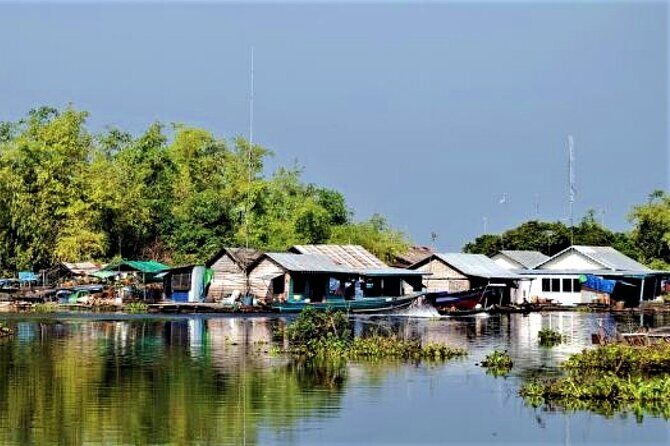
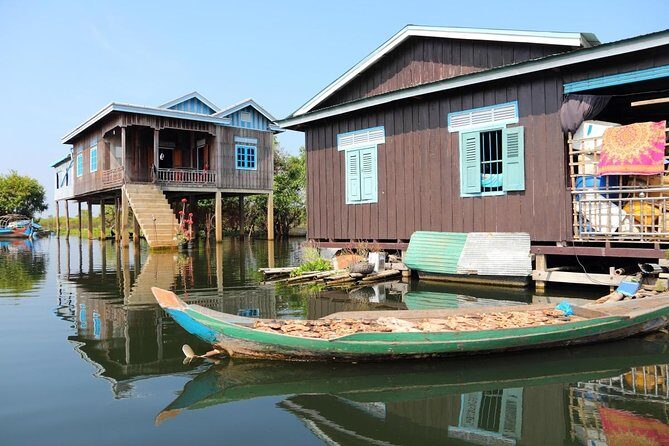
Tonle Sap isn’t just a lake on a map. It’s a changing system of water and season, and that affects how people build homes, work, and move. That’s why this tour works: it doesn’t treat the floating village like a theme park. It frames the experience as daily life on the water, shaped by the lake’s rhythms.
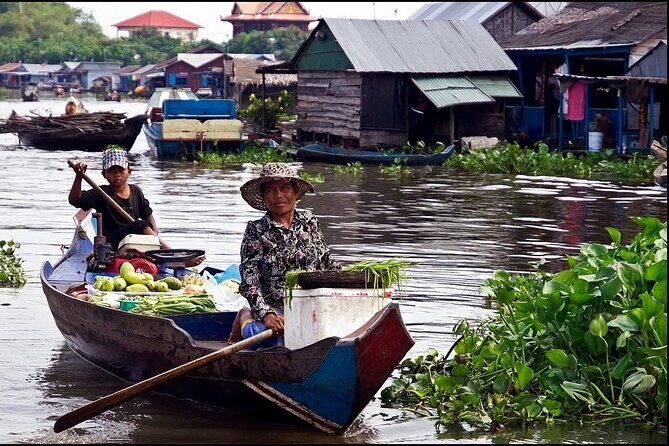
I like that the focus stays human. You’re not only looking at stilted houses; you’re hearing how families adapt—fishermen, schools, markets, and the practical details of living where land is never fully stable. When a guide can explain why certain things happen here, the whole scene stops feeling like a photo assignment.
And because it’s private, your day stays smoother. You can ask questions, and the boat rhythm feels like your schedule, not a conveyor belt. Guides mentioned in the experience have been friendly and structured—one guide named Leap comes up for being especially helpful and easy to talk with—so you’re not left staring silently while others get the story.
Other Tonle Sap and floating village tours we've reviewed in Siem Reap
Boat day logistics that matter more than you think
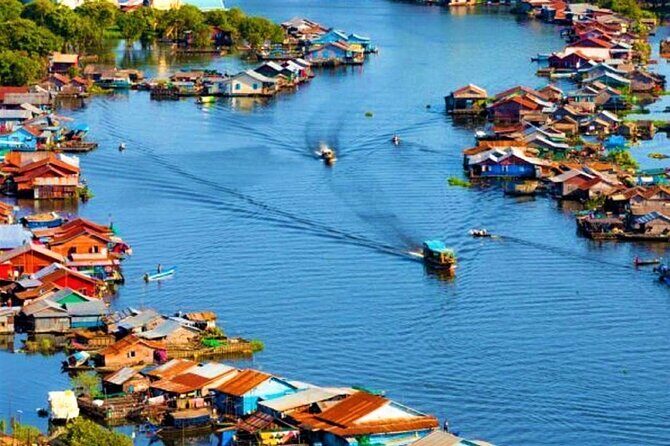
This is a long day—about 7 to 9 hours—with hotel pickup and drop-off in Siem Reap. That matters because Tonle Sap tours can become exhausting fast if you’re shuttling yourself across town and hunting down the boat. Here, you start and end cleanly.
You also get included entrance fees at the stops, plus guide and sightseeing fees. So your budget is mostly under control before the day even begins. The main variable is food. Lunch isn’t included, and meals can cost around $3–$10 per dish depending on what you choose.
One more practical point: mangrove exploration depends on water levels. That’s not a “maybe we skip it” situation—it’s a “nature sets the plan” situation. If conditions are right, you’ll get traditional paddle-boat style time in the mangroves, usually quiet and slow compared to the main boat ride.
Stop 1: Kampong Phluk Floating Village (3 hours)
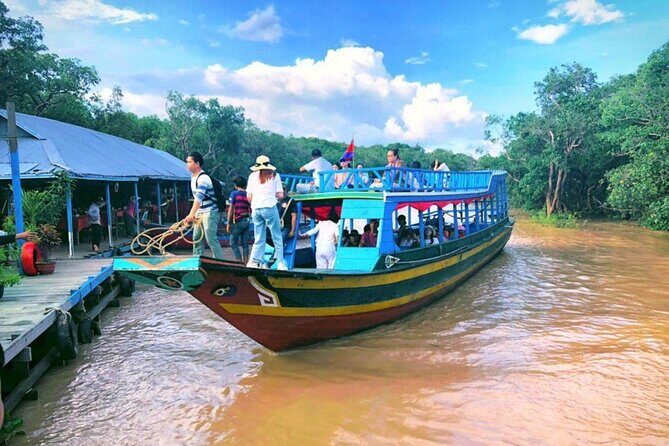
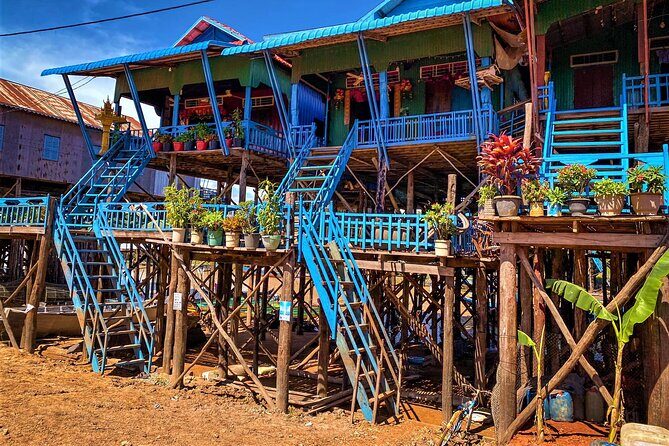
Kampong Phluk is often the emotional center of this kind of day, and here you get a full chunk of time—around 3 hours. That length is key. You’re not just snapping a few pictures and leaving. You can actually walk through parts of the village area, see market activity, and watch everyday routines that feel like they happen whether visitors are there or not.
What I’d expect you to notice:
- How homes, schools, and daily services connect to the water rather than trying to fight it
- Fishermen life and the way work relates to the lake’s movement
- Markets and community routines that aren’t staged for the camera
A fast-paced schedule can squeeze your time for browsing, but 3 hours helps. If you want to ask questions—about how people live, what changes with seasons, and how the community has handled difficult history—that time window gives the guide space to explain.
A small caution: floating villages are active places. So if you want calm viewing, be ready for boats, people, and some noise. That’s part of the experience. Just don’t come expecting a museum silence.
Stop 2: Tonle Sap Lake time (about 1 hour)
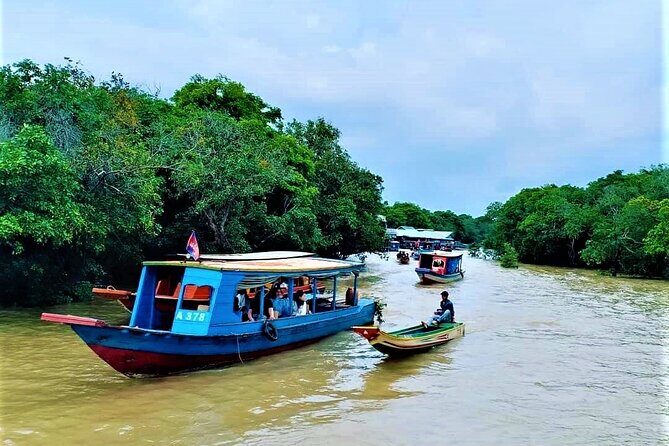
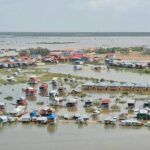
After the floating village, you shift from “community life” to “the lake itself.” The included time on Tonle Sap Lake helps you reset your eyes. You start seeing the bigger pattern: the scale of water, the distance between settlements, and how the region feels like a living water system.
This is where the trip can feel most “real,” because the scenery changes and the boat environment becomes the main thing. You’re also more likely to spot natural details—water birds, shoreline variation, and that sense that land is secondary here.
If you’re the type who likes quiet photos, this hour is your chance. Keep your expectations flexible: the weather and water conditions can influence visibility and comfort.
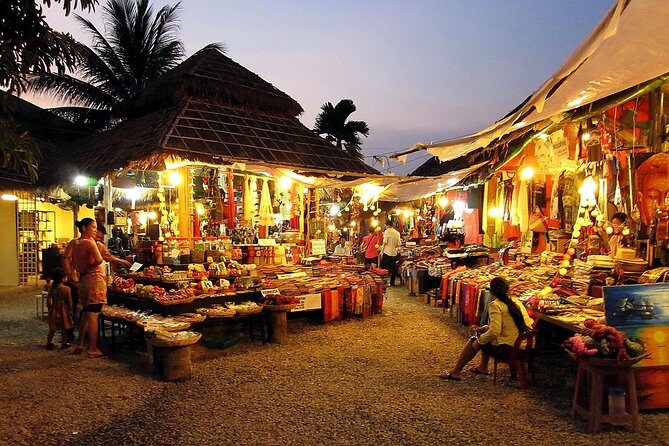
Stop 3: Ro Lous Market (about 30 minutes)
Ro Lous Market is on the ancient-city circuit, and it gives your day a different flavor than the lake stops. You get about 30 minutes—long enough to walk through lively stalls and soak up local daily life.
Why I think this stop is worth it:
- Markets show local routines in a way temples alone can’t.
- It’s a chance to pick up small snacks or just watch the flow of people and goods.
- It adds an Angkor-era connection to your day through its reputation as an older market tied to the ancient Angkor area.
The drawback is simple: 30 minutes is tight. If you want to shop slowly, you’ll have to be decisive or save bigger shopping for later. Treat this as a “sense the place” stop.
Other Siem Reap city and countryside tours we've reviewed in Siem Reap


Stop 4: Wat Bo Temple (about 30 minutes)
Wat Bo is one of those Siem Reap temples that can feel more local than iconic. Here, you get about 30 minutes, including time to see preserved wall paintings from the 19th century.
Even in a short visit, wall paintings can do a lot of work. They give you a sense of story and style without requiring you to be an architecture expert. If the guide is doing a historical thread through the day, this is a place where that thread can click—religious art, Khmer-era influences, and what has been preserved.
A practical note: temple time is usually subject to heat and crowds. If you’re traveling in high season, bring a hat and keep water in mind—even if the tour manages the big items, you still control your comfort.
Stop 5: Artisans Angkor (about 40 minutes)
Artisans Angkor adds a craft-and-skills angle. The focus is on traditional Cambodian arts and crafts like textiles, weaving, silversmithing, stone carving, lacquerware, ceramics, and even kite-making.
Why I like this stop in the middle of a long day:
- It gives your brain a break from walking and the lake environment.
- It reminds you that culture here isn’t only historical; it’s practiced.
You’ll get around 40 minutes, which is enough to see demos or displays at a comfortable pace. The only potential downside is that if you’re not interested in crafts, this might feel more showroom-like than the rest of the day. I’d still recommend it because it connects the cultural story your guide is telling to skills still used today.
Stop 6: Royal Resident Garden (about 30 minutes)
This is described as the Royal Independence Gardens and the Royal Residence complex. It includes a park-like setting with religious elements inside the compound (such as pagoda elements and statues referenced as part of the area).
What you gain from this stop is variety. After temples and market energy, you shift to a garden setting—more open space, more breathing room, and a chance to observe the site’s scale.
Because the time is about 30 minutes, you’ll want to focus on a few details rather than trying to see everything. Ask the guide what’s most important in this compound and stick to that.
Stop 7: Preah Ang Chek Preah Ang Chorm Shrine (about 30 minutes)
This shrine is inside the Royal Residence compound, and it includes two statues referred to as Preah Ang Chek and Preah Ang Chorm. You’ll spend about 30 minutes here.
I like this stop because it’s specific. It’s not just a general temple visit. It’s tied to named figures and a particular location, so you’re more likely to remember what you saw once the story is explained.
As always with shorter shrine time, you’ll get the highlights rather than a slow study. If you like deep reading on stone inscriptions, save that for a separate day. Here, the goal is understanding and context.
Stop 8: Angkor Botanical Garden (about 1 hour)
Ending with Angkor Botanical Garden is a smart move if you’re tired. You get about an hour of eco-focused walking paths in a green setting with an emphasis on zero plastic use.
This part can feel calmer than the earlier stops. It’s a good place to reset after a day that started with boats and included market and temples. You’ll also likely notice that the garden setting encourages slow movement—something you need after a full day of transport.
Like the other stops, it’s scheduled. So if you love plants and want to photograph everything, you may wish you had extra time. Still, one hour is enough to enjoy the paths and see why the garden approach fits the broader theme of the region’s nature.
What makes the guide experience matter
This tour is built around a professional English-speaking license tour guide. In a day like this, the guide is the difference between seeing scenes and understanding them.
From the experience notes you provided, guide quality really shows up in the ratings: Leap is praised as super knowledgeable and friendly, while Sara and Art are mentioned as on time and professional, making the whole day feel smooth.
What that means for you:
- You’ll get cultural and historical explanation tied to what you’re seeing in the village and around Siem Reap.
- You won’t need to guess why a place matters.
- Questions feel welcome, especially on the boat and at the market.
You should still come with curiosity. If you want the best value, ask about how Tonle Sap communities handle seasonal changes and how people survived the post-Khmer Rouge challenges the guide covers.
Value check: is $71.25 a good deal?
At $71.25 per person, you’re paying for a long day with hotel pickup and drop-off, private boat tours, and included entrance fees. Most “cheap” tours in this area cut corners by excluding key boat time or making you pay for admissions separately.
Here, admissions and sightseeing fees are included at the listed stops. Boat trip and guide services are covered too. That’s real value because it reduces the annoying extras that pop up later.
The main costs you’ll still face:
- Lunch (on you, about $3–$10 per dish)
- Tips for the guide and driver (not included)
So the math looks like this: if you want one day that covers lake life plus multiple Siem Reap stops without ticket stress, the price feels fair. If you prefer slower travel, you might find the packed schedule less “relaxing” than you want—but that’s about style, not price.
Who this tour suits best
This one fits you if:
- You want Tonle Sap and a floating village experience that’s built around boats and real community life.
- You like structure: a guided day with planned stops and included fees.
- You want an English-speaking guide to connect history and daily life.
It’s less ideal if:
- You hate tight timing and constant transitions.
- You want a slow, unhurried day with long pauses at each stop.
- You’re extremely picky about lunch timing or prefer all meals to be included.
For families, it can work because it’s private. But because the day is long (7–9 hours) and includes outdoor time, plan for comfort.
A few practical tips for your day
- Bring sunscreen and a hat. The lake and garden portions both benefit from shade protection.
- Have some cash for lunch and for tipping your guide and driver.
- Dress for heat and for moving between boat and walking. Closed-toe shoes can help on mixed surfaces.
- If you’re sensitive to noise, keep your expectations flexible at the floating village and market—these are active places.
Should you book this Tonle Sap floating village tour?
I’d book this tour if you’re aiming for one day in Siem Reap that connects nature, livelihoods, and Cambodian history without making you manage tickets or logistics. The mix of Tonle Sap (floating village plus lake time), mangroves (when water levels allow), and Siem Reap culture stops gives you a full picture that feels grounded, not random.
Skip it if you’re looking for a leisurely pace. With 7–9 hours and multiple short stops, you’ll be moving.
If you do book, choose it for what it is: a strong, guided day on the water, paired with cultural stops that help you understand the region beyond Angkor’s main monuments.
FAQ
What is the duration of the Floating Village and Tonle Sap Lake boat tour?
The tour lasts about 7 to 9 hours.
Where does the tour take place?
It’s in Siem Reap, Cambodia.
How much does it cost per person?
The price is $71.25 per person.
Is pickup and drop-off included?
Yes. Pickup and drop-off at your hotel are included.
Is the tour private?
Yes. This is a private tour/activity, and only your group participates.
What is included in the price?
Pickup and drop-off, a professional English-speaking license tour guide, all fees and taxes, all sightseeing fees mentioned in the itinerary, and private boat tours to Tonle Sap and the floating village are included.
What is not included?
Tips for the guide and driver are not included. Lunch is also not included, but local restaurants are available with vegetarian and non-vegetarian options (menu prices are about $3–$10 per dish).
Do I need to buy tickets for the stops?
No. Entrance tickets for the stops listed in the itinerary are included.
Will I have mangrove time on the water?
Mangrove forest exploration is included and is done by traditional paddle boat, depending on water levels.
What is the cancellation policy?
Free cancellation is available up to 24 hours in advance for a full refund. If you cancel less than 24 hours before the experience starts, the amount paid is not refunded.