REVIEW · SIEM REAP
2 Days Discover Angkor Wat Complex and Cambodia’s Villages Tours
Book on Viator →Operated by Angkor Visitor · Bookable on Viator
Early mornings in Angkor change everything. This two-day private tour in Siem Reap connects the famous Angkor temple circuit with more open, less-restored ruins and real village scenery. I love the way it mixes top sights like Angkor Wat with places that feel rawer and wilder, not staged. I also like that you get an English-speaking guide who can explain the Khmer stories at a pace that actually makes sense. One consideration: you will pay extra for temple/boat entrance fees on top of the tour price.
Guides make the biggest difference on this kind of trip. I particularly liked the service style from guides like Prai m and Khim, who kept things comfortable, answered questions, and handled the day plan smoothly. The schedule is active and includes walking through uneven, overgrown temple areas, so if you have limited stamina or mobility, plan carefully and move at your pace.
In This Review
- Key highlights you can bank on
- Angkor Wat at dawn: the “must-see” temples, paced for real understanding
- Ta Prohm, Angkor Thom, and Bayon: why this combo works
- Beng Mealea: the unrestored ruin day that feels like you found it
- Kompong Phluk and Tonle Sap: stilt-village life on the water
- The countryside ride: village scenery and a local maret stop
- Private group comfort: your guide is the secret sauce
- Price and value reality check: $235 group price plus entry fees
- Timing, tickets, and what to expect when you show up
- Who should book this Angkor Wat + villages combo?
- Should you book 2 Days Discover Angkor Wat Complex and Cambodia’s Villages?
- FAQ
- What time does pickup start for this tour?
- Is this tour private, or will I be grouped with strangers?
- What size is a group for this tour?
- Are meals included?
- Are entrance fees included for Angkor Wat and the other temples?
- Is Beng Mealea entrance included?
- Do I need to pay for the Tonle Sap and Kompong Phluk boat experience?
- How much time do I have to cancel for a full refund?
Key highlights you can bank on
- 5:00 am start that puts you on-site early for the main Angkor temples
- English-speaking private guiding with real context, not just dates
- Ta Prohm plus Bayon and Angkor Thom in one clean Day 1 loop
- Beng Mealea with the feeling of a largely unrestored ruin
- Kompong Phluk and Tonle Sap for stilt-village life tied to a seasonal lake
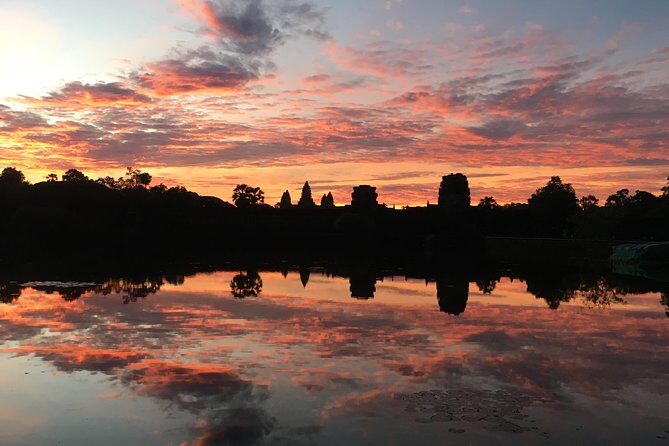
Angkor Wat at dawn: the “must-see” temples, paced for real understanding
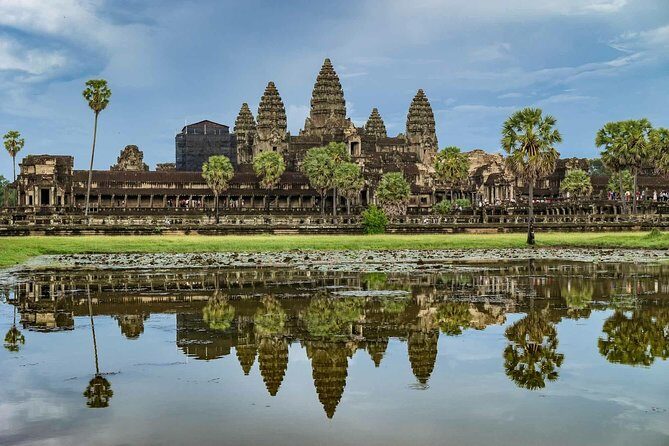
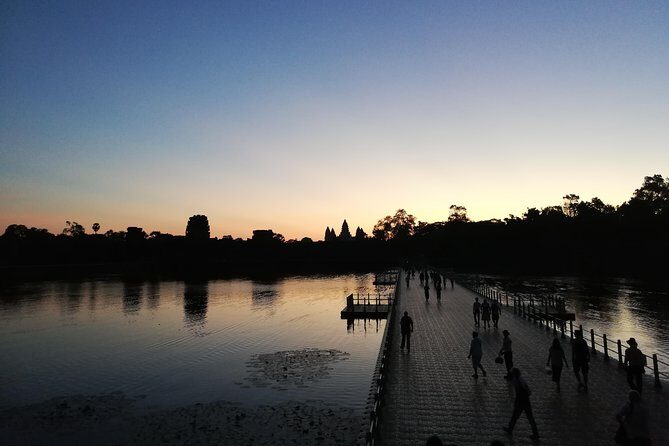
This is a classic Angkor mix, but the pacing matters. Pickup begins at 5:00 am, and that early start is one reason the schedule feels manageable across two days instead of rushed. You ride in an air-conditioned SUV or mini van with cold drinking water and cold towels, so the morning doesn’t feel like a punishment.
Day 1 is built around the Angkor Wat complex and the core temples most people come for:
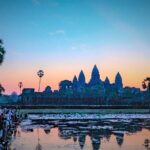
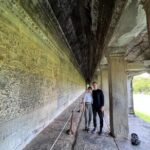
- Angkor Wat (about 2 hours): It’s one of the largest religious monuments in the world, spread over 162.6 hectares. The site began as a Hindu temple dedicated to Vishnu, and later became deeply associated with Buddhism. That shift is part of why the place feels layered and complex, even when you’re just staring at the stone.
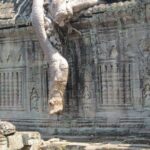
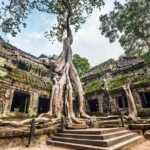
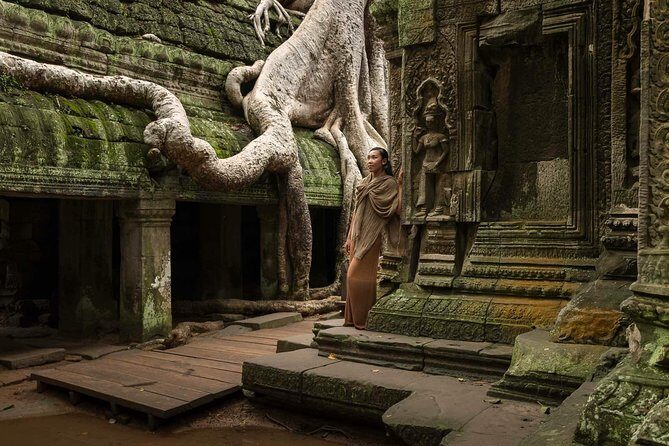
- Ta Prohm (about 1 hour): The headline here is the jungle effect—huge trees and massive roots climbing through the structures. It’s also tied to pop culture because it appeared in The Tomb Raider movie, but the real payoff is seeing how nature and architecture share the same space.
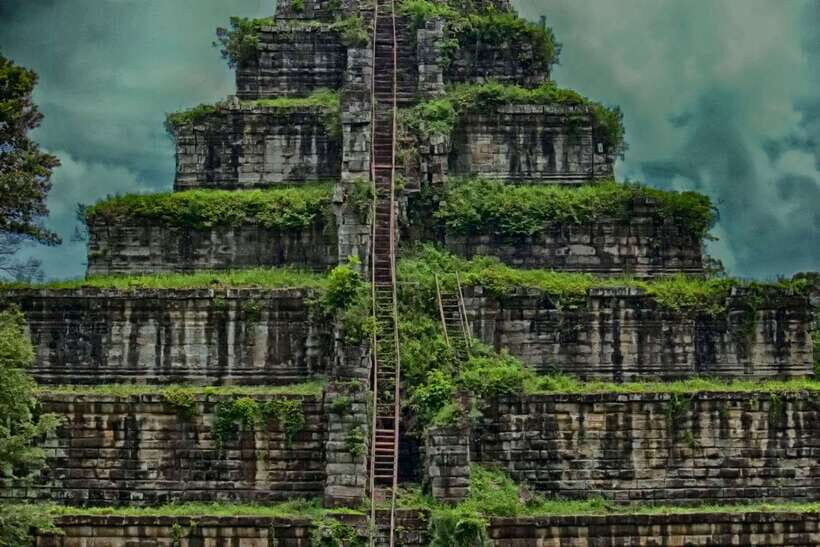
- Ta Keo (about 30 minutes): This one stands out because it’s one of the taller mountain temples in the Angkor area. It was built by Jayavarman V and includes five sanctuaries rising up a stepped pyramid layout.
- Angkor Thom (about 30 minutes) plus key stops nearby: Angkor Thom is the walled city of the Khmer empire, built around 1181 AD under Jayavarman VII. You also visit the Terrace of the Elephants and then the famous Bayon Temple.
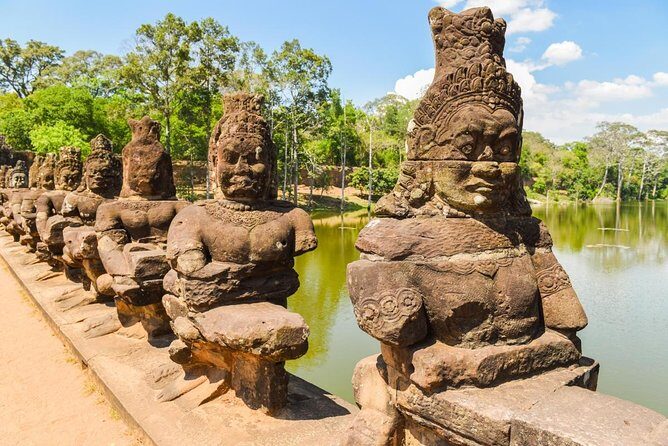
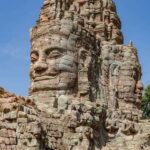
Bayon is where the emotional pull hits. The temple is known for its richly decorated Khmer style and for the stone smiling faces (described in many ways, including as four faces of Buddha). When you’re there with a guide who explains what you’re looking at—rather than just pointing—you’ll get more meaning out of every turn in the courtyard.
A small practical note: the itinerary lists admission as not included. Angkor Wat and the other temples have a set fee per person, so build that into your budgeting (more on that later). And because some stops overlap with walking between structures, your feet matter—bring steady walking shoes and take breaks when you need them.
Other Angkor Wat temple tours we've reviewed in Siem Reap
Ta Prohm, Angkor Thom, and Bayon: why this combo works
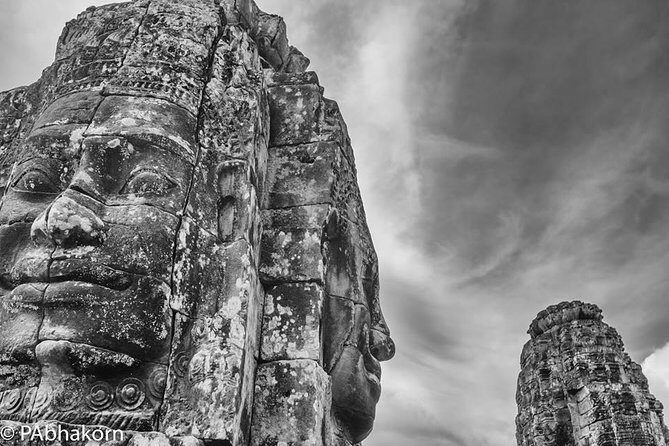
If you only see Angkor Wat, you’ll still have a great trip. But this route is smarter than that. It strings together temples that show different sides of Khmer power and belief.
Ta Prohm shows how the jungle can feel like a living co-author of the ruins. Angkor Thom shows the idea of a royal, enclosed world—walls, gates, and ceremonial space. Then Bayon gives you the human focus, with those iconic faces that make the whole place feel more intimate than its size suggests.
And the guide element isn’t a small detail. This tour is praised for guides like Praim and Khim who explain in the right amount of detail and answer questions instead of rushing through. That’s a big deal when your brain is trying to process stone carvings, historical transitions, and why one temple looks different from the next.
Beng Mealea: the unrestored ruin day that feels like you found it
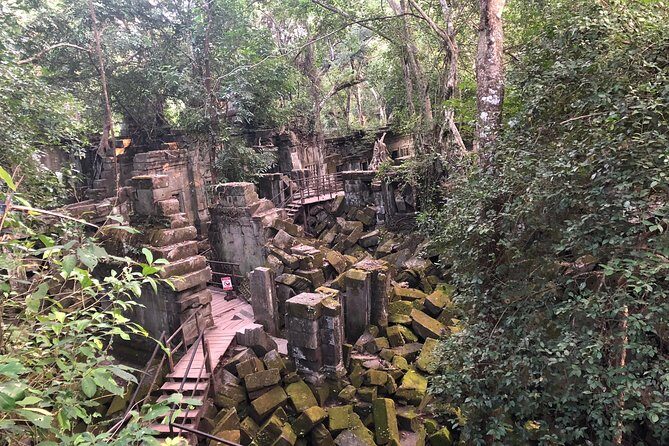
Day 2 starts with Prasat Beng Mealea (about 2 hours). This is a different vibe from the big showpiece temples.
Here’s what makes Beng Mealea special in plain terms:
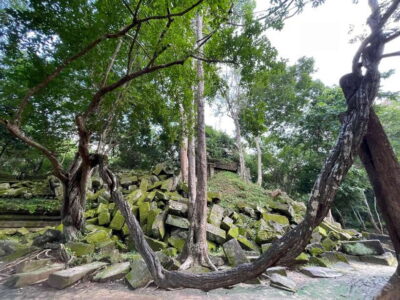
- It’s largely unrestored, so you get the sense of a temple that’s still in conversation with trees and thick brush.
- It’s built from sandstone, which affects how the ruin looks and how it feels as you move around it.
- You’ll see Hindu temple origins, but with carvings that include Buddhist motifs.
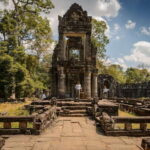
In the simplest way possible, this stop lets you step out of the perfectly packaged Angkor look. It’s more rugged. You’ll spend your time navigating paths and stepping into spaces that are overgrown enough to feel a little wild.
The description even notes the nickname Lotus Pond, which hints at the way people traditionally connected the temple’s setting to sacred nature themes. Even if you don’t obsess over the symbolism, the atmosphere does the work.
This is also where moderate physical fitness matters. The day includes walking through uneven surfaces and areas with lots of vegetation. You don’t need to be an athlete, but you do need to be comfortable moving at a steady pace.
Kompong Phluk and Tonle Sap: stilt-village life on the water
After Beng Mealea, the trip shifts from stone to water life. The plan includes:
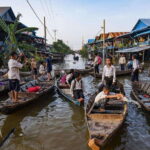
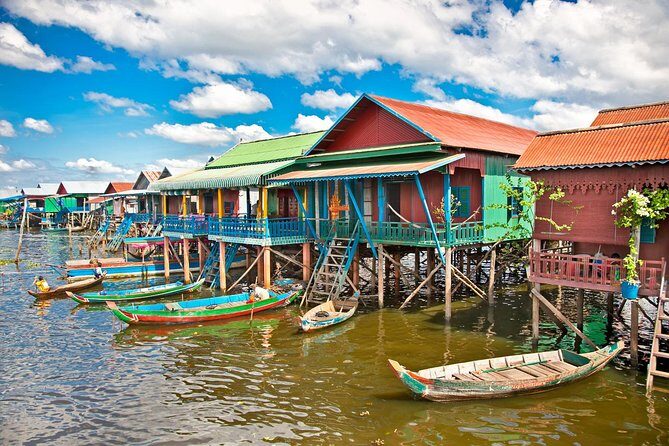
- Kompong Phluk (about 2 hours): a village built on stilts on the Tonle Sap. The name is given as Harbor of the Tusks, and the community’s daily life largely depends on the water ecosystem.
- Tonle Sap Lake (about 1 hour): described as the biggest fresh water lake in South-East Asia.
This lake isn’t a static postcard. It’s seasonally inundated, meaning the water level and the surrounding habitats change over time. That matters because the village and routines change with the seasons, not just the weather.
One practical thing to know: the admission fee and private boat ride to Tonle Sap Great and Kompong Phluk floating village are listed as not included. So you should expect an additional per-person cost tied to the boat experience.
If you’re trying to understand Cambodia beyond the temple silhouettes, this part helps. It’s not just a photo stop. It’s a place where you can see how geography shapes daily living.
The countryside ride: village scenery and a local maret stop
Between temples and the lake, the tour includes time for countryside village scenery and a local market moment (spelled maret in the description). It also mentions chances to see a remote temple complex and less-touristy ruined temple scenes.
This is where you get the in-between Cambodia that most rushed itineraries skip. The road time isn’t wasted if your guide actually explains what you’re passing—schools, rural land use, and how communities sit around the bigger landmarks.
You don’t have to expect a scripted shopping spree. The value here is the texture: rural life outside the Angkor footprint.
Other Siem Reap city and countryside tours we've reviewed in Siem Reap



Private group comfort: your guide is the secret sauce
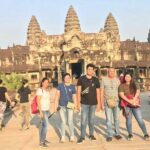
This is listed as a private tour/activity with your group only, and the group size can go up to 10. That’s a sweet spot because it keeps the schedule flexible while still being cost-efficient for groups.
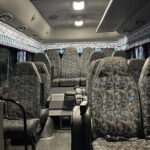
You’ll travel in an air-conditioned SUV or mini van. You get cold drinking water and cold towels, which sounds basic until you’re actually doing two big temple days back-to-back.
The guides are repeatedly praised for professionalism and English skill. People highlight that:
- Praim kept everyone comfortable and explained things in a clear, question-friendly way.
- Khim handled both days with solid temple history and a pace that helped the walking make sense.
- Guides also help with photos if you want that, which is handy because Angkor is all angles and stone detail.
If you care about asking questions—why a temple was built, what changed over centuries, how Khmer rulers used architecture—this format works well. A private setup makes it easier to slow down at a spot that grabs your attention.
Price and value reality check: $235 group price plus entry fees
Let’s do the math the practical way.
The base price is $235 per group (up to 10). That means your effective per-person cost depends on how full your group is. Then there are the extra entrance fees and boat fees that are not included:
- Angkor Wat and other temples: $37.00 per person
- Beng Mealea temple: $10.00 per person
- Kompong Phluk / Tonle Sap boat and admission: $22.00 per person
Total extra fees add up to $69 per person (37 + 10 + 22).
So your estimated total per person looks roughly like this:
- If you have 10 people, base cost ≈ $23.50 per person, plus $69 fees, for around $92.50 total per person.
- If you have 2 people, base cost ≈ $117.50 per person, plus $69 fees, for around $186.50 total per person.
That’s why I like this setup for groups and couples who don’t want to deal with bus schedules. For a solo traveler, it might feel pricier than the headline number. For a small group, it starts looking like good value because you’re paying mainly for a guide, reliable transport, and the hard-to-organize parts of the lake visit.
Also, note what’s included: transportation, an English-speaking guide, cold water, and cold towels. Meals are not included, so you’ll want to budget for food during the day.
Timing, tickets, and what to expect when you show up
The tour starts at 5:00 am. That early pickup is part of the Angkor advantage, and it also means you’ll want to plan your night accordingly. The tour runs for about 2 days, so you should think of it as two active temple-and-life sessions rather than two half-days.
You also get a mobile ticket, and you receive confirmation at booking. The meeting point is listed as near public transportation, which can matter if you’re adjusting plans last-minute.
Physical fitness is listed as moderate. That’s a fair way to describe both temple walking and the reality of uneven surfaces at ruins with thick brush.
Who should book this Angkor Wat + villages combo?
Book it if:
- You want both classic Angkor highlights and less-restored, more rugged temple atmosphere.
- You value an English-speaking private guide who can explain and answer questions.
- You care about seeing beyond stone—Kompong Phluk and Tonle Sap bring the Cambodia story back to real life.
- You’re traveling in a group up to 10 and want better per-person value.
You might rethink it if:
- You strongly dislike early starts and long days.
- You don’t want to handle extra costs for temple and boat fees once you’re there.
- You have trouble with moderate walking on uneven, overgrown sites.
Should you book 2 Days Discover Angkor Wat Complex and Cambodia’s Villages?
I’d book it if you want a structured two-day plan that still feels human and flexible. The big reason is the balance: you get Angkor Wat, Ta Prohm, Angkor Thom, and Bayon on Day 1, then you shift to Beng Mealea for the rugged ruin mood and finish with Kompong Phluk and Tonle Sap for a view of Cambodia shaped by seasons.
The other reason is the guide reputation. Names like Praim and Khim come up for clear explanations, professional handling of the day, and keeping the experience comfortable. That’s the kind of quality that turns Angkor from a list of sights into something you actually understand.
Just budget for the on-site temple and boat fees, and be ready for a moderate walking day. If that fits your style, this is a smart, cost-aware way to cover the temples plus the villages without feeling like you’re sprinting through the country.
FAQ
What time does pickup start for this tour?
Pickup starts at 5:00 am.
Is this tour private, or will I be grouped with strangers?
It’s listed as a private tour/activity. Only your group will participate.
What size is a group for this tour?
The price is per group of up to 10 people.
Are meals included?
No. Meals and beverages are not included.
Are entrance fees included for Angkor Wat and the other temples?
No. Entrance fees are not included. Angkor Wat and other temples are listed as $37 per person.
Is Beng Mealea entrance included?
No. Beng Mealea entrance is not included and is listed as $10 per person.
Do I need to pay for the Tonle Sap and Kompong Phluk boat experience?
Yes. Admission fee and private boat ride to Tonle Sap Great and Kompong Phluk floating village are listed as $22 per person.
How much time do I have to cancel for a full refund?
You can cancel up to 24 hours in advance for a full refund.