REVIEW · SIEM REAP
Full-Day Angkor Wat Sunrise & Sunset & All Must-See Private Tour
Book on Viator →Operated by Happy Angkor Tour · Bookable on Viator
Wake up before sunrise. This private Angkor plan strings together the big hits—Angkor Wat at dawn, the Small Circuit classics, and a sunset climb—without you having to piece together transport and timing.
What I like most is how efficiently it packs the sights across two circuits in one long day, starting at 4:45am so you get the best light for Angkor Wat. Second, the tour includes a real guide plus comfort basics: hotel pickup/drop-off, an air-conditioned car, and even cool water and wet towels.
One thing to consider is the schedule. It’s an early start and a long day—plus the sunset viewpoint at Phnom Bakheng can get limited at the peak—so you’ll want comfy shoes and a bit of stamina.
In This Review
- Key highlights worth marking on your map
- The 4:45 a.m. start: how sunrise at Angkor Wat sets the tone
- Angkor Wat first: what you’ll actually focus on during the 3-hour window
- Ta Prohm: where the trees grab your attention
- Banteay Kdei and Ta Nei: quieter temples, calmer pacing
- Angkor Thom core: Victory Gate to Bayon without getting lost
- Baphuon, Phimeanakas, and the royal enclosure: the temple story in layers
- Terraces with details: Elephants and the Leper King
- Preah Palilay: a quieter finish inside Angkor Thom
- Phnom Bakheng at sunset: the climb and the crowd reality
- Timing, transport, and comfort: why this tour feels easier than DIY
- Price and value: what $88.50 actually buys you
- Who this tour is best for
- A practical checklist so your day goes smoother
- Should you book it?
- FAQ
- What time does the tour start?
- How long is the full-day tour?
- Does the tour include hotel pickup and drop-off?
- What’s included in the tour price?
- Is lunch included?
- How does cancellation work?
Key highlights worth marking on your map
- 4:45am start to catch sunrise at Angkor Wat with less scramble than DIY
- Small Circuit + Grand Circuit mix, so you hit both Ta Prohm and the Angkor Thom core
- Phnom Bakheng sunset with a plan if the peak gets crowded
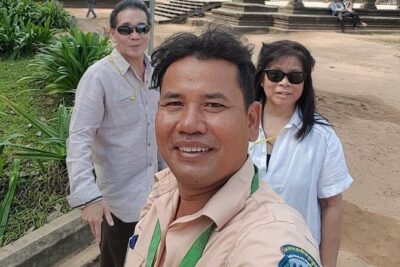
- Licensed English-speaking guide and smooth pacing between temples
- Comfort included: AC vehicle, cool water, cool wet towels, parking and road fees
The 4:45 a.m. start: how sunrise at Angkor Wat sets the tone
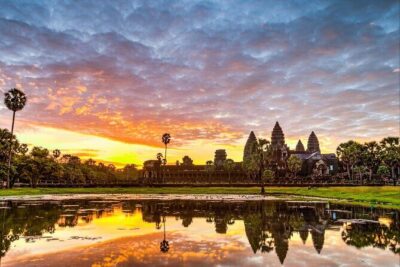
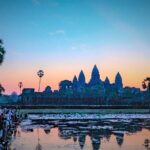
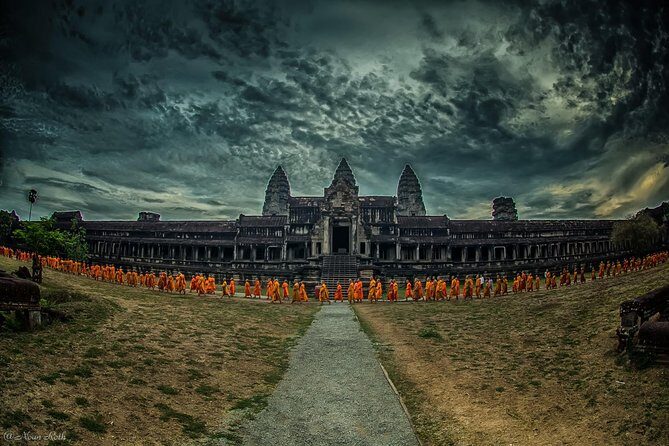
This tour begins at 4:45am, with pickup from your hotel lobby in Siem Reap. That early timing matters at Angkor Wat. The light is softer, the crowds typically feel more manageable, and the whole complex seems to wake up in layers instead of turning into one big blur.
You’ll also stop along the way to handle the temples pass. Doing it early helps you avoid wasting your short sunrise window on admin. From there, you’ll spend about 3 hours at Angkor Wat. That’s enough time to orient yourself, enjoy the sunrise vibe, and still take meaningful photos without rushing.
A practical note: sunrise tours are cold or cool-ish before the heat kicks in. Bring a light layer you can shed later. And keep your water plan simple—you’ll have cool water provided, which is a nice touch when you’re out that early.
Other Angkor Wat sunrise tours we've reviewed in Siem Reap
Angkor Wat first: what you’ll actually focus on during the 3-hour window
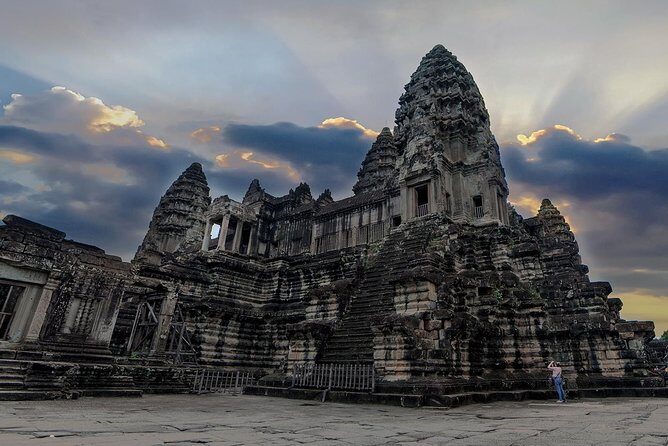
Angkor Wat is huge, so the value of a structured tour is not that you see everything—it’s that you see the right things in the right order. With this itinerary, the guide helps you get your bearings fast while the morning light is still working for you.
Expect time to enjoy the main views from different angles, then move through the temple space at a pace that doesn’t feel like a race. Since admission is listed as not included (with Angkor Wat priced at $37 per person), you’ll want to budget that upfront so the day stays smooth.
If you’re thinking, I only have one day in Siem Reap—this is exactly the kind of start you want. You get the iconic dawn moment and enough time for the temple to feel real, not just stamped onto a postcard.
Ta Prohm: where the trees grab your attention
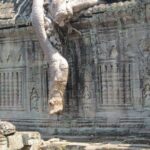
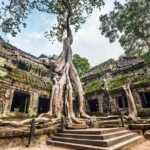
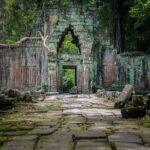
After Angkor Wat, the itinerary goes to Ta Prohm (about 1 hour 30 minutes). This is one of those places where you don’t have to explain the appeal. Massive tree roots weave through the stone, and the whole site feels like it’s being reclaimed.
One benefit of staying for a full block here is that you can slow down. Look up for the roots and carvings, then look around for how people frame the ruins. It’s also a great break from the big monument energy of Angkor Wat, because Ta Prohm has a more intimate, tangled feel.
Ticket details: temple admissions aren’t included in the tour price, so plan on paying at the sites as required. The good news is you’re not trying to figure out what to do next on your own.
Banteay Kdei and Ta Nei: quieter temples, calmer pacing
The next stops shift your day away from the busiest landmarks:
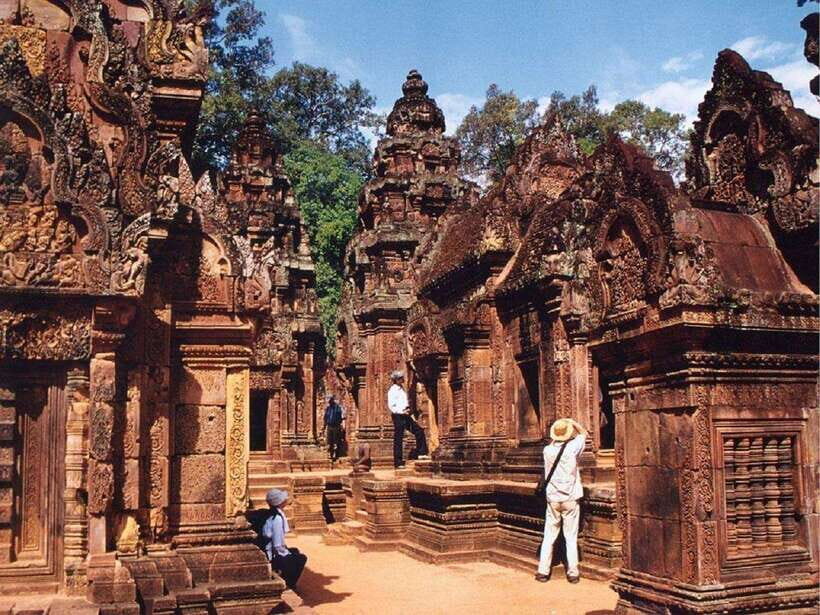
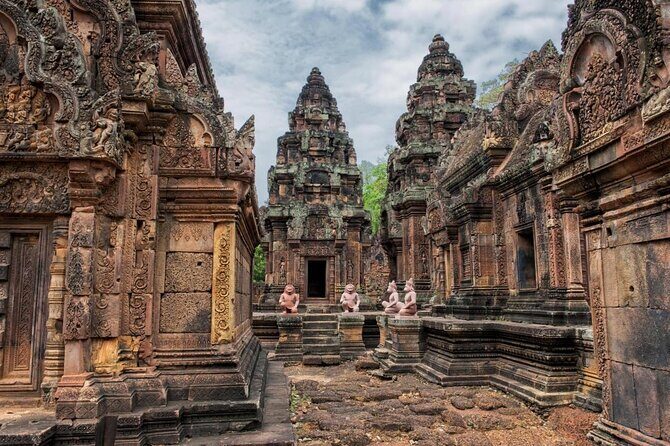
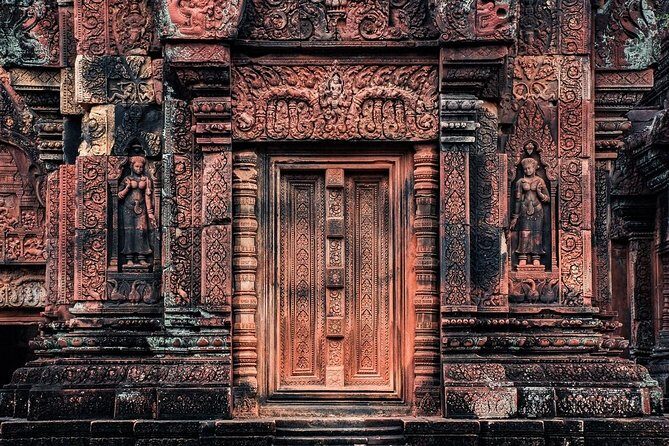
- Banteay Kdei (about 45 minutes) is described as a massive Buddhist monastery from the late 12th century, and it often feels quiet and peaceful compared to the most famous stops.
- Ta Nei (about 30 minutes) is smaller and less restored, set among large trees, so it’s a more “softly atmospheric” stop rather than a grand show.
These two temples are important to the overall experience. If your day were only Angkor Wat plus the biggest crowds of Ta Prohm and Angkor Thom, you’d likely feel temples blur together. These quieter stops act like tempo breaks. You get time to notice details in stonework and layout without being constantly squeezed by foot traffic.
They’re also a good place to catch your breath before the Angkor Thom circuit picks up.
Angkor Thom core: Victory Gate to Bayon without getting lost
Next you move into Angkor Thom. The plan includes the east side Victory Gate for photos and then continues into the heart of the complex.
You’ll stop at:
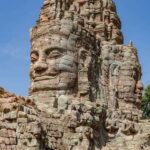
- The Victory Gate (quick photo stop)
- Bayon Temple (about 1 hour)
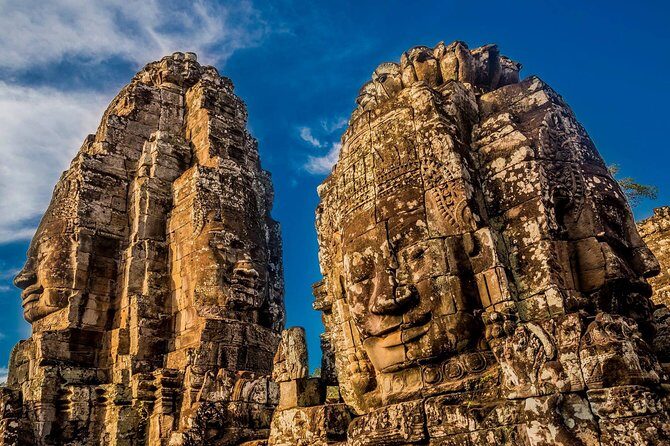
Bayon is the centerpiece inside Angkor Thom for a reason. It has 49 towers, and each tower has four faces, meaning you’re looking at 196 faces of Avalokiteshvara from multiple directions as you walk through. That layout makes it a temple you experience by moving—standing still too long means you only see one set of faces.
The practical value of a guided circuit is that you don’t waste time backtracking. You keep moving, and you get the classic viewpoints in a logical sequence.
Other Angkor Wat sunset tours we've reviewed in Siem Reap



Baphuon, Phimeanakas, and the royal enclosure: the temple story in layers
After Bayon, the itinerary continues through several key Angkor Thom structures:
- Baphuon (about 30 minutes) is described as a Hindu temple built before Angkor Wat (11th century). It also has a reclining Buddha that was built later (16th century). That mix of eras is one of the things I find most interesting: the site isn’t stuck in one moment; it changes with time.
- Phimeanakas (about 20 minutes) is a pyramid Hindu temple built in the 10th century, located in the center of the old Royal Palace area. It’s a shorter stop, but the setting helps you connect the dots about how the royal complex was laid out.
These aren’t always the “first photo” targets for people who only know Angkor Wat. But in a day like this, they balance your experience. You come away with the sense that Angkor wasn’t just one temple—it was a whole political and spiritual system.
Terraces with details: Elephants and the Leper King
Two quick stops round out this section:
- Terrace of the Elephants (about 10 minutes): a platform kings used to view victorious returning armies, with elephant carvings on the walls.
- Terrace of the Leper King (about 10 minutes): another platform nearby on the north side.
Short stops can feel rushed, but they work when your day is already stretched across sunrise and sunset. The guide keeps you on track so you still get the main vibe and the important visual details—without burning an hour when you should save energy for the climb later.
If you like carvings and story-in-stone, these terraces reward you fast.
Preah Palilay: a quieter finish inside Angkor Thom
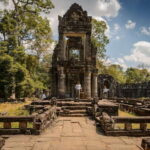
Before the sunset portion, the itinerary includes Preah Palilay (about 20 minutes). It’s described as a quiet Buddhist temple located behind the royal palace area inside Angkor Thom.
This works as a palate cleanser. After the terraces and the heavier iconography, you get a calmer pocket where you can step back and let the day settle in your head. It’s also a smart point in the schedule: you’re about to go from lots of walking and heat back to the energy required for Phnom Bakheng.
Phnom Bakheng at sunset: the climb and the crowd reality
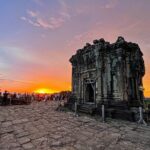
The final big stop is Phnom Bakheng for sunset (about 2 hours). You’ll climb up the hill to wait for the view. The itinerary notes an important detail: the peak has limited capacity for tourists. If it is busy, your guide will take you to another plan (the exact alternative isn’t spelled out in the details provided, but the key point is that your guide adjusts rather than leaving you stuck).
This is the trade-off with Phnom Bakheng. It’s one of the best-known sunset viewpoints in the area, but it’s also known for crowd pressure. A private tour helps because your guide can manage timing and keep things from turning into a chaotic line.
Practical tips for the climb:
- Wear shoes you trust. The ground can be uneven.
- Bring a layer. Sunset can feel cooler up on the hill.
- Don’t overpack. You’ll want your hands free once you’re walking.
Timing, transport, and comfort: why this tour feels easier than DIY
Even if you love planning, sunrise-to-sunset days can turn into logistics headaches. This tour handles the heavy lifting:
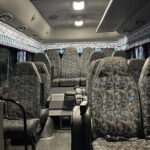
- Air-conditioned vehicle with driver
- Hotel pickup and drop-off
- Parking fees and road tolls
- Cool waters and cool wet towels
That package matters more than it sounds. A full day in Angkor means many small transitions—temple to temple, waiting periods, heat, humidity. Those comforts help you stay in the moment instead of feeling drained before sunset.
The itinerary is also built for efficient movement: you cover Angkor Wat and Ta Prohm in the morning (with Ta Prohm on the Small Circuit road), then shift into the Angkor Thom core and the remaining temples, finishing with Phnom Bakheng.
Price and value: what $88.50 actually buys you
The tour price is $88.50 per person. On the surface, that might look like “just a guide.” But what you’re really paying for is time, coordination, and transport throughout an 11–12 hour day.
Let’s break it down using what’s included:
- Licensed English-speaking guide
- Air-conditioned private vehicle
- Pickup/drop-off
- Cool water and wet towels
- Parking fees and road tolls
The main extra cost is admissions. Admission fees are listed as not included, with Angkor Wat at $37 per person. Lunch isn’t included either; the tour notes lunch depends on the menu, listed at $5.00 per person.
So, is it value? For most people, yes—especially if you want sunrise plus sunset and you don’t want to wrestle with timing, temple pass logistics, and transport across far-flung stops. If you’re the kind of traveler who enjoys building the day yourself and you already have a driver lined up, you might save money. But you’ll give up the clean flow and expert pacing that make a long day feel doable.
Who this tour is best for
This one-day private tour makes the most sense if you:
- Have limited time in Siem Reap
- Want both sunrise at Angkor Wat and sunset at Phnom Bakheng
- Prefer a structured route over driving and figuring it out
- Like clear explanations and a guide who keeps you moving at a human pace
It’s also a good fit for couples and friends who want privacy but still want the benefits of a licensed guide and an organized plan.
If you’re recovering from jet lag or you hate early mornings, you’ll feel the 4:45am start more than most.
A practical checklist so your day goes smoother
This tour is simple, but you’ll still want to prep:
- Comfortable shoes for temple steps and the Phnom Bakheng climb
- A light layer for early morning and sunset timing
- Cash or payment method for temple admissions (Angkor Wat listed as $37 per person)
- Some patience for crowds near sunset viewpoints
- A small appetite plan since lunch is listed as about $5 per person and isn’t guaranteed as part of the package
Should you book it?
I’d book this tour if you want a one-day Angkor experience that covers the iconic anchors and also includes the calmer temple moments that many routes skip.
The best reason to choose it is the combination of organized timing (sunrise to sunset), private transport with pickup/drop-off, and a guide who does more than point. The tour pacing keeps you from spending your energy on logistics—so you can spend it on stone, light, and that slightly unreal feeling of being inside Angkor.
If you only care about Angkor Wat sunrise and you don’t want a full day, this may feel like a lot. But for the “first timer who wants the highlights” goal, this is a strong match.
FAQ
What time does the tour start?
The tour starts at 4:45am with pickup from your hotel lobby.
How long is the full-day tour?
It runs about 11 to 12 hours.
Does the tour include hotel pickup and drop-off?
Yes. Pickup is offered from your hotel, and the tour finishes by dropping you back at your hotel.
What’s included in the tour price?
Included items are an air-conditioned vehicle with driver, a licensed English-speaking guide, cool waters and cool wet towels, and parking fees & road tolls.
Is lunch included?
Lunch isn’t included. The tour notes lunch depends on the menu, listed at about $5.00 per person.
How does cancellation work?
You can cancel for a full refund up to 24 hours before the experience start time.