REVIEW · SIEM REAP
Two Day Angkor Temples Tours
Book on Viator →Operated by Angkor Heritage Tours · Bookable on Viator
Angkor isn’t a checklist; it’s a story you walk through. This two-day Angkor temples tour is built around that idea: professional guides who adapt to your pace while covering major sights and quieter temple stops. I especially like how the route spreads the day across big names like Angkor Wat and also the smaller, more intimate ruins that many visitors rush past.
What I like most is the guide-led depth. Guides such as Borey Hang, and also guides mentioned in experiences like Kimhoeun, Mr. Kim, and Mr. Bunleat, are repeatedly praised for clear English, history context, and even practical photo guidance. You’ll also appreciate the comfort details: an air-conditioned vehicle gets you between sites without turning the trip into a sweaty endurance test.
One thing to consider: temple admission tickets are not included, so you’ll want to plan that extra cost (and bring cash/whatever payment method the ticket counters accept). Also, the itinerary covers a lot of walking, so the stated moderate fitness level matters—Angkor temples are charming, but they are still stairs and uneven stone.
In This Review
- Key things that make this Angkor tour work
- Entering Angkor with a guide who explains what you’re seeing
- Price and value for a $102.57 per person two-day plan
- Getting to the start point: Siem Reap pickup and the Angkor Enterprise meeting spot
- Day 1: Banteay Srei to Preah Rup, a route built for variety
- Banteay Srei: the pink-stone “jewel”
- Banteay Samre: a sturdier sibling from the Vishnu era
- Preah Khan: a maze of vaulted corridors
- Neak Pean: the intertwined-snake temple on an island
- Ta Som: quick stop, big head on the eastern gate
- Eastern Mebon: once an islet, now on dry land
- Pre Rup: the pyramid-mountain viewpoint
- Day 2: Angkor Wat and Angkor Thom, the headline monuments with real context
- Angkor Wat: the Vishnu temple built large
- Phnom Bakheng: a very short stop with a strong purpose
- Angkor Thom: the Great City and the Bayon center
- Ta Prohm: the atmospheric ruin most people understand on sight
- What the guides add: Borey Hang, Kimhoeun, Kim, and Bunleat in practice
- Comfort, timing, and walking: how to make the two days feel easier
- Who this tour fits best (and who might want a different format)
- Should you book this Two Day Angkor Temples Tour?
- FAQ
- Where is the ticket redemption point?
- Do you get pickup from your hotel or another point in Siem Reap?
- What’s included in the tour price?
- Are admission tickets to the temples included?
- How long is the tour?
- Is this tour private?
- What fitness level do I need?
- Is GST included?
- What if the weather is bad?
- Cancellation: how much notice do I need for a full refund?
Key things that make this Angkor tour work
- Flexible, responsive guiding: You can ask questions and the plan can pivot when your group wants more time at a specific site.
- A strong mix of temple styles: From pink-stone Banteay Srei to jungle-leaning Ta Prohm, you’re not stuck with just one look.
- Photo-focused support: Guidance is offered for taking better shots, including tips aimed at phone photography.
- Comfort between stops: An air-conditioned vehicle keeps travel time from draining your energy.
- Structured two-day flow: Day 1 focuses on a classic circuit of temples; Day 2 hits Angkor’s headline monuments.
Entering Angkor with a guide who explains what you’re seeing
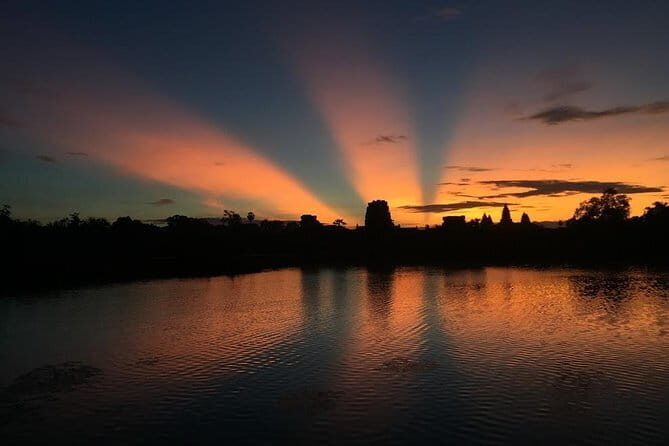
Angkor can feel overwhelming fast. Stone towers, laterite walls, carvings, towers that repeat the same shapes, and then—suddenly—you realize a whole worldview is carved into the place. This tour is interesting because it doesn’t treat the temples like museum displays. It treats them like cultural landmarks with Hindu and Buddhist layers that changed over centuries.
I like that the guides are described as reliable, honest, and flexible. That matters in Siem Reap, where one day can start bright and end humid, and where family groups often want different pacing. If your group leans toward photography, you get help. If your group leans toward history, you get explanations that connect the religious themes behind the architecture.
Other multi-temple archeological tours we've reviewed in Siem Reap


Price and value for a $102.57 per person two-day plan
At $102.57 per person for the two days, you’re paying for organization, transport, and guide time. The included part is straightforward: an air-conditioned vehicle. Pickup is offered, and the operator mentions group discounts.
Here’s the value math to think about:
- You’re not just buying entry to Angkor sites. You’re buying a route that moves you efficiently through multiple temples across two days.
- You’re also paying for human translation—someone who can point out what to look for in carvings, layout, and symbolism.
- You’ll still need to budget for admission tickets separately, since they are not included.
One more line item: GST is not included in the listed price. So if you’re comparing deals, check the final total before you commit.
Getting to the start point: Siem Reap pickup and the Angkor Enterprise meeting spot
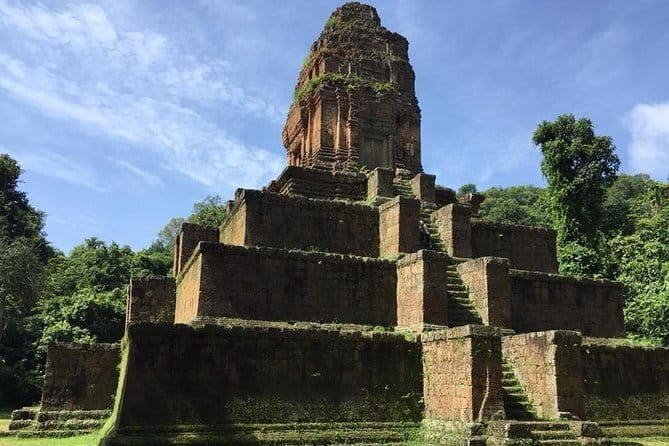
The tour uses a designated ticket redemption point: Angkor Enterprise, Apsara Rd, Krong Siem Reap. Pickup is also offered, and the information notes the meeting area is near public transportation, which is useful if you’re staying somewhere easy to reach.
Why this matters: in Siem Reap, being late by even 15 minutes can compress your morning temple time—especially when you want good light for photos. If you plan to start early, get your meeting timing locked the day before.
The tour also indicates you should have moderate physical fitness, which is fair. Even with a car, you’ll be walking on paths, climbing temple steps, and spending time standing to view structures.
Day 1: Banteay Srei to Preah Rup, a route built for variety
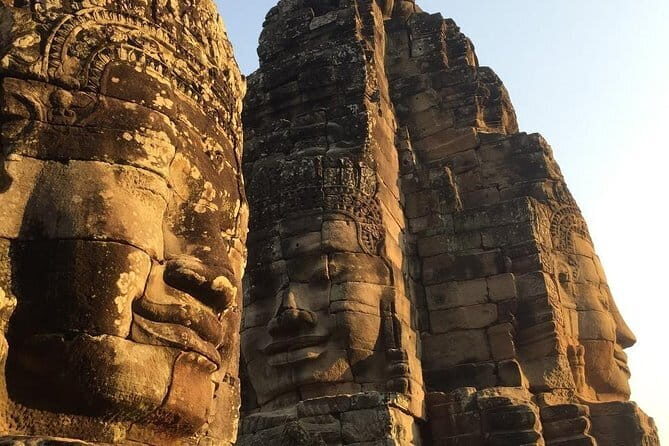
Day 1 is where the trip “earns its keep.” It doesn’t jump straight to Angkor Wat and call it a day. Instead, it moves through a sequence of temples that show you different builders, different eras, and different temple moods.
Banteay Srei: the pink-stone “jewel”
The day starts at Banteay Srei (listed around 1 hour). This temple is described as the jewel in Angkorian art, built in the 10th century as a Hindu temple dedicated to Lord Shiva. The standout detail is the pinkish-hued stone, plus the fine carvings that give the place a delicate feel compared with heavier, more imposing ruins.
Practical tip: go in ready to slow down. Carvings here reward close looking. If your guide offers photo tips, this is a great place to put them into practice—sharpness and angles matter a lot on detailed stonework.
A few more Angkor & Siem Reap tours and experiences worth a look
Banteay Samre: a sturdier sibling from the Vishnu era
Next is Banteay Samre (about 1 hour). It dates from the same period as Angkor Wat and is tied to Suryavarman II in the 12th century, dedicated to Lord Vishnu. It’s described as in relatively healthy state of preservation compared to some other sites, so you get a clearer sense of how the structure would have looked.
This is a good stop if you like temples that still read well as buildings, not just as piles of stone.
Preah Khan: a maze of vaulted corridors
Then comes Preah Khan (about 1 hour). It’s described as one of Angkor’s largest complexes, with maze-like vaulted corridors and fine carvings, plus lichen-clad stonework. The tone here is different from Banteay Srei. Where the first stop feels intricate and delicate, Preah Khan feels like you’re moving through a living network.
Also note: it’s generally said to see slightly fewer visitors than Ta Prohm, which can make it easier to take in the atmosphere without constant shoulder-to-shoulder crowding.
Neak Pean: the intertwined-snake temple on an island
Neak Pean is listed at about 40 minutes. This is the Buddhist temple of Preah Neak Poan—called the intertwined snake—and it sits on an artificial island in a manmade lake area associated with Jayatataka (north Baray). It’s described as petite, which is exactly why it’s a good pause mid-day: you get a calmer, contained scene.
If you like “small but meaningful,” this is one of your best breaks. It also helps you pace the day without turning your legs into dust.
Ta Som: quick stop, big head on the eastern gate
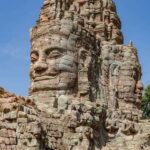
Next is Ta Som (about 30 minutes), a satellite temple of Preah Khan built by Jayavarman VII. The description flags the eastern gate with a large head, which is the kind of visual anchor that makes a short stop satisfying.
This is a “look, understand, photograph, move on” temple. Perfect when you still want a full day but don’t want to spend two hours in one spot.
Eastern Mebon: once an islet, now on dry land
Eastern Mebon takes about 50 minutes. It’s a Hindu temple erected by Rajendravarman II in the 10th century. The key geographic idea is that it would have been on an islet in the center of Eastern Baray (reservoir), but it’s now much more on dry land.
This is a spot where a guide’s explanation helps. Water engineering is part of Angkor’s story, and seeing a temple that used to “float” gives you that context beyond just stone shapes.
Pre Rup: the pyramid-mountain viewpoint
The day closes with Pre Rup (about 40 minutes), built by Rajendravarman II in the 10th century. It’s described as a pyramid-shaped temple-mountain with three tiers, like its predecessor. Even with a shorter stop, Pre Rup tends to reward you because it’s positioned for that broad temple-mountain feel.
If you’re planning photos, time this stop with the light you want. If it’s hot, hydrate and take the shade breaks your body asks for. Angkor punishes bravado.
Day 2: Angkor Wat and Angkor Thom, the headline monuments with real context
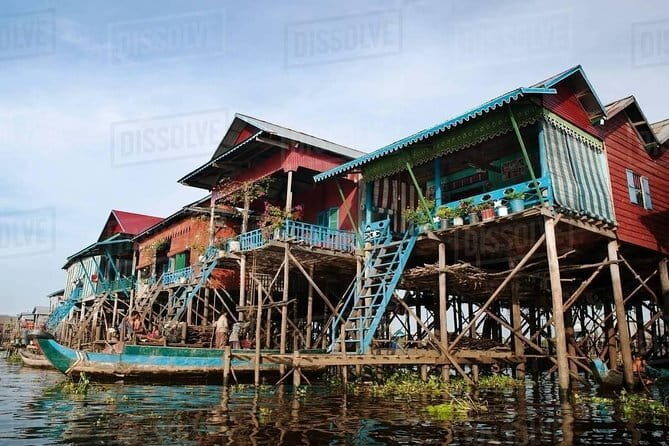
Day 2 shifts into Angkor’s most famous visuals. This is where the tour’s guide-led approach really pays off, because the “wow” is obvious—but the meaning comes from how the sites connect.
Angkor Wat: the Vishnu temple built large
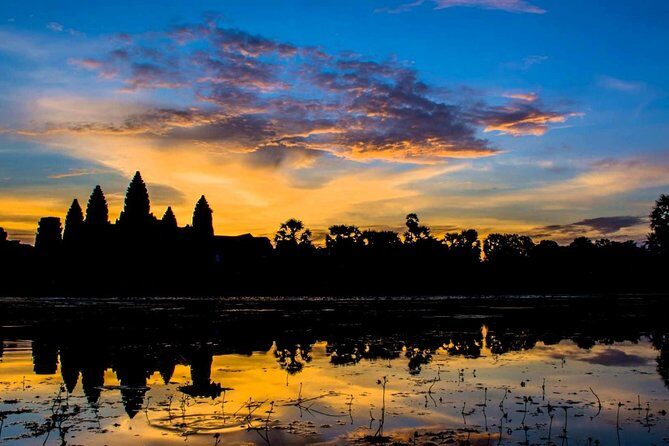
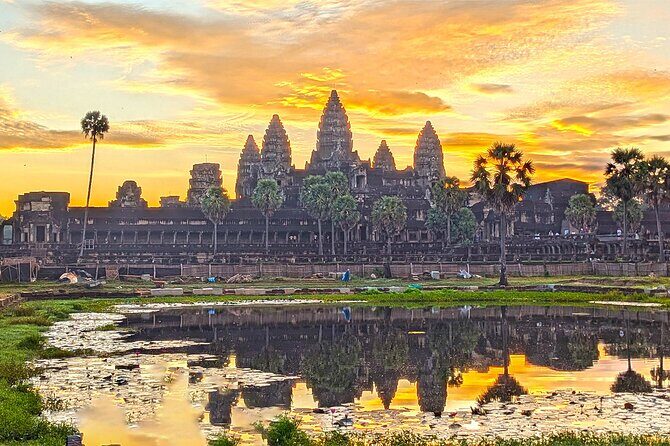
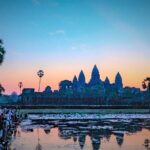
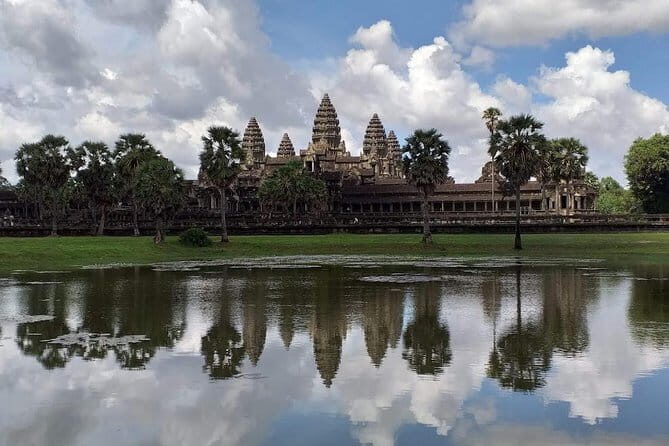
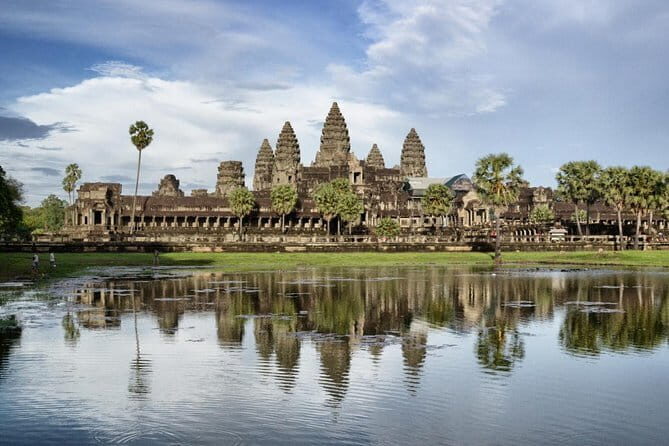
Angkor Wat is listed at about 2 hours. Built by Suryavarman II in the 12th century to honor Lord Vishnu, it’s described as the largest and most breathtaking monument of Angkor. This is the day’s major anchor.
What I love about starting here on day two is that your brain has already learned the basics from Day 1: temple forms, religious themes, and how to read carvings. You’ll notice more than shapes now—you’ll see patterns.
Phnom Bakheng: a very short stop with a strong purpose
Next is Phnom Bakheng (listed at 1 minute). That “1 minute” is likely about a quick photo or viewpoint check rather than time to explore like a full temple stop. Still, it’s worth recognizing it as part of the early Angkor circuit and a reference point for the broader temple-mountain style.
Angkor Thom: the Great City and the Bayon center
Then you move to Angkor Thom (about 2 hours). This was the last city of Angkor, built by Jayavarman VII. The description is dramatic: at its height, it may have supported up to a million people in the surrounding region. Angkor Thom is centered on the Bayon.
Even if you don’t spend hours on every corner, the scale hits you fast. This is where you stop thinking of Angkor as a single temple complex and start thinking of it as an urban system.
Ta Prohm: the atmospheric ruin most people understand on sight
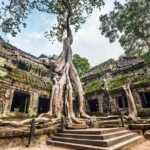
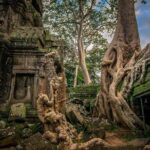
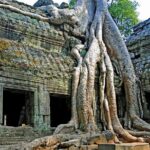
Finally, Ta Prohm (about 1 hour). It’s described as one of the most atmospheric ruins at Angkor, famous for trees and the feeling that nature and stone share the scene. The description also notes that it’s like a counterpoint to Preah Khan and that it’s swallowed by trees in the way people remember.
If you care about photos, this is the place to take your time within the hour. It’s also where the guide’s photo tips can turn a generic shot into something that actually feels like Ta Prohm.
What the guides add: Borey Hang, Kimhoeun, Kim, and Bunleat in practice
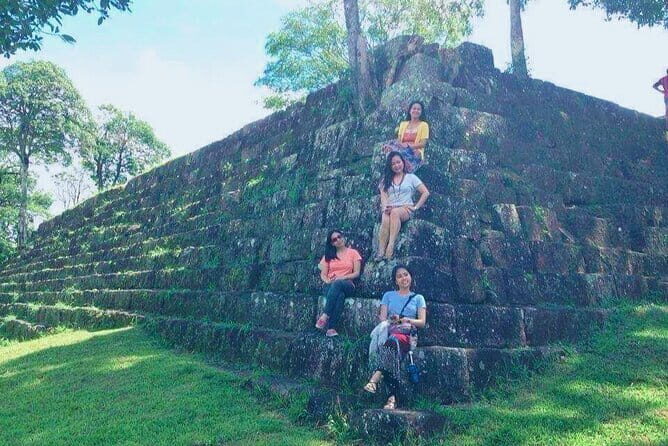
The most consistent praise across guide mentions is not just facts. It’s how the guides teach and adjust.
I see three big guide strengths showing up in the info you provided:
- History and religion context: You get explanations connecting Hindu and Buddhist themes to what you see in structure and carving.
- Flexibility for your group: If your family wants more time at Ta Prohm, or if you want to pivot based on what you’re enjoying, the guides described here are responsive.
- Practical photography help: One guide is praised for helping with iPhone photography skills and finding good photo spots.
There’s also a human touch element in the feedback: guides described as friendly, charming, and patient, plus practical perks like endless cold water and a clean modern car with good air-conditioning. Those may sound small, but on temple days they keep the mood up.
If you’re the type who likes to ask questions while walking, you’ll likely feel comfortable. This tour style works best when you treat it like conversation, not just a bus ride with stops.
Comfort, timing, and walking: how to make the two days feel easier
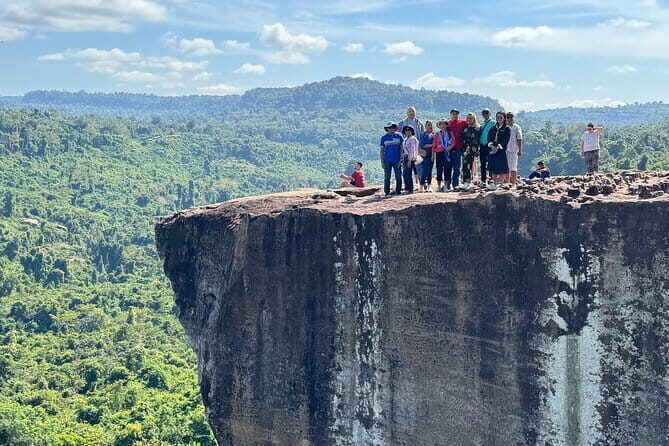
This itinerary is packed—just not randomly packed. You’re moving between temples that each have a distinct character, but you still need to respect the physical side.
Here’s how I’d plan your energy:
- Expect you’ll walk more than you think, especially at larger complexes like Preah Khan and Angkor Thom.
- Bring sun protection and plan hydration habits. Cold water is mentioned as part of the experience style, but you still control how often you drink.
- Use the shorter stops (like Ta Som, Eastern Mebon’s time window, and the brief Phnom Bakheng moment) as breathing points. Don’t treat every minute as a race.
Also, the tour requires good weather, and the experience provider notes it. In real life, that means your plan may depend on conditions. If you’re sensitive to heat or rain, give yourself a little margin.
Who this tour fits best (and who might want a different format)
This two-day Angkor temples tour is a strong match if:
- You want a guided route that helps you understand what you’re looking at.
- You like photography and want help with finding better angles and setups.
- You’re traveling with family and want someone who can adjust pacing without stress.
It might not be ideal if:
- You want to fully customize every minute without any structure.
- You’re not interested in the history or religious context at all; you’ll still see great temples, but the guide value may feel underused.
Should you book this Two Day Angkor Temples Tour?
I’d book it if your priority is a guided Angkor experience that mixes headline monuments with a thoughtful set of other temples across two days. The guide strengths—English ability, context for Hindu and Buddhist themes, flexibility, and photo help—are the reason this tour earns strong recommendations.
I’d hesitate only if you dislike walking on uneven ground or you don’t want to budget for admission tickets separately. As long as you plan for that and go in expecting lots of stone and shade breaks, this is a solid way to see more of Angkor without turning it into a chaotic self-planned scramble.
FAQ
Where is the ticket redemption point?
The ticket redemption point is Angkor Enterprise, Apsara Rd, Krong Siem Reap, Cambodia.
Do you get pickup from your hotel or another point in Siem Reap?
Pickup is offered, and the tour is described as being near public transportation.
What’s included in the tour price?
The tour includes an air-conditioned vehicle.
Are admission tickets to the temples included?
No. Admission tickets are not included for the listed stops.
How long is the tour?
It’s listed as 2 days (approx.).
Is this tour private?
Yes. It’s described as a private tour/activity, so only your group participates.
What fitness level do I need?
The tour says you should have a moderate physical fitness level.
Is GST included?
GST (Goods and Services Tax) is listed as not included.
What if the weather is bad?
The experience requires good weather. If it’s canceled due to poor weather, you’ll be offered a different date or a full refund.
Cancellation: how much notice do I need for a full refund?
You can cancel up to 24 hours in advance for a full refund, but if you cancel less than 24 hours before the experience’s start time, the amount paid will not be refunded.