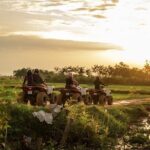
That first pedaling moment feels like you found shortcuts. This private Angkor Jungle Biking Adventure is built for getting off the main roads and seeing major temples from a calmer, more active angle. You’ll ride shaded paths and temple roads, stopping at big names and also at spots most people miss.
What I like most is how much time you get with the temples without feeling rushed. You also get the kind of guidance that turns stone carvings and architecture into something you can actually picture, especially with guides like Leap (and equally strong cycling guides such as Sok showing up in real-world experiences). The one thing to consider is effort: this is a moderate-physical-fitness ride on 25–40 km of cycling, so it’s not for brand-new riders.
If you’re imagining this as a package where everything is pre-paid, note that Angkor Park admission tickets are not included. Your guide helps with purchasing, but you’ll still need to budget for the official ticket before you start.
In This Review
- Key things to know before you pedal
- Why biking Angkor beats the usual temple shuffle
- The route in plain terms: 25–40 km of shaded back trails
- Hotel pickup and the start point: making the day easy
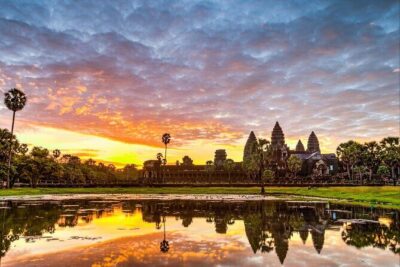
- Angkor Park entry and Angkor Wat: start strong with efficient access
- Ta Nei and the quiet reservoir edge: a breather stop that pays off
- French Dam: the nature-sound pause people remember
- Bayon and the faces effect: what the guide helps you spot
- Angkor Thom South Gate: restored heads and the main entry vibe
- Ta Prohm: the tree kingdom temple and why it slows you down
- Guide quality is the whole game (and you’ll feel it fast)
- Snacks, water, and the lunch trade-off
- Price and value: $61.75 for a private biking day makes sense
- Who should book this, and who should skip it
- Should you book the Angkor Jungle Biking Adventure?
- FAQ
- How long is the Angkor Jungle Biking Adventure?
- What’s included in the price?
- Are Angkor Park admission tickets included?
- Is lunch included?
- How far do you cycle?
- Is this a private tour?
- What fitness level do I need?
- Can I request pickup from my hotel?
- What’s the cancellation policy?
Key things to know before you pedal
- Private, crowd-light experience: You ride temple roads and back trails that are quieter than the main routes.
- Mountain bike + helmet included: No gear stress, and it’s set up for a long day.
- English-speaking biking guide: You’ll get story-led temple explanations and practical pacing.
- Major temples plus smaller stops: Angkor Wat, Bayon, Ta Prohm, and quieter additions along the way.
- Bring time for entry and breaks: The day is about 7 to 8 hours with frequent stops and short photo/nature pauses.
Why biking Angkor beats the usual temple shuffle
Angkor can feel overwhelming when you do it like a checklist. This tour changes the pace. You’re not only looking at temples—you’re traveling between them at a human scale, through shaded trails and older causeways. That means the day feels more like moving through the Angkor landscape on purpose, not hopping from one bus stop to another.
Two things make it click fast. First, the cycling route is designed to keep you away from the busiest tourist corridors, so you spend more time where you can actually hear yourself think. Second, the guide’s approach matters: the best parts aren’t just facts about stone, but how the guide helps you understand why each place looks the way it does. In practice, that’s the difference between seeing carvings and understanding what you’re looking at.
The tour also stays flexible enough for an energetic day. It’s structured—there’s a clear sequence of stops—but you’re still moving by bike, with room for extra explanation and frequent short stops that break up the heat-of-the-day fatigue.
Other cycling tours in Siem Reap
The route in plain terms: 25–40 km of shaded back trails
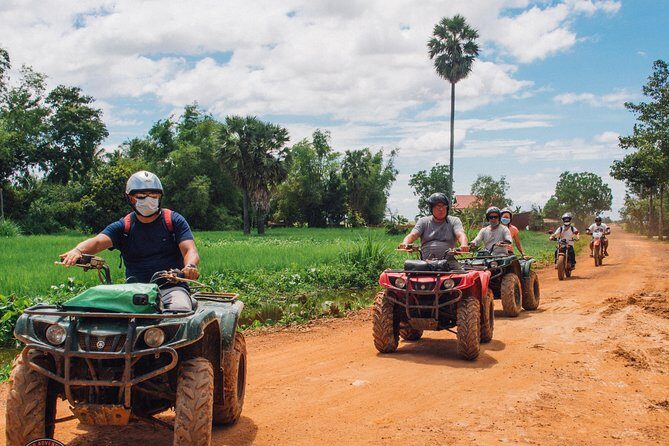
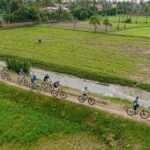
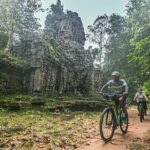
The core cycling plan is 25–40 km over roughly 7 to 8 hours, including stops. You’ll pedal through jungle paths, quiet temple roads, and older causeway-style routes, which is where the crowd advantage comes from. Instead of feeling trapped in a line, you get short stretches where you’re rolling forward and then pausing to look up close.
This matters for value. You’re paying for more than a ride; you’re paying for a way of seeing that gives you extra temple time. Cycling also turns travel time into sightseeing time. Between stops you’re passing through vegetation, tree shade, and less-visited lanes, which helps the temples feel tied to their surroundings rather than sitting in isolation.
Practical note: this day is best for riders with moderate fitness. You don’t need to be an athlete, but you should be comfortable doing sustained biking and stopping often without getting stiff.
Hotel pickup and the start point: making the day easy
The day begins simply. You get pickup and drop-off at your hotel, then transfer to the start point. Bikes and helmets are part of the package, along with bottled water and snacks—small items, but they keep the day from turning into a scavenger hunt.
Because it’s private, you won’t be waiting around for strangers to arrive late or to ask the same questions again and again. Your pace and your guide’s explanations stay focused on your group.
Also, the day is set up to reduce logistical stress around entry. You’ll head into Angkor Park and go through the entry process with your guide helping you get set with tickets at the counter area.
Angkor Park entry and Angkor Wat: start strong with efficient access
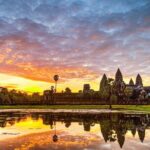
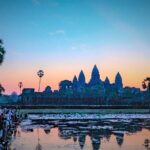
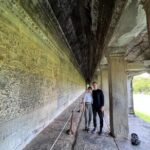
Your first major temple stop is Angkor Wat, with about 2 hours on site. Admission is not included in the tour price, but your guide helps you purchase the ticket at the entrance area, where the counter process is described as organized and efficient.
Angkor Wat can be overwhelming if you walk in cold. The best way to use your time there is to let the guide frame what to look for. You’ll get help noticing how the monument sits in composition and how the design and sculpture work together. When you understand the logic, the scale feels less like random grandeur and more like architecture you can read.
What you should plan for: two hours is enough for the main experience, but you should be ready to slow down at key spots for photos and explanations.
Possible drawback: because you’re starting with a world-famous temple, you may still feel some general site busyness there. The tour’s crowd-light advantage ramps up as you move to the smaller, more spread-out stops.
Ta Nei and the quiet reservoir edge: a breather stop that pays off
After Angkor Wat, you’ll move to Ta Nei, around 30 minutes. Ta Nei is described as a late 12th-century stone temple associated with the reign of King Jayavarman VII, and it’s near the northwest corner of the East Baray (a large holy reservoir). It was dedicated to the Buddha.
This stop works because it’s not all scale and spectacle. It’s more about attention. You get a chance to notice the temple as part of a larger system—temple + water + sacred geography. The half-hour pacing keeps it from feeling like you’re just checking a box on your map.
This is also where the biking day feels balanced. You’ve had your big hit at Angkor Wat, then the tour gives you a smaller, calmer scene that still connects to Khmer-era purpose.
Other private tours in Siem Reap
French Dam: the nature-sound pause people remember
Next comes a short stop at the French Dam (ទំនប់ទឹកបារាំង), around 19 minutes. This is not a temple stop. Instead, you get a refreshing view with a nature break, and the sound of water mixes with birds in a way that’s surprisingly memorable.
Why this matters: long temple days become exhausting when every stop is stone-on-stone. This pause keeps the day human. It also gives you a moment to reset before you head back into the more complex temple sections.
Bayon and the faces effect: what the guide helps you spot
Then it’s Bayon Temple for about 1 hour. Bayon was built nearly 100 years after Angkor Wat, and it sits at the center of a royal city layout. If you’ve seen Bayon images, you probably know the face towers are the headline. What’s harder to appreciate without help is how the location and later construction fit into the broader story of Angkor Thom’s royal setting.
You’ll get time to look without rushing, and the guide’s explanations help you connect the structure to the city plan. That’s where a strong guide earns their pay.
Angkor Thom South Gate: restored heads and the main entry vibe
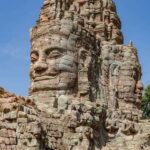
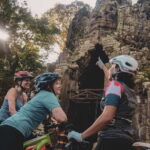
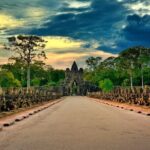
At Angkor Thom South Gate you’ll have about 30 minutes. This south gate is popular because it’s fully restored and many of the heads remain in place. It’s also on the main road into Angkor Thom from Angkor Wat.
This stop is a good example of why cycling helps. You’re not only seeing a gate from one angle while stepping through a crowd. With a bike-based plan, you’re moving through the site sequence with context, which helps the gate feel like part of the flow rather than a photo backdrop.
Ta Prohm: the tree kingdom temple and why it slows you down
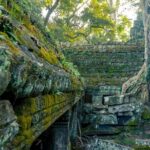
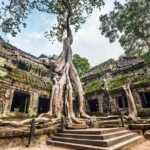
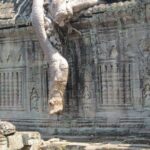
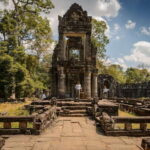
Your final major temple stop is Ta Prohm, about 1 hour. Ta Prohm is often described as the kingdom of the Trees, because it’s famous for being left largely untouched by archaeologists, except for clearing a path for visitors and structural strengthening to slow further deterioration.
This is one of those places where the architecture and vegetation compete in the best way. Without rushing, you can see how the trees interact with the stone. You also get time for the kind of looking that’s hard on a standard walking-only route.
Possible drawback: Ta Prohm is one of the most visually intense temples on the schedule, so you might want to keep your energy for it. If you sprint too hard earlier in the day, the last stop can feel like a scramble.
Guide quality is the whole game (and you’ll feel it fast)
In Angkor, the guide makes or breaks the day. I love when the guide is not just reading prepared lines, but using stories and comparisons to make details click.
In real experiences shared by previous riders, Leap is repeatedly praised for being enthusiastic and energetic, and for his ability to make Cambodian history feel relatable. One example even notes he can adapt and combine different tour styles for the group. That adaptability matters on a long day: it helps the tour fit your energy, not just a fixed script.
Another guide name that came up strongly is Sok, paired with a day that balanced culture, nature, and adventure. The driver support also mattered—one experience highlighted a great driver accompanying the group.
If you want to maximize the money you spend, pay attention to the guide’s style. This tour is set up so the guide isn’t an extra; they’re part of the main attraction.
Snacks, water, and the lunch trade-off
The tour includes bottled water and snacks. That’s a big deal on a full-day ride because it prevents the “everyone gets hangry at the same time” problem.
Lunch is not included. During the day, lunch is available at local restaurants with both vegetarian and non-vegetarian options, and prices are listed around $3 to $10 per dish. Meals are at your own expense.
In practice, this gives you choice. If you prefer a quick meal and back to the route, you can do that. If you want to sit and recharge, you can also do that. The trade-off is simple: you have to plan your budget.
Tip-wise, tipping the guide is not included. If you want to be fair, treat it as part of your day’s cost.
Price and value: $61.75 for a private biking day makes sense
At $61.75 per person, this tour isn’t trying to be a luxury, and it doesn’t need to be. You’re paying for a private guided cycling experience, including pickup/drop-off, mountain bike and helmet, bottled water, snacks, and an English-speaking biking guide.
Here’s the value math that matters:
- Private means you’re not paying the same price but sharing the day with a random crowd flow.
- Cycling means you cover temple ground with less wasted time.
- Included snacks and water keep you comfortable enough to actually enjoy the stops.
Two costs sit outside the price:
- Angkor Park admission tickets (your guide assists with purchase)
- Lunch (at local restaurants, paid by you)
If you come prepared for those two items, the rest of the experience feels like good use of time.
Who should book this, and who should skip it
This tour is a great fit if you:
- want major Angkor temples plus quieter routes on a single day
- prefer moving between sites rather than doing only walking and waiting
- like having a guide explain what you’re seeing, not just where to go
It might not be the right fit if you:
- want a low-effort sightseeing day
- don’t feel comfortable cycling for 25–40 km over several hours
- hate having any cost beyond the tour price (since ticket and lunch are separate)
Should you book the Angkor Jungle Biking Adventure?
Yes—if you want Angkor to feel active, calmer, and more connected to its setting. This is the kind of tour where the route design actually changes the experience: shaded paths, fewer main-road crowds, and stops that go beyond the obvious names.
Book it if you’re the type who enjoys walking in museums with a guide, but prefers it on a bike—listening to stories while the scenery changes every few minutes. Just go in knowing two things up front: you’ll need to handle the official Angkor ticket cost, and you should be comfortable with a moderate cycling day.
If you want a temple day that isn’t just standing in lines, this one is built for you.
FAQ
How long is the Angkor Jungle Biking Adventure?
The tour is about 7 to 8 hours.
What’s included in the price?
The tour includes hotel pickup and drop-off, an English-speaking biking guide, mountain bike and helmet, bottled water, and snacks.
Are Angkor Park admission tickets included?
No. Admission tickets are not included, and your guide assists you with purchasing them at the entrance of Angkor Park.
Is lunch included?
No. Lunch is available at local restaurants during the tour, and meals are at your own expense (with vegetarian and non-vegetarian options).
How far do you cycle?
The tour description indicates you cycle through Angkor’s back trails covering about 25–40 km.
Is this a private tour?
Yes. Only your group participates.
What fitness level do I need?
The tour is designed for travelers with a moderate physical fitness level.
Can I request pickup from my hotel?
Yes. Pickup and drop-off at your hotel are included. You’ll need to provide your hotel name for pickup.
What’s the cancellation policy?
You can cancel for a full refund up to 24 hours before the experience’s start time. Free cancellation is available per the policy stated by the provider.