REVIEW · SIEM REAP
Private Angkor Wat Day Tour – Best of Angkor
Book on Viator →Operated by Royal Angkor Tours · Bookable on Viator
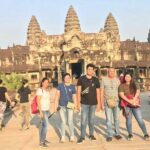
Sunrise at Angkor Wat changes how you see Angkor. This private day tour is built around the Angkor Wat early start, then keeps momentum with a private vehicle and a certified German-speaking guide that helps you connect the dots across the site. The one catch to plan for is the Angkor park admission: the Angkor Wat day ticket ($37 per person) is not included in the tour price.
What I like next is the mix of famous stops with a quieter one: you’ll hit Angkor Thom, Ta Prohm, and Angkor Wat again later in the day, with Ta Nei Temple thrown in when most big-bus routes skip it. The total day runs about 6 to 9 hours, with pickup and drop-off at your hotel, and an air-conditioned car or van to keep you comfortable between ruins.
In This Review
- Key Highlights at a Glance
- What This Private Angkor Wat Day Tour Gets Right for Your Time
- Sunrise at Angkor Wat: Early Start, Big Impact
- Angkor Thom (Bayon + Elephant Terrace) in a Focused 2 Hours
- Ta Nei Temple: The Quiet Detour Many Days Skip
- Ta Prohm Jungle Temple: Roots, Ruin, and Jayavarman VII
- Second Look at Angkor Wat: When Timing Changes What You Notice
- The Guide Experience: Why Communication Can Make or Break the Day
- Price and Value: What $79.50 Buys You (and What It Doesn’t)
- Timing, Duration, and Physical Comfort You Should Plan For
- Food, Breaks, and Temple-Respect Basics During Your Route
- Who This Tour Fits Best in Real Life
- Should You Book This Private Angkor Wat Day Tour?
- FAQ
- Is pickup included?
- How long is the tour?
- Is this a private tour?
- What’s included in the price?
- Do I need to buy temple tickets?
- Is food included?
- Will I get a mobile ticket?
- What should my activity level be?
- Can I cancel for free?
Key Highlights at a Glance
- Sunrise at Angkor Wat for that early-morning atmosphere and calmer start
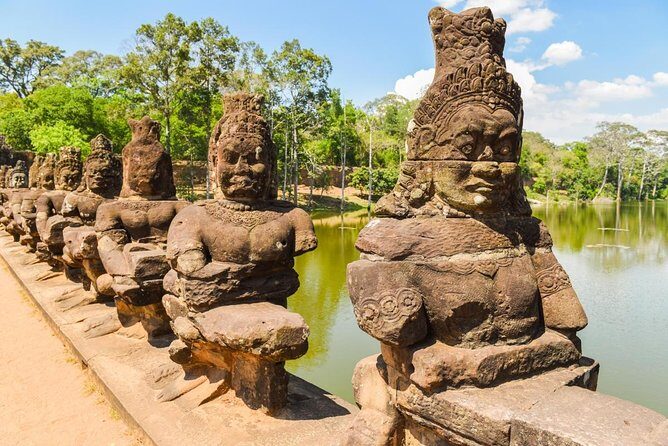
- Angkor Thom focus with Bayon Temple and the Elephant Terrace in a time-efficient route
- Ta Nei Temple off the main circuits where tour buses don’t reach, so it tends to feel roomier
- Ta Prohm jungle temple experience tied to Jayavarman VII and his mother
- Hotel pickup, air-conditioned transport, and all driver/guide time included
- You buy the Angkor Wat day ticket separately ($37 per person), then everything else is guided
What This Private Angkor Wat Day Tour Gets Right for Your Time
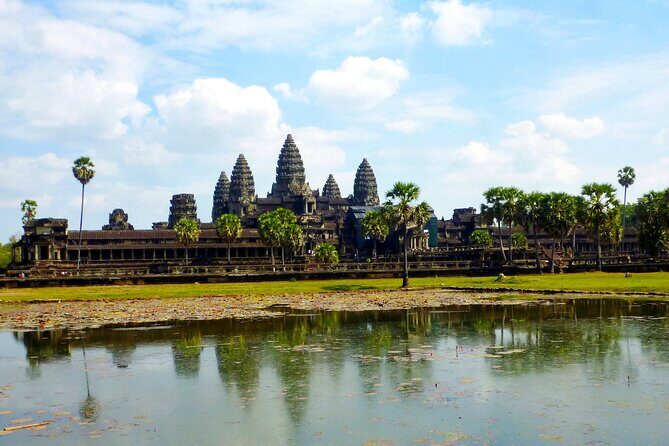
If you only have one day in Siem Reap and you want the classic highlights without feeling like you’re sprinting, this tour’s structure makes sense. The day is organized around the big anchors—Angkor Wat, Angkor Thom, and Ta Prohm—while still adding smaller, less-frequented moments like Ta Nei Temple.
A private format matters here because Angkor Archaeological Park rewards pacing. You can linger where you want photos, details, or just a quieter moment. You’re also not stuck waiting on a large group’s timing. You’ll be riding in an air-conditioned vehicle (car or van), which is a real quality-of-life upgrade on hot, humid days when you’re hopping between temple zones.
Other Angkor Wat temple tours we've reviewed in Siem Reap
Sunrise at Angkor Wat: Early Start, Big Impact
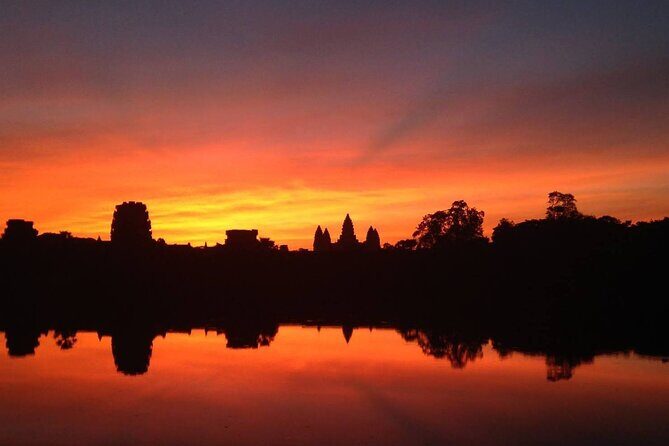
The day begins with early pickup so you can reach Angkor Wat for sunrise. This is the kind of decision that often pays off, because you’re not walking into the day at the peak scramble. Even if the sunrise itself is partly blocked by weather, the early timing still changes the feel of the first temple visit—lighting, mood, and how much breathing space you get.
This stop is scheduled for about 1 hour. That’s long enough to orient yourself and appreciate why Angkor Wat is the most famous complex in the park. You’ll be looking at the temple complex as a whole first, then using that orientation to understand what you’ll see later in the day.
Practical note: this is one of the places where your personal comfort matters. You’ll want a light layer, water, and sturdy shoes. The tour is listed as moderate physical fitness, and the temple steps can be steep depending on what you choose to climb.
Angkor Thom (Bayon + Elephant Terrace) in a Focused 2 Hours
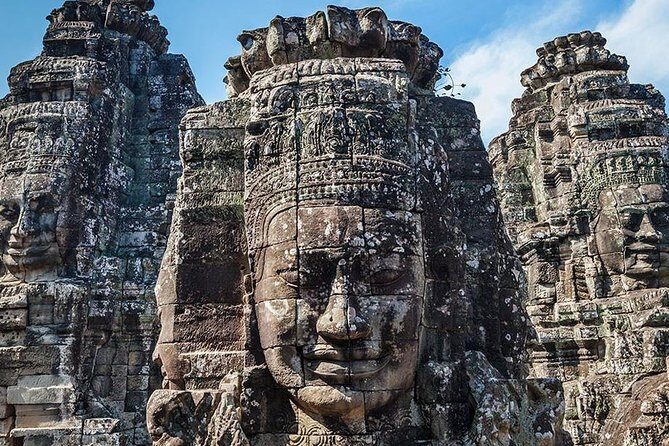
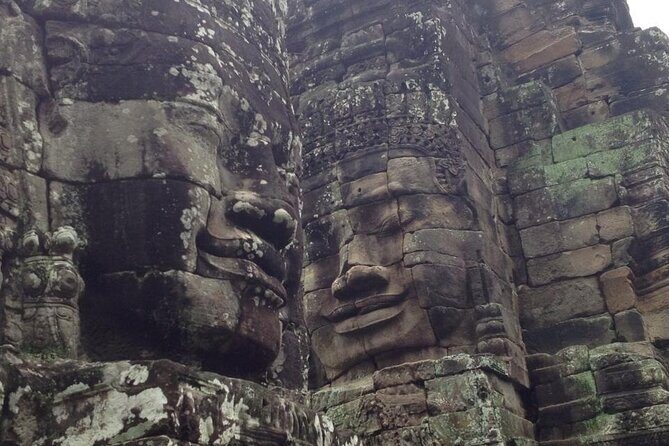
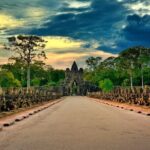
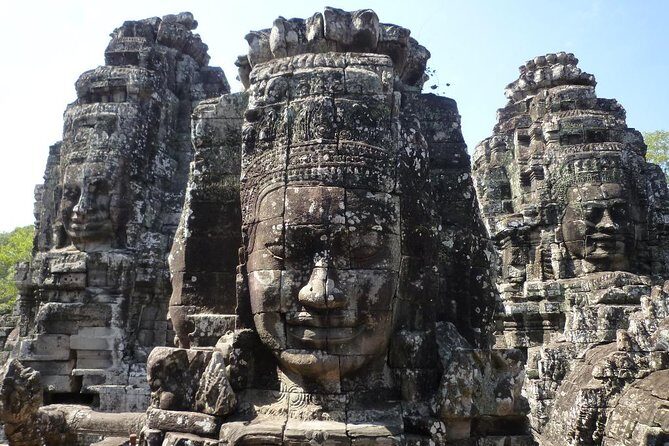
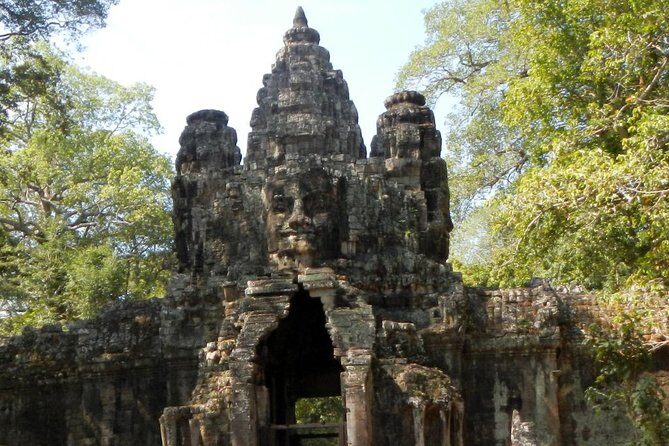
Angkor Thom is the next big chapter, and the tour gives it about 2 hours. The highlight is Bayon Temple, known for its 37 towers and sculptural decorations. You’ll see the famous stone faces—rock-face expressions of the king—layered into the temple’s geometry in a way that feels more like walking through a carved panorama than simply viewing a monument.
This stop also includes the Elephant Terrace. If you’ve ever wondered why elephants show up again and again in Khmer art, this is a strong “place to look” moment. It’s not just decorative. It’s part of the ceremonial language of the era, and it helps you read what you’re seeing as you move through the complex.
What I like about this arrangement is that it’s long enough to take in the main sights without turning into an all-day marathon. If you’re trying to keep the day enjoyable (instead of exhausting), this is a smart time split.
Ta Nei Temple: The Quiet Detour Many Days Skip
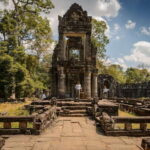
Ta Nei Temple is short and sweet at about 45 minutes, but it’s also a reason this tour feels more thoughtful than the typical greatest-hits circuit. Ta Nei is described as small and not one of the main tourist areas because tour buses don’t reach the place. Translation: the ruins are more spread out from the usual crowd flow, so you can move at a relaxed pace.
This stop is valuable because it changes the texture of your day. After the big, iconic complexes, Ta Nei gives you a calmer scale—something you can actually take your time with. It’s the kind of site where a guide’s explanations help you notice details you might otherwise miss.
If you like “less famous” stops for the atmosphere, Ta Nei is one of the best reasons to pick this particular route.
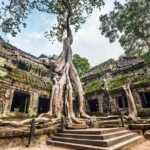
Ta Prohm Jungle Temple: Roots, Ruin, and Jayavarman VII

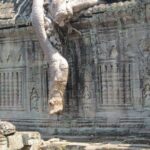
Next is Ta Prohm, scheduled for about 45 minutes. This is where the tour leans into spectacle: Ta Prohm is famous as the jungle temple, built by Jayavarman VII in honor of his mother. The framing matters because the story connects the architecture to the purpose behind it.
The tour description also notes the dramatic way vegetation has taken hold—something you’ll feel immediately when you arrive. Ta Prohm isn’t just impressive because it’s old. It’s impressive because it looks like nature and stone are sharing the same space. That’s the reason it’s so widely photographed.
This stop is short, so you’ll want to decide ahead of time what you’re aiming for:
- If you want the main photo angles, go first, then slow down for details.
- If you want fewer crowds and better photos, keep your eyes moving—there are different sightlines once you walk deeper inside.
Other private tours in Siem Reap



Second Look at Angkor Wat: When Timing Changes What You Notice
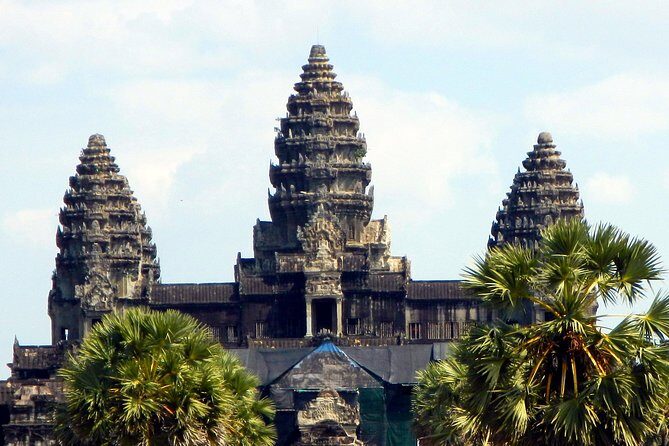
The itinerary includes Angkor Wat again later, after a short drive. That second visit is listed for about 1 hour, and it’s the kind of addition that can quietly make the whole day feel better.
The first Angkor Wat stop is about sunrise arrival and orientation. The later stop is where you can shift from “arrival mode” into “exploration mode.” The tour notes that you can climb steep steps up to viewpoints, so you’ll have options depending on your energy and comfort level.
This second round works best if you approach it with a goal. For example:
- Watch how the lines and levels shift as the sun rises higher.
- Compare details you noticed at sunrise with what looks clearer in daylight.
- Spend more time on carvings or structural elements you couldn’t properly see earlier.
Double-dipping on Angkor Wat can sound redundant, but in practice it gives you two different ways of seeing the same place—and that’s exactly how you get more value out of a single-day itinerary.
The Guide Experience: Why Communication Can Make or Break the Day
This tour includes a certified German-speaking guide, plus an experienced driver. In a private tour, the guide is not just a ticket holder. You’ll be using their explanations to understand what you’re looking at—especially in temples where symbolism is embedded in layers of carvings, layout, and repeated motifs.
One past guest singled out a guide named Pysedh for being patient and spending time ensuring understanding. That kind of guide style can make a big difference, especially when you’re juggling multiple sites in one day. Another lesson from real-world feedback: if your guide is slow to communicate or doesn’t engage, you can end up feeling like you’re walking on your own in a complex place.
So here’s the practical move: before you start, be clear about what you want. If you want more storytelling, ask for it early. If you prefer a lighter pace, say so. With a route this structured, a small communication gap can affect your whole day—so it’s worth setting expectations right away.
Price and Value: What $79.50 Buys You (and What It Doesn’t)
The tour price is $79.50 per person, and it’s positioned as a private day with hotel pickup, air-conditioned transport, guide and driver time, and a route covering multiple major zones.
The biggest addition is the entrance fee. The Angkor Wat day ticket is listed as $37 per person and not included. Also, the itinerary marks admission tickets as not included at each stop. In plain terms: budget for the tour price plus the Angkor ticket, then add meals.
So does it still feel like good value? For me, it does when you compare what you get:
- Private transportation instead of waiting around with strangers
- A guide who can connect the sights across several temple zones
- A structured route that avoids overthinking logistics when you’re on limited time
If you’re traveling with someone and you’d otherwise hire multiple taxis or try to self-drive, private transport plus a guide starts to look like the easier option. If you’re the type who loves planning and doesn’t care much about explanations, you might spend less by doing it independently. But for most people visiting Angkor for the first time, the guide + time savings is the value.
Timing, Duration, and Physical Comfort You Should Plan For
Expect about 6 to 9 hours. That range matters because temple days rarely run on a perfect clock. Heat, crowd flow, and how long you linger all shift the day.
The tour also flags moderate physical fitness. That mostly translates to walking on uneven surfaces, standing for periods, and dealing with temple steps. If you’re comfortable with sightseeing days at home, you’ll likely be fine. If you’re not, pick your climbing choices carefully. You can still enjoy a temple without taking on every staircase.
Comfort tips that help a lot:
- Wear shoes with traction.
- Bring water and something for sun protection.
- Plan your energy for Angkor Wat viewpoints, since those steps are where most people feel it.
Food, Breaks, and Temple-Respect Basics During Your Route
Food and drink are not included, but the tour notes that restaurants and food stalls operate in and around the Angkor area. That’s useful because you don’t have to pack a full picnic plan. Still, I recommend keeping meals flexible and not tying your schedule to a long sit-down restaurant.
For temple sites, you’ll also want to dress and move respectfully. Keep shoulders and knees covered as you can, and bring a lightweight layer because AC vehicle rides can make you feel chilled when you step back outside.
Because the day includes five stops, the “best lunch” is the one that keeps you from rushing. Use the guided pauses to cool down and reset.
Who This Tour Fits Best in Real Life
This tour makes the most sense if you:
- Have limited time and want a one-day version of the Angkor highlights
- Like having a guide explain what you’re seeing, not just a map
- Prefer private transport and pickup/drop-off convenience in Siem Reap
- Want a route that includes a quieter temple stop like Ta Nei
It may not be your best match if:
- You’re purely budget-focused and already know you’ll buy the Angkor ticket anyway
- You don’t care about interpretation and just want to wander
- You need a specific language that isn’t German (the guide is listed as certified German-speaking, so confirm what you can expect)
Should You Book This Private Angkor Wat Day Tour?
I’d book it if you want a well-structured Angkor day with private transport, a guide, and a smart mix of major temples plus a less crowded detour. The double Angkor Wat approach (sunrise and later daytime) is a good value move because it lets you see the complex under different conditions without adding extra travel days.
I’d pause and ask a few questions before confirming if guide communication is a dealbreaker for you. This is a complex site, and the difference between an engaged guide and a quiet one can be noticeable in your experience. You’ll also want to budget the Angkor Wat day ticket ($37 per person) and plan for meals on your own.
If you want a classic Angkor day that still feels paced, this is a strong option.
FAQ
Is pickup included?
Yes. The tour includes pickup and drop-off at your hotel or meeting point.
How long is the tour?
It’s listed as approximately 6 to 9 hours.
Is this a private tour?
Yes. It’s a private tour/activity, and only your group participates.
What’s included in the price?
The tour includes private transportation in an air-conditioned vehicle, an experienced driver, a certified German-speaking guide, and all costs for the guide and driver, plus pickup and drop-off.
Do I need to buy temple tickets?
Yes. The Angkor Wat day ticket is not included and is listed at $37.00 per person.
Is food included?
No. Food and drink are not included, but there are restaurants and food stalls in the Angkor Park area.
Will I get a mobile ticket?
A mobile ticket is listed as a feature.
What should my activity level be?
The tour asks for travelers with a moderate physical fitness level.
Can I cancel for free?
Yes. You can cancel up to 24 hours in advance for a full refund. If you cancel less than 24 hours before the start time, there’s no refund.
If you want, tell me your travel month and whether you prefer more walking or more explanation, and I’ll help you decide if this route matches your style.