REVIEW · SIEM REAP
Rice Fields & Rural Villages Tour
Book on Viator →Operated by Camouflage Adventures Cambodia · Bookable on Viator
Rice fields feel different from a bicycle. I love the way the route threads rice paddies and rural village lanes, and I really like the climb at Prasat Phnom Krom for sweeping Siem Reap and Tonle Sap Lake views. It’s a 4.5-hour ride that mixes daily village life with a couple of big sightseeing stops, without turning it into a rushed checklist.
The trade-off is that you’ll spend real time on dirt roads, and if conditions are wet you may deal with puddles along the way. That makes it best for people who are comfortable cycling at a moderate pace, with the option to take it slow and let your guide set a steady rhythm.
In This Review
- Key highlights at a glance
- Getting out of Siem Reap and onto real countryside roads
- Prasat Phnom Krom: market scents, lotus farms, and a lake-view climb
- Riding rice paddies and rural lanes where daily life happens
- Traditional market moments and local snacks along the way
- Tonle Sap Lake and endangered water birds: what to expect
- Pagoda time: historic architecture and calmer pauses
- Price and value: why $69 can work well here
- What to wear and how to ride comfortably on uneven paths
- Who this tour is best for (and who should choose something else)
- Should you book the Rice Fields & Rural Villages Tour?
- FAQ
- How long is the Rice Fields & Rural Villages Tour?
- Is pickup and drop-off included?
- What’s included in the price?
- What is not included?
- How big is the group?
- Does the tour run in bad weather?
- What is the cancellation window for a full refund?
Key highlights at a glance
- Small group size (max 6): Keeps the ride from feeling crowded and helps your guide manage pace and stops.
- Pickup, bike, helmet, and snacks: You’re not figuring out logistics mid-trip; it’s built around an easy day out of town.
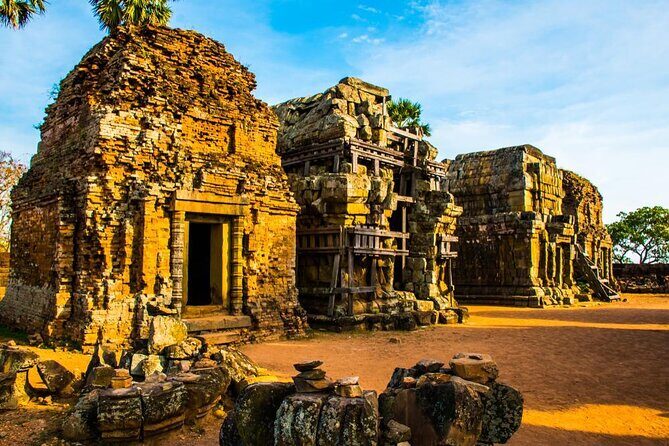
- Prasat Phnom Krom mix: A market and lotus farm feel paired with a hill climb and countryside views.
- Rice paddies + traditional wooden houses: You ride where people actually live, not just through scenery.
- Tonle Sap Lake water-bird spotting: You’ll try to see endangered water birds that breed in the area.
- Guide know-how matters: Guides like Samnang (and Pov, another name that comes up) are known for staying calm and helpful, including with kids.
Getting out of Siem Reap and onto real countryside roads
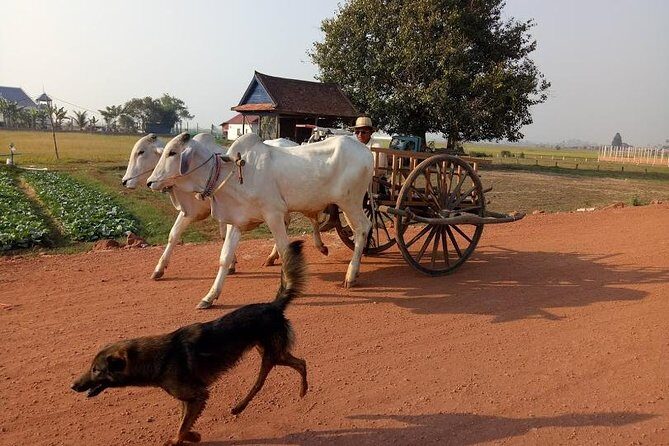
This is the kind of tour that starts by changing the tempo. You’re picked up and dropped back in town, then you shift from temple streets to countryside cycling fast. Once you leave the more developed areas, the roads thin out, the views widen, and the day starts feeling like a proper rural outing rather than an add-on.
The bike setup is part of the comfort level. You get a bicycle and helmet, plus bike parts and a first-aid kit are carried along. That doesn’t mean you’ll have mechanical issues, but it does mean the tour is planned for real-world riding, not just perfect conditions.
Most of the time, what you’re really paying for here is your route guide. The countryside is wide and not every track is obvious. A good guide helps you pick the rideable paths and the right moments for village stops, market browsing, and lake views—so you spend more time moving through local life and less time guessing.
Other Siem Reap city and countryside tours we've reviewed in Siem Reap

Prasat Phnom Krom: market scents, lotus farms, and a lake-view climb
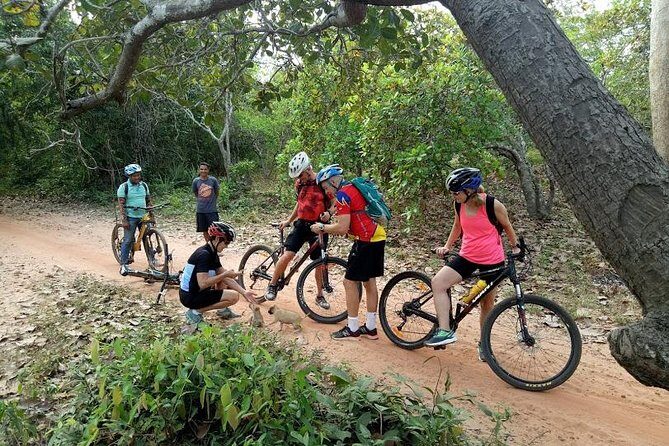
The outing builds around Prasat Phnom Krom, and it makes sense. It’s not just a single photo stop; it’s where several parts of the day connect.
First, you’ll visit a local market. Think aromas, everyday foods, and small-scale village trading—enough to give you a feel for what people are surrounded by on normal days. Then you’ll swing by a lotus farm, which adds a slightly different texture to the rural scene. In a place where most visitors only see temples, these quiet agricultural moments change your sense of the region quickly.
After that, you ride through rice paddies and then climb the hill for wide views. From up there, it’s easier to understand where the countryside opens up toward Siem Reap and the Tonle Sap Lake area. Even if you don’t love hills, this stop is worth it because it turns what you’ve been seeing at ground level into a bigger picture.
One practical note: a hill climb means pacing. If you’re biking steadily, you’ll likely manage it fine, but if you’re traveling with kids or anyone with limited stamina, ask your guide to slow down early so the climb stays comfortable. This tour tends to work best when you let the day be flexible.
Riding rice paddies and rural lanes where daily life happens
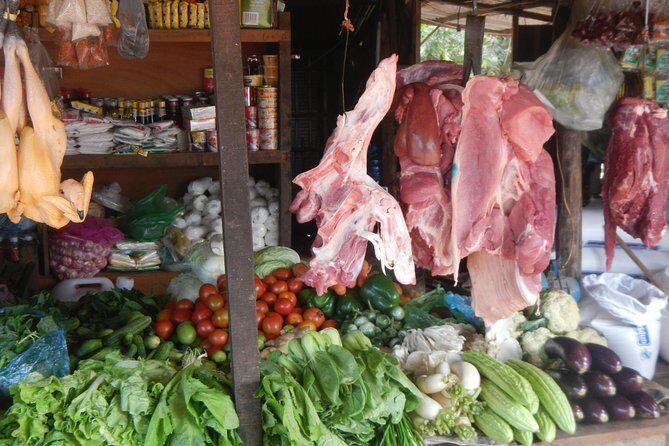
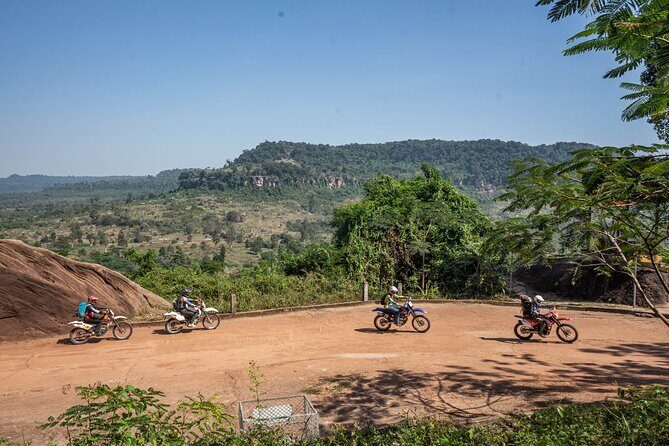
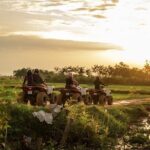
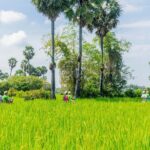
The core experience is cycling through lush rice country and traditional villages. This is where you’ll see people going about their routines—walking, chatting, tending to areas around homes, and moving through the spaces that visitors rarely see.
A big detail I like: the tour isn’t focused only on stopping at “attractions.” The ride itself is the attraction. As you move along dirt paths, you get the sense of neighborhood scale—houses, paths, small gardens, and field edges all at human distance. It’s the kind of cycling where the scenery changes often, so you’re not staring at one view for the whole ride.
You may also notice that the roads aren’t always paved. That’s part of the authenticity, but it’s also the main reason to plan your expectations. If you’re used to smooth urban cycling, you’ll feel every bump and turn. The good news is that the tour is designed for an enjoyable pace, and guides often adjust the rhythm so the group keeps moving together.
If you’re thinking about families: one of the standout bits from earlier groups was how guides handled kids in less-than-ideal footing. If puddles show up, you’ll want to go slow, treat it like a careful adventure, and let your guide help you choose where to ride.
Traditional market moments and local snacks along the way
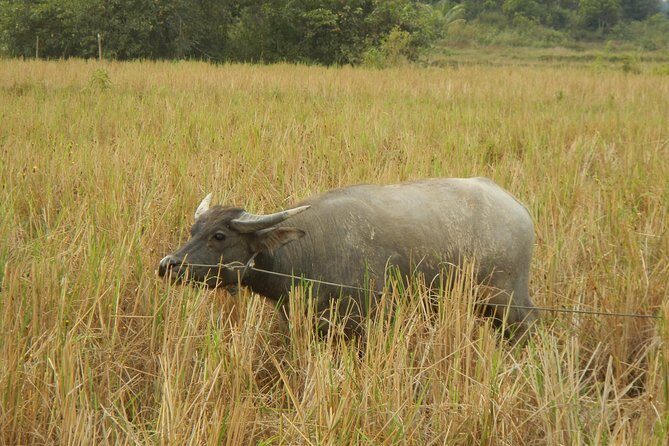
Food and snacks here are more than a small break. You’ll have snacks and bottled water included, and you also get market time to taste the smells and see what’s being sold. That market stop is timed to fit the day, so it doesn’t feel like a random detour.
I like this approach because it respects how local markets actually work. You’re not only looking; you’re moving through the vibe of the place. Even if you skip buying anything, you still get a real sense of everyday life: what people snack on, what ingredients look like up close, and how the market area connects to nearby homes and farms.
A small consideration: some markets can be busy or uneven. If anyone in your group doesn’t enjoy crowds, you can still browse lightly and focus on the route around the market stalls. Your guide can usually help keep you on the safer, easier-to-walk edges.
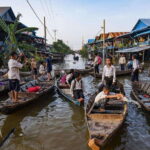
Tonle Sap Lake and endangered water birds: what to expect
One of the promises on this tour is a chance to see endangered water birds that breed near the Tonle Sap Lake area. This isn’t guaranteed in the way a ticketed museum visit is. Birds depend on timing, weather, and where they’re active.
Still, the value is that you’re not just passing by. You’re specifically searching with local guidance, and that’s what increases your odds. Your guide’s local knowledge helps you understand what to look for and when to pause so you’re not missing birds just because you’re cycling too fast.
If bird spotting is your thing, bring patience more than perfect eyesight. You’ll likely spend part of the day watching and scanning rather than constantly moving. That slow moment is often where the countryside feels most alive, especially near wetland edges.
Also, if the weather is less than ideal, this is the kind of stop that can change. The tour is said to require good weather, and if conditions are poor the operator may offer a different date or a full refund.

Pagoda time: historic architecture and calmer pauses
After the riding and lake-side searching, the tour shifts to a more relaxed cultural stop at a pagoda. This is where you get the historic architecture and artwork side of the day. For many visitors, the temples in Siem Reap are the big focus, so a countryside pagoda feels like a different flavor—less “destination,” more lived-in.
This pause also helps you reset after the cycling. It’s a chance to stand still, look closely, and see craftsmanship without the pressure of keeping miles going. If you like art details—carvings, patterns, painted areas—this is one of the more rewarding parts because you’re not doing it at full bike speed.
Dress matters for pagoda visits. Keep shoulders and knees covered. You’ll be outdoors for much of the ride, so plan clothing that can handle both sun and possible damp patches.
Price and value: why $69 can work well here
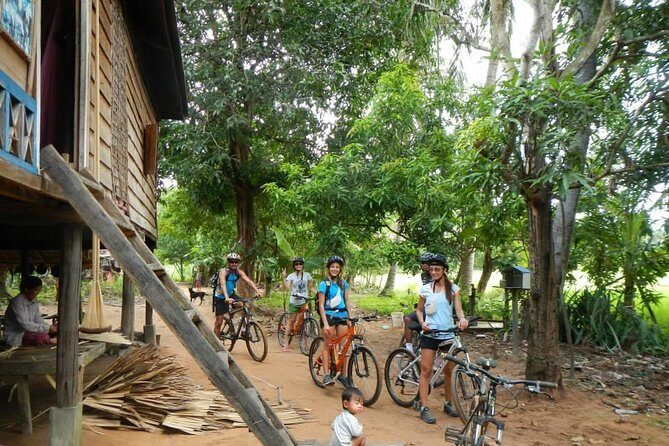
At $69 for about 4 hours 30 minutes, this tour is priced like a focused half-day countryside experience rather than a budget add-on. The value comes from what you don’t have to arrange yourself: pickup and drop-off, a bike, a helmet, a guide, and included snacks and water.
It also helps that the group size is limited (max 6). Fewer people usually means more attention and fewer timing compromises—especially on a route that depends on roads, stops, and pacing.
And then there’s the “hidden” value: the guide does route-finding and keeps the day flowing. You’re paying for someone to connect the market, paddies, bird-spotting attempt, pagoda, and viewpoint climb into one coherent loop. If you tried to piece that together independently, you’d spend time figuring out tracks and timing, not just covering distance.
One thing to keep your expectations grounded: if you’re hoping for lots of temple-style time inside major buildings, this is more about the countryside experience than interior sightseeing. You’ll see a pagoda, but the day’s heart is cycling and rural life.
What to wear and how to ride comfortably on uneven paths
Because the roads can be dirt and may include puddles, you’ll want practical gear. Closed-toe shoes are your friend, and something with grip helps when the ground is damp. If you’re prone to slipping on wet surfaces, slow down earlier rather than trying to push speed.
Your helmet is provided, and that’s a relief. It signals the tour’s emphasis on safety and steady riding. Bike parts and first-aid support also show the operator is thinking beyond “good luck out there.”
For a smooth experience, keep your energy for the parts that matter: the hill climb and the bird-spotting pauses. For everything else, treat it like countryside strolling—just with pedals.
Who this tour is best for (and who should choose something else)
This is a great fit if you want more than temples. If you like farming country, village life, and you’re curious about how people live day to day, this tour makes that accessible in a safe, structured way.
It also works well for families when expectations are realistic. One earlier group noted the guide’s patience with a 7-year-old who struggled at times with puddles. That’s a strong signal that the tour can be guided gently. Still, cycling can be challenging for less experienced riders, so choose it for families who enjoy a bit of adventure and don’t need paved-road comfort.
You might want a different option if you need a fully paved route, or if hills and uneven ground are a deal-breaker. The joy of this day is that it feels like a different world from the city, and that comes from riding on the kind of paths that aren’t built for tourists.
Should you book the Rice Fields & Rural Villages Tour?
If your vacation includes Siem Reap’s temples but you also want the countryside side of Cambodia, this is an easy yes. The blend of market + rice paddies + Prasat Phnom Krom viewpoints + bird spotting + a pagoda stop gives you variety without hopping between faraway locations all day.
Book it if:
- you like cycling as the main activity
- you want real village atmosphere, not just staged sights
- you’re okay with dirt roads and adjusting your pace
Skip it if:
- you can’t handle uneven paths or hills
- you’re expecting a fully paved, low-effort ride
My practical advice: treat this as a “go slow and look around” day. The countryside is where the details live, and the best moments often happen when you stop thinking about distance and start paying attention to what’s happening around you.
FAQ
How long is the Rice Fields & Rural Villages Tour?
It runs for about 4 hours 30 minutes.
Is pickup and drop-off included?
Yes. The tour includes pickup and drop-off to hotels.
What’s included in the price?
Included are snacks, bottled water, a professional tour guide, use of a bicycle, helmet, and bike parts plus a first-aid kit. A ticket is also included for the Prasat Phnom Krom stop.
What is not included?
Alcoholic beverages and personal expenses aren’t included.
How big is the group?
The tour has a maximum of 6 travelers.
Does the tour run in bad weather?
The tour requires good weather. If it’s canceled due to poor weather, you’ll be offered a different date or a full refund.
What is the cancellation window for a full refund?
You can cancel up to 24 hours in advance for a full refund.
If you tell me your travel dates and who’s going (ages and biking comfort level), I can help you judge whether the ride pace fits your group.