REVIEW · SIEM REAP
2 Days Angkor temples with Sunrise & Sunset
Book on Viator →Operated by Angkor Doors · Bookable on Viator
Wake up before the first light hits stone. This 2-day Angkor temples tour in Siem Reap is built around Angkor Wat sunrise and Banteay Srei, plus a smart mix of major sites and calmer temples so you’re not stuck doing only the most famous names. You’ll also get an English-speaking guide, AC transport, and cold water—useful when you’re bouncing between temple clusters all day.
I like the pacing here: you start early, you hit the big spiritual center first, and then you work outward to temples that feel more quiet and personal. The tour is set up as a private experience for your group, which usually means fewer waits and a smoother day.
One thing to consider: the temple dress code is strict (cover thighs and shoulders) and if you show up wrong, you can be refused entry. Also, the main entrance ticket is not included—you’ll need the 3-Day Angkor Pass for most stops.
In This Review
- Key highlights you’ll feel on the ground
- Sunrise timing at Angkor Wat (and why early beats late)
- Day 1 temple circuit: Kravan to Ta Prohm to Angkor Thom
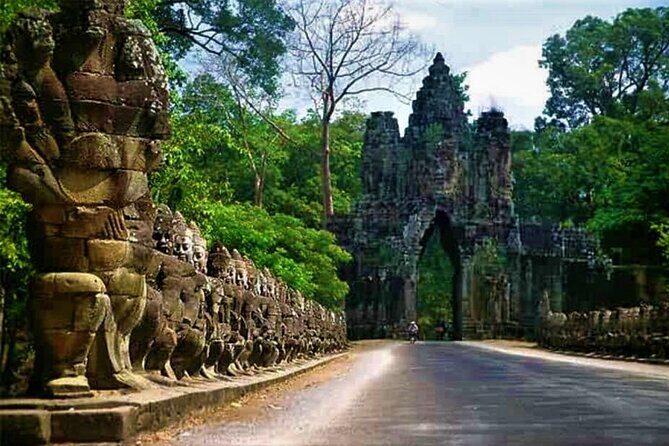
- Angkor Thom’s South Gate and the sunset angle
- Day 2 starts with Angkor Wat again, but with a different purpose
- Banteay Srei: small temple, big detail work
- The quieter classics: Banteay Samre, Eastern Mebon, Ta Som, Neak Pean, Preah Khan
- Tickets, dress code, and the real cost of going
- What the guide experience looks like (hello Bunpheng)
- Comfort and logistics: AC rides plus a packed day
- Who should book this 2-day Angkor Wat and temples plan
- Should you book this tour? A quick decision guide
- FAQ
- Is pickup offered for this 2-day Angkor temples tour?
- What time does the tour start, and how does sunrise work?
- Do I need an Angkor Pass, and what does it cost?
- Is Banteay Srei admission included?
- What’s included in the tour price?
- Can I cancel and get a full refund?
Key highlights you’ll feel on the ground
- Sunrise timing built for real light at Angkor Wat (often 4:30am or 5am depending on season)
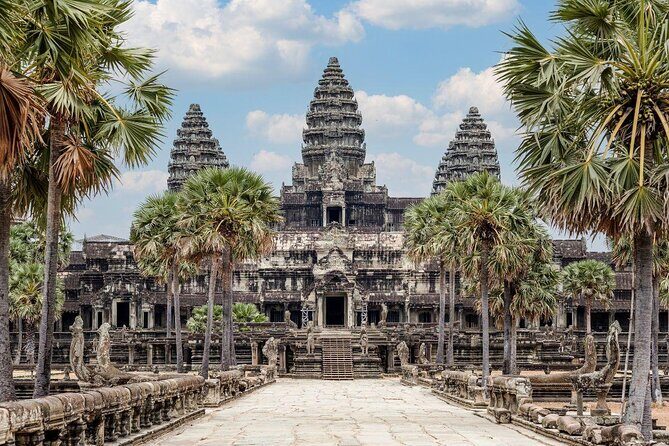
- A full Angkor circuit across Angkor Thom, plus outlying temples you’d otherwise struggle to reach efficiently
- Banteay Srei included with the standout detail that its admission is listed as free
- Sunset from a choice spot at South Gate of Angkor Thom or Phnom Bakheng
- English guide + AC vehicle with cold water handled for you
- Guides like Bunpheng are noted as punctual and professional, and he’s also mentioned as a great photographer
Sunrise timing at Angkor Wat (and why early beats late)
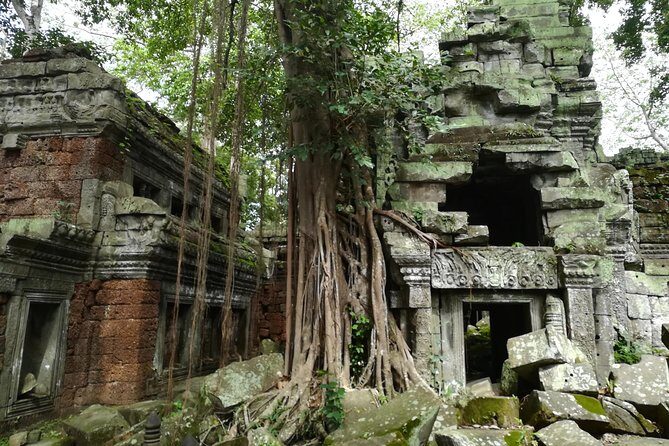
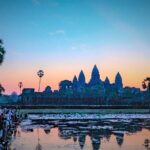
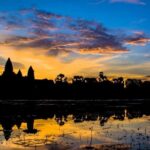
Angkor Wat sunrise is the reason most people book a 2-day plan like this, and this one takes it seriously. Your start time is listed as 4:30am or 5am depending on the season, which matters because Angkor’s best mood comes when the sky is still changing and the crowds are manageable.
After sunrise, you don’t just rush past the iconic silhouette. You head to the main temple area right after watching the light on the horizon, so the trip stays efficient instead of turning into a long waiting game. That flow is the difference between seeing Angkor Wat and understanding it—where the geometry leads your eye and why the place feels so deliberate.
Practical note: sunrise days are tiring. If you’re prone to motion sickness or you dislike very early mornings, pack accordingly and plan an easy evening after the sunset. The day is long, but the payoff is real.
Other Angkor Wat sunrise tours we've reviewed in Siem Reap
Day 1 temple circuit: Kravan to Ta Prohm to Angkor Thom
Day 1 is all about variety. You move from smaller, textured temples to big, memorable complexes without feeling like you’re repeating the same kind of view over and over.
Start at Prasat Kravan, a small 10th-century temple with five reddish brick towers on an elevated terrace. This is a good opening stop because it’s compact enough to absorb details quickly, and it sets the tone: Angkor isn’t only massive gates and wide courtyards.
Then you continue to Banteay Kdei, described as A Citadel of Chambers. Built in the late 12th and early 13th century by King Jayavarman VII, it’s a Buddhist temple, and it gives you a different architectural rhythm than Angkor Wat-style compositions.
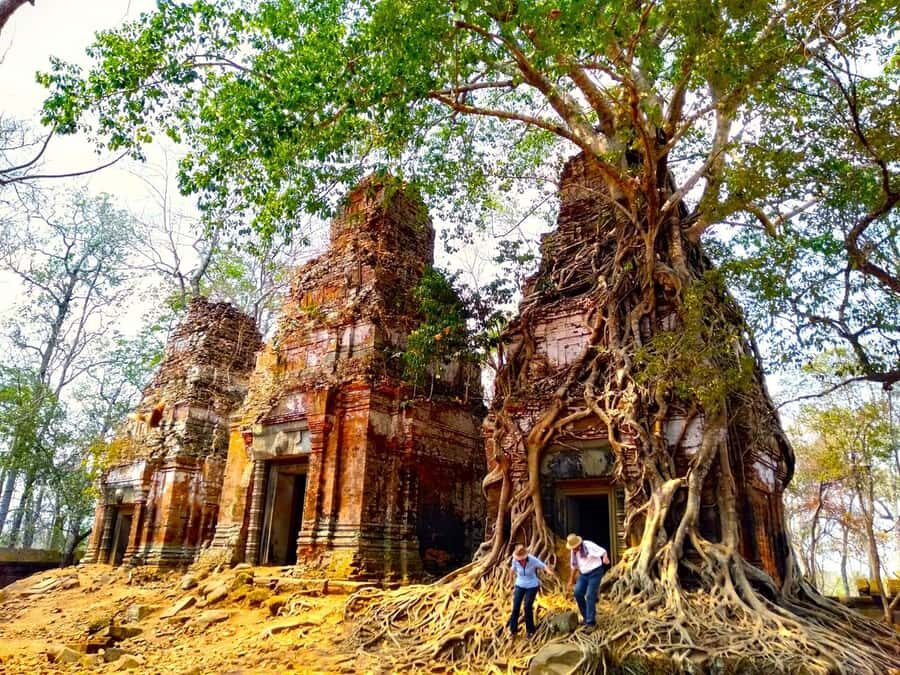
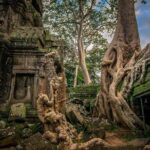
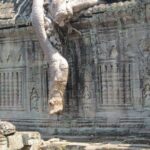
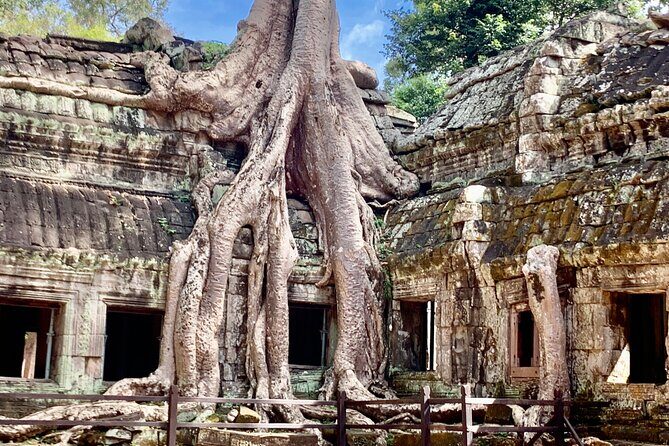
Next comes Ta Prohm, built in the Bayon style in the late 12th and early 13th centuries. It was originally a Buddhist monastery and university, so it feels less like a “single-purpose monument” and more like a place that once held daily life. This stop is often a favorite because it’s visually dramatic and historically layered.
After Ta Prohm, you visit Ta Keo, the state temple for Jayavarman V started in 975 AD. The key detail here: construction was never finished. That unfinished feel helps you appreciate the human reality of temple building—this wasn’t magic done overnight.
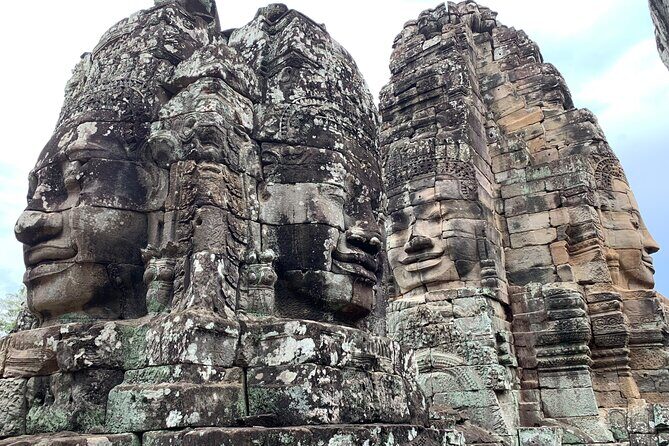
From there, you move into Angkor Thom, the Khmer Empire’s ancient capital city. You’ll see multiple headline areas: the Royal Palace area, the Terrace of the Elephants, the Terrace of the Leper King, the Bayon temple, and the South Gate region plus bridges nearby. Angkor Thom is big, so having a guide matters; otherwise you can spend your energy just trying to locate where you are.
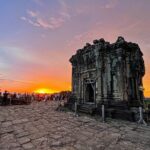
Finally, you end Day 1 at Phnom Bakheng, a temple mountain dedicated to Shiva. Built at the top of a hill by King Yasovarman at the end of the 9th century, it’s a strong choice for a late-day finish because the elevated setting gives you a different angle on the whole archaeological zone.
Angkor Thom’s South Gate and the sunset angle
This tour includes sunset viewing, listed as either at the South Gate of Angkor Thom or at Phnom Bakheng. Which one you get can depend on timing and conditions, but the underlying idea stays the same: sunset is when Angkor changes mood.
South Gate works well when you want the feeling of an entrance to something larger. You get the sense of processional movement—the gate reads like a story starter. Phnom Bakheng works well if you prefer a temple-mountain silhouette and panoramic views.
My advice: if your day already includes a lot of walking, consider choosing the sunset spot that feels easiest for you logistically. The tour is packed, and late in the day your legs will make the final decision for you.
Day 2 starts with Angkor Wat again, but with a different purpose
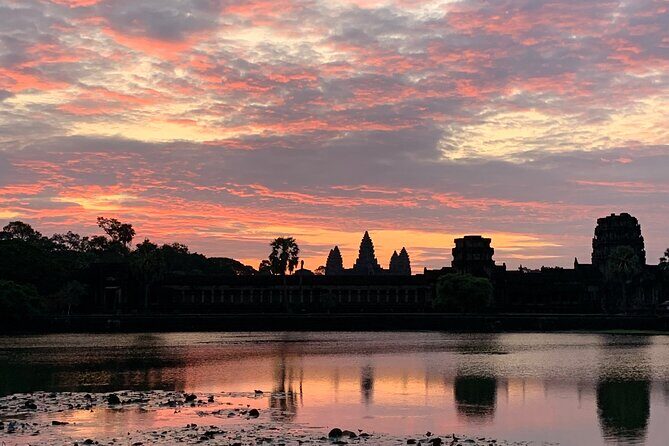
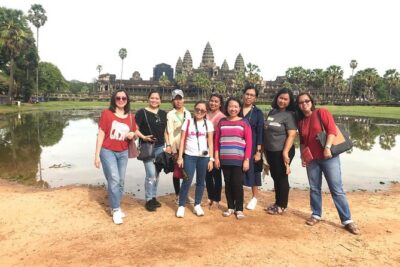
Day 2 begins with another early start for Angkor Wat, centered on sunrise. Even though you’ve already watched the sunrise theme on Day 1, the overall structure of this tour makes Day 2 feel like the “main temple workday.” You don’t just see the outside glow; you move into the main temple area after sunrise, which changes what you notice.
Angkor Wat is the largest religious structure in the area, and that scale can be overwhelming if you’re wandering on your own. With a guide, you can focus on orientation: how the entrances connect, where to look for key carvings, and why the temple’s layout affects the way light hits stone.
If you’re traveling with someone who needs time to sit and recharge, plan to ask your guide where the best pauses are. This itinerary includes many stops with relatively short durations, so a guide can help you spend those moments wisely instead of rushing.
Banteay Srei: small temple, big detail work
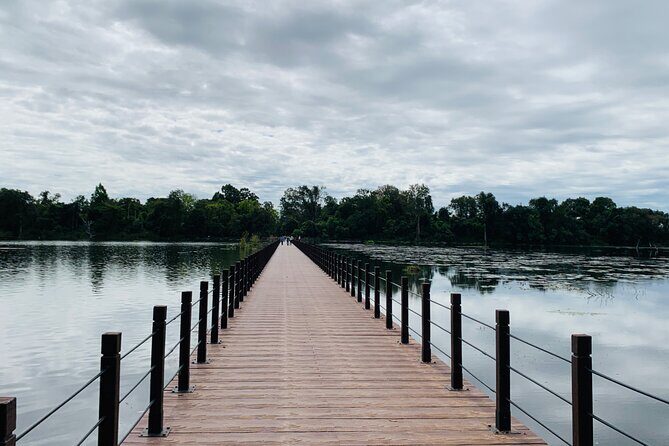
One of the standout inclusions is Banteay Srei, known as the Citadel of the Women. The tour description highlights that it’s unique and packed with fine carvings, with a traditional explanation that the carvings are said to be crafted by women due to delicate handwork.
This is the kind of temple you enjoy slowly. The earlier stops can train you to look for structure and scale, but Banteay Srei asks you to look for precision. With 1 hour listed for the visit, you’ll have enough time to move through the key areas without feeling like you’re speed-running it.
There’s also a money note: the admission is listed as free. Even if you’re already buying an Angkor Pass for other temples, it’s still a nice bonus because it helps reduce the sting of added fees.
Other Angkor Wat sunset tours we've reviewed in Siem Reap


The quieter classics: Banteay Samre, Eastern Mebon, Ta Som, Neak Pean, Preah Khan
Day 2 keeps moving, but the later sequence is where the trip starts to feel calmer and more thoughtful.
Banteay Samre is described as like a smaller replica of Angkor Wat. It’s a Hindu temple dedicated to Vishnu, built in the early 12th century by Kings Suryavarman II and Yasovarman II. This stop is valuable because it shows how Khmer builders used familiar forms while tailoring details to different rulers and purposes.
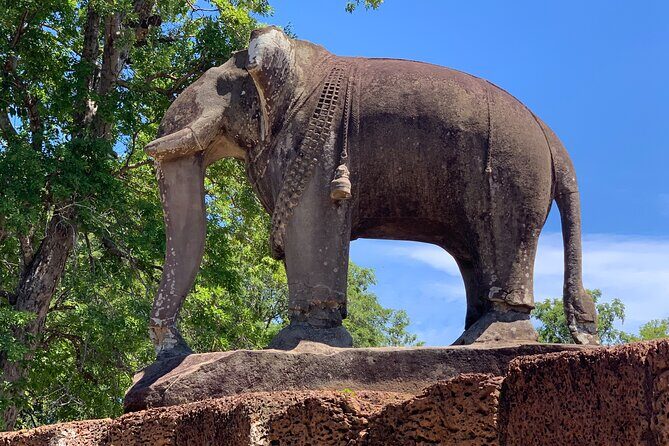
Next is Eastern Mebon, another example of early Khmer architecture from the 10th century. These older sites can be surprisingly refreshing after you’ve spent time at denser, more tour-focused areas. You’ll likely notice the architecture more than the crowds.
Then you visit Ta Som, a Buddhist temple built by Jayavarman VII in the late 12th century dedicated to Lokesvara Buddha. At 20 minutes, it’s not meant to be your big “deep focus” moment, but it’s still a meaningful stop because it ties together the shift from Hindu to Buddhist use across the broader Angkor world.
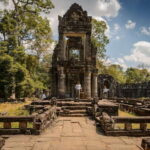
After that, the tour heads to Neak Pean, meaning Entwined Serpents. It’s a 12th-century Buddhist temple built on a man-made island in a man-made lake. This one feels different because it isn’t just about straight temple-front views. It’s about the setting—water, edges, and how the temple sits in a planned environment.
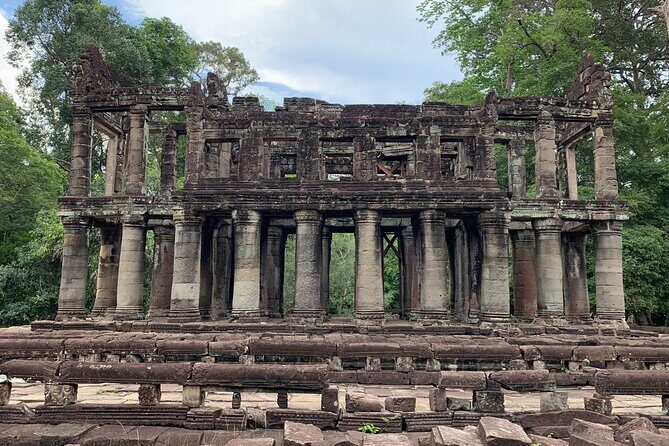
Finally, you get Preah Khan, translating to Royal Sword. It was built by Jayavarman VII and dedicated to his late father, located about 1km north of Angkor Thom, and it’s described as large. Preah Khan is a strong closing stop because it gives you that “expanded city” feeling again, not only a single shrine. When you finish here, you’re more likely to walk away with a sense of how the Khmer Empire used space, not just how temples look.
Tickets, dress code, and the real cost of going
Let’s talk value in plain terms. The tour price is listed at $115 per person for 2 days. That includes an English-speaking guide, AC transport, and bottled cold water. What’s not included is the big one: the 3-Day Angkor Pass at $62 per person.
So your basic total is likely $177 per person before food and any extra drinks. Since Banteay Srei is listed as free, you may not feel that pass every single day, but most other stops are tied to the Angkor Pass system.
Also, read the dress code closely. You must cover thighs and shoulders when entering temple complexes. If you aren’t dressed right, you may be refused entrance. This isn’t a “maybe” rule; it’s enforced. If you’re showing up in shorts and a tank top, plan to change or bring something light that works fast.
One more tip: the tour includes a mobile ticket, which can simplify things when you’re on the move. Still, keep a backup plan (like having a way to access your ticket info) so you don’t get stuck when Wi-Fi is unreliable.
What the guide experience looks like (hello Bunpheng)
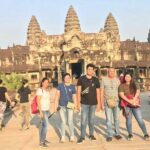
A big reason this tour tends to get strong feedback is the guide quality. Bunpheng (sometimes spelled Bunphen or Pheng in written comments) is specifically mentioned as punctual and extremely professional. He’s also described as a good photographer, which matters more than people expect. Sunrise and sunset look great in your memory, but having someone who understands timing and angles helps you see more—and helps you get photos you don’t hate later.
You’re also not just stuck with a script. One of the practical strengths of this setup is that the tour runs with your group only, so the guide can adjust pacing when someone needs a bathroom break, a rest, or a faster route between zones.
If you care about history but also hate feeling lectured, this kind of guide can hit the sweet spot: explanations that help you notice details, then time to enjoy the views.
Comfort and logistics: AC rides plus a packed day
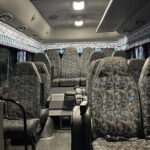
The tour provides transportation in an AC car/minivan/minibus and bottled cold water. In Siem Reap, that simple comfort piece adds up because the daytime heat can be real. You also avoid the hassle of figuring out which temples need the longest drives and where to meet mid-day.
The schedule is packed, though. Stops are often 20 to 50 minutes, which means you’ll want to treat each one like a focused visit, not a long sit-down museum experience. If you’re the type who wants to stare at carvings for an hour, this might feel intense. But if you want to see a broad range of Angkor in two days, this format is efficient.
Who should book this 2-day Angkor Wat and temples plan
This is a strong fit if you want:
- Sunrise at Angkor Wat and a true sunset moment
- A guided tour that covers multiple temple zones rather than only the most famous ones
- An English-speaking guide plus AC transport and water handled
- A private setup for your group
It may be less ideal if you strongly prefer slow, uncrowded exploration with lots of free time, because the itinerary is structured and time at each stop is limited.
The good news: the tour notes that most travelers can participate, so it’s designed to be broadly manageable. Just be sure you can handle early starts and lots of walking.
Should you book this tour? A quick decision guide
Book it if you want a two-day Angkor plan that hits the big emotional beats—Angkor Wat at sunrise, then sunset from the Angkor Thom gate area or Phnom Bakheng—while still giving you a wider mix of temples like Prasat Kravan, Ta Prohm, Banteay Srei, and Neak Pean.
Skip it or consider alternatives if you:
- Are allergic to early mornings
- Don’t want to deal with strict temple dress requirements
- Want a very slow, flexible itinerary with long stays at only a few temples
If your goal is value and variety in a short window, this tour is one of the more practical ways to do it.
FAQ
Is pickup offered for this 2-day Angkor temples tour?
Yes. Pickup is listed as offered, and the tour includes transportation in an AC vehicle.
What time does the tour start, and how does sunrise work?
The meeting/start time is listed as 9:00 am, but sunrise at Angkor Wat starts early in the morning, listed as about 4:30am or 5am depending on the season.
Do I need an Angkor Pass, and what does it cost?
Yes. An Angkor Pass is required for each visitor, and the 3-Day Pass is listed at $62 per person. Entrance fees are not included in the tour price.
Is Banteay Srei admission included?
The tour information lists Banteay Srei admission as free.
What’s included in the tour price?
Included items are an English-speaking tour guide, transportation (AC car/minivan/minibus), and bottled cold drinking water.
Can I cancel and get a full refund?
Yes. You can cancel up to 24 hours in advance for a full refund. If you cancel less than 24 hours before the start time, the amount paid is not refunded.