REVIEW · SIEM REAP
Discover Cambodia 8 Days from Siem Reap to Koh Trong -Phnom Penh
Book on Viator →Operated by About Cambodia Travel & Tours · Bookable on Viator
Angkor plus Mekong island calm beats any checklist. What I like most is the big Angkor temples day with a clear pace, and the chance to slow down on Koh Trong Island where bikes replace cars. This route also threads in Phnom Penh’s major landmarks with an English-speaking guide who explains what you’re actually looking at.
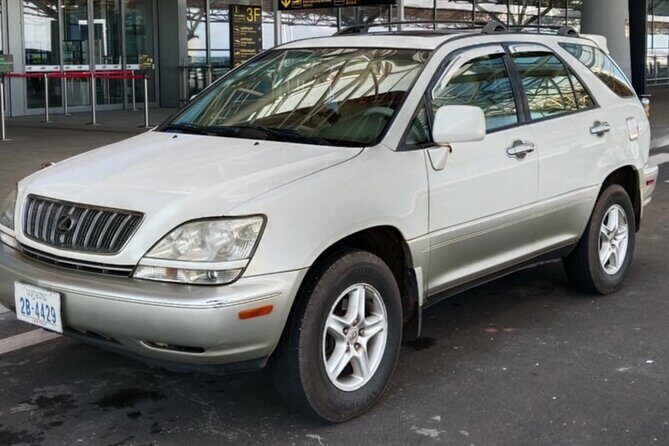
I also appreciate the practical setup: private, air-conditioned transport with pick-up at Siem Reap and a full run of included entrance fees. You’ll get comfortable hotel nights in the middle of the itinerary, plus a couple nights in a traditional Khmer house feel included in the plan.
The main drawback to consider is simple: it’s a lot of moving in one week. There are long drive/transfer days, and one of the Phnom Penh days includes heavy, emotional stops like Tuol Sleng and Choeung Ek.
In This Review
- Key things that make this tour worth your time
- First steps in Siem Reap: airport meet-up and a smooth start
- Angkor’s main event: Angkor Thom, Bayon, Ta Prohm, and Angkor Wat
- Tonle Sap Lake and Kampong Phluk: a change of pace from stone
- Road day to Kratie and the Mekong crossing toward Koh Trong
- Koh Trong Island: biking the car-free life and seeing village rhythms
- Kampong Cham and Skun: pagodas, a rural village, and the spider market stop
- Phnom Penh essentials plus the difficult sites: Royal Palace to Tuol Sleng
- Price and value: what you’re paying for in 8 days
- Who this route suits best (and who might want a different plan)
- Should you book this Siem Reap to Phnom Penh circuit?
- FAQ
- How many days is this tour, and what route does it follow?
- Are airport transfers included?
- Are Angkor temples and Phnom Penh main sights included?
- What is the Koh Trong experience like?
- Are entrance fees included?
- How many breakfasts are included?
- Is this a private tour with an English-speaking guide?
- What’s the cancellation refund timeline?
Key things that make this tour worth your time
- Private driver, air-conditioned transport so you’re not fighting schedules between distant areas.
- Angkor Thom + Bayon + Ta Prohm + Angkor Wat in one efficient arc, with multiple highlights chained together.
- Koh Trong Island biking (no cars on the island) plus riverside walking that feels local, not staged.
- Kratie nature and wildlife focus via the Mekong dolphin conservation area boat trip.
- Phnom Penh with both iconic and difficult sites, from Royal Palace and Silver Pagoda to Tuol Sleng and Choeung Ek.
- English-speaking guides and included entrances so you spend less time sorting tickets and more time seeing.
First steps in Siem Reap: airport meet-up and a smooth start
Day 1 is built for momentum. You’re met at Siem Reap Angkor International Airport, then transferred into the city to your hotel. On the way, your guide gives context that helps the rest of the trip click, especially when you start seeing how Angkor-era design shows up in daily Khmer life.
You’ll sleep at a 4-star hotel such as Regency Angkor Hotel (or a similar option). That matters because the following days are full-on temple and countryside time, and you want a real base, not a barebones stopover.
If you land late or feel travel-stiff, this day is a gift. You can keep expectations low: get settled, eat well, and get ready for a busy run.
Other Phnom Penh transfer tours we've reviewed in Siem Reap

Angkor’s main event: Angkor Thom, Bayon, Ta Prohm, and Angkor Wat
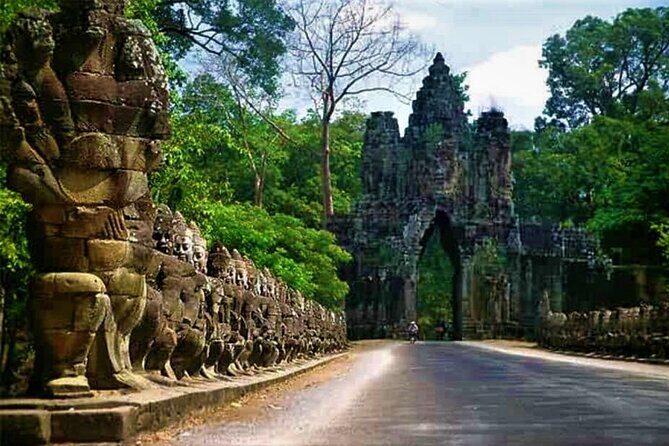
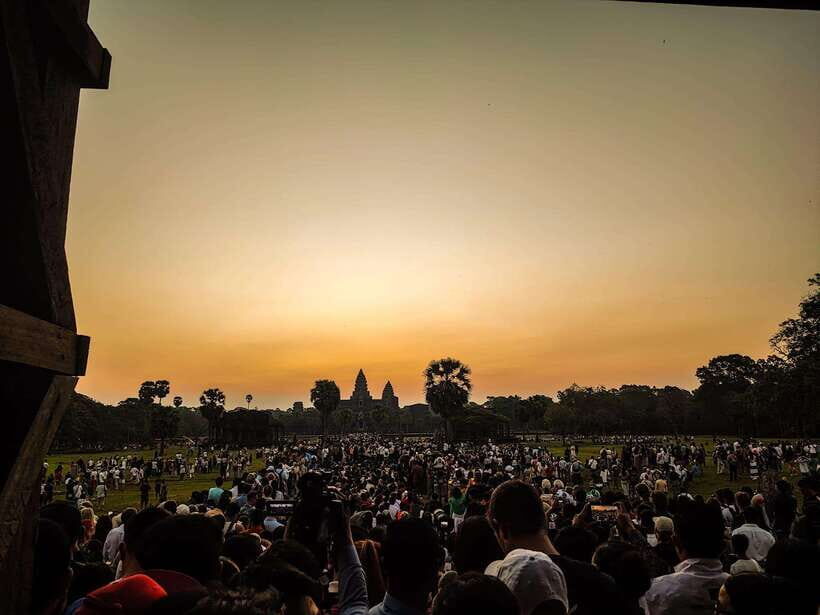
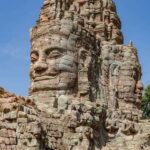
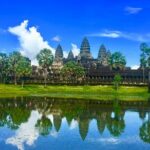
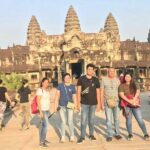
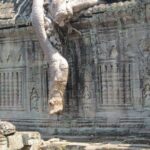
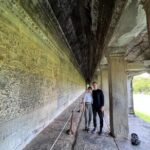
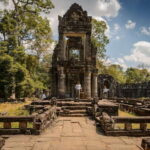
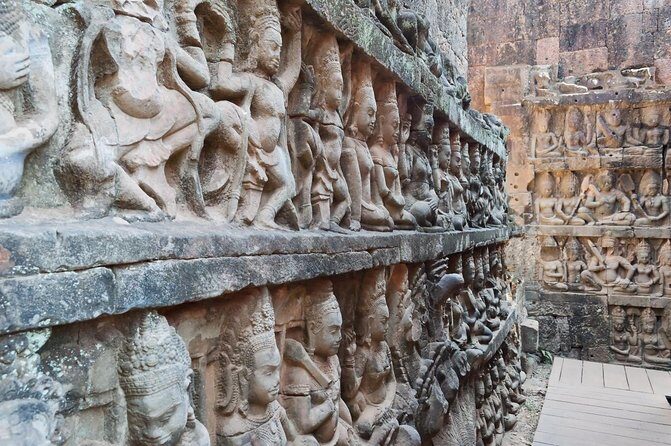
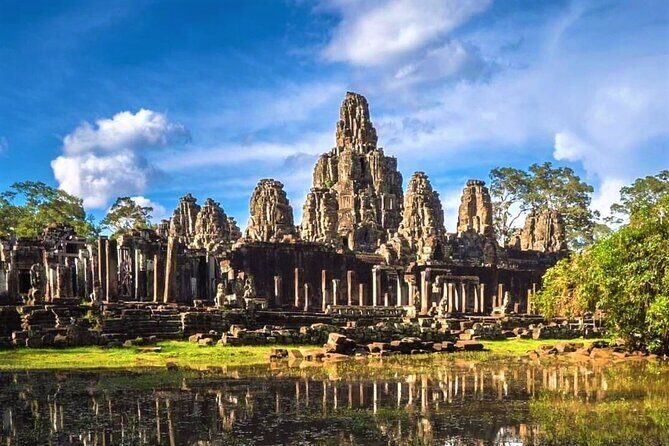
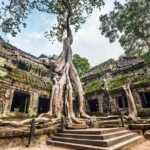
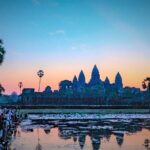
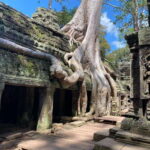
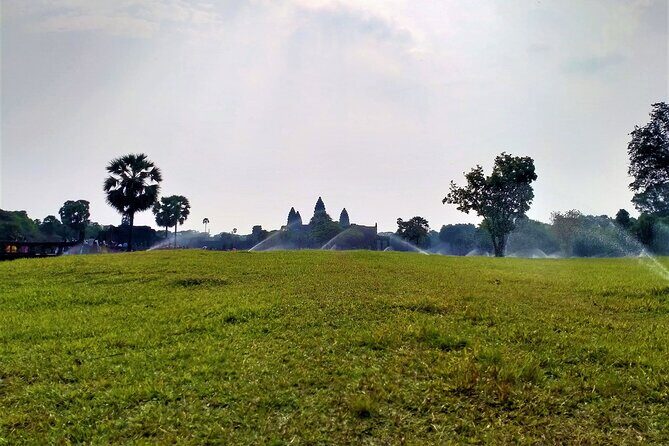
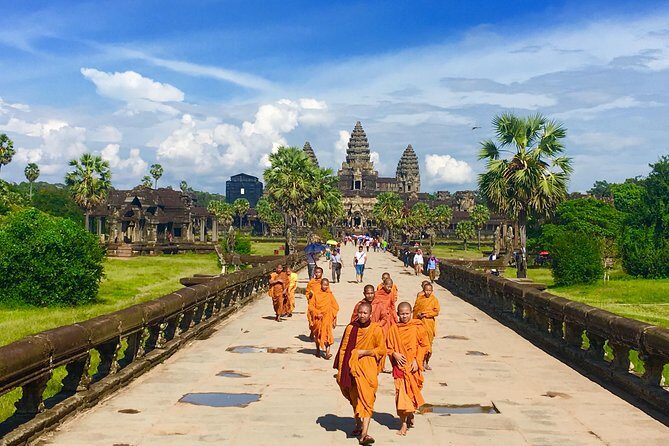
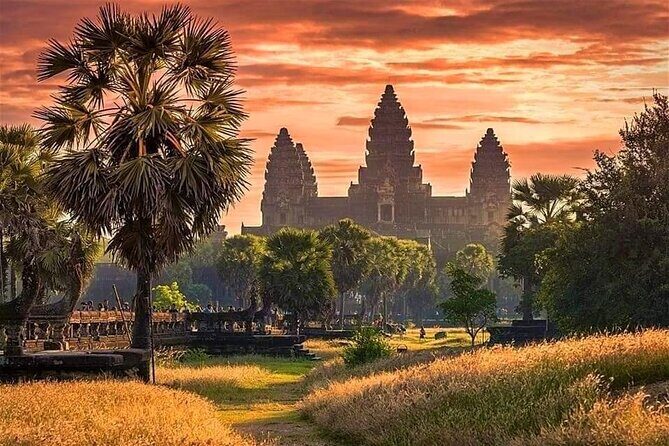
Day 2 is the heart of the trip. You’ll start at Angkor Thom South Gate, then work through a cluster of major structures: Bayon Temple (famous for its faces), Angkor Thom, Baphuon, and Phimeanakas, plus the Terrace of the Elephants, Terrace of the Leper King, Ta Nei, and Ta Prohm before finishing with Angkor Wat.
Here’s how I’d think about the value of doing it this way: the temples are not just separate attractions. They connect as one system of royal spaces, religious symbolism, and architecture. With a good guide, you don’t just take photos—you start noticing patterns: where the main processions moved, how the layout signals importance, and why certain temples feel more ruined or more restored.
A practical heads-up: this is a long day and the heat can be real. Wear comfortable shoes and plan to carry water. Also, Ta Nei is described as harder to find and less popular, which can be exactly why it’s interesting—less crowd pressure, more quiet ruins energy.
If you’ve ever worried that Angkor tours move too fast, this one tends to do the opposite: it chains together high-impact sights so you don’t spend every morning figuring out where to go next.
Tonle Sap Lake and Kampong Phluk: a change of pace from stone
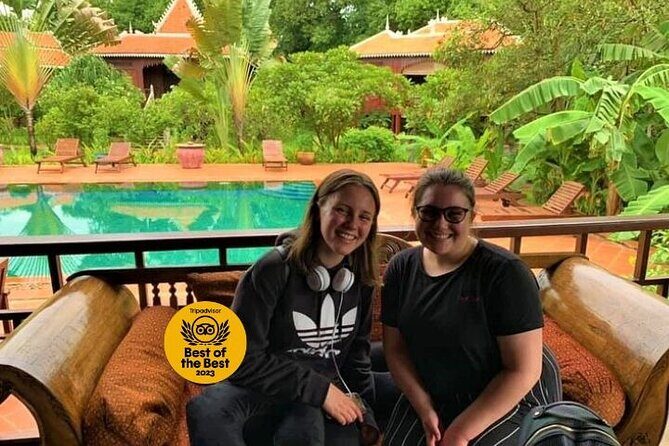
Day 3 shifts the scenery from ancient stone to living water. You’ll visit Tonle Sap Lake, where the lake’s shape changes between monsoon and dry seasons. That one detail matters because it explains why communities here build routines around a shifting landscape.
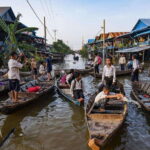
Next is Kampong Phluk Floating Village, where you go by traditional wooden boat. It’s one of those experiences that’s easy to romanticize, but the plan helps keep it grounded: you’re in a place of real daily life, with homes that look like they belong to the water rather than fighting it.
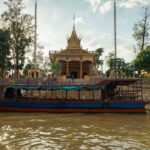
Back on land, you’ll also see Wat Preah Prom Rath by the riverside, plus Artisans Angkor, which supports job opportunities and traditional Khmer craftsmanship. I like that kind of stop because it turns your trip from sightseeing-only into something with a human thread.
You also hit West Baray, a massive man-made reservoir area. Even if you don’t know the legend behind it, the scale is impressive. It gives you a clearer picture of how the Angkor world managed water—again linking back to temple design, not just random ruins.
Road day to Kratie and the Mekong crossing toward Koh Trong
Day 4 is one long transition day, and it’s handled with smart stops so you’re not just in the car. You’ll stop at Spean Praptos, the Naga Bridge from the Angkor period. Then you drive through Kampong Thom city, including a visit to a stone-cutting village area where you can walk among stone sculpture work.
One of the more distinctive inclusions is the rubber tree plantation at Stueng Trang, noted as the largest rubber plantation in Cambodia. If you’re curious about what drives local economies beyond tourism, this kind of stop helps.
Then you reach Kratie, cross the river by boat, and arrive at Koh Trong. The walk along the Mekong riverside gives you an immediate feeling for why people slow down here: big water, fewer cars, and a calmer rhythm.
Overnight is at Mekong Dolphin Hotel (or similar), which keeps you close to the activities that follow.
Koh Trong Island: biking the car-free life and seeing village rhythms
Day 5 is where this tour earns its character. Koh Trong is described as about 7 km long and 1 km wide, with roughly 500 families living there, and—key detail—there are no cars on the island. That alone changes everything. You don’t feel like you’re visiting a highlight; you feel like you’re moving through someone’s neighborhood.
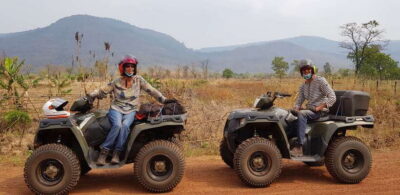
You’ll bike around the island in the morning, for about 3 hours. Even if you’re not a hardcore cyclist, it’s an easy way to get out of town-center sightseeing mode and into real-world pace: small lanes, local routines, and river air.
After that, you visit the Kratie Samaki Market, which focuses on daily life products around Kratie, including colonial building surroundings. Then there are more spiritual stops: Phnom Sambok Pagoda and 100 Colums Pagoda.
The day ends with a boat trip to the Mekong dolphins conservation area. The plan frames these dolphins as critically endangered and unique to this freshwater system. Reality check: wildlife trips are never 100 percent guaranteed, but the conservation focus is meaningful, and the boat time also gives you a different view of the Mekong than land stops do.
Overnight is again at Mekong Dolphin Hotel (or similar), so you’re not rushing out right after this more nature-centered day.

Kampong Cham and Skun: pagodas, a rural village, and the spider market stop
Day 6 keeps the Cambodia beyond-Phnom-Penh momentum going. You’ll base in the Kampong Cham region and start with Dei Doh Pagoda, known for its sandstone lions. The description also notes that some grounds have been concreted and built over, which is a good reminder that not every temple site is in pristine condition. Still, the remaining features are worth seeing.
Next comes Cheung Kok Village, supported by a French NGO called Amica, with a focus on sustainable rural life. You’ll learn how villagers handle farming rhythms, especially with a single harvest crop each year. This is one of those stops that gives context without requiring you to be an expert.
Then you go to Skun Spider Sanctuary, famous for the spider market. The plan describes it as unusual: it’s not the kind of food or product you’ll find easily elsewhere. If you’re squeamish, you can keep expectations realistic—this is about seeing a local niche economy and culture, not just trying everything on offer.
Overnight is at Sun & Moon Urban Hotel (4-star or similar). That’s helpful because Day 7 is a long, big-city day in Phnom Penh, with both cheerful landmarks and heavy memorials.
Phnom Penh essentials plus the difficult sites: Royal Palace to Tuol Sleng
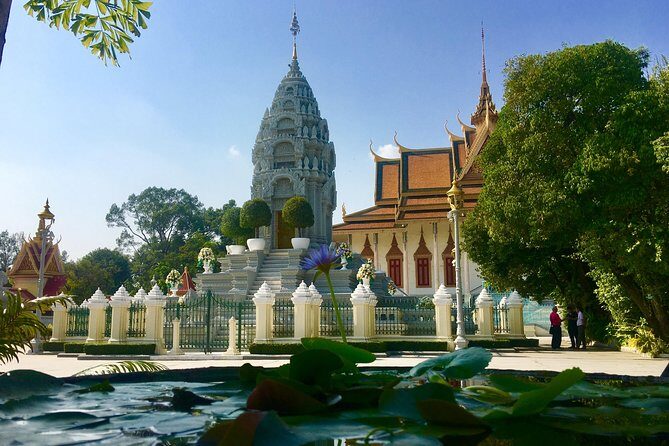
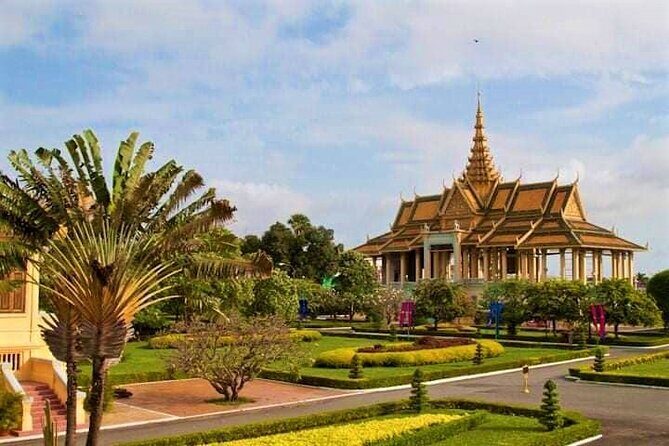
Phnom Penh Day 7 is a full plate, and that’s why the order matters. You start with the Royal Palace, then move to the Silver Pagoda right beside it. The Silver Pagoda’s garden and interior details make it a natural calm break after the city’s busier streets.
Then you head to Wat Phnom, the only hill in town, set on a tree-covered knoll. From there, you see the Independence Monument built in 1958 to mark independence from France in 1953, plus the Statue of King Father Norodom Sihanouk.
You also visit Wat Ounalom on the riverfront, and that gives you a sense of how monastic life remains part of the city’s daily geography.
Then the trip turns serious: Tuol Sleng Genocide Museum and Choeung Ek Genocidal Center. This is the Cambodia you don’t walk away from quickly. Plan to take your time, and give yourself space to absorb what you’re seeing instead of treating it like a checklist stop. If you’re sensitive to heavy topics, this day is the one to mentally prepare for.
You end with Central Market, a large 1937 dome market with many stalls. After the memorial sites, it feels like a shift back to ordinary life—people buying, selling, chatting.
Overnight is again at Sun & Moon Urban Hotel (or similar). Then Day 8 is just airport transfer for your next departure.
Price and value: what you’re paying for in 8 days
At $1,223.10 per person, this tour isn’t the cheapest way to see Cambodia, but it’s not priced like a luxury boutique either. The value comes from a few concrete things the plan includes:
- Private air-conditioned vehicle for transfers and sightseeing, not shared shuttles.
- English-speaking tour guide throughout the sightseeing days.
- All sightseeing entrance fees included, which matters in Angkor and major Phnom Penh sites.
- 7 breakfasts included, so you’re not starting every day shopping for a meal.
- Hotel nights across the route: 4-star hotels plus two nights in a traditional Khmer house (as described in the trip overview).
The best way to judge value: ask yourself if you’d rather spend your time arranging transport and tickets, or simply show up and go. This itinerary is set up so you can do the second one. If that’s your style, the price starts to make sense fast.
The only financial caveat is simple: tips for guide and driver are not included. If you’re the type who likes to budget everything, set aside a tip amount in advance so nothing feels awkward at the end.
Who this route suits best (and who might want a different plan)
This tour fits you if you want a structured route with minimal decision-making. It’s also a strong match if you care about both architecture and context—Angkor temples, plus Cambodian events explained alongside the memorial sites in Phnom Penh.
You should think twice if you dislike big long travel days in a single week. Day 4 and Day 7 are especially full, and the Cambodia heat can be a factor. You also need a moderate physical fitness level, mainly because you’ll do a mix of walking in temples and a biking day on Koh Trong.
If you’re traveling solo, this is still a private tour, so it can work well. And if you care about comfort, the private vehicle and included breakfasts help you keep energy up.
Should you book this Siem Reap to Phnom Penh circuit?
I’d book it if your goal is a complete Cambodia “best hits” week with smart variety: Angkor’s biggest monuments, Mekong island life on Koh Trong, countryside stops around Kratie and Kampong Cham, and Phnom Penh’s iconic sites plus the heavier memorials.
I’d think twice if you want a slow, no-pressure pace. This is not a laid-back wandering trip. It’s a guided route with purpose, and you’ll feel that in the schedule.
One last practical note: guides are a big part of the experience. The names Mr. Sara (Siem Reap) and Mr. Tokk (Phnom Penh) appear in the feedback I reviewed, and I also saw notes that some guides can flex time for extra stops when possible. If you like that kind of human adjustment, this format is a good fit.
FAQ
How many days is this tour, and what route does it follow?
It runs for 8 days. The route goes from Siem Reap to Koh Trong (via Kratie), then onward to Phnom Penh, with Day 8 ending at Techo International Airport.
Are airport transfers included?
Yes. You’re met at Siem Reap Angkor International Airport on Day 1 and transferred to your hotel, and on Day 8 you’re transferred from your hotel to Techo International Airport (without a guide).
Are Angkor temples and Phnom Penh main sights included?
Yes. The plan includes major Angkor stops such as Angkor Thom South Gate, Bayon, Ta Prohm, and Angkor Wat, plus Phnom Penh Royal Palace and Silver Pagoda, along with other city highlights and major museums.
What is the Koh Trong experience like?
Koh Trong is described as car-free, with about 500 families living there. You’ll go biking around the island and also walk along the Mekong riverside, plus visit local pagodas and the Kratie Samaki Market.
Are entrance fees included?
Yes. The tour lists all sightseeing entrance fee as included.
How many breakfasts are included?
Breakfast is included for 7 days during the tour.
Is this a private tour with an English-speaking guide?
Yes. It’s a private tour where only your group participates, and it includes an English-speaking tour guide.
What’s the cancellation refund timeline?
You can cancel up to 6 days in advance for a full refund. Cancel 2–6 days before for a 50% refund, and cancel less than 2 days before for no refund, based on local time cut-off.