REVIEW · SIEM REAP
Battambang Private Day Tour
Book on Viator →Operated by Bayon Guide · Bookable on Viator
Battambang feels like a time machine. This private day tour takes you from French-colonial streets by the river to limestone caves on a hill, then finishes with a bamboo train ride that shows how local farming still moves people and goods. It’s an easy way to understand why Battambang is called Cambodia’s rice heartland, without rushing or getting lost.
I especially like the English-speaking guide focus and the calm, well-organized pace, with Mourk highlighted for being patient, attentive, and full of useful context. I also appreciate that you get private, air-conditioned land transport plus lunch and snacks, which matters when the temperature can sit near 40°C. The main drawback is physical effort and heat: Phnom Sampeau involves stairs and uneven cave areas, so you’ll want comfortable shoes and a steady mindset.
In This Review
- Key highlights you’ll care about
- Battambang’s French-colonial vibe, minus the chaos
- The 7:00 am start and what a 12-hour schedule really means
- Steung Sangké River boat time and the colonial buildings you should look for
- Old town drives: how the route helps you understand Battambang
- Phnom Sampeau caves and hilltop temples: the day’s physical test
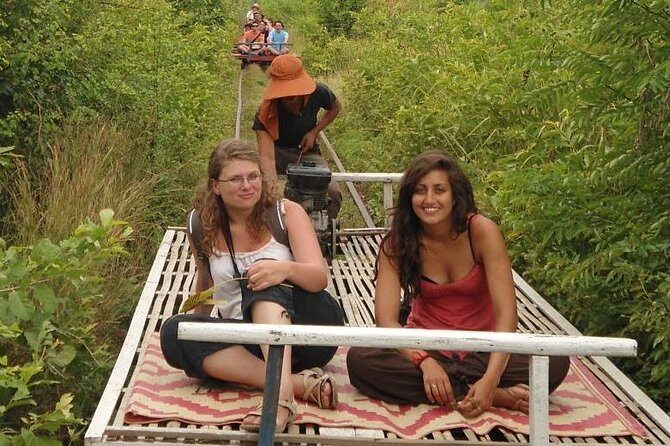
- Bamboo train at Phnom Banan: a local transport lesson in motion
- Lunch, snacks, and the small comfort wins that matter in 40°C heat
- English-speaking guide and private transport: why these two affect the whole day
- Price and value: is $150 per person worth it?
- Who should book this Battambang private day tour
- Should you book Bayon Guide’s Battambang Private Day Tour?
- FAQ
- What time does the Battambang private day tour start?
- How long is the tour?
- What is included in the tour price?
- Does the tour include the bamboo train ride?
- Is this tour truly private?
- Does the tour operate in all weather conditions?
- Are meals included, and can I request dietary restrictions?
- Is there a fitness requirement?
- Can I cancel for a full refund?
Key highlights you’ll care about
- Steung Sangké River boat orientation that connects colonial buildings to what you see on the ground
- Phnom Sampeau limestone caves that mix views with real Cambodian history markers
- Bamboo train ride at Phnom Banan, tied directly to how farmers use the system
- Private, air-conditioned vehicle for a long day with less stress than public transport
- Mourk as a standout guide name, noted for patience and clear explanations
- Heat-smart touring, including hydration and cold tissues on the tour
Battambang’s French-colonial vibe, minus the chaos
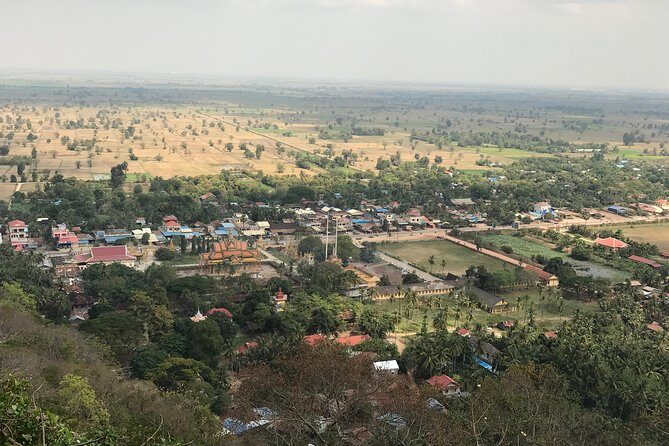
If you know Siem Reap well, Battambang can feel like the quieter sibling of Cambodia’s big-name circuit. The atmosphere here is calmer, and the colonial-era look still shows up in the bones of the city. That’s why a focused day tour works so well: you get orientation fast, then the places start making sense in sequence.
You’re not just sightseeing. You’re learning a story—rice production feeding the region, river life shaping the city, and hilltop temples anchoring local traditions. The best part is how the day moves between different “Cambodia worlds” without turning into a five-minute photo stop marathon.
Also, the private format matters. You’re only with your own group in an air-conditioned vehicle, so you can ask questions, adjust pace a bit, and keep the day comfortable even when it’s hot.
Other private tours in Siem Reap
The 7:00 am start and what a 12-hour schedule really means
Start time is 7:00 am, and the tour runs about 12 hours. That’s long, but it’s the kind of long that makes sense for Cambodia day-trips: you’ll spend more of the day seeing, less time coordinating.
What I like about this timing is that you arrive Battambang around 10:00 am, giving you daylight for the river boat orientation and the main city stops before temperatures peak. Then you climb and explore in the middle of the day, when caves are cooler than open air but still involve steps.
One practical note: bring a plan for stamina. The tour says it suits people with moderate physical fitness. Translation: you don’t need to be an athlete, but you should be ready for walking, stairs, and uneven ground—especially around Phnom Sampeau.
Steung Sangké River boat time and the colonial buildings you should look for
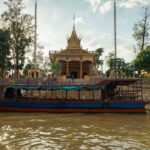
One of the clever parts of this itinerary is doing a river orientation first. You head out on the Steung Sangké River area and view colonial-style buildings along the way, including a governor’s house. Seeing these from the water gives you a layout sense you might miss if you only walk streets.
On a boat, details pop. You notice how buildings face the river, how certain areas feel built for administration and trade, and how the city’s power center related to water movement. It’s the kind of “why this looks this way” context that makes later stops click.
If you’re sensitive to sun, plan for it here. Even with morning timing, you can still get strong light. A hat and sunscreen are worth it. And because the tour includes mineral water and cold tissues, you don’t have to juggle supplies mid-day—just remember you’ll still feel the heat during transitions off the boat and into the vehicle.
Old town drives: how the route helps you understand Battambang
After the river orientation and main sites, you drive back through Battambang’s old town. This sounds like a small detail, but it’s useful. A city drive fills the gaps between major stops—where you can spot street patterns, get a feel for neighborhoods, and connect what your guide explained to what you see passing by.
This is where private transport becomes more than convenience. You can ask your guide to point out things during the drive, or you can ask for a better understanding of what to watch for. With an experienced English-speaking guide, those car moments can turn into mini-lessons rather than silent rides.
If you enjoy photography, keep a flexible mindset. Some of the best street views are quick. The trick is having your camera ready when you pass colonial-looking façades and river-adjacent areas.
Phnom Sampeau caves and hilltop temples: the day’s physical test
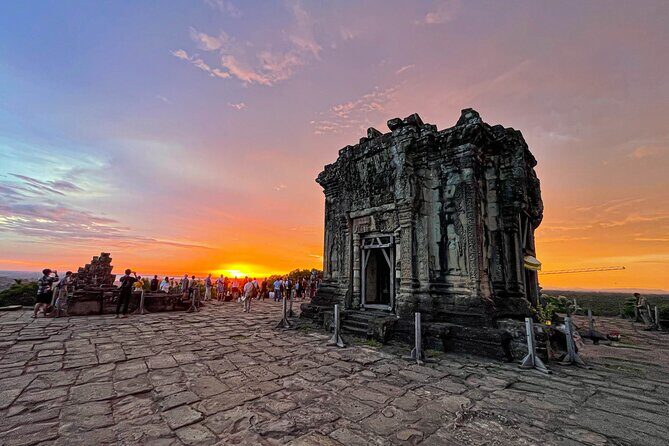
Phnom Sampeau is the hilltop outcrop that people remember, and the tour uses it well. You climb to the temples and limestone caves, which are more than just dramatic scenery. The caves include some unexpected reminders of Cambodia’s history, giving this stop a heavier meaning than a typical viewpoint.
Here’s what to expect in practical terms:
- Stairs and uneven footing in a setting that may be warm outside, cooler inside the caves.
- Areas where you’re walking near stone and shadows, so watch your footing.
- The need for a calm pace, especially if you’re photographing or reading what’s available on-site.
The tour notes moderate physical fitness. That’s a real requirement, not a marketing phrase. If you’ve got knee issues or you hate steep climbs, you’ll still likely manage with careful pacing, but you should go with realistic expectations.
The payoff is the contrast. You get open-air views from the hilltop area, then the caves add a different mood—quiet, close, and historically grounded. It’s a stop where a good guide makes a difference because you’re not just looking at stone; you’re learning how it fits into the local story.


Bamboo train at Phnom Banan: a local transport lesson in motion
The bamboo train is the highlight most people arrive curious about and leave with a deeper appreciation for. The tour takes you to Phnom Banan for the bamboo train ride, and the key value here is the explanation tied to farming life.
This isn’t presented as a stunt. The bamboo train is shown as part of how local farmers use this mode of transport. That framing changes how you experience the ride. Instead of thinking only about the novelty, you think about why this solution makes sense where it’s used—light, simple, and built around local resources and needs.
The ride itself is also the tour’s “breather” moment. After climbing and cave exploring, you finally get a different kind of movement—one that’s practical and memorable. If you’re someone who likes hands-on learning, you’ll likely enjoy how your guide connects what you’re seeing to daily work.
Heat still matters, though. Even if the ride isn’t long, you’ll likely spend time waiting and transitioning. The tour includes cold tissues and bottled water, so you’re not left to fend for yourself.
Lunch, snacks, and the small comfort wins that matter in 40°C heat
This tour includes lunch at a local restaurant, plus snacks, mineral water, and cold tissues. That sounds standard on paper, but in Battambang’s heat, it’s a big deal. You don’t just get fed—you get fed at the right time, without hunting for a restaurant while you’re tired and sweaty.
In one standout account of the experience, the guide Mourk was described as catering to different tastes during lunch. The practical takeaway for you: if you have any food restrictions, tell the operator in advance. The tour explicitly asks you to advise about restrictions, so use that chance.
Bring your common-sense “hot weather” kit even though you’ll be provided drinks. Think sunscreen, a hat, and a shirt you’re comfortable getting sweaty in. You’ll move between air-conditioned driving and outdoor walking, and that contrast can be harder than it sounds.
Also, cold tissues are a underrated travel item. In a long day, they turn discomfort into something manageable.
English-speaking guide and private transport: why these two affect the whole day
A day like this can be either exhausting or energizing. The difference usually comes from two things: how the guide handles your questions and how the transport keeps you moving.
The tour includes an experienced English-speaking guide, and the quality shows up in the details. Mourk is mentioned for being patient and attentive, and that matters most when you ask “why” questions—why a building looks colonial, why the caves matter, why the bamboo train is used in a farming context.
Private, air-conditioned land transportation is also a real quality upgrade. Battambang is far enough from Siem Reap that you’ll spend a lot of time in transit. Air-con doesn’t just make you comfortable; it prevents the kind of mid-day burnout that makes you rush through the good parts.
On a private tour, you can also pace yourself. If you need a short break, you’re not stuck in a moving herd.
Price and value: is $150 per person worth it?
At $150 per person, this is not the cheapest way to reach Battambang. But the value comes from what’s folded into the price.
Here’s what you get for your money:
- Private, air-conditioned vehicle for the full day
- An experienced English-speaking guide
- Bamboo train ride
- Lunch at a local restaurant plus snacks
- Mineral water and cold tissues
When you’re paying for a private day tour, the math usually depends on whether you’d otherwise pay separately for guide time, entry fees, local transport, and meals. This itinerary bundles those needs into one price.
It also runs for about 12 hours. That’s not a quick hit. You’re getting a river orientation, hilltop exploration with caves, and a bamboo train experience—plus time to return through old town by car. If you want that whole arc without piecing together tickets and transport yourself, $150 can feel fair.
One more value point: kids under 10 are free of charge. If you’re traveling as a family, that’s the kind of detail that changes the decision.
Who should book this Battambang private day tour
This tour fits best if you want:
- A guided understanding of Battambang’s colonial layout and local life
- A day that includes both sightseeing and “how people live” context
- Private comfort with air-conditioning and included food/water
You might be less suited if:
- You dislike climbs and uneven cave areas
- You need a fully seated experience with minimal walking
- You’re traveling with very limited mobility and can’t handle stairs (the tour does mention moderate fitness)
It’s ideal for couples, small groups, and travelers who want a structured day without sacrificing authenticity.
Should you book Bayon Guide’s Battambang Private Day Tour?
I’d book it if you like your Cambodia days to have a clear narrative: river, colonial streets, a hilltop with caves and history reminders, then a bamboo train ride that connects directly to farming life. The combination of boat orientation, Phnom Sampeau, and Phnom Banan bamboo train makes it more than a checklist day.
I’d think twice if you’re very sensitive to heat and climbing. The tour runs in all weather conditions and involves moderate physical effort, so plan your clothing, shoes, and pace accordingly.
If you’re looking for value, this one holds up because meals, guide, transport, and the bamboo train ride are included. That reduces hassle, which in a long day often matters as much as the sights.
FAQ
What time does the Battambang private day tour start?
The start time is 7:00 am.
How long is the tour?
The duration is about 12 hours.
What is included in the tour price?
Included items are private air-conditioned land transportation, an experienced English-speaking guide, the bamboo train ride, lunch at a local restaurant as in the itinerary, mineral water and cold tissues, and snacks plus bottled water.
Does the tour include the bamboo train ride?
Yes. The bamboo train ride is included, and it happens at Phnom Banan.
Is this tour truly private?
Yes. It’s a private tour/activity, and only your group participates.
Does the tour operate in all weather conditions?
Yes. The tour operates in all weather conditions, so you should dress appropriately.
Are meals included, and can I request dietary restrictions?
Lunch and snacks are included. You should advise the operator about any food restrictions.
Is there a fitness requirement?
The tour recommends a moderate physical fitness level.
Can I cancel for a full refund?
Yes. You can cancel up to 24 hours in advance of the experience’s start time for a full refund. If you cancel less than 24 hours before, the amount paid is not refunded.