REVIEW · SIEM REAP
3 Days Siem Reap Explorer – Small Group
Book on Viator →Operated by Journey Cambodia · Bookable on Viator
Sunrise at Angkor changes your view of time. This small-group tour (max 15) lines up Angkor Wat at first light and then follows with Tonlé Sap village life plus a Cambodian cultural show in the evening. I like the pacing and focus, and I also like how the route hits both the famous and the atmospheric temples; the one catch is the temple pass is extra and you’ll do an early morning on day two.
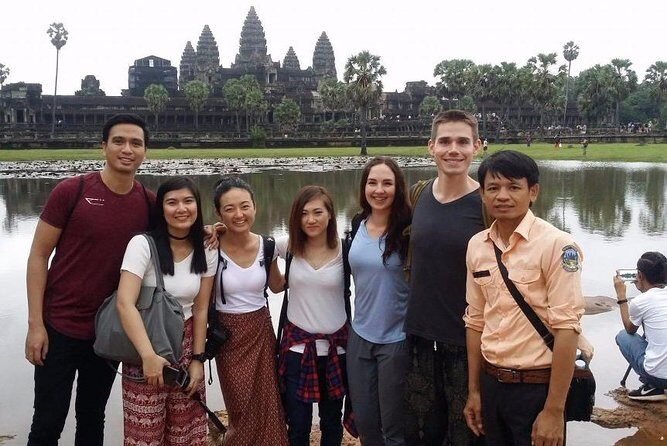
Two things I really liked: you get an actual English-speaking guide to explain what you’re seeing, and the group size keeps the day from turning into a cattle-line. In the guided chat, I especially liked the way guides like Sok make the carvings and layout feel understandable, not just impressive.
One possible drawback: the day starts can be intense, especially with pre-dawn for sunrise, and you’ll be walking on temple paths that can get dusty or uneven. If you’re hoping for a lazy day in Siem Reap, this isn’t it.
In This Review
- Key things to know before you go
- Why 3 days is the sweet spot for Siem Reap temples
- Angkor Wat Sunrise: pre-dawn timing and what you’ll actually notice
- Day 1 on Tonlé Sap: Kampong Phluk and daily life on the water
- Bakong: older Khmer roots before you hit the big ones
- Phare Circus vs Kampong Phluk: how the tour adapts by season
- Day 2 inside Angkor Thom: South Gate, Bayon, and the best-known details
- Day 3: Preah Khan, Neak Pean, Banteay Srei, and Pre Rup
- Price and temple pass: what you really pay (and how to plan it)
- Small-group pacing: comfort, questions, and less stress between stops
- Temple dress code and practical packing that saves your day
- Who this tour fits best (and who might want a different plan)
- Should you book the 3 Days Siem Reap Explorer?
- FAQ
- How much is the tour, and what else should I budget for?
- What time does the tour start?
- Is hotel pickup and drop-off included?
- Do you visit Tonlé Sap every season?
- What is included in the price?
- Are temple admissions included?
- Is there a dress code for temples?
- What are the age limits and group size?
- Is there free cancellation?
Key things to know before you go
- Small group (15 max) keeps questions easy and makes breaks feel real, not rushed.
- Angkor Wat at sunrise includes a pre-dawn departure and lets you see the temple before the day heats up.
- Tonlé Sap or Phare Circus, depending on season means your trip adapts from wet to dry months.
- Temple pass is separate (USD 62 per person), so budget for it up front.
- A licensed English guide helps you connect the dots between different temple eras and styles.
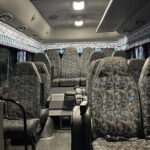
- Air-con vehicle plus mineral water keeps you comfortable between stops.
Why 3 days is the sweet spot for Siem Reap temples
Siem Reap’s main event is Angkor, but Angkor is not one temple. It’s a whole city of sacred stone, built over centuries, and you need time to see the patterns. Three days is usually what it takes to go beyond Instagram highlights and actually understand why places like Ta Prohm or Angkor Thom feel so different.
This tour also spreads the days out on purpose. You get a sunrise start, then you move from lake life to key Khmer ruins, and finally you come back with a second full day that focuses tightly on major Angkor complexes and signature temples.
And because the group stays small, the tour doesn’t feel like you’re being herded. You can slow down where you care, and speed up where you don’t.
A few more Angkor & Siem Reap tours and experiences worth a look
Angkor Wat Sunrise: pre-dawn timing and what you’ll actually notice
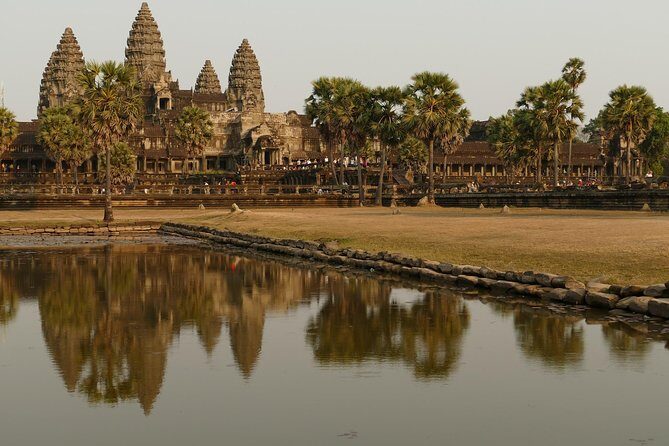
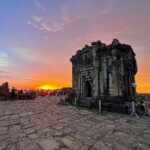
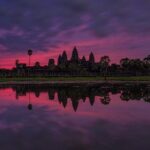
Day two starts before sunrise, with a hotel departure around 4:00 to 4:30 am depending on the time of year. That early start matters. The light is softer, the air is cooler, and you get that first glimpse of Angkor Wat without the later-day noise.
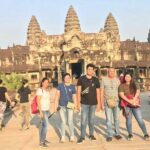
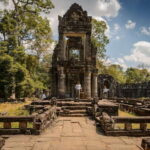
The visit is built around entering and seeing the temple in the early hours. You also spend time navigating the grounds while the details feel sharper: the causeways, the symmetry, and the way the architecture layers the view as the light changes. Sunrise is not just a photo moment here. It’s also when the whole site feels most readable.
One practical tip: dress for cool early mornings even if Siem Reap is hot later. Bring something light you can take off when the sun climbs, since you’ll likely be moving around for hours.
Day 1 on Tonlé Sap: Kampong Phluk and daily life on the water
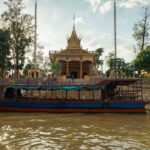
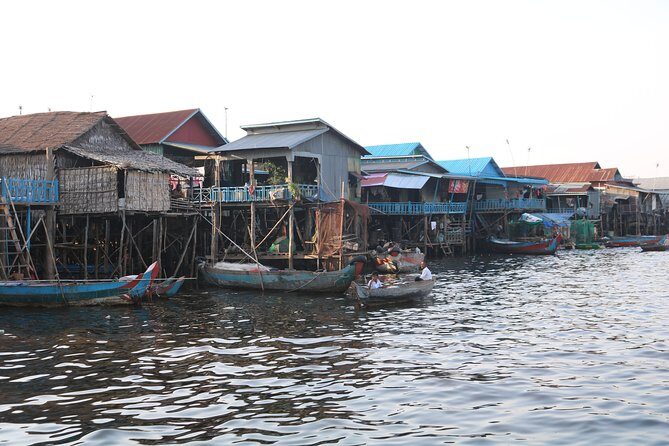
If you’re coming in the right season, the first morning includes the Kampong Phluk Floating Village visit. You depart around 7:30 am and head through the countryside to the world-famous Tonlé Sap Lake region.
What makes this stop special is the scale and the seasonal change. Tonlé Sap can swell dramatically, reaching about 12,000 km², and that changes how life works around the lake. In the village, you’ll see traditional Khmer stilt housing and water-based routines that feel connected to the lake’s rhythm, not just set pieces for tourists.
You also get a boat cruise as part of the included access. That matters because you see the village from the water level rather than only from shore. It’s a different perspective, and it helps you understand why the lake is central to local life.
Consideration: boat time plus temple time means you’ll want comfortable shoes and a plan for sun protection. Even with breaks, this is a day where your body will feel the morning.
Bakong: older Khmer roots before you hit the big ones

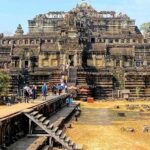
After Tonlé Sap, the itinerary shifts to Bakong, a site with older Khmer roots that dates back to the 9th century during King Indravarman I’s reign. This is a smart pairing because it puts you into the “how Angkor began” mood before the later, bigger complexes.
Bakong’s ruins sit in that sweet zone between awe and focus. The architecture helps you notice how Khmer builders used shape, elevation, and alignment as they developed temple design over time. You’re also not spending all day chasing one giant highlight, which makes this stop feel restorative.
Budget note: the included items cover certain admissions, but the temple pass does apply across Angkor sites and you’ll pay it separately. In other words, plan for temple pricing to be part of the overall cost.
Phare Circus vs Kampong Phluk: how the tour adapts by season
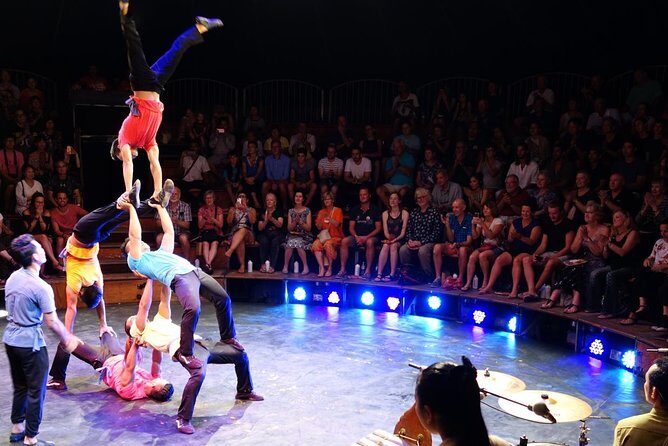
There’s one clever flexibility here. During the dry season window from 01 Mar to 31 Aug, the tour swaps the Tonlé Sap village morning for Phare The Cambodian Circus. It also specifies seat C.
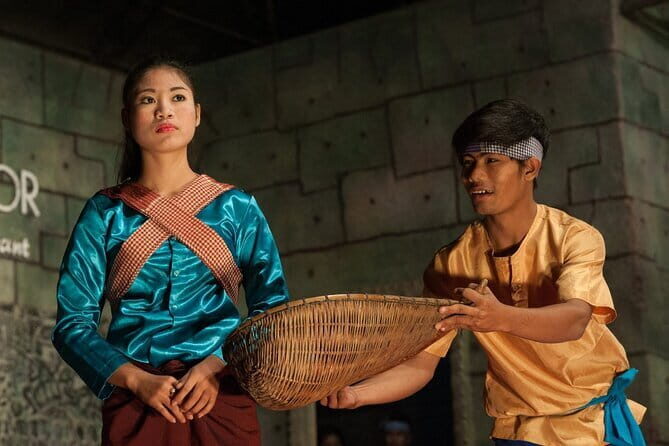
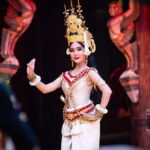
This matters because the lake experience can vary by month. In dry-season planning, the operator appears to choose a show that still gives you a strong sense of Cambodian culture. Phare is framed as uniquely Cambodian performance art, and part of the appeal is its connection to the post-Khmer Rouge origins of the organization.
If you like cultural performances, Phare is a nice counterweight to temple days. Temples are about stone, time, and symbolism. Phare adds movement, storytelling, and contemporary resilience.
Which should you pick? If you care about seeing life on the water, you’ll be watching for when you can get Kampong Phluk. If you’re visiting during the dry-season swap period, you’ll still get a major cultural experience, just with different emphasis.

Day 2 inside Angkor Thom: South Gate, Bayon, and the best-known details
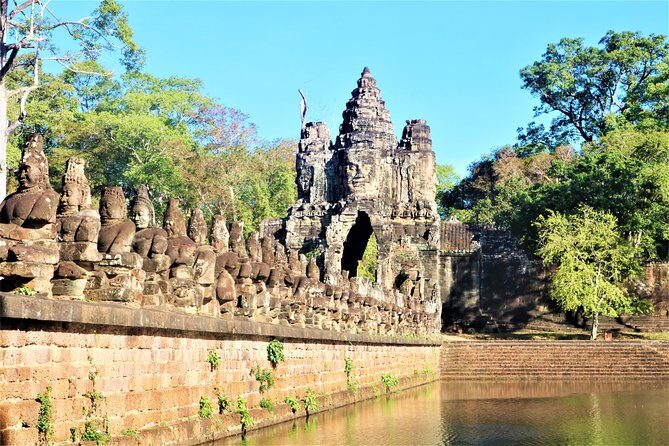
After sunrise, day two continues into Angkor Thom. First comes Angkor Thom South Gate, where the scale hits you fast. It’s the kind of entrance that makes you understand this place wasn’t built for small moments. It was built to impress an empire.
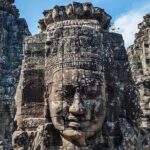
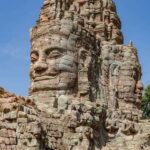
Then you move into Angkor Thom itself, including the Bayon area. This is where you start spotting recurring visual themes and understanding why people describe Bayon as both grand and strangely personal. The stone faces and the placement of structures make it feel like the city watches you back.
The tour also includes a pass by the Terrace of the Leper King and the Terrace of Elephant. Even without long time in each spot, passing them with guidance helps you place them in the bigger Angkor Thom story, instead of treating them like random photo stops.
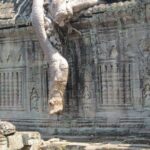
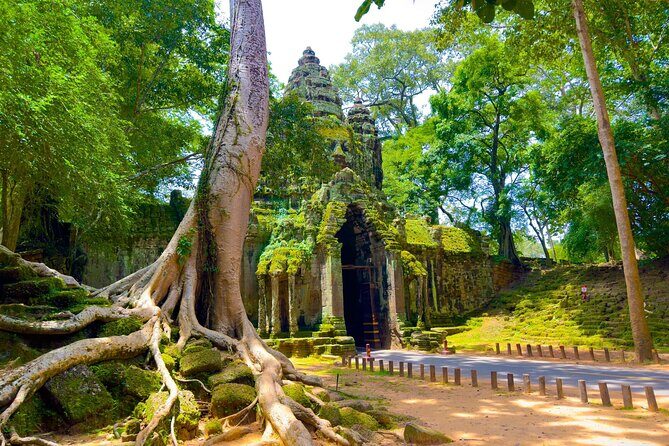
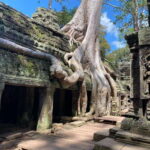
Finally, you reach Ta Prohm, the famous Tomb Raider temple. This stop works because it’s not only about fame. The atmosphere comes from the way the temple and roots interact, creating an eerie, lived-in feel. You spend enough time there to notice the temple’s structure while also appreciating how the site looks like time paused mid-collapse.
Day 3: Preah Khan, Neak Pean, Banteay Srei, and Pre Rup
Day three is a strong mix of ruins, smaller masterpieces, and a classic sunset-style temple mountain feel (even if your exact ending timing depends on the day’s pacing).
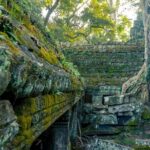
You start at Preah Khan, described as a highly atmospheric mix of tree roots and crumbling stone structures. This is one of those stops where the guide’s explanation helps you understand what you’re looking at, because the roots can make it feel like the temple is both ancient and overtaken at once.
Next is Neak Pean, an artificial island with a Buddhist temple on a circular island in Jayatataka Baray. This is a different kind of stop, calmer and more reflective than the dense carved areas. If you like temples that feel more peaceful than dramatic, this works well.
Then comes Banteay Srei, known for fine reliefs and detailed sandstone craftsmanship. It’s smaller than some of the major complexes, but that’s part of the value. When the site is more human-scale, your eyes can actually catch the carving work rather than just absorbing the grand layout.
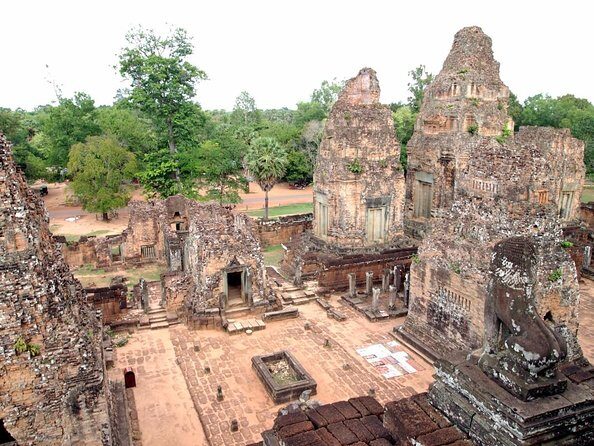
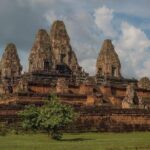
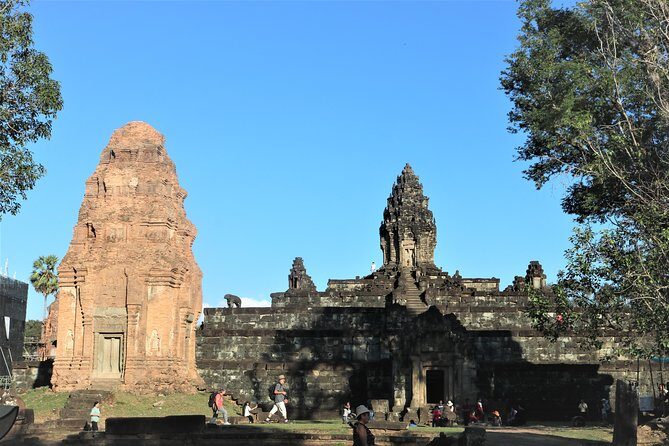
You finish with Pre Rup, a Hindu temple mountain built for Khmer king Rajendravarman, dedicated around 961 or early 962. Pre Rup’s construction mix and stepped form give you a different temple feel than Ta Prohm or Bayon. It’s a good ending because it ties together what you’ve seen across multiple temple styles and time periods.
Price and temple pass: what you really pay (and how to plan it)
The tour price is listed at USD 129 per person, and the itinerary includes guide services, air-con transport, hotel pickup and drop off, mineral water, and specific admissions for Tonlé Sap Lake (or the Phare Circus seat option). That’s a lot of moving parts handled for you.
But there’s a big separate cost: the temple pass. You’ll pay USD 62 per person for 3 days directly on the day of your activity. Temple passes are the one unavoidable line item if you want to see the core Angkor sites, so you should add it into your budget from the start. Otherwise the total cost can feel like a surprise at the gate.
Meals aren’t included. That’s normal for Angkor day tours. The practical takeaway: plan to eat near your breaks or bring a snack if you know you get hungry between stops.
Small-group pacing: comfort, questions, and less stress between stops
With a max of 15 travelers, the tour tends to feel manageable. You’re not stuck waiting for the slowest person in a huge group, and your guide can actually speak in full sentences rather than shouting across gaps.
You also get an air-con vehicle, which is a genuine quality-of-life upgrade in Siem Reap heat. Between sunrise, lake time, and multiple temple blocks, you’ll appreciate having transport that resets you.
Hotel pickup and drop off is included, which saves time. It also reduces the stress of figuring out meeting points after early mornings.
The schedule does include walking and time in sun. Comfortable walking shoes are recommended, and you should expect dusty paths. If you’re sensitive to heat, take your breaks seriously and don’t treat them like optional.
Temple dress code and practical packing that saves your day
Temples are casual, but they’re not casual about coverage. The rule here is simple: shoulders and knees must be covered inside temples. That means you’ll want a lightweight layer that covers up without cooking you.
For packing, I’d focus on these basics:
- comfortable walking shoes
- sun protection (hat/sunscreen), since days can run long
- a light layer for temple coverage
- something small for early mornings on sunrise day
Also, bring a water plan. Mineral water is included on the tour, but you’ll still want to pace yourself, especially on the more active days.
Who this tour fits best (and who might want a different plan)
This is a great match if you want an organized, guided experience that still leaves room to breathe. I’d especially recommend it for first-timers to Siem Reap who want sunrise at Angkor Wat plus a guided explanation that makes the site feel logical.
It’s also a solid fit if you want both classic Angkor highlights and variety. The inclusion of Tonlé Sap (or Phare Circus, depending on season) is a smart way to keep the trip from being only temples.
If you hate early mornings, the pre-dawn sunrise start might be tough. And if you want tons of free time to wander on your own, a structured small group day may feel a little busy. You can still enjoy it, but you’ll be trading spontaneity for guidance.
Should you book the 3 Days Siem Reap Explorer?
Book it if your goal is to do Angkor without confusion. The best reason is the pacing: two focused days for major complexes plus a day that mixes lake life and temple variety. Add in the small-group size and a licensed English guide, and you get more meaning per hour.
Don’t book it if you’re trying to keep costs ultra-tight or you refuse early mornings. The temple pass is extra, and day two starts in the pre-dawn hours. That said, most Angkor experiences have a similar structure once you account for access fees.
If you want a trip where you see the big names and still understand what makes each temple different, this is a strong value choice for a first or second visit.
FAQ
How much is the tour, and what else should I budget for?
The tour price is USD 129 per person. You also need to pay an additional USD 62 per person for the 3-day temple pass on the day of your activity. Meals are not included.
What time does the tour start?
The meeting point start time is listed as 8:00 am. On the Angkor Wat sunrise day, the departure is pre-dawn, around 4:00 to 4:30 am depending on the time of year.
Is hotel pickup and drop-off included?
Yes. Hotel pickup and drop off are included, and the meeting points are near public transportation.
Do you visit Tonlé Sap every season?
You visit the Kampong Phluk Floating Village and Tonlé Sap Lake during the regular option. During the dry season from 01 Mar to 31 Aug, the tour visits Phare The Cambodian Circus instead (seat C) as an alternative.
What is included in the price?
Included items are the 3 days exploring major temples including Tonlé Sap Lake or Phare Circus, a licensed English speaking tour guide, Tonlé Sap Lake entrance fee and boat cruise or Phare Circus seat C, air-conditioned vehicle, hotel pickup and drop off, local tax, and mineral water.
Are temple admissions included?
Some admissions are included as part of specific stops, but the overall 3-day temple pass is not included. The USD 62 temple pass is payable directly on the day of your activity.
Is there a dress code for temples?
Yes. Dress code is casual, but shoulders and knees must be covered inside temples.
What are the age limits and group size?
The group has a maximum of 15 travelers. Children must be accompanied by an adult, and younger than 5 years old are not allowed.
Is there free cancellation?
Yes, free cancellation is available. You can cancel up to 24 hours in advance for a full refund based on the experience’s local time.