REVIEW · SIEM REAP
From Siem Reap: Angkor Wat and Floating Village 3-Day Trip
Book on Viator →Operated by Asean Angkor Guide · Bookable on Viator
Angkor in three days, with less guesswork. I love the English-speaking guide who makes each temple make sense, and I love the practical touches like cool water and towels between long walks. One consideration: the headline price ($199) does not include the Angkor pass or the Tonle Sap boat, so you’ll budget extra for admissions and meals.
This is a private, air-conditioned, three-day route built around major Angkor sights plus Tonle Sap at Kampong Phluk. You’ll get hotel pickup and drop-off (and airport pickup/drop-off is listed as included), you’ll start early on busy temple days, and you’ll dress for heat and humidity—shoulders and knees covered, plus real sun and mosquito protection.
In This Review
- Key Highlights You’ll Feel Immediately
- Price and Logistics: What $199 Really Covers
- What a 3-Day Angkor + Tonle Sap Route Gives You (and What It Doesn’t)
- Day 1: Angkor Thom, Lunch in Angkor Park, Angkor Wat, and the Sunset Option
- Angkor Thom (South Gate)
- Angkor Archaeological Park Lunch Break
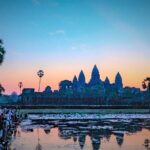
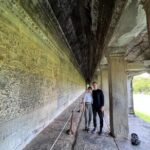
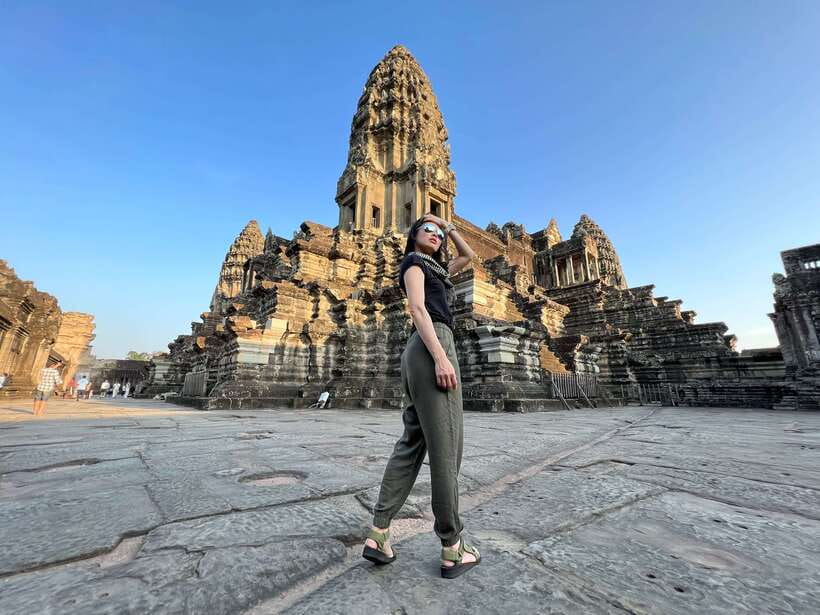
- Angkor Wat
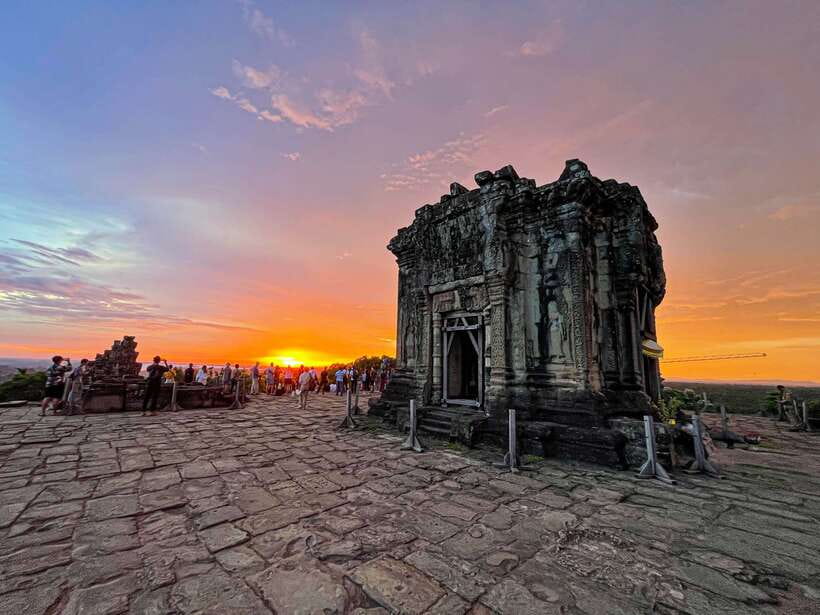
- Phnom Bakheng (or Pre Rup) for Sunset
- Day 2: Banteay Srei’s Detail, Beng Mealea’s Jungle Mood, and Bakong’s Early Temple Mountain
- Banteay Srei
- Beng Mealea (Jungle-temple)
- Bakong
- Back to Angkor Park for Lunch Again
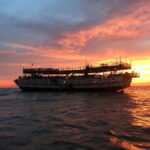
- Kampong Phluk Floating Village on Tonle Sap
- Day 3: Sunrise Waiting, Ta Prohm’s Jungle Roots, and the Temple Chain to Preah Khan
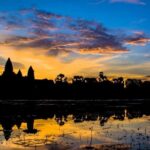
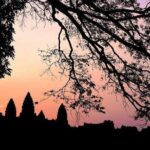
- Sunrise at Angkor Wat (and breakfast break afterward)
- Ta Prohm (Tomb Raider Jungle-temple feel)
- Pre Rup
- Ta Som and Neak Pean: Smaller stops, good payoff
- Preah Khan to close the chain
- Guides and Comfort: Why the Right People Matter Here
- Temple Etiquette and Heat Prep You Should Not Skip
- Dress rules
- Sun and mosquitoes
- Who Should Book This Tour, and Who Might Want a Different Pace
- Should You Book This Angkor Wat and Kampong Phluk 3-Day Trip?
- FAQ
- What’s included in the $199 price?
- What tickets or admissions cost extra?
- Do I pay for meals during the trip?
- Is there a boat ride at Kampong Phluk?
- How early do you start?
- Is sunrise included on Day 3?
- Are pickup and drop-off included from the airport?
- What should I wear to visit the temples?
- Is the trip weather dependent?
- Is the tour private?
Key Highlights You’ll Feel Immediately
- Guides who explain what you’re actually seeing, from temple layout to Khmer-era context
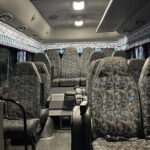
- A/C vehicle day after day, which matters when you’re bouncing between sites
- Cool water and towels to keep the day moving during peak heat
- Tonle Sap at Kampong Phluk, with a Tonle Sap pass and a boat ride (private)
- Sunrise timing on Day 3, so you’re not stuck only watching temples in flat afternoon light
Price and Logistics: What $199 Really Covers
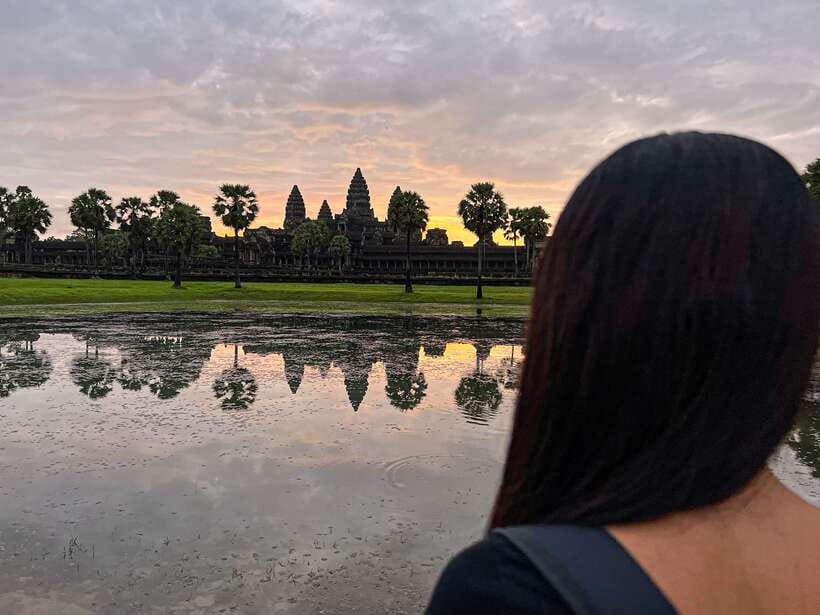
The listed price is $199 per person for a 3-day experience in Siem Reap. What you’re paying for is the structure: an English-speaking guide, private air-conditioned transport, and the comfort basics (cool water and towels). Hotel pickup and drop-off are included, and the tour description also notes airport pickup/drop-off.
Here’s what you should plan on paying separately:
- Angkor 3-day pass: $62 per person
- Tonle Sap pass and private boat ride at Kampong Phluk: $15 per person
- Meals (lunch and dinner) and soft drinks are not included
- Only Day 3 breakfast is included
So the real value question becomes: does it feel worth it once you add admissions and food? For many people, yes—because your time is the most expensive thing in Angkor. Having a guide map out the route, move you between sites in an A/C vehicle, and handle the big-ticket logistics like passes (or at least the process of getting the right ticket) saves you energy and decision fatigue.
One more logistics note: the tour is private, so it’s just your group. That usually means less waiting around for other schedules and fewer interruptions to your pace—good if you want photos, time to walk, or flexibility when the heat spikes.
Other Angkor Wat temple tours we've reviewed in Siem Reap
What a 3-Day Angkor + Tonle Sap Route Gives You (and What It Doesn’t)
This plan is not for people who want to drift casually. It’s built to cover multiple temple zones, plus the floating village area at Tonle Sap.
Good news: you’re not only doing the famous hits like Angkor Wat. You also get:
- Angkor Thom (including the South Gate area)
- Banteay Srei
- Beng Mealea
- Several additional temples such as Ta Prohm, Pre Rup, Ta Som, Neak Pean, and Preah Khan
- Kampong Phluk on Tonle Sap Lake
What you should not expect: a long, slow sit-down style of sightseeing. Temple days move fast—especially when the route includes sunset options and sunrise timing. If you’re sensitive to heat or you hate walking even short distances, this tour can still work, but you’ll need to follow the practical advice (more on that below) and keep water and breaks top of mind.
Day 1: Angkor Thom, Lunch in Angkor Park, Angkor Wat, and the Sunset Option
Your Day 1 starts with a morning meet-up at 8:00 am in the hotel lobby, then straight toward Angkor Thom. You’ll specifically head to the South Gate, and you’ll have time to see the layout before the day turns into full temple mode. With a good guide, this area is more than a photo stop. It’s where you start to understand how the city was organized and why people built in so much symbolism.
Angkor Thom (South Gate)
This is one of those “big first impressions” portions. The site has scale, and the carvings and structure help you get oriented fast. You’ll get to walk around and absorb the “ancient city” feeling before you go deeper into individual temples.
Angkor Archaeological Park Lunch Break
After the morning temple time, there’s a lunch break inside the Angkor Park area for about 45 to 60 minutes. Lunch isn’t included, so you’ll pay for food yourself. I like that this break is built into the day rather than added at the end. You’re less likely to show up hangry and overheated at your next stop.
Other Tonle Sap and floating village tours we've reviewed in Siem Reap
Angkor Wat
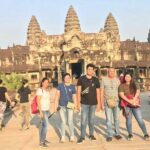
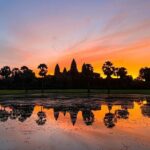
Next comes Angkor Wat, with about 1.5 hours on-site. This is the main reason many people come to Siem Reap, and you’ll get guidance rather than just wandering. The tour description highlights its massive size and significance, but what you’ll actually benefit from is a route that gets you viewing the complex in a more meaningful order.
Angkor Wat can feel crowded at peak hours. Starting from your early schedule helps. Still, even if it’s not packed, it’s bright and hot—so pace yourself and keep using the water and towel provided.
Phnom Bakheng (or Pre Rup) for Sunset
Day 1 ends with a weather-dependent sunset option: Phnom Bakheng if conditions allow, or Pre Rup if not. The tour also notes this works only if you’re not too tired.
This is a smart inclusion because sunset views in Angkor can be special, and they break up the day from only “stone and sun” into something softer. The drawback is obvious: you’re adding a late-day walk. If you’re already running on low energy, you might prefer to keep it to the most comfortable option your guide suggests based on how hot and busy it is.
Day 2: Banteay Srei’s Detail, Beng Mealea’s Jungle Mood, and Bakong’s Early Temple Mountain
Day 2 has a different feel. Instead of starting with the biggest, most central temple names, it leads with Banteay Srei, then moves to Beng Mealea, and then adds Bakong. This sequence is good because it changes textures—from fine temple detail to a more wild, broken-in-the-jungle look.
Banteay Srei
You’ll spend about 45 minutes here. Banteay Srei is dedicated to Shiva and is a 10th-century temple. Even in the short time window, it’s the kind of place where a guide can help you notice what makes it different from the larger Angkor complex temples.
This stop is great if you like the art-and-design side of Angkor. It’s not just about scale—it’s about the feel and the carvings.
Beng Mealea (Jungle-temple)
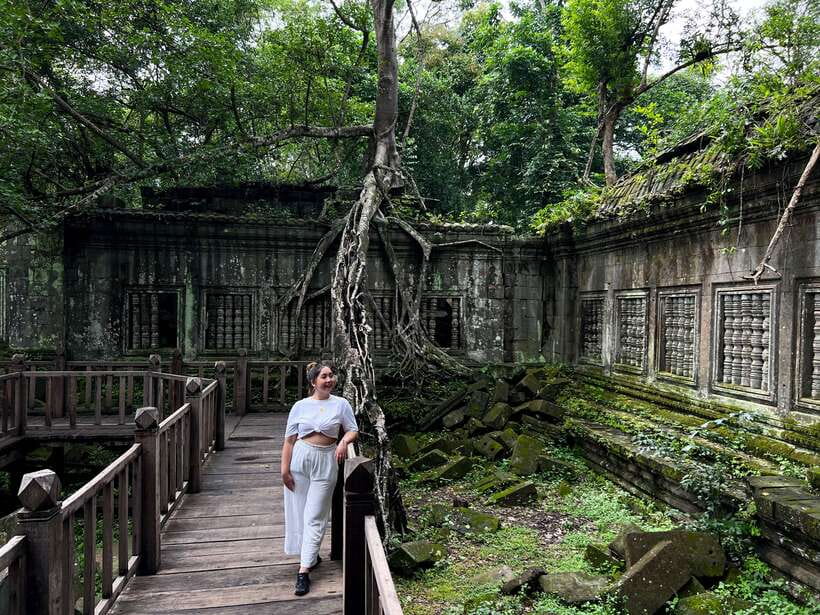
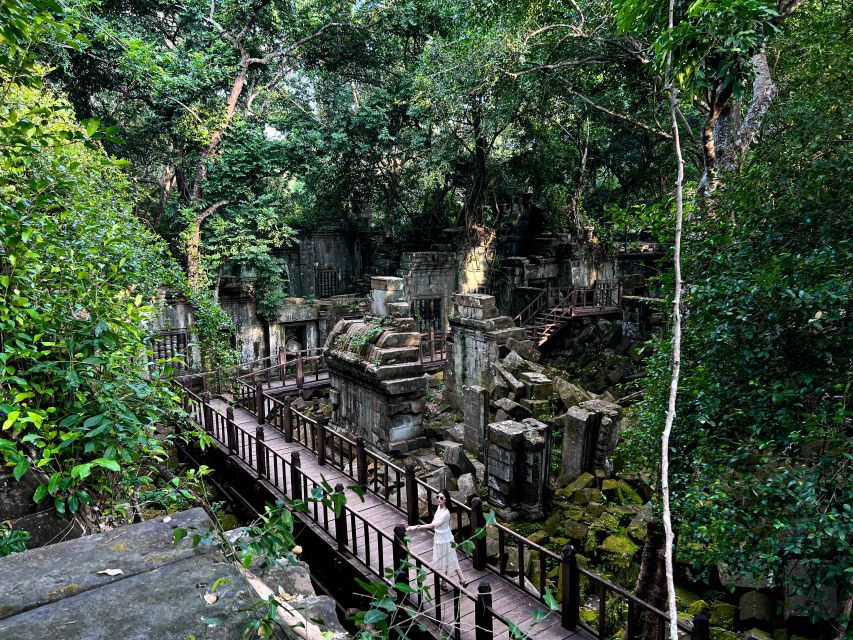
Beng Mealea is around 1 hour on the route, and the tour frames it as a jungle-temple from the Angkor Wat period, about 40 km east of the main group of temples. This is one of the stops where the atmosphere can do the talking. Instead of feeling carefully polished, Beng Mealea can feel more raw and overgrown, which changes how you experience the same Khmer temple idea.
Practical note: jungle-temple days often mean more uneven ground and more heat exposure. Wear shoes that grip well.
Bakong
Then you get Bakong for about 45 minutes. It’s described as the first temple mountain made of sandstone by rulers of the Khmer empire at Angkor near modern Siem Reap. You’ll also see that Bakong is listed as free admission in the schedule—so it’s a low-cost win if you’re watching your overall budget.
Back to Angkor Park for Lunch Again
There’s another lunch break in Angkor Archaeological Park for 45 to 60 minutes. Again, lunch and drinks are on you. I found this helpful for energy management, because a second built-in meal break makes the second day more realistic.
Kampong Phluk Floating Village on Tonle Sap
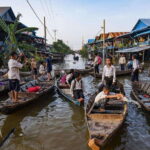
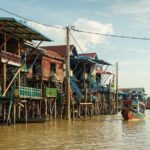
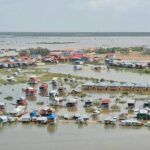
After lunch, you head to Kampong Phluk Floating Village on Tonle Sap Lake, with about 1 hour there. The tour includes the Tonle Sap pass and a private boat ride as add-ons. The description explains this area features traditional stilt-houses for fishermen’s families and that there are over 1,000 fishermen families plus a Buddhist monastic presence.
This is the moment that balances Angkor’s carved stone with living culture. You’re not just looking at ruins; you’re seeing how people connect to the water and the changing lake conditions.
If you’re expecting it to be all “floating restaurants and souvenir boats,” manage that expectation. The value here is the human side: the stilt communities and the daily rhythm of life around the lake.
Day 3: Sunrise Waiting, Ta Prohm’s Jungle Roots, and the Temple Chain to Preah Khan
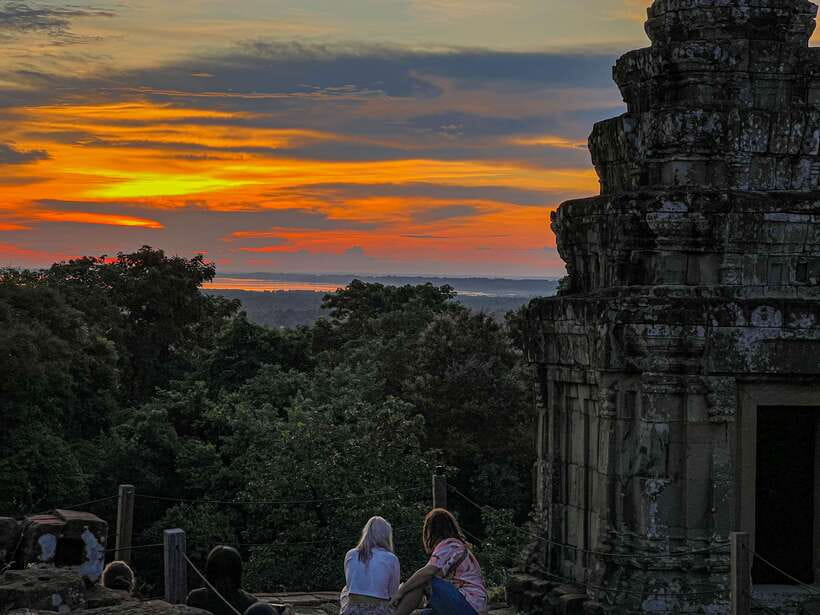
Day 3 is the most tightly connected temple day on the schedule, and it includes the big moment: a possible 1-hour wait for sunrise at Angkor Wat.
Sunrise at Angkor Wat (and breakfast break afterward)
You may spend about an hour waiting for sunrise, then you’ll view the sunrise and take a short break in the village for local breakfast, with Khmer rice noodle mentioned as an example.
Sunrise is not always guaranteed by nature, and the day still depends on weather. But if it goes well, the light can completely change how Angkor looks, especially compared to mid-day glare.
One realistic caution: sunrise days are early and sweaty later. Bring the right stuff (sunscreen and mosquito spray) and don’t underestimate how quickly the heat returns after sunrise.
Ta Prohm (Tomb Raider Jungle-temple feel)
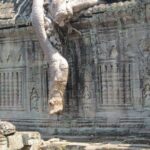
Next is Ta Prohm for about 1 hour. It’s described as the jungle-temple used as a filming location for Tomb Raider and built in the Bayon style in the late 12th and early 13th centuries. Even without the movie connection, Ta Prohm is famous for a reason: it feels like nature and architecture wrestled and then agreed to coexist.
A guide helps here because it’s easy to get lost staring at one tree-root long enough that you miss the temple logic around it.
Pre Rup
You’ll get Pre Rup for about 35 minutes. The tour frames it as a Hindu temple mountain, the state temple of Khmer king Rajendravarman, and dedicated in 961 or early 962. This is a strong stop for understanding how the Khmer kings used temple design as public messaging.
Ta Som and Neak Pean: Smaller stops, good payoff
You’ll continue with:
- Ta Som (about 25 minutes)
- Neak Pean (about 25 minutes)
These are shorter than the headliners, but that’s often what makes them enjoyable. You can slow your attention down and focus on details. Neak Pean is described as an artificial island with a Buddhist temple on a circular island in Jayatataka Baray, tied to Jayatataka and associated with Preah Khan.
Preah Khan to close the chain
Finally, you’ll visit Preah Khan for about 1 hour. It’s described as a 12th-century temple built for King Jayavarman VII to honor his father. This finish works well because Preah Khan can feel like a bridge between the “storytelling” temples: you’ve seen the iconic arrangements, and then you land somewhere that still feels temple-rich but less like a mad rush.
Guides and Comfort: Why the Right People Matter Here
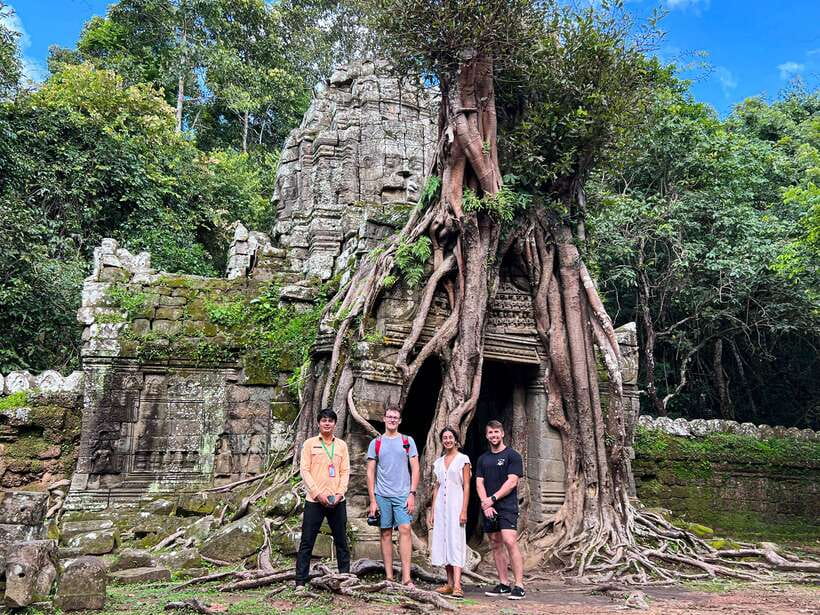
This tour is built around a guide’s ability to keep the day understandable. The experience lists English-speaking guides, and in practice the difference shows up in pacing and clarity.
In past tours, guides like Sean and Mr. Sam are mentioned by name for being professional, kind, and easy to work with. A driver named Mr. Sophon is also mentioned—helpful because a good driver is not just about comfort; it’s about getting you where you need to be without drama.
The comfort is not fluff either. Air-conditioned transport matters when you’re hopping between:
- structured temple zones
- longer distance travel toward Beng Mealea and Tonle Sap
- sunrise timing on Day 3
And that cool water and towel detail? It sounds small until you’re in the sun, heat, and dust cycle of temple touring.
Temple Etiquette and Heat Prep You Should Not Skip
Angkor days can be brutal if you show up unprepared. The tour’s guidance is straightforward, and it’s worth following exactly.
Dress rules
The Apsara Authority can refuse entry to areas if your clothing isn’t respectful. For both men and women, aim for:
- clothing that covers shoulders and knees
- loose, lightweight long clothing (cooler in hot weather)
- comfortable shoes (no slip-on sandals if you hate uneven ground)
Sun and mosquitoes
The tour recommends carrying water and using skin protection like sun cream and mosquito spray. You can buy both in town, which is useful if you’re traveling light.
My practical take: pack a small daily kit. Sunscreen in the morning, mosquito spray after midday, and water accessible without digging through bags.
Who Should Book This Tour, and Who Might Want a Different Pace

This fits best if you want:
- a guided, structured route rather than figuring out tickets and timing on your own
- major Angkor highlights plus a visit to Tonle Sap at Kampong Phluk
- private transport that keeps you moving in the heat
- early starts for sunrise and sunset options
You might consider a different style if you:
- hate walking and prefer fewer stops per day
- want fully independent exploration without a tight schedule
- are very sensitive to early mornings and long temple days
That said, the tour’s built-in breaks (especially lunch breaks in Angkor Park and breakfast on Day 3) help it feel more manageable than a purely packed itinerary.
Should You Book This Angkor Wat and Kampong Phluk 3-Day Trip?
If you want an efficient, guide-led way to hit the big Angkor names and still get Tonle Sap’s human side, I think this is a solid choice. The value comes from the combination: private A/C transport, a real guide to interpret temples, and practical comforts like cool water and towels. The included breakfast on Day 3 is a nice bonus on a long sunrise day.
My only caution is budgeting. The $199 price is only the start. Plan for the $62 Angkor pass and the $15 Tonle Sap pass plus private boat ride, plus lunch and dinner on your own. If you’re okay with that, you’ll likely feel like you’re getting your money’s worth in time saved and clarity gained.
FAQ
What’s included in the $199 price?
You get an English-speaking tour guide, private air-conditioned transport, free cool water and towels during the tour, and hotel pick-up and drop-off. Day 3 also includes breakfast.
What tickets or admissions cost extra?
The Angkor 3-day pass is listed as extra at $62 per person. The Tonle Sap pass and a private boat ride are listed as $15 per person. Temple admissions are also listed as not included.
Do I pay for meals during the trip?
Lunch and dinner (and soft drinks) are not included. Day 3 includes breakfast only.
Is there a boat ride at Kampong Phluk?
Yes. The Tonle Sap pass and a private boat ride are listed as part of the add-ons for Kampong Phluk.
How early do you start?
Day 1 starts with the guide meeting you at 8:00 am in the hotel lobby.
Is sunrise included on Day 3?
Sunrise viewing is included in the sense that the plan allows about 1 hour to wait for sunrise at Angkor Wat before the sunrise view.
Are pickup and drop-off included from the airport?
The tour highlights note that airport pickup and drop-off are included.
What should I wear to visit the temples?
Dress respectfully: cover shoulders and knees. Loose, lightweight long clothing is recommended, and comfortable shoes are required.
Is the trip weather dependent?
The additional info notes that it can be canceled due to poor weather and you’ll be offered a different date or a full refund.
Is the tour private?
Yes. It’s a private tour/activity, so only your group participates.