Sunset at Angkor feels like a whole different world. This small-group day trip strings together the big sights—Ta Prohm, Bayon, Angkor Wat—and then aims you at Phnom Bakheng for the panoramic golden-hour payoff.
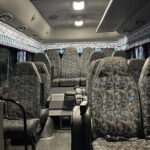
I like that it keeps the group to a maximum of 12, so you’re not stuck watching everyone else’s heads. I also like the practical comfort details: air-conditioned mini van, hotel pickup and drop-off, and cold waters and wipes during a long day.
One consideration: the day starts early and involves climbing and stairs, and the required dress code can be strict. Also, the $20 rate doesn’t include the Angkor Park admission fee.
In This Review
- Key highlights to know before you go
- Why this Angkor sunset route works so well in one long day
- Price and value: what your $20 really buys (and what it doesn’t)
- Meeting time and the rhythm of an 8:30 am start
- The dress code: plan your outfit before you get there
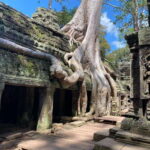
- Stop 1: Ta Prohm, the jungle-grown Tomb Raider scene
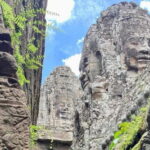
- Stop 2: Bayon inside Angkor Thom and those face towers
- Stop 3: Angkor Wat, the long anchor stop
- Stop 4: Baphuon for the climb and the breeze
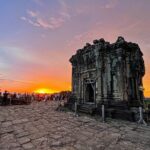
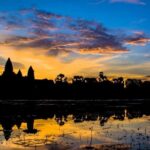
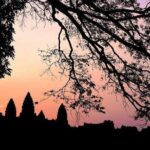
- Stop 5: Phnom Bakheng for the sunset panorama
- Guides make the difference: ask for a top name
- What I’d pack for this day (based on how the tour runs)
- Who this tour fits best
- Quick reality check: sunset dreams versus practical logistics
- Should you book this Angkor Wat sunset small-group tour?
- FAQ
- Is pickup and drop-off included?
- What’s the start time and how long is the tour?
- Are meals included?
- Do I need to pay temple admission?
- How many people are in the group?
- What’s the dress code for the temples?
- Is the tour physically demanding?
- Does the tour include transport with AC?
- What happens if the tour can’t run due to weather or low demand?
Key highlights to know before you go
- Max 12 people means easier pacing, less crowd-pressure, and more time with your guide.
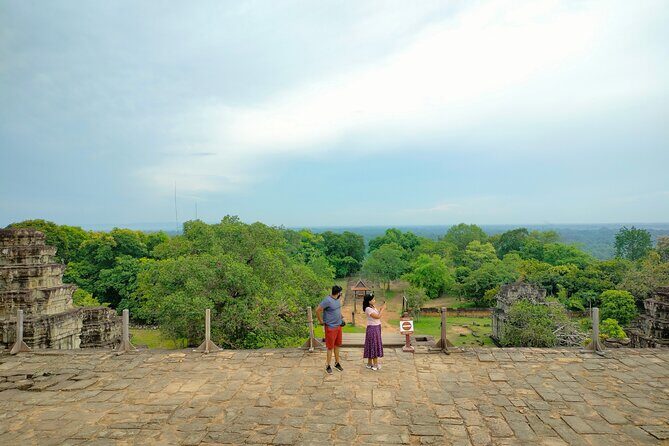
- Sunset setup at Phnom Bakheng for wide views over the temple complex as the light changes.
- Four major temple stops plus a smart extra circuit through Angkor Thom.
- Hotel pickup and AC transport with cold water and wipes for the heat.
- Professional/photography-focused guidance that helps you time sights and photos better.
- Admission not included (Angkor Park fee applies), so budget for that upfront.
Why this Angkor sunset route works so well in one long day
Angkor isn’t a place you can casually “fit in.” This tour is built for people who want the highlights, but also want a reason to move from temple to temple instead of getting lost in crowds all day. You start at 8:30 am, hit the major ruins in an efficient order, and then save the best wide-angle moment for the end.
I like the shape of the itinerary. You begin with Ta Prohm (the jungle-covered scene people instantly recognize), then you roll into Bayon inside Angkor Thom, then you spend a longer chunk at Angkor Wat. Finally, you climb for the sunset view at Phnom Bakheng. That ordering helps you avoid feeling like you rushed your favorite temples, and it also means you’re not stuck at the busiest viewpoints too late.
The tour also keeps expectations realistic. It runs about 8 to 9 hours, which is a full day even if you’re fast at walking. And while it’s a shared small-group format, it’s still a classic sightseeing day: shoes on, temples in, photos in, repeat.
Other Angkor Wat sunset tours we've reviewed in Siem Reap
Price and value: what your $20 really buys (and what it doesn’t)
The advertised price is $20 per person, with pickup included. That sounds like a bargain because you are paying for the transport, time, and guidance—not temple entry. The included items are the big practical ones: air-conditioned mini van, parking/tolls/gas, cold waters and wipes, and hotel pickup and drop-off.
But you do need to plan for the admission fee. The Angkor Park admission is $37 per person and is not included. So your realistic total is the $20 tour fee plus the $37 entry. If you’re traveling as a couple or small group, the math stays straightforward, and you’ll feel the value quickly because you’re not organizing separate guides or transport to each site.
One more value note: this tour is often booked well in advance (it’s commonly reserved far ahead). That’s usually a clue that the format is popular for good reason—small group size, a concentrated temple itinerary, and a sunset plan.
Meeting time and the rhythm of an 8:30 am start
You meet at 8:30 am. That matters because you’ll spend daylight walking around major temple complexes, then transition toward the sunset viewpoint. A late start would wreck the timing for Phnom Bakheng, so the early departure is part of the deal.
For me, the biggest benefit of this structure is energy management. You’re moving from one stop to the next with a set schedule (Ta Prohm, Bayon, Angkor Wat, Baphuon, then Phnom Bakheng). That keeps you from wasting time deciding what to do. It also reduces the stress of coordinating transport while you’re figuring out the site.
Just don’t underestimate the “big day” feeling. Even with breaks, you’ll want a water bottle habit, sunscreen, and a plan for what to wear (more on that next).
The dress code: plan your outfit before you get there
The tour requires formal dress for the temples and selected museums. The rule is simple but strict: no shorts or sleeveless tops. Your shoulders and knees must be covered for both men and women. If you don’t meet the requirement, you can be refused entry.
This is one place where preparation saves time and embarrassment. I’d rather pack a lightweight long-sleeve shirt and long pants than count on finding a replacement on the spot. Also consider breathable fabric, because you’ll be out in Cambodia’s heat for hours.
Stop 1: Ta Prohm, the jungle-grown Tomb Raider scene
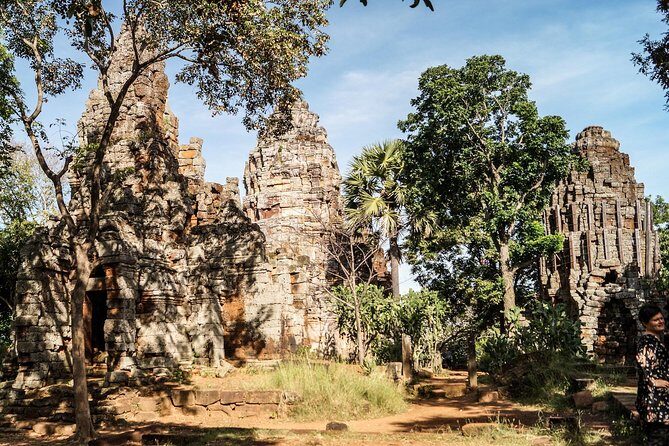
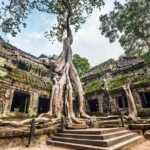
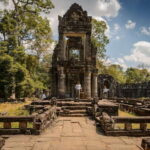
Your first temple stop is Ta Prohm, famous for being left intertwined with jungle growth—often linked to the Tomb Raider look. The tour allows about 1 hour here.
This is the kind of site where photos are half the fun, but the best experience comes from slowing down. Look up at the roots and carvings, then step back to see how the vegetation frames the stonework. If you’re a photography person, your guide’s photo awareness can help you choose angles and timing so you’re not fighting the crowd every minute.
The drawback is also pretty obvious: it’s an active walking and looking stop. There’s no way around it—you’ll be on your feet, scanning for details, and moving when the group moves.
Other Angkor Wat temple tours we've reviewed in Siem Reap
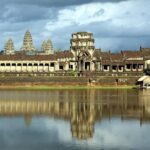
Stop 2: Bayon inside Angkor Thom and those face towers
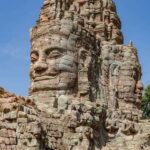
Next up is Bayon Temple inside Angkor Thom, also about 1 hour. This stop is known for almost 200 smiling Buddha faces spread across the site. It’s one of those temples where you keep finding new angles as you walk.
I love this stop because it’s a contrast to Ta Prohm. Ta Prohm is about nature swallowing stone. Bayon is about symmetry, faces, and the feeling that you’re walking through a complex mind-map of corridors and towers.
Practical tip: go slow enough to catch the face details, but not so slow that you fall behind. With a small group, your pacing is more flexible than with larger buses, but you still have a schedule.
Stop 3: Angkor Wat, the long anchor stop
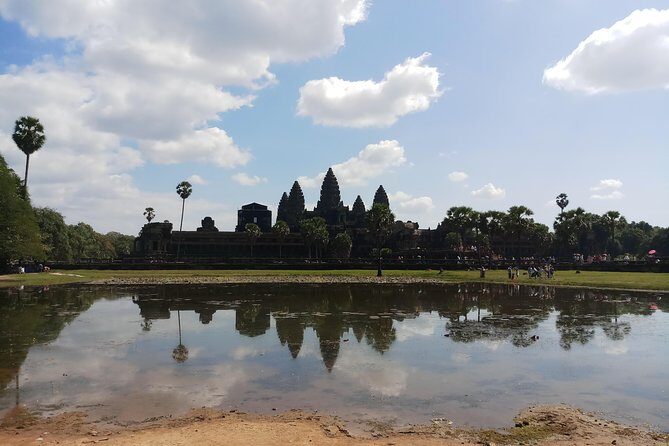
Then you head to Angkor Wat, the biggest of the day, with around 3 hours at the site. This is a Hindu temple from the 12th century in the Angkor city complex, and it’s the main event for many people.
A 3-hour block is the sweet spot. It’s long enough to do more than the quickest loop, and short enough that you don’t feel trapped in one place. You can spend time in the interior areas, circle key viewpoints, and take breaks if the heat ramps up.
What makes Angkor Wat special on this itinerary is timing. Because it’s a mid-day stop, you’re not rushing as the day ends, and you’re not arriving at peak sunset chaos at the wrong temple. You get your main “wow” moment earlier, then you save the sunset climb for the very end.
Stop 4: Baphuon for the climb and the breeze
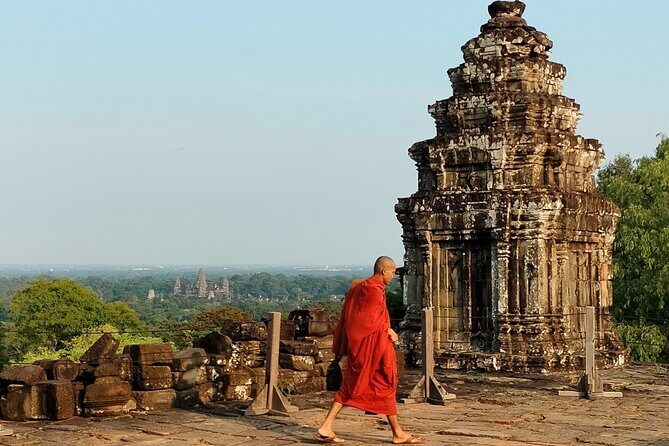
After Angkor Wat, your next stop is Baphuon Temple, with about 1 hour. The highlight here is that it has great scenery once you climb and you can catch a nice breeze on top.
This is the stop that tends to feel more physical than the photos-only temples. If your moderate fitness level is solid, you’ll be fine. If you’re sensitive to stairs or uneven ground, take your time and keep your footing careful.
Also, this is a helpful “bridge” between the big temples and the final sunset viewpoint. You’re warming up for the idea of climbing again at Phnom Bakheng—just with less time pressure.
Stop 5: Phnom Bakheng for the sunset panorama
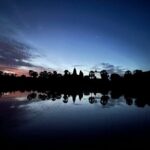
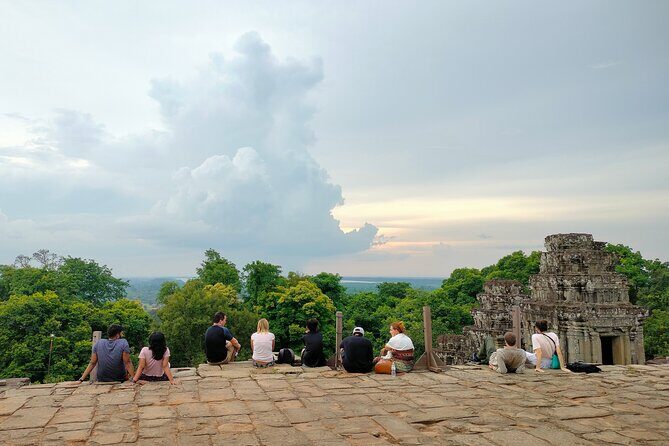
Finally, you reach Phnom Bakheng, a late 9th-century mountain-style temple and the tour’s best-known sunset spot. Your time here is about 1 hour, and the goal is a panoramic view of the entire temple complex, including views of the Angkor Wat towers from above.
This is where the day’s planning pays off. You’ve seen the temples in daylight already; now you see how light, haze, and distance change how stone reads at sunset. Even if you’re not a “sunset person,” Phnom Bakheng is worth it because it gives you scale—you can understand the layout of the complex in a single glance.
The main consideration is physical. Phnom Bakheng involves climbing, and sunset timing usually means you’ll be moving with purpose. Wear shoes you can trust, not flip-flops, and keep your water routine steady.
Guides make the difference: ask for a top name
One of the strongest signals from past experiences is the quality of the guide. Multiple guides come up again and again by name, and the pattern is consistent: clear English (and sometimes other languages), strong knowledge of Cambodia and Angkor, and good photography support.
If you can request or match with a guide, these names appear in excellent feedback:
- Theara Kong for strong English and detailed temple and Cambodian history.
- Sen Prourng for professional, in-depth knowledge and great storytelling during a long day.
- Narin for professionalism and helpful photo guidance.
- Chet for being a top guide in Siem Reap with informative explanations and friendly service.
- Sam Pho for deep history of Angkor Wat and helpful picture spots.
- Kim, including strong German explanations, plus photo help.
Even when the temples are fixed, the experience changes a lot with a guide who can point out what to look for, where to stand, and how to understand what you’re seeing. This tour is designed for exactly that kind of interaction, including professional/photography guidance.
What I’d pack for this day (based on how the tour runs)
This isn’t a camping trip, but it’s a long temple day. Here’s what matters most for comfort and not getting stuck:
- A light layer that still meets the shoulders and knees covered dress rule
- Comfortable walking shoes for uneven stone and stairs
- Sunglasses and sunscreen
- A small bag for water and essentials (the tour includes cold water and wipes, but you’ll still want your own comfort kit)
- A hat you can keep on in lines and climbs
If you’re prone to heat fatigue, plan for it. The itinerary is about movement and sun exposure, and even a good AC van doesn’t remove the midday heat waiting between stops.
Who this tour fits best
This is a good match for you if you:
- Want a single-day Angkor highlights circuit without arranging everything yourself
- Prefer a shared group format but still want room to breathe (max 12 people)
- Care about sunset views and want a plan to reach Phnom Bakheng in time
- Like photos, and want help with timing and angles from a guide who knows the sites
It’s less ideal if you:
- Need a totally relaxed pace with no stairs and no early start
- Can’t follow the formal dress rules (no shorts, no sleeveless tops; knees and shoulders covered)
- Are hoping the admission fee is included in the price
Quick reality check: sunset dreams versus practical logistics
Sunset at Phnom Bakheng is a big draw, but it’s also weather-dependent. The tour notes that it requires good weather, and if it can’t run due to poor conditions, you’ll be offered a different date or a full refund.
Even with good weather, bring the right mindset. At sunset, you’ll be climbing, moving with the group, and sharing space. If you show up prepared—clothes, shoes, water—you’ll get the view without turning it into a stress test.
Should you book this Angkor Wat sunset small-group tour?
If you want a straightforward, high-value Angkor day that hits the classics and ends with a real sunset payoff, this is a strong option. The combination of a small group size, hotel pickup, AC transport, and guide-led temple pacing is exactly what helps a long day feel organized.
Book it if:
- You’re okay with a full 8 to 9 hour day and moderate fitness for climbs
- You’re willing to follow the dress code
- You want Angkor Wat plus Bayon plus Ta Prohm and still get Phnom Bakheng at sunset
Skip it if:
- You’re sensitive to stairs or long walking
- You don’t want to budget for the Angkor Park admission fee on top of the $20 tour price
- You’re hoping for a totally casual, flexible schedule with no formal entry rules
If you do book, the smartest move is to prepare your outfit for covered shoulders and knees and to ask about guide options ahead of time. With the right guide—like the ones repeatedly praised—you’ll spend the day seeing more than just stone. You’ll understand what you’re looking at, and you’ll get to the sunset viewpoint with your energy still intact.
FAQ
Is pickup and drop-off included?
Yes. You get hotel pickup and drop-off as part of the tour.
What’s the start time and how long is the tour?
The tour starts at 8:30 am and runs about 8 to 9 hours.
Are meals included?
No. Breakfast, lunch, dinner, and soft or alcohol drinks are not included.
Do I need to pay temple admission?
Yes. Angkor Park admission is $37 per person and is not included.
How many people are in the group?
This is a shared small-group tour with a maximum of 12 travelers.
What’s the dress code for the temples?
You must dress formally: no shorts or sleeveless tops. Knees and shoulders must be covered, and you may be refused entry if you don’t follow the rule.
Is the tour physically demanding?
It’s best for a moderate physical fitness level. There are climbs involved, including at Baphuon and Phnom Bakheng.
Does the tour include transport with AC?
Yes. You ride in an air-conditioned mini van, with parking/tolls/gas covered.
What happens if the tour can’t run due to weather or low demand?
The tour requires good weather. If it’s canceled due to poor weather, you’ll be offered a different date or a full refund. If the minimum number of travelers isn’t met, you’ll also be offered an alternative or a full refund.