REVIEW · SIEM REAP
Siem Reap Cambodian Buddhist Water Blessing and Local Market
Book on GetYourGuide →Operated by Cambo Tours Services · Bookable on GetYourGuide
A trip to a countryside pagoda for a Buddhist water blessing feels like slowing time. I like that you get two clear ritual options, from gentle chanting with sprinkling to a longer ceremony where blessed water is poured over your head. I also like the added local market stop, where your guide ties everyday food and ingredients to Cambodian life. One consideration: the longer ritual involves your hair and head getting wet, and you’ll want to plan around that.
This is a small, guided outing priced for what you actually receive: transportation by tuk-tuk, a sarong, a donation to the pagoda, and time with monks plus a market tour. If you want something quieter than Angkor temple circuits, this is a meaningful contrast. Just remember that alcohol and drugs aren’t allowed, so come in ready for a respectful religious setting.
In This Review
- Key points at a glance
- Countryside pagoda setting just south of Siem Reap
- The water blessing ceremony: two ways monks bless you
- Option one: chanting and light sprinkling for luck and safe travel
- Option two: the longer ritual with blessed water poured over your head
- What happens at the end
- Pagoda guidance plus Buddhist context, not just ceremony logistics
- The guided market stop: Cambodian flavors with real context
- What you’ll likely do here
- Tips so you enjoy the market more
- Tuk-tuk timing and what the 2–5 hour window really means
- How much it costs, and why it feels fair
- Who should book this blessing and market combo
- Etiquette and what to bring so it feels easy
- Should you book it or skip it?
- FAQ
- What does the tour include?
- How long is the experience?
- Where does the water blessing take place?
- What are the two water blessing options?
- Will I need to change clothes for the longer ritual?
- What happens after the blessing?
- Is the market visit guided?
- How do pickups and drop-offs work?
- What languages are available for the live tour guide?
- Is alcohol allowed?
- What’s the cancellation policy?
- Can I book without paying right away?
Key points at a glance
- Two blessing styles: short chanting with light sprinkling or a longer head-pouring ritual
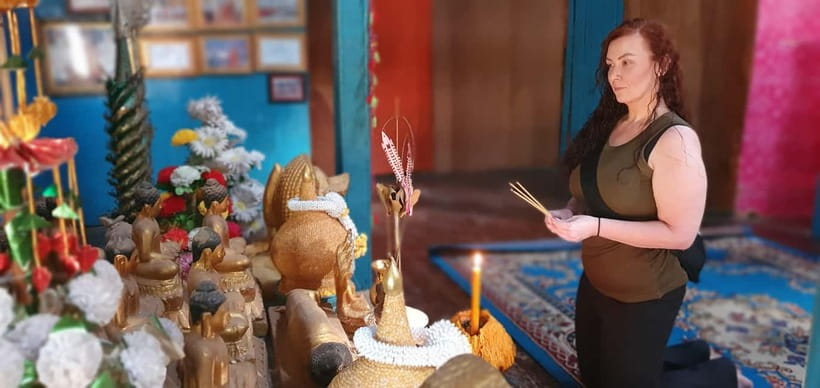
- Get blessed the way monks practice: you’ll follow the monks’ chants during the water ceremony
- A practical sarong setup: change into a sarong for the longer ritual so your clothes stay drier
- A guided local market visit: you’ll learn what you’re seeing and often taste a few foods
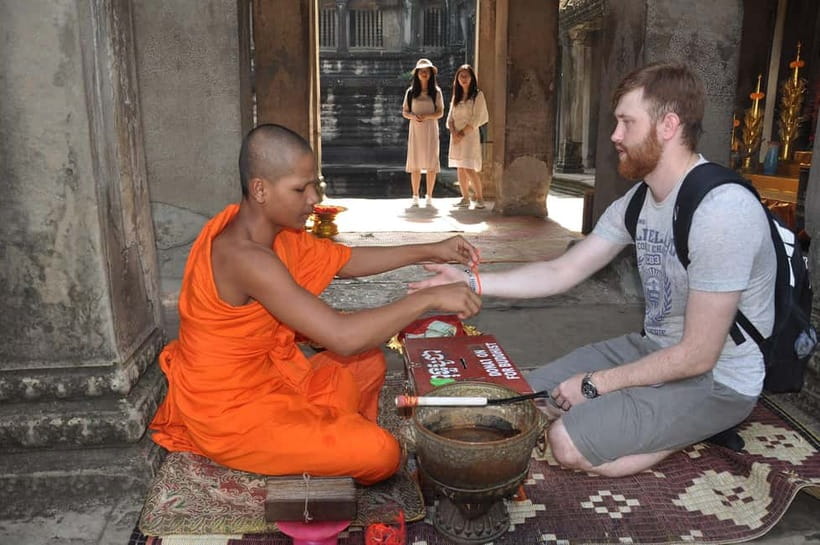
- Symbolic ending: you’ll receive red wrist ties to mark the blessing you received
- Small-group feel: better pacing for questions, photos, and shopping time
Countryside pagoda setting just south of Siem Reap
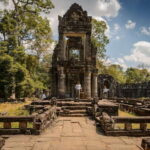
Siem Reap is famous for Angkor, but this experience takes you away from the crowds and into something more intimate. The blessing happens in an ancient pagoda in the countryside just south of town. That matters because it changes the tone: you’re not “watching a show,” you’re participating in a ritual that’s part of how people live and believe.
The outing starts with pickup (you can opt for an option based around Krong Siem Reap, or provide your hotel address so the guide and driver pick you up about 30 minutes before departure). Then you ride about 15 minutes by tuk-tuk. On the way, there’s also a photo stop. It’s a small touch, but it helps you settle in and get oriented before the ceremony begins.
Why I like the location choice: you get the spiritual context without needing to travel far into the wilderness. It feels countryside-simple, not complicated.
One practical note: because you’re going outside the main tourist core, bring clothes and shoes you’re comfortable moving in. You’ll be walking during the market portion later, and pagoda routines tend to be shoes-off at some points, so easy footwear helps.
If you're still narrowing it down, here are other tours in Siem Reap we've reviewed.
The water blessing ceremony: two ways monks bless you
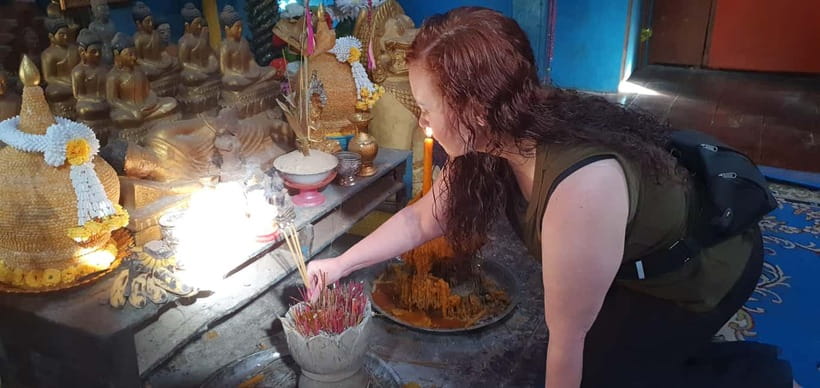
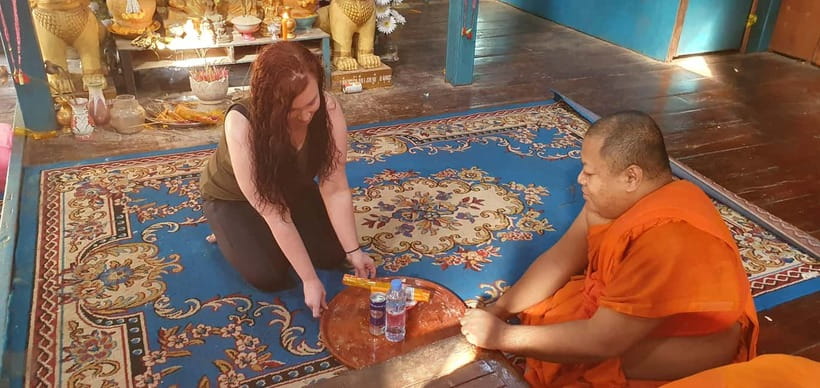
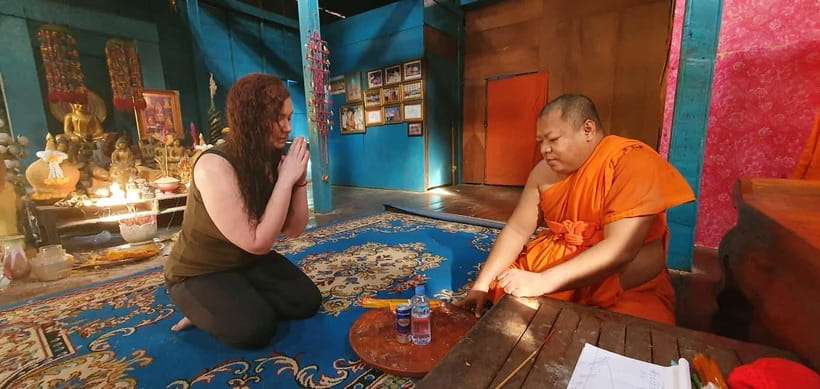
The heart of the tour is the water blessing, which is described as a Cambodian Buddhist tradition dating back to ancient times. You’ll meet monks from the pagoda and take part in the ritual directly. The guide doesn’t treat it like trivia. Instead, you’ll get an explanation of Buddhist beliefs in a way that helps the ceremony make sense while you’re doing it.
You can choose between two blessing forms:
Option one: chanting and light sprinkling for luck and safe travel
This starts with monks chanting harmoniously while they wish you good luck, safe travel, and a long life. During this part, there’s a light sprinkling of water. It’s the more gentle approach. If you’re nervous about getting wet or you want something shorter-feeling, this option is usually the easiest entry.
Option two: the longer ritual with blessed water poured over your head
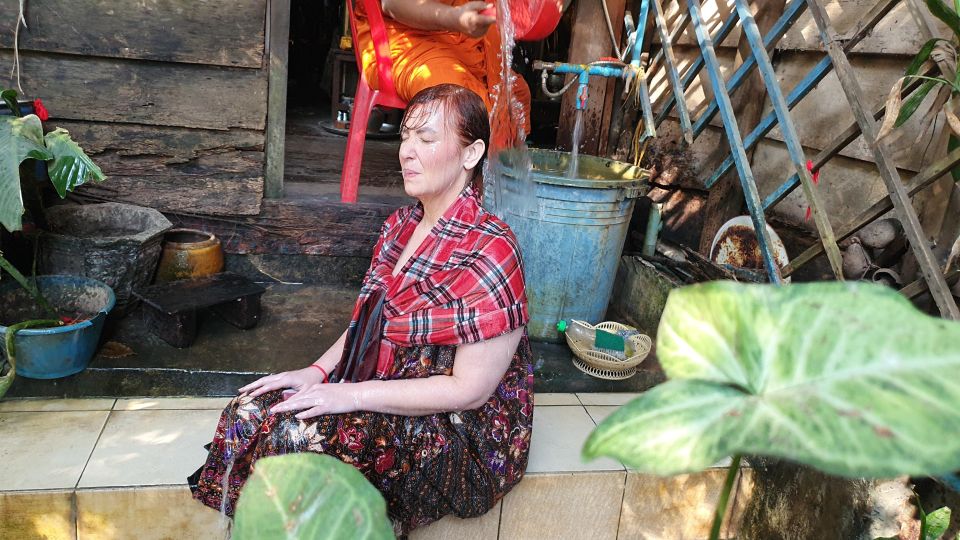
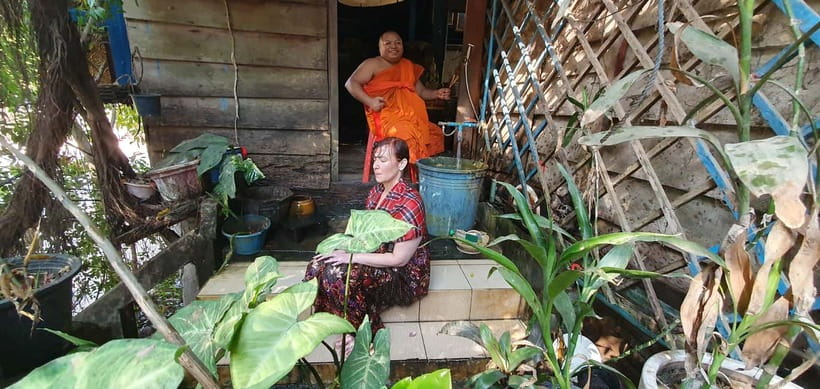
The second option is longer and more ceremonial. Vessels of blessed water are poured over your head while monks chant. For this one, you’re provided a sarong so you can change into something that helps keep your clothing dry.
Why this choice matters: the ritual is not just a photo moment. In the longer option, the water is central to the symbolism, so you’ll physically feel that shift. If you’re there to participate in the meaning, this is the version that most strongly signals full involvement.
What happens at the end
After the blessing, your wrist is adorned with special red ties. They signify that the blessing was performed for you. It’s a small thing, but it’s also a useful way to remember the moment later, especially once you’re back eating street food and checking out more sights.
Pagoda guidance plus Buddhist context, not just ceremony logistics
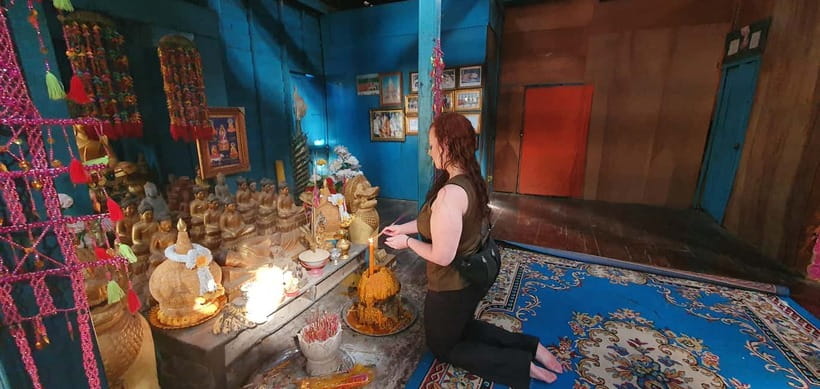
A great blessing experience needs more than choreography. It needs context, and that’s where the guide earns their keep. In the feedback I saw, a guide named Seila is singled out for explaining the ceremony in detail and making the whole thing feel coherent, not random.
Here’s what you should look for during the briefing:
- What the monks are asking for during the chanting
- How the water is being used symbolically
- Why the ritual includes specific actions (and what those actions mean)
If you care about understanding what you’re doing, you’ll appreciate the pace. It’s the difference between a quick “stand here, get water,” and something that helps you connect your actions to belief.
Small-group advantage: you’ll usually have more room for questions. That’s important in religious settings, because the best moments often come when you ask something like: What does this part mean, and why is it done this way?
The guided market stop: Cambodian flavors with real context
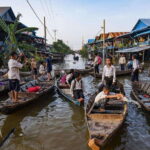
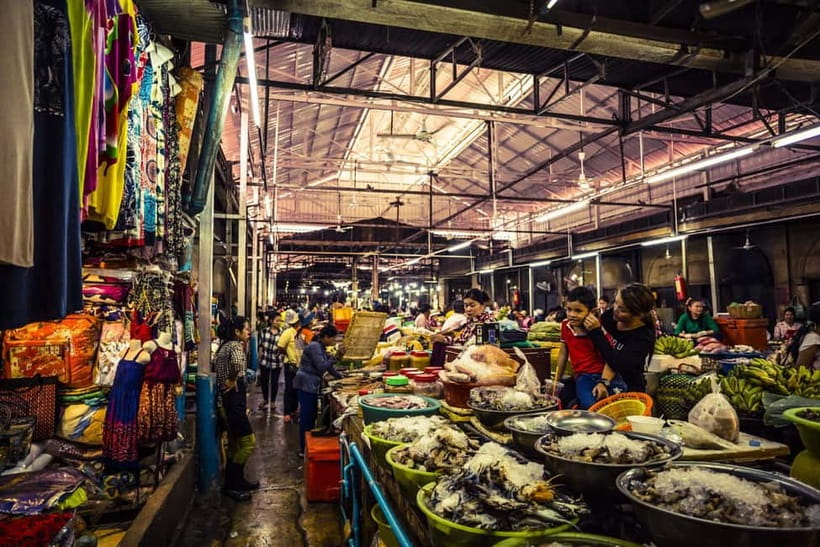
After the blessing, the tour shifts into everyday life with a local market stop. You’ll spend time in and around the market, with your guide guiding you through what’s for sale and how Cambodian specialties fit into daily routines.
This part is not just walking past stalls. The guide helps interpret what you’re seeing, and some tours include opportunities to taste a few things. In the feedback, people described tasting some Cambodian items during the market walk, which is exactly the right way to do it: you learn, you taste, you connect.
What you’ll likely do here
You’ll have guided time that mixes:
- visiting different market areas
- learning the names and uses of local foods
- shopping if you want to bring something back
There’s also a second segment later with time for shopping and walking in Siem Reap. That’s useful if you want to buy small gifts or snacks without feeling like you missed the “real local” moment.
Tips so you enjoy the market more
- Come hungry, but not stuffed. You’ll get more from small tastes.
- Bring cash for small purchases since personal expenses aren’t included.
- Ask your guide what you should try if you’re vegetarian, prefer mild flavors, or avoid anything too spicy.
Why this market addition is good value: you’re not only experiencing religion as a ritual. You’re also seeing how Cambodian culture continues through food, ingredients, and daily routines.
Tuk-tuk timing and what the 2–5 hour window really means
The tour is listed as 2 to 5 hours, which can sound vague until you think about what actually drives the timing. The big variables are:
- which blessing option you choose (the longer one takes more time)
- how much shopping time you want in the market
- how your group pace feels on the day
You’ll typically get:
- pickup
- about 15 minutes by tuk-tuk
- a countryside pagoda visit with time for the ceremony
- photo and guided segments
- a market stop with walking and shopping time
- another tuk-tuk ride and drop-off back into Siem Reap/Krong Siem Reap
If you’re juggling multiple activities in one day, plan a little buffer. Even when the outing stays within the shorter end, it’s still a religious and market experience, not just a quick transfer.
How much it costs, and why it feels fair
At $19 per person, this tour is one of the better-value ways to get more than a “sight.” You’re paying for:
- a live tour guide
- tuk-tuk transfers
- a sarong
- a donation to the pagoda
- a guided market visit
When you compare that to doing the blessing portion on your own, the guide piece becomes the cost saver. In a pagoda setting, knowing what to do and why can make the difference between feeling awkward and feeling respectful and included. Plus, the market guidance helps you spend money smarter, not randomly.
Best for travelers who want a meaningful cultural experience without spending Angkor-level prices for a single viewpoint.
Who should book this blessing and market combo
This is a great fit if you:
- want a quieter, more spiritual activity than temple sightseeing
- enjoy guided explanations that connect ritual to everyday culture
- like the idea of a small-group experience with time to ask questions
- want a market stop that’s guided, not just self-exploration
It may feel less ideal if you:
- strongly dislike getting wet (the longer ritual does involve blessed water poured over your head)
- want a fully passive tour where you do not participate in the ceremony at all
Etiquette and what to bring so it feels easy
You won’t need special gear beyond what you’re given, but a little planning makes the ceremony smoother.
- For the longer ritual: the tour provides a sarong, which helps keep your clothing drier.
- Wear comfortable clothes you can relax in. If you choose the longer option, expect the experience to be more physical.
- Keep the mood respectful. This is a Buddhist temple context, and alcohol and drugs are not allowed.
- If you’re planning photos, be mindful of people’s space and the ceremony’s pace. Follow your guide’s cues.
Also, since you end with red wrist ties, you may want to keep your hands free for a bit afterward so the ties stay in place as you walk and shop.
Should you book it or skip it?
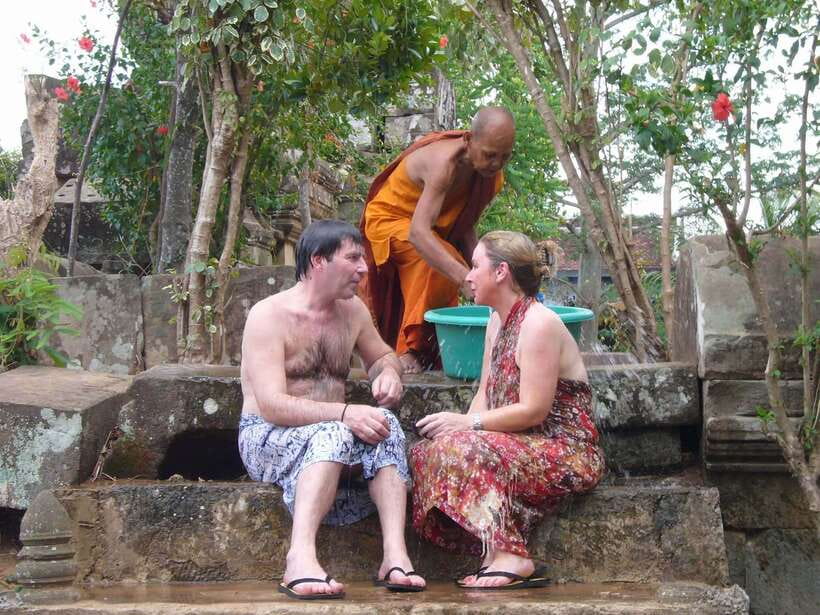
Book this if you want an experience that mixes spiritual participation and practical local culture in a tight time window. The structure is thoughtful: a countryside pagoda setting, a real choice between two ritual styles, and then a market visit that helps you understand what you’re seeing and eating. At $19 with transport and guidance included, it’s a fair deal for what you get.
Skip or choose a different option if you’re uncomfortable with religious settings or you’re not open to the possibility of getting wet in the longer blessing ritual. Otherwise, this is exactly the kind of Siem Reap activity that makes your trip feel lived-in, not just photographed.
This is run by Cambo Tours Services, and the tour is offered with English, Chinese, and Cambodian guide options, plus small-group availability.
FAQ
What does the tour include?
It includes a tour guide, tuk-tuk transfers, a sarong, a donation to the pagoda, and a market visit.
How long is the experience?
The duration is listed as 2 to 5 hours, depending on the timing and the schedule for your selected session.
Where does the water blessing take place?
The water blessing is held at an ancient pagoda in the countryside just south of Siem Reap.
What are the two water blessing options?
One option involves monks chanting with a light sprinkling of water. The other is a longer ritual where vessels of blessed water are poured over your head while monks chant.
Will I need to change clothes for the longer ritual?
You’ll be provided with a sarong so you can change and help keep your clothing dry during the longer head-pouring ritual.
What happens after the blessing?
At the end of the blessing, you’ll receive special red ties on your wrist to signify the blessing performed.
Is the market visit guided?
Yes, the market visit is included and guided.
How do pickups and drop-offs work?
Pickup is optional, and the guide and driver can pick you up from your hotel about 30 minutes before departure if you provide your hotel address or contact details. Drop-off is back in Krong Siem Reap and/or Siem Reap Province.
What languages are available for the live tour guide?
The live tour guide is available in English, Chinese, and Cambodian.
Is alcohol allowed?
No. Alcohol and drugs are not allowed on this activity.
What’s the cancellation policy?
You can cancel up to 24 hours in advance for a full refund.
Can I book without paying right away?
Yes. There’s a reserve now and pay later option where you can book and pay nothing today.