REVIEW · SIEM REAP
Siem Reap Private Full Day Angkor Wat Tour with Sunset or Sunrise
Book on Viator →Operated by Vamos Camboja Turismo · Bookable on Viator
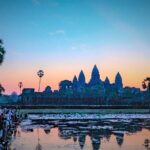
Sunrise or sunset makes Angkor feel new. This private Angkor tour is built around the big hitters—Angkor Thom, Bayon, Ta Prohm, Angkor Wat, and a sunset finish—guided in English and timed so the light does the work. You get hotel pickup and your own transport plan for the day, so you’re not playing hopscotch with other groups or getting stranded between temples.
I especially like that the day feels structured but not rigid: you’ll get the temple context from your guide, then you still have time to look, step back, and take in the carvings at your own pace. One caution: the temple pass for Angkor Archaeological Park is not included, and you’ll need your passport for the ticket process.
In This Review
- Key highlights to know before you go
- Sunrise or sunset from Siem Reap: which timing fits you
- Private vehicle and comfort details that actually matter
- Getting your Angkor pass handled: ticket day without the headache
- Angkor Thom South Gate: the smiling faces first
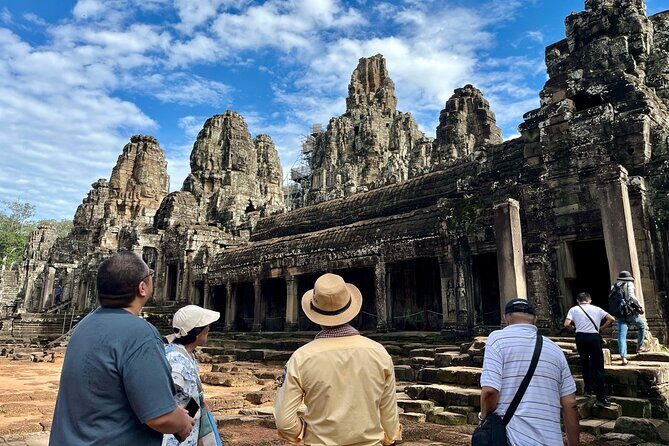
- Bayon Temple: where you get the whole Angkor Thom vibe
- Baphuon and the royal terraces: stone monuments with attitude
- Ta Prohm: the jungle temple that feels like a movie scene
- Srah Srang lunch break: refuel and reset
- Angkor Wat: the centerpiece you’ll want to see twice
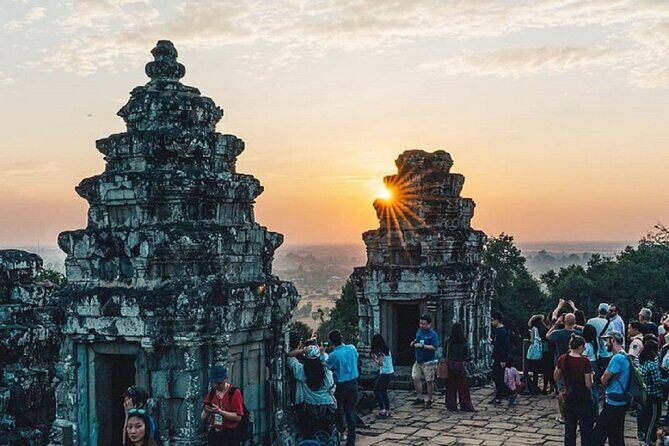
- Phnom Bakheng sunset finish: when stone turns golden
- Price and value: what you really pay for
- Guide quality: why names you might meet matter
- Who this private Angkor tour suits best
- Should you book it?
- FAQ
- Is the Angkor Archaeological Park entrance ticket included in the tour price?
- What time do you get picked up for the sunrise option versus the sunset option?
- How long is the tour?
- What does the tour include for comfort during the day?
- Is lunch included?
- What is the cancellation policy?
Key highlights to know before you go
- Two day options: sunrise (about 5:00 AM pickup) or full-day sunset (8:30 AM pickup) to match your energy and your photo goals
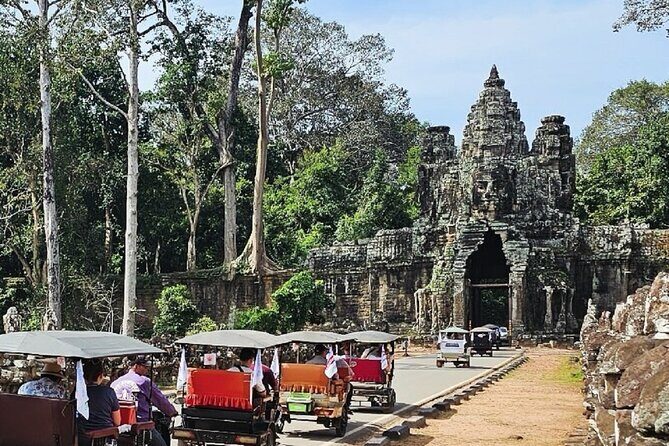
- Private transport made for comfort: tuk-tuk for 1–2 people, or an air-conditioned van/minibus for larger groups
- Cold water during the tour: small comfort win that matters in Angkor’s heat
- Iconic temples in one day: Bayon’s smiling faces, Ta Prohm’s jungle setting, and Angkor Wat as the centerpiece
- Sunset payoff at Phnom Bakheng: a classic hilltop finish if you pick the sunset option
Sunrise or sunset from Siem Reap: which timing fits you
This tour comes in two flavors, and picking the right one changes the whole feel of your day.
If you choose the sunrise option, you’ll be picked up at about 5:00 AM and the tour ends around 12:00 PM. That earlier ending is underrated. You’ll still have a big chunk of your afternoon for Siem Reap—massage, market wandering, or simply catching up on sleep.
If you choose the sunset option, hotel pickup is around 8:30 AM and you’ll return near 6:30 PM. You’ll get a full day of temples, plus a memorable finale timed for golden light—either a climb up to Phnom Bakheng for sunset views, or another scenic sunset stop depending on the day’s flow.
Here’s how I’d choose: if you’re photo-focused and want the morning air, go sunrise. If you want a calmer start with more daylight later, go sunset.
Other Angkor Wat sunrise tours we've reviewed in Siem Reap
Private vehicle and comfort details that actually matter
Angkor days run long. This tour helps by keeping your logistics simple. You’re picked up from your hotel and dropped back afterward, and your group stays together in one private vehicle.
The transportation setup is practical:
- 1–2 people: tuk-tuk
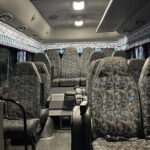
- 3+ people: air-conditioned van/minibus
That air-conditioning matters once you’re moving between stone paths and open courtyards. Also, the tour includes cold water during the day, which is a big deal when temperatures rise and you’re walking in direct sun.
In real-world comfort terms, I like that this tour doesn’t treat you like a package. You’ll have time to slow down at stops, plus the guide can adjust pacing to your group. Some guides also bring refreshing rags/cool towels style comfort, which you may notice during the day—great for wiping off heat after temple courtyards.
Getting your Angkor pass handled: ticket day without the headache
One of the most useful parts of a guided day is getting the ticket step done early. You’ll meet your guide in your hotel lobby, then head together to the ticket booth to purchase your Angkor Archaeological Park pass. You can also buy it online in advance.
Important costs and documents:
- The entrance ticket is not included in the tour price.
- The pass is USD 37 per person.
- You must show your passport as proof.
Children under 12 don’t need the entrance ticket. Adults aged 12–90 pay the standard price.
Why this matters: if you show up without your passport, the day can get annoying fast. So, pack it, keep it handy, and don’t treat the ticket like an optional step.
Angkor Thom South Gate: the smiling faces first
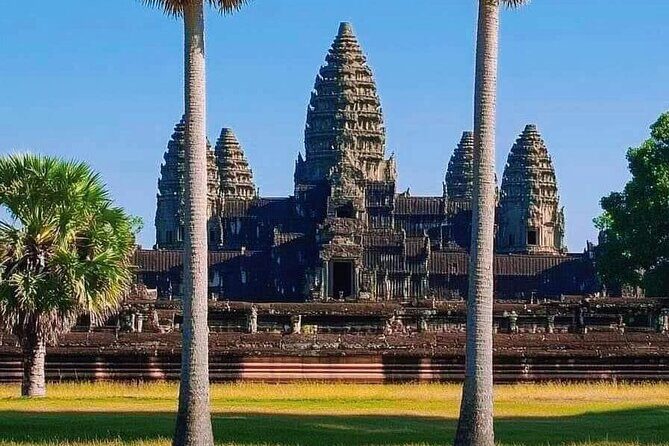
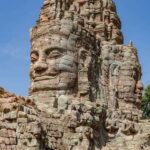
Your tour starts with the grand statement of Angkor Thom’s South Gate. Even if you’ve seen photos before, standing in front of those giant carved faces is different. They’re wide, looming, and slightly mysterious in a way that makes you instantly understand why people connect Angkor to myth and power.
From there, you continue into the heart of the ancient city, which helps you build momentum. The gate works as a visual warm-up. It also sets the tone: you’re not just looking at isolated ruins—you’re walking through an entire designed space.
A practical note: you’ll likely do short walking segments between viewpoints. Wear shoes you trust. Angkor ground can be uneven, and you’ll want your feet to feel solid rather than “might be okay” later.
Bayon Temple: where you get the whole Angkor Thom vibe
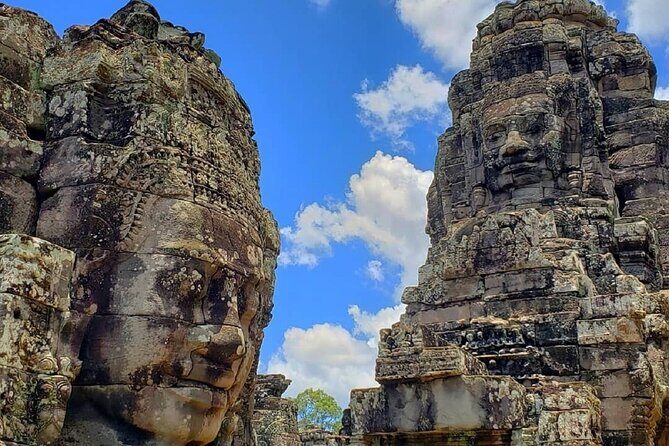
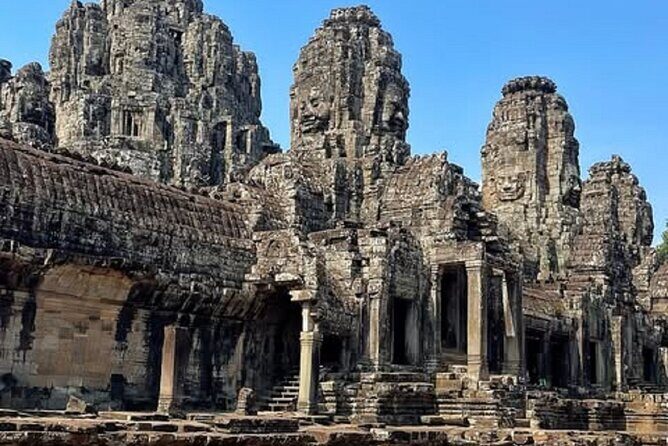
Next up is Bayon Temple, often called the Temple of Smiling Faces. This is one of those stops where the guide’s role is huge. A good explanation helps you see what you’re looking at—how the faces relate to the temple layout, and why the carvings keep pulling your eyes across the stone.
You’ll typically spend about one hour here. That time is just right: long enough to notice details, short enough that you don’t get temple-fatigue before the iconic highlights later.
If you want my best tip: when you reach the main areas, pause. Look up. Then take a slow walk around and only afterward go back to close-up detail work. Bayon rewards both kinds of looking.
Other Angkor Wat sunset tours we've reviewed in Siem Reap



Baphuon and the royal terraces: stone monuments with attitude
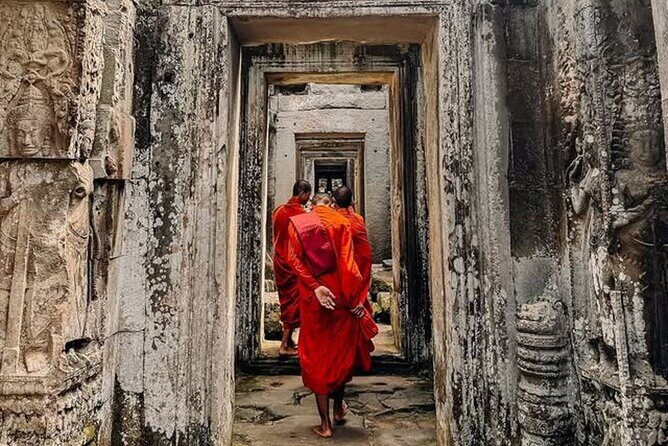
From Bayon you move on to Baphuon Temple, sometimes described as a temple mountain. This stop leans more architectural than cinematic, but it’s still satisfying. You’ll see the massive pyramid-like form and get a sense of how Angkor’s designers used scale to make buildings feel like statements.
After Baphuon, the tour shifts to the royal platforms:
- Terrace of the Elephants (about 15 minutes)
- Terrace of the Leper King (about 15 minutes)
The Elephants terrace is a long ceremonial platform that once supported royal viewing moments—watching processions and public scenes. The Leper King terrace is named after a moss-covered statue, and your guide can help connect that legend-style naming to what’s actually on the stone.
If you’re traveling with teens or anyone who likes to understand meaning beyond the photo, this pair of terraces is a smart use of time. You’ll learn what the spaces were for, not just what they look like.
Ta Prohm: the jungle temple that feels like a movie scene
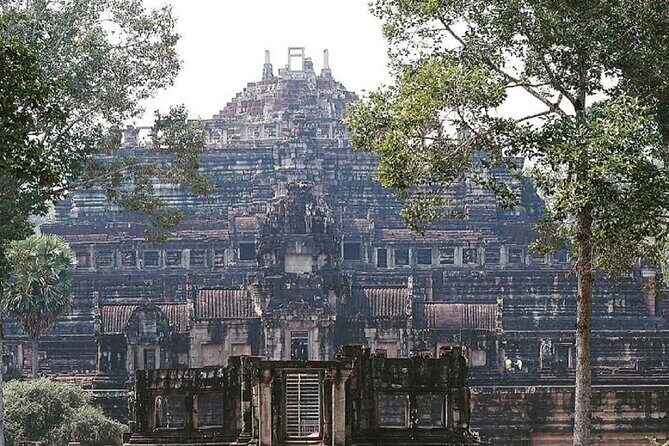
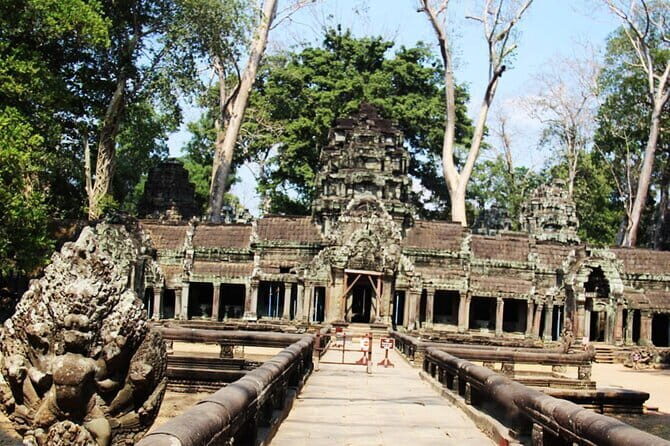
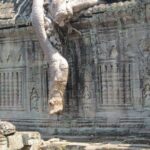
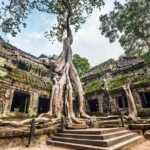
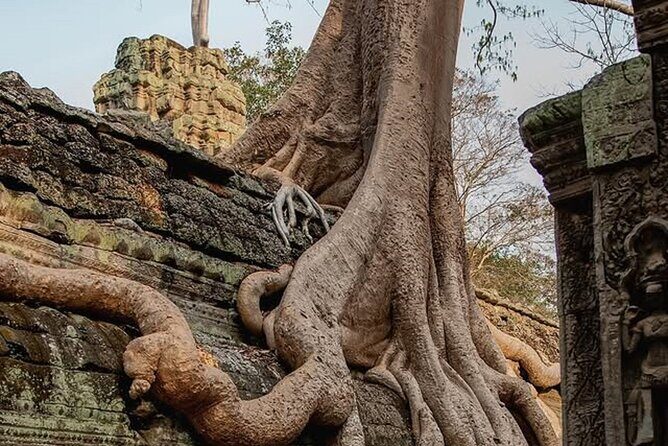
Then comes Ta Prohm, the most atmospheric stop on many Angkor lists. This is the temple that famously looks like it’s being reclaimed by trees. It’s the kind of place where your brain automatically slows down because the scene is visually busy in a good way.
You’ll spend about one hour here. That’s enough time to get your first big look, wander to find different angles, and still stop for a breather before heading onward.
Practical reality: Ta Prohm can be a “move slowly, look often” stop. If you rush it, you miss the interplay between roots, stone, and light. Take your time.
Srah Srang lunch break: refuel and reset
Between temple clusters you’ll stop at Srah Srang for lunch. Lunch itself is not included, but your guide will recommend a nearby Cambodian meal and you’ll have about one hour for it.
This is a good break point. After Ta Prohm, you may feel like you’ve been staring at stone for hours. Lunch gives you a chance to cool off, eat something real, and then go back to temples with clearer energy.
If you’re picky with heat: drink water before you sit down. Also, consider simple choices. You’ll be doing more walking afterward.
Angkor Wat: the centerpiece you’ll want to see twice
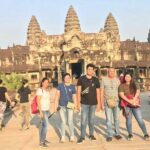
The day’s main attraction is Angkor Wat. It’s the largest religious monument in the area and the visual anchor for most people’s first Angkor images.
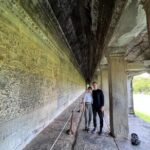
You’ll typically have about two hours here. That’s a sweet spot for a place this big. You can spend time getting oriented, checking the main structures, and then leaving yourself room for quieter corners.
This stop also connects everything you’ve seen earlier. Without earlier Angkor Thom pieces, Angkor Wat can feel like a separate world. With Bayon and the terraces in your day, it clicks into a larger picture.
Also, plan for the dress rules. You’ll want your shoulders and knees covered, and it helps to have a light layer you don’t mind using repeatedly.
Phnom Bakheng sunset finish: when stone turns golden
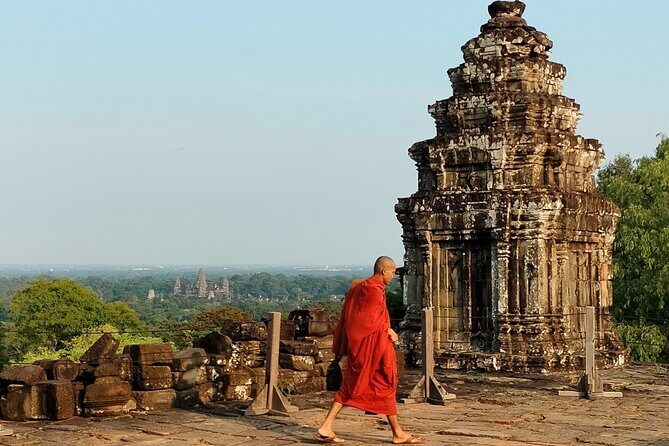
If you picked the full-day sunset option, your final temple stop is Phnom Bakheng, a hilltop temple known for breathtaking sunset views. You’ll have about two hours for this ending, which gives you time not just to see the sun go down, but to get there early enough to find a decent viewing spot and adjust to the crowd flow.
Sunset at Phnom Bakheng isn’t only about the color. It’s about perspective. Seeing the temples from above changes the way you understand the scale of the complex.
My practical advice: go slow once you start moving near the viewpoints. Late-day footing can get slippery, and you’ll want your energy for the final views.
Price and value: what you really pay for
The tour price is USD 55 per person, and it’s usually booked about 37 days in advance.
Here’s how I think about value:
- You’re paying for a private guide and private transport, not just access to ruins.
- You get cold water during the day and a guided plan that chains the best stops together.
- You skip the mental overhead of figuring out timing, routes, and ticket coordination.
But you do have one major extra cost: the Angkor Archaeological Park entrance ticket (USD 37 per person). So your all-in day cost is higher than the advertised tour price.
Still, for many people this works out well because the guide + transport reduces stress and saves time. If you’re paying for a driver alone, you’ll often spend close to similar money—then you lose the context that makes temples easier to read.
Guide quality: why names you might meet matter
The biggest factor in how good this day feels is your guide. And the reviews you can’t ignore point to a pattern: guides who explain clearly, keep the day moving safely, and still leave room for you to look on your own.
In the guide names shared by past visitors, I’ve seen examples like:
- Serey Youk Kim
- Sam So
- Buth Veasna
If you’re offered one of these guides, that’s a good sign. One review also praised a driver for being safe and keeping the van cool, plus having chilled water ready when returning from temples.
One caution from a low-rating experience: if you’re traveling with family and want a strict tone, ask yourself whether your group is sensitive to crude jokes. Your best move is simple: set expectations early with your guide if that’s a concern.
Who this private Angkor tour suits best
This tour fits best if you:
- want private transport and an English-speaking guide
- like a structured day with big temples rather than wandering blindly
- care about sunrise or sunset timing
- want a balance of guided stops and your own viewing time
It’s also a good match for families, because children under 12 can join for free on this tour. Just keep the tone consideration in mind if you’re traveling with younger kids.
If you’re a hardcore temple researcher who wants dozens of off-the-beaten-path stops, you might find the schedule tighter than you’d prefer. But if you want the best-known highlights handled well, this hits the mark.
Should you book it?
I’d book this tour if you want a no-stress Angkor day with clear guidance and a strong finale, either at sunrise or with a sunset climb at Phnom Bakheng. The private transport setup and the included cold water are practical, not fancy. And the two-hour Angkor Wat block plus the Ta Prohm hour gives you a day that feels complete.
I wouldn’t book it if the extra entrance ticket cost and passport requirement will derail your budget or timing. Also, if you’re traveling with family and know you prefer very careful, clean humor, it’s worth addressing expectations up front.
If you do book, bring your passport for the pass process, dress with the temple rules in mind, and plan to slow down at Bayon, Ta Prohm, and Angkor Wat. The payoff comes when you stop treating this like a photo checklist.
FAQ
Is the Angkor Archaeological Park entrance ticket included in the tour price?
No. The entrance ticket is not included. The ticket is listed as USD 37 per person, and you’ll need your passport as proof. Children under 12 are not required to purchase the entrance ticket.
What time do you get picked up for the sunrise option versus the sunset option?
For the sunrise option, pickup is at 5:00 AM, and the tour ends around 12:00 PM. For the full-day sunset option, hotel pickup is about 8:30 AM, and you return around 6:30 PM.
How long is the tour?
The duration is listed as 8 to 10 hours depending on the option.
What does the tour include for comfort during the day?
The tour includes hotel pickup and drop-off, an English-speaking guide, transportation (tuk-tuk for 1–2 people, air-conditioned van/minibus for 3+), and cold water during the tour.
Is lunch included?
Lunch is not included. You’ll have a lunch stop at Srah Srang where your guide recommends a nearby restaurant.
What is the cancellation policy?
You can cancel for a full refund if you cancel at least 24 hours before the experience’s start time. If you cancel less than 24 hours in advance, the amount paid is not refunded.