REVIEW · SIEM REAP
Siem Reap: Kulen Waterfall by Private Tour
Book on GetYourGuide →Operated by Cambo Tours Services · Bookable on GetYourGuide
One mountain day, two centuries of stories. This private Siem Reap outing takes you to Phnom Kulen—Cambodia’s sacred mountain—then pairs archaeology with a real swim at Kulen Waterfall.
I especially like the mix of meaning and movement: you get up close with the 1000 Lingas riverside site, then climb through hilltop ruins to see a large reclining Buddha. I also love the stop at a local palm sugar village, where history and daily life feel connected.
The main thing to plan for is cost beyond the $65: Kulen/Phnom Kulen National Park entry is $20 per person, and lunch isn’t included.
In This Review
- Key Things I’d Prioritize on This Tour
- Phnom Kulen: Why This Mountain Matters in Cambodia
- Quarry Stop: Understanding the Stone Behind the Temples
- The 1000 Lingas Riverside Archaeological Site
- Hilltop Temples and the Reclining Buddha
- Kulen Waterfall: When You Can Actually Swim
- Palm Sugar Village Stop: Local Life, Not Just Monuments
- Optional Cambodia Landmine Museum: Powerful and Heavy
- Price and Logistics: Is $65 Good Value for a 9-Hour Day?
- What the Day Feels Like: Timing, Pace, and Comfort
- Who This Tour Suits Best (and Who Might Skip It)
- Should You Book the Siem Reap Kulen Waterfall Private Tour?
- FAQ
- How long is the Siem Reap Kulen Waterfall tour?
- What is included in the price?
- Is lunch included?
- Do I need to pay Phnom Kulen National Park entry fees?
- Where do you get picked up?
- Is the Landmine Museum stop included?
- Is the tour suitable for pregnant women or are there restrictions?
Key Things I’d Prioritize on This Tour
- 1000 Lingas at the riverside archaeological park: an eye-catching, unusual stop that’s easy to appreciate even if you’re not a history nerd.
- Reclining Buddha on the hilltop sacred area: a strong visual payoff after temple ruins and walking.
- Kulen Waterfall swimming time: you don’t just look at it—you cool off in the water.
- Stone-cutting quarry stop: helps you understand how nearby temple materials were prepared.
- Palm sugar village visit: you see how a local product moves from tree to kitchen.
- Optional Cambodia Landmine Museum: powerful, hands-on learning that can add emotional weight to your day.
Phnom Kulen: Why This Mountain Matters in Cambodia
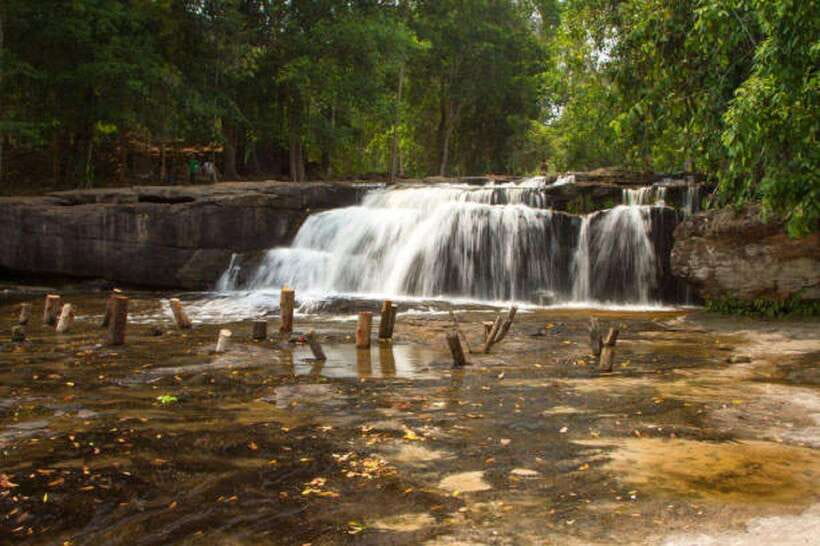
Phnom Kulen (also called Mountain of the Lychee) is the kind of place you feel right away is bigger than a viewpoint. It’s tied to the Khmer Empire’s early origins, and the park is sacred to both Hindus and Buddhists. That mix matters, because you’re not just sightseeing ruins. You’re walking through locations with ongoing spiritual significance and layers of old Cambodia.
For me, the best way to enjoy a day like this is to treat it like a story with chapters: stone work, sacred sites, nature, then rural life. This tour’s flow makes that easy. You start with the human engineering behind the temples, then move into the religious sites, and later into the waterfall and village. It’s a logical path, not a random checklist.
If you're still narrowing it down, here are other tours in Siem Reap we've reviewed.
Quarry Stop: Understanding the Stone Behind the Temples
Early in the day, you’ll stop at a quarry where stones were cut and used to build temples in the area. It’s not as glamorous as a waterfall or a big temple facade, but it’s a smart start because it explains the “how” behind what you’ll later see.
Even if you only take a few minutes here, it changes the way you look at the ruins afterward. When you understand that the rock wasn’t just found and carried, but processed nearby, those temple remains start to feel more tangible. This is one of those stops that often gets skipped on faster tours, so I like that it’s built in.
The 1000 Lingas Riverside Archaeological Site
Next comes one of the most memorable stops on the day: the 1000 Lingas riverside archaeological park. The name alone draws you in, but what really sticks is how the site works visually and spatially—this isn’t a single statue. It’s an entire setting centered on sacred symbolism.
A good guide makes a difference here. You’ll get explanations for what you’re seeing, and that turns quick photos into something you actually understand. The riverside setting also helps. It gives you a natural break in the day before more hilltop walking. You can slow down, orient yourself, and let the story land.
Tip: If you’re photographing, plan to take some time from different angles. This kind of archaeological site can look flat from one view but much clearer from another.
Hilltop Temples and the Reclining Buddha
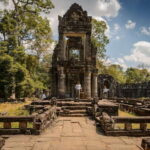
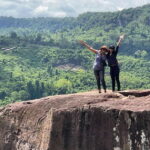
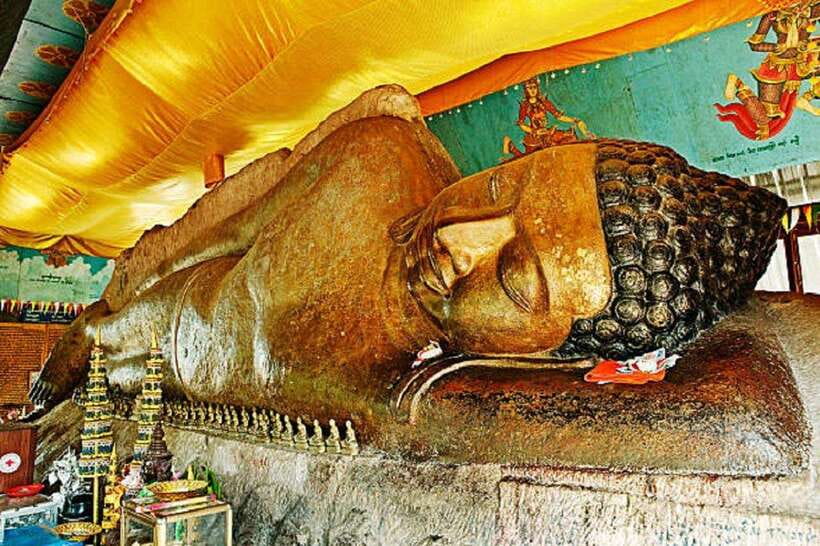
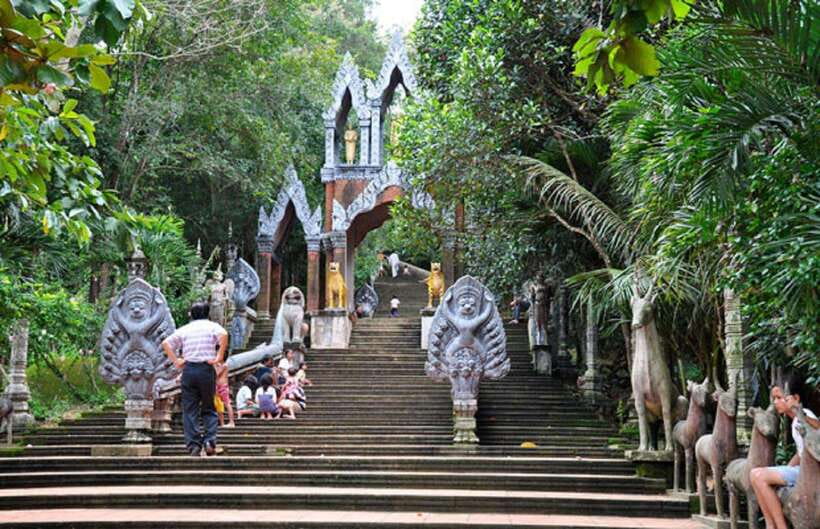
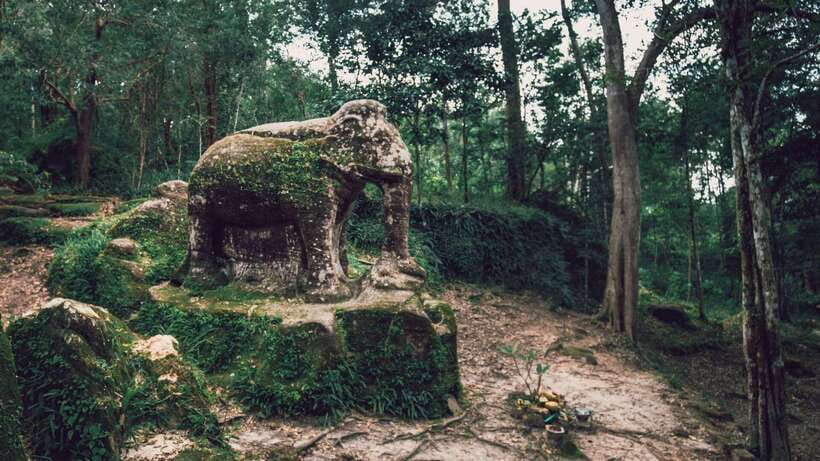
After the 1000 Lingas area, you’ll head to the sacred hilltop with over 30 temple ruins, plus a large reclining Buddha. This is where the day shifts from symbolic stops to a more physically satisfying one.
The hilltop layout means you’ll get walking and some uneven ground. The payoff is big: the reclining Buddha is an impressive focal point, and the surrounding ruins give context for how the site functioned spiritually. Even if you don’t know all the architectural terms, you’ll still feel the atmosphere because the structure and scale do the work.
One practical note: plan for the terrain. Comfortable shoes really matter here. If you’re prone to slipping on loose stone or slick paths, you’ll appreciate wearing footwear with grip.
Kulen Waterfall: When You Can Actually Swim
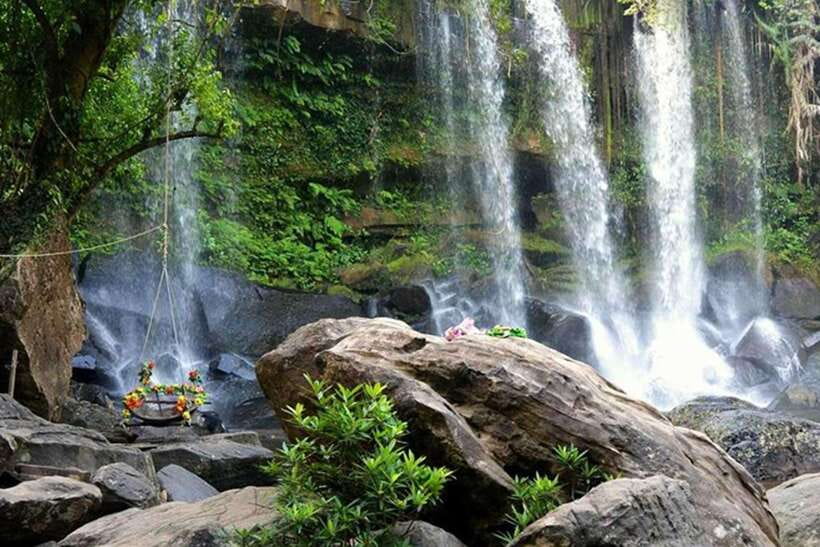
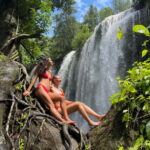
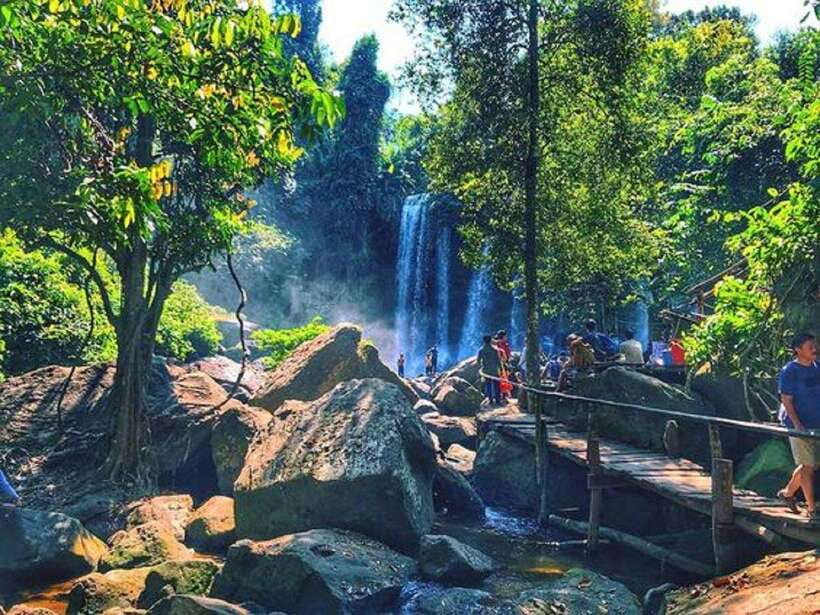
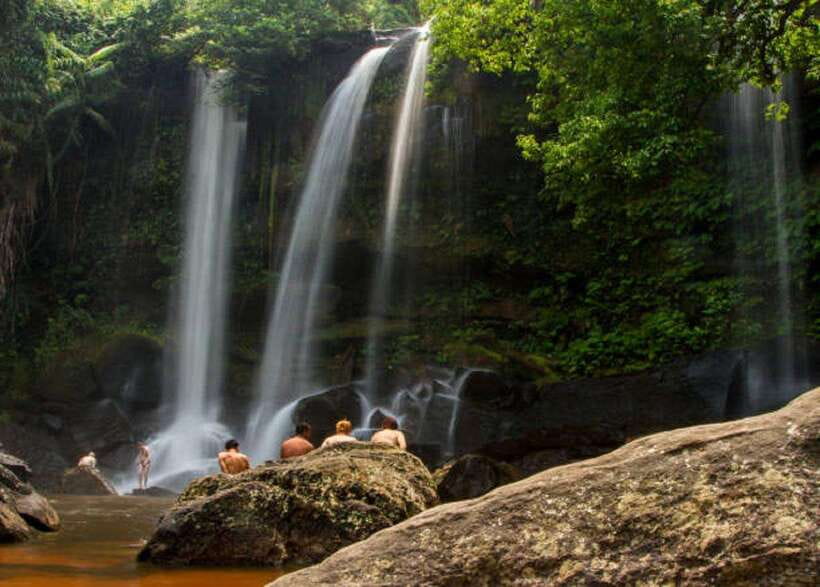
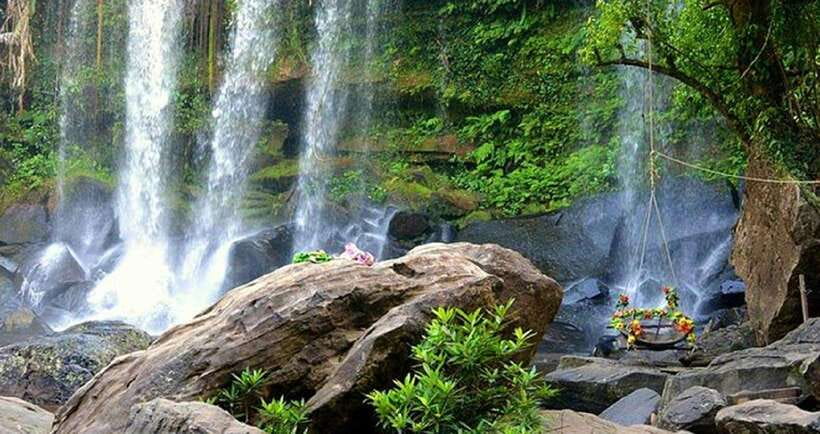
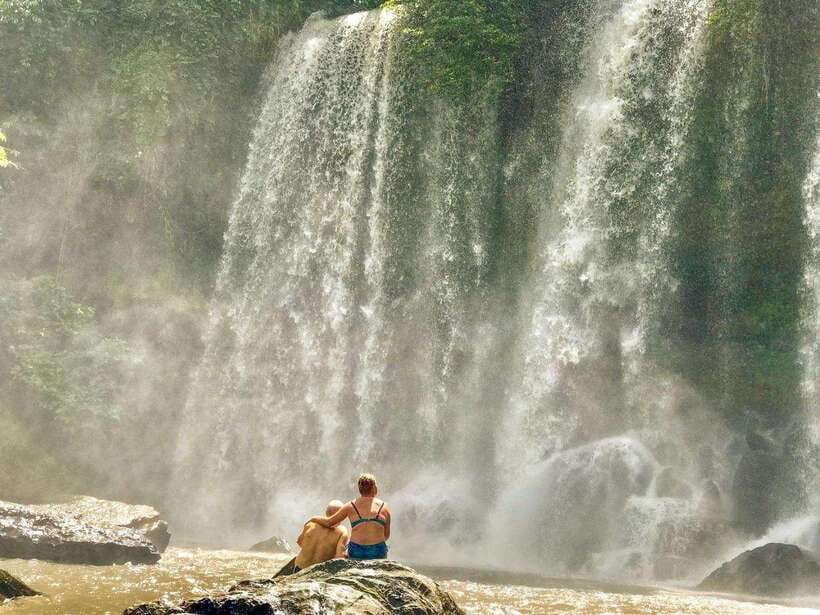
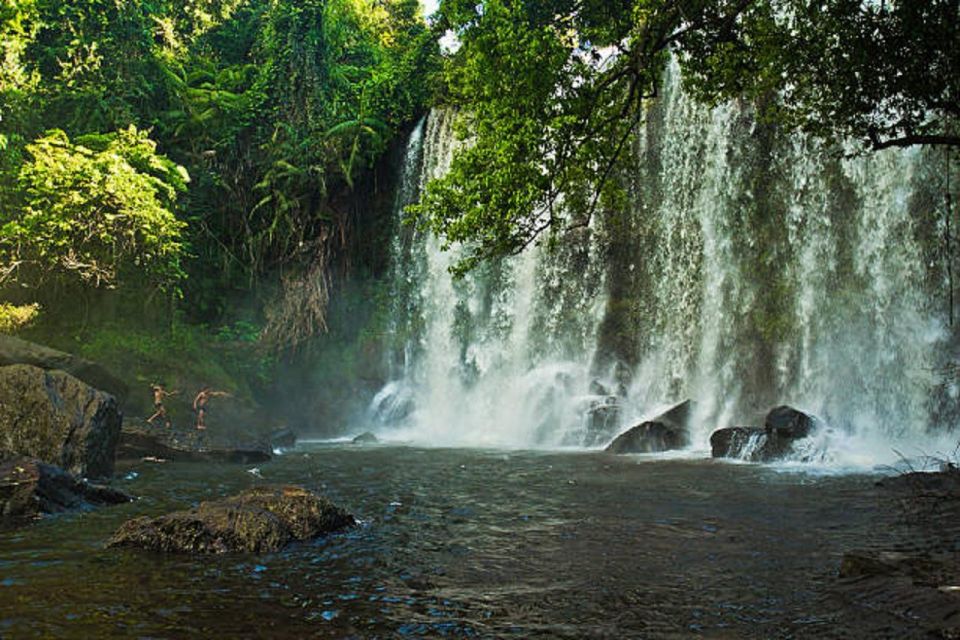
Then it’s time for the main nature break: trekking to Kulen Waterfall and enjoying a swim. This is the part that turns the tour from “a cultural day” into a full experience with a physical reset.
A waterfall swim also changes your pacing. Instead of rushing through another site, you get time to cool down, loosen up, and stop thinking like it’s a schedule. Even a short swim can feel like a reward after hilltop walking.
Bring practical expectations. Water areas can be slippery, and conditions can vary. You’ll want clothes and shoes that can handle getting damp. Also, plan for a small amount of time where you’ll be moving slowly right before and after the swim, especially if you’re changing out of wet clothes.
Palm Sugar Village Stop: Local Life, Not Just Monuments
On the way back to Siem Reap, the tour includes a quick stop at a palm sugar village. This is a great balancing act after all the stone and sacred spaces. Instead of “what happened here,” you get a chance to see “what people do here now.”
Palm sugar production is hands-on and tied to local agriculture. Even without a long workshop, you’ll come away with a clearer idea of where everyday foods in Cambodia come from. For me, this stop is valuable because it makes the day feel less tourist-only. You get a glimpse of rural rhythms—work, processing, and craft—without needing to be a trained botanist to follow along.
Optional Cambodia Landmine Museum: Powerful and Heavy
The tour also offers an optional final stop at the Cambodia Landmine Museum. This is the kind of place that doesn’t sit lightly in your mind, but it can be meaningful in a way that sightseeing usually isn’t.
One account of this stop includes meeting Aki Ra, known for dismantling landmines by hand. If you choose to go, expect a serious, educational experience rather than an easy “add-on.” It’s also worth noting this adds emotional weight to the day, especially if you’re traveling with kids or people who find heavy topics difficult.
If you want the history of Cambodia in one place that’s not just temples, this museum can deliver that. Just go in with time to listen and absorb.
Price and Logistics: Is $65 Good Value for a 9-Hour Day?
At $65 per person for a 9-hour private tour, you’re paying for transportation, a licensed English-speaking guide, and comfort basics like water and a cold towel, plus pickup and drop-off from Siem Reap. That matters because Phnom Kulen is a long-distance outing. You’re not just buying tickets—you’re buying a day plan that keeps you moving without you having to organize every leg.
The cost considerations:
- Not included: lunch.
- Not included: Phnom Kulen National Park entry fees ($20 per person).
So your realistic budget is more than the headline price. If you’re watching costs, bring a simple lunch strategy: either eat before you go or plan to purchase food during the day (this tour data doesn’t include lunch). If you ignore it, you’ll feel the squeeze later.
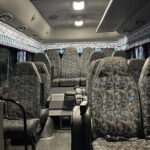
One more practical note: the tour includes skip-the-ticket-line and uses a comfortable air-conditioned vehicle. That’s especially helpful on hot days, when time and air quality matter more than you expect.
What the Day Feels Like: Timing, Pace, and Comfort
Because the tour is 9 hours, you’ll want to treat it like a full-day workout plus sightseeing. The walking is concentrated at sacred areas and on the trek to the waterfall, while the driving sections reset you.
Pickup is from your hotel area in Krong Siem Reap, and you’ll be asked to wait in the lobby about 10 minutes before pickup. I like this kind of precision because it reduces confusion and keeps the day running on schedule.
For comfort, I’d stick to:
- Comfortable clothes you don’t mind getting warm or slightly damp.
- Comfortable shoes with grip for hill paths and trekking sections.
- A mindset that you’ll change your pace—temple viewing slows you down; trekking and swim time speeds you up again.
Who This Tour Suits Best (and Who Might Skip It)
This tour is a strong fit if you want a single-day mix of Cambodia’s sacred sites and nature without hopping between unconnected tours. It also works well if you value explanations from an English-speaking, licensed guide, since the meaning behind the sites is part of the experience.
It’s not suitable for pregnant women. If you’re managing mobility issues, the walking and trek elements can be a concern—especially around hilltop ruins and waterfall access. Also, there’s a clear rule that alcohol and drugs aren’t allowed.
If you’re the kind of traveler who likes adding one educational stop beyond temples—like the optional Landmine Museum—this itinerary supports that. If you’d rather keep the emotional tone lighter, you can skip the museum and keep the day focused on temples and water.
Should You Book the Siem Reap Kulen Waterfall Private Tour?
I’d book this tour if you want a well-paced day that combines major sacred highlights (1000 Lingas, reclining Buddha) with a real nature payoff (Kulen Waterfall swim) and a practical cultural lens (palm sugar village). The included guide, transport, water, and cold towel make it feel like a complete package rather than a grab-bag of stops.
I’d reconsider if you dislike long, warm days, don’t want to pay extra for park entry, or you need lunch included to feel comfortable. Budget for the $20 per person entry fee and plan food, and you’ll be fine.
If you do book it, ask your guide whether you’ll have time for the Landmine Museum stop—then decide based on your comfort level. This is the one add-on that can turn a great day into an unforgettable day for the right reasons.
FAQ
How long is the Siem Reap Kulen Waterfall tour?
The tour lasts 9 hours.
What is included in the price?
It includes an English-speaking licensed guide, hotel pickup and drop-off from Siem Reap, water and a cold towel, and transport by a comfortable air-conditioned vehicle.
Is lunch included?
No, lunch is not included.
Do I need to pay Phnom Kulen National Park entry fees?
Yes. National Park entry fees are $20 per person and are not included in the tour price.
Where do you get picked up?
Pickup is from Krong Siem Reap, and you’ll be asked to wait in your hotel lobby 10 minutes before the scheduled pickup time.
Is the Landmine Museum stop included?
The Cambodia Landmine Museum is an optional final stop.
Is the tour suitable for pregnant women or are there restrictions?
It is not suitable for pregnant women, and alcohol and drugs are not allowed.