REVIEW · SIEM REAP
Award-Winning Cooking Class Experience with Professional Teacher
Book on Viator →Operated by Paper Tiger Cooking Class · Bookable on Viator
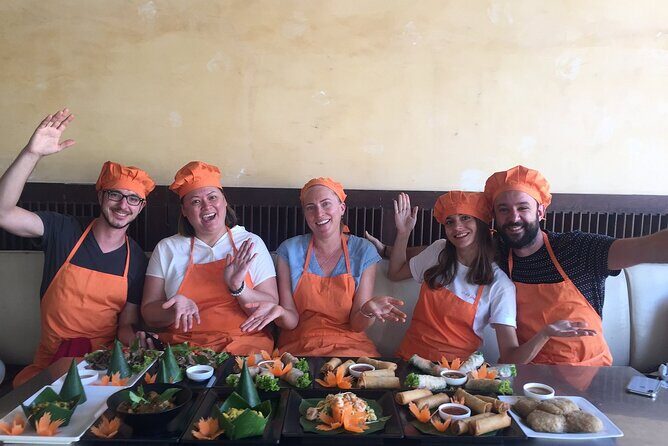
Siem Reap tastes better with a knife. This small-group class at Paper Tiger turns your first hours in town into a hands-on intro to Khmer flavors, starting with a nearby market tour and finishing with you cooking classic dishes under a pro teacher like Sopheap or Sinuon.
I especially like how structured it is: you shop, prep, cook, then sit down to eat what you made. The main thing to watch is the heat. The cooking happens in an open-air kitchen area with an open flame, so plan for a sweaty, very active few hours.
In This Review
- Key highlights at a glance
- A practical first meal in Siem Reap: where the class begins
- The historic market stop: learning ingredients the Khmer way
- Inside Paper Tiger’s small-group kitchen: how instruction really works
- Choosing your dishes: amok, curry, beef loc lac, and more
- The technique lesson behind the dishes
- Lunch or dinner, plus leftovers: why the meal part matters
- What to expect on the day: timing, pacing, and heat
- Value check: is $22 worth it in Siem Reap?
- Who should book this class (and who might want a different activity)
- Should you book Paper Tiger in Siem Reap?
- FAQ
- How long is the cooking class?
- How much does it cost?
- What’s the group size limit?
- Is the class suitable for kids and older adults?
- What dishes will I learn to cook?
- Does the experience include food to eat?
- Is transportation included?
- Where do we meet?
Key highlights at a glance
- Paper Tiger has run since 2001, so the format is proven and well organized
- Max 20 people, which keeps the teaching practical rather than watch-and-wait
- Historic market tour first, so you understand ingredients before you touch the stove
- Choose what you cook (starter, main, and dessert), with vegetarian options available
- A digital recipe book is included, so you can remake dishes back home
A practical first meal in Siem Reap: where the class begins
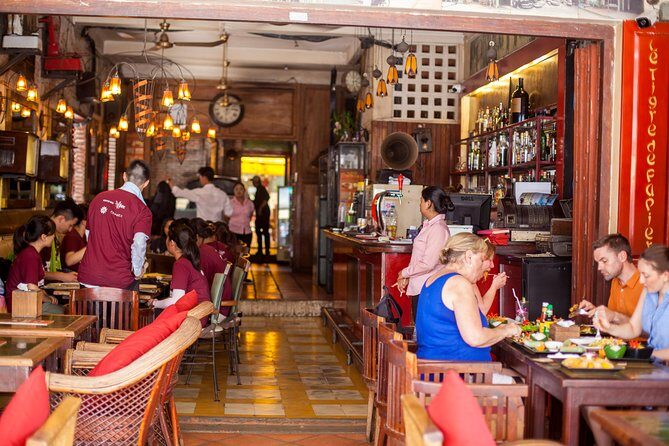
This experience is designed for real beginners and confident cooks alike, and it starts in a very convenient spot: meet in the middle of Pub Street. That matters more than you’d think. After a long flight (or a day of temple tickets), it’s nice to begin without complicated transfers or hunting down a faraway pickup.
The class runs about 3 hours and fits a wide age range: 8 to 70. With a maximum group size of 20, you don’t end up stuck at the back of a crowd. It’s the kind of setting where you can ask questions while you’re chopping, not only after the food is finished.
Price is $22 per person, which is low for what you get: market guidance, a professional teacher, cooking instruction, and your lunch or dinner made during the session. In other words, you’re paying for the whole learning-to-eating package, not just a short demo.
Other Khmer cooking class tours we've reviewed in Siem Reap
The historic market stop: learning ingredients the Khmer way
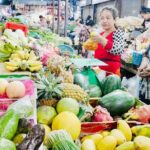
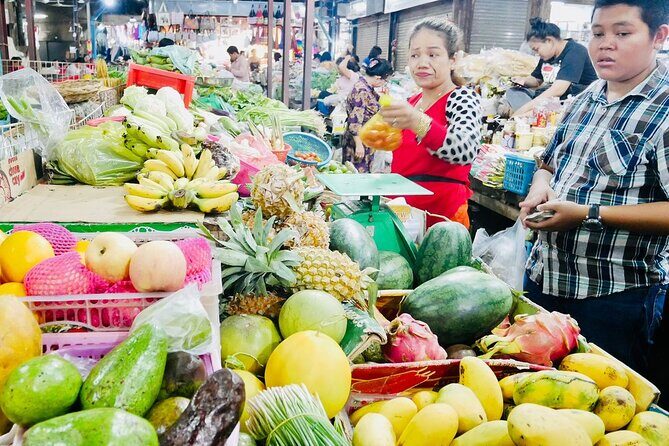
Before you cook, you walk through the market and see the ingredients that actually drive Khmer cooking. This isn’t a walk-through where someone points and moves on. You get time to notice the produce and proteins that show up in dishes like amok and curry-style meals.
Here’s what makes this market portion valuable: you learn what to look for. That helps later when you’re trying to recreate flavors outside Cambodia, where the exact ingredient names might change but the cooking logic still holds. You also start to understand how Khmer dishes balance things like fragrance, acidity, and spice.
In the class format, you’re not just watching. You’re preparing and choosing. Some people end up grabbing ideas after seeing fresh items like dragon fruit, then connecting them to the dessert or fruit component served later. That kind of connection is how market time becomes real learning instead of sightseeing.
Inside Paper Tiger’s small-group kitchen: how instruction really works
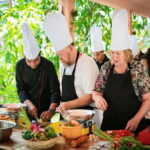
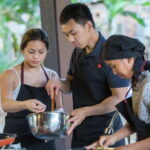
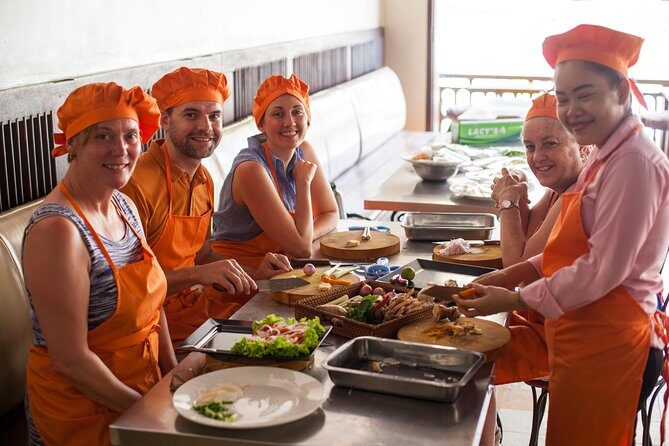
After the market, you return to the teaching kitchen at Paper Tiger. The vibe is active and hands-on. Think “work with your hands” rather than “sit still and watch.” You’ll be guided step-by-step by a professional teacher and coached on technique, not only on what to do but how to do it the Khmer way.
With a group capped at 20, instruction stays readable. You can get answers while you’re cooking, especially when you hit the tricky moments like spice paste, seasoning balance, or sauce thickness. Multiple teachers are mentioned in the experience (notably Sopheap and Sinuon), and the consistent theme is clarity and patience when it comes to getting people cooking.
One practical heads-up: this kitchen can be hot. The cooking area is open to the outdoors and uses open flame cooking. If you bruise easily under heat stress, bring your calm attitude and pace yourself. Keep hydrated and take breaks when you can.
Choosing your dishes: amok, curry, beef loc lac, and more
You’ll learn to make Khmer classics such as amok, chicken curry, and beef loc lac, plus additional dishes depending on what’s planned that day. The big win for most people is that you often get choice, not a single fixed menu for everyone.
A common structure is a three-course meal where you cook a starter, a main, and a dessert. People have reported doing things like Green Mango Salad as a starter, Fish Amok as a main, and flambé bananas as dessert. Others have built meals with meat, fish, or vegetarian combinations.
This choice system is great for value. If you’re the type who wants to taste a wide range of Khmer food, you can pick dishes that cover different flavor styles. If you’re traveling with someone picky, you can steer toward what each person actually wants to learn and eat.
The technique lesson behind the dishes
What you’re really mastering isn’t just recipes. You’re learning a method:
- how Khmer pastes get built and seasoned
- how curry and sauce thickness is judged during cooking
- how proteins and fish hold flavor in Khmer-style preparations
- how dessert can be both playful and deeply flavored
Even if you don’t cook much at home, this turns into practical confidence. You’ll come away knowing what steps are essential and what steps can flex.
Other cooking classes in Siem Reap
Lunch or dinner, plus leftovers: why the meal part matters
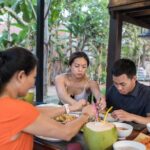
At the end, you sit down and eat what you made. That’s not a throwaway meal; it’s part of the learning. Cooking instruction makes more sense when you can taste the results right away, especially with the spice balance and texture you worked for.
Portions tend to be generous. Many people mention having plenty of food and even leftovers after the class. That’s a big part of why this feels like good value at $22: you’re not only buying a class ticket, you’re also buying a proper Cambodian meal that you helped produce.
If you’re hungry when you arrive, come hungry. You’ll be chopping and tasting during the process, and you’ll finish with enough food to feel like this counted as a real meal day.
What to expect on the day: timing, pacing, and heat
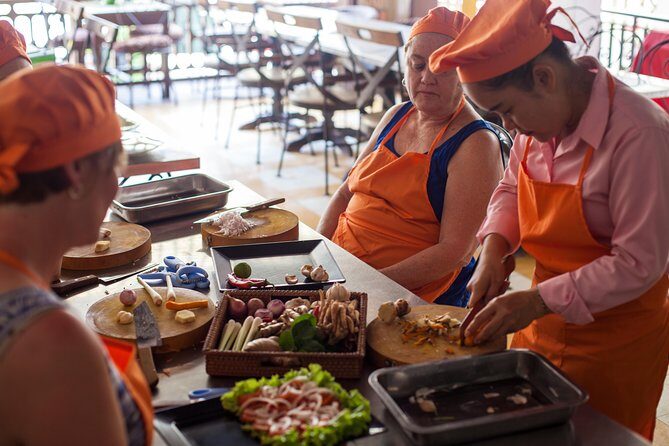
The class is about three hours total, and it flows from market to kitchen to eating. Because it’s small-group and hands-on, the pace doesn’t feel rushed. You’ll have a chance to chop, prep, and cook rather than being stuck behind someone else’s pace.
Still, plan for physical effort. You’re likely doing a fair amount of cutting and mixing. If you’re used to cooking at home, you’ll feel at ease. If not, the structure helps. Teachers like Sopheap and Sinuon are praised for making beginners comfortable, including people who are cooking Khmer dishes for the first time.
Also plan for the climate. One takeaway from the experience is to bring extra water. Even if a beverage is available, it’s smart to have your own water because the kitchen area can get very warm. Wear clothes you don’t mind getting splashed and bring a towel if you tend to wipe your hands often.
Value check: is $22 worth it in Siem Reap?
Let’s look at what’s included:
- Cooking class with a professional chef
- Lunch or dinner prepared during the class
- Historic market tour
- Digital recipe book after you learn the dishes
You’re paying for teacher time, ingredient guidance, and a meal. In Southeast Asia, cooking classes can be overpriced when they’re mostly filming and watching. Here, the structure is the point: you learn, you cook, you eat. That’s why people keep booking it and why the rating is so high.
The only thing not included is private transportation. If you’re already walking around Pub Street, this is an easy add-on. If you’re staying far away, you’ll want to budget for a tuk-tuk or Grab-style ride to the meeting point.
Who should book this class (and who might want a different activity)
This is ideal if you:
- want a strong first taste of Khmer food without needing a cookbook first
- enjoy hands-on learning and don’t mind getting a little messy
- want to pick from starters and mains, including vegetarian options
- like the idea of a market walk that teaches ingredients, not just landmarks
You might rethink it if:
- you hate cooking around open flame and warm, outdoor-style kitchens
- you want a purely passive activity (this is active by design)
- you’re extremely short on time and need a quick, low-effort outing
If you’re on a temple-heavy schedule, this can be a smart counterbalance. It’s cooler than wandering in heat with no plan, and it gives you something to bring home beyond photos.
Should you book Paper Tiger in Siem Reap?
If you want a meal and a lesson, book it. The format is built around small-group teaching, market ingredient context, and a full lunch or dinner you helped make. With reliable pros like Sopheap and Sinuon running the experience and a clear choice-based menu approach (often starter, main, dessert), you’ll likely end the session feeling confident enough to cook at least a couple of Khmer dishes at home.
Just go prepared for heat, bring water, and treat it like a cooking workshop, not a sit-down show. If you do that, you’ll leave with real skills, real food, and a recipe book you’ll actually use.
FAQ
How long is the cooking class?
It runs about 3 hours.
How much does it cost?
The price is $22.00 per person.
What’s the group size limit?
The maximum group size is 20 people.
Is the class suitable for kids and older adults?
Yes. It’s listed for ages 8 to 70.
What dishes will I learn to cook?
You’ll learn well-known Khmer dishes such as amok, chicken curry, and beef loc lac, plus additional Khmer classics.
Does the experience include food to eat?
Yes. Lunch or dinner is prepared during the class.
Is transportation included?
Private transportation is not included.
Where do we meet?
You meet at 9V33+XWF, 59 Street 08, Krong Siem Reap 171000, Cambodia, and the activity ends back at the meeting point.