REVIEW · SIEM REAP
Kulen Mountain Tour with Kampong Phluk Floating Village
Book on GetYourGuide →Operated by ASEAN ANGKOR GUIDE · Bookable on GetYourGuide
Phnom Kulen and a floating village in one day. I like that this tour mixes sacred Khmer sites with real countryside life, starting in Phum Preah Dak and ending on Tonle Sap. Two things I’m especially happy about: the English-speaking guides (people like Seila, Mr Sam, Makara, Dara, and Sa show up in the guide lineup) explain the meaning of what you see, and the waterfall-time picnic is actually good—grilled chicken plus seasonal fruit.
One thing to keep in mind: the two major entrance/pass costs are not included ($20 for the Kulen mountain pass, plus $15 for the Tonle Sap pass and shared boat), and you’ll pay for admissions on the spot in cash (USD). It’s also a full day with walking and heat, so plan for a long, active pace rather than a slow sightseeing cruise.
In This Review
- Key highlights worth waking up for
- Why Phnom Kulen and Kampong Phluk fit together so well
- Pickup timing and the rural start in Siem Reap Province
- Phum Preah Dak palm cake stop: the culture warm-up
- Phnom Kulen National Park: cliffs, temples, and sacred water
- Poeng Ta Kho (Amazing Cliff)
- Wat Preah Ang Thom
- The 1000 Lingas on the river
- Reclining Buddha, plus time to breathe at the waterfalls
- Picnic lunch near the falls
- Cooling off in the water
- The drive to Kampong Phluk: transitioning from hilltop to lake life
- Kampong Phluk Floating Village: boats, stilt houses, and an artificial-island monastery
- Mangrove forest cruise
- Stilt houses and daily life
- Buddhist monastery on an artificial island
- Tonle Sap sunset boat: the end of the day you’ll remember
- Price and what you actually get for $49 (plus passes)
- Practical stuff that saves your day (and your phone battery)
- What to bring
- What not to bring
- Expect walking and heat
- Who should book this Kulen + Kampong Phluk day trip
- Who might skip it
- Should you book it?
- FAQ
- What time does the tour pickup start in Siem Reap?
- How long is the tour, and when do you return?
- What is included in the tour price?
- What entrance or pass fees are not included?
- Is there a vegetarian lunch option?
- Is there time to swim or shower at the waterfall?
- Do I need to bring cash?
- How big is the group?
- What should I bring for the day?
Key highlights worth waking up for
- Palm cake and palm sugar in Phum Preah Dak: a quick but memorable hands-on cultural stop before the temples.
- Phnom Kulen’s big religious sights: Poeng Ta Kho cliff views, the 1000 Lingas river shrines, and major temple stops.
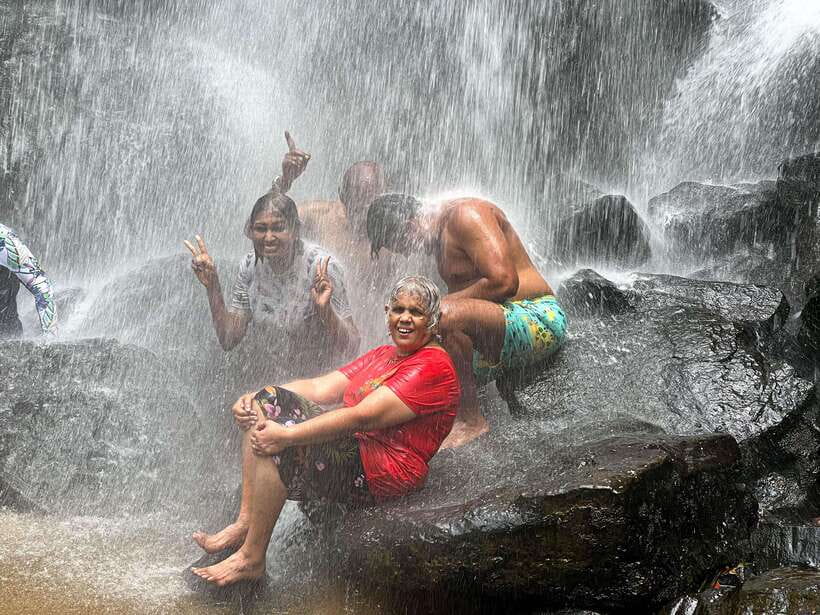
- Waterfall break with picnic: you get a local-style grilled lunch near the falls, plus time to cool off.
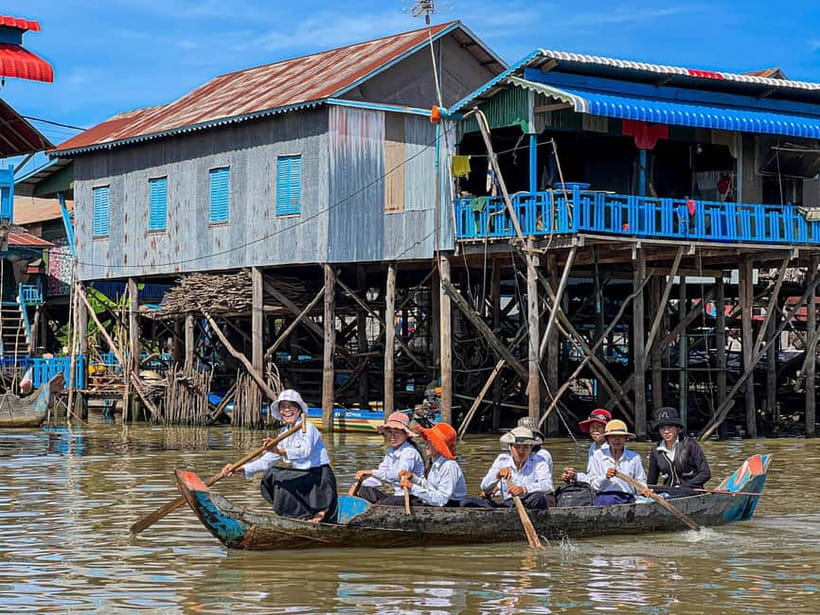
- Kampong Phluk by boat through mangroves: stilt houses, a monastery on an artificial island, and school life by the water.
- Tonle Sap sunset from the boat: the day ends with that classic floating-lake moment.
- Small group feel plus comfort: limited to 12 participants, with A/C transport, unlimited water, and cool towels.
Why Phnom Kulen and Kampong Phluk fit together so well
If you only have a day outside Siem Reap, this is one of the better combos because it flips the scenery. You start in countryside Cambodia—rice fields, palms, village lanes—then climb into Phnom Kulen’s sacred hilltop world. After that, you drop back down to water life at Kampong Phluk, where homes and daily routines are built around the flooded Tonle Sap.
The best part is that the day doesn’t feel random. The morning is about Khmer-era religious places and meaning, and the afternoon is about how communities live with the lake. Even if you’re not a hardcore history person, the rhythm makes sense: temples, falls, then floating neighborhoods.
Also, the guide matters here. Multiple guides in this program (Seila, Mr Sam, Makara, Dara, August, Jan, Mony, Sa) are praised for pacing the day and making explanations clear in English. When the guide is good, the sites stop being just photos and start becoming stories you can actually follow.
If you're still narrowing it down, here are other tours in Siem Reap we've reviewed.
Pickup timing and the rural start in Siem Reap Province
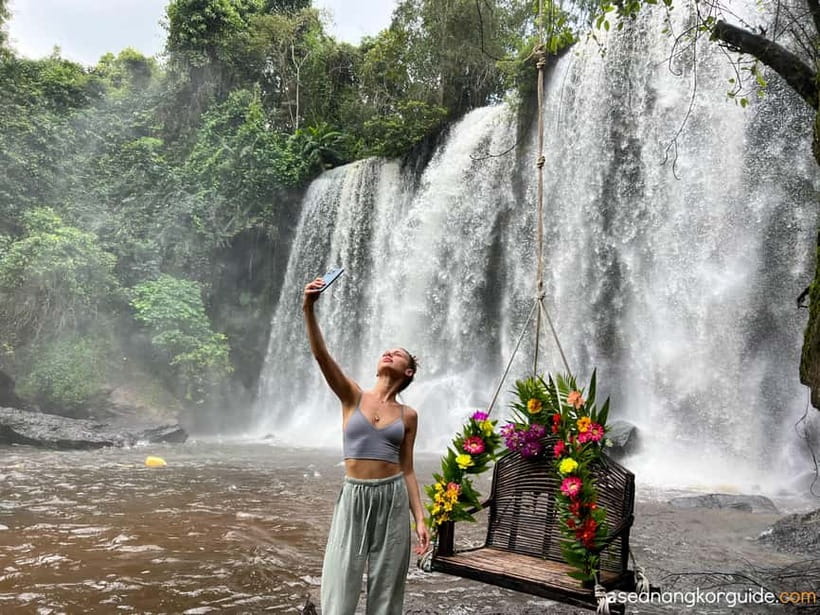
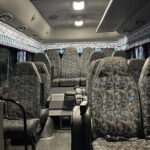
Expect pickup from your hotel between 8:00 AM and 8:30 AM. The transfer runs in an A/C minivan or bus, and you’ll be asked to wait about 10 minutes in the lobby so you don’t miss your guide holding the sign.
Right away, you’ll notice this isn’t a city-only tour. Along the drive, you pass through rural villages where everyday life is right out in the open. It’s one of those parts where you can either ignore it and just stare at the temples ahead… or let the day warm up with real context.
A big practical win: you get unlimited bottled water and cool towels during the excursion. In Cambodia heat, that makes the day feel more doable, especially with the walking and sun later.
Phum Preah Dak palm cake stop: the culture warm-up
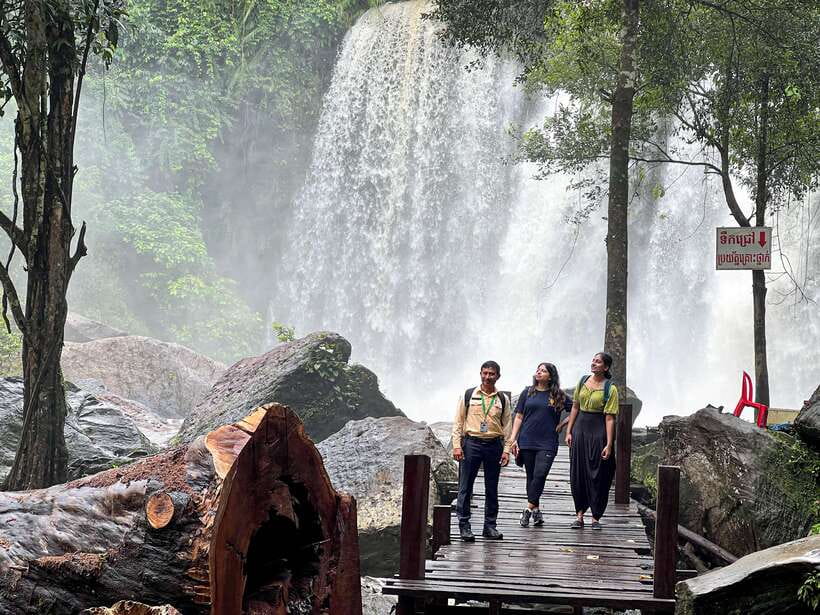
Before Phnom Kulen, there’s a stop at Phum Preah Dak, also called an authentic village stop. The schedule allows about 20 minutes here, which isn’t long enough to learn everything—but it’s enough to break the day into two phases.
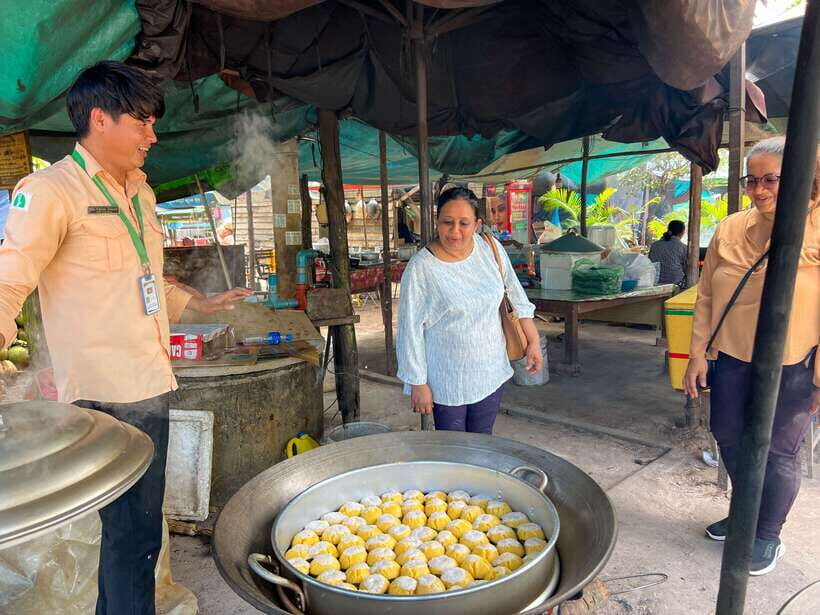
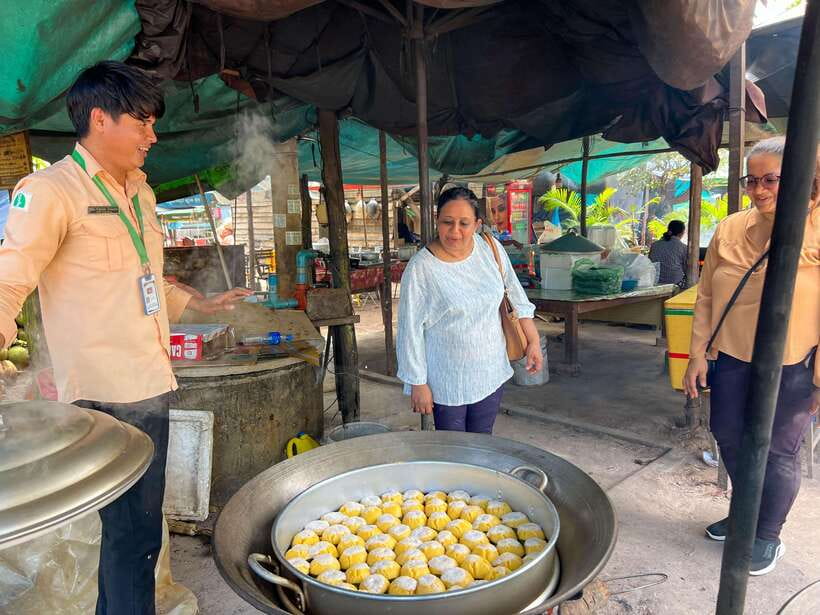
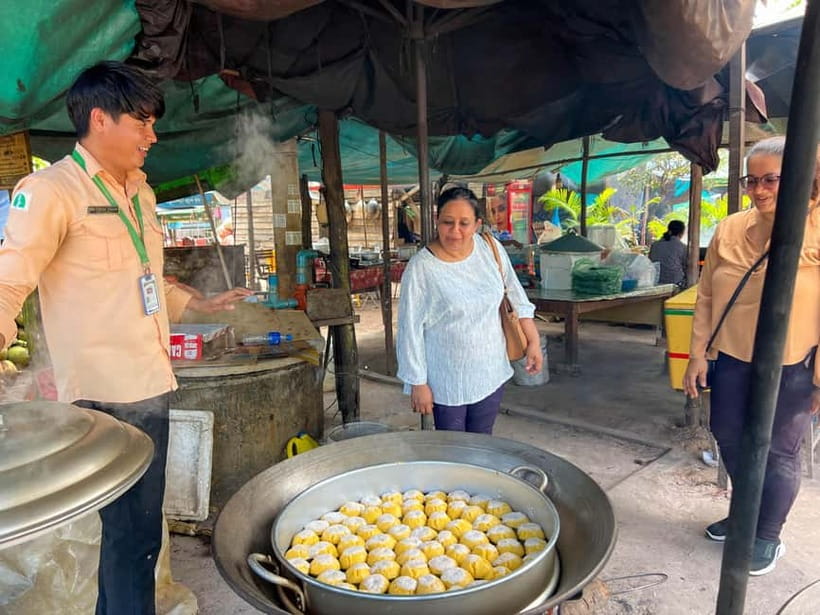
You’ll see palm products being made locally, with a chance to taste palm cake and learn about palm sugar production. This is the kind of short cultural stop that actually works because it connects to a basic Cambodian ingredient story: palms are everywhere here, and they’re part of village food, snacks, and daily economy.
If you like food or you enjoy seeing how something is made with simple tools, you’ll probably appreciate this more than another photo stop.
Phnom Kulen National Park: cliffs, temples, and sacred water
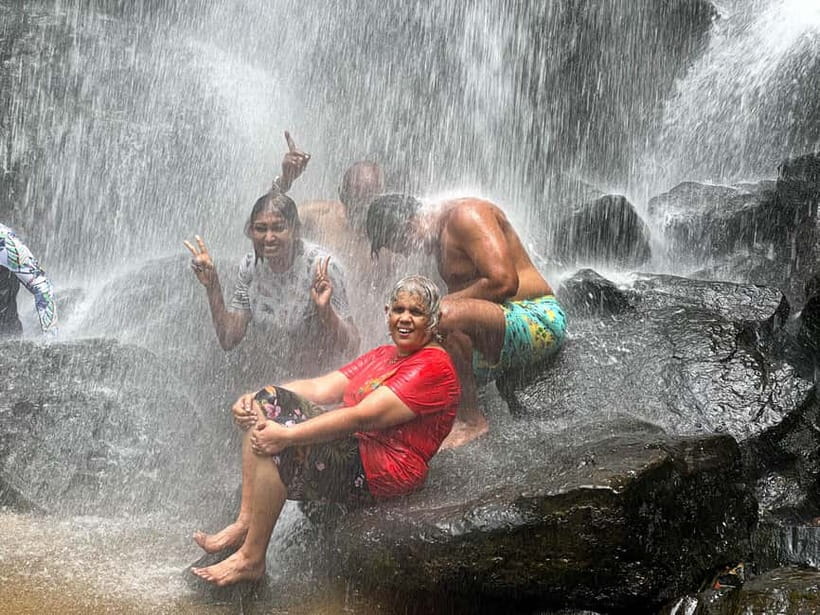
Once you reach Phnom Kulen National Park, the tour becomes a mix of viewpoints, walking, and major religious stops. The route is designed so you don’t just park in one place—you move through several standout areas.
Poeng Ta Kho (Amazing Cliff)
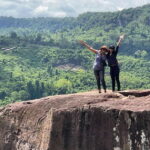
The first highlight in the park is Poeng Ta Kho, described as the Amazing Cliff. There’s a short walk (about 20 minutes) built into the stop, and it’s set up as a viewpoint moment.
This is where the day shifts from “drive and look” to “move and notice.” You’ll be outside, exposed to sun and wind, so sunglasses and a hat are worth it. If it’s a sunny day, you’ll get better photos sooner rather than later.

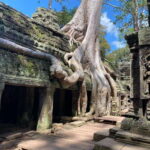
Wat Preah Ang Thom
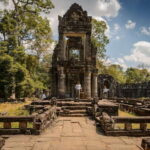
Next comes Wat Preah Ang Thom with a guided visit and a walk (about 45 minutes). This is one of the temple anchors of the day, and the guide’s explanations are what make it satisfying.
Look at small details when you’re there. Even if your Khmer religion vocabulary is limited, the guide usually frames what you’re seeing—why it matters, what the area symbolizes, and how the temple fits the wider Phnom Kulen story.
The 1000 Lingas on the river
Then you get to one of the most unique stops: the river of Thousand Linga—the 1000 Lingas area, tied to an older tradition and constructed in 802 AD. The walk here is about 30 minutes.
This stop is a reminder that temples aren’t always just stone structures. This one is connected to sacred river space and a ritual landscape you can feel even if you only understand part of the meaning. It’s one of the reasons this tour stands out from the usual “climb a hill and see one temple” outings.
Reclining Buddha, plus time to breathe at the waterfalls
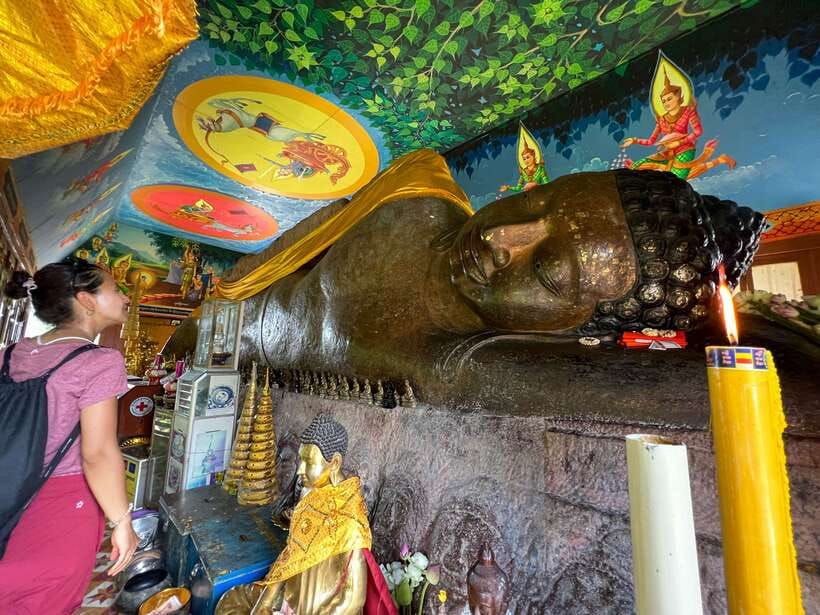
Phnom Kulen is also famous for its giant sculpture. You’ll have time for the vast reclining Buddha sculpture and then continue through the park’s major points with your guide.
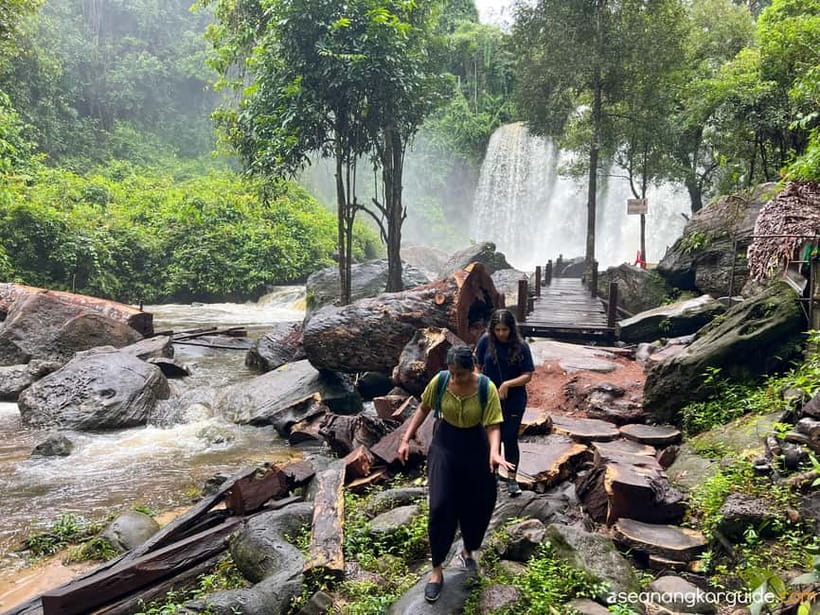
After the hilltop work, the tour breaks at the Kulen waterfall area. Plan on a proper reset here—heat, walking, and sun add up, and the schedule gives you a pause (about 1.5 hours total at the waterfall stop including break time, lunch/picnic, and guided elements).
Picnic lunch near the falls
Lunch is served as a picnic by the waterfall with local food. The tour includes grilled chicken plus seasonal fruits, and there’s also a vegetarian option if you request it ahead of time. Several guide-led day trips in this area are heavy on snacks; this one leans harder into an actual meal, and that matters on a day this long.
The setting is also practical. Food at the waterfall makes the timing feel less rushed because you’re already at the best “rest zone” of the day.
Cooling off in the water
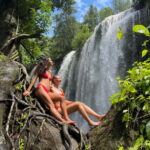
You may want a swimsuit or at least a towel because there’s time to shower or swim at the waterfall. Not everyone will do it, but having the option makes this stop more fun.
If you go in, keep it simple: short dip, quick rinse, towel drying, then back to walking. The cool-down helps you avoid the late-day slump when you’re about to board boats for Kampong Phluk.
The drive to Kampong Phluk: transitioning from hilltop to lake life
Once you’re done at Phnom Kulen’s waterfall area, you head back down. The schedule includes about 1.5 hours of bus/coach time before you reach Kampong Phluk.
This is where the tour’s themes really connect. Hilltop religion and river shrines in the morning lead into lake community life in the afternoon. You’re not just moving locations—you’re changing ecosystems, daily routines, and even how people build their homes.
Kampong Phluk Floating Village: boats, stilt houses, and an artificial-island monastery
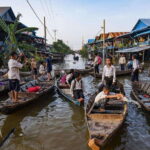
Kampong Phluk is the big afternoon payoff. You’ll visit the floating village and then take a local boat cruise (about 1.5 hours) through the flooded mangrove forest.
Mangrove forest cruise
The boat ride is where you see the system in action. Mangroves aren’t just scenery—they’re a whole ecosystem that supports life in and around Tonle Sap. On the water, it also becomes easier to understand why houses are on stilts and why daily life revolves around boats.
If you’re visiting during wetter conditions, you might see the boat pass through more tree cover and water channels. Even when it’s dry, the mangrove scenery still keeps this part from feeling like a basic village walk.
Stilt houses and daily life
You’ll also get to see stilt houses and learn how people live in a place that changes with water levels. This is one of the reasons people pick this tour instead of sticking to Angkor only—Kampong Phluk gives you a look at Cambodia beyond temple stone.
One thing I’d do: slow down for a minute at the school area. The stop includes time around community spaces, and it’s often the part that makes the day feel human, not just scenic.
Buddhist monastery on an artificial island
Another notable stop is a Buddhist monastery built on an artificial island. This fits perfectly into the day’s religious thread. You’re moving from Khmer sacred sites on land to religious space on the lake.
Expect guided commentary and a short visit. If you enjoy how different cultures adapt religious buildings to their environment, this monastery stop will feel especially relevant.
Tonle Sap sunset boat: the end of the day you’ll remember
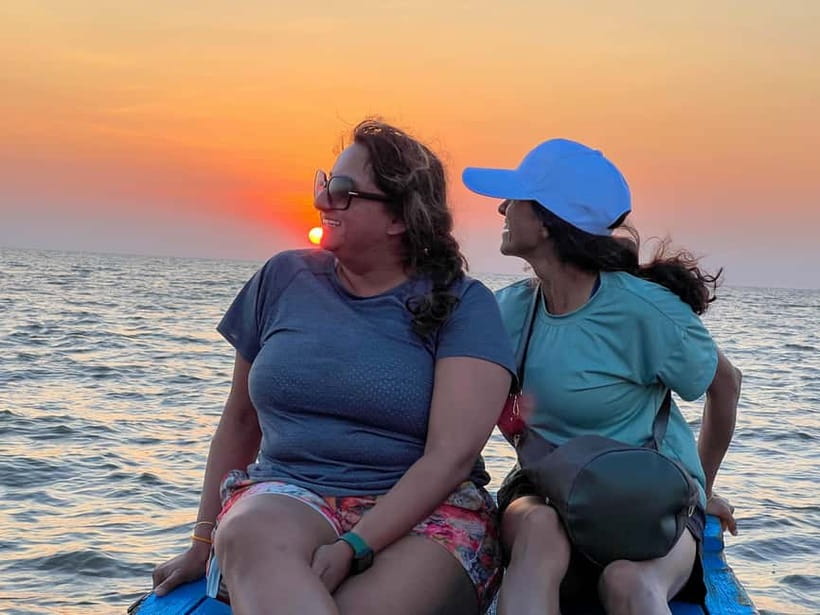
After Kampong Phluk, the tour adds another Tonlé Sap moment. You’ll do a boat cruise tied to sunset (about 30 minutes), which is when the lake tends to look its best.
This is also the easiest part of the day to enjoy, because you’re not doing long walks. You’re seated, water is moving, the light changes fast, and the guide can point out what you’re seeing.
If you’re taking photos, aim to adjust quickly. At sunset, you often only get a short window before the light drops, and you’ll want to capture more than just the boat outline.
Price and what you actually get for $49 (plus passes)
On paper, $49 per person sounds like a bargain for an 11-hour day covering two major areas. The value comes from packing in real experiences: rural village life, multiple Phnom Kulen temple stops, a waterfall picnic, then Kampong Phluk by boat with sunset on Tonle Sap.
But don’t forget the extra admissions:
- Kulen mountain pass: $20 per pax
- Tonle Sap pass plus shared boat: $15 per pax
That adds a meaningful chunk to the total cost, and it’s payable on the spot in cash (USD only). So budget for roughly $84–$89 all-in depending on how the pricing lines up with your final check-out.
Still, even with passes added, the day feels efficient because you’re not piecing together separate tours. You get a driver, English guide, transport, cold towels, bottled water, and a meal plan built around the day’s stops.
One more value detail: this tour limits size to 12 participants, which tends to make the experience feel more personal. You can ask questions and move at a pace that isn’t frantic.
Practical stuff that saves your day (and your phone battery)
What to bring
Bring:
- Sunglasses
- Sun hat
- Towel
- Sunscreen
- Insect repellent
- A swimming option if you want to cool off at the waterfall
That list isn’t for show. In this itinerary you’ll be exposed to sun on viewpoints and walking paths, and the waterfall stop can turn into real splashing.
What not to bring
The tour notes:
- No baby strollers
- No luggage or large bags
So travel light. If you’re used to day trips with a small backpack, you’ll be fine.
Expect walking and heat
Even though it’s a guided day, you’ll still do short walks at multiple stops (Poeng Ta Kho, 1000 Lingas, Wat Preah Ang Thom). The schedule is packed, so wear comfortable shoes and assume it will be warm.
The transport helps a lot. A/C and frequent cooling breaks mean you’re not just baking all day. The unlimited water and cool towels also get mentioned a lot in positive feedback, and that’s exactly what you’ll feel when the day heats up.
Who should book this Kulen + Kampong Phluk day trip
This is a strong match if you want more than temples in Siem Reap. You’ll like it if you enjoy:
- Day trips that mix history and everyday life
- Boat time on the lake (Tonle Sap and mangroves)
- Food experiences like palm cake tasting and a waterfall picnic
It’s also a good choice if you want a smaller group. The tour limits to 12 participants, and many people appreciate that the guide can keep the group together and explain without rushing.
Who might skip it
The data says the tour is not suitable for children under 10 and also not suitable for people over 70. If that age range includes you, I’d treat that as a serious signal to look for a different pace and different age-friendly alternative.
Should you book it?
Yes, if you’re looking for a single-day sampler that shows two sides of Cambodia: sacred hill religion at Phnom Kulen, and community life on Tonle Sap at Kampong Phluk. The biggest reasons to book are the English guide-led explanations, the waterfall picnic, and the boat-based experience that makes the lake feel real, not staged.
If you hate surprise costs, plan for the two cash-only passes up front. If you don’t want long walking or a long day, consider whether an 11-hour itinerary fits your energy.
FAQ
What time does the tour pickup start in Siem Reap?
Pickup is between 8:00 AM and 8:30 AM, and you should wait about 10 minutes in your hotel lobby. Your guide will be holding a sign with your last name.
How long is the tour, and when do you return?
The duration is about 11 hours. The tour typically finishes and returns to your hotel around 19:00.
What is included in the tour price?
The tour includes an English-speaking guide, A/C transportation, hotel pickup and drop-off, unlimited bottled water and cool towels, picnic lunch (with vegetarian option if requested in advance), plus seasonal fruits and palm cake tasting.
What entrance or pass fees are not included?
The Kulen mountain pass is $20 per person, and the Tonle Sap pass plus a shared boat is $15 per person. Admissions are purchased on the spot with cash in USD.
Is there a vegetarian lunch option?
Yes. Vegetarian lunch is available if you request it in advance.
Is there time to swim or shower at the waterfall?
There is a waterfall break, and the tour suggests bringing a towel or swimming suite if you want to shower or swim.
Do I need to bring cash?
Yes for admissions on the spot. The tour notes that tickets accept cash only (USD).
How big is the group?
The tour is limited to 12 participants for a more personal experience. Private or small groups may also be available.
What should I bring for the day?
Bring sunglasses, a sun hat, towel, sunscreen, and insect repellent. A swimming option is useful if you plan to use the waterfall time.