REVIEW · SIEM REAP
2 Days Temples with Sunrise-Small Group
Book on Viator →Operated by Tourme ANGKOR · Bookable on Viator
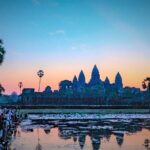
Sunrise at Angkor feels like time travel. This small-group two-day temple route is paced for real viewing time, with an English guide and a plan that helps you avoid the worst crush—so you can actually look up at the carvings. You’ll also get support between stops, including mineral water, and the kind of local storytelling that turns stone into something you can picture.
What I love most is the way the tour hits both the famous and the skillfully made lesser-known sites. Banteay Srei brings you face-to-face with famously detailed sandstone reliefs, and the guide’s explanations make it easier to spot what you’re seeing. My other big win is the sunrise run at Angkor Wat—pre-dawn entry gives you atmosphere instead of just crowds. The main drawback to plan for: the official $62 temple pass is not included in the $43 tour price.
In This Review
- Key Highlights at a Glance
- Two Days Temples with Sunrise-Small Group: The Real Value in the Plan
- How the Small-Group Pace Helps You Actually Look
- Day 1 Walkthrough: Pre Rup, Banteay Srei, Preah Khan, Neak Pean
- Day 2 Sunrise at Angkor Wat: Torch, Timing, and Quiet Power
- Ta Prohm, Terrace Views, and Bayon Faces
- Price and Logistics: What You Pay vs. What You Actually Get
- Practical Tips That Make This Tour Feel Easier
- Should You Book This 2 Days Temples Tour?
- FAQ
- What is included in the $43 per person tour price?
- What is the duration of the tour?
- What time does the tour start?
- Is hotel pickup and drop-off included?
- Do I need to pay for temple admissions?
- How much is the temple pass?
- Do I need a torch for sunrise at Angkor Wat?
- Are meals included?
- What dress code should I follow?
- How many people are in the group?
- What happens if the weather is poor?
Key Highlights at a Glance
- Small group cap (max 15) keeps the day from feeling like cattle herding
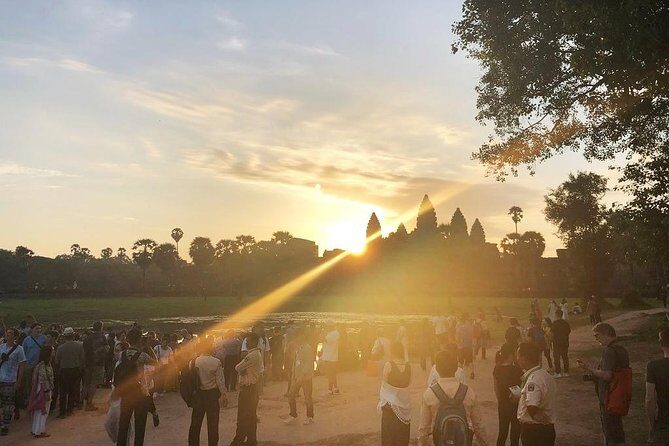
- Pre-dawn sunrise at Angkor Wat with a practical torch tip
- Banteay Srei’s carved sandstone is a standout stop for close looking
- Daylight temple mix: Pre Rup, Preah Khan, Neak Pean, Ta Prohm, Bayon
- Hotel pickup/drop-off and AC vehicle makes logistics easier in the heat
Two Days Temples with Sunrise-Small Group: The Real Value in the Plan
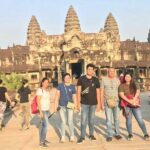
Siem Reap temple tours can feel either rushed or oddly repetitive. This one aims for a compact loop that still gives you enough time at each site to notice details, not just take photos and move on. With a maximum of 15 people, you’re less likely to feel swallowed by a big group, and your guide can keep things flowing without you getting lost in the shuffle.
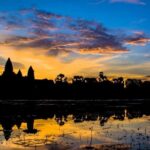
One thing I appreciate is how the day is structured around timing. Day 2 starts before sunrise at Angkor Wat, which matters because the temple looks completely different in low light. Day 1 then builds in contrast with outside-Angkor sights like Pre Rup and Banteay Srei, so you’re not doing the same “big gate, big view” routine all day.
And yes, it’s a guided tour, not a hop-on, hop-off bus. Your licensed English-speaking guide helps you connect the dots—temple purpose, styles, and what to watch for as you walk. In one review, people specifically praised guide Sok for temple knowledge and also credited a driver (named Mr. Water) for smooth support between stops, plus water and flannel between visits.
Other Angkor Wat sunrise tours we've reviewed in Siem Reap
How the Small-Group Pace Helps You Actually Look
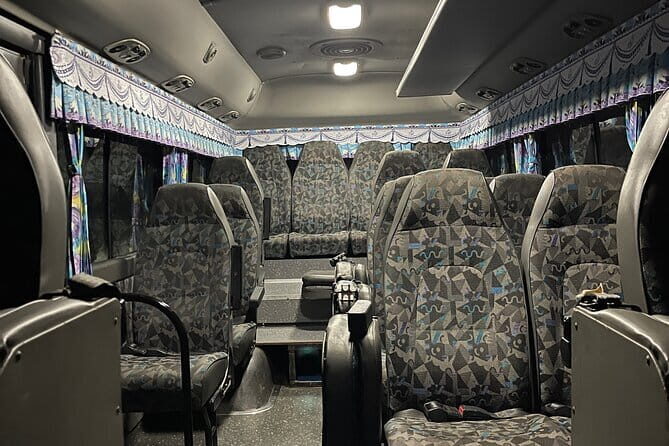
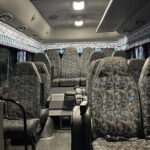
This tour runs with pickup and drop-off and an air-conditioned vehicle, which is a big deal when you’re in Cambodia heat and humidity. You’re not spending energy fighting logistics, and you can focus on walking, looking, and listening. The tour also includes mineral water and local tax, so you’re not constantly topping up basics.
The “avoid the crowd” idea is built into the routing. You’re still at famous sites—this is Angkor, after all—but the guide’s timing and order makes a difference. If you’ve ever been at a temple where you can’t see a carving because people block your view, you’ll like the way this plan tries to prevent that.
There’s also a practical side to the small group: questions. When you’re with a smaller crowd, you’re more likely to get quick answers about what you’re seeing. That’s where Sok’s temple explanations come in, based on the positive feedback you’ll see attached to this tour.
Day 1 Walkthrough: Pre Rup, Banteay Srei, Preah Khan, Neak Pean
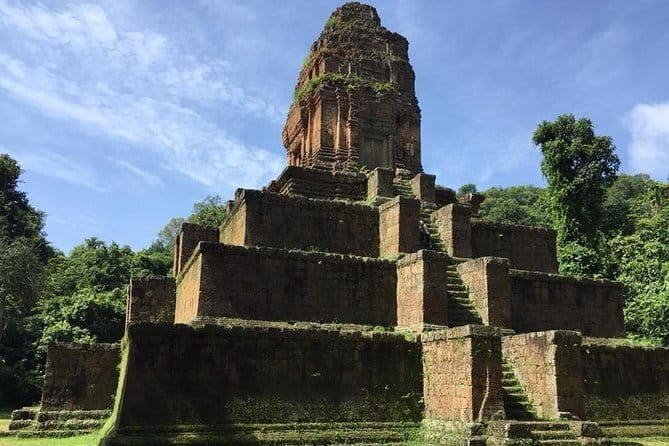
Day 1 starts with a classic Khmer site that sits outside Angkor Thom: Pre Rup. The plan positions it as the first stop on the circuit, which is smart. You’re fresh enough to appreciate the layered views and the site layout before fatigue kicks in. Pre Rup is described as a Hindu temple built as the state temple of Khmer king Rajendrav—so even before you reach the main structures, your guide can give you context for why the place was built.
At Pre Rup, admission is not included in the tour price, so you’ll want your temple pass situation sorted. The good news is that you’ll be doing official sites across both days, so you’re not duplicating ticket purchases. The main “drawback” at this stop is that it’s a walking and climbing style temple—comfortable shoes are a must.
Next comes one of the most satisfying stops in the whole schedule: Banteay Srei. This is a smaller sandstone temple, and it’s known for very fine, well-preserved relief work. The tour description calls its carvings some of the finest and most skillfully crafted in Cambodia. In real terms, it’s the kind of place where slow looking pays off: you can see how the stonework was planned, how details are layered, and how the scale of carvings feels different from bigger Angkor monuments.
In the itinerary, admission at Banteay Srei shows as free, which is a welcome surprise. Still, your overall temple pass rules apply to Angkor-area access, so don’t assume this alone replaces the official pass. The guide’s role here is to point out the motifs and help you read the relief panels instead of just walking past them.
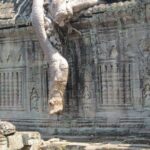
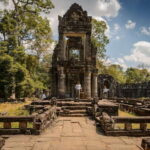
After that, the tour shifts into atmospheric ruins with Preah Khan. This one is described as ruined, but highly atmospheric—tree roots and crumbling stone create a different mood than the more polished temples. The site has a major backstory: it was commissioned by the great temple builder Jayavarman—so your guide can connect what you see to who built it and why the Khmer kings funded major religious projects.
Preah Khan’s challenge is simple: it’s not “pretty postcard” neat. You’ll be walking through a more uneven, less restored environment. That’s exactly why it’s worth it. The best moments here happen when you pause, look up, and let the place make its own story.
Then you finish the day at Neak Pean, described as an artificial island with a Buddhist temple on a circular island in Jayatataka Baray. This is the kind of stop that works well after the bigger structures of the day. It offers calmer spacing, and the setting helps you slow down. Admission is marked as not included for Neak Pean, so again, it’s tied to your temple pass.
Day 2 Sunrise at Angkor Wat: Torch, Timing, and Quiet Power
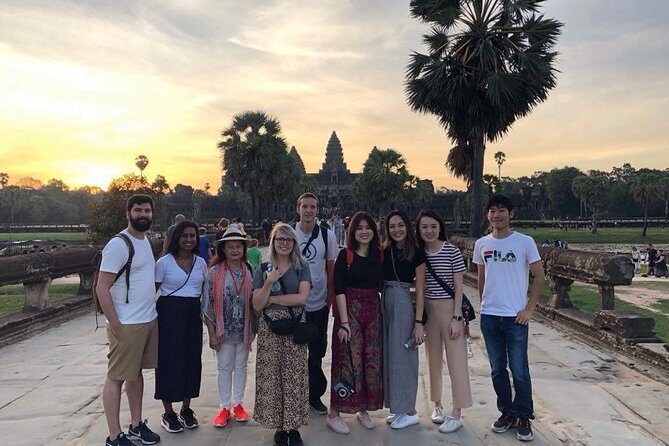
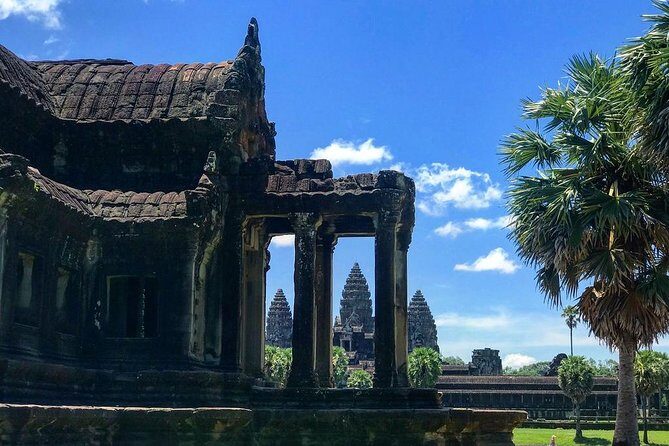
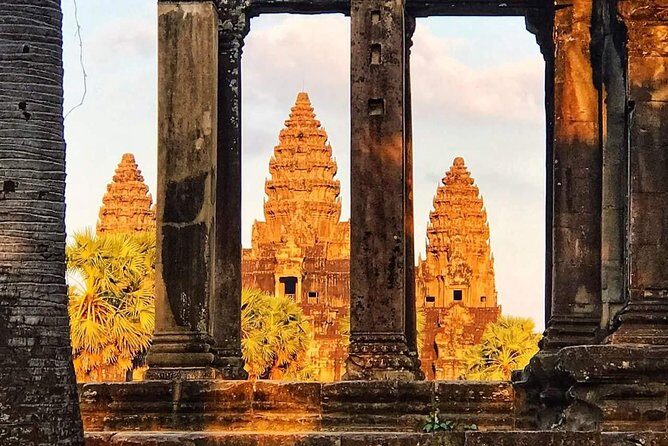
Day 2 is the headline: Angkor Wat at sunrise. The tour includes a pre-dawn departure from your hotel, so plan on an early wake-up and minimal morning delay. The itinerary explicitly tells you to bring a torch so you can enter in darkness from the little-visited eastern side. That detail matters. Getting your bearings in the dark with the right lighting helps you enjoy the moment instead of fumbling.
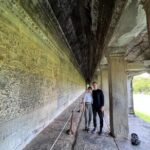
When you arrive early, Angkor Wat doesn’t feel like a theme park. It feels older, heavier, and more personal. The route is described as creeping along cloistered corridors in hoary light, so you’re not only seeing the famous towers—you’re getting the experience of moving through the temple before the crowd energy fully turns on.
Angkor Wat admission is not included in the tour price. That’s where your temple pass becomes essential. The tour also recommends you request a wake-up call at your hotel to make sure you don’t miss the tour. If your hotel offers a phone wake-up, use it. It’s one of those small planning steps that prevents a very expensive mistake.
After sunrise, the tour ends its morning with breakfast connected to Srah Srang. The itinerary notes breakfast at a Khmer local restaurant, with the option to take away from your hotel or order there. In other words, you won’t be scrambling at the last second to find breakfast in the dark. This is one place where the tour keeps things sensible.
Ta Prohm, Terrace Views, and Bayon Faces
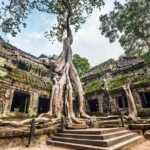
Post-breakfast, you shift gears toward the temples that people remember years later. The next stop is Ta Prohm, described as jungle-enveloped and one of the most atmospheric temples in Angkor. It also notes that it was once home to 2,740 monks. Walking through Ta Prohm, you get why that mattered. The roots, the stone, and the sense of something reclaimed by nature create a visual story you can’t get from images alone.
Admission for Ta Prohm is not included in the base tour price, so your temple pass will matter again here. The time on-site is set at about an hour, which is enough to walk the main paths, stop for photos, and still catch the main details.
Next comes a fast but useful pass-by: the Terrace of the Elephants and a mention of the Terrace of the Leper King. Even though it’s short, this stop is valuable because those terraces are where you get a sense of the grand ceremonial design. It’s also a good reset point—brief enough that you’re not exhausted, but structured enough that you don’t just motor past it.
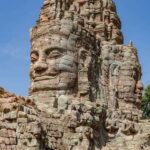
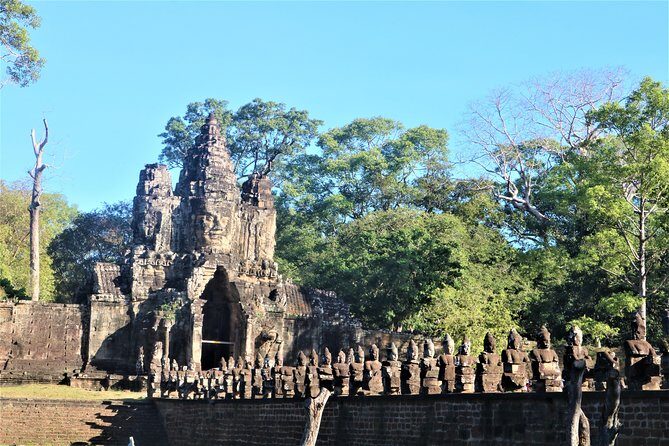
Then comes Bayon Temple, and this is where your “wow” factor kicks in. Bayon’s central towers are covered with more than 200 enormous faces. That’s not just a cool visual fact—it’s also a navigational guide for your attention. When you pause, you start to notice how the faces look different depending on your angle and movement through the temple layout. The itinerary sets aside about an hour for Bayon, which feels right because your brain needs time to process the scale.
Admission for Bayon is also not included in the base tour price, so make sure you’re not surprised by the pass payment day-of.
Other multi-temple archeological tours we've reviewed in Siem Reap


Price and Logistics: What You Pay vs. What You Actually Get
The tour price is $43 per person for two days, and it includes hotel pickup/drop-off, an air-conditioned vehicle, mineral water, and local tax. There’s also mention of a mobile ticket and group discounts. When you compare that to many larger tours that either hike the base price or hide key costs, this feels pretty straightforward.
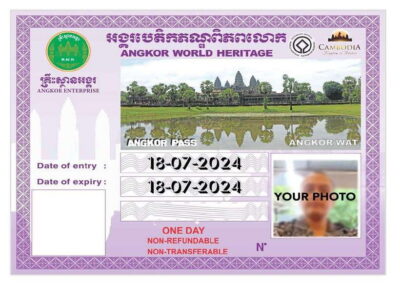
But here’s the part you must budget for: the temple pass is $62 (for a 2–3 day pass) and it’s payable on the day of your activity. The itinerary also shows that many major stops have admission not included, which means the pass is doing real work across your two-day schedule.
Meals are another cost factor. The tour includes breakfast, linked to Srah Srang, but it also says meal costs are not included. So you should plan for lunch and any extra snacks. Bringing your own water is fine, but you’ll already have mineral water provided.
If you like value, the main question isn’t just the dollar total—it’s how efficiently the tour uses your time. You’re hitting sunrise Angkor Wat plus major sites outside and inside the Angkor complex over two compact days, with transport and a real guide. For many people, that’s the difference between a frustrating “see everything” day and a satisfying “I remember this” experience.
Practical Tips That Make This Tour Feel Easier
The big logistics details are small, but they can save you stress.
Dress code: shoulders and knees must be covered inside temples. Casual clothes are fine as long as you follow the rule. If you forget and end up exposed, you might have to sit out or adjust quickly, which ruins momentum.
Shoes: comfortable walking shoes are recommended. Some temple surfaces are uneven, and there’s a mix of stairs and rough ground across the day.
Morning readiness: the tour specifically recommends a wake-up call so you don’t miss the sunrise departure. If you’re booking from a hotel that doesn’t handle early calls reliably, set your own alarm too.
Torch: bring a torch for the Angkor Wat sunrise entry. Even if you’re the type who thinks a phone light is enough, a real torch helps you move more smoothly and see details as you go.
And one more small comfort detail from the positive feedback: people mentioned water and flannel between stops. That kind of in-between support can be the difference between “fine” and “I’m ready for the next temple” in the heat.
Should You Book This 2 Days Temples Tour?
I’d book it if you want a tight two-day plan that still gives time to look closely, and you like the idea of sunrise at Angkor Wat rather than joining the mid-morning rush. The small group size and English-speaking guide (with Sok named specifically in feedback) are exactly what you want when you care about understanding what you’re seeing.
I’d think twice if you hate early mornings or you’re trying to keep costs ultra-low. The sunrise requires pre-dawn timing and a torch, and the temple pass ($62) plus meals not included can push your total higher than the headline $43.
If you’re okay with those trade-offs, this tour is a solid way to do Angkor without turning your days into a sprint.
FAQ
What is included in the $43 per person tour price?
The tour price includes hotel pickup and drop-off, an air-conditioned vehicle, licensed English-speaking tour guide, mineral water, and local tax. It also includes the 2 days visit with sunrise at Angkor Wat and other major temples, plus a mobile ticket.
What is the duration of the tour?
The duration is listed as 2 days (approx.).
What time does the tour start?
The start time is 8:00 am. On day 2, you’ll have a pre-dawn departure from your hotel for the sunrise at Angkor Wat.
Is hotel pickup and drop-off included?
Yes. The tour includes hotel pickup and drop-off.
Do I need to pay for temple admissions?
Yes. The temple pass is not included in the $43 price. You’ll pay an additional USD 62 for the 2–3 days temples pass on the day of the activity, and some site admissions are listed as not included in the itinerary.
How much is the temple pass?
The additional temple pass surcharge is USD 62 for 2–3 days.
Do I need a torch for sunrise at Angkor Wat?
Yes. The tour notes you should bring a torch for entering Angkor Wat in darkness.
Are meals included?
Breakfast is included on day 2 at Srah Srang, connected with a Khmer local restaurant (takeaway or order). Other meals are not included.
What dress code should I follow?
Casual dress is fine, but shoulders and knees must be covered inside temples.
How many people are in the group?
The tour has a maximum of 15 travelers.
What happens if the weather is poor?
The tour requires good weather. If it’s canceled due to poor weather, you’ll be offered a different date or a full refund.