REVIEW · SIEM REAP
Angkor Wat Sunrise and Tonle Sap Lake 1.5 Days
Book on Viator →Operated by Journey Cambodia · Bookable on Viator
Two days can still change how you see Cambodia. This trip strings together Angkor Wat at sunrise and the floating life of Tonle Sap with a guide who helps the stones and stories make sense, even when your schedule is tight. The early start is part of the magic, not a hassle.
I especially like the sunrise setup: a pre-dawn hotel pickup and a calmer entry into Angkor Wat from the eastern side while it’s dark and cool. I also like the way the tour stays human, not just temple-geeky. Mr Sokpee’s explanations connect carvings and layout to everyday Cambodian culture, not only dates and names.
One thing to plan around is cost and timing. The big temple pass is extra (USD 37 per person) and you’ll be up before 5 am, so comfortable sleep and budgeting matter.
In This Review
- Key highlights worth planning for
- Sunrise at Angkor Wat: why the 4:20 am start pays off
- The Angkor Wat experience you actually get in two days
- Angkor Thom South Gate and Bayon: big ideas, close up
- Terrace of the Elephants: the famous stops, plus a reason to slow down
- Ta Prohm: the temple that looks alive (and why it feels different)
- Price and value: what the USD 59 tour cost covers
- Day 2 in Siem Reap area: Rolous Market before the lake
- Kampong Phluk and Tonle Sap by boat: watching a lake adapt
- Guide style and group pacing: how the day feels
- What to wear and pack for temples and early mornings
- Who this tour fits best
- Should you book this Angkor Wat sunrise and Tonle Sap trip?
- FAQ
- What time does pickup start for the tour?
- Is the temple pass included in the price?
- What’s included for the Tonle Sap portion?
- Are meals included?
- What should I wear for the temple day?
- Do I get hotel pickup and drop-off?
- How big is the group?
- Is the tour suitable for kids?
Key highlights worth planning for
- Early access to Angkor Wat sunrise with a pre-dawn hotel pickup
- A full Angkor Thom circuit: South Gate, Bayon, and major terraces
- Atmospheric Ta Prohm where roots and ruins share the frame
- Tonle Sap by boat at Kampong Phluk, plus entrance fees included
- Small group size (max 10) with air-conditioned transport
- Dress code for temples: knees and shoulders covered
Sunrise at Angkor Wat: why the 4:20 am start pays off
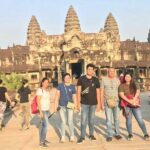
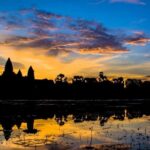
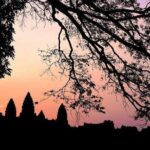
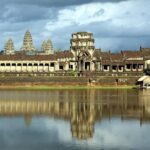
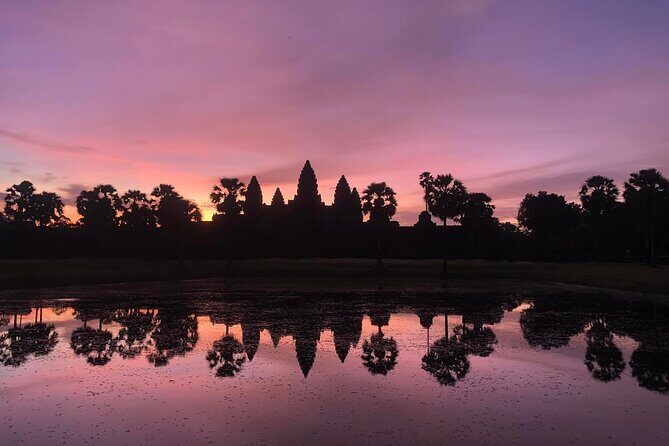
You start with a pre-dawn departure, typically around 4:10 to 4:30 am, and the day begins from your hotel. The whole point is simple: Angkor Wat is a showstopper even in daylight, but sunrise is when the place feels cinematic and alive without the heavy crowds.
You’ll enter Angkor Wat early, and you’re guided through the experience starting from a less busy side—coming in from the eastern approach. That detail matters. It helps you get your bearings fast and avoids the feeling of being one more body shuffled into the same flow.
If you haven’t done many dawn temple visits, here’s how to think about it: sunrise isn’t just for photos. It’s for the shift in mood. The stone changes tone, shadows stretch, and the scale becomes easier to grasp when the world is quiet.
Practical tip: bring a light layer. Even in Cambodia, pre-sunrise can feel chilly, and the walking starts before you’re fully awake.
Other Angkor Wat sunrise tours we've reviewed in Siem Reap
The Angkor Wat experience you actually get in two days
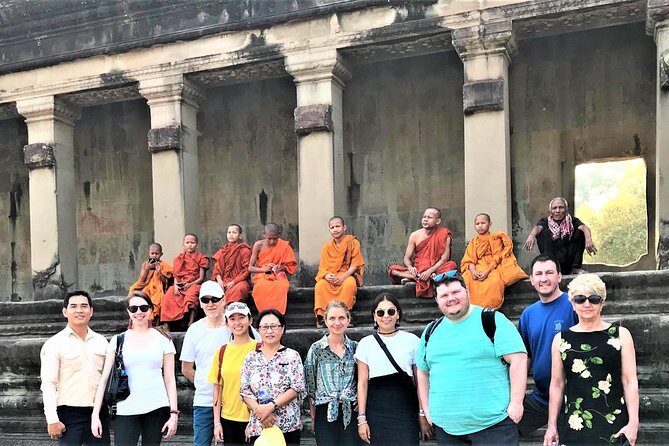
This tour is built for people who want the highlights without doing the “temple marathon.” You’ll spend about 3 hours at Angkor Wat, which is long enough to see key areas and still move on when you’ll be tired later.
The temple pass isn’t included in the price you pay for the tour. That means you should mentally separate two budgets: the tour cost and the temple admission you’ll pay directly on the day of your activity. More on money in a moment, but it’s worth flagging early because it affects how you plan your total spend.
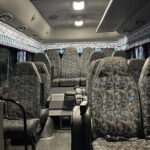
Another good sign for value: you’re traveling by air-conditioned vehicle with hotel pickup and drop-off. That’s not glamorous, but it’s practical in Siem Reap. It reduces stress and keeps your morning from feeling like logistics class.
Angkor Thom South Gate and Bayon: big ideas, close up
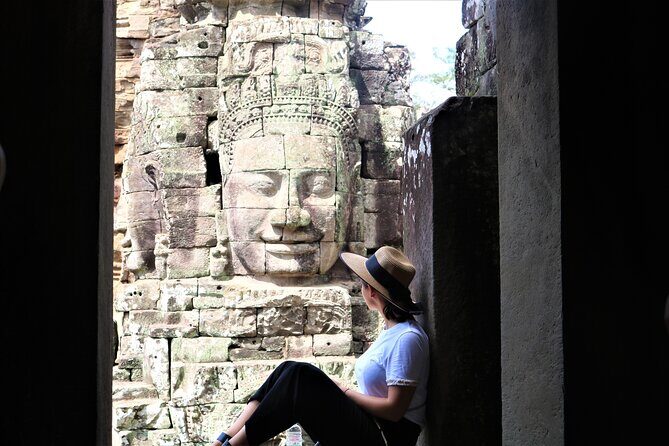
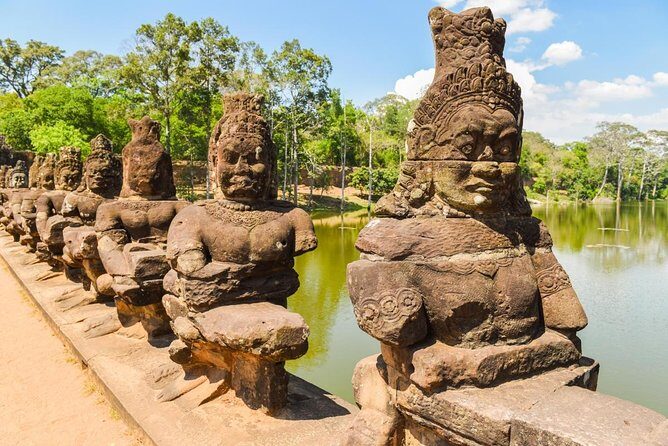
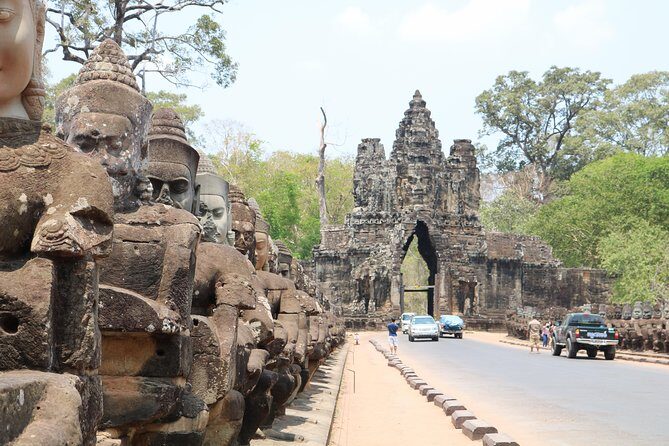
After sunrise, you move into Angkor Thom, the ancient walled city that served as the Khmer Empire’s capital. The first stop is the South Gate, where the sheer size of the structures hits you before you even start reading the details. This is where you understand Angkor isn’t a single temple. It’s an entire planned world.
You’ll have about 30 minutes here. That’s not long, but it’s enough for a careful walk, quick photos, and a moment to look for the visual logic: gateways funnel movement, and the city design frames what you’ll see next.
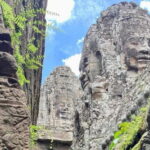
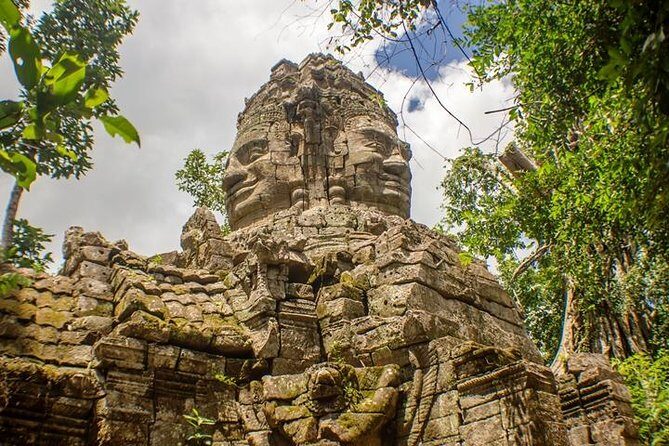
Then it’s onward to Angkor Thom and Bayon, with about 1 hour 30 minutes. Bayon is the part most people remember—the stone faces and the layered view from different angles. This is also where a good guide earns their keep. The guide’s job isn’t to recite facts. It’s to point out what you’re looking at and why it’s arranged that way.
A small timing note: you’re moving through multiple major sites back to back. If you want long sits on stone steps, you’ll have to get them between stops.
Terrace of the Elephants: the famous stops, plus a reason to slow down
The circuit continues with the Terrace of the Elephants and a pass-by of the Terrace of the Leper King. The tour schedules about 2 hours for this portion, which is one of the longer blocks in the Angkor day.
Here’s why it’s worth not rushing. Terraces are where you see how Angkor communicated through sculpture. Even if you don’t know a ton of Khmer temple vocabulary, you can still follow the story with your eyes—figures in rows, repeated motifs, and the way the reliefs wrap the space.
You’ll likely feel the classic Angkor mix here: awe plus confusion. The guide helps you make sense of what you’re seeing, and that’s a big reason the tour earns such high satisfaction.
Comfort tip: terraces mean uneven footing and stairs. Wear shoes you trust. This is where blister-proof matters more than fashion.
Ta Prohm: the temple that looks alive (and why it feels different)
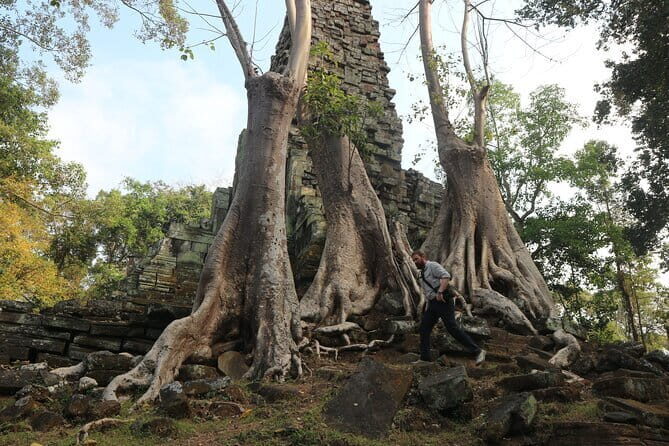
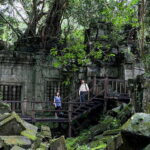
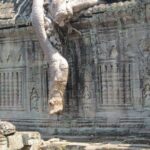
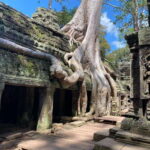
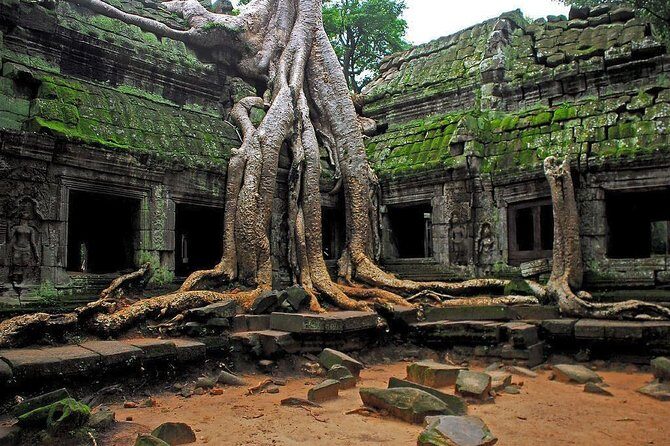
Next up is Ta Prohm, scheduled for about 1 hour. It’s one of the most atmospheric temples because of how the structures and tree roots share the same space. You can see why it’s been a favorite subject for photographers and filmmakers.
The guide framing helps a lot here. You’ll hear how the site functioned in the past, including the note that Ta Prohm was once home to 2,740 monks. That context turns the ruins from scenery into a place where real daily life used to happen.
One possible drawback: because Ta Prohm is famous, it can attract photo-focused visitors. The best way to keep your experience enjoyable is to keep moving at a steady pace. Let the roots pull you in, then step away and take a breath. That rhythm makes the time feel longer than it really is.
Other Angkor Wat temple tours we've reviewed in Siem Reap

Price and value: what the USD 59 tour cost covers
The tour price is listed at USD 59 per person, but the real value is in what’s included. You get a licensed English-speaking guide, air-conditioned transport, hotel pickup and drop-off, and mineral water. You also get the Tonle Sap portion with entrance fee and a boat cruise included.
The part you pay separately is the temple admission: USD 37 per person for the temple pass, payable on the day. When you total it up, you should budget for both the tour and the temple entry. If you already planned to visit Angkor Wat and you would still need transportation and a guide anyway, this structure can feel like a bargain rather than a gamble.
Also consider timing value. With a two-day format, you’re skipping the headache of figuring out early-entry timing, routes, and where to start. That saves energy, and in Siem Reap, energy is the currency that keeps your trip fun instead of frantic.
Group size is another value lever. The group is limited to max 10 travelers. That keeps the experience from feeling like a cattle system, especially when you’re trying to hear explanations at quiet spots.
Day 2 in Siem Reap area: Rolous Market before the lake
Day two starts with pickup from your hotel and a drive through small communities. You stop at Rolous Market, with about 20 minutes to look around and take photos. This is your calmer morning interlude before the Tonle Sap portion takes over.
Even though it’s short, this stop gives you a contrast to the temple day. Angkor can feel like a time capsule. A market stop reminds you this region is living right now, not only “historical.”
You might enjoy this day more if you’re comfortable with quick glimpses rather than slow wandering. If you’re hoping for a long market stroll, you’ll probably want to schedule extra time on your own.
Kampong Phluk and Tonle Sap by boat: watching a lake adapt
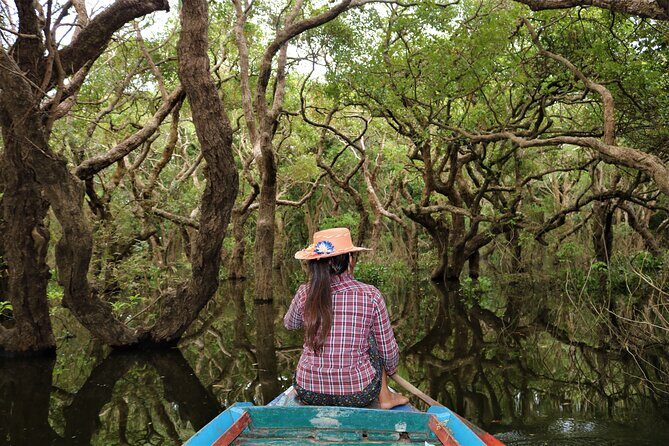
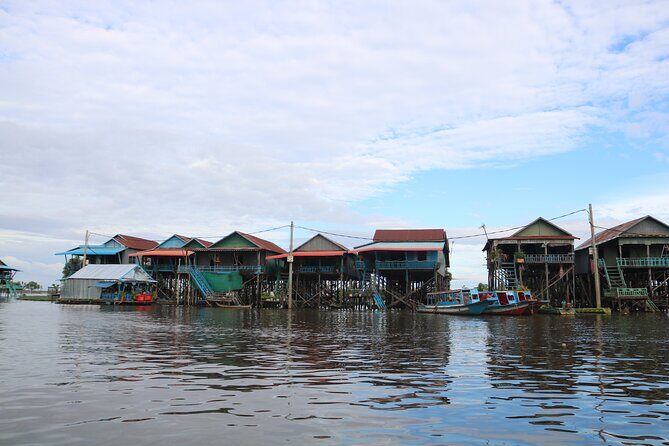
Then the tour shifts to Kampong Phluk, on Tonle Sap Lake. Tonle Sap is special because it changes size with the seasons. In the wet season, the lake swells to about 12,000 km², then shrinks to around 2,500 km² in the dry half of the year.
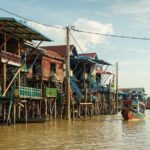
That seasonal change matters for what you see. At Kampong Phluk, the lake isn’t background scenery—it shapes daily life. The tour includes Tonle Sap entrance fee and a boat cruise, which is the right way to experience the floating village. You can’t get the same sense of movement from the shore.
The scheduled time here is about 3 hours, which is enough for the boat ride plus time on the ground to notice how homes and paths connect to the water.
Practical tip: boat time can mean sun and shade swapping fast. Bring something you’re comfortable wearing for sun, and plan to wipe sweat off your lens if you’re photographing.
Guide style and group pacing: how the day feels
This is a guided tour with a licensed English-speaking guide and a group limit of 10 travelers. In practice, that means you get structure without losing your own pace entirely.
I like tours where the guide explains what to look for, especially at Angkor. Mr Sokpee’s style from the past experience shared by others is exactly what you’d want here: help interpreting the carvings and the cultural meaning, not only pointing at stones.
Pacing is a real factor on a short trip. You’ll move through five major Angkor stops on day one, then a market and lake activity on day two. The upside is that you hit the best-known highlights fast. The downside is that you can’t treat this like a slow study session. If you’re the type who wants to linger for an hour in one temple hall, you may feel rushed.
What to wear and pack for temples and early mornings
For the temples portion, there’s a clear dress code: cover your knees and shoulders. Plan for that even if it’s hot. A light long skirt or breathable long pants helps, and a simple scarf can solve the shoulder issue fast.
Comfortable walking shoes are recommended, and you’ll want them. Angkor’s surfaces are not always forgiving, and terrace stairs add up quickly.
What’s included: mineral water. What’s not included: meals. You’ll need to sort lunch and any snacks on your own, so pick a plan that fits your walking stamina after sunrise.
Who this tour fits best
This is a strong fit if you:
- have limited time in Siem Reap and want top sights in one package
- prefer guided navigation over renting a car and figuring routes
- like a mix of major monuments and real-life community moments (market and lake)
It might not be ideal if you:
- want lots of free time at a single temple
- don’t do well with pre-dawn starts
- dislike having to pay an additional temple pass on the day
It’s also not for very young kids. Children must be accompanied, and under 5 years old aren’t allowed.
Should you book this Angkor Wat sunrise and Tonle Sap trip?
If your goal is to see Angkor’s biggest hits and still experience something different on day two, this is an easy yes. The combination is practical: sunrise at Angkor Wat, a guided Angkor Thom circuit, then a real change of scenery at Kampong Phluk with a boat cruise.
Book it if you’re okay with a separate USD 37 temple pass and you can handle the early pickup. Skip it if you want a slower, more customized Angkor day where you choose how long to stay at each temple.
With a 4.9 rating and a strong guide-focused reputation, the main thing you’re paying for is structure: transport, timing, and someone to help the sights make sense.
FAQ
What time does pickup start for the tour?
Pickup starts around 4:20 am. The Angkor Wat sunrise departure is typically between 4:10 and 4:30 am, depending on the time of year.
Is the temple pass included in the price?
No. The temples pass is not included and costs USD 37 per person, paid directly on the day of the activity.
What’s included for the Tonle Sap portion?
Your Tonle Sap entrance fee and boat cruise are included, along with the Kampong Phluk fishing village visit.
Are meals included?
No. Meals are not included, and you’ll choose where and what to eat on your own.
What should I wear for the temple day?
You need to cover knees and shoulders during the temples portion. Comfortable walking shoes are also recommended.
Do I get hotel pickup and drop-off?
Yes. Hotel pickup and drop-off are included, and you travel by air-conditioned vehicle.
How big is the group?
The tour has a maximum group size of 10 travelers.
Is the tour suitable for kids?
Children must be accompanied by an adult, and children younger than 5 years old are not allowed.