REVIEW · SIEM REAP
Private sunrise tour to Angkor Wat & other highlights with Professional Guide.
Book on Viator →Operated by Around Cambodia Travel · Bookable on Viator
Sunrise at Angkor is magic. This private morning-to-midday plan lets you see Angkor Wat when the light turns gold, then keep moving through big-name temples with a guide who helps you skip the crowds. I loved the calm start and the clear, human stories from guides like Nak and Lux (both praised for excellent English and cracking jokes when it helps). One thing to factor in: you’ll still need to buy the temple pass separately, and sunrise photos depend a lot on the sky.
You also get the practical stuff done for you: pickup, a private air-conditioned car, bottled water, and cool towels to reset after walking. The day runs about 6 to 7 hours, so you aren’t stuck on a half-day loop that feels rushed or a full-day plan that drains you.
If you’re short on time in Siem Reap, this is one of the more efficient ways to hit the highlights without turning every stop into a sweaty lottery.
In This Review
- Key things I’d zero in on before you go
- Sunrise at Angkor Wat: why this time slot matters
- Price and value: $65 plus the Angkor temple pass
- How the private pickup and AC car change your day
- Stop 1: Angkor Wat at sunrise (tickets, then the temple walk)
- Stop 2: Srah Srang for breakfast (a calm pause before the next temples)
- Stop 3: Ta Prohm early (the movie-famous jungle temple)
- Stop 4: Ta Nei for quiet time (peaceful, hidden-in-the-woods vibes)
- Stop 5: Angkor Thom South Gate quick check (brief but meaningful)
- Stop 6: Bayon Temple (the faces and the puzzle pieces)
- Return to Siem Reap: shopping or back to the hotel
- What the guide experience should feel like
- Who this private sunrise tour is perfect for
- Should you book this sunrise Angkor Wat private tour?
- FAQ
- What is included in the tour price?
- What is not included in the price?
- How long does the tour last?
- Do I get hotel pickup?
- Is this a private tour?
- Which temples are included?
- How does the sunrise visit work?
- What if I need to cancel?
Key things I’d zero in on before you go
- Sunrise entry flow at Angkor Wat so you’re inside when the sky shifts
- Private itinerary for crowd control, not a one-size-fits-all route
- Temple-to-temple pacing with real breathing room at the right moments
- Srah Srang breakfast break to keep energy steady before the next temples
- Quiet detour to Ta Nei when the complex starts feeling calmer
- English-speaking guide who connects what you see to Khmer-era meaning
Sunrise at Angkor Wat: why this time slot matters
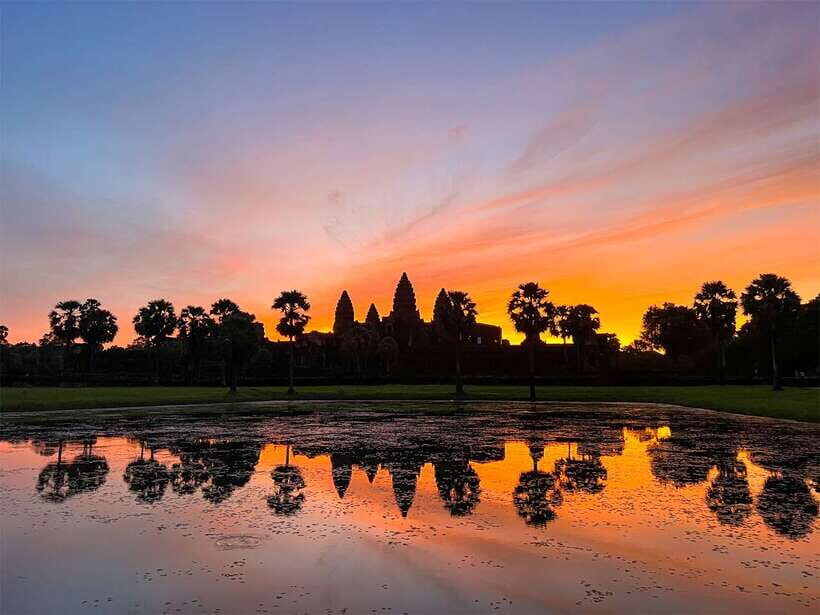
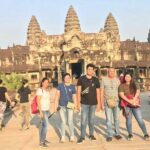
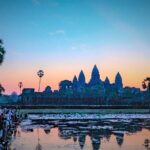
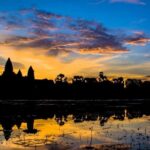
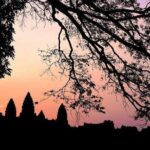
Angkor Wat is the headline, and sunrise is the whole point. You’ll start with temple tickets first, then walk in for the early light. That timing changes everything: the crowd density is lower, the colors look softer, and the temples feel more like a place you’re stepping into rather than a backdrop you’re rushing past.
I like how this tour is built around the rhythm of the site. You’re not treated like a spectator with a checklist. Instead, you’re guided through the key visual angles in the right order so you can actually understand what you’re looking at—especially around the main temple during the best light.
One practical note: sunrise depends on weather. If the sky is cloudy or smoky, your photo expectations should be flexible. You’ll still get the history and architecture, but the wow-factor of sunrise lighting is less predictable than people assume.
Other Angkor Wat sunrise tours we've reviewed in Siem Reap
Price and value: $65 plus the Angkor temple pass
The tour itself is $65 per person, with a typical booking lead time of around 32 days. That’s not a small detail—sunrise slots can fill, especially if you want a smooth start with your preferred pickup window.
Here’s the math that matters: temple admission is not included. The temple pass is listed as $37 per person. So you should budget about $102 total per person for the full experience.
What makes the value work is that the $65 covers the things that usually cost you time or headaches:
- pickup and a private AC vehicle
- an English-speaking guide
- bottled water and cool towels
- the routing so you’re not spending the morning figuring out logistics
If you’re comfortable navigating on your own, you could skip the guide cost. But if you want to understand what you’re seeing while staying efficient, the guide+transport package is the point of paying.
How the private pickup and AC car change your day

This is set up as a private experience, meaning it’s only your group, not a big bus shuffle. Hotel pickup is included, and you ride in a private air-conditioned car with a driver and petrol taken care of.
That matters at Angkor because the mornings start early and the ground is hot. Even if you’re the type who enjoys walking, the car means you’re conserving energy for the temple hours, not burning it on transit and waiting.
Also, the tour timing is designed to fit your day without feeling like you’ve vanished into a long maze. You’ll spend a good chunk of time on foot at the temples, then hop back into the vehicle to reset and move to the next stop.
Stop 1: Angkor Wat at sunrise (tickets, then the temple walk)
You’ll pick up the rest of your group (if applicable for timing), then head out to get the temple tickets before you enter the complex for sunrise.
That ticket-first step is more than a small convenience. It helps the sunrise schedule stay intact. Once you’re inside, the focus stays on being in the right place for the light and following your guide’s explanations instead of losing time at the entrance.
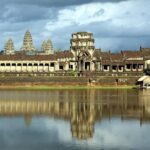
Expect this to be the biggest visual moment of the day. You’ll look at the layout, the stone features, and the way the temple is designed to guide your attention. A good guide makes those details click fast, and both Nak and Lux were singled out in particular for strong English and story-telling that’s funny when it can be.
Stop 2: Srah Srang for breakfast (a calm pause before the next temples)

After Angkor Wat, there’s a break at Srah Srang. Plan on about 30 to 45 minutes for breakfast here.
This stop works because it’s timed right. You’ve walked during the best hours of the day, then you get food and a breather before you head into more temples and more stone steps.
Srah Srang also gives a different feel from the main complex. It’s a useful reset point: you can regroup, recharge, and then continue with better energy rather than just pushing through the afternoon.
Other Angkor Wat temple tours we've reviewed in Siem Reap
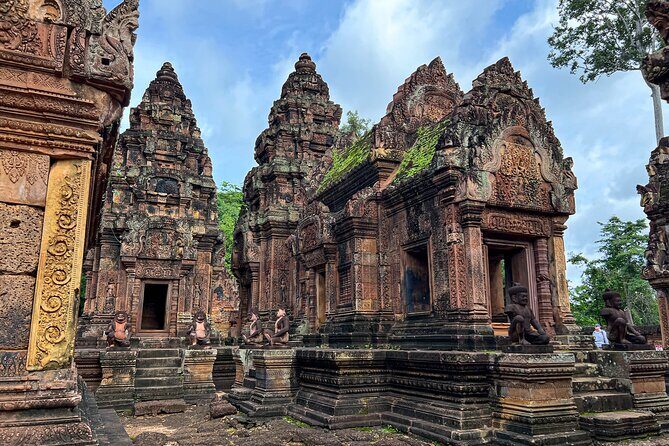
Stop 3: Ta Prohm early (the movie-famous jungle temple)
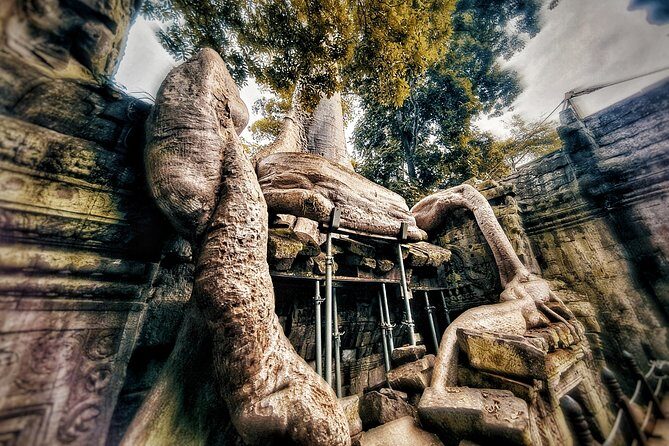
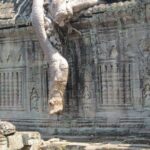
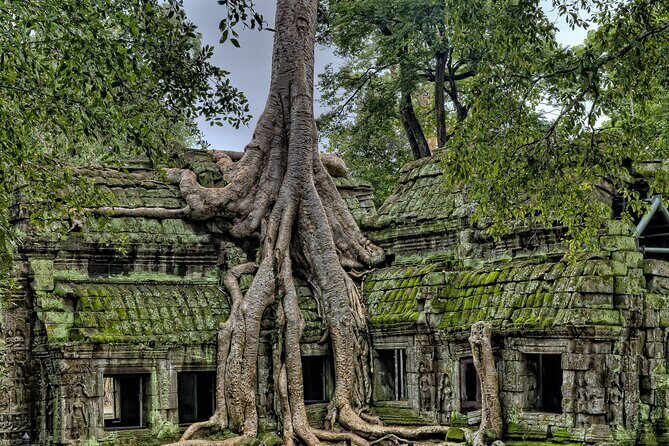
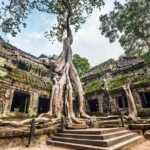
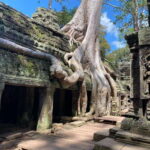
Next up is Ta Prohm Temple, the one many people recognize from film fame. The advantage here is timing: you go early enough that the crowds are generally lighter, which makes the place feel more immersive and less like a moving queue.
You’ll spend about 1 hour at Ta Prohm. That’s enough time to walk the key areas, notice how trees and roots interact with the stone, and get your bearings so it doesn’t become random wandering.
A drawback to keep in mind: Ta Prohm can feel visually busy. With the guide, you’ll get the “what am I looking at and why does it matter” answers that are easy to miss when you’re self-guiding.
Stop 4: Ta Nei for quiet time (peaceful, hidden-in-the-woods vibes)
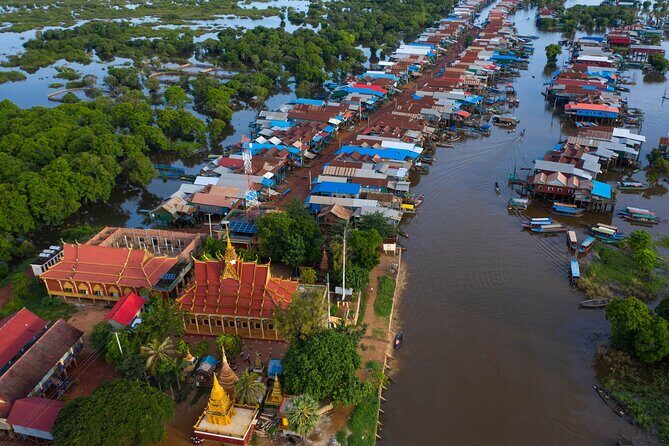
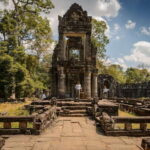
After Ta Prohm, the route shifts to Ta Nei Temple, one of the quieter stops on this plan. It’s described as a jungle temple hidden in the wood, and that alone is the reason I’d want it on my itinerary.
You’ll have about 45 minutes here. That time is gold because it’s not just another “famous ruin.” It’s a slower, calmer visit where you can actually look around without feeling rushed by the next tour group.
If you like contrast—big iconic temple energy in the morning, then a quieter, more reflective atmosphere later—Ta Nei is the mid-day palate cleanser.
Stop 5: Angkor Thom South Gate quick check (brief but meaningful)
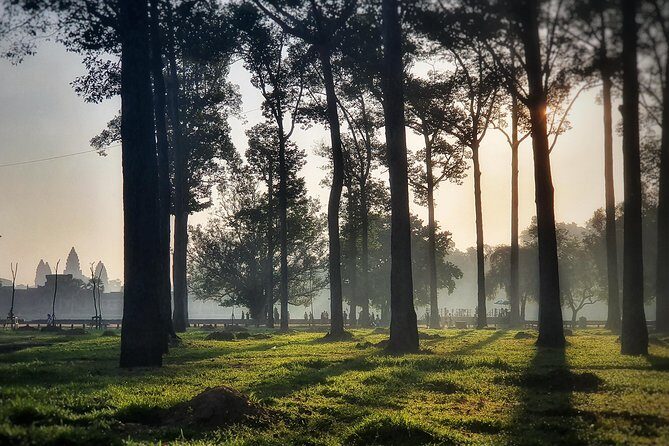
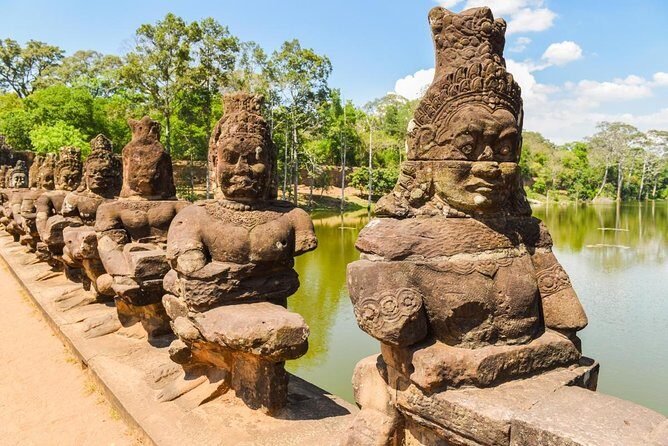
At around 10 minutes, you’ll see Angkor Thom South Gate.
This isn’t a long stop, but it’s still useful. Gates and city entrances help you understand the bigger layout of Angkor Thom as a whole, not just the single temples everyone posts online.
Think of it as the “map moment.” Even a short visit can help you connect what you saw at Angkor Wat and Ta Prohm to the larger city structure.
Stop 6: Bayon Temple (the faces and the puzzle pieces)
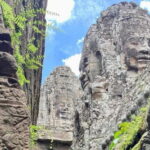
Then you move to Bayon Temple, with about 1 hour here.
Bayon is the kind of site where details can get overwhelming—especially if you’re just moving from photo spot to photo spot. With a guide, you can focus on what stands out, what it represents in Khmer-era meaning, and how the temple’s layout shapes your movement.
This stop also benefits from the earlier start of the day. After the sunrise at Angkor Wat and the morning temple circuit, Bayon lands as a strong “wrap-up” temple that ties the whole day together visually.
Return to Siem Reap: shopping or back to the hotel
After Bayon, you head back to Siem Reap town. There’s roughly 30 minutes built in, and you may have an option to stop by a local handicraft shop for shopping.
If your plan is to rest, this return segment is your chance. It’s also when you’ll decide if you want souvenirs now or later. With the driver and guide handling the day’s flow, you’re free to choose rest versus browsing.
What the guide experience should feel like
This tour lives or dies on the guide. The good sign here is the recurring praise for English skills and personality. Guides mentioned in feedback include Nak and Lux, both described as professional, friendly, and able to tailor the day to what someone actually cares about.
What that means for you in plain terms:
- You’ll get explanations that help the stone and symbols make sense faster.
- You won’t have to stop and Google what you’re seeing.
- You’ll likely move with better timing, since the guide is steering the route.
Even if you’re not chasing every detail, the guide helps you avoid the common problem at Angkor: seeing a lot but remembering little.
Who this private sunrise tour is perfect for
You’ll get the best match if you:
- want the Angkor Wat sunrise experience without wrestling with logistics
- prefer a private route that adapts to your group instead of following a rigid bus schedule
- care about context (what you’re looking at and why it matters)
- want comfort between temple stops (AC car, water, cool towels)
It may be less ideal if:
- you’re on a tight budget and already plan to buy the temple pass and self-tour
- you don’t like early starts (sunrise means mornings are early by definition)
- you mainly want photos and don’t care about explanations (you could self-guide cheaper, but you’ll lose the “why”)
Should you book this sunrise Angkor Wat private tour?
I think it’s a strong booking if you value time, comfort, and understanding over pure self-guided wandering. The big win is the sunrise timing with a guided flow that keeps you moving through key temples without wasting hours.
If you’re okay paying the temple pass on top of the $65, you’ll come away with a full Angkor day that feels organized, not chaotic. And if English guidance matters to you, this is one of those setups where the guide can genuinely change what the ruins mean to you.
FAQ
What is included in the tour price?
The tour includes an air-conditioned vehicle with a car driver and petrol, an English-speaking tour guide, cool towels, and bottled water.
What is not included in the price?
Temple admission fees are not included. The temple pass is listed as $37.00 per person.
How long does the tour last?
The duration is about 6 to 7 hours.
Do I get hotel pickup?
Yes, pickup is offered from your hotel.
Is this a private tour?
Yes. Only your group participates.
Which temples are included?
You’ll visit Angkor Wat, Srah Srang, Ta Prohm, Ta Nei, Angkor Thom South Gate, and Bayon.
How does the sunrise visit work?
You’ll purchase the temple tickets before walking into Angkor Wat for sunrise.
What if I need to cancel?
You can cancel for a full refund if you cancel at least 24 hours before the experience’s start time. If you cancel less than 24 hours before, the amount paid is not refunded.