REVIEW · SIEM REAP
3-Day Angkor Wat Tour with Kulen Mountain & Floating Village
Book on GetYourGuide →Operated by BREKSA TRAVEL · Bookable on GetYourGuide
Sunrise at Angkor Wat changes your whole trip. This 3-day Angkor Wat sunrise to lake-life itinerary mixes classic temple highlights with real countryside time—so you’re not stuck only in stone and sand. I especially like the early start window, when the temple grounds feel calmer and the photos come out cleaner before the biggest waves arrive.
You also get a smart spread of experiences: Kulen Mountain for waterfalls and sacred carvings, then the floating village of Kampong Phluk on Tonle Sap for day-to-day life on the water. It’s the kind of route that turns Angkor from a checklist into a full Cambodian daydream.
One thing to plan for: early wake-ups and long days. You’ll sit in the car between sites, walk a lot on uneven temple paths, and the pace is not “slow travel.”
In This Review
- Key highlights you’ll feel the most
- Why this 3-Day Angkor Wat combo makes sense
- Day 1: Angkor Wat sunrise, then Pre Rup to Ta Prohm to Bayon
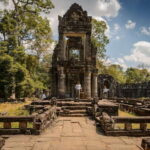
- Angkor Wat at sunrise
- Breakfast in the village (the local side of the morning)
- Local market stop
- The afternoon temples: Pre Rup, Ta Prohm, Bayon, and Angkor Thom’s Victory gate
- Day 2: Siem Reap countryside temples and Banteay Srei’s carved perfection
- The “outside Angkor Thom” temple set
- Lunch with local food (included)
- Banteay Srei: small temple, big skill
- Cambodian Landmine Museum stop
- Day 3: Phnom Kulen waterfalls, Beng Melea jungle ruins, and Kampong Phluk by boat
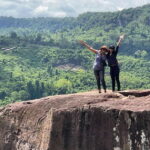
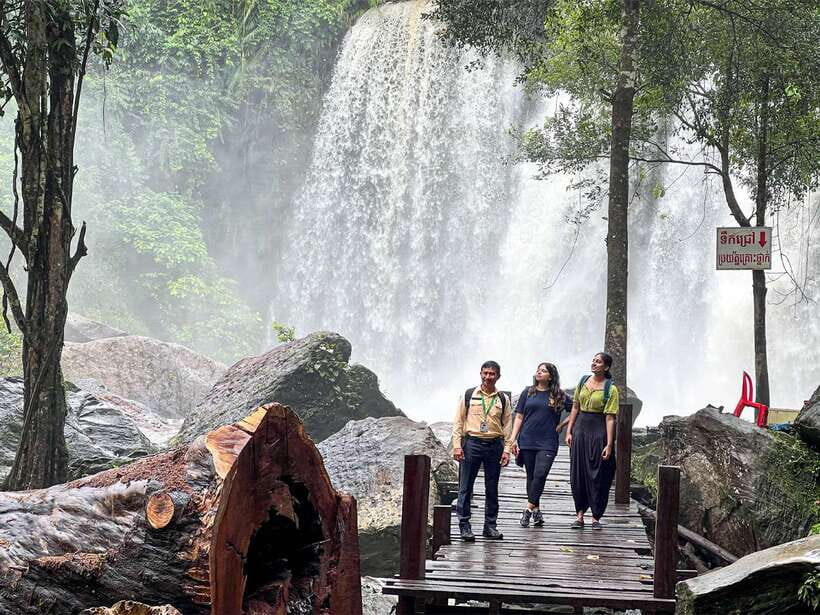
- Phnom Kulen highlights: falls, reclining Buddha, and the River of Thousand Linga
- Lunch, then Beng Melea: the jungle eats the stones
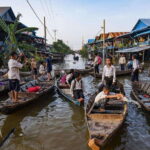
- Kampong Phluk on Tonle Sap: stilt houses and fishing life
- Price and value: $139 is the base, not the full cost
- Your guide can make or break the experience
- What to pack (and what to wear) for temple heat
- Who this tour fits best
- Should you book it?
Key highlights you’ll feel the most
- Angkor Wat sunrise timing designed to beat the worst crowd surge and help you get great angles
- Full first-day circuit with Pre Rup, Ta Prohm, Bayon, and the Victory gate in one run
- Banteay Srei reliefs + Landmine Museum stop for craft plus context in the same day
- Phnom Kulen National Park icons like the reclining Buddha and the River of Thousand Linga
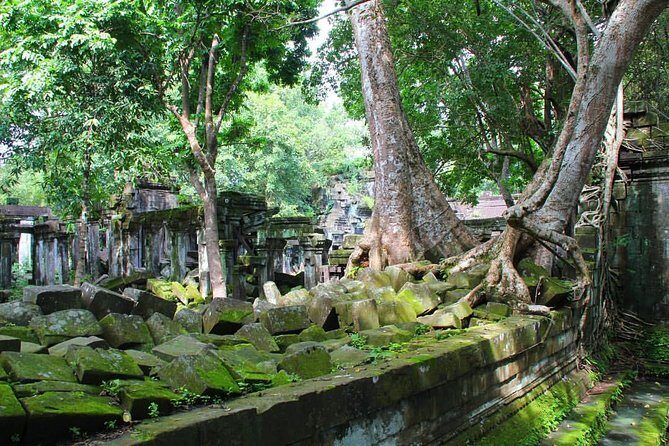
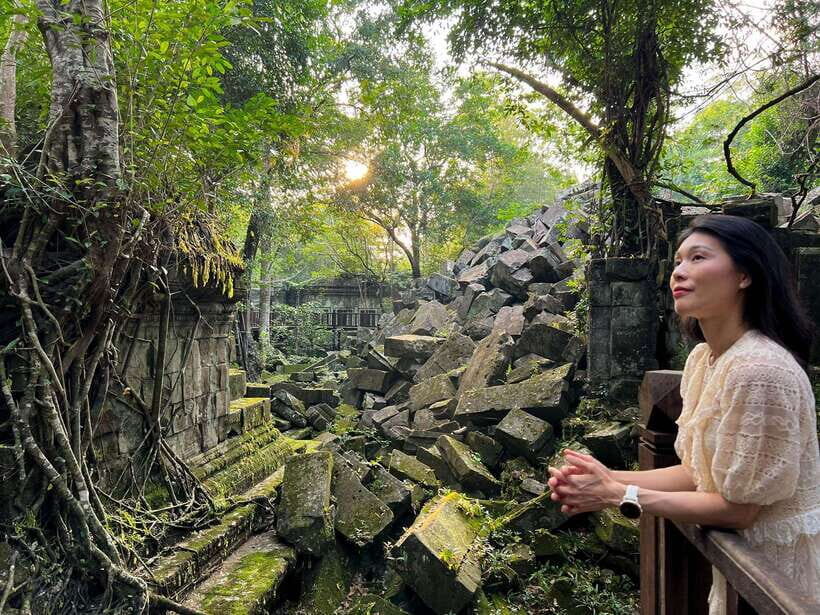
- Beng Melea jungle ruins where moss, trees, and roots take over the stones
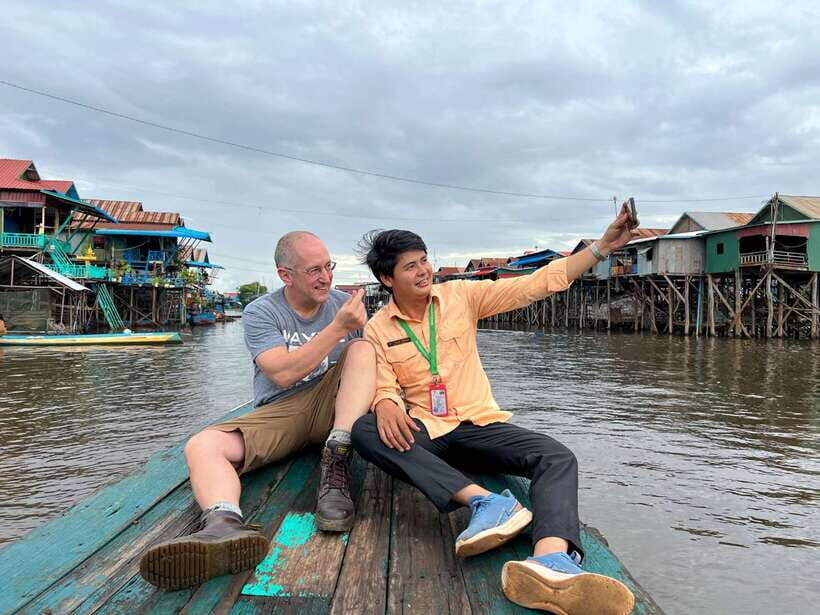
- Kampong Phluk on Tonle Sap by boat, with clear views of fishing families and stilt houses
Why this 3-Day Angkor Wat combo makes sense
Angkor trips fall into two extremes. Some are only temples, with little understanding of what you’re seeing. Others add scenery but skip the key “must-see” structures. This one sits in the practical middle.
You get three distinct layers of the region. First is Angkor’s architecture at its peak—then Siem Reap’s countryside temples outside the main core, and finally the natural-and-sacred feel of Phnom Kulen, plus Tonle Sap lake life. That mix is exactly why it works for first-timers and also for people who don’t want to return home only remembering hot stones.
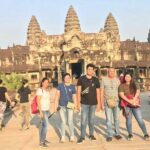
The other advantage is the small group size (up to 10). That matters. You’re not fighting for space at the temples, and your guide can keep the day running smoothly—especially during sunrise and when ticket lines or entry timing get chaotic.
Other Angkor Wat temple tours we've reviewed in Siem Reap
Day 1: Angkor Wat sunrise, then Pre Rup to Ta Prohm to Bayon
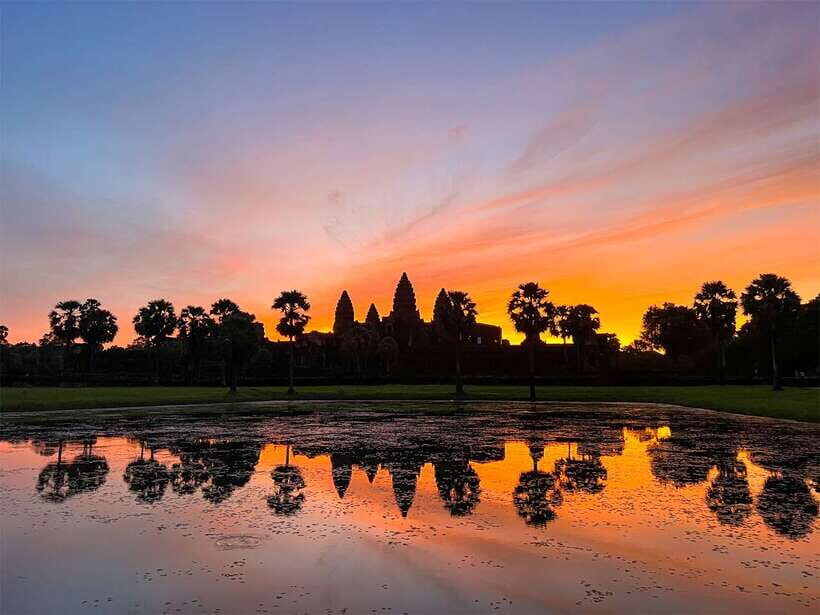
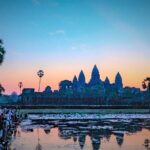
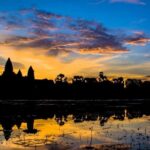
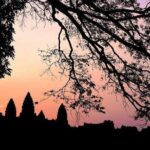
Your day starts early—hotel pickup is typically between 4:30 am and 5:00 am, so you can reach Angkor Wat before sunrise. When that sky lightens up over the temple moat and towers, it doesn’t feel like sightseeing. It feels like you’ve stepped into the scene itself.
Angkor Wat at sunrise
After arrival, you’ll watch the sunrise over the temple. Then you’ll spend about 1 hour and 30 minutes exploring the temple complex before the heaviest crowd pressure kicks in. That timing is a big deal for two reasons:
- You can walk calmly between viewpoints.
- You’re more likely to get photos without constant shoulder-to-shoulder movement.
I also like that your visit isn’t rushed into a “stand, snap, leave” formula. You get enough time to notice details—columns, carvings, and the layout—before everyone else pours in.
Breakfast in the village (the local side of the morning)
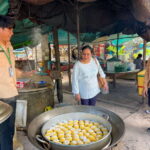
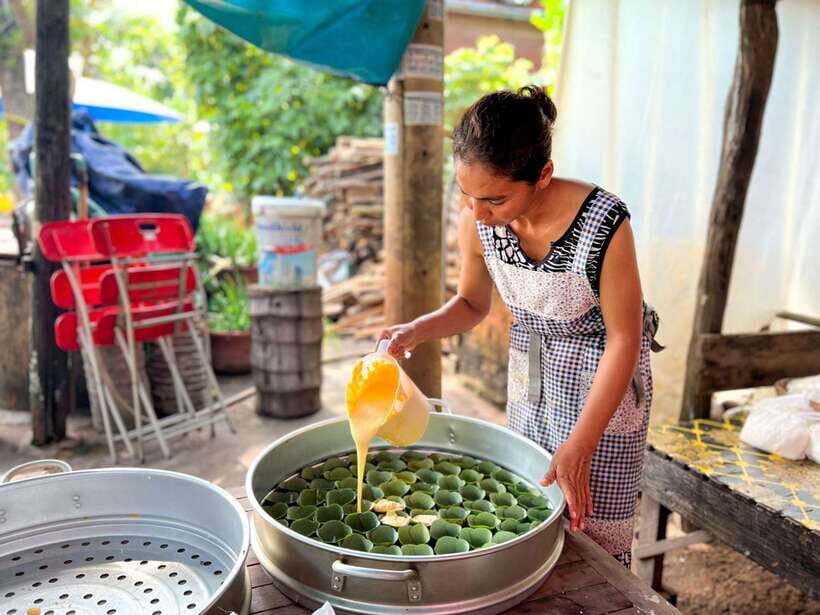
Before continuing to more temples, you stop for breakfast in a village setting. This is one of those moments that makes the whole day feel human. The meal is described as authentic Cambodian comfort food, including Khmer noodle soup, plus traditional desserts such as palm cake and steamed rice dumplings with palm sugar.
You don’t have to be a foodie to appreciate it. It’s a real break from temple heat and stone dust, and it gives your energy back for the rest of the day.
Local market stop
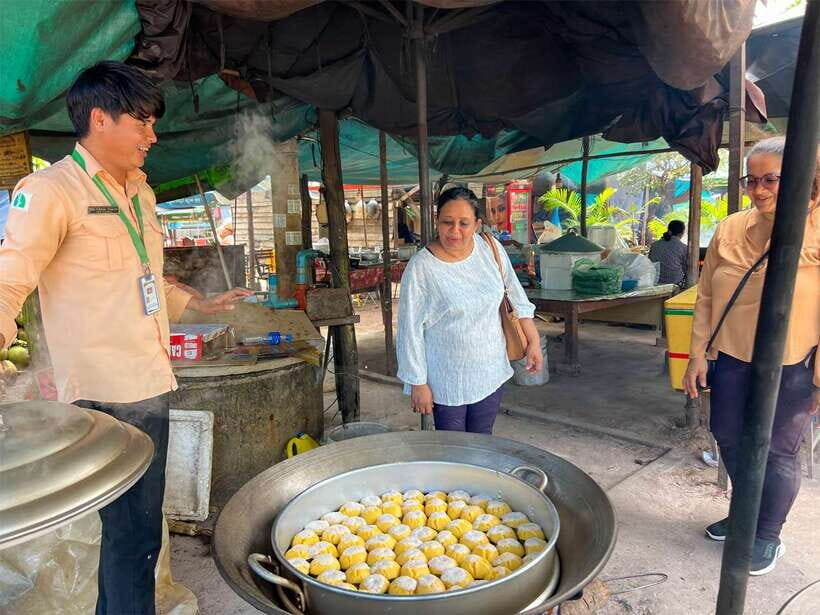
Next comes a short visit to a local market. Even if you don’t buy anything, it helps you reset your sense of place. You’re no longer only thinking about Angkor as a museum; you’re seeing what life looks like nearby while tourists are half-asleep.
Other Kulen Mountain and waterfall tours we've reviewed in Siem Reap
The afternoon temples: Pre Rup, Ta Prohm, Bayon, and Angkor Thom’s Victory gate
After the morning momentum, the itinerary shifts into the “classic Angkor photo set,” but with smart order.
- Pre Rup: a strong pick for first-time visitors because it gives you great views and a sense of how Angkor’s stepped structures were meant to be experienced.
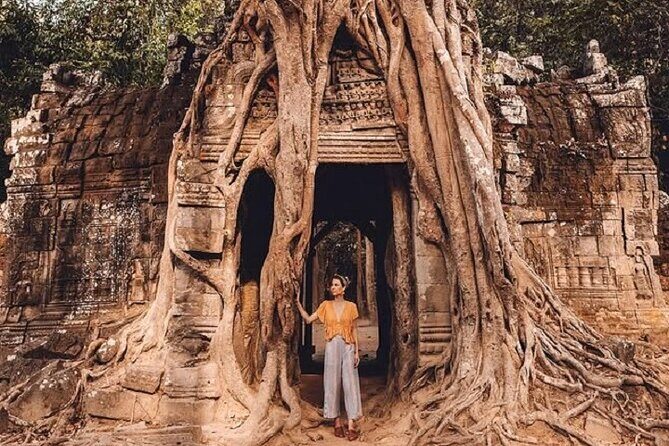
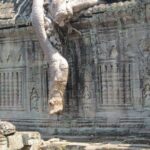
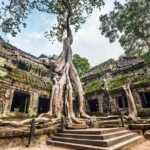
- Ta Prohm: the jungle temple left in an original state, partly overgrown with trees and huge roots. This is where the air feels different—darker, greener, and more tangled.
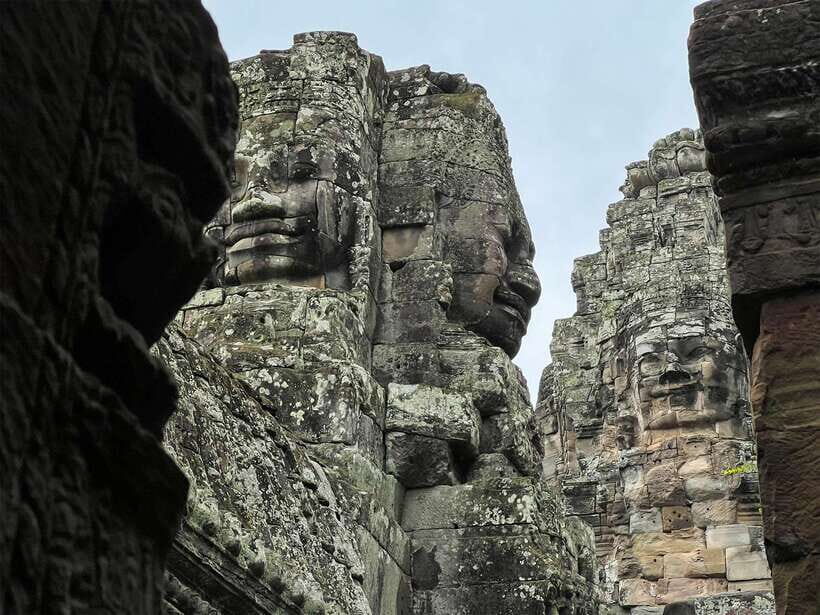
- Bayon: the famous smiling faces. By this point in the day, you’re close enough to feel how busy and detailed the faces are.
- Victory gate of Angkor Thom: a grand finish that helps tie the day together inside the larger Angkor Thom area.
One practical tip: expect uneven ground. Wear shoes you trust. Sunrise to evening is one long day on ancient surfaces.
Day 2: Siem Reap countryside temples and Banteay Srei’s carved perfection
Day 2 starts at 8:00 am after breakfast. This is where the tour widens out beyond the Angkor core. Instead of only going temple-to-temple, you spend the morning exploring Siem Reap’s countryside with a guide, outside the city center.
That countryside time is valuable because it gives you context for the region’s rhythm. You’ll see rice paddies, villages, and everyday life beyond the tourist zones. It’s also a mental reset from temples. Even a short rural drive can make the next stops hit harder, because you’re not stuck in the same scenery all day.
The “outside Angkor Thom” temple set
You’ll visit several beautiful temples outside the main Angkor Thom area, including:
- Preah Khan
- Neak Pean
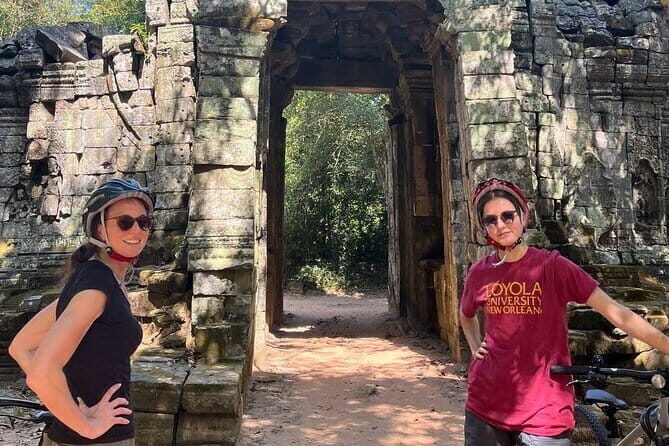
- Ta Som
- East Mebon
This group works well because the styles vary. Some feel more open; others feel more layered with trees and shadows. Together, they make the bigger story of Angkor clearer than just repeating the same type of structure.
Lunch with local food (included)
Lunch is included on this day, with the option to order an individual dish from a menu. I like this setup because you still control what you eat, rather than getting a one-size-fits-all plate that might not match your taste. And since food and soft drinks aren’t included, you can keep costs in check by skipping the extras you don’t need.
Banteay Srei: small temple, big skill
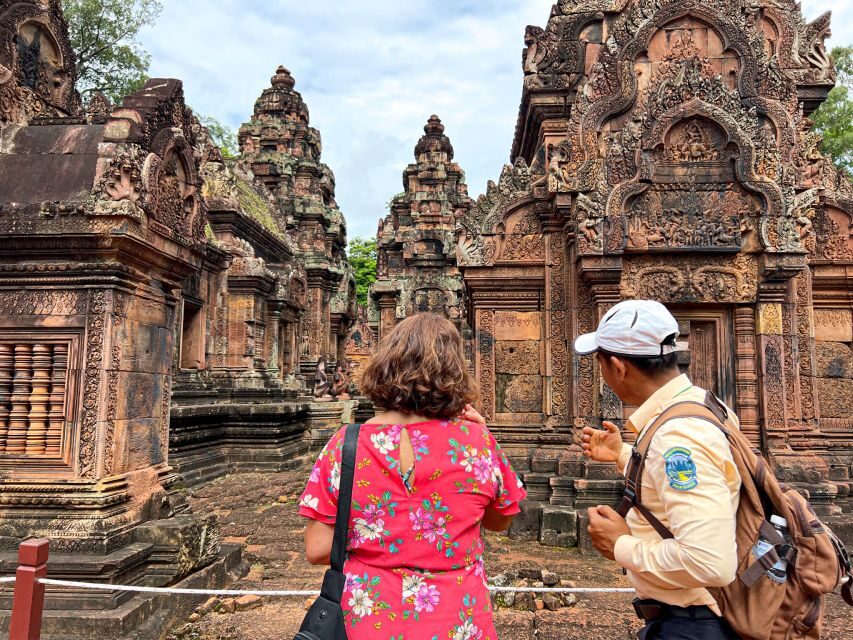
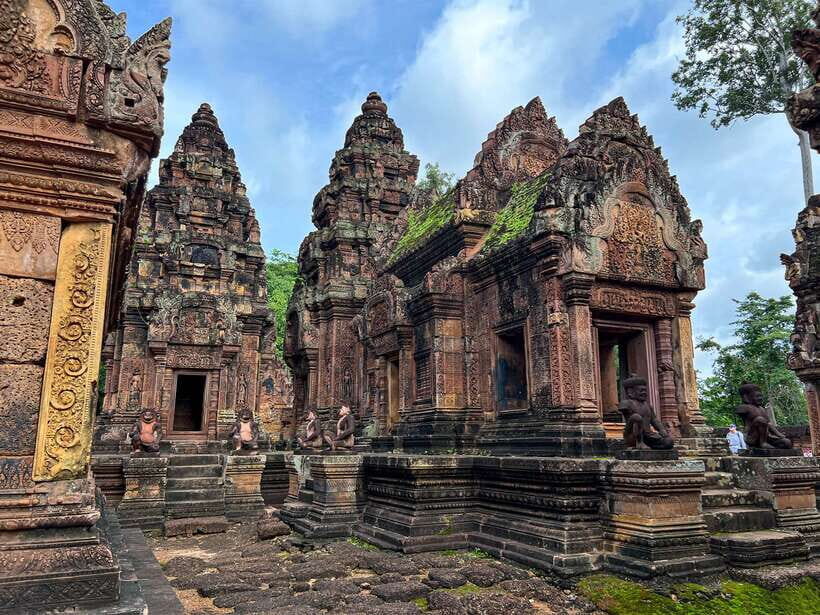
In the early afternoon, you head to Banteay Srei, often praised for the precision of its relief carvings. It’s a smaller sandstone structure, but the level of detail is exactly the kind of thing you’ll want to see without rushing.
Compared with the bigger, more imposing temples, Banteay Srei can feel more intimate. The carvings are closer to eye level, so you have a better chance of noticing how the artisans worked the surface.
Cambodian Landmine Museum stop
After Banteay Srei, you visit the Cambodian Landmine Museum. This is a sobering change of pace from temple beauty. It adds context for what happened in Cambodia, and why land safety and recovery matter far beyond history books.
If you’re the type who gets emotionally affected by real-world issues, give yourself a little time to process it. It can land harder when you’ve just had a full day of visual wow.
Day 3: Phnom Kulen waterfalls, Beng Melea jungle ruins, and Kampong Phluk by boat
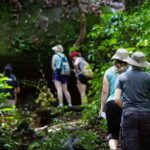
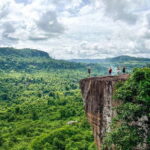
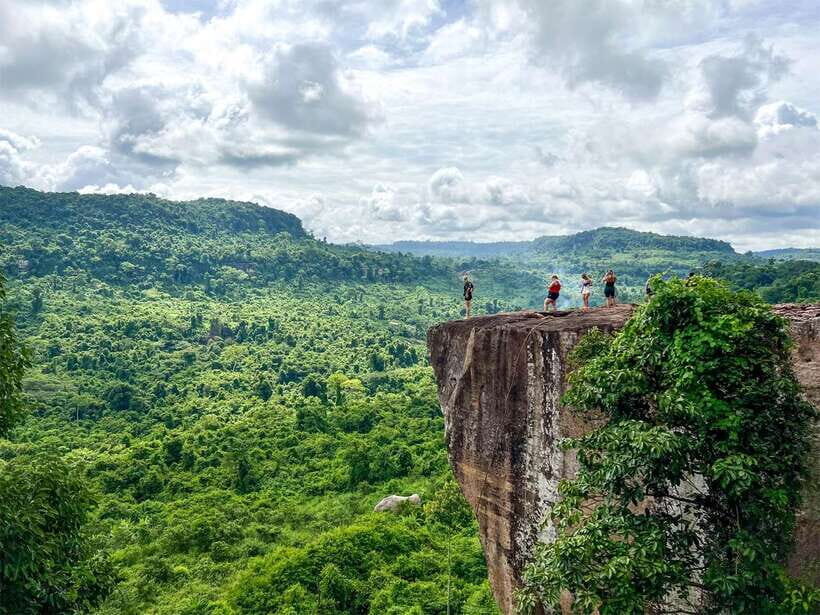
Day 3 starts again at 8:00 am. You drive to Phnom Kulen National Park, about 1 hour away, passing through rural villages and landscapes like rice paddies.
This leg matters because it sets the tone. Angkor is stone and geometry. Kulen is nature and sacred spaces shaped into rock.
Phnom Kulen highlights: falls, reclining Buddha, and the River of Thousand Linga
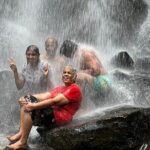
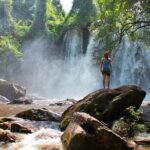
In the national park, your guide takes you to the main attractions, including:
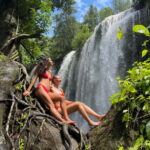
- the largest and most beautiful waterfalls
- the reclining Buddha sculpture
- the River of Thousand Linga, built in 802 AD
Even if you only remember the names, the places are worth the drive. The River of Thousand Linga especially gives a strong sense of how long this region has been a spiritual landscape, not just a modern attraction.
Lunch, then Beng Melea: the jungle eats the stones
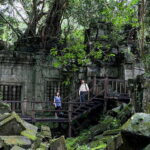
After lunch at a local restaurant, you go to Beng Melea, described as a mysterious 12th-century temple deep in the jungle. It’s heavily overgrown with vegetation, lianas, and moss. Trees and roots feel like they’re part of the building now.
There’s also a sense of age and time here. The area has been described as rainforest around the temple for over 300 years—which helps explain why the ruins feel so wild, not restored into neat edges.
If your walking tolerance is limited, this is where you’ll want to move slowly and take breaks. Paths can be slippery and uneven.
Kampong Phluk on Tonle Sap: stilt houses and fishing life
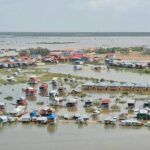
The final stretch is Kampong Phluk, reached by ferry/boat. Tonle Sap is Cambodia’s big lake ecosystem, and Kampong Phluk is a direct look at how families live and work there.
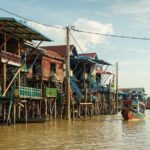
What stands out is how normal it looks. Brightly colored houses sit on long poles, because the water rises in the rainy season. The day-to-day work is largely fishing, and you can see that rhythm without needing special explanations.
This is also the part of the tour where the “Cambodia beyond temples” feeling becomes real. It’s not a staged performance. It’s livelihoods on water.
Price and value: $139 is the base, not the full cost
At $139 per person, you’re paying for the core experience: professional English-speaking guiding, private air-conditioned transport, hotel pickup/drop-off, plus water and towels during the day. You also get included meals on two days—breakfast on day 1 and a lunch on day 2.
Then the budget forks into a few add-ons you should plan for upfront:
- Angkor pass (3 days): $62
- Tonle Sap lake ticket with private boat cruise: $15
- Phnom Kulen National Park admission: $20
- Food and soft drinks (not included)
If you add the listed tickets, the base comes to about $236 per person, before drinks and any snacks you want. That’s still typical for a well-paced Angkor + Kulen + Tonle Sap circuit, especially because the itinerary includes multiple protected areas and boat time.
The practical value here is that you’re not coordinating yourself. You’re getting a tight schedule, transport, and a guide to help you understand what you’re seeing without slowing the day to a crawl.
Your guide can make or break the experience
In Cambodia, the difference between a good day and a great day is often guidance—timing, explanations, and patience.
I’ve seen this tour’s guide strengths reflected in real experiences with guides such as Mr Sam, Phanne, Kamsan, Dara, Mony, Ho, Seila, and Moni. The common thread is simple: they keep the day running smoothly and take time to explain what matters, not just where to walk.
There’s also a service detail that’s small but noticeable. Several guides and drivers are described as offering cool face cloths and cold drinks/water when you return from temples. That helps when the heat stacks up and you’re moving from stone to stone to jungle.
If you care about getting the best angles at Angkor Wat, or you want context behind the temples’ symbolism, a strong guide isn’t a luxury—it’s part of the value.
What to pack (and what to wear) for temple heat
This tour is outdoors most of the day. Here’s what will actually help:
- Sunglasses
- Hat
- Insect repellent
- Sunscreen
And for temple etiquette, you’ll want to follow the stated clothing rules:
- No short skirts
- No sleeveless shirts
I’d also bring a light layer for early mornings, because you start very early and temperatures can feel cooler at sunrise, then spike fast after.
Who this tour fits best
This is a great choice if you:
- want a first-time Angkor plan that still includes the best outside-the-core stops
- want more than “temple photos” and are interested in countryside and lake life
- prefer a small group (up to 10) with air-conditioned transport and a guide guiding the timing
It may feel like a lot if you’re sensitive to long days or prefer a slower pace with fewer stops. This itinerary is built to cover major highlights across three days.
Should you book it?
I’d book this tour if your priority is a full Angkor-to-nature experience with a guide who keeps things moving and explains what you’re looking at. The sunrise at Angkor Wat, the mix of Small/Grand circuit highlights, plus the Kulen and Kampong Phluk add-ons make the trip feel varied rather than repetitive.
Just make sure you budget for the Angkor pass, Tonle Sap boat ticket, and Kulen admission, and plan for the physical side of temple days. If you can handle early mornings and steady walking, this one delivers a strong first impression of Cambodia.