REVIEW · SIEM REAP
One day normal Angkor tour
Book on Viator →Operated by Happy Angkor Wat Tour · Bookable on Viator
Early starts make Angkor feel calm.
This one-day Angkor circuit is built around a 7:30 AM push into the Angkor Archaeological Park, so you see key temples when light is soft and crowds are lower. I like that it mixes the headline stops (including Angkor Wat) with other must-sees across the park, and that you get live storytelling from an art historian guide. The one thing to watch: it’s a packed day (about 7–8 hours), so you’ll need to move at a steady pace and keep “photo stops” realistic.
For value, I also like the practical setup: hotel pickup and drop-off, bottled water, and air-conditioned private transport are included in the $45 per person price. You’ll also have a mobile ticket for the activity, but don’t count on lunch or the actual Angkor park day ticket being included. For most people, the main consideration is budgeting for that separate temple-entry ticket.
In This Review
- Quick hits: what makes this Angkor day work
- One-day Angkor in Siem Reap: a smart use of limited time
- Beating the heat at Angkor Wat (start around 7:30 AM)
- Ta Prohm and Bayon: when the story goes beyond architecture
- Angkor Thom’s core stops: Baphuon, Phimeanakas, and the Royal Terraces
- A surprising detour: Basei ChamKrong and the Hindu-Siva angle
- Transport and timing: what “private vehicle” feels like in practice
- Price and value: $45 for the tour, plus ticket and lunch
- Dress code and temple etiquette: don’t get turned away
- Who this Angkor day is best for
- Should you book this one-day Angkor tour?
- FAQ
- What temples are included on this one-day Angkor tour?
- What time does the tour start, and how long is it?
- Is hotel pickup and drop-off included?
- What’s included in the price, and is lunch included?
- Do I need to buy the Angkor Archaeological Park ticket separately?
- What dress code do I need for the temples?
Quick hits: what makes this Angkor day work
- 7:30 AM departure helps you beat heat and crowd surges
- Hotel pickup and drop-off plus A/C private vehicle keeps the day comfortable
- Live art-historian commentary that explains what you’re looking at, not just where to stand
- Top temple lineup in one day: Ta Prohm, Angkor Thom, Bayon, Royal Terraces, Angkor Wat
- Basei ChamKrong adds variety with a Hindu-Siva pyramid-temple focus
- Cold water (and sometimes cold towels) keeps you going between sites
One-day Angkor in Siem Reap: a smart use of limited time
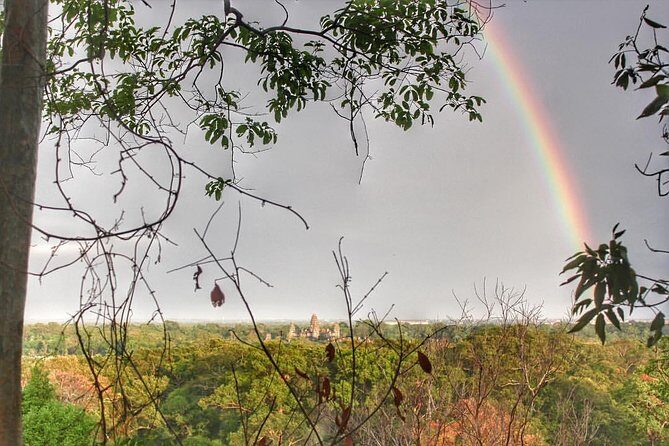
If you only have one day in Siem Reap, this kind of itinerary is the most efficient way to get real “wow” in a single block of time. You’re not trying to cover the park on your own. Instead, you’re getting an organized route through the big, recognizable temples, plus some supporting stops that add texture to what you’re seeing.
The biggest win for me is timing. Angkor looks very different depending on the hour. Starting early is not a small detail; it changes the whole vibe. In the morning, you’re more likely to find steadier light for photos, cooler walking conditions, and a less chaotic feel at the most popular areas.
The trade-off is that “one day” means “a lot of stone, in a lot of places.” If you like long, slow wandering with lots of independent breaks, you might feel a bit rushed. But if your goal is to hit the highlights and learn as you go, this is a solid plan.
A few more Angkor & Siem Reap tours and experiences worth a look

Beating the heat at Angkor Wat (start around 7:30 AM)
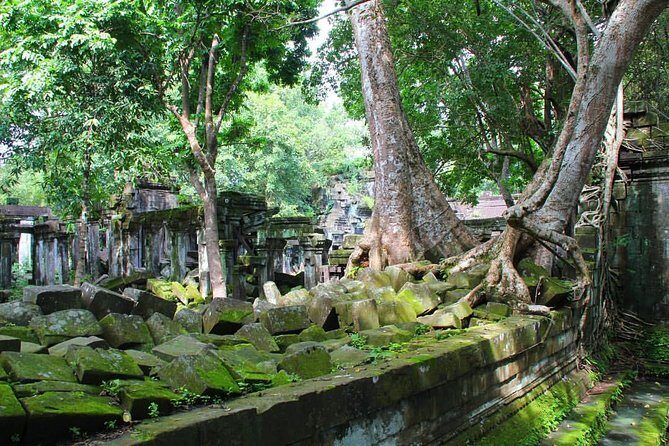
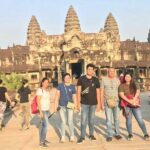
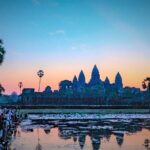
Your day kicks off at 7:30 AM with transport into the temple complex. The tour is designed so you reach Angkor Wat while crowds are at a minimum, letting the site feel more serene rather than like a constant moving queue.
What you’ll appreciate most here is the combination of early timing and guidance. Angkor Wat can be visually overwhelming if you’re just walking from one angle to the next. A good art-historian guide helps you focus on structure, symbolism, and what restoration efforts are trying to preserve. That kind of context can turn “big building” into “I finally see how it’s built.”
Practical note: you’ll want to dress correctly for worship spaces (more on that below). And since the day is scheduled from morning through early afternoon, bring the mindset of a sprint with breaks, not a relaxed stroll.
Ta Prohm and Bayon: when the story goes beyond architecture
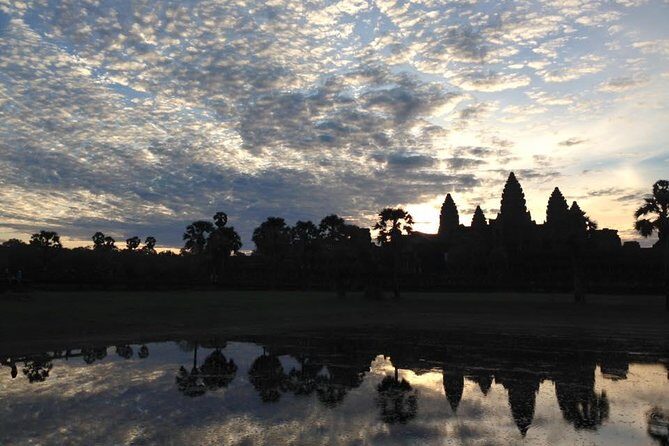
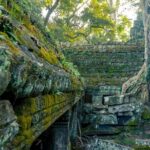
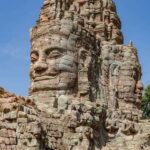
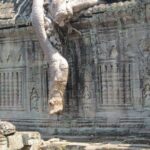
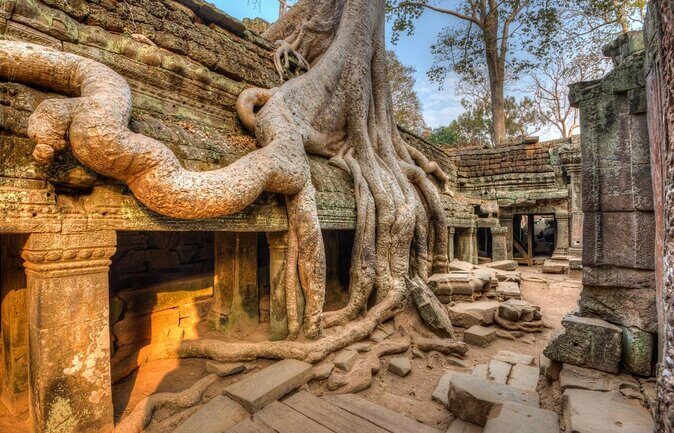
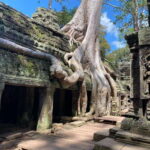
After Angkor Wat, the route heads north. You’ll visit the Angkor Thom area and its signature faces at Bayon, plus Ta Prohm, the temple many people come for because of the dramatic tree roots.
Here’s why these stops matter on a single day: they give you two different types of “Angkor atmosphere.” Ta Prohm often feels cinematic, because nature and stone share the same space. Bayon, with its repeated faces, feels more like you’re reading a living iconographic system. Without commentary, it’s easy to treat these as “two pretty locations.” With live explanations, you start noticing how layout and ornament connect to belief and restoration.
One practical benefit: your guide also helps with where to stand for better photos. That means less time hunting angles and more time actually looking at the details, especially when you’re surrounded by other people.
Angkor Thom’s core stops: Baphuon, Phimeanakas, and the Royal Terraces

Once you’re in Angkor Thom, you’ll cover several clustered sights. The itinerary includes Baphuon and Phimeanakas, along with the Royal Terraces (and mention of the royal palace area as part of the route).
This is a key part of why the tour works as a one-day package. Angkor Thom isn’t just “one temple.” It’s a whole royal-city experience, with different structures serving different roles in the complex. Seeing these in sequence helps you build a clearer map in your head, instead of jumping between distant points and hoping the story connects.
What I’d do in your shoes: treat these stops like chapters. At each one, decide on one thing you want to notice (a structure feature, a carved pattern, a viewpoint) and then let the guide’s commentary steer you toward what to focus on.
The only drawback is fatigue. These temples demand walking, and you’re doing it across multiple sites. If you get heat-sensitive, keep your water use steady and don’t wait until you feel drained.
A surprising detour: Basei ChamKrong and the Hindu-Siva angle
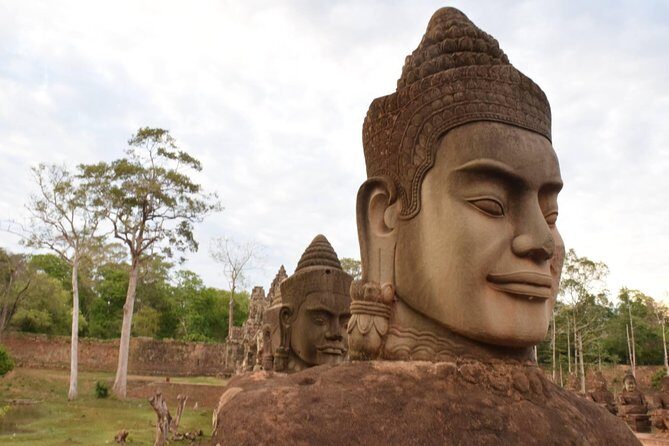
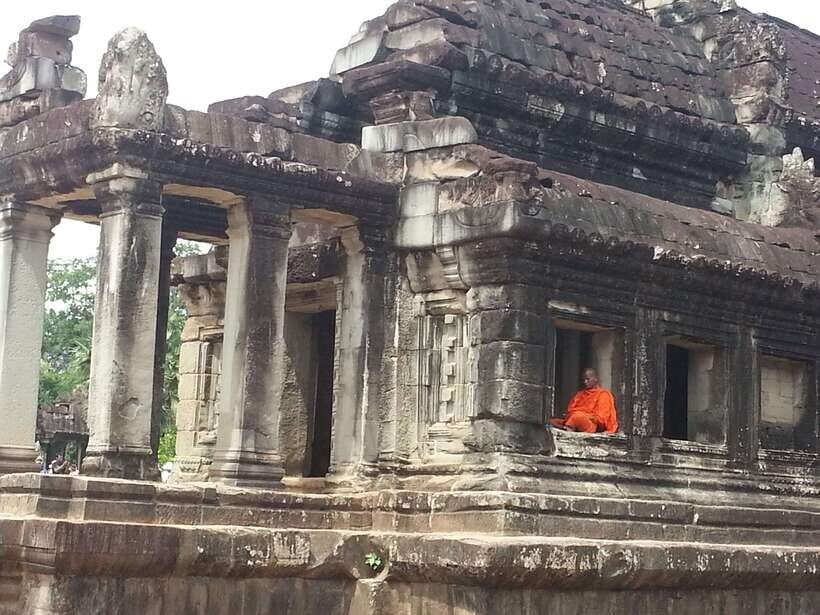
Most one-day Angkor tours lean heavily toward the most famous names. This itinerary adds Basei ChamKrong, a pyramid temple dedicated to Siva (Hindu). It’s described as being built in 947 AD by Harshavarman I and completed by Rajendravarman II.
Why does this stop feel worthwhile? Because it shifts your attention from “Buddhist icon scene” to the older, Hindu foundation of Angkor’s temple world. When you’re shown a temple with clear religious intent, you start seeing the “why” behind the design choices more easily.
There’s also a neat comparative detail in the guide’s explanation: Basei ChamKrong is said to have a similar plan to a pyramid at the ancient Maya city of Tikal in Central America (not a claim you’ll verify on your own in the moment, but it gives you a meaningful mental bridge between regions). That kind of comparison can help you remember the layout rather than just the name.
If you’re the type who likes variety, this is one of the stops that prevents the day from feeling like repetition.

Transport and timing: what “private vehicle” feels like in practice
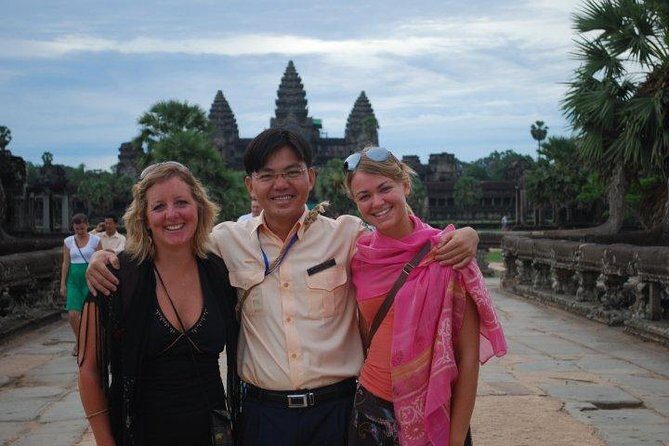
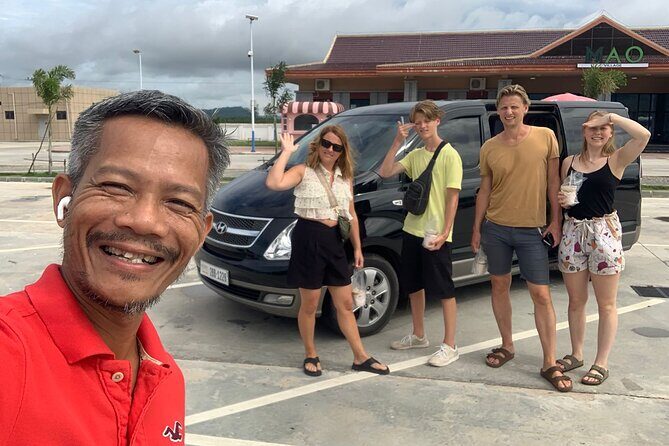
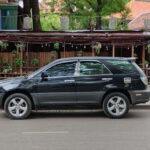
The tour includes air-conditioned vehicle transport and bottled water. You also get hotel pickup and hotel drop-off, with the experience starting and ending at Royal Angkor Resort.
This matters more than it sounds. Angkor is spread out. Even small delays can wreck your morning window. Having a private, scheduled ride keeps you from losing precious time to finding meeting points, managing multiple bags, or dealing with unpredictable logistics.
You might also find that the ride includes comfort details like a clean, modern vehicle and very cold comfort items between temples (some trip notes mention ice-cold water and cold towels). That’s the kind of “small” thing that helps when you’re walking in sun and stepping between sites quickly.
Bottom line: this tour is structured to keep you moving without turning your day into a sweaty scramble.
Price and value: $45 for the tour, plus ticket and lunch
Let’s do the math in a way that helps you decide.
- Tour price: $45.00 per person
- Not included: one day Angkor ticket for $37.00 per person
- Not included: lunch
- Optional: tip if you like the service
So, the practical baseline is $82 per person before lunch. That’s not just paying for a guide to talk while you walk. You’re also paying for hotel pickup/drop-off, A/C transport, bottled water, and a professional art historian guide.
Is that good value? For most people, yes, because Angkor is a place where context makes a big difference. The guide’s explanations help you see more in less time, and the early start helps you actually enjoy what you came for instead of spending half your energy in heat and crowd stress.
If you’re the kind of traveler who’s comfortable building a self-guided route and paying only for entry, you might compare costs differently. But if you want interpretation plus convenience, the pricing feels straightforward.
Dress code and temple etiquette: don’t get turned away
The dress code is not optional. For entry to places of worship and selected museums, you need shoulders and knees covered for both men and women. That means no shorts and no sleeveless tops. If you don’t meet the requirement, you risk being refused entry.
This one rule can save you from a very avoidable problem on a hot morning. Wear breathable long pants and a shirt that covers your shoulders, even if it feels like overkill before you get inside.
Also, because the day is scheduled across multiple sites, plan for comfort and modesty at the same time. If you have a light layer that covers your shoulders, pack it the night before so you don’t waste morning time fixing the outfit.
Who this Angkor day is best for
This tour is a good match if you want:
- A highlight route in one day without figuring out transportation yourself
- Live commentary that explains what you’re seeing across different temple types
- A day structured around an early start
It’s also a decent choice for people with moderate physical fitness needs. The itinerary is doable, but you should expect walking and sun exposure.
Where it may not be ideal is if you want a highly flexible schedule or extra-long time at each monument. Since it’s about 7–8 hours and covers multiple sites, you’re choosing efficiency over deep slow wandering.
If you’re traveling as a group, the plan is described as private in the sense that only your group participates. There may also be group discount potential, depending on how many people are in your party.
Should you book this one-day Angkor tour?
I’d book it if your priority is seeing Angkor Wat plus the core neighboring highlights in a single day, with hotel pickup, A/C comfort, and art-historian explanations that help the temples make sense.
I’d think twice if you:
- hate feeling rushed, or
- plan to spend long stretches just sitting and watching without a route, or
- aren’t ready for a full-day schedule with multiple sites and a strict dress code.
One final sanity check: budget for the $37 one-day Angkor ticket plus lunch, and you’ll avoid any surprise math once you’re on the ground.
If you want a practical, time-smart way to experience the big Angkor moments, this one-day plan is a strong fit.
FAQ
What temples are included on this one-day Angkor tour?
You’ll visit Angkor Wat, Ta Prohm, Angkor Thom (including Bayon), plus nearby Baphuon and Phimeanakas, the Royal Terraces, and the Royal palace area. The route also includes Basei ChamKrong.
What time does the tour start, and how long is it?
The tour starts at 7:30 AM and the day trip runs about 7–8 hours.
Is hotel pickup and drop-off included?
Yes. Hotel pickup and hotel drop-off are included, and the activity begins and ends at Royal Angkor Resort.
What’s included in the price, and is lunch included?
Included: bottled water, professional art historian guide, hotel pickup/drop-off, local taxes, and an air-conditioned vehicle. Not included: lunch.
Do I need to buy the Angkor Archaeological Park ticket separately?
Yes. The one-day ticket is $37.00 per person and is not included in the tour price.
What dress code do I need for the temples?
You must cover knees and shoulders. That means no shorts and no sleeveless tops. If you don’t follow the dress code, you may be refused entry.