REVIEW · SIEM REAP
Angkor Wat Cycling Tour
Book on Viator →Operated by Easy Angkor Trip · Bookable on Viator
Ride the quiet side of Angkor. This Angkor Wat cycling tour is interesting because you trade the usual slog of tour-vehicle lines for a more flexible ride through the temple complex and its surrounding paths. I love the way it stays intimate, letting you get closer to the real scenery and the calmer corners that don’t always fit into big-group schedules. The other thing I really like: you get a proper mountain bike and helmet, plus an English-speaking guide who can shape the ride to your comfort level. One consideration: the Angkor Temple Pass is not included, and Angkor Wat is the stop where you’ll need to plan for that ticket cost.
You’ll start from your hotel at 7:30 am, and the day is paced as a leisurely loop through major sights and smaller temples, including stretches that feel more rural and jungle-adjacent than typical postcard routes. The mix is the point: big landmark temples for context, then side stops that feel more personal. Just remember the admission math before you go, because the pass is an extra line item even though most of the other temple stops are listed as free.
In This Review
- Key highlights you’ll feel right away
- Why Cycling Angkor Wat Feels More Personal Than Walking
- 7:30 AM Pickup and the Easy Pace of a Private Group Ride
- Angkor Wat: The 12th-Century Giant and Your Temple Pass
- Bayon Temple: 54 Towers and a Buddhist-Style Stop
- Ta Prohm, Ta Nei, and Chau Say Tevoda: Temples Lost in the Jungle
- Angkor Thom East (Death) Gate: A Quick Finale at the City Wall
- How the Route Works: Back Roads, Safety, and Helmeted Comfort
- Price Breakdown: $45 Worth It, Plus the $37 Pass
- Best For Who: Couples, Families, and Temple Lovers on Bikes
- Questions to Ask Your Guide (Mr. K) Before You Start
- Should You Book This Angkor Wat Cycling Tour?
- FAQ
- What time does the Angkor Wat cycling tour start?
- How long is the tour?
- What is included in the $45 price?
- Do I need the Angkor Temple Pass?
- Is this tour private?
- Is free cancellation available?
Key highlights you’ll feel right away
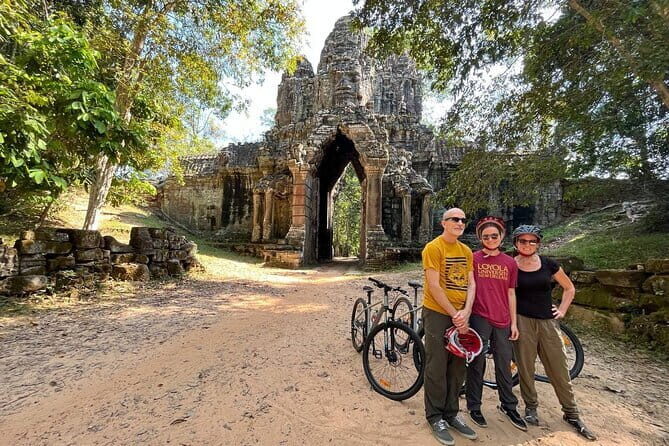
- 7:30 am start with hotel pickup/drop-off, so you don’t waste time figuring logistics
- Quality bikes + helmets included, which matters when you’re mixing temple roads and back paths
- A guide who adjusts the ride to how much cycling you want to do
- Major stops plus smaller temples, including Ta Prohm and quieter Angkor backroads
- Most temple stops are free, but Angkor Wat requires the Temple Pass
Why Cycling Angkor Wat Feels More Personal Than Walking
Angkor can be crowded, hot, and a little regimented when you’re herded from one photo spot to the next. This tour offers a different rhythm. By moving on bikes along safer cycling routes, you keep your momentum without needing to wait for groups to catch up. You also get a more practical kind of flexibility: if you’re the type who likes to pause, look closely, and then move on at your own pace, cycling makes that easier.
I also like that this isn’t only about the headline temple. The route is built to include more than the obvious “walk up, take the picture, walk out” stops. You’ll spend time at Angkor Wat and Bayon, then you’ll shift into temples that feel calmer and more engulfed by the surrounding greenery. That mix makes the whole complex feel bigger than the main attraction.
One more real-world advantage: bikes help you cover distance without turning the day into a nonstop foot trek. It’s a good break if you’re doing a lot of temple walking during your trip and you want something active that still stays sightseeing-focused.
Other Angkor Wat temple tours we've reviewed in Siem Reap
7:30 AM Pickup and the Easy Pace of a Private Group Ride
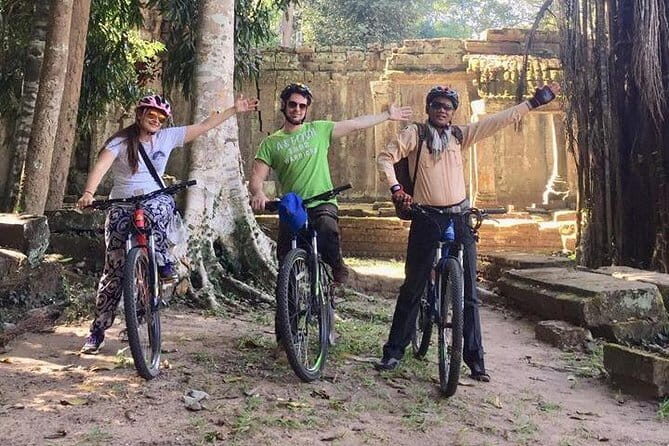
The day begins with leaving your hotel at 7:30 am. That early start matters because it sets up a smoother flow through the first big temple stop, and it also helps you avoid feeling rushed later in the day. The tour runs about 6 to 8 hours, which is enough time to see real highlights without feeling like you’re being dragged through the park.
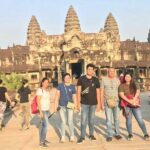
This is set up as a private tour/activity, meaning it’s only your group. That alone changes the vibe. You’re not negotiating shared pace with a bigger crowd, and you can ask your guide to slow down for photos, details, or a quick rest.
You’ll travel with an English-speaking tour guide, and the package includes cold drinking water, which is a simple comfort you’ll appreciate once you’re in temple-and-heat mode. Bikes and helmets are included too, so you’re not hunting for gear or worrying whether the bike is safe and rideable.
Angkor Wat: The 12th-Century Giant and Your Temple Pass
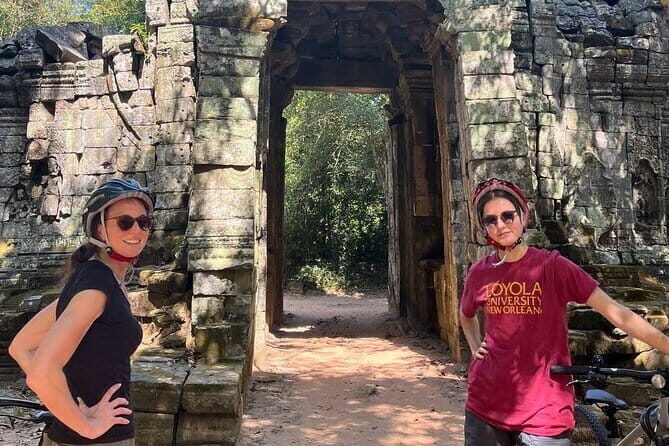
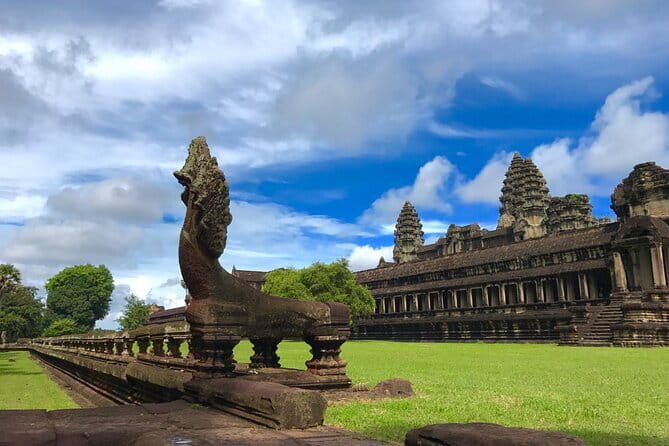
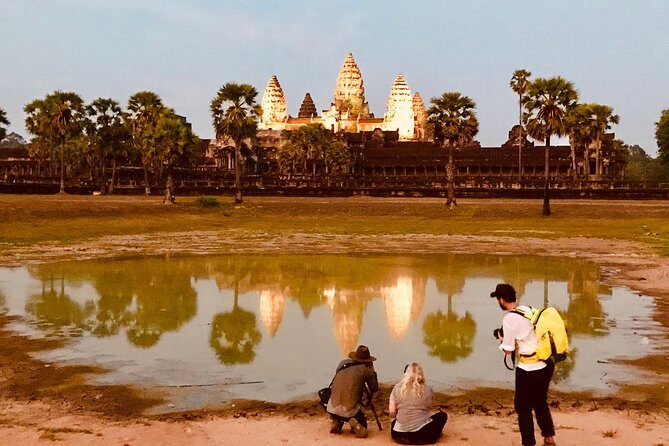
Angkor Wat is the obvious anchor of the day, and you’ll get real time there—about 2 hours. It’s also the one stop where you need to be ready for the ticket cost. The Angkor Temple Pass ($37 per person) is not included in the tour price, and your time at Angkor Wat is listed as having admission not included.
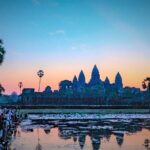
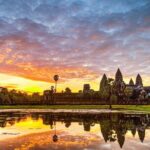
What you’re seeing is the big Khmer statement: Prasat Angkor Wat, a 12th-century temple built between 1113–1150 during King Suryavarman II. It rises to about 65 meters, and being there in person gives you the scale fast—this isn’t a small ruin you can skim.
Practical tip: treat your Angkor Wat time as the centerpiece of your planning. If you’re budgeting, add the Temple Pass in your head before you commit. If you’re the type who hates ticket surprises mid-day, this is the stop to handle first.
Also, since the tour is cycling-based, you’re not spending all your time walking across long stretches. That’s a plus when you want the classic views but still want your legs to feel good for the rest of the route.
Bayon Temple: 54 Towers and a Buddhist-Style Stop
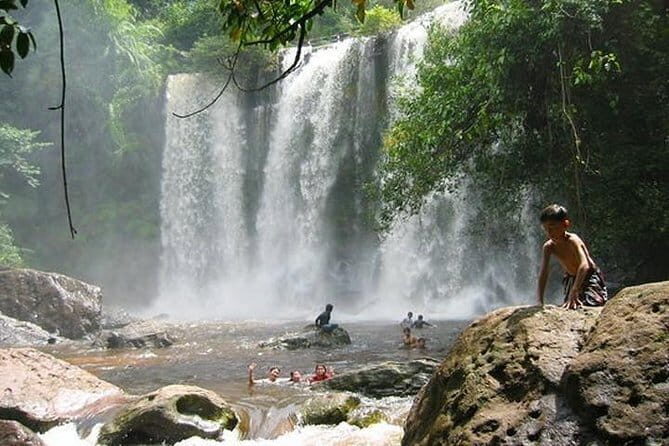
After Angkor Wat, you move to Bayon Temple, also known as Prasat Bayon / Angkor Thom. Your time here is about 2 hours, and it’s listed as free admission on this route. This is a satisfying shift: you go from the massive, structured statement of Angkor Wat to Bayon’s face-filled, tower-dense energy.
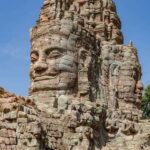
Bayon is a Buddhist-style temple built in the late 12th / early 13th century by Jayavarman VII. The standout detail is the 54 towers, which represent the provinces of the Khmer empire during the period. The towers are part of why Bayon feels so layered. Even when you think you’ve seen the place, you often spot a new angle or face pattern just by walking a few meters.
Because Bayon is scheduled after Angkor Wat, it works as a second anchor stop that still keeps the day moving. It’s long enough to explore without turning into a rushed checklist.
Ta Prohm, Ta Nei, and Chau Say Tevoda: Temples Lost in the Jungle
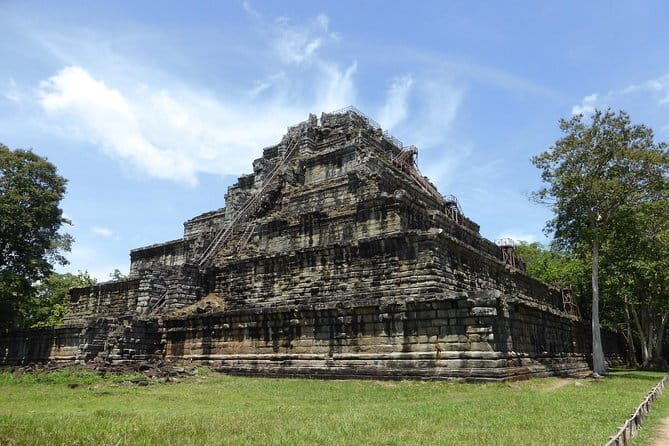
This is where the tour earns its reputation as more than the standard highlight circuit. You’ll hit a cluster of smaller temples with enough time to actually feel the changes in atmosphere as you ride from one site to another.
Chau Say Tevoda is a short stop at 30 minutes and is listed as free admission. It’s east of Angkor Thom, directly south of Thommanon across the Victory Way. Built in the mid-12th century, it’s described as a Hindu temple in the Angkor Wat period. Even with less time, this stop gives you context for how the complex mixes religious styles and eras.
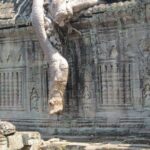
Then you’ll spend 2 hours at Ta Prohm, also free on this route. This is the famous one for the feel of nature taking over stone. Ta Prohm was built in the late 12th century by Jayavarman VII and was dedicated in 1186 to his mother. The guide materials also note shifts in religious use over time: it originally had a Buddhist background and later was converted to Hindu, so some galleries reflect both influences.
After that comes Ta Nei, about 1 hour and free admission. It’s a late 12th-century stone temple dedicated to the Buddha, near the northwest corner of the East Baray (a large holy reservoir). Ta Nei is a nice change of pace because it doesn’t carry the same “main stage” feeling as Ta Prohm, which can make it easier to slow down and notice details.
Together, these stops create a route that feels like a guided discovery of the Angkor story beyond the obvious postcard nodes. It’s a big reason the day doesn’t feel like a nonstop stamp-collecting mission.
Other cycling tours in Siem Reap
Angkor Thom East (Death) Gate: A Quick Finale at the City Wall
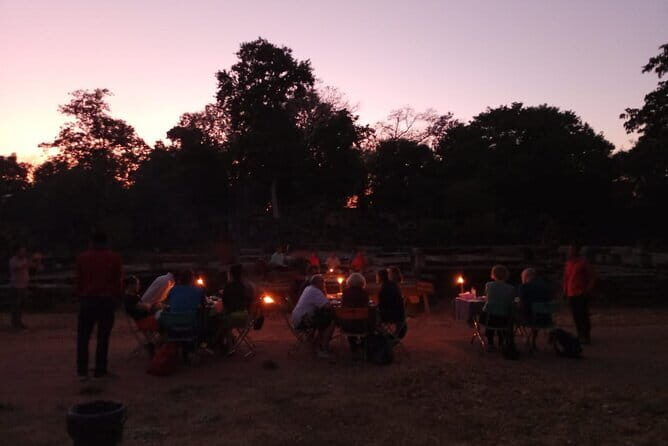
You’ll finish with Bayon Temple East (Death) Gate, a 30-minute free stop. This gate is one of five gates that guards Angkor Thom. It was built by King Jayavarman VII in the late 12th century as part of the reconstruction of the city after the victory mentioned in the context of the reign.
Even though it’s brief, gates are important because they’re part of how the city’s layout “explains itself.” Ending here gives you a closing image of the walls and the sense of a planned city, not just scattered temple ruins. If your brain has been soaking up towers, roots, and carvings all day, a gate is a helpful visual reset.
How the Route Works: Back Roads, Safety, and Helmeted Comfort
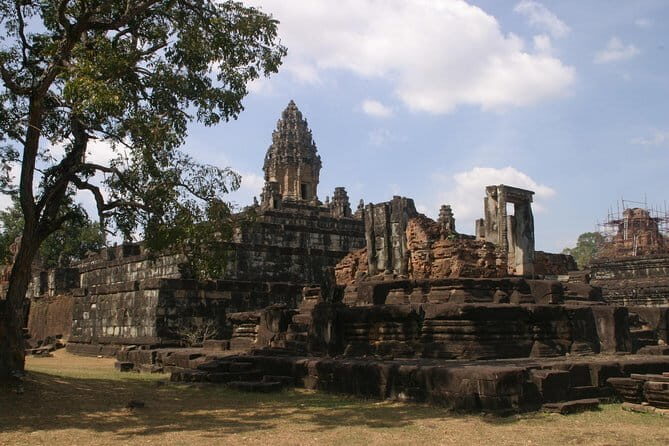
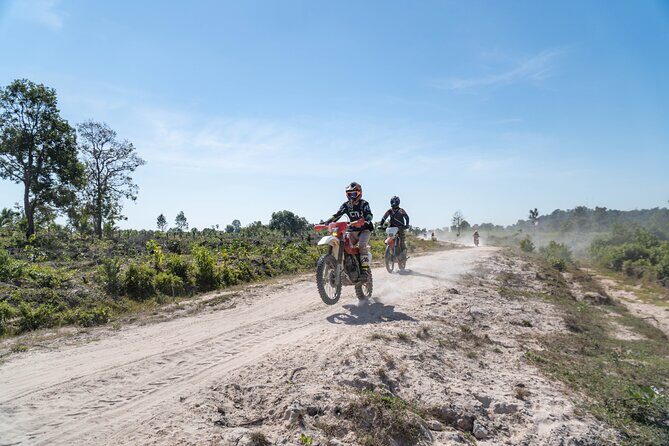
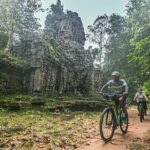
Cycling in a temple zone sounds simple until you’re actually doing it. The key is that this tour is designed around dedicated, safe cycling paths, plus you’ll also see backroads and areas that feel closer to everyday life and jungle edges rather than only the busiest routes.
The experience is described as leisurely, and the ride can be adventurous in the fun way when you’re on proper trails. In practice, it helps when you have a guide who understands how to manage the pace. The standout theme from customer feedback is that Mr. K runs the day with organization and can accommodate how much cycling you want. That flexibility matters if you’re comfortable going farther one day, or if you want to keep it calmer the next.
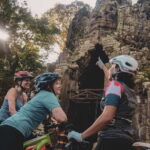
Safety-wise, you won’t be rolling on mystery rental bikes. Helmets are included, and multiple guests specifically called out that they felt safe with good gear and guidance. That’s what you want from a tour like this—freedom, but with control.
If you’re someone who gets nervous on two wheels, this tour’s “guided and helmeted” setup is a strong selling point. You’re not going out on your own in an unfamiliar place. You’re riding with a plan.
Price Breakdown: $45 Worth It, Plus the $37 Pass
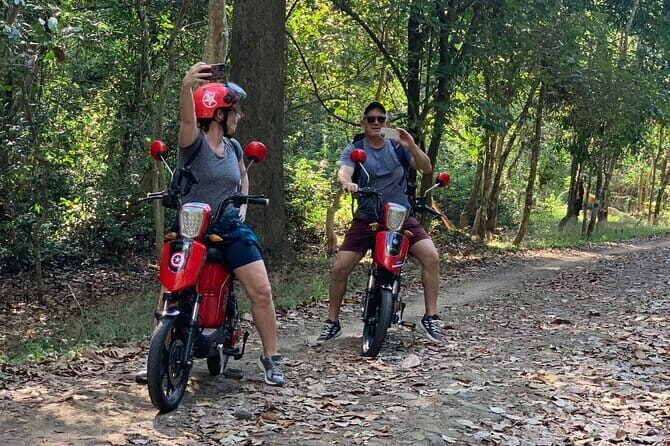
Let’s talk value in real numbers.
The tour price is $45 per person. What that includes is more than “a guide and a bike.” You also get:
- English-speaking tour guide
- Pickup and drop-off
- Cold drinking water
- Mountain bike and helmet
- A private group format (only your group participates)
What’s not included is the Angkor Temple Pass ($37 per person). Since Angkor Wat is marked as having admission not included, that’s the one expense you must plan for. On the route, Bayon, Chau Say Tevoda, Ta Prohm, Ta Nei, and the East Gate stop are all listed as free admission.
So your rough total for the big-ticket day becomes:
- $45 tour + $37 Temple Pass (about $82 per person)
Even with that added cost, cycling stays good value because you’re getting transportation (pickup/drop-off), gear (helmet and bike), and guided time at multiple major and minor temples in one organized package. If you had to book separate guides or piece together bike rental plus logistics plus admission, the convenience factor can quickly erase the low sticker price.
Also note: this tour lists group discounts and a mobile ticket option. If you’re traveling with friends or family, those extras can help keep the total down.
Best For Who: Couples, Families, and Temple Lovers on Bikes
This tour fits best if you want an active, more personal way to see Angkor without turning your day into pure walking. It’s especially attractive for:
- Couples who want a break from tourist crowds and a ride that feels like an adventure
- Families who want variety beyond walking, with enough structure that the day stays smooth
- Temple fans who want more than the usual two stops and a quick exit
The comments tied to the experience keep returning to the idea of seeing more unusual sites and stretches of jungle that don’t always show up in basic routes. If that’s your style, the combination of Ta Prohm, smaller free stops, and the East Gate finale will feel satisfying.
Who might want to think twice: if you absolutely hate biking or you need a slow, chair-stable pace with minimal movement, a cycling-based day may feel like too much. This is a fun, leisurely ride—but it still requires you to be comfortable on a bike and moving through several sites over hours.
Questions to Ask Your Guide (Mr. K) Before You Start
You’ll be with Mr. K, and the best tours feel like a conversation, not a script. Before rolling out, I’d ask a few practical questions to match your day to your energy level:
- How much cycling are you planning between stops, and can you adjust it for our pace?
- Where are the easiest stretches on the route versus the more adventurous ones?
- If we want extra time at one temple, which stop would you recommend extending without making the day too long?
- Are there specific photo angles or details you think we should prioritize at Ta Prohm or Bayon?
This tour is described as organized and accommodating, so asking sets you up to get the version of the ride that matches what you came for. You’ll also get more out of the experience when your guide knows what matters most to you—faces at Bayon, stone-and-root textures at Ta Prohm, or the calmer feel at smaller stops like Ta Nei.
Should You Book This Angkor Wat Cycling Tour?
Book it if you want Angkor to feel less like a conveyor belt and more like a guided exploration. The value is strong because you get pickup/drop-off, gear, and an English-speaking guide wrapped around a route that hits major temples plus smaller stops that make the day feel fuller. The cycling element isn’t just a novelty either. It’s a practical way to see more without frying your legs on continuous walking.
I’d book it especially if you like the idea of riding through backroads and jungle-adjacent stretches and you want a guide who can tune the ride. Just go in with your budget clear: plan for the $37 Temple Pass since Angkor Wat admission isn’t included.
Skip it if you want a purely walking-only temple tour or if you’re uncomfortable riding a bike through a big, active site area even with helmets and a guide.
FAQ
What time does the Angkor Wat cycling tour start?
You’ll leave from your hotel at 7:30 am.
How long is the tour?
The tour runs about 6 to 8 hours.
What is included in the $45 price?
It includes an English-speaking tour guide, pick-up and drop-off, cold drinking water, and a mountain bike and helmet.
Do I need the Angkor Temple Pass?
Yes. The Angkor Temple Pass is $37 per person and is not included. Angkor Wat is listed as admission not included.
Is this tour private?
Yes. It’s described as a private tour/activity, so only your group participates.
Is free cancellation available?
Yes. You can cancel up to 24 hours in advance for a full refund.