A trip to see Mekong and sea life in one stop is a win. You get a conservation-focused visit with freshwater to ocean exhibits plus hands-on touch pool time. The wildlife mix is a big part of the draw in Siem Reap.
I especially like the clear animal storytelling across habitats, from Tonle Sap-style freshwater systems to the ocean aquarium. I also like that the park’s layout feels made for wandering at your own pace, with indoor exhibits that work well even when it is hot. One thing to consider: the non-aquarium wildlife variety can feel lighter than you expect if you are chasing lots of different mammals beyond the main highlights.
In This Review
- Key things you should know before you go
- Arriving at Angkor Wildlife & Aquarium: getting out of Siem Reap
- Freshwater Tank: Mekong River monsters and Tonle Sap secrets
- Ocean Aquarium: seeing the freshwater-to-marine transition
- Touch Pool interactions: the part families remember
- Land animals: tigers, Siamese crocodiles, otters, sun bears, and reptiles
- How long to plan: 2 hours to 5 hours 20 minutes
- Price and value: what $15 buys you in conservation-focused experiences
- Should you book the Full Day Pass?
- FAQ
- What is the price for the Angkor Wildlife & Aquarium Full Day Pass?
- How long does the experience take?
- Does the ticket include pickup and transportation?
- Will I get a mobile ticket?
- What are the opening hours?
- What is included in the ticket price?
- What animals and exhibits can I expect to see?
Key things you should know before you go
- Conservation-first setup: Your ticket helps support a safe environment for the animals and conservation efforts
- Two aquarium zones: A freshwater tank focused on Mekong River and Tonle Sap, then an ocean aquarium
- Touch pool time: A hands-on spot that works for kids and adults
- Big-name highlights: Bengal tigers, Siamese crocodiles, sun bears, and otters
- Reptiles are a strong theme: Over 30 reptile species, including the Asian water monitor
Arriving at Angkor Wildlife & Aquarium: getting out of Siem Reap
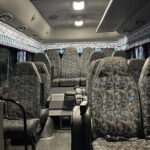
Angkor Wildlife & Aquarium sits outside the center of town, so think of this as a short ride before you get to the exhibits. If you want to keep the day easy, choose the option that includes an air-conditioned vehicle and pickup, which is offered as part of the experience. You can also find it convenient that it is near public transportation, though pickup is the simplest move if your schedule is tight.
Timing matters. The park is open Monday through Friday, 8:00 AM to 5:00 PM (for the listed operating period). That means it is a great daytime plan if you are already in Siem Reap during the week, and it avoids the stress of trying to squeeze in a half-day slot right before dark.
I like that this is designed to work for different paces. You can treat it as a quick circuit if you are mostly here for the aquariums, or slow down if you enjoy reading exhibit info and watching animals during feeding or rest cycles. The ticket window also ranges from 2 hours to about 5 hours 20 minutes, so you are not forced into a rigid schedule.
Bottom line: plan a little extra margin for transit time, then give yourself time to actually look. This is not the kind of place where you can glance at tanks for five minutes and feel satisfied.
Other Angkor Wat ticket and pass tours we've reviewed in Siem Reap


Freshwater Tank: Mekong River monsters and Tonle Sap secrets
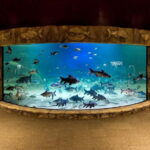
The freshwater section is the emotional core of the visit. It is built around the Mekong River and Tonle Sap Lake, which is Southeast Asia’s largest freshwater lake. Instead of feeling like a random collection of fish tanks, the story stays focused on the ecosystems of Cambodia’s inland waters.
One exhibit you will not miss is the fresh tank described as showing the wonders of the Mekong River, including the idea of the Monsters of the Mekong River. Even if you do not know the species names, the theme gives you a mental map: this is where you start to understand how freshwater wildlife shapes daily life and local food webs.
For you, that matters because freshwater systems can feel less dramatic than an ocean display if you only expect big colorful reef fish. Here, the interest comes from scale, behavior, and the sense that these animals belong to a living system with seasons and changing conditions. You will likely spend more time than planned in front of tanks that focus on how inland waterways work, not just what fish look like.
Practical tip: when you enter the freshwater tank zone, take 10 minutes to walk the edges first. Then come back for close viewing. That way you get orientation fast and you do not miss the big story panels while you are trying to find your favorite species.
Ocean Aquarium: seeing the freshwater-to-marine transition
After freshwater, you move into the ocean aquarium, which is built around the transition from inland water ecosystems to marine habitats. The concept is simple: the park wants you to see how life changes when water moves from rivers and lakes toward seas and coastal environments.
This section is where you will notice more marine-looking colors and overall aquarium design that is meant to feel different from the freshwater tanks. For many people, this is also the section that feels most visually exciting, since you can compare ecosystems side by side in the same day.
I like that the flow is logical. You start with Cambodia’s inland water world, then you get the shift. If you have ever visited one aquarium and felt it was one-note, this layout helps you see variety without jumping between unrelated exhibits.
One consideration: some visitors who expected the day to be packed with tons of wildlife encounters may feel the ocean aquarium is where most of the time goes. If you are an all-animals-all-the-time person, you will still find land animals later, but it helps to set your expectations: the aquarium elements are the centerpiece, and that is where the strongest concentration of exhibits sits.
Touch Pool interactions: the part families remember
The touch pool is the crowd-pleaser. It is hands-on, designed for visitors of different ages, and it adds that rare moment where you are not just watching behind glass.
If you are traveling with kids, this is often where they slow down and really engage. If you are traveling as an adult, it is still a great reset after you walk through multiple tanks and enclosures. You get to shift from observation to participation, and that can make the whole day feel more personal.
How to get more out of it: treat touch pool time as a chance to ask the staff questions about what you are seeing and why it lives where it does. Even simple explanations help you connect the animals back to the larger habitat stories you already saw in the freshwater and ocean sections.
Also, plan to linger a bit here. Touch pools tend to be the place where people arrive, try it once, and then leave quickly. Give yourself a little extra time so you do not feel rushed.
Land animals: tigers, Siamese crocodiles, otters, sun bears, and reptiles
The land exhibit area gives the visit balance. You are not only staring at water tanks all day. The highlights include Bengal tigers, Siamese crocodiles, playful otters, sun bears, and a reptile focus with over 30 reptile species.
The reptile emphasis is worth calling out. If you love watching animals that move in deliberate, almost slow-motion ways, reptiles can be deeply interesting. You are also likely to spot the Asian water monitor among the reptile species listed, which is a strong name for anyone who likes learning new animals on the spot.
The wildlife mix has a real advantage: many enclosures are in naturalistic habitats, so you are not only viewing animals, you are also getting a sense of how the park thinks about animal comfort and environment. That aligns with the park’s conservation mission and helps make the visit feel more purposeful than a purely entertainment-based setup.
Now, the honest note: if you expect to see a wide range of wildlife constantly moving, you may find the number of mammals beyond the main attractions feels limited. Some visitors have felt the land portion can be less varied than the aquarium side. My advice is to let the aquarium and reptile themes be your baseline, and treat the tigers and crocodiles as major bonus moments rather than the entire plan.
Other wildlife and aquarium tours we've reviewed in Siem Reap

How long to plan: 2 hours to 5 hours 20 minutes
This ticket is built for flexible pacing, which is handy in Siem Reap when you are balancing temples, heat, and energy levels. The visit duration is listed as about 2 hours to 5 hours 20 minutes, so you can choose your own intensity.
Here is a practical way to pace it:
- If you want the basics, aim closer to the 2 to 3 hour end by focusing on the freshwater tank first, then the ocean aquarium, then the touch pool.
- If you want animal time without rushing, build in extra minutes for the land exhibits and reptile area. The day naturally stretches as you slow down at enclosures.
Air-conditioned comfort helps, since much of the aquarium experience is indoors. That makes it easier to keep going even when your temple day would already feel like a slog.
What to wear matters more than you might think. You will be walking inside and around exhibits, so choose comfortable shoes. Bring a light layer if you run cold from air-conditioning.
Price and value: what $15 buys you in conservation-focused experiences
At $15 per person, this is priced like a budget-friendly day activity, not a big-ticket attraction. What helps the value is the combination: you are paying for aquarium exhibits, land animal viewing, a touch pool, and conservation support all under one admission.
Your ticket is also structured with inclusions that reduce add-on costs. The listed inclusions include an entry ticket, air-conditioned vehicle, and all fees and taxes. You are not stuck with surprise charges just to get in.
What you should budget separately is straightforward: no alcoholic beverages, snacks, or lunch are included. If you plan to stay closer to the longer end of the time range, bring water and consider planning a snack stop so you do not end up hungry while you are trying to enjoy animal time.
Value check for you: if you like aquariums, freshwater habitats, reptiles, and conservation messaging, this is a solid deal. If you are the type who wants constant variety of wildlife beyond a few standout species, you may feel the experience runs more like a focused aquarium day with a land wildlife bonus.
Should you book the Full Day Pass?
I would book this if you want a Siem Reap day that is different from temples and village streets. The freshwater-to-ocean flow gives you a clear education theme, the touch pool adds a fun interactive break, and the land exhibits cover major draws like Bengal tigers and Siamese crocodiles with a strong reptile component.
I would think twice if your ideal day is lots of mammal variety and constant wildlife action across many enclosures. In that case, go with a plan that makes the aquarium sections your main goal, and you will likely enjoy it more.
If you are flexible and travel with kids, this ticket is especially attractive because the touch pool can turn watching animals into an experience they remember.
FAQ
What is the price for the Angkor Wildlife & Aquarium Full Day Pass?
The price is $15.00 per person.
How long does the experience take?
The duration is listed as approximately 2 hours to 5 hours 20 minutes.
Does the ticket include pickup and transportation?
Pickup is offered, and the experience includes an air-conditioned vehicle.
Will I get a mobile ticket?
Yes. The ticket is provided as a mobile ticket.
What are the opening hours?
The opening hours are Monday through Friday from 8:00 AM to 5:00 PM.
What is included in the ticket price?
The ticket includes entry, air-conditioned vehicle, and all fees and taxes.
What animals and exhibits can I expect to see?
You can expect the freshwater tank (Mekong River and Tonle Sap Lake themes), an ocean aquarium, land animals such as Bengal tigers, Siamese crocodiles, otters, and sun bears, plus over 30 reptile species. There is also a touch pool for hands-on interaction.