REVIEW · SIEM REAP
Angkor Wat Admission Ticket
Book on Viator →Operated by Green Era Travel · Bookable on Viator
Angkor tickets shouldn’t steal your morning. I like this Angkor pass service because your ticket is waiting at your hotel and you can focus on temples instead of the ticket office chaos, especially for sunrise plans. I also like that you can choose 1-, 3-, or 7-day validity so you can build a realistic temple schedule without rushing. One drawback: the service costs more than the ticket office price, and you’re paying for the convenience and handling.
This works best when you’re serious about timing. With admission that’s valid for visiting from sunrise to sunset (on your own arrangement), you can run your day your way—Angkor Wat first, then Ta Prohm, Bayon, and more. Still, you should keep expectations straight: transportation and a tour guide are not included, so you’ll need your own tuk-tuk/car plan.
In This Review
- Key things I’d flag before you book
- Hotel Delivery Cuts the Angkor Ticket Stress Fast
- Picking the Right Pass Length: 1, 3, or 7 Days
- What You’ll Actually See: Temples That Each Have Their Own Mood
- Angkor Wat and Angkor Thom: The Big Anchors
- Ta Prohm and Preah Khan: Where Stone Looks Alive
- Bayon and Neak Pean: Close Details, Different Energy
- Banteay Srei and the Sandstone Mix: Why Smaller Temples Can Win
- Baksei Chamkrong, Banteay Samre, and the Small Circuits
- Hills and Farther Stops: Kbal Spean, Phnom Krom, and Beng Mealea
- Sunrise Runs and Long Days: What to Prepare For
- Value Check: Why It Costs More Than the Ticket Office
- Conduct Rules at Angkor: What You Need to Know Before You Go In
- Do You Need a Guide? How Much Context Changes the Experience
- Where This Pass Service Fits Best (and Where It Doesn’t)
- Should You Book This Angkor Wat Ticket Delivery Service?
- FAQ
- Do I need to email passport photos for each traveler?
- Where will my Angkor pass be delivered?
- What time can I use the pass for temple visits?
- Which temples and sites are included with the admission?
- Is transportation or a tour guide included?
- Can I get a refund or change the pass if my plans change?
Key things I’d flag before you book

- Hotel delivery under your name (evening drop the night before your visit, with validity tied to the printed dates)
- Choose 1, 3, or 7 days so you don’t waste time re-buying or scrambling mid-trip
- Avoid the ticket-office line when sunrise at Angkor Wat is the priority
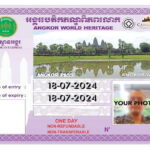
- Your pass includes your photo, and you must show it when requested by controllers
- Some sites need separate tickets (Phnom Kulen and Koh Ker), even if they’re in many Angkor plans
- You’re paying for convenience, not for a cheaper ticket price
Hotel Delivery Cuts the Angkor Ticket Stress Fast

The biggest win here is simple: instead of queuing at the ticket office, you start temple time with your pass already sorted. Your ticket is delivered to your hotel front desk under your name, typically around 6 pm the evening before your visit days begin. The pass is also set up for frequent checks at temples, so the “I have my ticket” feeling matters when you’re moving early and walking a lot.
This matters even more if Angkor Wat is your first stop. Sunrise at Angkor Wat is the classic plan, and you don’t want to burn that early window on paperwork. One recurring theme from real-world experiences: people were relieved they could go straight in without hunting down ticket counters and lanyards at the last minute.
One detail worth planning around: you deliver the pass one day before your visit, and the information provided says the ticket is valid on the next day after the drop. So don’t assume the moment it arrives means you can use it immediately—watch the printed from/to validity dates on the pass.
Other Angkor Wat temple tours we've reviewed in Siem Reap



Picking the Right Pass Length: 1, 3, or 7 Days

Angkor days add up fast. Even if you don’t try to see everything, you’ll still be walking between temple zones and dealing with entry checks. That’s why choosing the right pass length is more than a pricing decision—it’s how you avoid time pressure.
Here’s how to think about it:
- 1-day option makes sense if you’re mostly focused on a single “greatest hits” block (like Angkor Wat and a nearby set of highlights).
- 3-day option is the sweet spot if you want both the big-name temples and the ones that feel less crowded—without doing a marathon every day.
- 7-day option is for slow travel or deep temple-hopping, where you can spread visits across different circuits and not feel like you’re sprinting between stones.
You’ll also want to watch the dates carefully. The pass is not valid after its validity date, and it’s not transferable (the pass contains a photo of you). If your schedule might shift, keep in mind the pass itself is tied to those printed days.
Also note: the service lists options like 1-, 3-, and 7-day passes, but it’s smart to double-check exactly what your confirmation says for your specific validity range. The safest move is to confirm the from/to dates on your pass before you build daily plans around it.
What You’ll Actually See: Temples That Each Have Their Own Mood
This is not just one temple. It’s a full Angkor sampling, with a mix of major icons and smaller stops that make the whole experience feel complete.
Angkor Wat and Angkor Thom: The Big Anchors
Angkor Wat is your starting point for a reason. It’s described as the largest religious monument in the world, built on a site covering 162.6 hectares. Expect to spend meaningful time here—your schedule shows about 2 hours for a visit.
Then comes Angkor Thom, the last and enduring capital of the Khmer empire from the end of the 12th century, established in the late 1100s by King Jayavarman VII. It’s scheduled for about 1 hour 20 minutes, and it’s a good mental shift from “one monumental site” into a larger city-like temple feeling.
Ta Prohm and Preah Khan: Where Stone Looks Alive
Ta Prohm is famous for the Tomb Raider movie connection, and it’s built in the Bayon style largely from the late 12th and early 13th centuries. Your plan lists about 1 hour. This stop is often where people start noticing how the temple jungle vibe changes how you view the carvings—like the site isn’t static.
Preah Khan is another Jayavarman VII temple, built in the 12th century to honor his father and located northeast of Angkor Thom. It’s scheduled for about 1 hour 20 minutes. This pairing (Ta Prohm then Preah Khan) can feel like you’re moving through different “chapters” of the same kingdom.
Other Angkor Wat ticket and pass tours we've reviewed in Siem Reap




Bayon and Neak Pean: Close Details, Different Energy
If Angkor Wat is about scale, Bayon leans into detail. It’s described as richly decorated and built as the state temple of the Mahayana Buddhist King Jayavarman VII. Your time block is about 1 hour.
Neak Pean is a smaller detour that stands out for its setting: an artificial island with a Buddhist temple on a circular island in Jayatataka Baray, connected with Preah Khan. Your time block is about 1 hour. This is one of the stops that can feel calmer simply because it changes the rhythm of the day.
Banteay Srei and the Sandstone Mix: Why Smaller Temples Can Win
Banteay Srei (often called the Ladies Temple) is a 10th-century temple dedicated to Shiva. It’s near Phnom Dei and scheduled around 1 hour. If you’re the type who loves close-up stonework, this is a strong contrast to the huge compass-point temples.
You’ll also see Bakong, described as the first temple mountain of sandstone constructed by Khmer rulers in the 9th century at Angkor near modern Siem Reap (about 15 km from town). Your time block here is about 1 hour. Stops like Bakong help break up the day so it doesn’t become a single long blur.
Baksei Chamkrong, Banteay Samre, and the Small Circuits
Baksei Chamkrong is a small Shiva temple next to Phnom Bakheng Hill, with a scheduled visit of about 30 minutes.
Banteay Samre is located near the East Baray, built in the early 12th century, scheduled for about 40 minutes.
These shorter blocks are useful. When a day gets heavy, smaller temple stops help you keep moving without burning out.
Hills and Farther Stops: Kbal Spean, Phnom Krom, and Beng Mealea
Your plan includes some farther sites:
- Kbal Spean (listed twice in the schedule), described as an Angkorian era archaeological site on the slopes of the Kulen Hills with a scheduled visit of about 3 hours (and in another entry, longer).
- Prasat Phnom Krom, a hill about 12 km southwest of Siem Reap with a scheduled visit of about 2 hours 20 minutes and noted as a great spot to see something scenic.
- Phnom Bok, a hill with a temple, scheduled around 2 hours.
- Prasat Beng Mealea, listed as part of the plan with an admission ticket marked as free in the itinerary, scheduled around 2 hours.
One important caution: your information also says Phnom Kulen and Koh Ker temples require a separate ticket. So if your ideal Angkor day includes those, plan for a second ticket purchase beyond this pass service.
Sunrise Runs and Long Days: What to Prepare For

The service’s real promise is time savings. The real reality is that temple days are still long, dusty, and physically demanding. One review specifically called out safe, comfortable shoes, and honestly, that’s the advice I’d repeat to anyone planning multiple temples in one day.
Your schedule includes many stops with time blocks like 30 minutes up to several hours, which adds up quickly. If you’re doing a sunrise start, you should expect the day to stretch. One experience mentions 8 hours, at least, and that’s easy to believe once you include travel time between zones and the time it takes to enter with your pass.
Another practical prep: plan your clothing around the conduct rules you’ll see on site. Covered shoulders and knees are expected. The provided code also says don’t litter, don’t smoke, and don’t touch carvings.
And sunrise changes everything psychologically. People get up early, then they’re rushed because they assume they’ll still have to wait in line. Here, the point is that by pre-arranging the pass, you’re less likely to lose that morning window.
Value Check: Why It Costs More Than the Ticket Office

Let’s talk money like adults. The price shown for this service is $59.00 per person, and there’s also a clear breakdown note: this pass service is more expensive than the original price at the Angkor Enterprise Ticket Office because it includes added services (and fees).
The data also states:
- 1-day ticket is $37 + service fees and promotion information
- 3-day ticket is $62 + service fees and promotion information
- 7-day ticket is $72 + service fees and promotion information
So you’re paying a markup for what you get:
- hotel delivery so you can skip lines
- handling that reduces “will the site work tonight?” stress
- a pass with your photo already tied to your identity
- a smoother entry routine since the pass is meant to be shown at multiple points
One downside to acknowledge: a few people have questioned the surcharge and said they expected closer-to-official pricing. If you’re very price-sensitive and don’t care about lines, you may not feel the value.
But if you’re going at sunrise, have limited time, or just don’t want to gamble with last-minute ticket office logistics, this is exactly the kind of service that can prevent a whole trip from feeling like a chore.
Conduct Rules at Angkor: What You Need to Know Before You Go In

Angkor isn’t just a photo stop. It’s a working place with rules that keep it respectful and protected.
Here’s what you should follow based on the Visitor Code of Conduct provided:
- Respect monks
- Respect all signs
- Don’t give money or candy to children
- Wear respectful clothing: shoulders and knees covered
- Don’t litter
- Don’t smoke
- Don’t touch carvings
Also, the pass rules matter:
- You must keep the ticket and show it to controllers when requested
- The pass is not transferable and includes a photo of you
- Fake tickets are a crime punishable by law
- Kids under 12 don’t need a ticket but need a passport to prove age
- Drones and professional commercial filming need a permit from the APSARA National Authority
These aren’t theoretical rules. They’re the kind of things staff actually enforce when they check passes and guide your movement.
Do You Need a Guide? How Much Context Changes the Experience

A tour guide isn’t included by default. But guides are available to hire in most languages, and if you want the temples to mean more than shapes and dates, a guide can change your day.
The real-world feedback includes guide names you might run into if you add guiding, such as Mr Ho, Sok Piseth, Vantha, Bob, and Bunthang Lim. What matters is the role: they help you understand what you’re seeing—how to read the carvings, the temple layout, and the reasons certain styles show up where they do.
If you’re self-guiding, you can still enjoy Angkor deeply. The ticket service is about removing friction. The guide is about adding interpretation.
Where This Pass Service Fits Best (and Where It Doesn’t)

This is a strong fit when:
- You’re planning sunrise at Angkor Wat and want to protect that morning schedule
- You have limited time in Siem Reap and don’t want to waste it in queues
- You want the pass handled in advance so your first temple day feels calm
- You want to choose a 1-, 3-, or 7-day validity that matches your pace
It may be a less perfect fit if:
- You’re trying to minimize costs and you don’t mind waiting in line
- You’re depending on separate sites like Phnom Kulen and Koh Ker, which require extra tickets
- Your schedule could change, because passes aren’t refundable and can’t be amended in the data provided
Should You Book This Angkor Wat Ticket Delivery Service?
If your main goal is to see Angkor Wat at sunrise and keep your first day from turning into a ticket-line problem, I think booking this makes sense. The value isn’t that it’s cheaper—it’s that it’s less stressful and more time-efficient.
I’d book it especially if you’re the kind of traveler who hates randomness: you want your pass tied to your identity, delivered to your hotel, and ready for temple entry checks. If you’re price-first and you’re comfortable managing ticket logistics on your own, you can probably do it cheaper elsewhere. But if you’re optimizing for time and peace of mind, this service earns its fee.
FAQ
Do I need to email passport photos for each traveler?
Yes. You’re asked to email passport photos of all travellers after booking. If those photos aren’t received, the ticket won’t be issued.
Where will my Angkor pass be delivered?
It’s delivered to your hotel front desk under your name, in the evening around 6 pm for your visit on the following day(s).
What time can I use the pass for temple visits?
The pass is valid for visits from sunrise to sunset, on your own arrangement.
Which temples and sites are included with the admission?
The plan includes Angkor Wat, Angkor Thom, Ta Prohm, Banteay Srei, Preah Khan, Bakong, Bayon Temple, Neak Pean, Baksei Chamkrong, Banteay Samre, Kbal Spean, Pre Rup, Ta Keo, Prasat Kravan, Ta Som, Srah Srang, Lolei, Prasat Phnom Krom, Phnom Bok, Preah Ko, and Prasat Beng Mealea. Phnom Kulen and Koh Ker require separate tickets.
Is transportation or a tour guide included?
Transportation to the sites and a tour guide are not included. Pickup may be mentioned in the service overview, but transportation isn’t listed as included in the details provided.
Can I get a refund or change the pass if my plans change?
No. The pass is non-refundable and cannot be changed for any reason.