REVIEW · SIEM REAP
2-Day: Angkor Temple Treasures and Unique Floating Lifestyle
Book on GetYourGuide →Operated by Individual professional guide · Bookable on GetYourGuide
Angkor can feel like a full-time job, so this 2-day route is a smart fix. You’ll hit Angkor Thom and Angkor Wat, then add Tonle Sap floating village life for a change of pace. I like how the plan stays tight but still leaves room to slow down and actually look, not just move from one photo spot to the next.
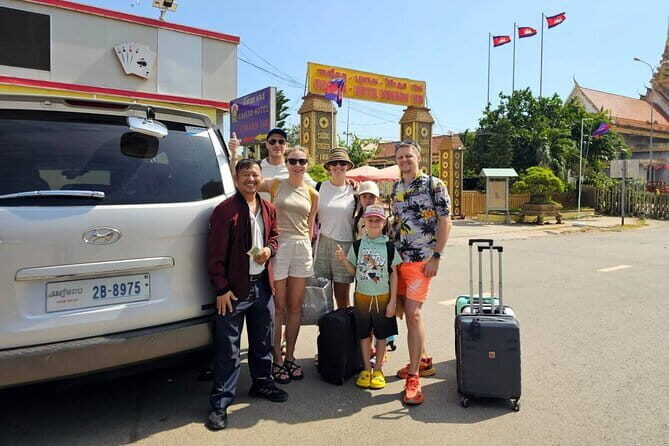
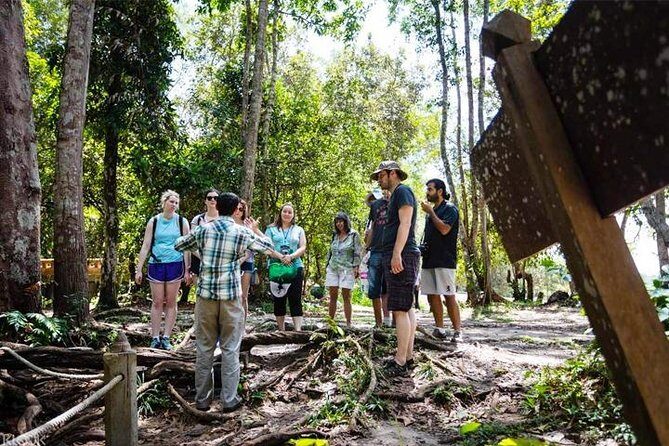
Two things I really liked: first, the storytelling from guide Rathan. He explains what you’re looking at in plain language, and he’ll answer lots of questions without making it feel awkward. Second, the comfort touches on the road—your driver Mr. Toi shows up with cool water and ice-cold towels, which is a bigger deal than it sounds in Siem Reap heat.
One drawback to consider: the main Angkor entry ticket is not included, and lunch is also on you. Add those costs and you may want to plan for them up front so the $75 feels like the real deal, not a surprise.
In This Review
- Key points before you go
- Why this 2-day Angkor-and-Tonle-Sap combo makes sense
- Day 1: South Gate, Bayon, the Terrace of the Elephants, and Bakheng sunset
- South Gate of Angkor Thom: your entry into the city’s mood
- Bayon Temple: hundreds of smiling faces, with meaning behind them
- Terrace of the Elephants: a king’s viewpoint
- Ta Prohm and Ta Keo: different styles, same scale
- Bakheng Mountain: sunset gives you a finishing frame
- Beyond the obvious: how this tour treats Ta Prohm and the hidden ruins
- Day 2: Angkor Wat at a thoughtful pace plus Ta Som, Preah Khan, and Neak Pean
- Angkor Wat main complex: bas-reliefs that reward time
- Outer galleries and hidden stories
- Ta Som, Preah Khan, and Neak Pean: “treasures” with different personalities
- Tonle Sap floating life: school, stilt houses, and markets on the water
- Price and logistics: is $75 good value?
- Comfort and timing tips that will actually help
- Who should book this tour (and who might want a different plan)
- Should you book this 2-day Angkor Temple Treasures and Floating Lifestyle tour?
- FAQ
- What does the $75 price include?
- What is not included in the tour price?
- How long is the tour?
- What sites will I see on day one?
- What sites will I see on day two?
- Is this tour guided in English?
- How big is the group?
- Is free cancellation and pay-later available?
Key points before you go
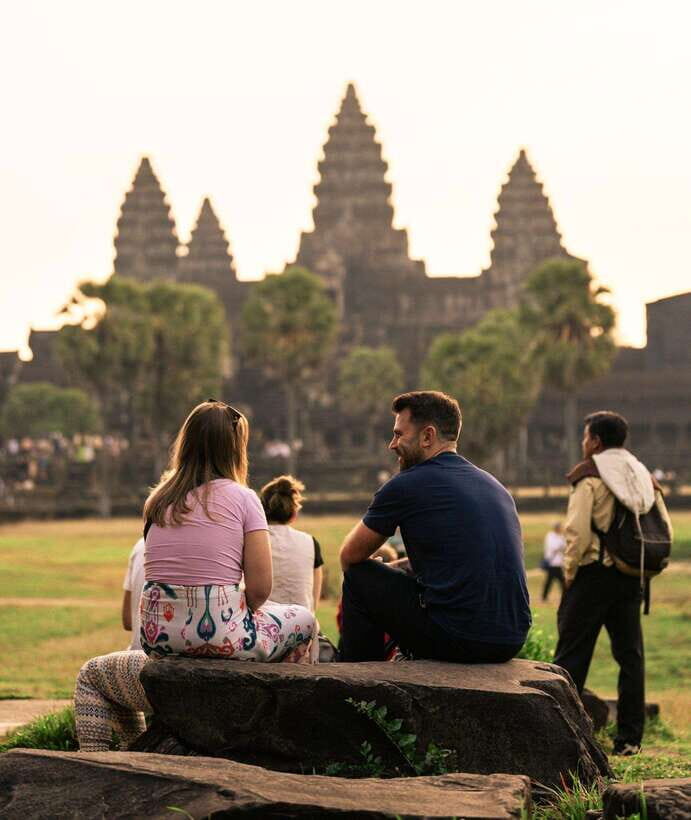
- Small group size (capped at 10, often described as fewer) means you’re not stuck behind a crowd.
- Rathan’s temple explanations turn carvings and gateways into something you can follow.
- Angkor Thom small circuit hits major anchors plus a sunset finish at Bakheng Mountain.
- Movie-famous Ta Prohm is included, but you’ll get more than the classic root-over-stone view.
- Tonle Sap floating school and stilt-house life are built into day two for contrast with stone temples.
- Floating village boat visit isn’t included, so you may have an optional extra depending on how you want to experience it.
Why this 2-day Angkor-and-Tonle-Sap combo makes sense
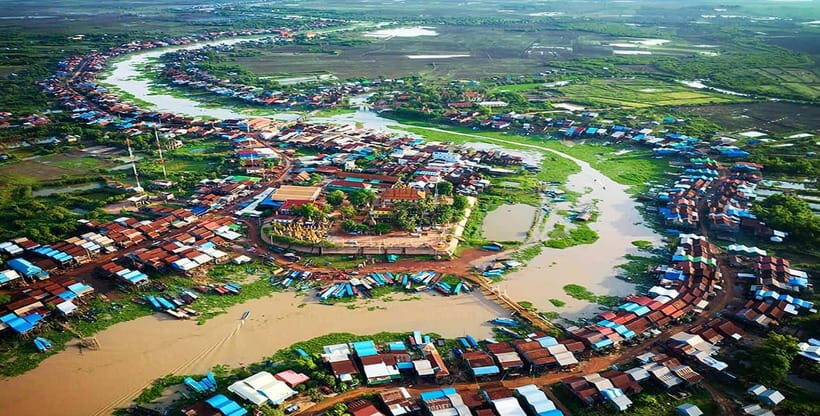
Angkor is huge, and most people struggle with the same problem: you either see too little, or you spend the whole trip moving quickly and barely noticing. This tour solves that by using a two-day rhythm—Angkor Thom first, then Angkor Wat and the grander circuit—so you can build mental maps as you go.
You’ll also get a rare pairing: temple architecture and Khmer storytelling in the morning hours, then water life at Tonle Sap later. That shift matters. After hours of stone faces, lintels, and reliefs, seeing a floating school and stilt-house communities helps the whole trip feel balanced instead of repetitive.
Other multi-temple archeological tours we've reviewed in Siem Reap


Day 1: South Gate, Bayon, the Terrace of the Elephants, and Bakheng sunset
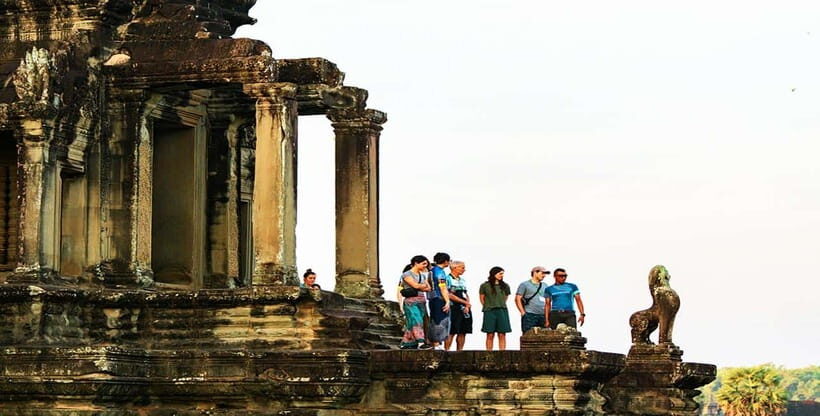
Day one is built around Angkor Thom, the former Khmer capital. That’s a smart way to start because Angkor Thom gives you the “city layout” feel—big gates, ceremonial spaces, and temples all packed into one workable zone.
South Gate of Angkor Thom: your entry into the city’s mood
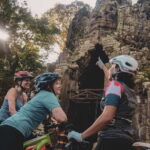
You begin at the South Gate, which sets the tone fast. Gates here aren’t just entrances; they act like a threshold into the Khmer world of power and ritual. If you’re the kind of person who likes context, this first stop helps you understand why the rest of the circuit feels ordered.
A small practical note: gates can be busy, and your timing will matter. On a guided schedule, you usually get better flow than if you wander on your own.
Bayon Temple: hundreds of smiling faces, with meaning behind them
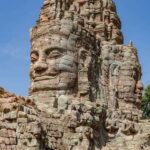
Next comes Bayon Temple, famous for its many stone faces. The famous part is obvious—countless expressions staring back at you—but what makes it worth the effort is what your guide helps you notice: the role these faces played and how the temple’s structure supports that ceremonial feel.
This is also a good temple for questions. If something looks confusing—symbol patterns, layout, or what you’re seeing—this is where a guide’s explanations really pay off.
Terrace of the Elephants: a king’s viewpoint
Then you’ll visit the Terrace of the Elephants. The stop is memorable because it was used by the king, which turns it from a random platform into a specific kind of space. You’re not just looking at stone stairs and carvings; you’re imagining authority and public display.
If you like “how people used this place” thinking, this is one of the stops that makes Angkor feel human.
A few more Angkor & Siem Reap tours and experiences worth a look

Ta Prohm and Ta Keo: different styles, same scale
Day one includes both Ta Prohm and Ta Keo, which makes it more interesting than doing only the most famous ruins.
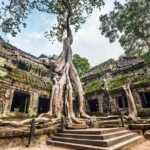
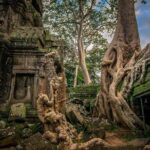
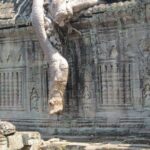
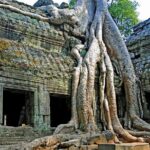
- Ta Prohm is the temple made widely known through the movie Lara Croft: Tomb Raider. Yes, you’ll recognize the vibe—trees, stone, and that dramatic mix of ruin and nature—but you’ll also benefit from a guide who can point out what’s original temple work versus what nature has taken over.
- Ta Keo is the opposite energy: less of that movie-tangled look, more of a stark temple presence. Stops like this help you see that Angkor isn’t one uniform aesthetic.
If you’re worried about fatigue, these two can feel like a lot in one day, but the order helps. You finish with an outdoor payoff.
Bakheng Mountain: sunset gives you a finishing frame
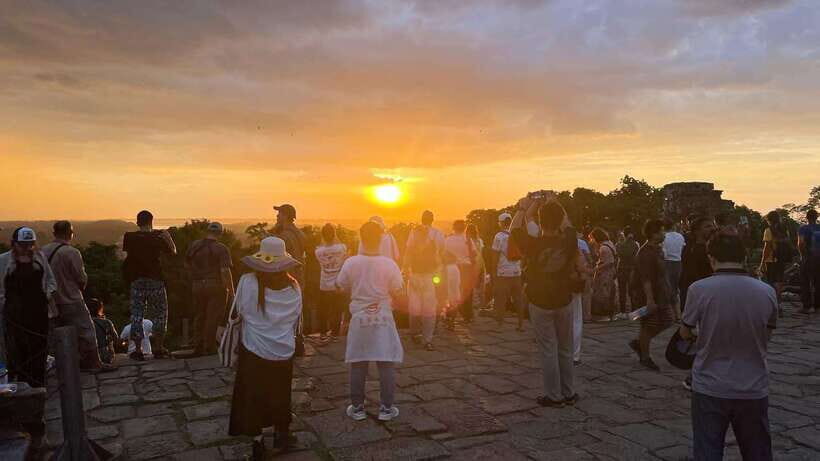
Day one ends at Bakheng Mountain for sunset views over Angkor Wat and other temples in the complex. This kind of viewpoint is valuable because it changes the scale. From ground level, everything can blur together. From above, you see how the layout works.
If you hate crowds at viewpoints, arrive ready for people and stick close to your guide’s rhythm. The payoff is worth it, but you’ll want to stay flexible with timing.
Beyond the obvious: how this tour treats Ta Prohm and the hidden ruins
The tour isn’t only built on the headline names. It also includes the kind of stops that make your photos more interesting because the details feel more personal.
Ta Prohm is the headline, but what really helps is when your guide explains how the temple reads—what to focus on, where to look for structure, and how to interpret the stonework while still enjoying the famous visuals.
On top of that, day two includes additional “treasures” that help you see Angkor as a system instead of a set of separate landmarks. Stops like Ta Som, Preah Khan, and Neak Pean add variety in carvings and layout, and they also help you feel like you’re getting a deeper route without needing a full self-planned logistics headache.
Day 2: Angkor Wat at a thoughtful pace plus Ta Som, Preah Khan, and Neak Pean
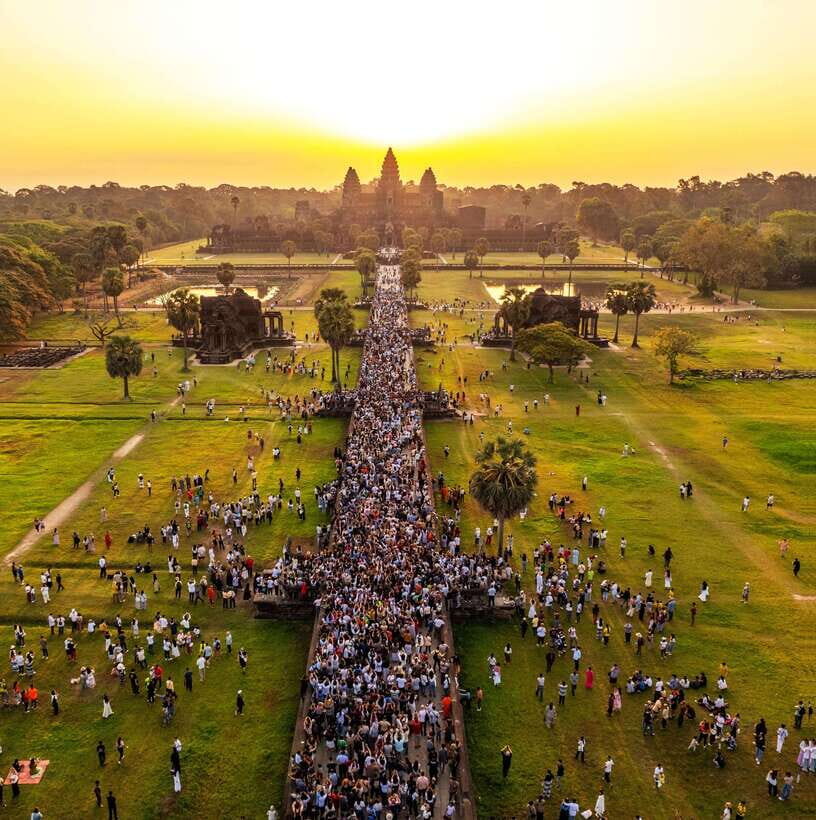
Day two centers on Angkor Wat and the grand circuit, which is the classic move after Angkor Thom. If day one gives you the city’s bones, day two gives you the masterwork.
Angkor Wat main complex: bas-reliefs that reward time
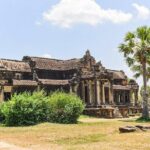
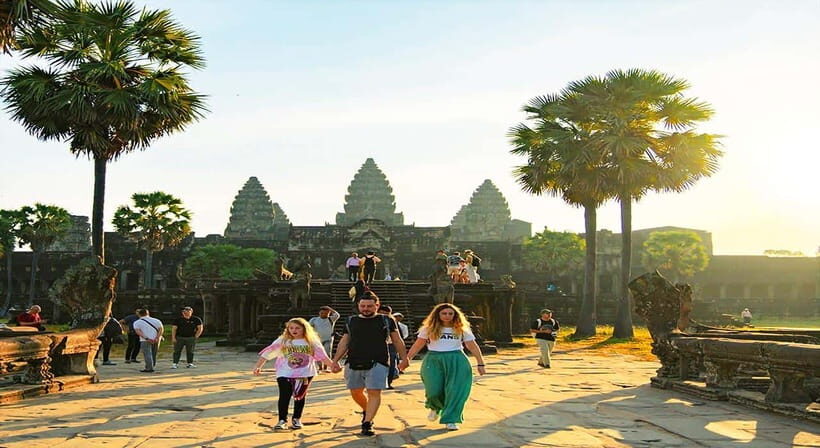
You’ll spend time exploring the main temple complex at a leisurely pace. That pacing matters because Angkor Wat is full of reliefs and carvings that aren’t meant to be scanned for ten seconds each. With a guide, you get a clearer sense of what you’re looking at—stories, symbols, and structural details.
This is also where you can catch that early-light feeling some mornings are known for. One standout detail from the experience is that sunrise at Angkor Wat can happen on this kind of route, and that timing turns the temple from impressive to unforgettable.
Practical angle: early and late light makes carvings easier to see, and it’s more comfortable for your eyes than harsh midday sun.
Outer galleries and hidden stories
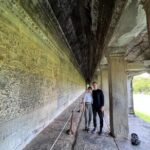
You’ll also explore outer galleries and bas-reliefs. The value here is simple: galleries connect the main areas and give you extra angles. Even if you’ve seen pictures before, a guide helps you notice what pictures often leave out.
If you like learning as you go, this is the day that feels most satisfying.
Ta Som, Preah Khan, and Neak Pean: “treasures” with different personalities
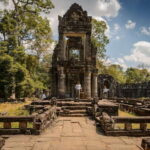
After Angkor Wat, you’ll continue to Ta Som, Preah Khan, and Neak Pean. These stops are important because they show different ways Khmer builders shaped sacred space.
- Ta Som: often appreciated for its atmosphere and approachable scale compared with the biggest anchors.
- Preah Khan: tends to feel more sprawling and exploratory, so you’ll want to pace yourself and let your guide steer your attention.
- Neak Pean: a more distinctive experience because it stands out in plan and setting.
Together, they help you avoid the common trap: seeing Angkor Wat, snapping a few shots, and calling it done.
Tonle Sap floating life: school, stilt houses, and markets on the water
The last act is Tonle Sap Lake and the floating village experience. This is where your trip stops being only about temples and starts being about people and daily routines.
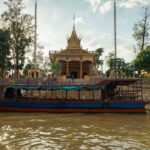
You’ll see a floating school, wooden stilt houses, and water-based markets. That combination is powerful. A temple is a single moment in time from a long-ago world. Floating life is present-day—still working, still teaching, still adapting.
One caution: the boat visit to the floating village on Tonle Sap (Tonle Sab) is not included. The tour can still give you a solid look at water life, but if you want the full boat experience, budget extra and ask your guide how your specific day is handled.
Price and logistics: is $75 good value?
At $75 per person for 2 days, the value depends on what you already plan to pay separately. The tour price covers pickup and drop-off, a professional English-speaking guide and driver, hygiene local transport, plus cool waters and fresh towels. That’s not nothing. Those comfort details matter when you’re walking temples under hot sun and doing long days.
What’s not included: the Angkor Archaeological Park entry ticket, boat visit to the floating village, and lunch. So for true cost planning, treat the $75 as the guided experience plus transport, then add your entry and meal expenses.
Where this price feels strongest is the combination of:
- Small group attention
- Two full days of major sites (not just one flagship day)
- The guide support you need to get meaning out of carvings and layout
Comfort and timing tips that will actually help
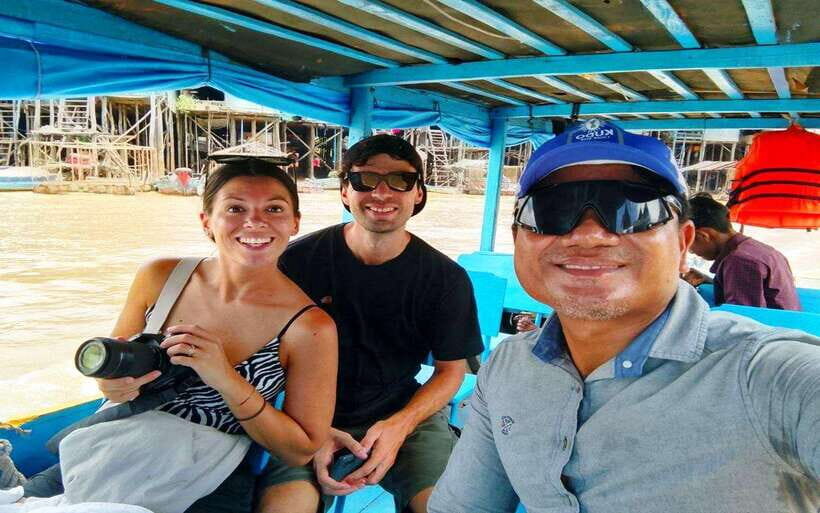
You’ll spend a lot of time outdoors, and you’ll be on your feet. Even though the tour provides cool waters and ice-cold towels, you’ll still want to be smart.
I’d plan for:
- Sun protection (hat or cap, sunglasses)
- Comfortable shoes with grip (temple surfaces can be uneven)
- A light layer for early morning or late evening
Also, because you’ll be moving between major ruins, keep your day bag simple. You don’t want to fight with zippers and pockets when you’re stepping out for viewpoints.
One more practical takeaway from the experience: having fresh towels waiting at the right times makes a noticeable difference. It keeps you from feeling drained halfway through day one.
Who should book this tour (and who might want a different plan)

This is a great fit if you:
- Want a structured 2-day Angkor plan without the stress of self-driving
- Like guides who can explain what you’re seeing, not just where to stand
- Want both Angkor temples and Tonle Sap floating life in one trip
- Prefer a small group so your questions get answered
It may be less ideal if you:
- Are not comfortable with lots of walking and uneven temple ground
- Don’t want to deal with additional costs like entry ticket and lunch
The tour also notes it’s not suitable for people over 95 years, so if you’re near that range, check alternatives carefully.
Should you book this 2-day Angkor Temple Treasures and Floating Lifestyle tour?
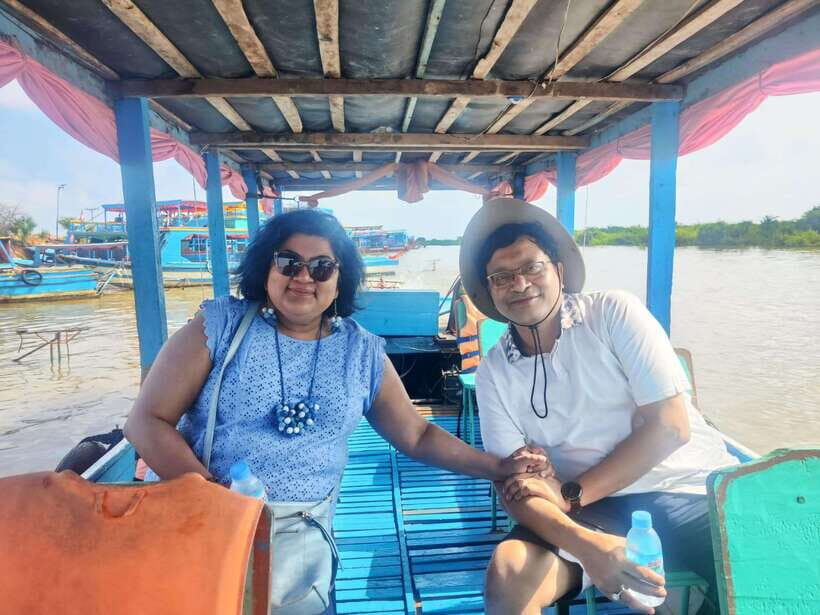
I’d book it if you want the highest chance of getting real value from Angkor in a short stay. This plan hits major anchors—Angkor Thom highlights, Angkor Wat, and key additional ruins—and then rewards the last day with Tonle Sap water life.
The biggest reasons to feel confident are the human pieces: guide Rathan who brings the temples to life in plain language, and driver Mr. Toi who keeps things smooth and comfortable with cool water and ice-cold towels. That’s the difference between seeing Angkor and understanding it.
Just go in with one mindset: the $75 isn’t the whole bill. Budget for the Angkor entry ticket, your lunch, and possibly the floating village boat if you want that part.
If that tradeoff works for you, this is a smart way to get your bearings fast and still come away feeling like you saw something meaningful.
FAQ
What does the $75 price include?
It includes pickup and drop-off, a professional English-speaking guide and driver, hygiene local transport, and cool waters and fresh towels.
What is not included in the tour price?
The Angkor Archaeological Park entry ticket, the boat visit to the floating village on Tonle Sap, and lunch are not included.
How long is the tour?
It’s a 2-day experience. Starting times vary, so you’ll need to check availability for your preferred departure.
What sites will I see on day one?
Day one focuses on Angkor Thom with stops such as South Gate Angkor Thom, Bayon Temple, Terrace of the Elephants, Ta Prohm, Ta Keo, and a sunset finish at Bakheng Mountain.
What sites will I see on day two?
Day two focuses on Angkor Wat plus additional temples including Ta Som, Preah Khan, and Neak Pean, then ends with a floating village experience around Tonle Sap Lake.
Is this tour guided in English?
Yes, it’s led by a live English-speaking guide.
How big is the group?
The tour is described as a small group, limited to 10 participants, and also mentioned as fewer than 6 people for a more private feel.
Is free cancellation and pay-later available?
Yes. You can cancel up to 24 hours in advance for a full refund, and you can reserve now and pay later.