REVIEW · SIEM REAP
Siem Reap: Khmer Water Blessing by Monk and Lotus Farm Visit
Book on GetYourGuide →Operated by CWE Travel · Bookable on GetYourGuide
A monk’s blessing is one thing. Getting part of it on you is another. This Siem Reap half-day pairs a Khmer water blessing with a lotus-farm visit, so the spirituality comes with context, not just a ritual photo.
I particularly love how the guide ties it all together—what you’re seeing at the shrine and pagoda, and how local belief shows up in daily practice. I also like the hands-on touch: picking lotus flowers and using them for the offering makes the ceremony feel personal, not scripted. The possible drawback is simple: during the water blessing, you get completely wet, so you’ll want to plan for a quick outfit change.
In This Review
- Key highlights to know before you go
- A spiritual routine you can actually understand in 4 hours
- The opening shrine stop: Royal Residence spirituality and local practice
- Lotus fields on the way: calm views, practical farming answers
- The fried banana stop: a snack that feels like a local ritual
- Wat Po Banteaychey and the water blessing: what to expect when you get soaked
- Getting a monk’s blessing and the red ritual bracelet
- Etiquette and comfort tips that make the day smoother
- Transportation by tuk-tuk: part of the charm, part of the logistics
- Price and value: what $55 buys you in real-world terms
- Who this tour is best for (and who should skip it)
- If you should book: quick decision checklist
- FAQ
- How long is the Khmer water blessing and lotus farm tour?
- Where do I get picked up?
- What’s included in the price?
- Do I need to bring a change of clothes?
- Is the tour wheelchair accessible?
- What should I bring with me?
Key highlights to know before you go
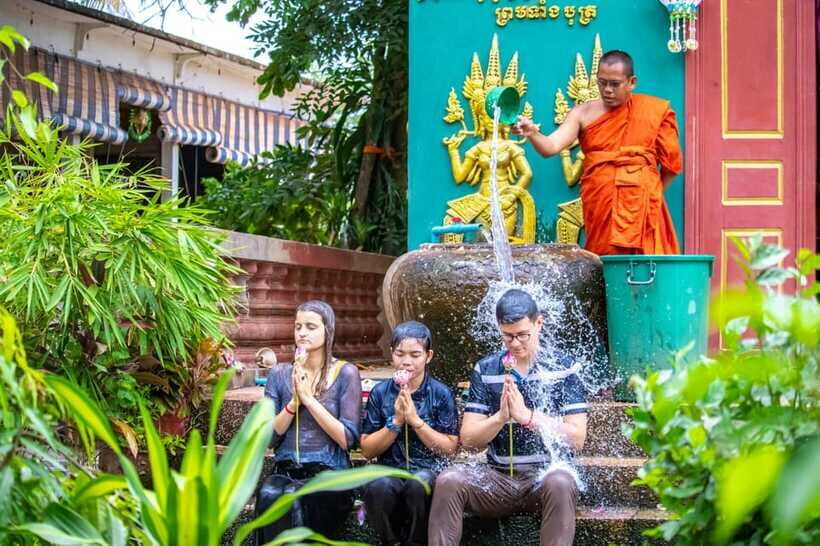
- A real Khmer water blessing with a monk and a red ritual bracelet as part of the experience
- Lotus farm time you can see and ask questions about, including how harvesting works
- Choosing lotus flowers for the offering, which you bring into the ceremony
- Sacred stops around Siem Reap, starting at a shrine tied to the Royal Residence spiritual house area
- Tuk-tuk transportation plus snacks and cold water, so you’re not rushing between places
A spiritual routine you can actually understand in 4 hours
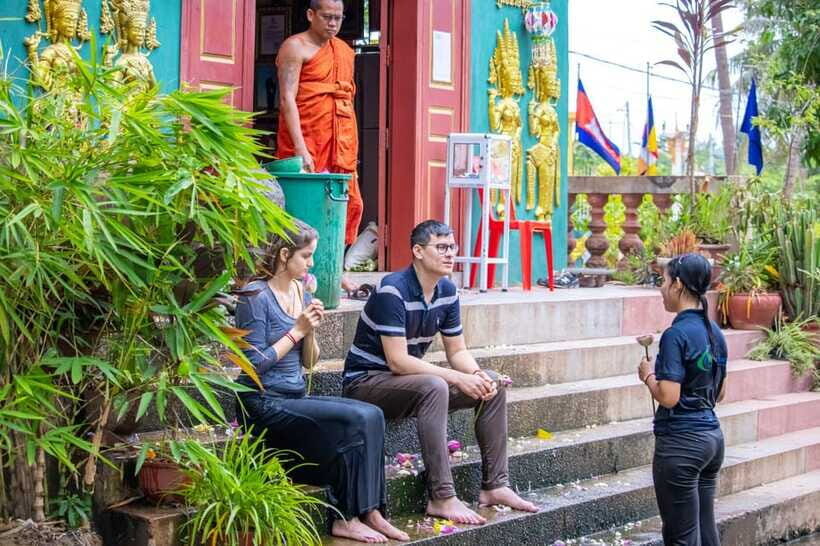
This is the kind of tour that helps you slow down without losing momentum. You start in central Siem Reap, ride out by tuk-tuk, and then you spend your time where meaning is the point: a sacred shrine area, a lotus farm, and a pagoda setting for the blessing.
What makes it worthwhile is the balance. Yes, you’re there for a monk’s blessing—but you also get the “why” behind it. The guide explains what you’re looking at and how Buddhist belief shows up in temple structure and daily temple activities, so you’re not just following footsteps.
And the timing works. At about 4 hours, it’s long enough to feel like an experience, but not so long you’re dragging by the end.
A few more Angkor & Siem Reap tours and experiences worth a look
The opening shrine stop: Royal Residence spirituality and local practice
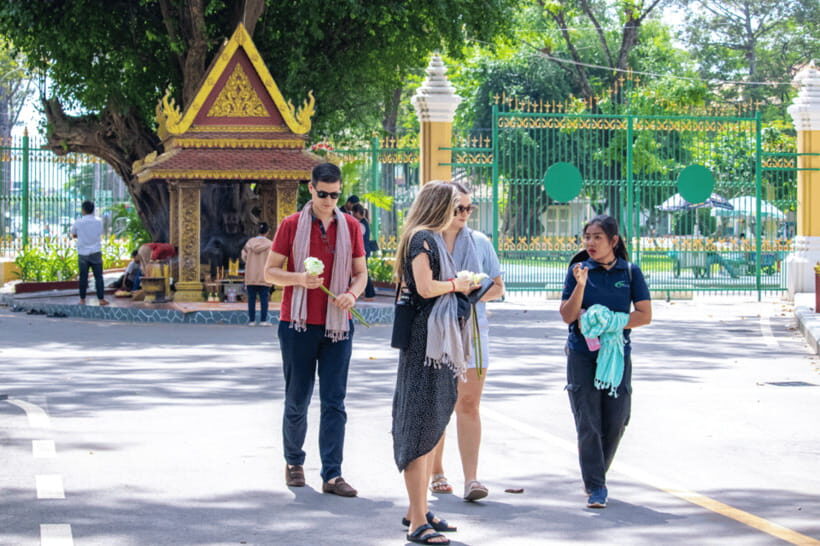
Your day begins with a visit to the Preah Ang Chek Preah Ang Chorm Shrine area in Siem Reap. It’s a sacred spot people connect with through ceremony and offering, and it sets the tone for the rest of the tour.
You’ll get a guided walk and sightseeing here for about 30 minutes. This is a good moment to ask questions, too, because you’re still dry and your brain is fresh. The guide explains the role of sacred spaces and what they’re for—so when you later reach the water blessing, you understand what the ritual is trying to accomplish.
If you’re with a guide like Hong, you may find the explanations especially clear—one of the best-reviewed parts of the experience is how confidently she communicates in English and how much context she shares about Cambodian life and belief.
Lotus fields on the way: calm views, practical farming answers
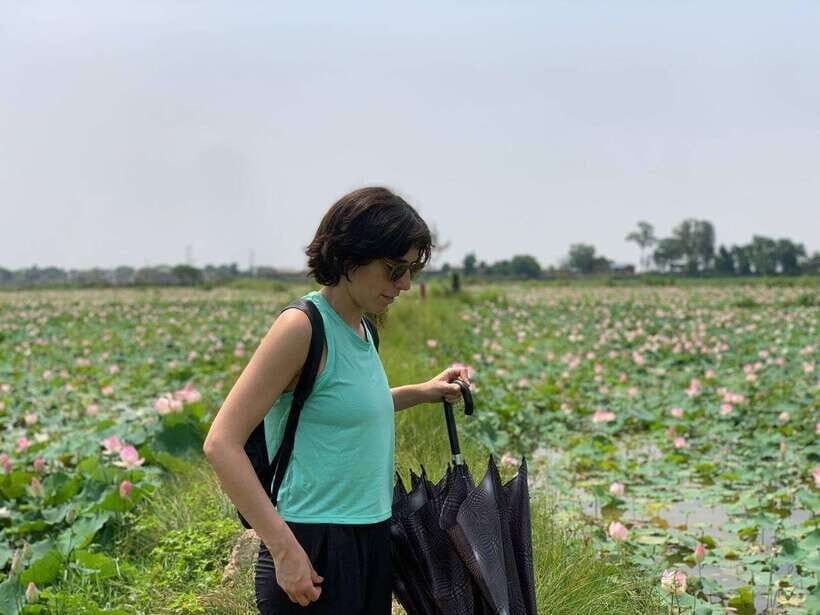
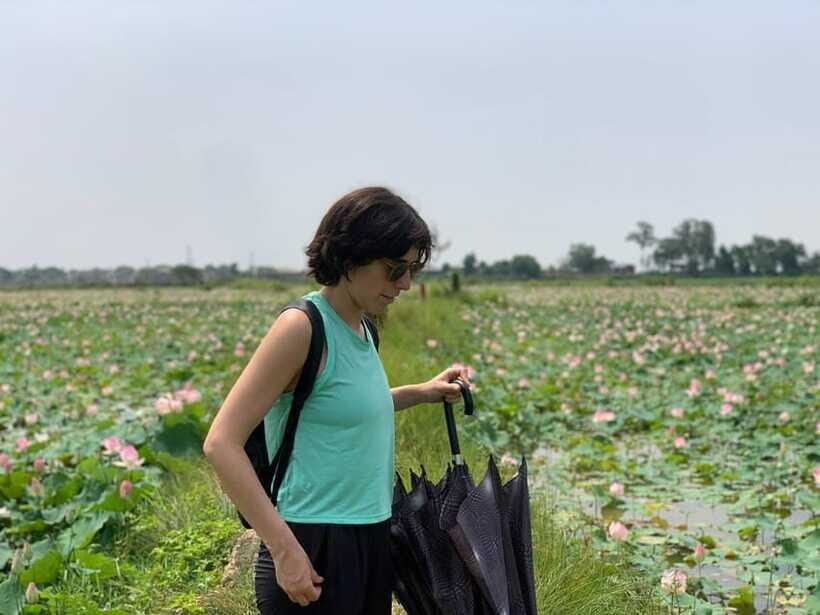
Next comes the lotus farm visit: Lotus Silk Farm & Shop. Even before you reach the fields, you get those roadside glimpses of lotus ponds leading toward Tonle Sap Lake, and your guide points out what you’re seeing and how lotus farming fits into the local economy.
At the farm, you get about 30 minutes of guided time and a walk. This part matters because it turns a temple offering into a supply chain you can picture. You learn how lotus flowers are grown, harvested, and collected for offerings, rather than treating the ceremony like it appears out of thin air.
You also get to pick lotus flowers for the traditional water blessing ceremony. That small act is surprisingly powerful. It’s not complicated, but it gives you a role. You’re not just an observer.
The fried banana stop: a snack that feels like a local ritual
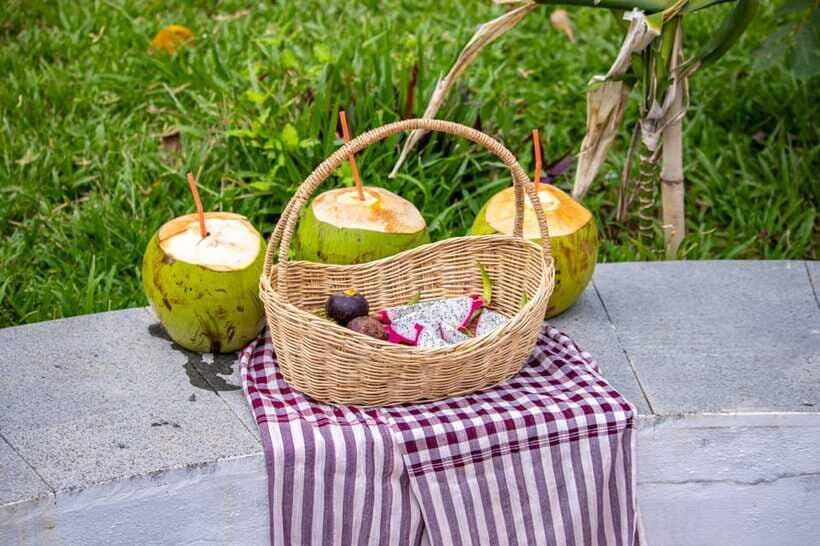
Along the way, you stop to meet a long-running fried banana business owner in Siem Reap town. The shop has been open for more than 20 years, and you’ll try fried banana and sweet potato as your first snack.
This is one of those “small but right” moments. It grounds the tour in everyday Siem Reap, and it keeps things human. After that, you head into the more sacred side of the day with a calmer, less touristy feeling.
It also helps practically: you’ll have energy for the farm walk and the ceremony. Food and water are included, so you’re not scrambling for a drink while everyone else moves on.
Wat Po Banteaychey and the water blessing: what to expect when you get soaked
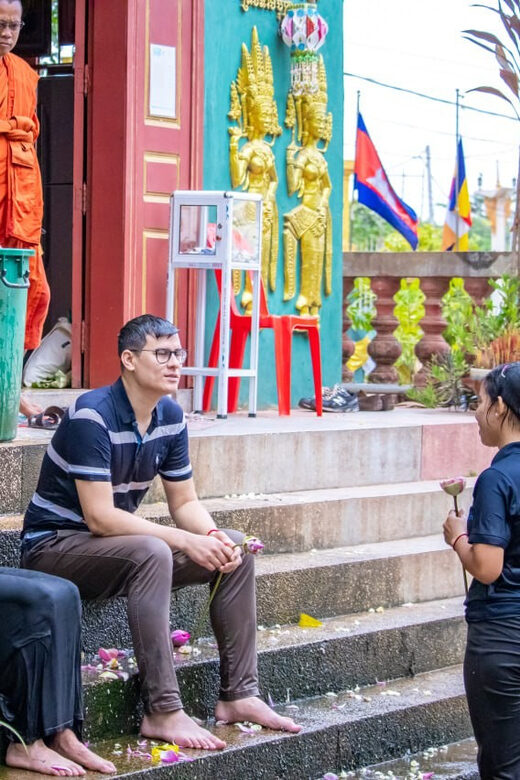
The main event is at Wat Po Banteaychey, where the water blessing takes place. You’ll spend about 1 hour here with guided sightseeing and walking around the pagoda area after the blessing.
Before the ceremony starts, your guide explains Buddhist beliefs and the role and structure of a local temple, plus what’s typical during temple activities. I like this setup because it changes how you experience the blessing. Instead of thinking, What are they doing? you’re thinking, This is why they’re doing it.
Then comes the part you have to treat as real: during the water blessing, you will get completely wet. This isn’t a gentle mist situation. Plan for full wet clothes, hair protection if you care, and an outfit change afterward.
Your tour includes time to change clothes after the ceremony. Bring a towel and comfortable spare clothes. You’ll feel better fast once you’re dry again.
Getting a monk’s blessing and the red ritual bracelet
This tour includes the monk’s offering and donations, so you’re participating in the ceremony in an appropriate way—not just watching.
Part of what you receive is a monk blessing and a red ritual bracelet. It’s a small object, but it’s the kind of souvenir that feels more like a memory marker than a random purchase. The bracelet also makes it easier to look back later and remember what the ritual meant, not just what it looked like in a photo.
If you’re moved by personal encounters, you’ll probably like this section most. In the notes people shared afterward, the conversation with the monk is described as moving and inspiring—less about entertainment, more about reflection.
Etiquette and comfort tips that make the day smoother
You’ll have the best experience if you treat the day like a mix of temple visit and living culture, not a photo mission. That means keeping your clothes comfortable and being ready to adjust when the ceremony starts.
Here’s what I recommend based on what you’re told you’ll need:
- Bring change of clothes and a towel because you get completely wet
- Wear comfortable clothes you don’t mind ruining a bit
- Sunglasses help with brightness (especially if the weather is sunny)
- Bring a camera if you want photos, but be respectful of ceremony moments
- Bring cash, since personal expenses aren’t included
Also, the tour isn’t suitable for wheelchair users. And pets aren’t allowed.
Finally, don’t be shy with questions. The guide is there to explain what you’re seeing, and the best guides on this route—like Sarath, based on past experiences—manage to keep the conversation going without turning it into a lecture.
Transportation by tuk-tuk: part of the charm, part of the logistics
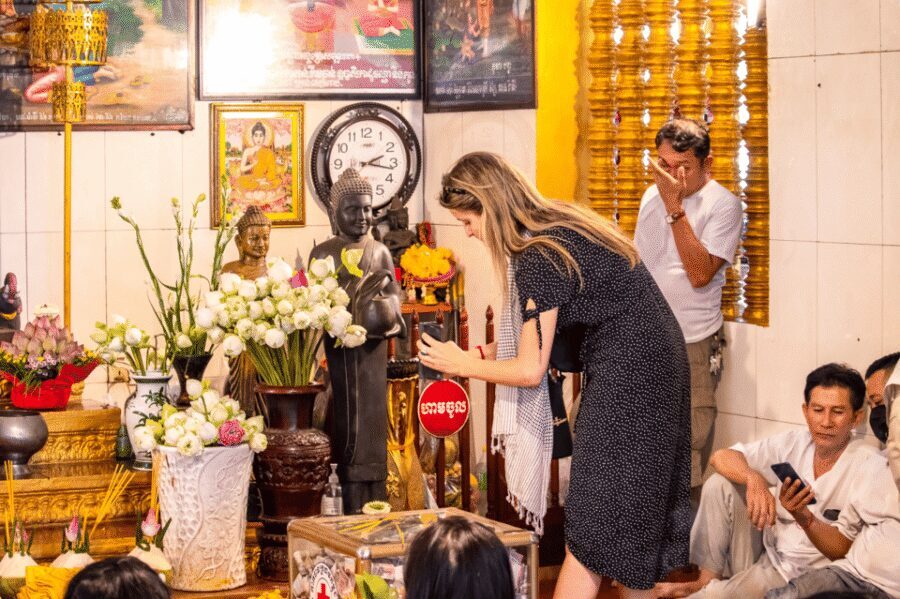
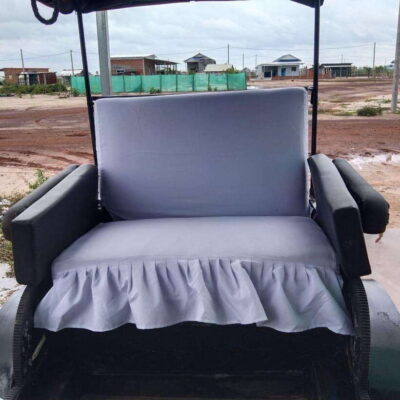
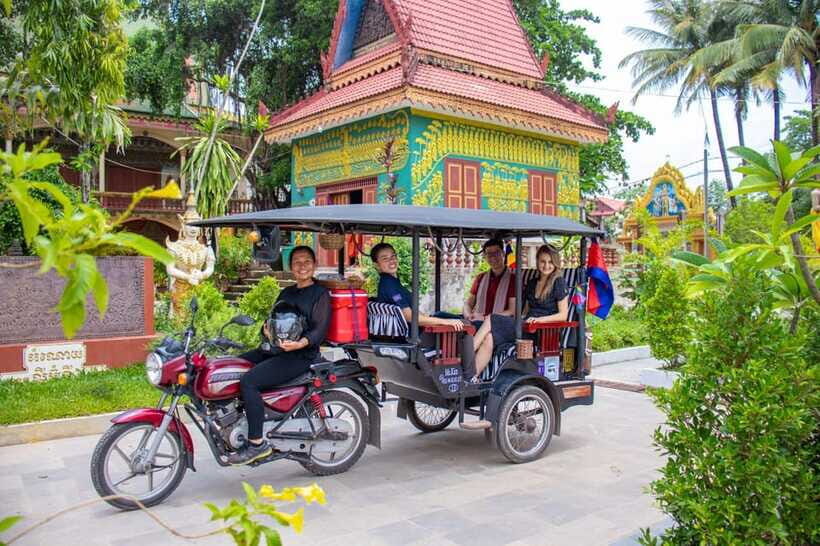
You ride in a remork (tuk-tuk) with an English-speaking local guide. Tuk-tuk transport is a simple advantage here: it keeps you together and makes the whole day feel connected.
Because the tour includes stops for snacks, shopping for lotus flowers, and the farm visit, the transport matters more than you might think. You don’t want to be negotiating rickshaws on your own while timing a ceremony that gets you soaked.
The tour is designed to flow. And if you’re lucky enough to get a driver who’s steady and communicative, you’ll feel less stressed and more present.
Price and value: what $55 buys you in real-world terms
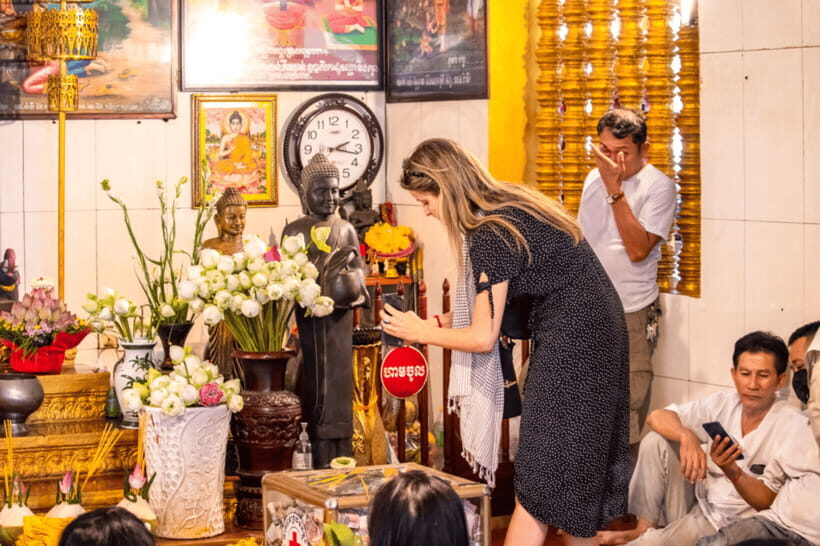
At $55 per person for about 4 hours, you’re paying for more than entry-level sightseeing. In the included cost, you get:
- Local English-speaking tour guide
- Tuk-tuk transportation
- Cold water and local snacks
- Monk’s offering and donations
- Lotus farm entrance fee
- A planned stop to buy lotus flowers for the offering
That combination is the value. Many cheaper options give you transport but not the context, or they give you a talk but not the real ceremony involvement. Here, you get the whole chain—from lotus farming to the offering to the blessing.
One caution on value: there are reviews that mention price disappointment depending on who you book through. I can’t verify internal splits, but it’s fair advice to compare what’s included in your booking and how you’ll feel about paying for guide time and temple participation.
Who this tour is best for (and who should skip it)
This is a great match if you want a Siem Reap experience that feels spiritual but still practical. You’ll like it if you enjoy learning how rituals connect to local life—especially through lotus farming and temple context.
It’s also a good option for solo travelers or couples who want a structured day without feeling trapped in a big bus routine. Multiple guides mentioned in feedback are described as attentive and helpful, which is exactly what you want for something this personal.
Skip it if you hate getting wet during ceremonies or if you can’t manage a quick change of clothes afterward. Also, anyone who needs wheelchair access should look for a different option since this one isn’t suitable.
If you should book: quick decision checklist
Book this tour if you want a monk blessing you can understand, not just witness. The lotus farm component makes the offering feel grounded, and the guide explanations—especially when the English is strong—help you follow along with confidence.
Think twice if you’re sensitive to water, you dislike clothing changes during tours, or you want something purely sightseeing-focused. This day has meaning at its center, and it expects you to participate.
One last practical note: there’s free cancellation up to 24 hours in advance and a reserve now & pay later option, which can help if you’re juggling other Siem Reap plans.
If you’re open to getting wet in the name of a genuinely local spiritual moment, this is one of the most memorable ways to spend half a day in Siem Reap.
FAQ
How long is the Khmer water blessing and lotus farm tour?
The tour lasts about 4 hours.
Where do I get picked up?
Pickup is included from your hotel or other locations in Siem Reap City. You’ll need to provide your hotel name and exact address.
What’s included in the price?
Included are a local English-speaking guide, tuk-tuk transportation, cold water and local snacks, monk’s offering and donations, and lotus farm entrance fee.
Do I need to bring a change of clothes?
Yes. During the water blessing, you will get completely wet, so you should bring a towel and clothes to change.
Is the tour wheelchair accessible?
No, it isn’t suitable for wheelchair users.
What should I bring with me?
Bring sunglasses, a towel and change of clothes, a camera, comfortable clothes, and cash for personal expenses. Pets are not allowed.