REVIEW · SIEM REAP
Traditional Khmer Water Blessing by Monk and Lotus Farm Visit
Book on Viator →Operated by CWE Travel · Bookable on Viator
Water blessing days aren’t all the same. This 3 to 4 hour outing mixes a monk-led Khmer water blessing with real local stops: the Royal Residence spiritual house, a classic Old Market snack, and a lotus farm visit on the way toward Tonle Sap Lake. You’ll ride around by tuk-tuk, get cold water and local snacks, and learn how Buddhist belief shows up in daily life.
Two things I like a lot: first, the blessing is handled in a respectful, guided way where you’re taught what’s happening and why you might wish for health, good fortune, or joy. Second, the day doesn’t feel like one long temple photo-op; it has breaks that feel Cambodian and human, like meeting a long-running fried banana business owner and seeing lotus fields up close.
One consideration: you should be ready to get a bit wet during the blessing, and you’ll want to dress so you feel comfortable in sacred spaces. If you’re expecting a quick, purely sightseeing route, this is more about ceremony and meaning than monuments.
In This Review
- Key highlights worth marking on your map
- A monk-led blessing you can actually understand
- Stop-by-stop: what happens, what to watch for, and why it matters
- Siem Reap hotel pickup and first orientation
- Royal Residence and the spiritual house (Phreah Ang Chek, Phreah Ang Chom)
- Psar Chaa (Old Market): fried banana and sweet potato
- The lotus farm stop on the road toward Tonle Sap Lake
- Wat Po Banteaychey: temple learning before the water blessing
- After the blessing: change clothes and wander the pagoda area
- Price and value: what $70 buys (and what it doesn’t)
- Logistics that matter in the real world
- Who should book this, and who might want another option
- The main risk: getting it wrong
- Should you book it?
- FAQ
- Is hotel pickup included?
- How long does the tour take?
- What’s included in the price?
- Do I get to try local food?
- Will I visit a lotus farm?
- What happens during the water blessing?
- How many people are in the group?
Key highlights worth marking on your map
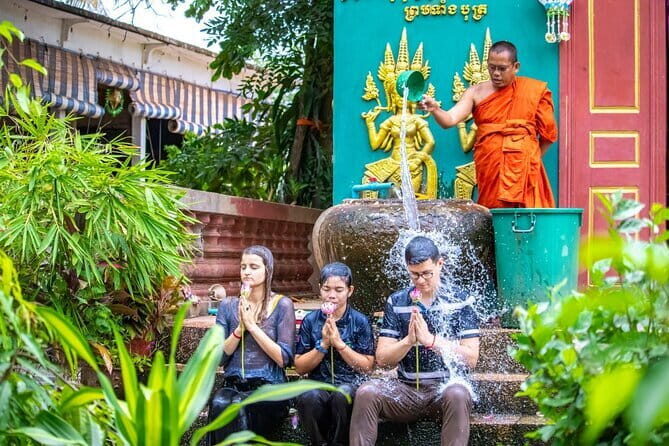
- Monk chant + holy water ritual where you’re guided through the steps and intention
- Royal Residence spiritual house with a focused introduction to place and belief
- Psar Chaa snack stop with fried banana and sweet potato from an old-school business
- Lotus farm views near Tonle Sap Lake paired with farming/harvest context
- Wat Po Banteaychey learning time before the blessing, not after
A monk-led blessing you can actually understand
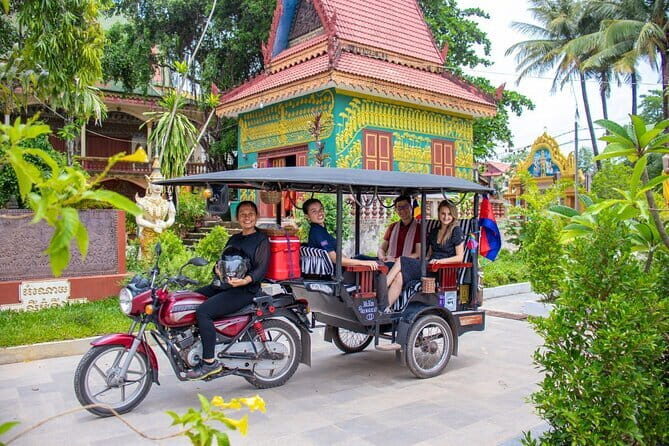
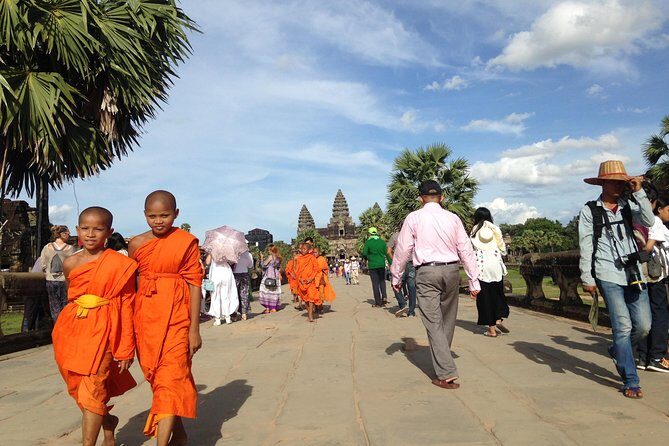
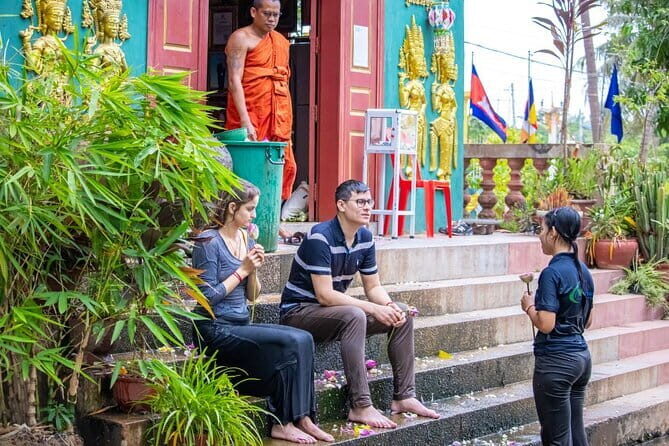
The heart of this experience is the traditional Khmer water blessing: a monk chants, then holy water is sprinkled or poured over you. You’re given the chance to make a wish—think good fortune, health, or pleasure—while you’re still in the moment, not rushing through it like a drive-by.
What makes this work for me (and hopefully for you) is the explanation that comes with it. Instead of treating the ritual like a random performance, the guide connects it to Buddhist belief and local Cambodian customs, then talks through what to expect at each stop. That added context turns a five-minute ritual into something you remember for the tone, not just the photos.
Also, the tour includes a monk offering and donations. That matters because it signals respect for the ceremony rather than showing up only to observe.
A few more Angkor & Siem Reap tours and experiences worth a look
Stop-by-stop: what happens, what to watch for, and why it matters
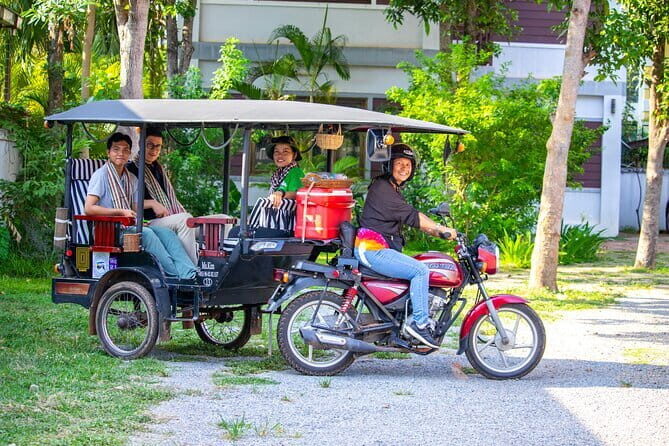
This day is built as a sequence of short, purposeful stops. Hotel pickup sets the pace, then each location adds a different layer: royal belief structures, everyday food culture, nature-based livelihoods, and finally temple ceremony.
Siem Reap hotel pickup and first orientation
You’ll start with pickup in Siem Reap. The exact time depends on your location, so I recommend being ready a little earlier than you think. From the start, you’re not dropped off into confusion; you’re placed in a small-group flow with a guide and driver waiting for you.
You’ll also be dealing with a real-time environment—Cambodian streets, weather shifts, and people moving around. If you like having a plan but also prefer not to feel herded, this format is a solid middle ground.
Royal Residence and the spiritual house (Phreah Ang Chek, Phreah Ang Chom)
Next comes the Royal Residence area and its spiritual house: Phreah Ang Chek, Phreah Ang Chom. The tour doesn’t just point at structures. You get a guided visit and explanation of the site, including how locals understand the spiritual role of these spaces.
Why this stop works: it gives you a sense that spirituality in Cambodia isn’t only at “tourist temples.” It’s woven into royal and community settings too. Even if you’re not a hardcore temple nerd, it helps you understand the logic behind why certain places feel meaningful.
Practical note: this is still a sacred area. Dress in a way that feels respectful, and keep your body language calm and low-key.
Psar Chaa (Old Market): fried banana and sweet potato
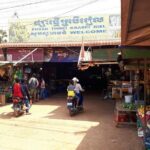
Then you get a short, sweet break in Psar Chaa – Old Market. You’ll meet one of the well-known fried banana business owners in Siem Reap, a shop that’s been operating for more than 20 years. You also get to try fried banana and sweet potato as your first snack of the day.
This stop is valuable for two reasons. One, it’s an easy way to feel the rhythms of the city without building a whole separate food adventure. Two, it slows the day down. After temple explanations, the snack break gives your brain a breather.
Quick tip: eat what you’re given unless you have a food reason not to. This snack is part of the tour’s pacing, not just a bonus.

The lotus farm stop on the road toward Tonle Sap Lake
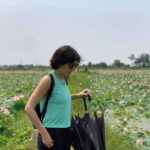
After the market, the day shifts to the lotus farm. On the drive, you can see lotus fields along the road that leads toward Tonle Sap Lake. That view alone is worth it if you like scenery that feels working, not staged.
At the lotus farm, your guide explains farming and harvesting. If you’re curious about how people turn a landscape like this into livelihoods, this is where the questions get fun. In practice, you may also get a chance to try fruit connected to the farm experience, and you’ll learn how parts of lotus plants are used.
Why I like this part: it turns “nature viewing” into a human story—people working the land, not just plants in the distance.
Wat Po Banteaychey: temple learning before the water blessing
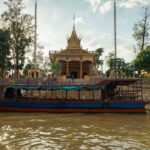
Before you step into the blessing itself, you spend time at Wat Po Banteaychey learning about Buddhist belief and the role and structure of a local temple. That pre-ceremony orientation is one of the smartest parts of the tour.
It helps you understand what you’re seeing when monks and devotees move through the space. It also helps you feel less like you’re “performing tourist behavior” and more like you’re following a real flow.
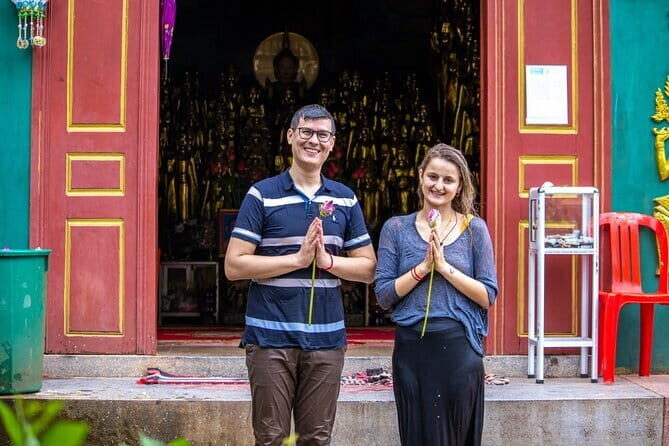
Then comes the main event: the traditional Khmer water blessing. You get the monk chanting moment, and holy water is sprinkled or poured over you. You’re also encouraged to ask questions during this time with the guide and get clarity on what the ritual means.
One more practical note: plan for modest, comfortable clothing and be ready for the surprise of getting wet.
After the blessing: change clothes and wander the pagoda area
Once the blessing is done, you change clothes and then have time to wander in the pagoda area. This isn’t a rushed exit. You can take a slower look around, and you’re encouraged to ask your guide questions before the tour ends.
That small “free time after ceremony” slot is useful. The ritual has an emotional tempo, and having time to reset afterward makes the whole day feel less like you checked a box and more like you participated.
Price and value: what $70 buys (and what it doesn’t)
At $70 for about 3 to 4 hours, the value comes from the mix of guided cultural access plus real inclusions.
What’s included:
- Local English-speaking guide
- Transportation by remork (tuk-tuk)
- Cold water and local snacks
- Monk offering and donations
- Lotus farm entrance fee
What’s not included: personal expenses.
Here’s the practical math: if you tried to DIY this, you’d likely pay for separate transport, temple entry or special access where applicable, and a guide just for context. The tuk-tuk is also part of the experience; it keeps the day feeling local rather than like a transit shuffle in a big van.
Is it expensive for Cambodia? It’s not the cheapest option. But it’s also not trying to sell you a rushed “temple circuit.” You’re paying for understanding, ceremony, and a coordinated day that fits together.
Logistics that matter in the real world
This tour is capped at a maximum of 15 travelers, which keeps things comfortable and conversational. Smaller groups also make it easier to hear explanations during chanting and temple steps.
You’ll ride a tuk-tuk style remork, which is a big plus if you dislike crowds and want a smoother, more nimble route through town.
Weather matters: the experience requires good weather. If conditions aren’t right, you’ll be offered another date or a full refund. That’s not a small footnote; it can change whether the day feels pleasant or miserable, especially since you’ll be active outdoors between stops.
Finally, the tour expects you to change clothes after the blessing. So if you want to travel light, bring at least a backup top and wear something you don’t mind adjusting.
Who should book this, and who might want another option
This is a great fit if you:
- want a Cambodian spiritual experience that’s guided, not just observed from a distance
- like mixing food and everyday culture with temples
- enjoy learning about how belief shapes daily life and local spaces
- want a smaller-group day rather than a long, crowded circuit
It might not be ideal if you:
- hate religious rituals or don’t want any participation (the blessing includes physical sprinkling/pouring)
- prefer only major Angkor-style monuments and nothing else
- want a fully independent, self-paced tour with no ceremony structure
The main risk: getting it wrong
This type of experience can go sideways if you show up with the wrong expectations. The best way to get a good day is to treat the water blessing as the point, not the product.
Go with a calm attitude. Dress respectfully. Ask your questions. And if you feel awkward at first, that’s normal. The guide’s job is to help you understand what’s happening—so lean into that.
Also, consider timing. The day is outdoors between stops, and the ceremony is weather-dependent. If you’re booking during a stretch of heavy rain, you might need flexibility.
Should you book it?
Yes, if you’re the kind of traveler who likes cultural meaning, not just sightseeing stamps. The mix of monk-led ritual, temple context, lotus-farm life near Tonle Sap, and a real market snack makes this feel like an actual day with local texture.
Book it if you want a smaller-group, guide-led experience that explains what you’re seeing and lets you participate in a traditional ceremony. Skip it if you only want monuments, or you don’t want the blessing element.
FAQ
Is hotel pickup included?
Yes. Pickup is offered in Siem Reap, and the pick-up time depends on where you’re staying.
How long does the tour take?
The experience runs about 3 to 4 hours.
What’s included in the price?
It includes a local English-speaking guide, transportation by remork (tuk-tuk), cold water and local snacks, monk offering and donations, and the lotus farm entrance fee.
Do I get to try local food?
Yes. At Psar Chaa (Old Market) you’ll have a snack that includes fried banana and sweet potato.
Will I visit a lotus farm?
Yes. The tour includes a lotus farm stop, plus time to see lotus fields along the road toward Tonle Sap Lake.
What happens during the water blessing?
A monk chants, and holy water is sprinkled or poured over you. You’ll have the chance to wish for good fortune, pleasure, or health.
How many people are in the group?
The tour has a maximum of 15 travelers.