REVIEW · SIEM REAP
Siem Reap: Angkor Temples Tour by a Private Tuk Tuk
Book on GetYourGuide →Operated by Private Siem Reap Tour Guide & Transport · Bookable on GetYourGuide
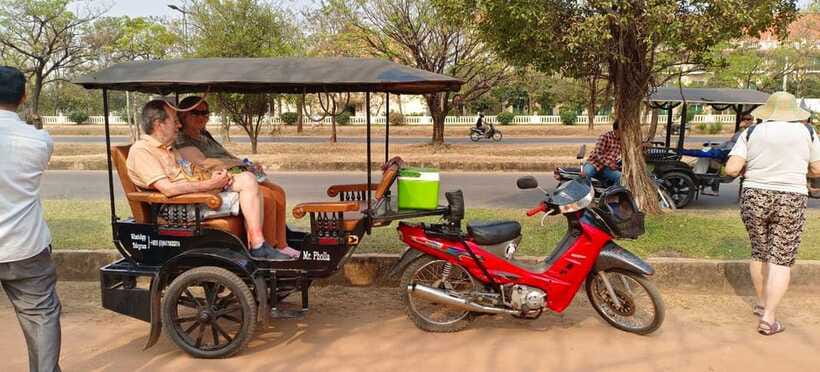
Angkor in a tuk tuk beats the usual slog. This private 1-day route strings together the big sights—Angkor Wat and Ta Prohm—plus the quieter temple stops around Angkor Thom, with an English-speaking driver and cold waters on the way. The one thing to plan for: entrance fees and lunch are not included.
I also like how this tour feels genuinely adjustable. You can pause for photos, take a slower pace where you want to look closely, and still hit the major complexes without getting stuck waiting on other people. In past tours, drivers like Rachou and Sokha Cam were praised for being attentive in the heat and for making the day feel comfortable and personal.
Key Angkor Temples Tour Highlights (in plain terms)
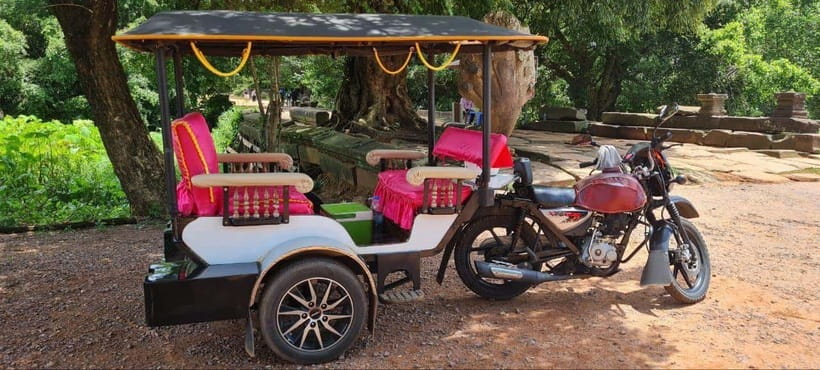
- Private tuk tuk comfort: quieter and easier to move around than a van, especially with temple-hopping heat.
- A smart lineup: Angkor Wat, Bayon, Baphuon, Terrace of the Elephants, plus Ta Prohm and two smaller nearby temples.
- Skip-the-line access: separate entrance helps you start seeing things faster.
- Real-world details included: a lunch break mid-tour and cold waters during the day.
- Good guide energy matters: English-speaking drivers such as Rachou and Sokha Cam were noted for thoughtful, helpful pacing.
In This Review
- Why This Private Tuk Tuk Day Feels Easier Than Big-Day Tours
- Angkor Wat Morning: Seeing the Symbol Without the Chaos
- Enter Angkor Thom: Tonle Om Gate and the Moat Still Doing Its Job
- Bayon to Baphuon: Faces, Causeways, and a Reclining Buddha
- Terrace of the Elephants and the Royal Palace Area: Where You Can Catch Your Breath
- Thommanon and Chau Say Tevoda: Two Temples That Feel Less Worn
- Ta Prohm: Tree Roots, Moss, and Tomb Raider Fame That Still Works
- Lunch Break Timing and What to Plan For
- Price and Value: What $25 Covers (and What You’ll Still Pay)
- What to Bring and How to Keep the Day Comfortable
- Should You Book This Siem Reap Angkor Tuk Tuk Tour?
- FAQ
- What is the duration of the Siem Reap Angkor Temples tour?
- How much does the tour cost?
- Is the tour private or shared?
- Does the price include entrance fees?
- Is lunch included?
- What temples are included in the tour?
- What transport is used for the tour?
- Does the tour offer hotel pickup and drop-off?
- What language is the driver?
- What should I bring for the day?
Why This Private Tuk Tuk Day Feels Easier Than Big-Day Tours
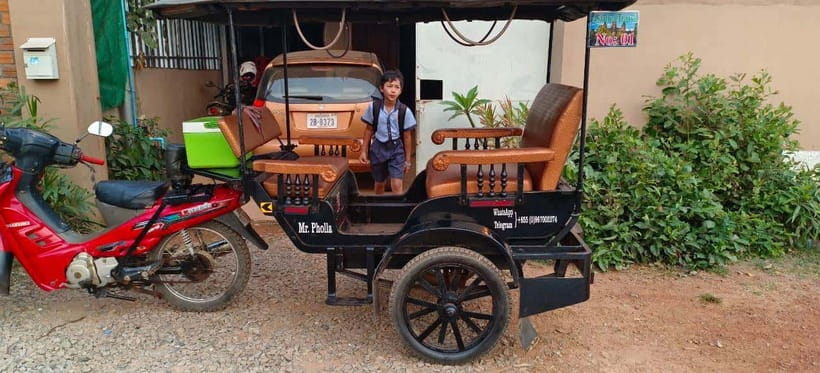
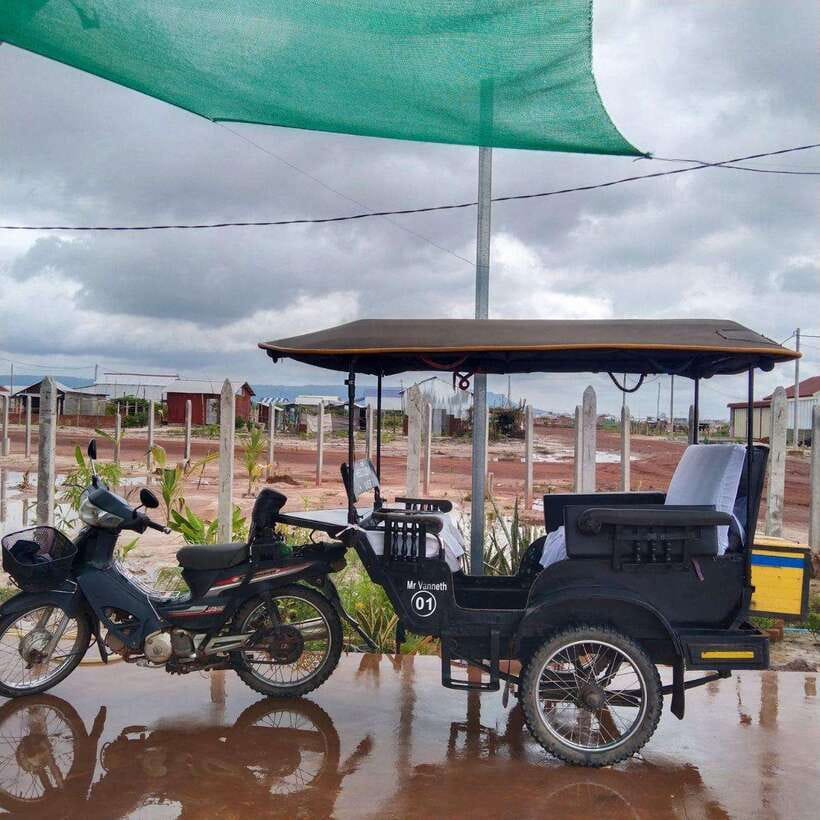
Angkor is famous, which also means it can feel crowded, rushed, and sweaty. The best way to fight that is control. On this tour, you get a private tuk tuk and a licensed driver, so you’re not locked into someone else’s rhythm.
You’ll spend most of your day outdoors and walking between temple areas. The upside is you can take breaks when the sun gets intense, and you can linger where the carvings or views pull you in. The downside is you still need to dress for heat and wear shoes that can handle uneven stone.
The tour also builds in small comforts that matter more than they should: cold waters are included, and the setup is designed so you’re not scrambling to stay hydrated right when you need energy for stairs and courtyards.
Angkor Wat Morning: Seeing the Symbol Without the Chaos
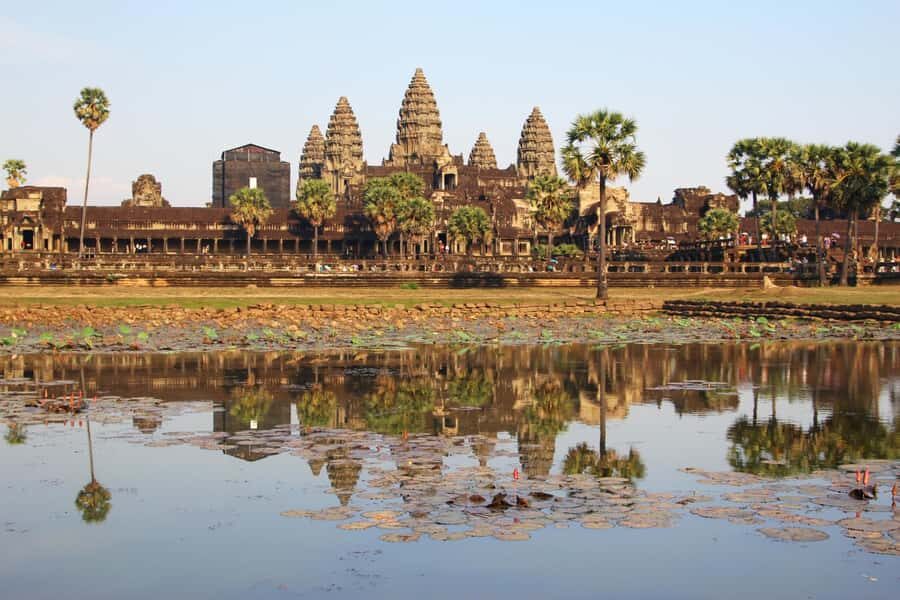
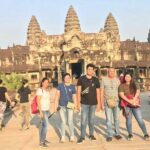
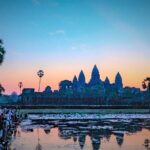
Your day starts with Angkor Wat, with time for photos and sightseeing and about 1.5 hours to get your bearings. This is the big one: a Hindu and Buddhist temple complex built in the early 12th century by Khmer King Suryavarman II as his state temple and eventual mausoleum.
What makes Angkor Wat worth starting early (and worth not rushing) is how it works on multiple levels. In one glance you get the classic symmetry people recognize everywhere. In the next, you notice architectural details and the way the complex holds attention as you move from space to space.
Also, Angkor Wat is Cambodia’s national symbol—so even if you’re not a temple expert, you’re walking into a place that carries real national meaning. If you like photography, this stop gives you plenty of room for angles, not just one quick look.
Practical note: Angkor Wat is the sort of site where you’ll feel better if you bring a hat, sunglasses, and sunscreen. Cambodia sun doesn’t negotiate.
If you're still narrowing it down, here are other tours in Siem Reap we've reviewed.
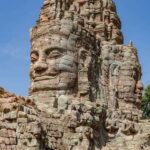
Enter Angkor Thom: Tonle Om Gate and the Moat Still Doing Its Job
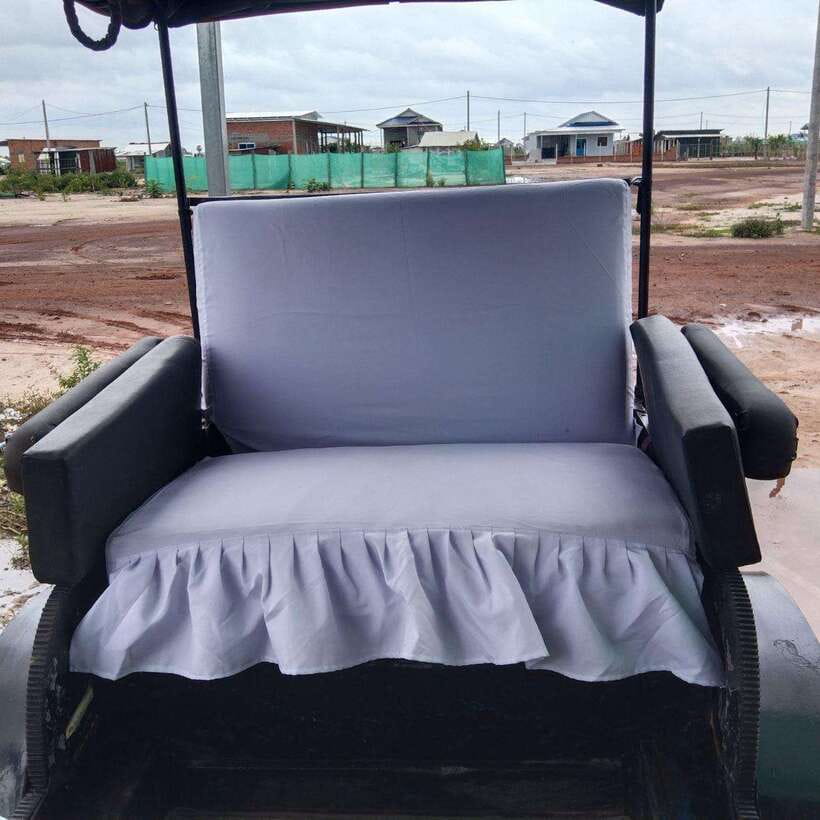
After Angkor Wat, you head to the south gate area (Tonle Om Gate) and then into Angkor Thom. You’ll pass the laterite wall that rises about eight meters high, with a wall that measures roughly 3×3 km and protects what’s inside. There’s also a moat that’s still flooded, and that detail matters because it reinforces the original defensive idea—this wasn’t built to be easy to conquer.
You enter through the South Gate, and then the center of the ancient city pulls you in: the Bayon Temple. Bayon is the highlight inside Angkor Thom, known for its faces and for being visually unforgettable even if you just saw Angkor Wat minutes earlier.
With about an hour at Bayon, you’re not stuck doing a sprint. You get time to walk and step back to let the scale sink in. The switch from Angkor Wat to Bayon also changes the mood: more enclosed, more intimate, and more about how you move through the spaces.
Bayon to Baphuon: Faces, Causeways, and a Reclining Buddha
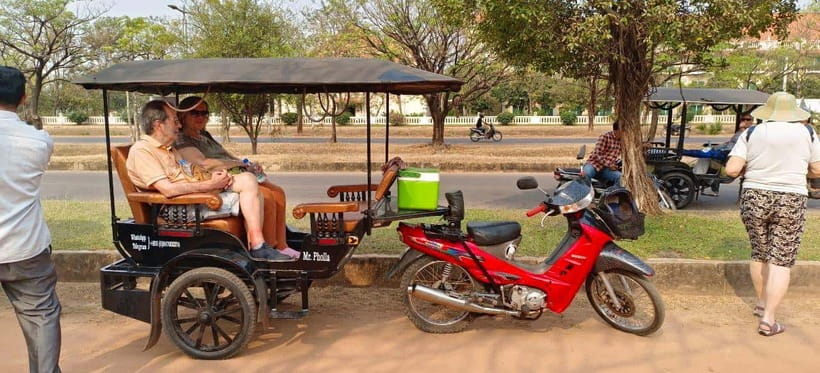
From Bayon you continue onward to Baphuon. Your time at Baphuon is shorter (about 15 minutes), but it’s structured enough that you should still get a real impression.
Baphuon is known for its long causeway, and it includes a giant reclining Buddha. Even if you don’t read every inscription (and you don’t need to), the sheer size and the way the causeway draws your steps forward make it easy to understand what you’re looking at.
The route then connects toward more viewpoints and terrace areas, including Phimeanakas and the area around it. Phimeanakas is associated with over-the-treetops views if you’re willing to tackle the steep steps. If you’re traveling with older legs or just want to keep it comfy, you can still get value from the nearby shaded areas—but those who climb get rewarded with a better sense of the complex and the surrounding canopy.
Terrace of the Elephants and the Royal Palace Area: Where You Can Catch Your Breath
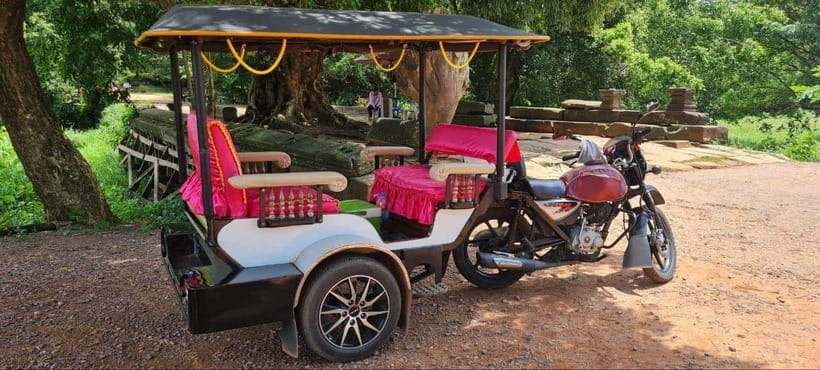
Next up is the Terrace of the Elephants, which is tied to the Royal Palace esplanade area. You’ll have a photo stop plus sightseeing time here (again, around 15 minutes), but the terrace is the kind of place that rewards even a quick stop because it’s designed for watching and gathering.
It’s called the Terrace of the Elephants for a reason, and the area is famous for its big sculptural work and the way it connects to the wider palace grounds. Even if you’re not planning to climb anything, it’s one of the best spots to pause, take photos, and reset before moving on.
After that, you’ll continue into shaded parts of the Preah Palilay area to keep things manageable during the heat. A shady stop isn’t a luxury in Siem Reap—it’s a strategy.
Thommanon and Chau Say Tevoda: Two Temples That Feel Less Worn
In the afternoon, the tour adds two Hindu temples that sit just outside the big headline rush: Thommanon and Chau Say Tevoda.
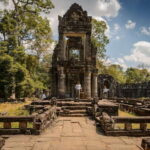
At Thommanon, you’ll spend time for photos and sightseeing. It’s one of a pair of Hindu temples built during Suryavarman II’s reign at Angkor. The temple’s name connects to the Pali words Dhamma (Buddhist Teachings) and Nanda (supreme wisdom). Even if you don’t focus on language details, it helps you see the temple as more than a backdrop—it’s part of a bigger belief blend at Angkor.
Chau Say Tevoda is just east of Angkor Thom across the Victory Way, also dating to the mid-12th century. It’s dedicated to Shiva and Vishnu and includes unique female sculptures of devatas. If you love statues and the smaller carvings, these stops are a nice change from the crowds at the top two icons.
Time is still limited, so the trick is to pick your focus. Look at one carving style deeply, then move on to the next. In a short window, you’ll remember more doing it this way than trying to take in everything.

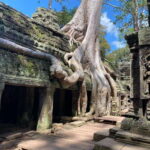
Ta Prohm: Tree Roots, Moss, and Tomb Raider Fame That Still Works
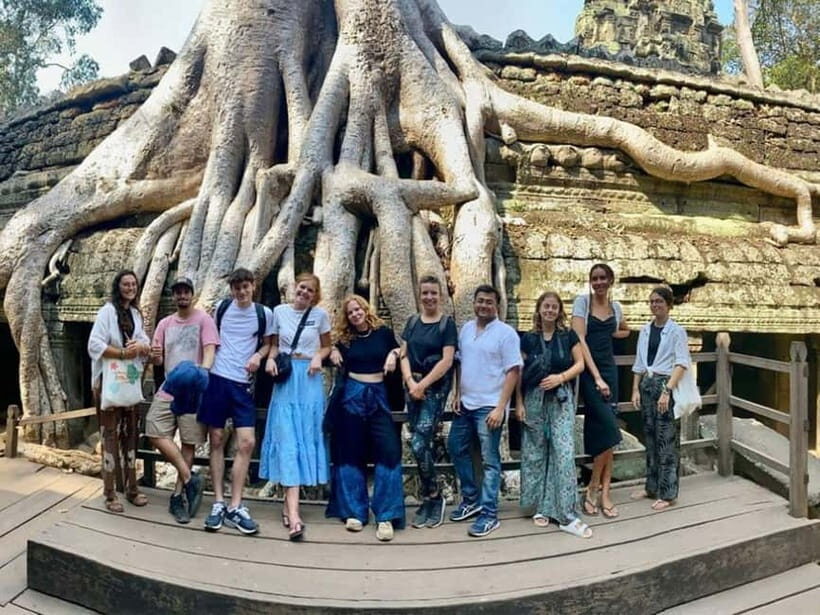
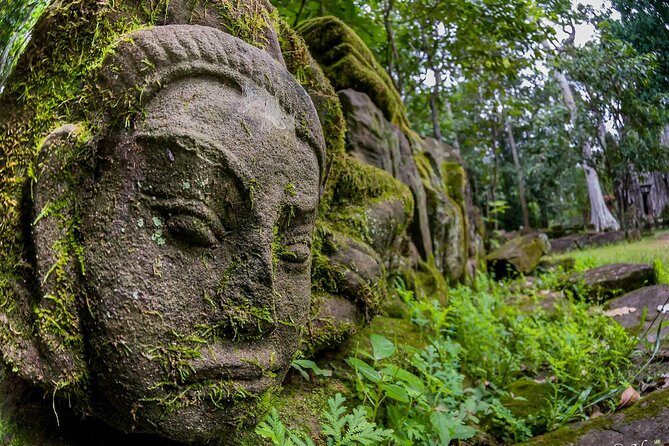
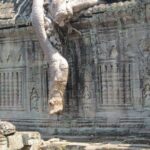
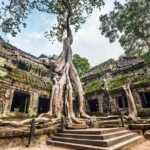
Your final major temple stop is Ta Prohm, where it gained 21st-century recognition thanks to the film Tomb Raider. Yes, that connection is everywhere. But the reason Ta Prohm still hits is physical: the way the ancient stones meet the spreading roots of Spung trees (Tetrameles Nudiflora) and how moss covers parts of the site.
You’ll have about an hour here, including walking and sightseeing. That’s enough time to chase the iconic photo angles and also to walk the quieter corners where the roots and stone texture tell the story without needing any movie references.
If you’re a photographer, this is a playground—exactly the kind of place where your camera settings and your feet both matter. Bring your patience. The best shots often come from slowing down near a single junction of roots and carvings.
Lunch Break Timing and What to Plan For
You’ll take a break for lunch in the middle of the day. Lunch isn’t included, but you do get the structure: you’re not forced to eat wherever you can find a seat, and you’re not pushed to skip food entirely while your energy drops.
Because lunch isn’t included, you’ll want to keep a little flexibility in your budget. If you have dietary needs, ask your driver ahead of time when you’re thinking about the lunch stop.
In the heat, a real meal can make the afternoon feel lighter. Skipping food makes you cranky, and cranky at Angkor is a waste of a good day.
Price and Value: What $25 Covers (and What You’ll Still Pay)
The price is $25 per group, up to 4 people, for 1 day. That means the cost can be surprisingly fair if you’re traveling as a small group, and it keeps the tour from feeling like a solo-only luxury.
What you get for that fee is practical stuff that adds up if you try to assemble it yourself: private tuk tuk transport, a licensed driver, private tour setup, toll roads, parking, cold waters, and hotel pickup and drop-off. You’re also getting skip-the-line style access through a separate entrance, which can save time when you’d rather be inside looking around.
What you’ll still need to pay is the big missing piece: entrance fees. Lunch is also not included. So treat the $25 as the transportation and guiding package, not the full ticket to Angkor’s gates.
If you’re cost-sensitive but still want a private experience, this setup is one of the better ways to do it: split among up to four people, and it often feels like you’re paying mostly for convenience and comfort.
What to Bring and How to Keep the Day Comfortable
This is a walking day. Even when some stops feel short on paper, you’ll still cover distance on foot and spend time in full sun.
Bring:
- comfortable walking shoes
- a hat
- sunscreen and sunglasses
- camera
- water
Also plan your behavior. Temples are religious and cultural spaces, so dress modestly and move respectfully. That isn’t just etiquette—it helps you enjoy the site without feeling rushed or awkward.
If you’re debating shoes: pick comfort and grip over style. Stone gets slick, and stairs don’t care what your sandals feel like.
Should You Book This Siem Reap Angkor Tuk Tuk Tour?
Book it if you want a private day that hits the headline temples—Angkor Wat, Bayon, and Ta Prohm—but still adds extra stops that help you see the broader Angkor complex.
Skip it if you’re the type who wants zero walking and zero sun. This tour can be paced, but it’s still an outdoor temple circuit, and you’ll be on your feet.
One more tip: if you get a driver who feels attentive—people like Rachou and Sokha Cam have been highlighted for that—tip generously. It’s part of how this kind of service stays good, day after day.
If you’re coming to Siem Reap for one strong Angkor day and you’d rather do it comfortably and flexibly than in a large group, this is a smart match.
FAQ
What is the duration of the Siem Reap Angkor Temples tour?
It’s a 1-day experience. You’ll be picked up from your hotel and taken around the temples before being dropped back at the end.
How much does the tour cost?
The price is $25 per group, with up to 4 people.
Is the tour private or shared?
It’s a private tour with a private group setup.
Does the price include entrance fees?
No. Entrance fees are not included, so you’ll need to budget for them separately.
Is lunch included?
No. Lunch is not included, though there is a break for lunch during the tour.
What temples are included in the tour?
You’ll visit Angkor Wat, Angkor Thom (including Bayon Temple), Baphuon, the Terrace of the Elephants area, Thommanon Temple, Chau Say Tevoda, and Ta Prohm.
What transport is used for the tour?
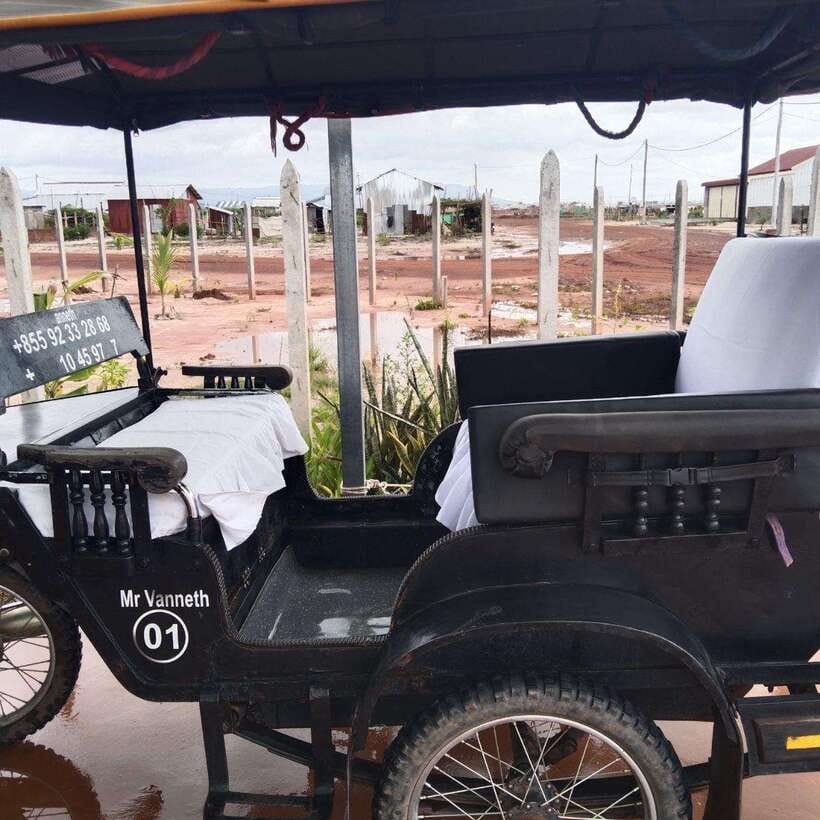
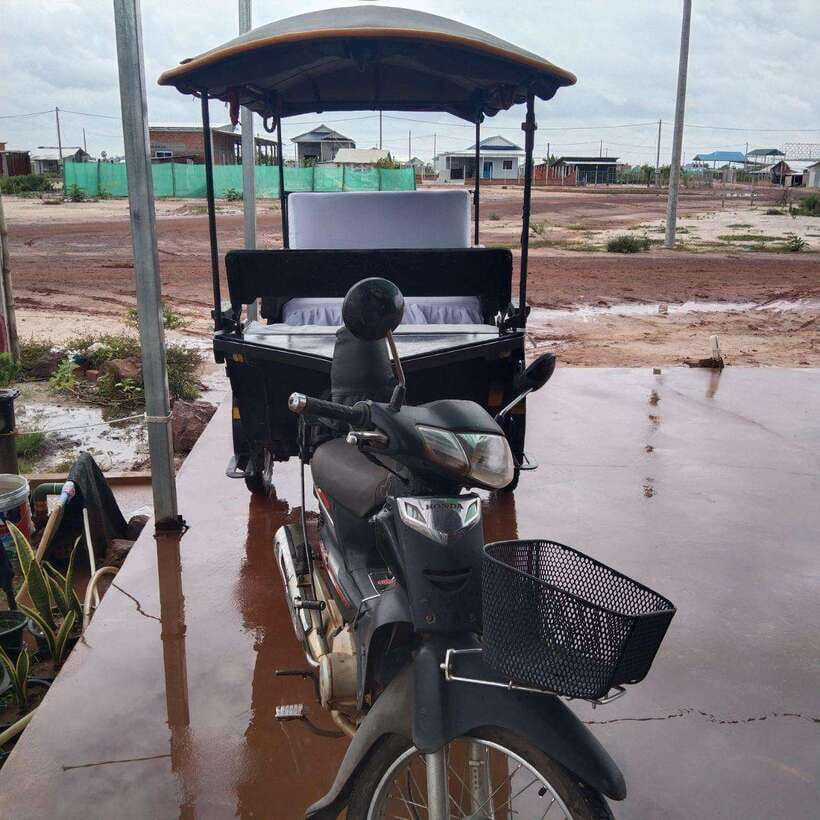
You’ll travel by a private tuk tuk, driven by a licensed driver.
Does the tour offer hotel pickup and drop-off?
Yes. Hotel pick-up and drop-off are included.
What language is the driver?
The driver speaks English.
What should I bring for the day?
Bring comfortable shoes, a hat, sunscreen, sunglasses, a camera, and water. The temples involve walking, so comfort matters.