REVIEW · SIEM REAP
Ultimate Sunrise to Angkor Wat, Angkor Thom and Bayon Temple
Book on GetYourGuide →Operated by Angkor Happy Tour by Pitt Angkor Tour · Bookable on GetYourGuide
Sunrise at Angkor has a special kind of magic, and this tour is built for it. I like the early start (hotel pickup around 4:30–5:00am) because you get to experience Angkor Wat in calmer light, and I like that you have a professional English-speaking guide to translate the carvings and the layout as you go. One thing to think about: you’ll need the Angkor pass separately, and the whole day is tight, so comfortable shoes matter.
You’ll spend the morning on the big names: Angkor Wat, then Angkor Thom with Bayon, and the terraces of the Leper King and Elephants. In at least one guide-led experience, Soboro’s explanations were clear enough that even first-timers could connect the dots, while driver Sara kept things smooth and safe during the early-morning transfer. The main drawback is simply the schedule—between the early wake-up and the sun after lunch, you’ll want to pace yourself.
In This Review
- Key Highlights at a Glance
- Sunrise to Angkor Wat, Angkor Thom, and Bayon: What This Day Really Feels Like
- Booking Value: Price, What’s Included, and the Angkor Pass Reality
- Hotel Pickup and the Early Start: 4:30–5:00am Makes Sense
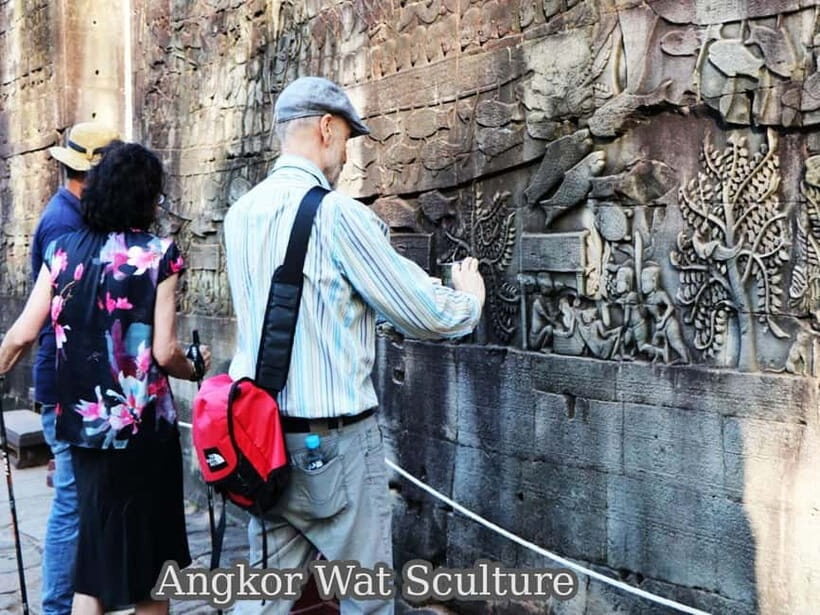
- Angkor Wat at First Light: Khmer Architecture and Bas-Reliefs
- From Angkor Wat to Angkor Thom: Southern Gate’s 54 Stone Figures
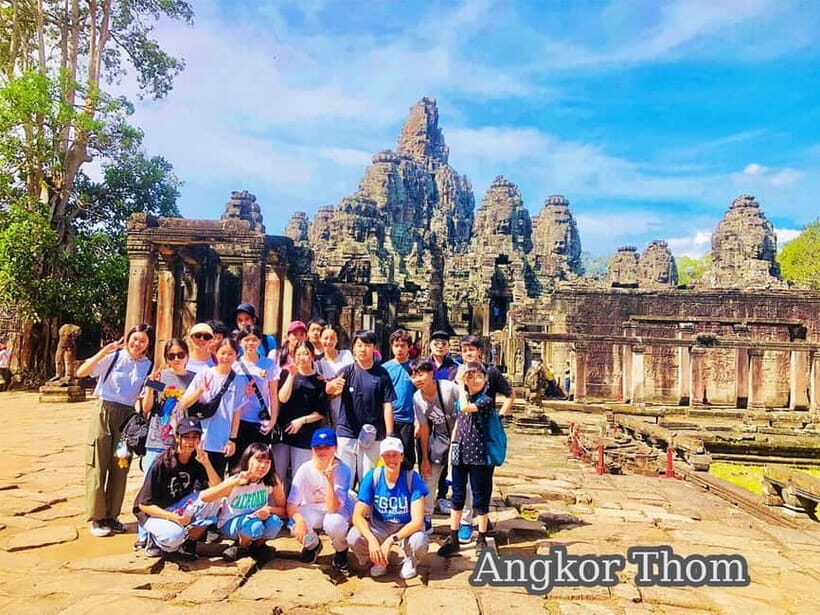
- Bayon Temple Inside the Fortified City: Close Looks at the Bayon Faces
- Terrace Stops: Leper King and Elephants for Symbolic Details
- Lunch Break and Timing: Fuel Up for Ta Prohm
- Ta Prohm After Lunch: The Jungle-Linked Temple Experience
- Victory Gate and the End of the Circuit: A Final Viewpoint
- Transportation Comfort: A/C Matters More Than You Think
- Who This Tour Fits Best (and Who Might Want Something Else)
- Quick Tips to Make Your Photos and Your Feet Both Happy
- Should You Book This Sunrise-to-Circuit Tour?
- FAQ
- How long is the tour?
- What time does hotel pickup happen?
- Is the Angkor Wat 1-day pass included?
- What’s included in the price?
- Is lunch included?
- Where are you picked up and dropped off?
- Which temples and sites are visited?
- What languages are the guides?
- Is this tour private?
Key Highlights at a Glance
- Sunrise at Angkor Wat with guided context before the crowds build
- Angkor Thom South Gate to see the 54 stone faces of gods and demons
- Bayon Temple for a close look at the fortified-city vibe
- Terrace stops: Leper King and Terrace of the Elephants with quick guided time
- Ta Prohm after lunch, when the temple’s jungle look is right in your photo frame
Sunrise to Angkor Wat, Angkor Thom, and Bayon: What This Day Really Feels Like
This is one of those tours where the timing does a lot of the heavy lifting. You’re up before the city fully wakes, and you’re heading straight to Angkor Wat when the light is softer and the temple looks more sculptural. It’s also a smart way to avoid feeling like you’re just rushing between ticket gates—this route builds in guided time at each key site.
If you care about understanding what you’re seeing, this tour’s format helps. You get guided time at Angkor Wat (2 hours), Angkor Thom (1 hour), Bayon (30 minutes), and shorter but targeted stops at the terraces (20 minutes each), plus guided time again at Ta Prohm (1 hour) and the Victory Gate (20 minutes). It’s not a deep academic course, but it’s enough to help you recognize the big themes: Khmer design, major temple symbolism, and how the empire organized sacred space.
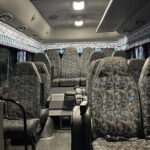
On the practical side, you’re not doing this by tuk-tuk roulette. You travel in an A/C minivan/minibus with hotel pickup and drop-off, and you’ll get bottled water and towels. For a day that starts before sunrise, that small comfort can actually change your mood.
Other Angkor Wat sunrise tours we've reviewed in Siem Reap
Booking Value: Price, What’s Included, and the Angkor Pass Reality
The listed price is $20 per person for a 7-hour private tour. At that rate, the value is mainly in three places: (1) you’re paying for a guide, (2) you’re paying for A/C transport and door-to-door pickup, and (3) you’re getting a structured route that hits the major sights without you trying to map it all out yourself.
What’s not included is the Angkor pass. That’s a big line item you should plan for from the start: a 1-day pass costs $37 per person. If you show up without it, you’ll lose time you can’t really get back on a sunrise-based schedule. You can buy your pass in advance through the official Angkor Enterprise website, which is usually the smoothest way to avoid last-minute stress.
You should also budget for food. Lunch and soft drinks are not included, and breakfast is on your own. The good news is the tour has a built-in break at a local restaurant for about an hour, so you’re not guessing where to eat or when to refuel.
Hotel Pickup and the Early Start: 4:30–5:00am Makes Sense
Pickup is from your hotel lobby in Krong Siem Reap, typically between 4:30am and 5:00am. You’ll want to be ready to go at that time—your driver will hold a sign with your last name, and the pickup happens in the lobby with a short wait.
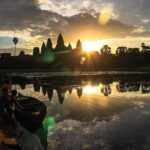
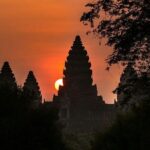
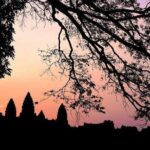
Why do I think this timing is worth it? Because Angkor Wat at sunrise is the moment when the temple feels like a living structure, not just a set of famous stones. Even if you’ve seen photos before, the real advantage is light and atmosphere: shadows, stone texture, and the way the whole complex reads when the sky is changing.
The trade-off is fatigue. This is a long day with a late morning start and sun exposure later. I’d treat it like a marathon, not a sprint: bring water, plan to pause when needed, and don’t overload your plan with extra stops beyond the tour.
Angkor Wat at First Light: Khmer Architecture and Bas-Reliefs
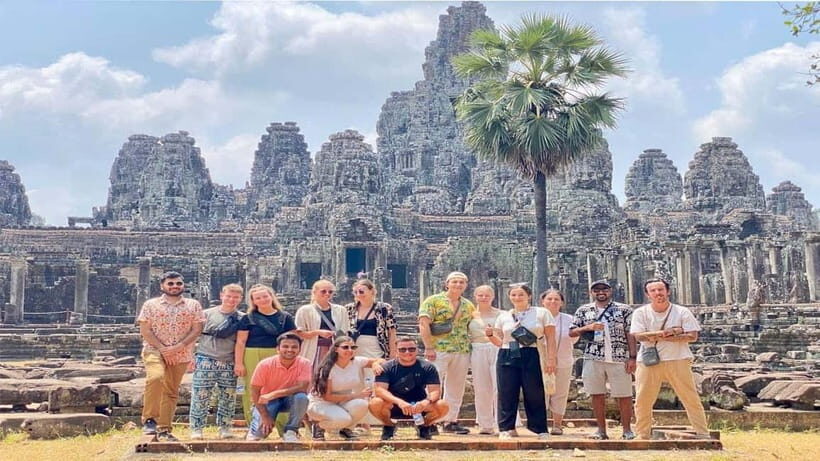
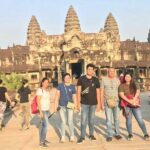
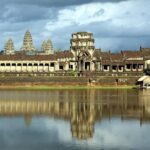
Angkor Wat is the reason this tour exists. You watch the sunrise here, and then you have guided time to walk the complex and understand what you’re looking at.
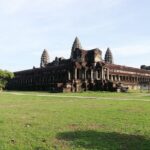
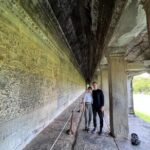
The highlight isn’t just the size. It’s the classical Khmer architecture and the details—especially the intricate bas-reliefs on the 12th-century temple. With a guide, you’re not just seeing carved panels; you’re learning what kinds of scenes and symbolic elements are represented and why the temple’s design matters.
During your guided time, you’ll have a chance to look at the temple in a way most people miss when they only take photos and move on. The value of a guide here is timing too: you can stop at meaningful spots rather than wandering into the perfect photo angle but missing the story behind it.
Practical note: sunrise tours can make you feel like you need to rush every minute. Instead, focus on getting the temple’s shape in your head first—how it opens up, how the central areas relate, and where you’ll likely want your best wide shots.
From Angkor Wat to Angkor Thom: Southern Gate’s 54 Stone Figures
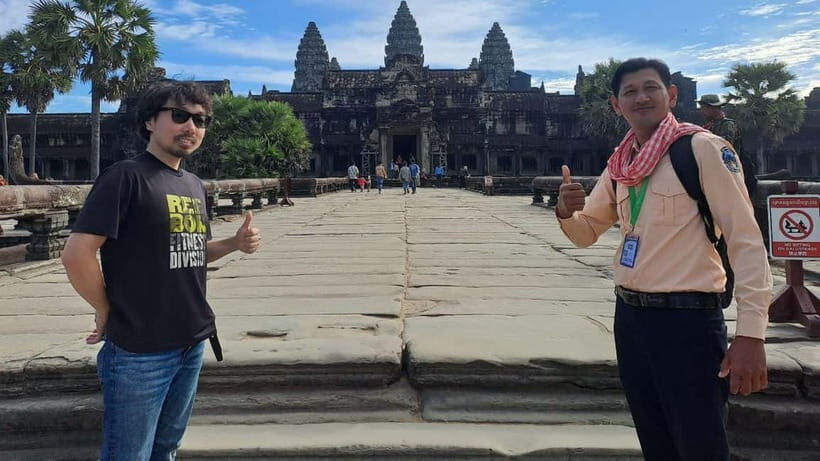
After Angkor Wat, the tour shifts into Angkor Thom, and the first major moment is the southern gate. This is where the famous 54 stone faces of gods and demons appear.
This stop is short on paper, but it matters because it gives you a visual anchor. Once you understand that gate as a symbolic threshold, the rest of Angkor Thom feels more intentional—like you’re moving through a fortified sacred city, not just checking off another temple.
Your guided time helps here by explaining what you’re seeing at the gate and how it fits into the larger idea of the city’s layout. Even if your photo list is long, I recommend using this moment to learn the design logic. It makes later stops easier because you’ll recognize patterns rather than just counting stones.
Other Angkor Wat temple tours we've reviewed in Siem Reap
Bayon Temple Inside the Fortified City: Close Looks at the Bayon Faces
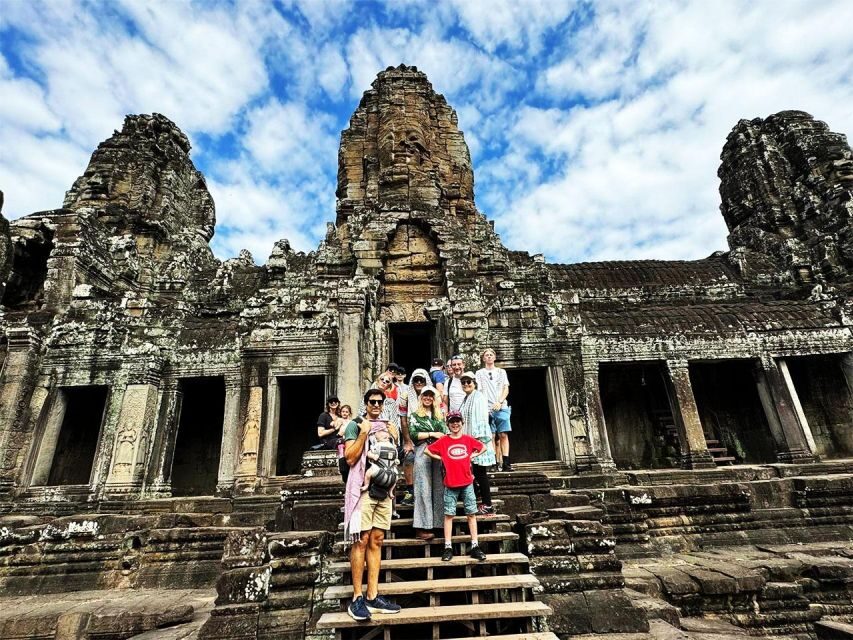
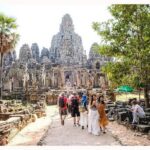
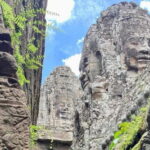
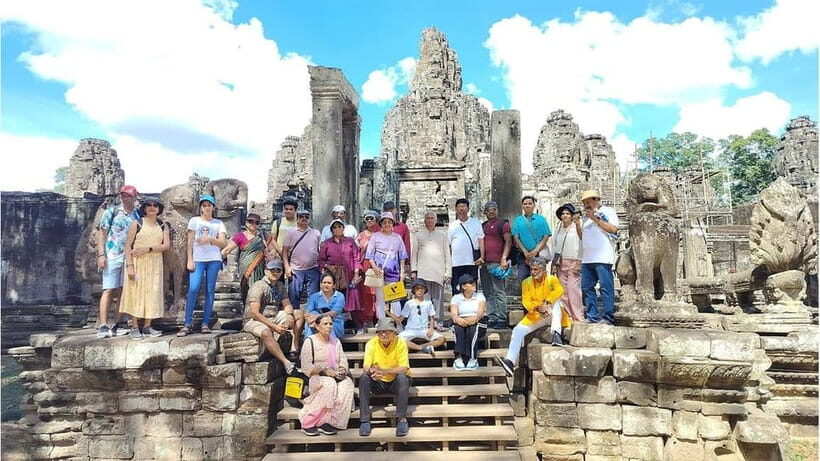
Next comes Bayon Temple, where you get a closer look inside the richly decorated fortified city. Bayon is known for its faces, but the guide-driven value is what you do with that fact: you learn how the carvings and arrangement communicate power and devotion.
Your time at Bayon is about 30 minutes. That’s enough to see key areas, but it’s also a reminder that this is a “major sights” tour. If you want slow, museum-like pacing, you may feel the clock here. Still, the guide helps you make sense of what you can reasonably take in during that window.
If you like photography, Bayon offers repeating visual angles. A guide can help you choose where to stand so you’re not only shooting the front but also capturing how the temple’s surfaces change as you move.
Terrace Stops: Leper King and Elephants for Symbolic Details
After Bayon, you go to the Terrace of the Leper King and the Terrace of the Elephants. These are shorter guided stops—around 20 minutes each—but they’re powerful because they focus your attention on specific sculptural zones rather than making you wander randomly.
The Terrace of the Leper King is one of those areas where the name alone makes you curious, and a guide’s explanation is what turns curiosity into understanding. The important part is learning how the terrace is part of the temple complex and why these sculpted elements matter.
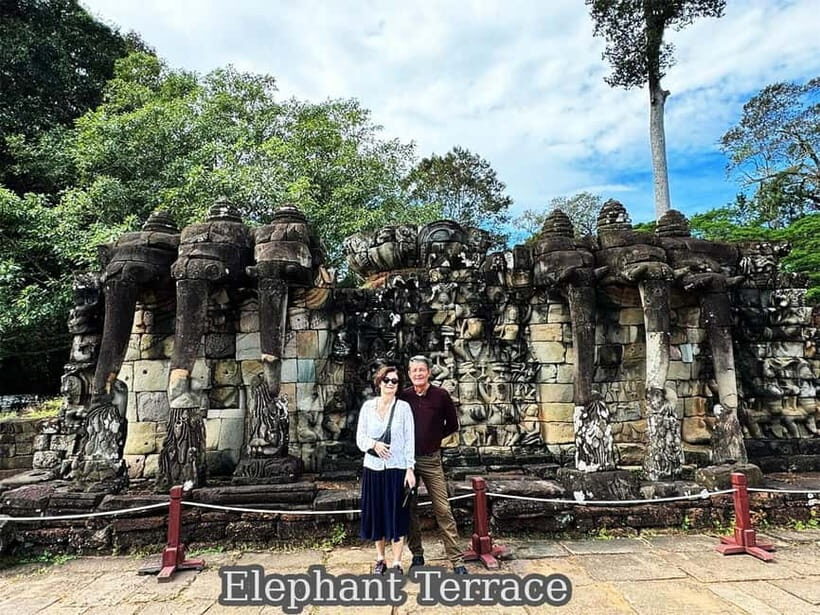
Then you move to the Terrace of the Elephants, where the atmosphere shifts from face-and-gate power to something more rhythmic and architectural. The key win here is perspective: after hours of big structures, terraces bring you down to human-scale detail.
If you’re the type who gets tired of “one more temple,” terraces are a nice relief. They give you a change of pace—more close-up, more specific to observe.
Lunch Break and Timing: Fuel Up for Ta Prohm
Lunch is not included, but you do get a break of about 1 hour at a local restaurant. This matters because Ta Prohm is the kind of place where you’ll want energy for walking and for waiting for good angles.
I suggest treating lunch as your reset button. Drink water, eat something simple, and don’t overdo it. The schedule after lunch is where the heat and fatigue can creep in, so you’ll be happier if you keep your body’s needs simple.
Also, remember that Ta Prohm is known for its dramatic look in photos. It’s easy to burn through your energy trying to take every shot without thinking. Give yourself a few good moments rather than trying to cover everything.
Ta Prohm After Lunch: The Jungle-Linked Temple Experience
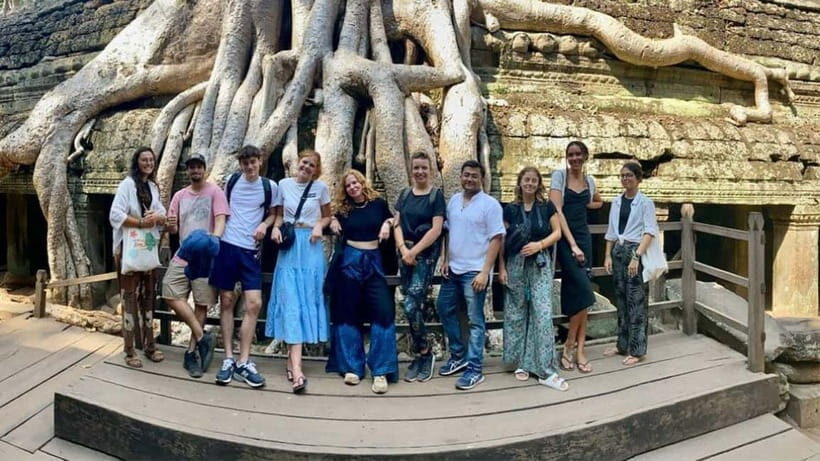
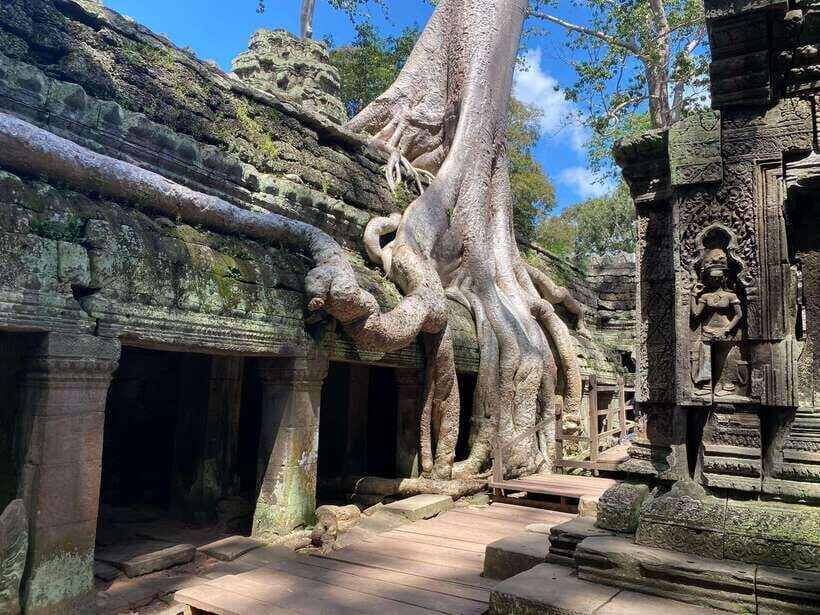
Ta Prohm is where the day becomes visually cinematic. You head into the jungle area after lunch, and you get guided time of about 1 hour at the temple.
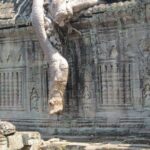
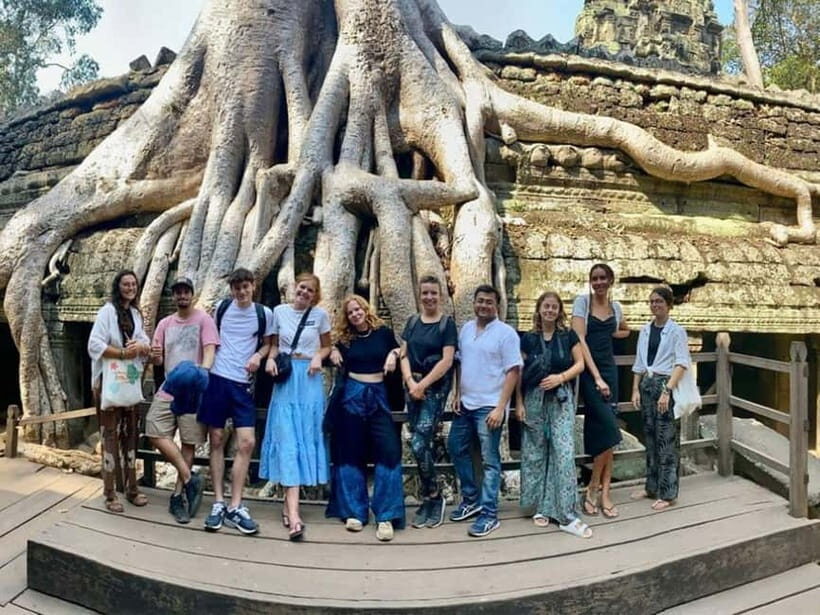
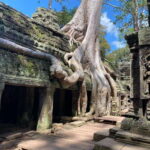
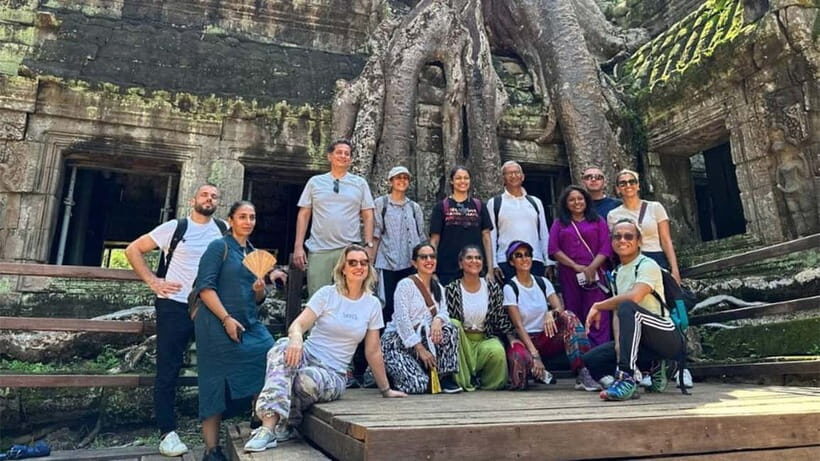
The attraction here is obvious in photos: overgrowth and stone working together. But what the guide helps with is seeing the temple’s structure while you’re distracted by roots and branches. You learn what parts are original versus what the jungle relationship looks like today, and how to spot meaningful layout features even when the scene feels chaotic.
This stop also plays well with solo travelers. One review noted how helpful it was to have someone else take photos, especially when traveling alone. That’s a real benefit of a guided group: you’re not constantly playing photographer and subject at the same time.
If you want a practical strategy, I’d pick one or two iconic angles and one wide establishing shot, then let the rest of your time be about observation. The best moments often happen when you stop trying to force the perfect picture.
Victory Gate and the End of the Circuit: A Final Viewpoint
To wrap up, you visit the Victory Gate for about 20 minutes. This is a good final stop because it gives you a concluding sense of direction—like you’re stepping out of the main temple story and returning to the flow of the city.
Victory Gate also works as a natural “close your eyes for one second” checkpoint. After hours of stone details and carvings, your brain needs a simpler visual reference. It’s the kind of place where you can take a few calmer photos and then feel ready for the ride back.
You’ll arrive back in Krong Siem Reap after the tour.
Transportation Comfort: A/C Matters More Than You Think
The tour includes transport in an A/C minivan/minibus, plus hotel pickup and drop-off. For a sunrise start plus midday walking, that A/C isn’t luxury; it’s recovery.
You’ll also get cool bottled water and towels. That’s a small package, but it supports the reality of temple tours: long hours, sun exposure, and limited chances to rest.
If you’re sensitive to heat, this comfort can be the difference between enjoying the day and counting minutes until you can sit down.
Who This Tour Fits Best (and Who Might Want Something Else)
This is a strong fit if you:
- Want the major Angkor sites in one day without planning the route yourself
- Appreciate guides who explain what you’re seeing, not just pointing and moving
- Prefer private-group comfort with A/C transport and hotel pickup
- Travel solo and would like photo help so you don’t end up with only one-person shots taken at arm’s length
You might want a different approach if you:
- Want lots of free time at each temple to linger for hours on end
- Expect breakfast and lunch to be included
- Don’t want to do an early wake-up around 4:30–5:00am
Quick Tips to Make Your Photos and Your Feet Both Happy
A sunrise tour is about rhythm. You’ll be outside early, inside and outside through the day, and back in the car before you’re fully ready to stop.
Here are a few practical moves that help on this route:
- Wear shoes you can walk in for a long stretch; your day involves multiple temples and terraces.
- Bring a bit of patience for the changing light from sunrise to later sun.
- If you’re traveling alone, use the guide and group time to get photos instead of squeezing in awkward selfie angles.
- Plan for the Angkor pass cost ahead of time so you don’t lose momentum at the gates.
Should You Book This Sunrise-to-Circuit Tour?
I’d book this tour if you want a well-paced, guided route that hits Angkor Wat, Angkor Thom/Bayon, Ta Prohm, and the key terraces in one day with A/C transport and hotel pickup. The price is low enough that the guide and logistics feel like real value, as long as you’re already budgeting for the Angkor pass and lunch.
Skip it or consider a different format if you hate early starts or if you need long unstructured time at each site. This one is designed for people who want the big story told clearly, then a strong final “jungle temple” moment at Ta Prohm.
FAQ
How long is the tour?
The duration is 7 hours.
What time does hotel pickup happen?
Pickup is typically between 4:30am and 5:00am, before sunrise. You should wait in your hotel lobby about 10 minutes before the scheduled pickup time.
Is the Angkor Wat 1-day pass included?
No. The Angkor pass of 1-day costs $37 per person and is not included.
What’s included in the price?
Included are a professional English-speaking tour guide, A/C transportation (minivan/minibus), hotel pickup and drop-off, and cool bottled water plus towels.
Is lunch included?
Lunch and soft drinks are not included, but there is a break at a local restaurant for about 1 hour.
Where are you picked up and dropped off?
The pickup and return are in Krong Siem Reap.
Which temples and sites are visited?
You visit Angkor Wat, Angkor Thom (including the southern gate and Bayon), Terrace of the Leper King, Terrace of the Elephants, Ta Prohm, and Victory Gate.
What languages are the guides?
The tour offers live guidance in Japanese and English.
Is this tour private?
Private group options are available. The tour includes private-style pickup and A/C transport.