REVIEW · SIEM REAP
Angkor Wat Full-Day Private Tour with Sunset
Book on GetYourGuide →Operated by Angkor T.K. Travel & Tours · Bookable on GetYourGuide
Angkor hits different when you’re not rushing. This private full-day route strings together Bayon, Ta Prohm, Angkor Wat, and then finishes with sunset at Pre Rup, so you see the main sights in a smart order. I especially love the way the English-speaking guide connects the stone carvings to what you’re looking at, and I also like that you get a real lunch pause in the park. The one drawback to plan for: the day is active and temple rules are strict, so bring the right clothes and expect lots of walking and steps.
This is a great fit if you want comfort and clarity. You’ll start from your hotel, ride in private transport, and keep moving with a guide who knows where to go and how to pace things for the best experience (and photos). If you hate early starts or long climbs, you might want to consider a shorter option.
In This Review
- Key Points You’ll Care About Most
- Morning Start: Angkor Thom and Bayon’s Smiling Faces
- Terrace of the Elephants and Leper King: Small Zones, Big Meaning
- Ta Prohm: Jungle Temple Energy With a Real Plan
- Lunch Break at the Right Time (and How to Use It)
- Angkor Wat in the Afternoon: Size, Balance, and What to Look For
- Pre Rup Sunset: Finishing With the Views People Talk About
- Price and Logistics: What $107 Gets You (and What Costs Extra)
- Temple Rules, Clothing, and a Day That’s Mostly Walking
- Who This Tour Is Best For
- Should You Book This Angkor Wat Full-Day Private Tour?
- FAQ
- Do I need an Angkor Temple Pass for this tour?
- What time does the tour start and how long is it?
- Is lunch included?
- What’s included in the price besides the guide and transport?
- What should I wear to visit the temples?
- Is pickup from my hotel included?
- Is this tour private?
Key Points You’ll Care About Most
- Bayon Temple first: those famous smiling faces hit hardest when you see them early and unhurried.
- Ta Prohm with a guide: the jungle-drama makes more sense when someone points out how the stone and vines meet.
- Terraces inside Angkor Thom: the Terrace of the Elephants and Terrace of the Leper King add variety beyond the big names.
- A planned lunch break in the park: you’re not just eating on the run.
- Pre Rup sunset timing: you end with the views people come for, rather than trying to squeeze them between crowds.
Morning Start: Angkor Thom and Bayon’s Smiling Faces
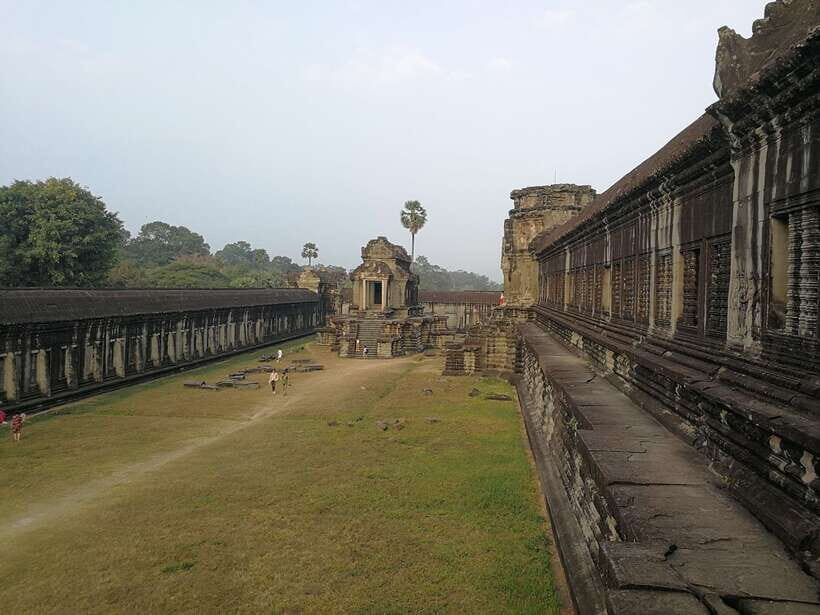
Your day starts with pickup from your hotel lobby and a morning drive into the Angkor Archaeological Park, typically with a departure around 8:30 AM. From the first temples, the tour has a simple advantage: you begin with the most iconic zone while your energy is high and the light is usually friendlier for photos.
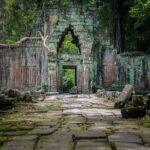
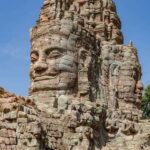
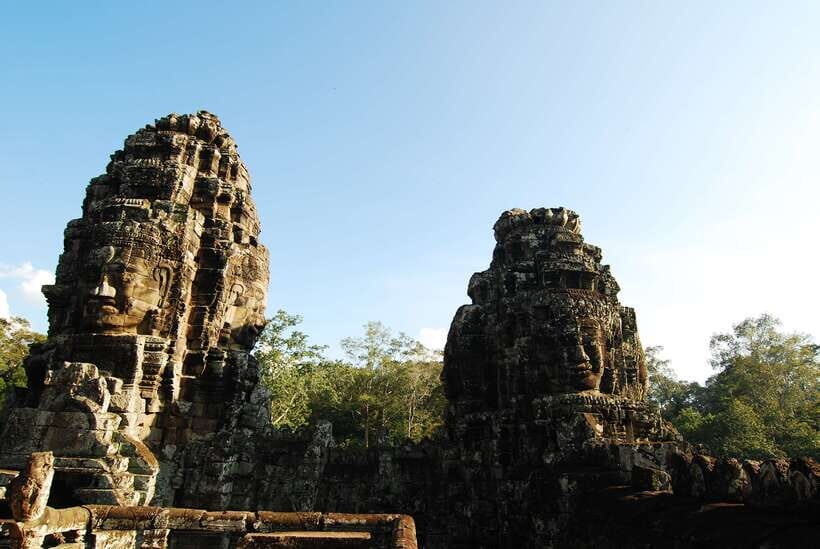
The route’s first major stop is Angkor Thom, the last capital of the Angkorian Empire, tied to King Jayavarman VII. You’ll head straight to Bayon Temple, where the best-known detail is the face towers—the calm, wise-looking expressions that make Bayon feel personal even though it’s enormous.
Here’s where a private guide really earns their spot. Without help, it’s easy to stare at faces and miss what you’re standing inside. With guidance, you get the kind of orientation that helps you read the temple as you walk, not just admire it for a minute and move on.
Other Angkor Wat sunset tours we've reviewed in Siem Reap
Terrace of the Elephants and Leper King: Small Zones, Big Meaning
After Bayon, you continue deeper into Angkor Thom with stops that many people skip because they assume the big temples are all that matter. That’s a mistake—these terraces are where Angkor starts to feel like a lived-in city, not just a set of ruins.
First up is the Terrace of the Elephants. You’ll learn that it was used as a giant reviewing stand for public ceremonies and also served as a base connected to the King’s grand audience hall. Even if you only spend a short time here, it changes your understanding of what these spaces were for: power displayed in public, architecture built for crowds.
Next comes the Terrace of the Leper King, one of Angkor’s mysteries. The walls are deeply carved with seated deities, and that detail matters. If you like reading stone like a document, you’ll find yourself slowing down—especially once you realize the carvings aren’t decorative filler. They’re part of how the temple communicates meaning.
Practical tip: wear shoes you don’t mind getting dusty. This part of the day involves uneven stone and lots of short walking segments between views.
Ta Prohm: Jungle Temple Energy With a Real Plan
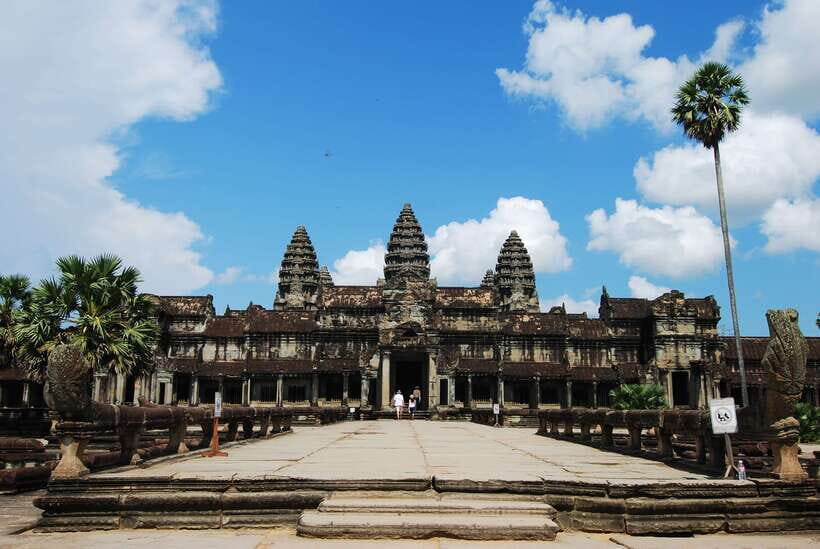
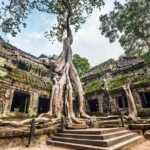
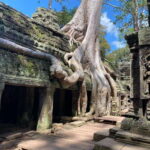
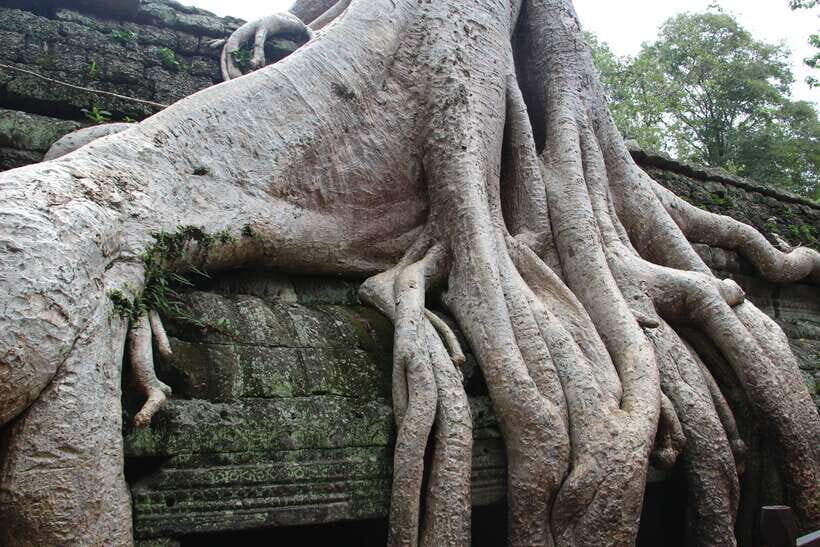
Then the tour shifts gears to one of the most recognizable places in Cambodia: Ta Prohm. This is the temple people often call the jungle temple, and it’s famous thanks to its appearance in the Tomb Raider films.
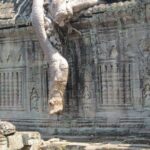
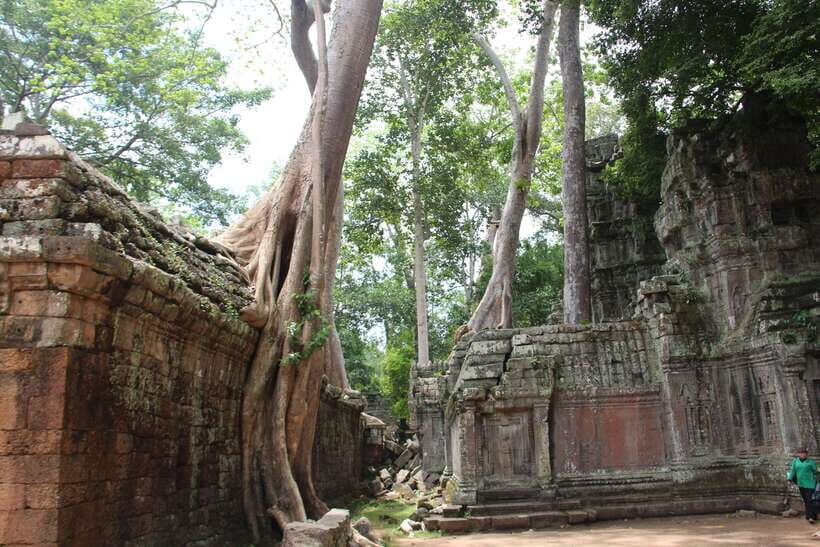
The thing is, Ta Prohm isn’t just a film location. The real magic is how stonework and jungle growth interact over time. Vines twist into architecture. Roots wrap around surfaces. The result looks accidental, but it’s not. This is a controlled kind of chaos that takes time to notice—especially if you’re not rushing.
With a good guide, you’ll spend less time wondering where to go and more time understanding what you’re seeing as you move through the temple areas. In at least one experience, the guide was also very good at photo help, which matters here because Ta Prohm’s best angles often require a little positioning.
If you’re the type who wants the place to look good in your camera, ask your guide for a quick photo strategy before you start walking. It saves you from standing in the wrong spot later.
Lunch Break at the Right Time (and How to Use It)
By around 12:30 PM, it’s time for a break for lunch inside the park. This timing is smart. It keeps you from getting stuck in “hangry temple mode,” and it gives you a chance to ask your guide questions while the morning is still fresh in your mind.
In one review experience, lunch was good but at least one person felt the restaurant pricing leaned overpriced. That’s not shocking in a major tourist site. My advice: treat the lunch stop as a practical reset, not as the highlight of the day. If you have preferences (spicy, vegetarian, quick service), it’s worth telling your guide so they can point you toward what will work best for you.
During the break, you can also use your time to decide how you want to experience the afternoon. Do you want more time standing still at Angkor Wat, or do you prefer more walking and fewer long pauses? A private guide can adjust the pacing.
Angkor Wat in the Afternoon: Size, Balance, and What to Look For
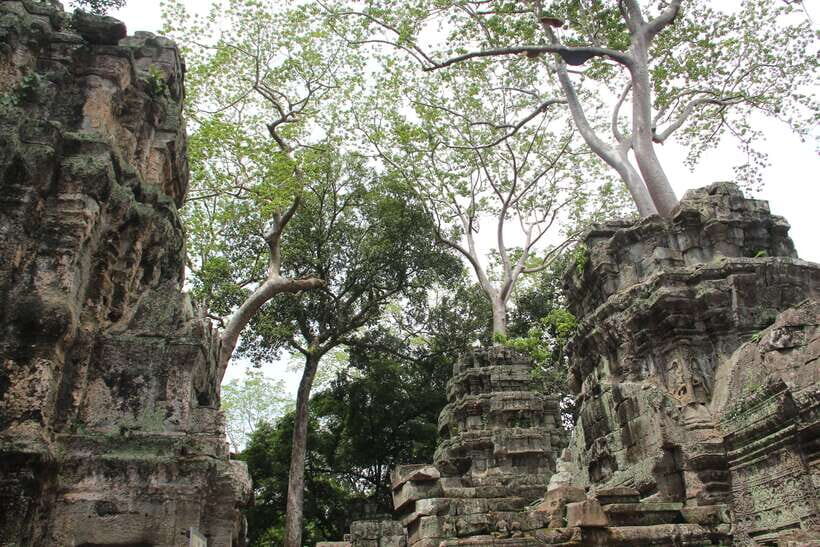
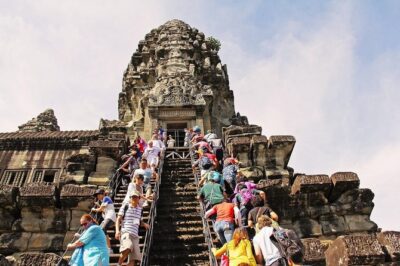
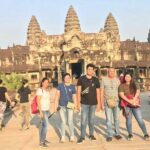
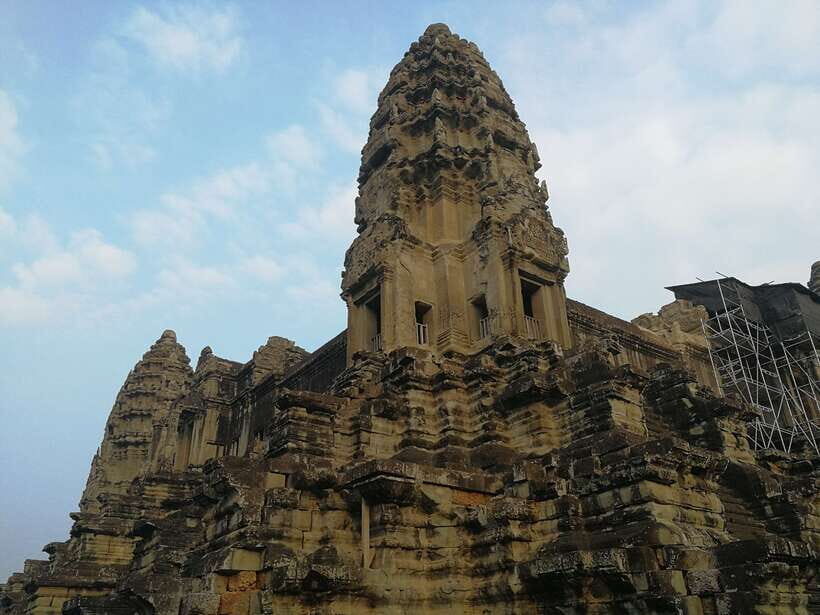
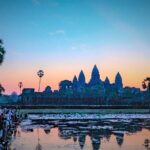
At 1:30 PM, you continue and visit the famous Angkor Wat, the reason most people plan the trip in the first place. The guide context matters here: Angkor Wat was built in the first half of the 12th century under King Suryavarman II, and the structure’s balance and composition are a big part of why it’s considered one of the finest monuments in the world.
The practical reality is that Angkor Wat is massive, and that scale can flatten your brain if you don’t have a mental map. A guide helps you see the temple in sections, so you’re not trying to understand the whole complex at once.
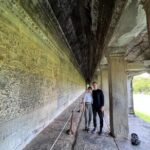
One of the best ways to enjoy Angkor Wat is to move slowly through the areas your ticket allows, pausing when you see repeating design elements. Even if you’re not a “temple expert,” you’ll start noticing patterns—how corridors funnel you, how viewpoints frame different parts of the complex, and how light changes as you walk.
Also, note the day’s overall pace. One described experience ended earlier than expected (around 3:45 PM) due to tired legs after a lot of walking and climbs. That’s your reminder that this is an active day. If you know you get worn out, wear comfortable clothes and plan to take it easy between stops.
Other Angkor Wat temple tours we've reviewed in Siem Reap
Pre Rup Sunset: Finishing With the Views People Talk About
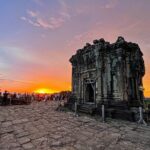
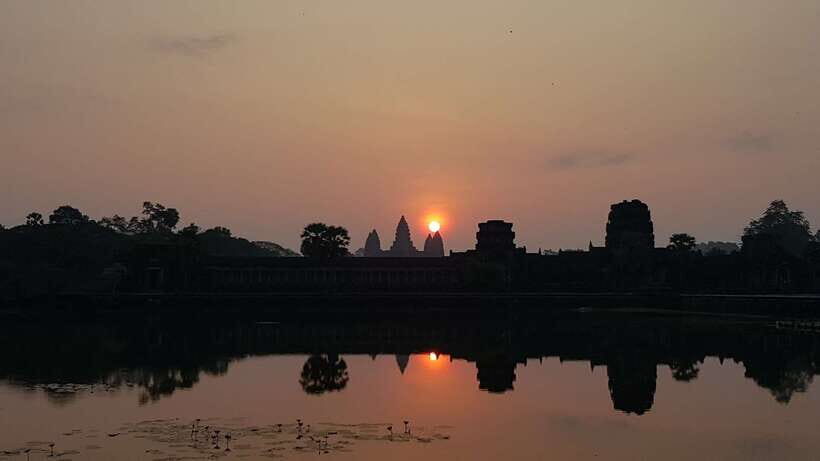
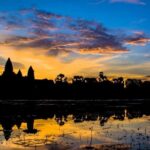
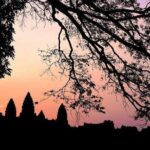
Later in the afternoon, you head to Pre Rup for sunset. This is a Hindu temple built as the state temple of Khmer king Rajendravarman, and it’s popular specifically because of the sunset views.
Even with a tight schedule, this ending spot is smart. You end on a visual payoff instead of finishing early and thinking, I still wanted to see that. Pre Rup’s sunset views are easier to enjoy when you’re not trying to rush through it between other temples.
Photo note: bring a plan for your phone or camera. You’ll want to balance charging, settings, and getting your shot without blocking someone else’s view. If your guide is active about photo timing (one guide was praised for being excellent at photos), take that help—especially near golden hour when everyone crowds the same angles.
Price and Logistics: What $107 Gets You (and What Costs Extra)
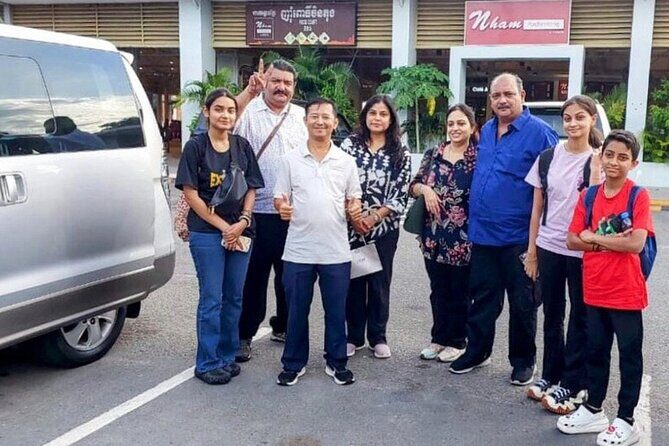
This tour is priced at $107 per group for up to 2 people for about 9 hours. For many couples or two-person groups, that’s the main value: you’re paying for private transport and an English-speaking guide, not a per-person hike. The private format matters because it reduces waiting and helps you avoid wandering.
Here’s what you should budget for beyond the tour fee:
- Angkor Temple Pass: a one-day pass is $37 per person (not included).
- Lunch: not included.
- Any personal expenses.
So the real cost equation for two people often looks like: tour fee for the group + two temple passes + lunch. If you’re comparing it to group tours, private usually wins when you care about pace, comfort, and having someone show you where to look.
Also included are private transportation, an English-speaking guide, plus a refreshment drink and cold towel. On a hot day, that small comfort detail can make the afternoon feel less brutal.
One more important logistics point: you’ll be visiting temples that require long pants covering the knee and a shirt covering the shoulders. This is not the kind of rule you want to discover at the entrance.
Temple Rules, Clothing, and a Day That’s Mostly Walking
Angkor is famous for its scale, and this tour matches that reality. Your biggest day-to-day friction will be physical: walking, stairs, and moving between stops on uneven surfaces.
The good news is that the tour includes a private ride between key zones, so you’re not doing the entire day on foot. The better news is that guides can help you pace it. One praised experience highlighted how the guide sensed when someone needed information or a better way to handle the temples. That kind of attention turns a day of ruins into a day you actually enjoy.
If you want this to feel easy:
- Wear temple-appropriate clothing from the start.
- Plan for water and sunscreen even though the tour includes a drink and cold towel.
- Expect the day to be active even if you don’t rush.
Who This Tour Is Best For
I’d book this if you:
- Want an English-speaking guide to explain what you’re seeing at Bayon, Ta Prohm, and Angkor Wat.
- Prefer a private group pace over a bus-and-tram schedule.
- Like sunset as a natural finishing point, not a last-minute scramble.
It may feel less ideal if you:
- Hate long walking days or steps.
- Need a highly relaxed schedule with minimal climbs.
Should You Book This Angkor Wat Full-Day Private Tour?
If your main goal is seeing the biggest Angkor sights in one day without feeling lost, this tour makes sense. The itinerary is structured so you hit Bayon early, get the jungle atmosphere at Ta Prohm, enjoy Angkor Wat with context, and cap it off with sunset at Pre Rup. For two people, the pricing can also feel reasonable once you factor in private transport and an English guide.
My final advice: book it if you’re ready for a full temple day and you can follow the clothing rules. If that sounds good, you’ll likely come away with the kind of clarity you only get when someone helps you connect carvings, layout, and meaning in the right order.
FAQ
Do I need an Angkor Temple Pass for this tour?
Yes. The Angkor Temple Pass (one day pass $37 per person) is not included.
What time does the tour start and how long is it?
The tour typically departs from your hotel at 8:30 AM and runs for about 9 hours.
Is lunch included?
No. Lunch is not included, though there is a lunch break around 12:30 PM during the tour.
What’s included in the price besides the guide and transport?
You get private transportation, an English-speaking guide, and a refreshment drink and cold towel.
What should I wear to visit the temples?
You’ll need long pants that cover the knee and a shirt that covers the shoulders.
Is pickup from my hotel included?
Yes. Pickup is included from your hotel lobby.
Is this tour private?
Yes. It’s a private group tour with room for up to 2 in the price you pay per group.