REVIEW · SIEM REAP
Floating Village-Mangroves Forest Tonle Sap Lake Boat Tour
Book on GetYourGuide →Operated by About Cambodia Travel and Tours · Bookable on GetYourGuide
Kampong Phluk feels like another planet. You’re on the water for the big show: Tonle Sap boat time through mangroves and a visit to floating stilt homes where daily life is tied to tides and water levels. What I like most is how the day mixes nature with cultural stops, instead of turning into only a boat ride. One thing to consider: this is a long day with many quick stops, so you’ll want to be good with a packed schedule.
I also really like that the tour is guided in English with hotel pickup and drop-off, plus private boat segments and cold water and towels. Even better, the guide quality seems to matter here, with names like Leap, Keo Pysedh, and Nao popping up in strong feedback. The possible drawback is that some people feel the floating village time doesn’t match expectations, so it pays to confirm you’ll actually get the real village visit and not just pass by.
In This Review
- Key highlights and what they mean in real life
- Kampong Phluk and Tonlé Sap: what you’re really booking
- The Siem Reap start: pickup, vehicle time, and how the day flows
- Ro Lus Market: a practical first taste of local life
- Wat Bo and other Siem Reap landmarks: where the tour gets cultural
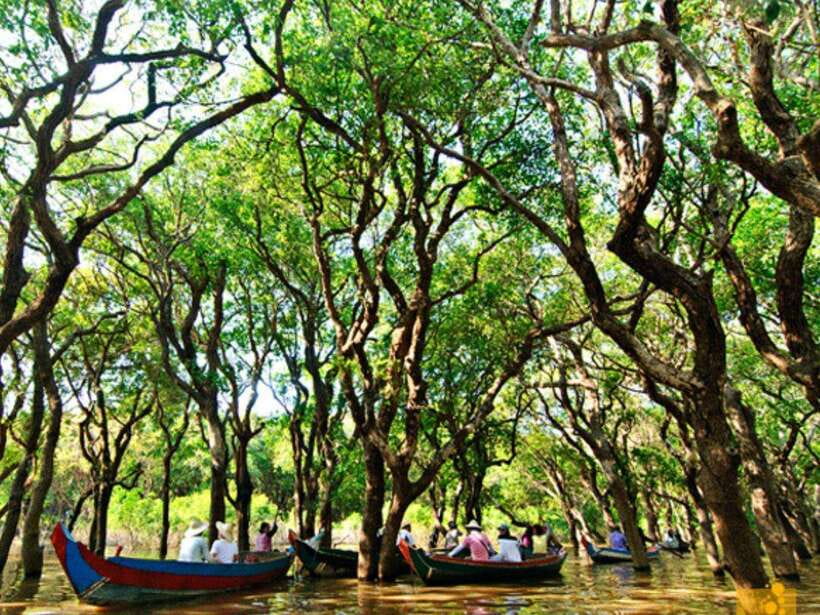
- Tonlé Sap boat time: river cruise plus mangrove swamp
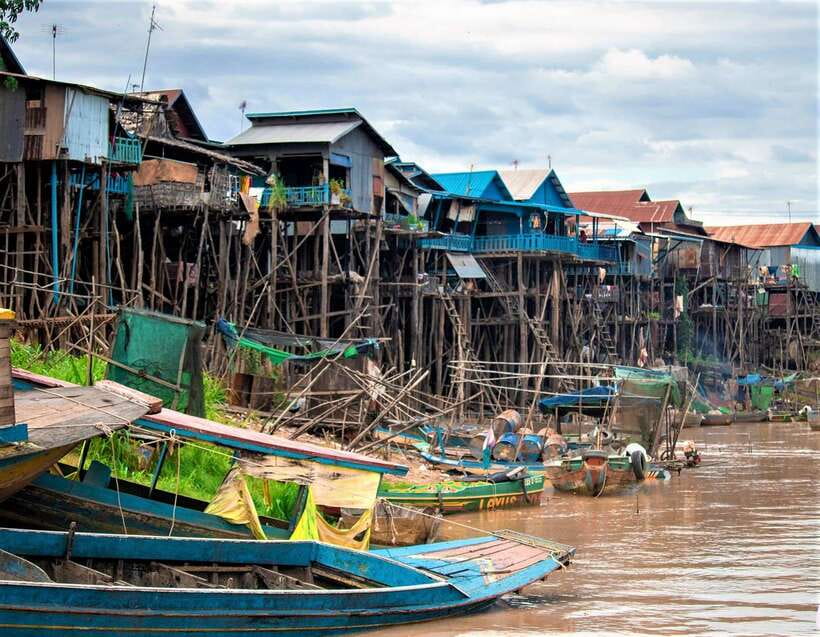
- Kampong Phluk floating village: stilt homes, daily work, and water-level reality
- Crocodile farm stop: worth considering before you feel surprised
- Lunch and the mid-afternoon shift back to Siem Reap life
- Guide quality can make or break the whole day
- Price value: does $19 make sense for this much day?
- Practical tips for a day on boats and temples
- Should you book this Kampong Phluk floating village and mangrove tour?
- FAQ
- How long is the Floating Village-Mangroves Forest Tonle Sap Lake boat tour?
- Where does pickup happen?
- Is the tour guided, and what language is it in?
- What does the tour price include?
- Do I need to wait in a ticket line for the boat cruise?
- What kind of boat experiences are included?
- Are pets allowed on this tour?
- What is the cancellation policy?
Key highlights and what they mean in real life
- Mangrove swamp boat ride: you see the Tonle Sap ecosystem up close, not just from a dock.
- Floating village walking time: the stilted homes and day-to-day rhythm are the point.
- Ro Lus Market stop: a quick taste of local life and photos you’ll actually use.
- English-speaking guide: named guides like Leap and Keo Pysedh are specifically praised for explanations.
- A lot of Siem Reap sights: you’ll cover temples and landmarks after the water, with plenty of short segments.
- Crocodile farm stop: it’s part of the route, so decide ahead of time how you feel about it.
Kampong Phluk and Tonlé Sap: what you’re really booking
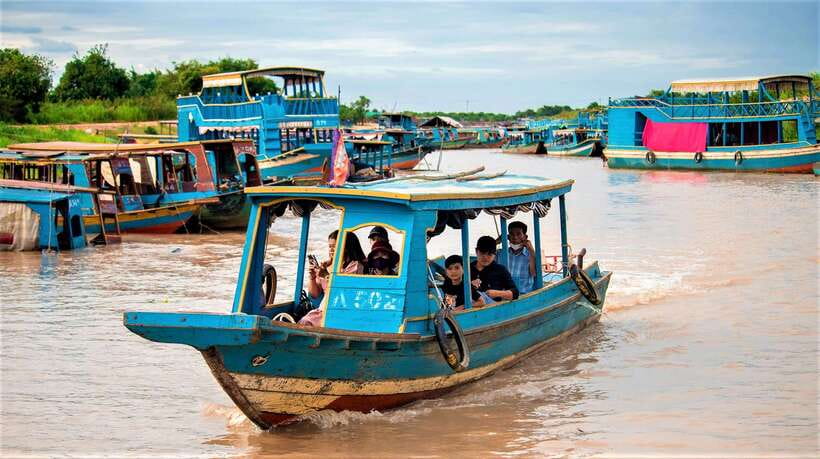
This day tour is built around one core experience: traveling on Tonlé Sap Lake and its waterways, then visiting Kampong Phluk—a floating village area connected to the lake’s changing water levels.
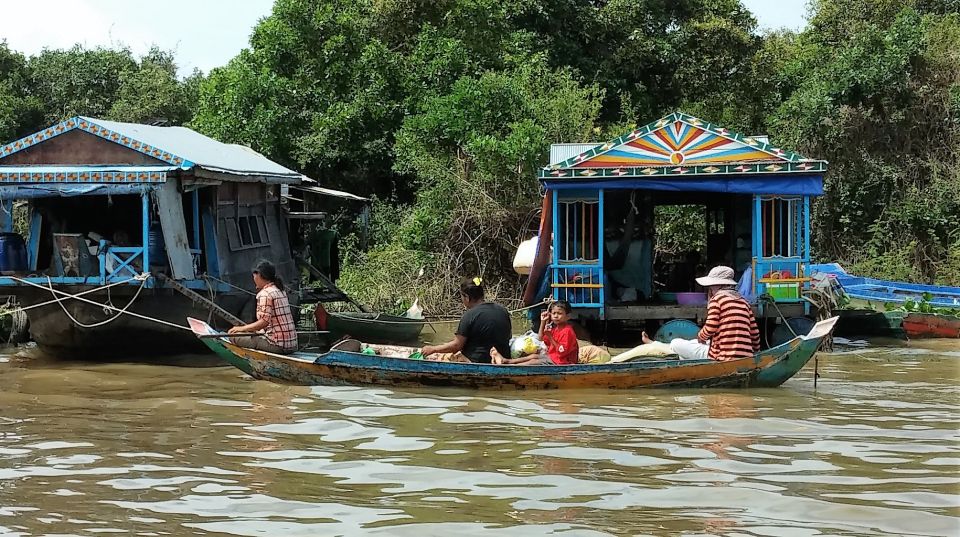
That setting matters. On calm water, stilted homes look almost weightless, and you get a sense of how practical life becomes when the lake is your clock. In feedback from recent visitors, people specifically liked seeing the way fishermen and families operate when everything is adapted to the shoreline—boats, walkways, and daily routines that follow the water.
You should go in with the right expectation: this isn’t a quiet, slow nature retreat. It’s a full day with boat time plus cultural and temple stops afterward. If you’re the type who gets irritated by “on-off” sightseeing, you’ll need to pace yourself and keep hydration and snacks in mind.
If you're still narrowing it down, here are other tours in Siem Reap we've reviewed.
The Siem Reap start: pickup, vehicle time, and how the day flows
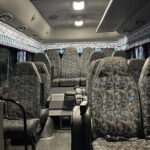
You’ll be collected from your hotel in Krong Siem Reap by a private air-conditioned SUV or van, then travel to the day’s first stops. The schedule includes several short transfers and photo stops, so your day will feel like a chain of mini-adventures rather than one continuous segment.
The advantage of this style: you get variety. The drawback: you’ll spend some time sitting and switching locations. This is why the included cold drinking water and cold towels are genuinely useful. After hours in sun and on boats, they make the day feel more manageable.
If you want to enjoy the timing, aim for a light morning routine—comfortable shoes, sun protection, and a plan for when you feel “tour fatigue” around the mid-afternoon heritage stops.
Ro Lus Market: a practical first taste of local life
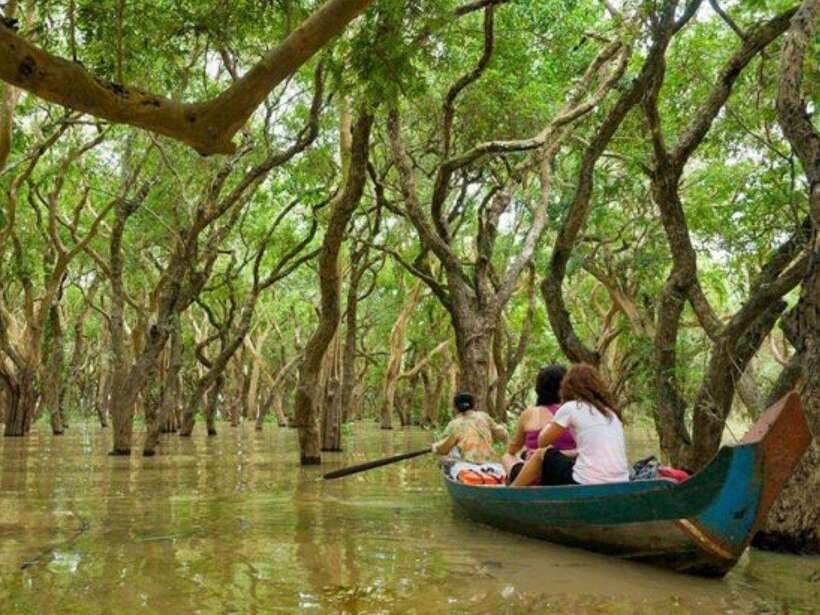
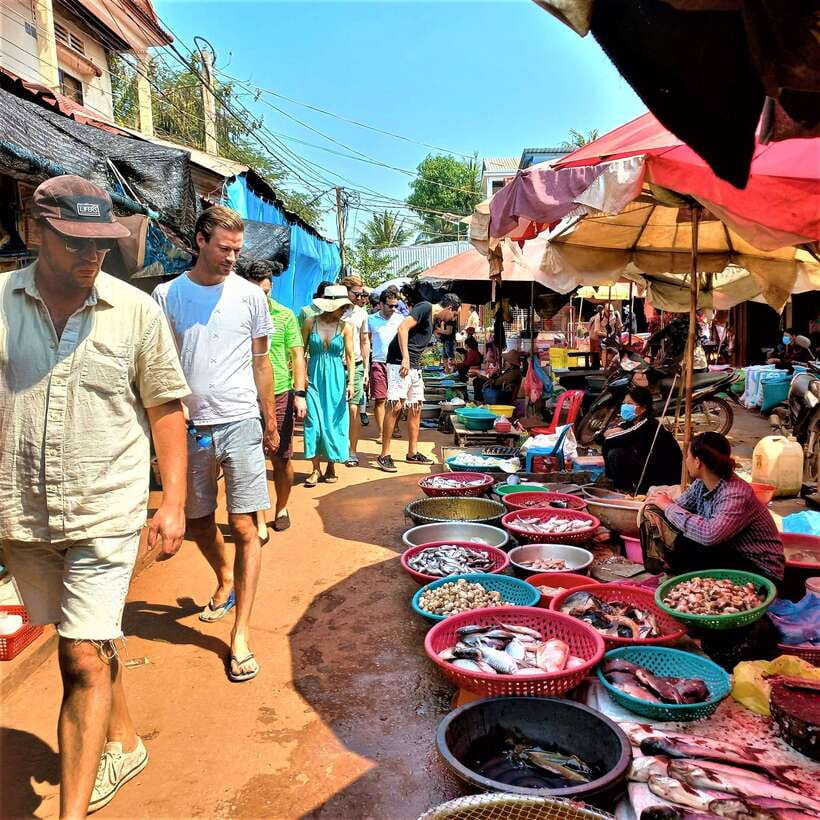
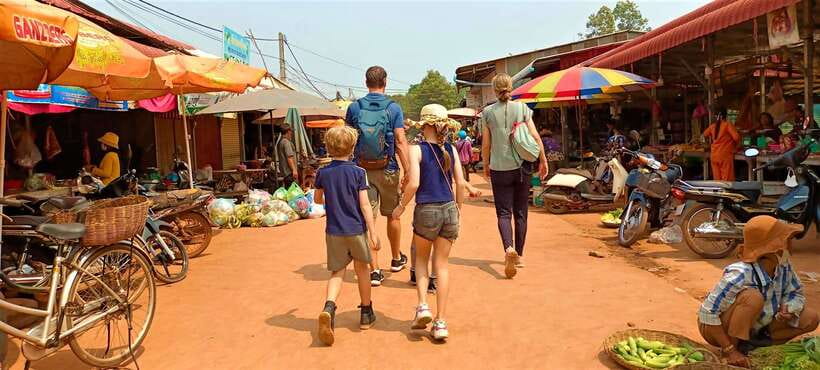
The tour includes a visit to Ro Lus Market with time for photos and a guided look around. This is a good early stop because it helps you orient yourself to what’s around Siem Reap beyond temple-ticket lines and tuk-tuk rides.
A market visit also breaks up the day’s pacing. You’re not just moving from boat to boat; you’re switching to land-level life—colors, local goods, and the human scale of commerce. For anyone who likes souvenirs that don’t scream mass-market, this is the part of the day where you’re most likely to spot real crafts and everyday items.
One note: Cambodia markets (and stops along tour routes) can come with encouragement to buy. If you’re not in a shopping mood, keep it simple: smile, thank people, and move on.
Wat Bo and other Siem Reap landmarks: where the tour gets cultural
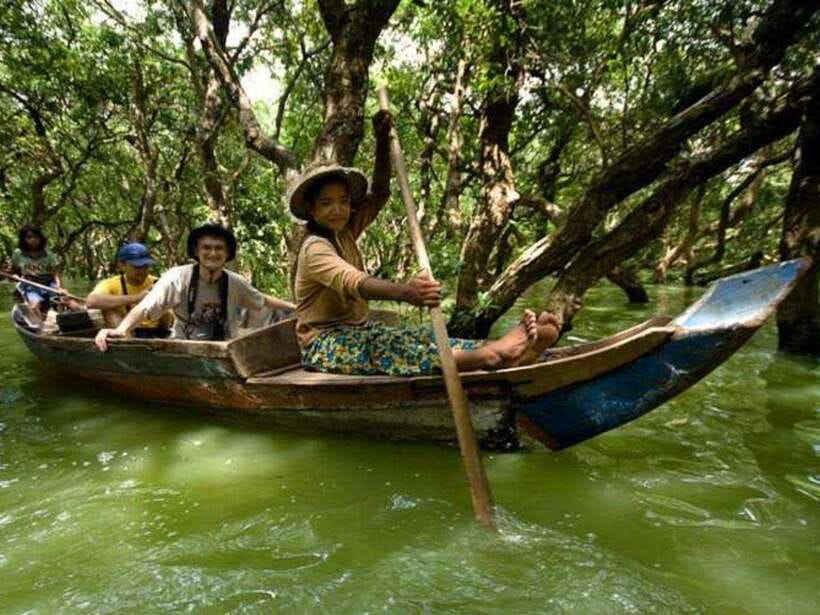
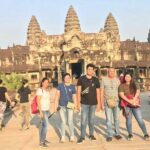
After the lake and village segments, the route shifts toward Siem Reap’s heritage sites. Wat Bo is included, and the day also features several other temple and landmark stops such as Preah Ang Chek Preah Ang Chorm, Wat Preah Prom Rath, Wat Svay Romeat Pagoda, plus sites like Baray Spillway and a photo stop at Royal Residence Park.
These segments are typically shorter than the boat portions, so you won’t walk out with a deep-lecture level experience at each place. Still, it’s a smart way to see multiple landmarks without needing a full separate half-day temple tour.
What I like about adding Wat Bo to the mix: it’s a change of pace from the lake. The boat day is about water life and nature views; the temple stops reset your senses and give you a different kind of Cambodian rhythm—shade, stone, and places of worship.
Tonlé Sap boat time: river cruise plus mangrove swamp
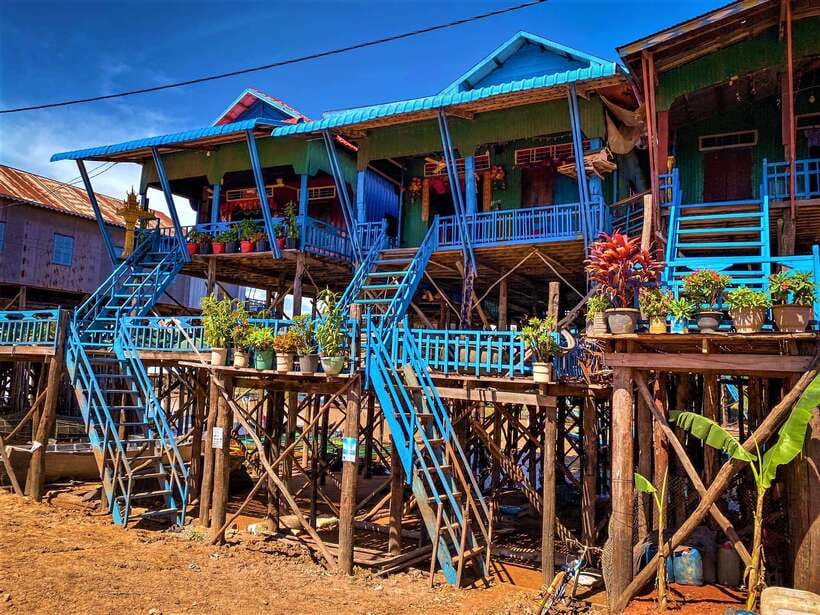
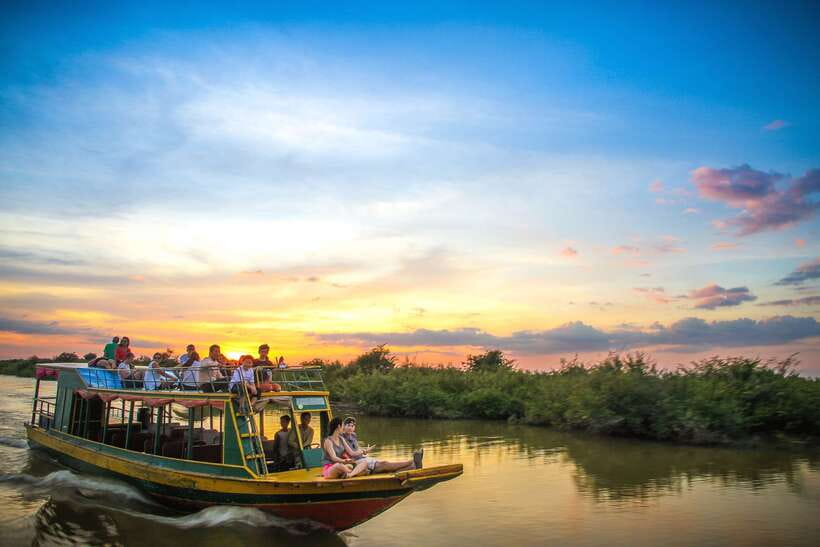
This is the heart of the day. You’ll start with sightseeing cruise time after ticket handling, then later you’ll head toward the Tonle Sap River mangrove swamp boat tour.
Mangroves are a big deal here because they’re not just scenic trees. They’re part of the lake’s breathing system—coastal protection, habitat for fish and birds, and a landscape shaped by tidal changes. When the boat moves through the swamp areas, you get a sense of how the lake supports livelihoods, not just tourism.
A highlight in strong feedback is the mangrove boat ride itself. People describe it as a fantastic experience, and it makes sense: most Cambodia boat trips are either about a floating village or a view from a distance. This adds the mangrove element, giving you a different angle on the ecosystem.
Practical thought: boat time can mean sun glare and wind. Bring something to protect your face from both. Even if you’re not usually a hat person, you’ll be glad you brought one here.


Kampong Phluk floating village: stilt homes, daily work, and water-level reality
The floating village portion is built around Kampong Phluk, with time for photo stops, a guided visit, and walking around the area from the Kampong Pluk Station stop.
This is where you’re looking for authenticity. The most praised aspect is the chance to see intimate daily life—stilt houses and how residents go about their day—rather than treating the village like a photo stop only.
One important reality check: the village experience can look different depending on when you go. In drier season conditions, you may see more of the pilotis (the stilts/understructures) than you would during wetter periods. That doesn’t mean the village isn’t impressive—it just changes what you visually notice when you arrive.
Also, here’s the one drawback worth taking seriously: one feedback comment complained the tour felt like it passed the village by vehicle rather than truly touring it. That may be about timing, group size flow, or how long your boat visit lasts. So before you commit, I’d treat the floating village time as the main value item and make sure your day includes real time on-site, not just quick movement through the area.
If the floating village visit is done well, it’s memorable for exactly one reason: you’re seeing a place that lives with water rather than pretending water is just a backdrop.
Crocodile farm stop: worth considering before you feel surprised
The route includes a stop at a crocodile farm, with crocodile meat featured as part of the visit and barbecue element. Whether you eat anything or not, the stop is part of the day’s structure.
How should you handle it? If you’re sensitive about animal-related food, go in prepared. If you’re not bothered and you’re curious about local farming and how tourist areas structure demos, it can be a quick look at another side of the region’s economy.
Lunch and the mid-afternoon shift back to Siem Reap life
There’s a break time in Siem Reap that includes lunch with guided time. The schedule suggests this is about an hour, which means you’ll want to eat efficiently and keep energy up for the temple and pagoda stops that follow.
This is a good moment to reset mentally. The morning is water-heavy; the afternoon is sightseeing-heavy. I like tours that don’t just toss you from one extreme to another without food, and this one includes at least that anchor.
Guide quality can make or break the whole day
A tour like this rises or falls on explanation—especially when you’re visiting a working village and moving through mangrove ecosystems.
Strong feedback repeatedly points to specific English-speaking guides: Leap is praised as excellent, Keo Pysedh is recommended, and Nao is thanked for attentive service. That matters because a guide helps you translate what you’re seeing: stilt design, fishing and daily schedules, and why mangroves matter.
If you get a guide who talks only logistics, the boat can feel like scenery with no context. If your guide explains what you’re looking at, the same sights become more meaningful fast.
Price value: does $19 make sense for this much day?
At $19 per person, the price looks like a strong value on paper—especially because the tour includes:
- hotel pickup and drop-off
- an English-speaking licensed guide
- entrance fees as stated in the route
- private air-conditioned transport
- private boat tours (Tonle Sap cruise and floating village segments)
- cold water and cold towels
That’s a lot to fit into one day, so when people rate this highly, it’s usually because the boat experience and guiding feel worth the money.
Still, the negative feedback about feeling like the floating village wasn’t really toured is the main warning sign. If a tour day is priced low and then the “main attraction” time shrinks, the value feeling collapses. This is why your best move is to ensure the floating village and mangrove boat components get proper on-the-ground time.
Practical tips for a day on boats and temples
For a smoother day, plan for sun, humidity, and movement between water and land.
- Wear shoes you don’t mind getting a bit dusty.
- Use insect repellent before the boat segments. Mangrove areas and lake edges tend to mean bugs.
- Bring a light layer. Boats can get breezy once the sun drops.
- If shopping or extra sales pop up at stops, decide your rules early. Polite no’s work.
Also remember: pets aren’t allowed on this activity. If you’re traveling with an animal companion, you’ll need a different plan.
Should you book this Kampong Phluk floating village and mangrove tour?
I’d book it if you want one efficient day that combines Tonlé Sap nature with a real look at life around floating stilt homes, and you like the idea of getting a guided explanation rather than doing it on your own.
I’d think twice if your top priority is a long, unhurried floating village hangout. The day includes lots of short cultural stops afterward, and there’s at least one cautionary note about not feeling the village visit was substantial. If that’s your biggest concern, confirm your tour includes meaningful time at Kampong Phluk itself and not just a quick pass-through.
If you’re after value, boat time, and a guide who can turn what you see into something you understand, this is a smart way to spend a day in Siem Reap.
FAQ
How long is the Floating Village-Mangroves Forest Tonle Sap Lake boat tour?
The tour duration is 8 hours.
Where does pickup happen?
Pickup and drop-off are included from your hotel in Siem Reap Province (Krong Siem Reap). You provide your hotel name and address at booking.
Is the tour guided, and what language is it in?
Yes. You get a live English-speaking licensed tour guide.
What does the tour price include?
It includes hotel pickup/drop-off, the English-speaking guide, entrance fees as listed in the route, private air-conditioned SUV/van transfers, private boat tours to Tonle Sap Lake and the floating village, cold drinking water and cold towels, and service charge plus government VAT.
Do I need to wait in a ticket line for the boat cruise?
No. The tour includes skipping the ticket line.
What kind of boat experiences are included?
You’ll do private boat tours connected to Tonle Sap Lake and the floating village, including a mangrove swamp boat tour segment.
Are pets allowed on this tour?
No, pets are not allowed.
What is the cancellation policy?
You can cancel up to 24 hours in advance for a full refund.