REVIEW · SIEM REAP
Angkor Wat Sunrise Small Group Tour With Breakfast
Book on Viator →Operated by Asean Angkor Guide · Bookable on Viator
That first light at Angkor changes your whole day. This Angkor Wat sunrise small-group tour is built around getting you inside the complex before the biggest waves—then guiding you through the main temples of Angkor Thom while the morning is still tolerable.
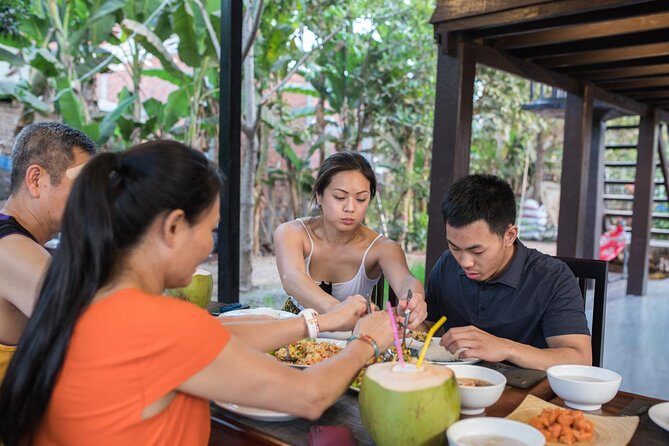
I love the hands-on comfort for a 4:30 a.m. start: air-conditioned transport, hotel pickup, and frequent cool water and towels from the driver (a lifesaver in Siem Reap humidity). I also like the added human touch at Srah Srang—breakfast at a local family restaurant near the countryside community, plus things like traditional palm cake.
One consideration: the $23 tour price doesn’t cover the Angkor admission pass. You’ll need that Angkor temple pass (listed as $37 per person) before the sunrise so you don’t miss the start, and the dress code means knees and shoulders covered—no shorts.
In This Review
- Key things I’d bet on with this sunrise tour
- Sunrise at Angkor Wat: the payoff for the early morning
- The real value of the guide: turning stone into stories
- Srah Srang and breakfast: a calmer start before the temples
- Ta Prohm: jungle roots, movie fame, and real atmosphere
- Bayon and the faces: religion, power, and daily life
- Baphuon and the “golden mountain” feel
- Terraces of the Royal Palace zone
- Terrace of the Elephants
- Terrace of the Leper King
- Angkor Thom South Gate: finish with a bold entrance
- Logistics that keep this tour from feeling like chaos
- Pickup, timing, and transport
- Group size and pacing
- Cooling support
- Price and what it really costs: $23 plus the Angkor pass
- Dress code and what to pack for Siem Reap humidity
- Who this sunrise Angkor Wat tour suits best
- Should you book this Angkor Wat sunrise small-group tour?
- FAQ
- What time is hotel pickup for the Angkor Wat sunrise tour?
- Is the Angkor Wat admission fee included in the tour price?
- Do I need to buy an Angkor pass before the tour starts?
- What temples are included during the day?
- Is breakfast included, and is there a vegetarian option?
- Is lunch included?
- What kind of vehicle is used for transport?
- Is drop-off back to my hotel included?
- What is the dress code?
- How many people are in the group?
- What happens if weather is poor or the tour can’t run?
Key things I’d bet on with this sunrise tour
- Small group size (max 14) for easier questions and a smoother pace at the temples
- 4:30–5:00 a.m. hotel pickup so you’re not arriving when the crowds lock in
- Breakfast at Srah Srang at a local family spot, with a rural-life feel
- A full Angkor Thom circuit with Ta Prohm, Bayon, Baphuon, and both terraces
- Cooling support all day: AC rides plus cold water and towels when you get back to the van
- Flexible day depending on closures: one guest noted the Terrace of the Elephants can be closed
Sunrise at Angkor Wat: the payoff for the early morning
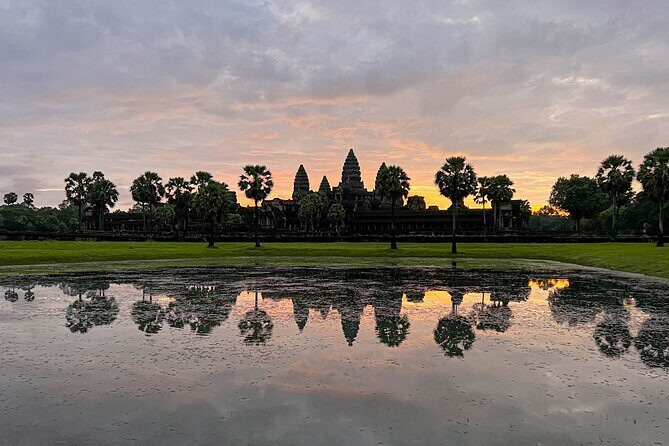
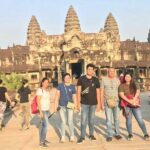
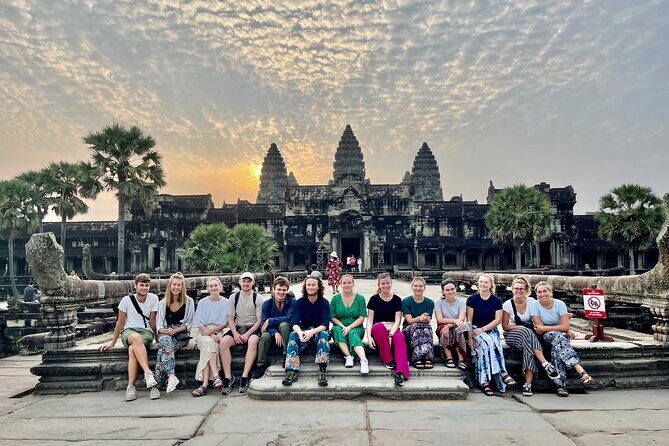
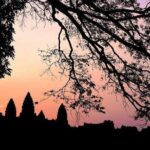
The headline here is simple: you get to Angkor Wat before most people have even properly woken up. Pickup is typically between 4:30 a.m. and 5:00 a.m., so you’re already moving while the sky is still in that gray-blue stage.
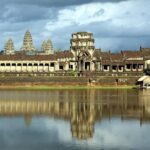
Why this matters: Angkor Wat looks good at any hour, but sunrise has two advantages. First, you’re catching the temple in softer light, which makes the carvings and stone textures pop. Second, you’re dodging the worst crowd crush you’d face later in the day, especially as tour groups arrive in waves.
One more note I’d file in your brain: the sunrise isn’t guaranteed to be a perfect golden fanfare. On one trip, the sun was hidden behind clouds and only peeked through briefly. Even then, it was still memorable—just with a different mood. So don’t plan on a movie-perfect sunrise; plan on a truly special early start.
Other Angkor Wat sunrise tours we've reviewed in Siem Reap
The real value of the guide: turning stone into stories
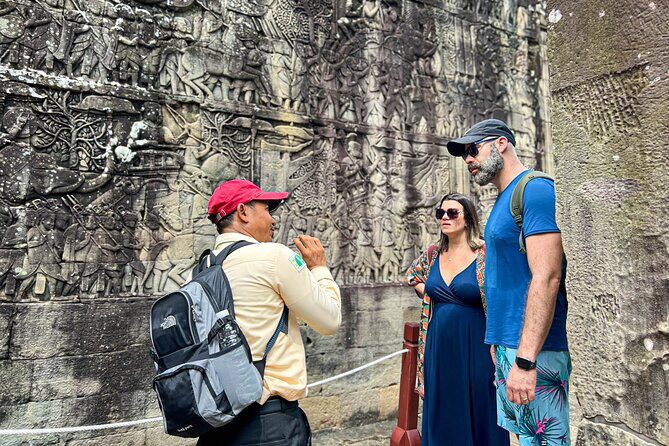
For me, the biggest “small group” benefit isn’t just fewer people. It’s how much easier it is to ask questions at the exact spot where they matter. This tour is led by a professional English-speaking guide, and the pace supports pauses for explanation instead of rushing past everything.
I noticed multiple guide names coming up in the experience: Mr. Raman and Mr. Dan get singled out for clear history and thoughtful guiding, while Mr. Ho, Mr. August, Mr. David, Mr. Mony, and Mr. Sam also appear as attentive, friendly, and detail-oriented. If you’re the type who wants context—what you’re seeing, who built it, and why certain parts matter—this is the kind of tour where your curiosity actually fits.
A fun detail to keep in mind: one guest highlighted a “heart echoes” moment where sound carries in a specific area. Your guide is the key to finding those small, memorable angles—because they’re not always obvious on your own.
Srah Srang and breakfast: a calmer start before the temples
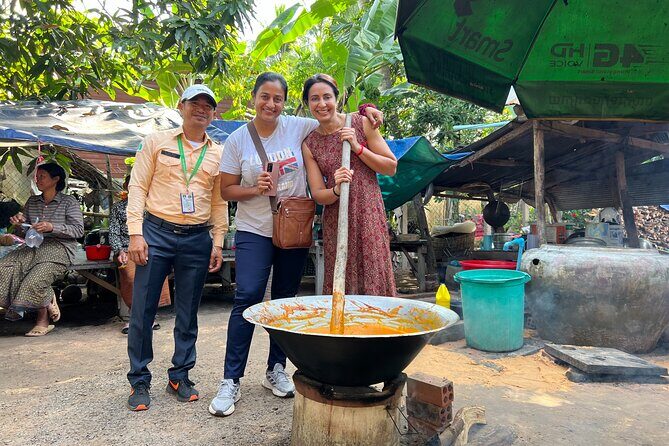
After the sunrise scene, the tour shifts to Srah Srang for breakfast. Expect a short stop at a local family restaurant in Siem Reap, with a rural-life vibe near the Angkor-area countryside community. The meal includes a chance to try traditional palm cake, and there’s a vegetarian breakfast option.
This stop helps in two ways. Practically, it gets you fed before the walking stacks up. Emotionally, it breaks the temple rhythm so the day feels less like one long museum sprint.
What to watch: breakfast is included, but it’s not positioned like an all-you-can-eat Western buffet. If you need a very specific diet or extra caffeine, it’s smart to keep your expectations flexible and plan to grab anything extra later.
Ta Prohm: jungle roots, movie fame, and real atmosphere
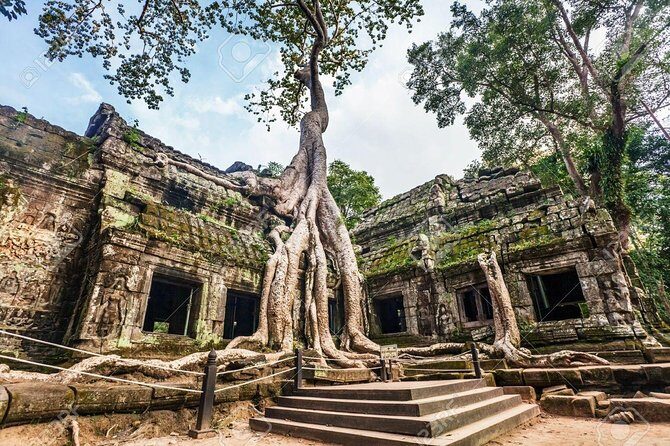
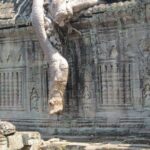
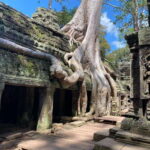
Next is Ta Prohm, the famous temple left in its original state—partly swallowed by trees and wrapped in huge roots. This is the stop where you start seeing the “nature + ruins” blend that makes Angkor so visually distinct.
In practical terms, Ta Prohm is also where you’ll want good shoes. The ground can be uneven, and you’ll likely do more short bursts of walking and repositioning for photos. The upside is that your guide can steer you to angles that reduce crowd pressure and improve what you’re seeing through the greenery.
Bayon and the faces: religion, power, and daily life

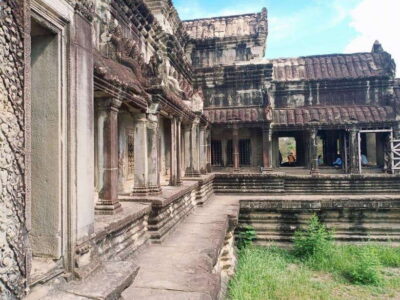
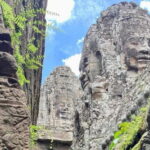
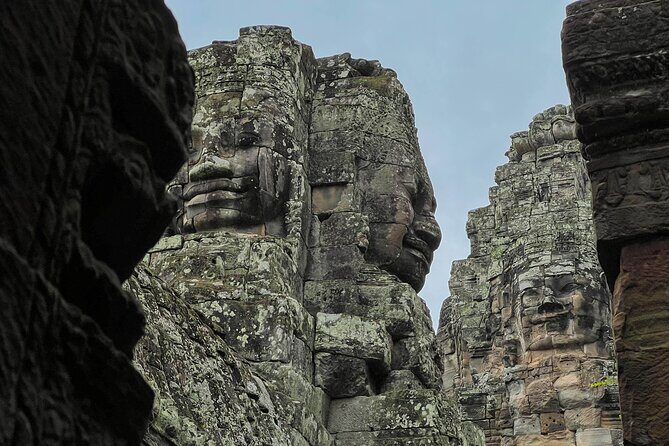
Then you’ll head to Bayon Temple, a major highlight inside Angkor Thom. The description emphasizes its historical role—used for worship, education, and administration—and it’s also described as the monastery that has survived to the present day.
Bayon is the temple of faces, and the guide’s job is to connect the visual impact to meaning. With a smaller group, you’re less likely to spend the entire hour craning your neck between shoulders. Instead, you can take a breath, understand what you’re looking at, then enjoy it.
Other Angkor Wat temple tours we've reviewed in Siem Reap
Baphuon and the “golden mountain” feel
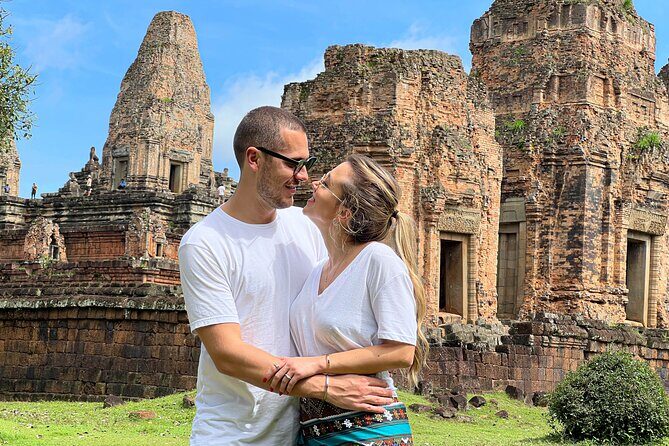
After Bayon comes Baphuon, located in Angkor Thom northwest of Bayon. It’s built on an artificial hill and is sometimes called the golden mountain.
This stop is shorter—about 30 minutes—so it works best as a “zoom in and absorb” moment. Think of it like a chapter break: you’ll see more stone work details, get the story behind the structure, then move on while your energy still holds.
Terraces of the Royal Palace zone
Two terraces wrap up the Angkor Thom sightseeing sequence:
Terrace of the Elephants
This terrace fronts the Royal Palace. Expect about 20 minutes here—enough time to understand the setting and take a few solid photos without turning it into a photo marathon.
One heads-up from real experience: a guest noted the Terrace of the Elephants was closed on their day, so the route can shift. If a stop is unavailable, a good guide will still make sure you don’t lose the overall flow.
Terrace of the Leper King
Then you’ll visit Terrace of the Leper King, described as being used for ceremonial cremations, with a statue connected to the God of Death. It’s the kind of place where the meaning can get lost if you just rush through. The guide really matters here.
Angkor Thom South Gate: finish with a bold entrance
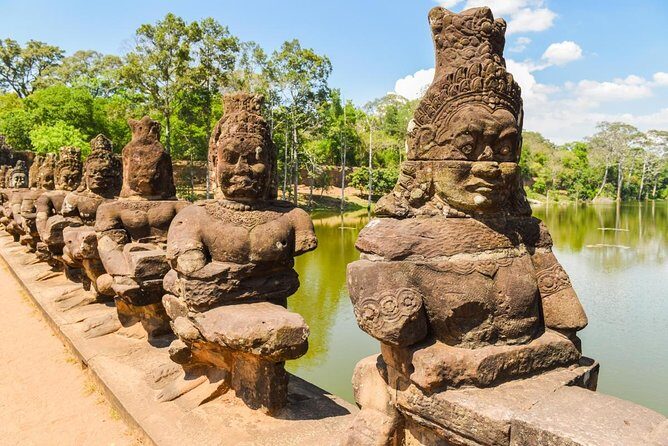
The day’s last major temple moment is Angkor Thom South Gate. It’s a 12th-century city gate with carved faces, plus stone figures lining the causeway.
This stop is about 20 minutes—which is just right for one last stretch of “wow,” followed by a visual recap of what you’ve already seen inside the city walls. It’s also a good checkpoint for photos because the gate structure gives you strong framing.
Logistics that keep this tour from feeling like chaos
Here’s the practical stuff that makes a sunrise tour actually work:
Pickup, timing, and transport
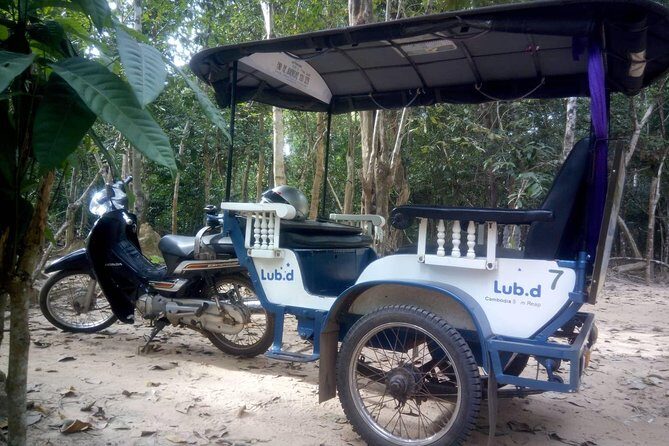
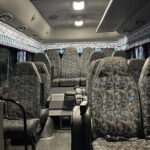
You’ll be picked up from your Siem Reap hotel lobby about 10 minutes before pickup is scheduled, with pickup itself between 4:30 a.m. and 5:00 a.m. Transport is done in an air-conditioned minivan or bus.
The ride comfort matters more than you think. Early starts mean you’ll often be half-awake. AC and a clean vehicle help you arrive with enough energy to enjoy the light, not just survive the day.
Group size and pacing
This tour caps at 14 travelers. That number is small enough for the guide to keep track of everyone’s needs—especially important when the day includes multiple temple entries, uneven walking, and photo stops.
Cooling support
Multiple experiences highlight the same pattern: the driver brings cold bottled water and cool towels during the day. When you’re sweating through temple circuits, that kind of support turns a “long day” into a “long but manageable day.”
Price and what it really costs: $23 plus the Angkor pass
Let’s talk value honestly. The tour price is $23 per person, and it includes:
- Professional English-speaking guide
- AC transport
- Hotel pickup and drop-off
- Free cool bottle of water and towels
- Breakfast (vegetarian option available)
But the big line item not included is the Angkor admission pass, listed as $37 per person. So you should plan around a total of roughly $60 per person before tips, since tips are optional and lunch/soft drinks aren’t included.
Is it a good deal? For most first-timers, yes—because you’re paying for two hard-to-replicate things: (1) sunrise timing and (2) a guided circuit that hits the major Angkor Thom highlights in one day. If you already have the pass squared away and want an efficient, meaningful introduction, this is strong value.
If you dislike very early wake-ups or you don’t want a long walking day in heat, the price won’t feel like a bargain. This tour is built for people who can trade sleep for the best Angkor light.
Dress code and what to pack for Siem Reap humidity
This tour has a strict dress code: you need covered knees and shoulders, and shorts aren’t allowed. Plan clothing that handles early-morning chill and later-day heat.
The tour also recommends bringing: sunscreen, sunglasses, insect repellent, and a hat. I strongly agree with that list. Temple stone reflects heat, and the morning doesn’t always mean cool conditions—it just means less crowding.
Also, bring a little mindset shift: you’ll be outdoors for long stretches. A hat and water routine keep you from turning the day into a miserable slog.
Who this sunrise Angkor Wat tour suits best
I’d point you toward this tour if you:
- Want an Angkor Wat sunrise that avoids the worst crowd levels
- Prefer a small-group feel with time to ask questions
- Like getting history and meaning with your photos (guides like Raman, Dan, and Ho come up again and again)
- Want a structured “first Angkor circuit” that covers multiple key Angkor Thom sites in one go
- Travel with teens or family members who will enjoy a guided tour but still appreciate breaks for viewing
I’d hesitate if you:
- Struggle with extreme early mornings
- Need lots of downtime or step-free sightseeing (the day includes temple walking and uneven ground)
- Expect a full buffet-style breakfast and lots of included food beyond the morning meal
Should you book this Angkor Wat sunrise small-group tour?
If sunrise at Angkor Wat is your top priority, I think this tour is an excellent choice. The combination of early pickup, small-group structure (max 14), and strong guide support makes it a practical way to do the highlights without wasting time trying to figure everything out at 6 a.m.
Book it especially if you want a guided introduction to Angkor Thom—Ta Prohm, Bayon, Baphuon, and the terraces—plus a breakfast stop that connects the temples to daily life near Siem Reap.
Just do two things before you go: buy or secure the Angkor pass in advance, and prepare for a long, hot day with the right clothing. If you’re ready for that trade, this tour can be one of your most satisfying days in Cambodia.
FAQ
What time is hotel pickup for the Angkor Wat sunrise tour?
Pickup is included and typically happens between 4:30 a.m. and 5:00 a.m. You should wait in the hotel lobby about 10 minutes before your scheduled pickup time.
Is the Angkor Wat admission fee included in the tour price?
No. The tour price ($23 per person) does not include the Angkor admission fee, which is listed as $37 per person.
Do I need to buy an Angkor pass before the tour starts?
Yes. You are required to have an Angkor temple pass before the start of the tour so you don’t miss the sunrise. The tour recommends buying it online.
What temples are included during the day?
You’ll visit Angkor Wat for sunrise, then continue to Srah Srang (breakfast), Ta Prohm, Bayon, Baphuon, the Terrace of the Elephants, the Terrace of the Leper King, and Angkor Thom South Gate.
Is breakfast included, and is there a vegetarian option?
Yes. Breakfast is included at the Srah Srang stop, and there is a vegetarian option.
Is lunch included?
No. Lunch and soft drinks are not included.
What kind of vehicle is used for transport?
The tour uses air-conditioned transport (minivan or bus).
Is drop-off back to my hotel included?
Yes. The tour includes hotel pickup and drop-off, and you’re transferred back to your hotel in Siem Reap.
What is the dress code?
You must cover your knees and shoulders. Shorts are not allowed.
How many people are in the group?
This is a small group with a maximum of 14 travelers.
What happens if weather is poor or the tour can’t run?
The experience requires good weather. If it’s canceled due to poor weather, you’ll be offered a different date or a full refund. If a minimum number of travelers isn’t met, you’ll also be offered a different date/experience or a full refund.