REVIEW · SIEM REAP
Siem Reap: Lotus Silk Farm- Tour, Lake & Masterclass
Book on GetYourGuide →Operated by Savin Lotus Shop · Bookable on GetYourGuide
Lotus isn’t just a pretty flower here. You’ll learn how it becomes paper, yarn, jewelry, incense, and even plant-based leather, then float through lotus ponds on a wooden boat. The mix of hands-on craft time and calm nature time is what makes Lotus Silk Farm such a different Siem Reap day.
I especially love the fact that you make real things with your own hands, not just watch. And the boat ride through the lotus fields is genuinely peaceful, with a boatman who crafts a lotus bouquet as you glide along. You also get to hear how this social enterprise supports women artisans, with clear explanations from staff like Sean, Melany, or Sokha (names you may hear depending on who’s teaching that day).
One thing to consider: this is a craft-focused experience, so if you’re only chasing temples and photos, you might feel more “busy” than “relaxing” until the boat ride.
In This Review
- Key points worth knowing before you go
- Lotus Silk Farm: what you’re paying for (and why it feels fair)
- Meeting at Biolab Cafe: start on time so your day stays smooth
- Guided tour: how lotus becomes fiber, paper, and other materials
- The six lotus craft workshops where you actually make souvenirs
- 1) Lotus paper from recycled stem waste
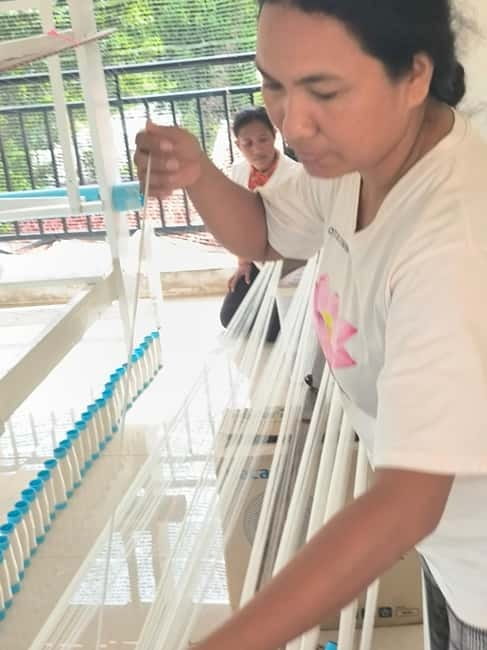
- 2) Spinning lotus fiber into yarn
- 3) Lotus jewelry made from dried seeds
- 4) Preparing lotus incense sticks
- 5) Eco-printing with botanicals on silk
- 6) Carving the lotus symbol into vegan leather
- Workshop energy, pacing, and the break that keeps you going
- The 30-minute boat ride through lotus fields (this is why you bring your camera)
- Who this suits best (and who might prefer something else)
- Price and value check: does $70 buy enough?
- Small logistics that can matter on a Siem Reap day
- Should you book Lotus Silk Farm?
- FAQ
- How long is the Lotus Silk Farm tour?
- What’s included in the $70 price?
- Where do I meet for pickup?
- Is hotel pickup included?
- What time slots are available?
- What languages are the instructors?
- Is the tour wheelchair accessible?
Key points worth knowing before you go
- 6 lotus crafts in one visit (paper, yarn, jewelry, incense, eco-printing, and carving) plus take-home souvenirs you create yourself
- A 30-minute wooden boat ride through lotus fields, with time for photos and that slow, quiet pace
- Hands-on guidance from Khmer artisans using skills passed down through generations
- Eco-minded production story: lotus fibers and stems are turned into useful, lower-waste materials
- Complimentary lotus tea and lotus biscuits during the workshops
- Easy downtown meeting point at Biolab Cafe & Restaurant, with a clear pickup setup
Lotus Silk Farm: what you’re paying for (and why it feels fair)
At $70 per person for about 4.5 hours, you’re not just buying a ticket to a farm. You’re paying for a full cultural workshop pipeline: learning from a guided segment, doing six separate DIY craft activities, and ending with a 30-minute boat experience.
In Siem Reap, plenty of tours are built around one main activity. Here, you get variety without the usual “switching buses every hour” problem. For me, that’s the value: you leave with multiple tangible souvenirs and a better understanding of why lotus matters in Cambodian life and crafts.
Also, you’ll notice the tone of the place is about work—patient, skilled, and community-driven. The women artisans are central to the process, not just “present for photos.”
If you're still narrowing it down, here are other tours in Siem Reap we've reviewed.



Meeting at Biolab Cafe: start on time so your day stays smooth
You meet at Biolab Cafe & Restaurant in downtown Siem Reap. Plan to arrive early—pickup happens about 30 minutes before the activity start, with scheduled departure times at 8:30 AM, 10:00 AM, and 12:00 PM.
The pickup spot is easy to find once you know what to look for: a lotus-colored PICKUP flag and a driver with a grey van waiting outside the café. The café itself helps a lot if you’re early: there’s air-conditioning, restrooms, and Wi‑Fi, plus coffee and other items you can buy.
Two practical tips:
- Bring a camera, because the lotus areas look great and the boat ride gives you real photo time.
- Wear comfortable shoes. Some crafts involve sitting close to your work, and you’ll be moving around the farm spaces.
Guided tour: how lotus becomes fiber, paper, and other materials
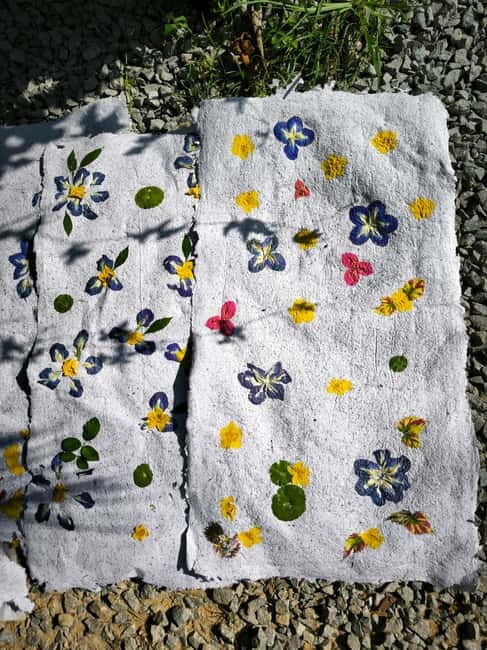
The experience starts with a guided visit (about 30 minutes) focused on how lotus fibers and stems get turned into usable materials. You’ll learn why the lotus is treated as more than a symbol—this plant has practical value in everyday production and in traditional Cambodian craft.
You’ll also hear how the farm operates as a social enterprise and supports women artisans. The key is that the explanations are tied to the work you’re about to do next. That matters, because when you later spin yarn or make paper, you’ll remember the “why” behind it, not just the “how.”
If you like stories that connect culture, religion, and daily labor, this segment tends to land well. Several guides in the feedback were praised for explaining clearly and with a friendly sense of humor, which makes the tour feel like a conversation rather than a lecture.
The six lotus craft workshops where you actually make souvenirs
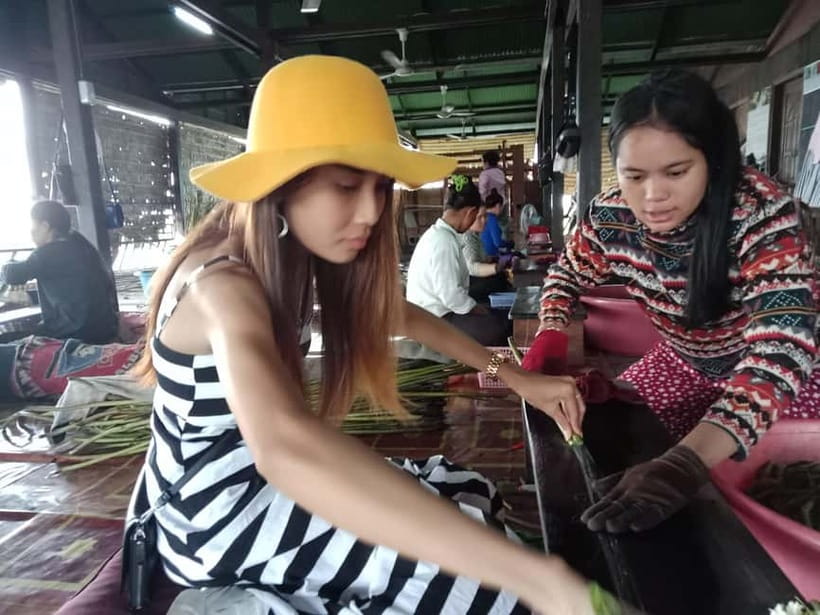
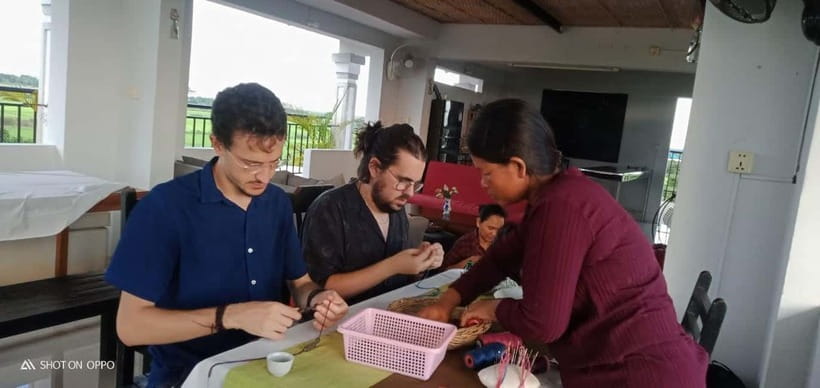
This is the heart of the day. You’re not just sampling lotus products; you’re creating six different handmade items with instruction and step-by-step guidance.
The crafts also match what’s most distinctive about this place: turning different parts of the lotus (fibers, seeds, stems, botanicals) into different product types. Here’s what you can expect to do:
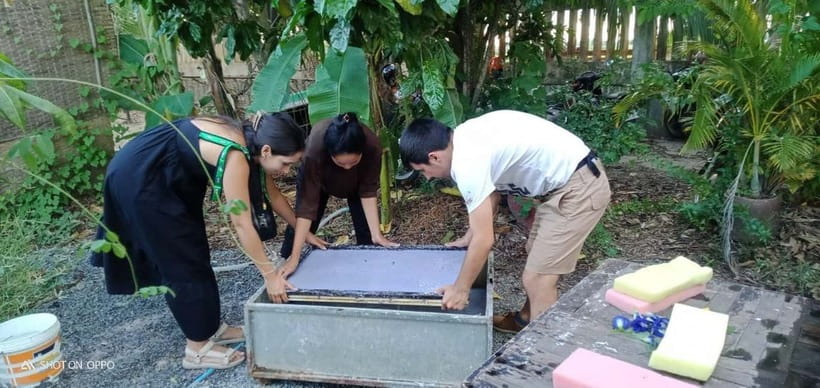
1) Lotus paper from recycled stem waste
You’ll work with lotus stems and recycled material to create lotus paper. Expect the process to feel hands-on and tactile. It’s a good craft if you like crafts that start with a messy, plant-based material and end with something you can hold up to the light.
What you’ll learn: lotus isn’t a single-use flower. Different parts become different outputs, and recycling plant waste is part of the production mindset.






2) Spinning lotus fiber into yarn
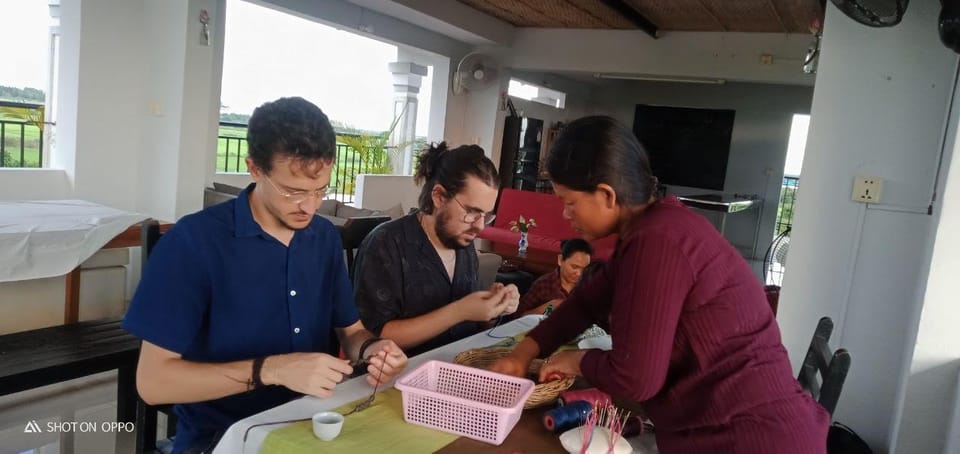
This is where you get a feel for the fiber work. You’ll take lotus fiber and learn how it can be spun into yarn—small steps that add up to something you can use later.
If you’ve never handled fibers before, don’t worry. The teaching approach is guided and patient, and the goal is you walking out with something you made—not perfection at first try.
3) Lotus jewelry made from dried seeds
This workshop centers on shape and detail. You’ll create jewelry using dried lotus seeds, which turns an ingredient you’d normally ignore into a keepsake material.
This is one of the crafts that tends to feel most personal, because seed size and shape influence your final design. It’s also a nice reminder that “luxury” can start with humble, local raw materials.
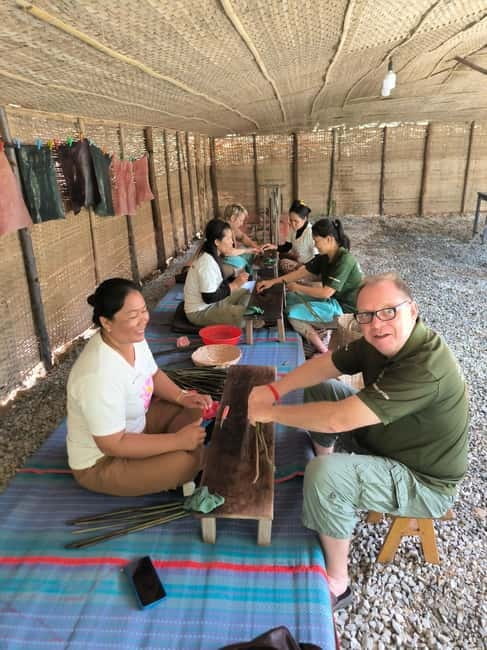
4) Preparing lotus incense sticks
Incense-making is part science, part craft. You’ll prepare incense sticks, learning how scent-making fits into Cambodian craft traditions and daily life.
It’s also a practical souvenir: something you can use at home, not only display. If you like sensory souvenirs (smell is a big memory trigger), this one is worth doing carefully.
5) Eco-printing with botanicals on silk
This is the “wow, I made artwork” moment for a lot of people. You gather fresh botanicals from the gardens and arrange them on a premium silk scarf, then print patterns using the natural plant elements.
What’s smart here is that you’re making choices. You aren’t stuck copying a sample. Even small placement differences change the look of your scarf.
6) Carving the lotus symbol into vegan leather
Finally, you’ll carve/engrave the sacred lotus symbol into vegan leather made from lotus stem waste. This workshop connects craft tradition with modern material innovation.
It’s the most “tool-and-detail” feeling craft in the group. If you like engraving or want something sturdier than paper, this is a great ending to the craft set.
Workshop energy, pacing, and the break that keeps you going
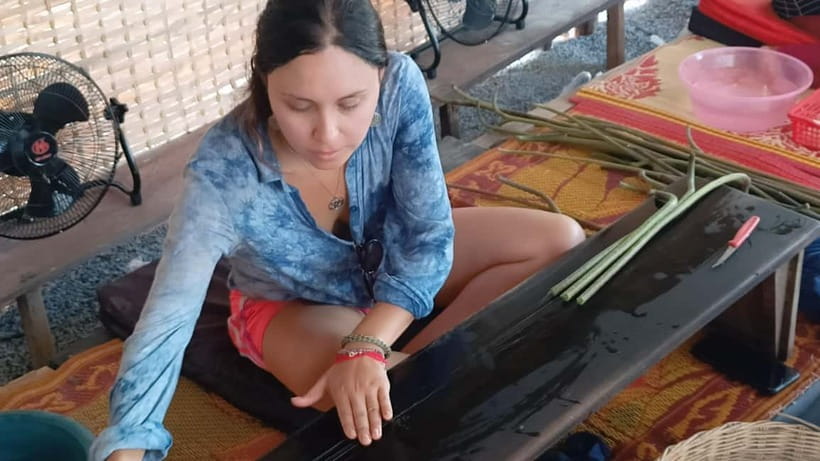
Between crafts, you’ll get lotus tea and lotus biscuits. It’s not just a refreshment pause; it’s also part of the experience rhythm. You’ll take a breather, reset, and then get moving again with the next step.
Water is provided, but if you know you like extra hydration, bring a bit more. The farm portions are active enough that having water on hand keeps your day comfortable.
One more small but useful point: the format supports small-group attention. That helps a lot when you’re doing careful steps for paper, carving, or eco-printing. You won’t feel lost if your hands aren’t doing what the instructor did the first time.
The 30-minute boat ride through lotus fields (this is why you bring your camera)
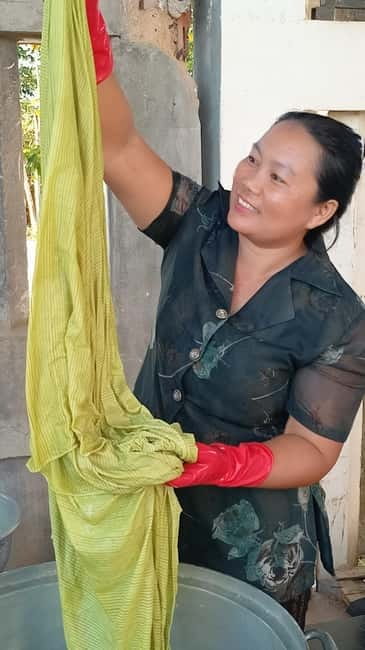
You’ll finish the day with a 30-minute boat ride through lotus fields. The ride is on a traditional wooden boat, and the pace is slow enough to actually enjoy the view instead of rushing past it.
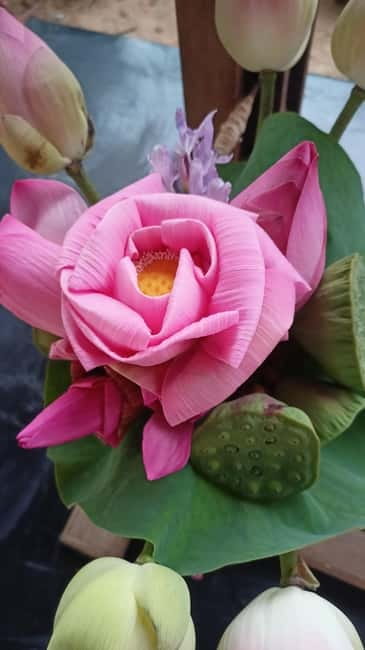
A standout detail: your boatman crafts an intricate lotus flower bouquet while you’re out on the water. It’s a nice “watch and learn” moment even if you don’t get involved with the craft side.
For photo fans, this is where you’ll likely want to take your time. Pink lotus blooms in water look great, and the lighting tends to stay soft and forgiving compared to harsh midday glare.
Who this suits best (and who might prefer something else)
This tour is a strong match if you:
- want culture you can touch—literally, in your hands
- love crafts, handmade souvenirs, or design-making
- want a break from temples and still want something meaningful
- enjoy nature, but in a calm, short dose rather than an all-day hike
It’s also a decent family choice, since it’s structured and offers multiple activities rather than one long lecture. Several people in the feedback framed it as fun for different ages and made special note of the supportive staff and village women working through the day.
If you hate crafts or you only want “see and go,” you might find the workshop portion a bit demanding. But if you’re open to learning and making, it’s one of those days that changes how you look at a flower.
Price and value check: does $70 buy enough?
Here’s how I’d judge the price for you. For $70, you’re getting:
- a guided visit (about 30 minutes)
- six hands-on craft activities with take-home results
- a 30-minute boat ride
- lotus tea and lotus biscuits
- pickup/transfer from the Biolab Cafe meeting point area (no hotel pickup)
That’s a lot of “included” time and output for one ticket. Many Siem Reap experiences charge a similar amount but give you less to show for it at the end of the day. Here, you walk away with multiple creations, not just photos.
The other value factor is mission alignment. When you buy something you made yourself, you’re more likely to understand the process behind it. That makes the souvenir feel earned, not bought off a shelf.
Small logistics that can matter on a Siem Reap day
The day is straightforward, but do these basics:
- Arrive at Biolab Cafe on time for the pickup (arrive about 5 minutes early).
- Wear closed shoes. Some crafts involve materials that don’t love sand or dust.
- Bring a camera and charge your phone.
- Expect the schedule to run to the plan; if a driver is late, it can feel annoying, but the experience itself tends to be worth it once you’re underway.
One more thing: transportation is only between the meeting point and the activity area. If you’re staying far from downtown, you’ll need to handle the trip to Biolab Cafe yourself.
Should you book Lotus Silk Farm?
If you’re the type of traveler who likes to learn by doing, I’d book it. This is one of the rare Siem Reap experiences where you get six take-home souvenirs, a short lotus tea break, and a calm boat ride in the same half-day window.
I’d skip it only if you’re firmly in temples-only mode or you really don’t want hands-on crafting. In that case, you’ll likely feel “stuck” in workshop time until the boat portion.
Otherwise, this is a strong choice when you want something local, practical, and beautiful that doesn’t require you to be an expert in lotus silk to enjoy it.
FAQ
How long is the Lotus Silk Farm tour?
The experience lasts about 4.5 hours.
What’s included in the $70 price?
You’ll get a guided visit, a 30-minute boat ride, six DIY handicraft activities, lotus tea and lotus biscuits, and take-home souvenirs created by you (plus gifts).
Where do I meet for pickup?
You meet at Biolab Cafe & Restaurant in downtown Siem Reap. Look for the lotus-colored PICKUP flag and a driver with a grey van.
Is hotel pickup included?
No. Transportation is provided only from/to the meeting point at Biolab Cafe & Restaurant.
What time slots are available?
Pickup/departure times are 8:30 AM, 10:00 AM, and 12:00 PM.
What languages are the instructors?
The instructor supports English and French.
Is the tour wheelchair accessible?
Yes, the activity is listed as wheelchair accessible.