REVIEW · SIEM REAP
2 Days Angkor Wat Tranquility Tour
Book on Viator →Operated by Angkor Doors · Bookable on Viator
Crowds hate this two-day Angkor plan. I like how this route mixes early Angkor Wat sunrise with small, easy-to-breathe temples in the countryside, so you’re not just shuffling with the masses. Two big wins for me: the private round-trip hotel transfers that keep the day smooth, and the way your guide helps you spot what matters at each site, not just where to stand.
One thing to factor in: temple entrance fees are not included, so your total cost will rise once you add the required Angkor pass. If you show up expecting the $110 to cover everything, you’ll get a small surprise at the counter.
In This Review
- Key Points Before You Go
- How This Tour Keeps Angkor From Feeling Like a Conveyor Belt
- Getting Picked Up, Getting There, and Staying Sane
- Day 1: From Prasat Kravan to Peace at Banteay Prei
- Prasat Kravan: A Hindu Start Dedicated to Vishnu
- Prasat Bat Chum: Fewer People, Strong Context
- Pre Rup: Brick Structure Plus a View That Hits
- Banteay Samre: Architecture You Can Actually Enjoy
- Eastern Mebon: Eight Elephant Statues From One Massive Stone
- Preah Khan: Stone, Carvings, and Nature Doing the Work
- Banteay Prei: The Quiet Temple Break
- Day 2: Angkor Wat Before Dawn, Then Ta Prohm and Angkor Thom Sunset
- Angkor Wat at Sunrise: The One You Plan Your Whole Trip Around
- Ta Prohm: The Tomb Raider Temple Moment
- Banteay Kdei: Buddha Statues Pieces and Archaeology Clues
- Angkor Thom and the South Gate Sunset Finish
- Price and Logistics: What $110 Really Buys You
- Dress Code and Temple Etiquette: The Rules That Affect Your Day
- Who This Tour Suits Best (and Who Might Want Another Option)
- What It Feels Like With a Good Guide
- Should You Book This 2 Days Angkor Wat Tranquility Tour?
- FAQ
- Is pickup from my hotel included?
- Are entrance fees included for Angkor temples?
- What’s included in the tour price?
- Do I need to worry about my clothing at the temples?
- What temples are visited during the two days?
- Is food included?
- Is the tour private or shared?
- Is there any ticket method mentioned?
- Can I cancel for a full refund?
Key Points Before You Go
- Private transfers for each temple stop means less time on logistics and more time actually looking.
- Sunrise at Angkor Wat gives you that first-light atmosphere before the heaviest crowds roll in.
- Quieter temples on Day 1 like Prasat Bat Chum and Banteay Prei help you slow down.
- A real mix of styles: Hindu sanctuaries, later Buddhist temples, and brick viewpoints with jungle views.
- An English-speaking guide who can point out what you’re seeing and why it’s there.
- Strict dress code (shoulders and thighs covered) can affect who can enter—plan your clothes.
How This Tour Keeps Angkor From Feeling Like a Conveyor Belt
Angkor can be overwhelming. Even when you love the place, the timing and crowds can make it feel like a race. This tour is built to fix that feeling by steering you toward a sequence of sites that’s calmer than the usual checklist.
Day 1 is your warm-up in the best way: temples that are still unmistakably Angkor, but less crowded when you arrive. Day 2 is where you graduate to the headline stops—Angkor Wat at dawn, then Ta Prohm, Banteay Kdei, and finally Angkor Thom for sunset at the South Gate.
What makes it work is not just the order of temples. It’s the fact that you’re not solving transportation all day. You get picked up and shuttled in an air-conditioned vehicle, with water included, and you’re taken from one site to the next. That matters in Siem Reap because traffic, heat, and waiting time can quietly eat your energy.
Other Angkor Wat temple tours we've reviewed in Siem Reap
Getting Picked Up, Getting There, and Staying Sane
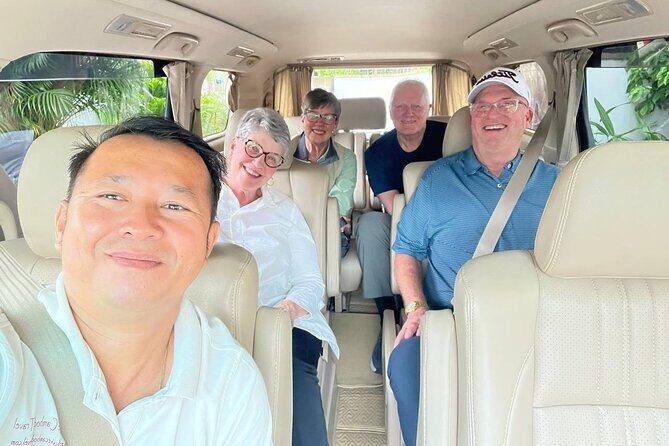
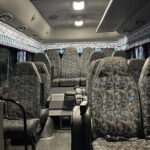
The tour includes pickup and round-trip transfers from your hotel, and it uses an air-conditioned car, minivan, or minibus. In practical terms, you won’t be bargaining for tuk-tuks between stops, and you won’t have to time buses around your temple schedule.
You also get bottled drinking water, which sounds small until you’re walking brick paths in humid early mornings. Having water handled means you can stay focused on the temples instead of the cooler.
Also: it’s a private tour for your group. That usually means you can ask questions, pause when you want photos, and move at a pace that doesn’t feel like you’re trying to keep up with a stampede.
One more practical detail: you’ll use a mobile ticket. That reduces the usual hassle of printing and losing paper in your bag. Still, keep an eye on your confirmation details so you know when and where to show your pass.
Day 1: From Prasat Kravan to Peace at Banteay Prei
Day 1 is where you start earning the word tranquility. You’ll move through a chain of temples with different vibes, and you’ll spend enough time at each stop to actually notice carvings, brickwork, and the way the jungle frames the stone.
Prasat Kravan: A Hindu Start Dedicated to Vishnu
You begin at Prasat Kravan, a 10th-century Hindu temple dedicated to Lord Vishnu. It’s a good opener because it sets a clear starting point: Angkor wasn’t one single style or one single religion. It changed over time, and Day 1 quietly shows you that evolution.
Plan on about 30 minutes here. If you’re the kind of person who likes to read every label, you’ll still have time later for deeper temple moments.
Prasat Bat Chum: Fewer People, Strong Context
Prasat Bat Chum is small, but that’s the point. It’s built by Kavindrarimathana, a learned Buddhist minister of Khmer king Rajendravarman, in the middle of the 10th century.
What you’ll love is the space. When there are fewer visitors around, you can see the layout without constant background noise from other tour groups. It also helps to hear the guide explain the Buddhist context here, because it makes the stone feel connected to real people and real political power, not just ruins.
A few more Angkor & Siem Reap tours and experiences worth a look


Pre Rup: Brick Structure Plus a View That Hits
Pre Rup is a great stop for views. You get a “brick structure” moment and a sense of how the whole Angkor civilization sat within jungle. This is the kind of temple where climbing higher changes what you understand, because suddenly the scale becomes obvious.
You’ll have about an hour. Bring patience for stairs and uneven footing. Also, if it’s hot, take a breather mid-climb. The best photos are usually the ones you take after you catch your breath.
Banteay Samre: Architecture You Can Actually Enjoy
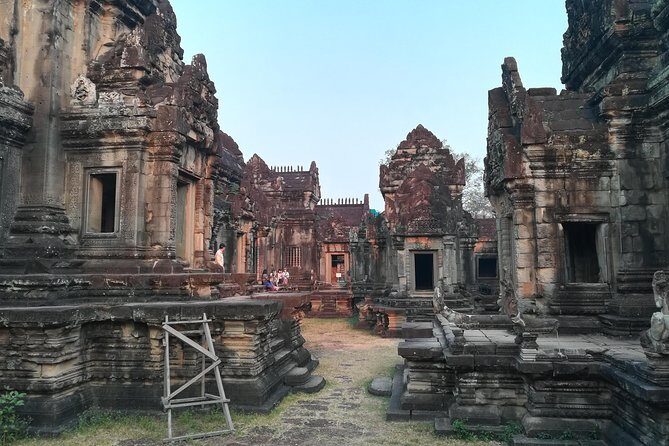
Banteay Samre is one of those temples where you might not want to leave. The architecture style is part of the draw, but the calmer atmosphere is just as important. If you’re feeling museum-templed out after the morning, this is a good place to slow down.
Expect around an hour. I like this kind of stop because it lets you read the design the way it was meant to be seen—gradually.
Eastern Mebon: Eight Elephant Statues From One Massive Stone
Eastern Mebon is famous for its elephant statues. This temple features eight elephant statues made from one huge stone. It’s the kind of detail that’s easy to miss if you rush, so having time here helps.
You’ll have about an hour, which is enough to look carefully and still be ready for the next temples.
Preah Khan: Stone, Carvings, and Nature Doing the Work
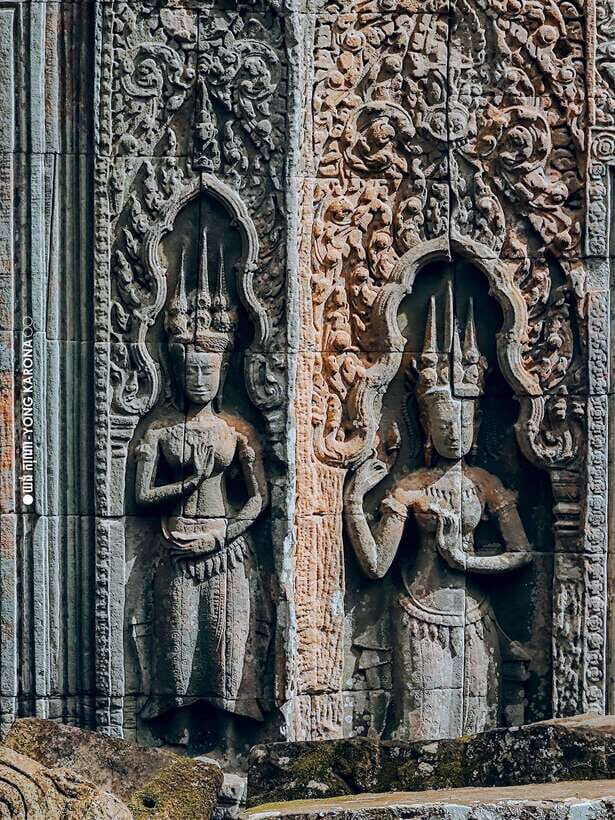
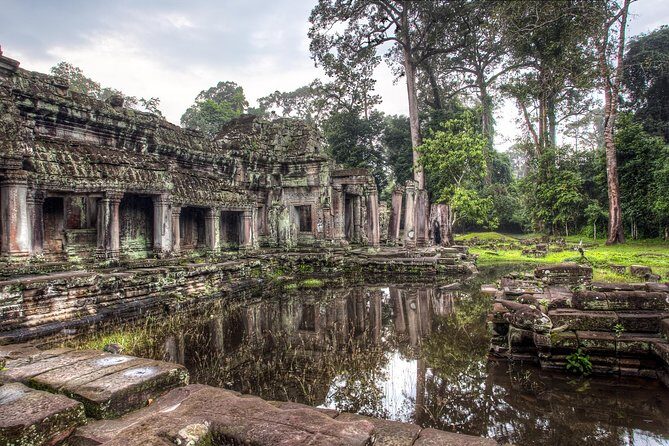
Preah Khan has piles of stone mixed with carvings and surrounding nature. That mix can be dramatic, but it can also be confusing if you don’t have help interpreting what you’re looking at.
This stop is around 1.5 hours. I’d use that time to focus on carvings close-up and then step back for the wider temple layout. The guide’s job here is gold: it turns wandering into understanding.
Banteay Prei: The Quiet Temple Break
Banteay Prei is the kind of place that makes you exhale. It’s often visited by fewer people, so you can explore in peace and quiet. Expect about 30 minutes.
This is also a smart place to reassess your day. You’ll be heading toward Angkor Wat sunrise on Day 2, and you’ll feel better if you end Day 1 without dragging your feet.
Day 2: Angkor Wat Before Dawn, Then Ta Prohm and Angkor Thom Sunset
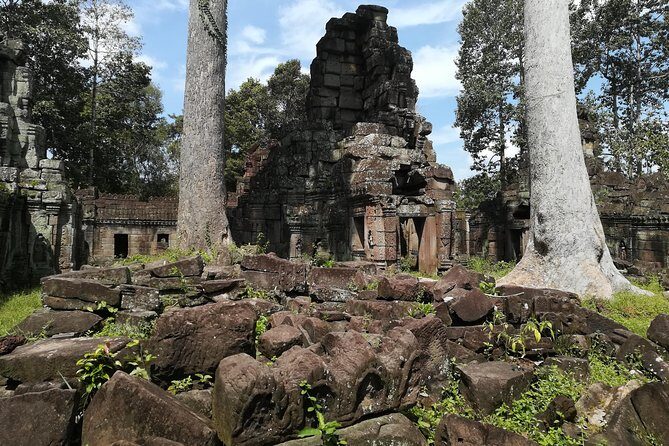
Day 2 is where you’ll feel why everyone talks about Angkor. The trick is doing the headline sites without losing your mind.
The tour includes sunrise at Angkor Wat, and you’ll spend about 4 hours there. Then you move to Ta Prohm, Banteay Kdei, and Angkor Thom for a late-day finish.
Angkor Wat at Sunrise: The One You Plan Your Whole Trip Around
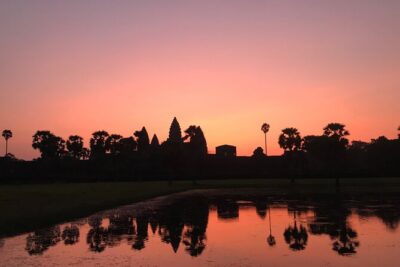
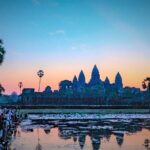
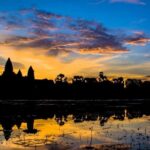
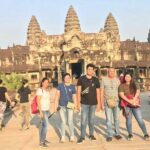
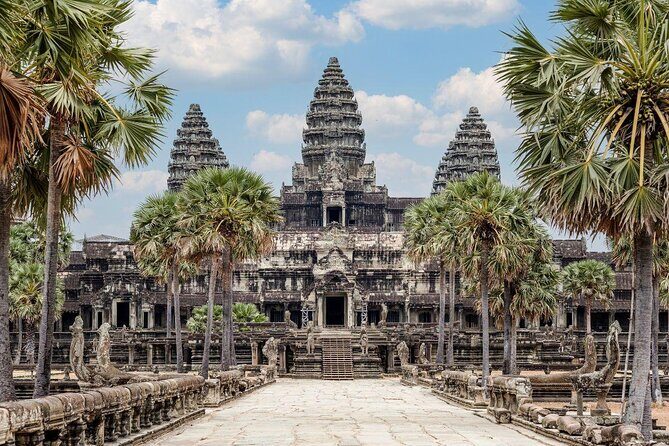
The tour is designed so you arrive before dawn, at Angkor Wat. Dawn is the best time for photography and for how the place feels. The air is cooler, the light is softer, and the crowds are still thinning out.
You’ll have around 4 hours. Use that for watching the light change and for exploring at a pace that doesn’t feel like you’re cutting lines. If you’re the practical type, you’ll also appreciate having a guide to point out where to focus your attention first.
Just one note: the tour’s listed start time shows 8:00 am, but sunrise at Angkor Wat means you should confirm the exact dawn pickup time in your booking. Don’t guess.
Ta Prohm: The Tomb Raider Temple Moment
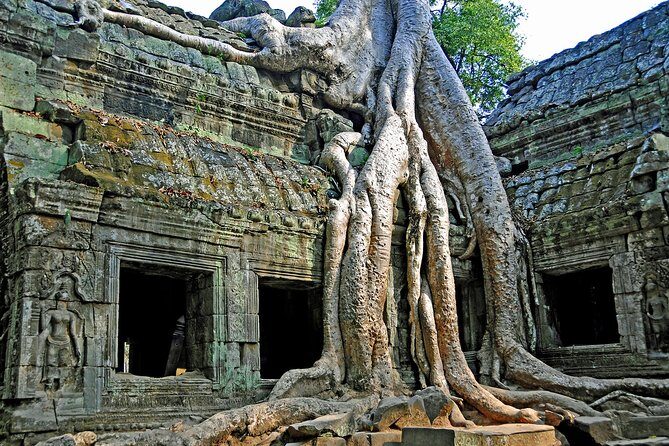
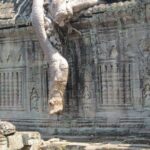
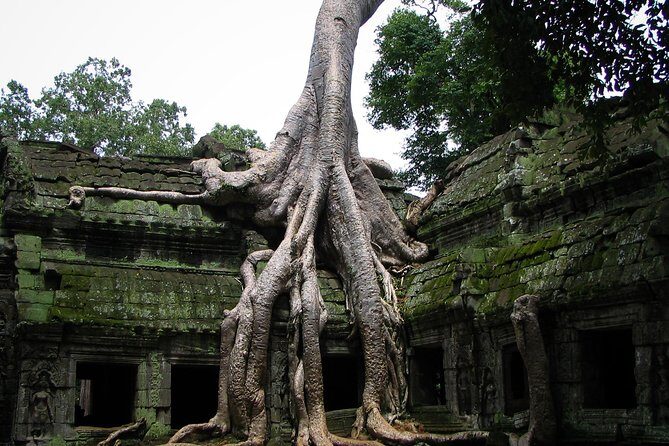
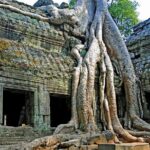
Ta Prohm is the temple many people first “meet” through pop culture, and yes, it has the Tomb Raider vibe. But beyond the association, it’s visually striking because of how trees and stone interact.
You’ll have about 1 hour. Enough to walk key areas without burning your legs out. If you’re chasing photos, you’ll want to get your angles early when light is easier.
Banteay Kdei: Buddha Statues Pieces and Archaeology Clues
Next is Banteay Kdei. This is where the tour adds a different flavor. Japanese archaeologist students found 274 pieces of Buddha statues here after digging.
That kind of detail matters because it changes how you look at the temple. Instead of only seeing form, you can picture the site as a puzzle that archaeologists have been working to understand.
You’ll have around 1 hour. If you like when a guide connects stones to research, this stop usually lands well.
Angkor Thom and the South Gate Sunset Finish
Angkor Thom is an entire ancient city compound, and you’ll spend about 3 hours exploring it. Your timing includes sunset at the South Gate.
This end-of-day structure is smart. It lets you learn a lot earlier and then rewards you with the big visual payoff as the day cools down. Sunset also helps you enjoy the scale, because the stone glows differently and the shadows create depth.
If you’re sensitive to crowds, this is also a good place to treat the “main view” like a set point. You can check the South Gate sunset view and then drift to quieter edges inside the compound.
Price and Logistics: What $110 Really Buys You
At $110 per person for a two-day private tour, the value depends on what you usually do in Siem Reap.
Here’s what’s included:
- English-speaking guide
- Air-conditioned vehicle (car/minivan/minibus)
- Bottled drinking water
- Sunrise and sunset
- Round-trip transfers from your hotel
- Mobile ticket
- Group discounts (where applicable)
Here’s what’s not included:
- Entrance fee: you need the Angkor pass. The tour notes a 3-day Angkor pass at $62 per person.
- Food and drinks
- Accommodation
So, a realistic planning number is $110 + $62 for the pass, or about $172 per person before meals. That’s not pocket-change, but you’re also paying for two full days of transport, a guide, and the timing around sunrise and sunset.
What you’re not paying for is your own driver, your own rental car, or the headache of stringing public transport between remote temples. If you want a low-stress Angkor circuit with fewer crowd headaches, this is priced in a way that fits that goal.
Also check what kind of guide attention you want. Some people want quick facts and lots of free time. Others want the storytelling and historical threads. With a guide included, you can usually steer your own pace—within reason.
Dress Code and Temple Etiquette: The Rules That Affect Your Day
Cambodia temples have a strict dress code. You need clothing that covers your shoulders and thighs when entering the temple complex. If your outfit doesn’t match, you may be refused entrance.
This is one of those annoyances you can avoid completely by packing a light layer that’s easy to pull on and off. If you’re traveling with shorts and tank tops, plan to adjust before you reach the ticket gates.
Also: temples mean stone steps, uneven ground, and long walks. Comfortable shoes matter more than you think, especially across two days.
Who This Tour Suits Best (and Who Might Want Another Option)
This tour fits best if you:
- Want Angkor Wat sunrise but don’t want to spend the rest of the trip feeling rushed
- Appreciate quiet temples like Prasat Bat Chum and Banteay Prei
- Prefer a guide who can explain what you’re seeing at each stop
- Don’t want to solve transport between sites in heat and traffic
It might not be the best fit if you:
- Want an all-inclusive package where entrance fees, meals, and everything are wrapped into one price
- Expect a totally flexible itinerary with zero structure
- Only care about the big five sites and would rather optimize for fewer stops
What It Feels Like With a Good Guide
The guide is a huge part of why this works. One guide name you might see mentioned is Palchen. When guides like this do their job well, the whole day changes: you stop walking by ruins like they’re scenery and start reading them like they’re evidence.
You’ll still enjoy the temples on your own, of course. But the guide helps you choose what to look at first, what details matter, and how each site connects to the larger story of Angkor.
If you like thoughtful pacing—without turning the day into a lecture—this kind of setup usually hits the sweet spot.
Should You Book This 2 Days Angkor Wat Tranquility Tour?
If you want Angkor Wat at sunrise, then a calmer Day 1 that includes standout quieter temples, this tour makes sense. The private transfers and guide support are the backbone here. You’re paying for fewer hassles and better timing, not for a fancy brochure.
I’d book it if you can handle the added entrance cost for the Angkor pass and you’ll pack clothing that meets the dress code. If you’d rather avoid planning around tickets and want everything bundled, compare it against a package that includes meals and entry.
In short: if your goal is a smoother, quieter Angkor circuit with real guidance, this is a strong way to spend two days in Siem Reap.
FAQ
Is pickup from my hotel included?
Yes. The tour offers pickup and includes round-trip transfers between your hotel and the temple sites, without using public transport.
Are entrance fees included for Angkor temples?
No. Entrance fees are not included. The tour notes that the 3-day Angkor pass costs $62 per person.
What’s included in the tour price?
Included are an English-speaking guide, transportation in an AC vehicle, bottled drinking water, and sunrise and sunset time.
Do I need to worry about my clothing at the temples?
Yes. There is a strict dress code. You must cover your thighs and shoulders to enter temple complexes, or you may be refused entrance.
What temples are visited during the two days?
Day 1 includes Prasat Kravan, Prasat Bat Chum, Pre Rup, Banteay Samre, Eastern Mebon, Preah Khan, and Banteay Prei. Day 2 includes Angkor Wat, Ta Prohm, Banteay Kdei, and Angkor Thom.
Is food included?
No. Food and drinks are not included, so you’ll need to plan meals separately.
Is the tour private or shared?
It’s a private tour/activity, meaning only your group participates.
Is there any ticket method mentioned?
Yes. The tour mentions a mobile ticket.
Can I cancel for a full refund?
Yes, free cancellation is available. You must cancel at least 24 hours before the experience start time for a full refund.