REVIEW · SIEM REAP
1 Day | Angkor Wat Sunrise with Small Tour
Book on Viator →Operated by Hok Cambodia Journeys · Bookable on Viator
Sunrise at Angkor Wat is worth the alarm clock. This early start lines you up for one of the world’s most famous views, with a guided walk that also covers Angkor Thom, Bayon, and Ta Prohm. I like the 4:30 AM timing aimed at the reflection pool moment, and I especially like having Hok leading the history with real care for people’s comfort and safety. The main catch is cost: the Angkor Temple Pass is not included and the whole experience depends on having good weather.
You’ll travel in a private, air-con vehicle, with cool water, towels, and local snacks so the long morning feels manageable. The route is efficient: you hit the big wow factor at Angkor Wat first, then move through Angkor Thom’s gates and smiling faces before closing with the jungle-wrapped ruins of Ta Prohm.
In This Review
- Key Things I’d Focus On Before Booking
- 4:30 AM Sunrise at Angkor Wat: The Main Event
- Hok’s Guide Approach: Safety, Clarity, and Photo Help
- The Angkor Wat Walk: Beyond the First Sunrise Photo
- Angkor Thom: The Great City and Its Directional Gates
- Bayon Temple: The Smiling Faces and a Big Religious Shift
- Ta Prohm Jungle Temple: When Roots Take Over the Stone
- Price and Value: What $66 Really Buys (Plus the $37 Pass)
- Timing, Pace, and Practical Expectations for a 6-Hour Morning
- Who This Angkor Sunrise Tour Works Best For
- Should You Book This Sunrise Tour?
- FAQ
- What time does the Angkor Wat sunrise tour start?
- How long is the tour?
- What’s included in the $66 price?
- Is the Angkor Temple Pass included?
- Which places does the tour cover?
- Is the tour private?
- Does the tour run in bad weather?
- What is the cancellation window for a full refund?
Key Things I’d Focus On Before Booking
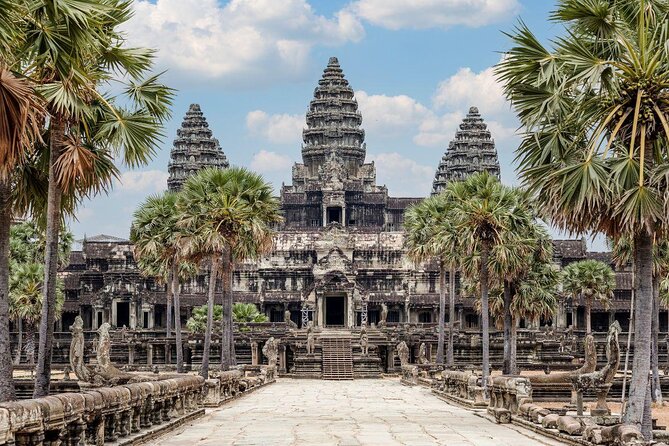
- 4:30 AM departure for sunrise priorities at Angkor Wat, when the light behind the towers can be at its best
- Hok as your guide, including the fact he’s known for clear explanations and even professional photography help
- A tight, sensible circuit: Angkor Wat (about 2 hours), Angkor Thom (about 30 minutes), Bayon (about 45 minutes), Ta Prohm (about 1 hour)
- Comfort on the move, with pickup, private air-con transport, towels, water, and local snacks
- Budget reality: you’ll still need the $37/person Angkor Temple Pass (not included in the $66 tour price)
- Weather matters, since the sunrise experience requires good conditions
4:30 AM Sunrise at Angkor Wat: The Main Event
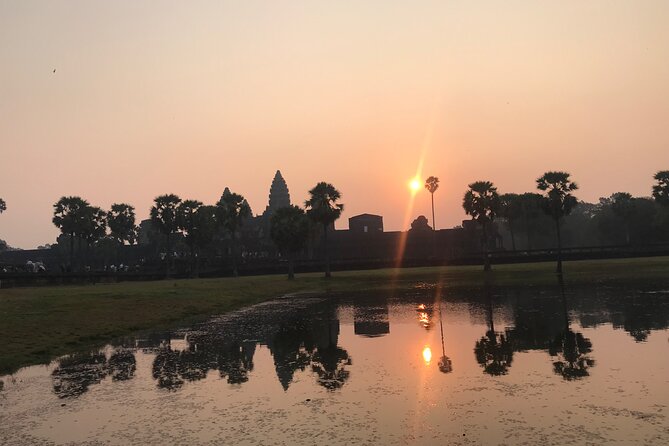
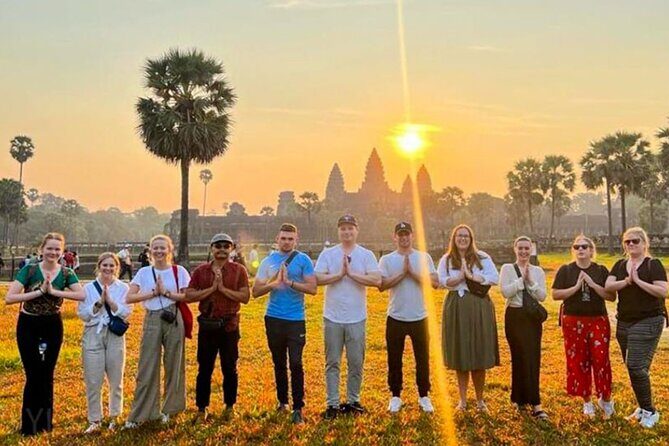
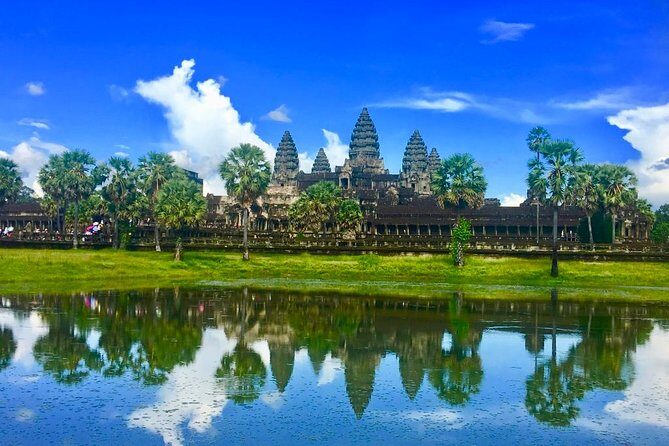
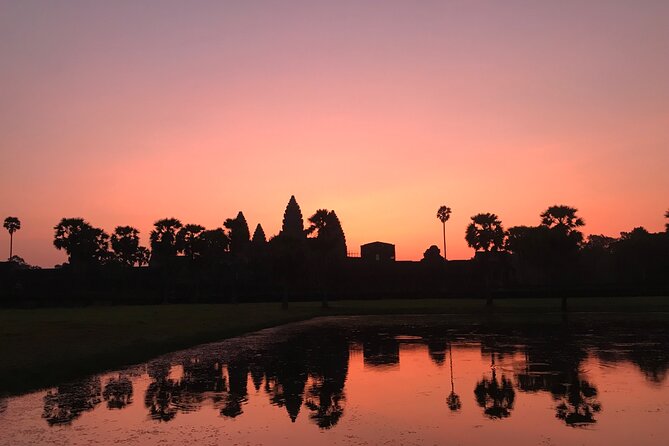
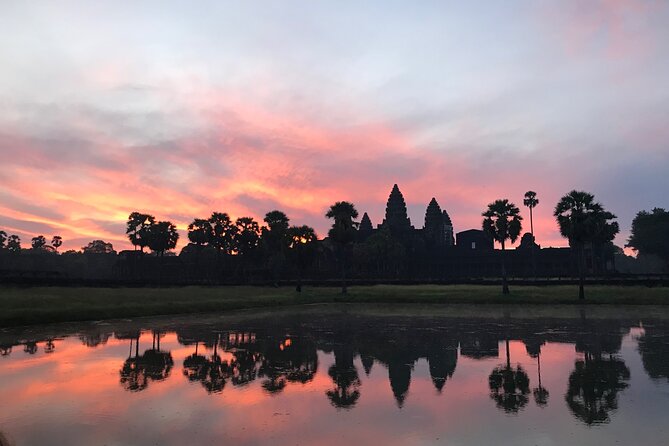
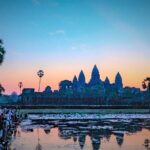
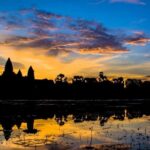
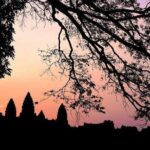
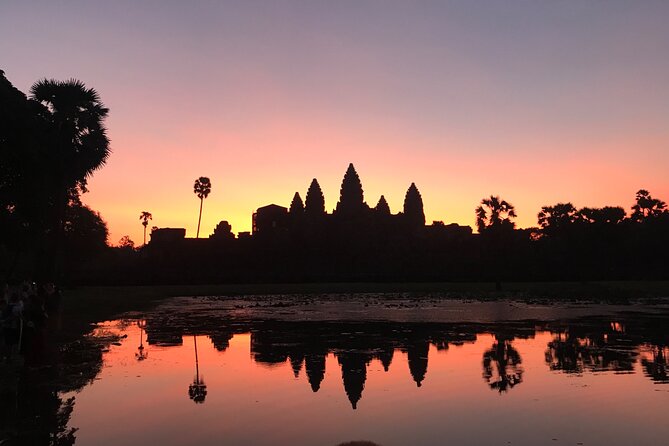
This is the kind of tour you book because of one reason: you want Angkor Wat with the early-morning light. The day starts at 4:30 AM, with pickup from your hotel and a drive to get you into position before sunrise takes over the whole sky. The timing is built around the idea that equinox sunrise at Angkor Wat is part of a solar phenomenon that can happen twice a year around the spring and autumn equinoxes. Even if you’re not chasing the astronomy, the practical payoff is simple: you see the temple when it looks most dramatic and most “iconic.”
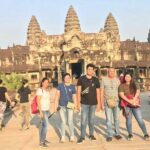
Your first stop is Angkor Wat, and it’s not a quick look-then-go situation. You’re scheduled for about 2 hours at the main site, and the structure of the visit is what makes this work. You arrive, you watch the sunrise unfold, and then you get a guided walk through the main building and around the broader complex.
One important thing to plan for: this is a sunrise-focused experience, so you should expect the day to start early and move at a steady pace afterward. Also, the experience requires good weather, and if it can’t deliver because of conditions, you’ll be offered a different date or a full refund. That’s not a minor detail—at sunrise, weather basically decides the whole mood.
If you're still narrowing it down, here are other tours in Siem Reap we've reviewed.
Hok’s Guide Approach: Safety, Clarity, and Photo Help
The difference between a frustrating temple morning and a memorable one is often the guide. In this case, Hok is the name to remember. From what you’re told during the experience, Hok’s style blends explanation with practical attention. People describe him as patient and kind, and also the kind of person who checks in on safety and well-being instead of just marching forward.
That matters at Angkor Wat and Angkor Thom, where you can easily get overwhelmed by scale. Angkor Wat is the largest religious monument in the world and one of the best-preserved—so it’s big even before you factor in the details. A good guide helps you avoid the classic mistake: treating it like a photo backdrop instead of understanding what you’re looking at.
There’s also a nice extra angle. One account highlights that Hok is not only a tour guide but also a professional photographer. If you care about taking photos (or just want less guessing about where to stand and when), that can turn sunrise from a scramble into a calmer, more intentional experience.
And since this is labeled a senior English-speaking guide tour, you can expect the pacing and explanations to be geared toward clarity rather than rushed jargon.
The Angkor Wat Walk: Beyond the First Sunrise Photo
Angkor Wat is the star, but you’ll do more than stand in awe and leave. After sunrise, the plan is to walk you through the main building and then around the complex. The idea is to help you connect what you’re seeing with why it’s built this way.
What I like about starting with Angkor Wat is that the temple’s design makes the early light feel personal. The description of Angkor Wat emphasizes its alignment with the cardinal points and its engineering. It’s also tied to a broad Hindu influence and a larger system of astronomical alignments. If you’ve ever wondered why Angkor Wat feels strangely ordered instead of random, that’s where the explanation helps.
You also get a sense of “preserved grandeur.” Angkor Wat is known for being one of the best-preserved major temple sites, and walking it with time allows you to notice how the temple’s lines and surfaces hold up even after centuries.
A practical consideration: you’ll need the admission ticket/pass for entry. The tour price doesn’t include the temple pass, so budget for that upfront so you don’t feel surprised mid-morning. Also, because you have a finite visit window of about 2 hours, you’ll want to be ready to move when your guide moves.
Angkor Thom: The Great City and Its Directional Gates
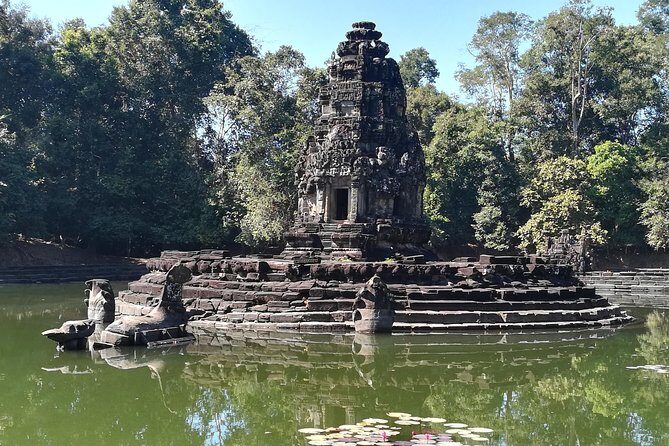
After Angkor Wat, you head to Angkor Thom, the fortified capital city associated with the height of the Khmer Empire. This part of the day shifts the mood from singular temple wonder to city-scale power. Angkor Thom is described as the Great City, and it was established by King Yasovarman I.
Your time here is about 30 minutes, so the goal is a focused highlight reel rather than an all-day exploration. Still, even in half an hour, there’s enough to feel the logic of the place. Angkor Thom’s layout includes sanctuaries connected to both Hindu and Buddhist traditions. You’ll also pass monumental gates that correspond to the cardinal directions, with towering statues of demons and gods framing the idea of a cosmic struggle between good and evil.
This stop can be a great breather between the long Angkor Wat moment and the next big landmark: Bayon. It helps your brain reset, because it gives you context. Instead of seeing Angkor as just scattered temples, you see it as a planned, symbolic urban world.
The trade-off is time. With only about 30 minutes, you won’t slow-walk every corner or chase side details. If you’re the type who hates feeling rushed, focus on choosing what to look at closely—especially the gates and the “direction” theme your guide mentions.
Bayon Temple: The Smiling Faces and a Big Religious Shift
Bayon Temple sits in the heart of Angkor Thom and is treated as one of the most important works of King Jayavarman VII. Your schedule gives you about 45 minutes here, which is enough time to see more than one angle and to get the symbolism explained.
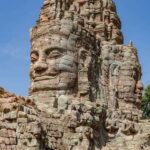
Bayon is famous for its iconic smiling faces. But the story isn’t just decorative. The temple is described as a blend of Hindu and Buddhist art, which reflects religious tolerance during that era. You’ll also hear about Jayavarman VII ending religious conflicts and creating a period where Hindu and Buddhist communities coexisted.
This stop is where many people feel the architecture becoming emotional. The faces look calm, watchful, and slightly otherworldly, and that’s intensified by the surrounding stonework. The guided timing helps, because you can catch the faces without turning it into a “look at it and leave” photo dash.
Still, 45 minutes is not “wandering for hours.” If you want to spend extra time just sitting with carvings, you’ll have to come back on another day. This itinerary is designed to cover multiple major hits in one morning.

Ta Prohm Jungle Temple: When Roots Take Over the Stone
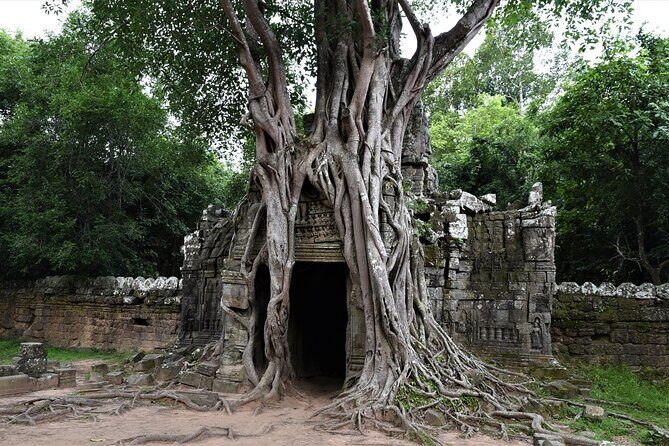
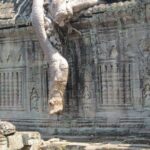
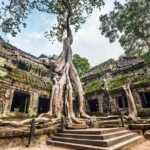
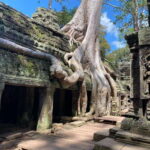
To end the day, you’ll visit Ta Prohm, often described as the jungle temple that looks like a movie set. You’ll also recognize it from mainstream pop culture, including the Hollywood blockbuster Tomb Raider. But what matters more than the reference is the atmosphere created by the way vegetation grows into the ruins.
Ta Prohm is built by King Jayavarman VII around 1186 and dedicated to his mother. It’s connected to Prachnabaramita, the goddess of mercy and wisdom in Mahayana Buddhism. Even if you don’t focus on the religious labels, you’ll feel the contrast: the morning began with perfect alignment and sunrise glow, and Ta Prohm ends with nature actively reclaiming the stone.
You have about 1 hour at Ta Prohm. That’s a solid amount of time for a place like this because the “wow” isn’t a single view—it’s a series of frames as you walk. The roots and intertwining trees create a constantly changing foreground, so you can’t really appreciate it by rushing.
One consideration: because this is the last stop after a sunrise morning, the day can feel long by the time you reach Ta Prohm. Plan to slow down just a bit here. Let your eyes adjust. This is the stop where you’ll probably remember the details most clearly after you leave.
Price and Value: What $66 Really Buys (Plus the $37 Pass)
The tour price is $66.00 per person, and that includes a lot of the “hard-to-coordinate” parts that make sunrise days work. You get:
- pickup and a private air-con vehicle
- a senior English-speaking guide
- cool water and towels
- local snacks
- and a mobile ticket
On top of that, you’re not just doing one temple. You cover four major stops: Angkor Wat, Angkor Thom, Bayon Temple, and Ta Prohm. That’s a lot of ground for a single morning.
Now the budget reality check: you still need the Angkor Temple Pass ($37/person). The tour notes also indicate admission tickets aren’t included at the temple stops. So your effective day cost is closer to $103 per person once you add the pass, before any additional personal spending.
Is that good value? For me, it’s reasonable if you value two things: (1) arriving early and positioned correctly for sunrise and (2) having a guide who can explain what you’re seeing instead of just letting you wander. If you already know you’ll spend most of the time photographing and reading signs poorly, then paying extra for a guided circuit might not feel worth it.
But if you want structure and someone to help interpret the symbolism, the price feels more balanced.
Timing, Pace, and Practical Expectations for a 6-Hour Morning
The total duration is listed as about 6 hours. That matters because sunrise tours often feel longer than they look on paper. Your day starts at 4:30 AM, and you’re moving through several big sites with different themes: cosmic alignment, fortified city layout, iconic religious art, and then the jungle ruins.
The upside of this pace is efficiency. You see the highlights without needing to plan transport, decide what’s “worth it,” or figure out how to sequence everything. The downside is that you need to accept you won’t slow down forever. Each stop has a defined window:
- Angkor Wat: about 2 hours
- Angkor Thom: about 30 minutes
- Bayon: about 45 minutes
- Ta Prohm: about 1 hour
So I’d treat this as a well-organized sampler with real depth where it counts—especially at Angkor Wat during and right after sunrise.
Also, the tour is described as private in the sense that only your group participates. That’s a big quality-of-life factor at famous sites. It usually means fewer random interruptions and more control over pacing.
Who This Angkor Sunrise Tour Works Best For
This small-tour style fits well if you:
- want the sunrise moment without spending time figuring logistics
- prefer guided explanations over a self-guided maze
- value comfort features like air-conditioning, and getting water, towels, and snacks
- like a guide who can also help with photography choices (Hok’s described as a professional photographer)
It’s also a strong choice for first-timers in Siem Reap who want the “big four” without stretching the trip across multiple days.
If you’re someone who loves long, slow wandering and hates time limits, you might feel the structure more than you enjoy it. This itinerary is designed to move.
Should You Book This Sunrise Tour?
I’d book it if sunrise at Angkor Wat is your top priority and you want someone to help make sense of what you’re seeing from the first tower silhouette onward. The combination of early timing, a careful guide like Hok, and a focused circuit through Angkor Thom, Bayon, and Ta Prohm is built for maximum impact in one morning.
I wouldn’t book it if you’re unsure about weather conditions affecting sunrise for you, or if you have a hard ceiling on total costs once you add the $37 temple pass. The tour depends on good weather, and the pass is a separate expense you should plan for from the start.
If you’re ready to wake up early and want the classic Angkor experience with support, this is a solid way to do it.
FAQ
What time does the Angkor Wat sunrise tour start?
The tour begins at 4:30 AM, departing from your hotel.
How long is the tour?
It runs about 6 hours (approx.).
What’s included in the $66 price?
You get a private air-conditioned vehicle, a senior English-speaking guide, cool water and towels, and local snacks.
Is the Angkor Temple Pass included?
No. The Angkor Temple Pass ($37/person) is not included.
Which places does the tour cover?
You’ll visit Angkor Wat, Angkor Thom, Bayon Temple, and Ta Prohm.
Is the tour private?
Yes. It’s described as a private tour/activity, meaning only your group will participate.
Does the tour run in bad weather?
The experience requires good weather. If it’s canceled due to poor weather, you’ll be offered a different date or a full refund.
What is the cancellation window for a full refund?
You can cancel up to 24 hours in advance for a full refund. If you cancel less than 24 hours before, the amount paid won’t be refunded.