REVIEW · SIEM REAP
Angkor Sunrise Bike Tour with Lunch Included
Book on Viator →Operated by Siem Reap Bike Tour · Bookable on Viator
Sunrise at Angkor Wat beats the daytime photos. I like how this tour pairs an early-morning temple entry window with an active bike route through Angkor’s big hitters and lesser-seen stops. I also love the practical value: hotel pickup, an English guide, a real lunch with fresh fruit, and bottled water all roll into the $55 rate. One thing to plan for: the temple pass is not included, so you’ll need extra cash or a card when you’re sent to the ticket booth.
The schedule starts at 4:30 am, which means you’ll feel the effort first and the payoff fast. You’re cycling during cooler, calmer hours, then adding temple time before the heat and crowds tighten up.
If you’re expecting an all-day stroll with zero riding, this one may feel like work. The terrain inside the heritage area suits bikes well, but you still need a basic comfort level with cycling for several hours.
In This Review
- Key highlights
- Sunrise Angkor Wat looks different when you ride in early
- The practical 8-hour rhythm (and what it feels like on your body)
- Entering Angkor Wat: sunrise, ticket timing, and reflection ponds
- Angkor Thom and the Victory Gate: big-city scale, short time
- Bayon Temple: faces, daily life scenes, and how Khmer builders made it work
- Ta Nei Temple: a quieter jungle stop plus a fruit break
- Ta Prohm among giant trees: crowd-smart timing by route choice
- Bikes, guide style, and why group size really matters
- Price and value: what $55 includes (and what costs extra)
- What to wear and bring for early starts and temple rules
- Who should book this sunrise bike tour
- Should you book this Angkor Sunrise Bike Tour?
- FAQ
- What time does the tour start?
- What’s included in the $55 price?
- What isn’t included?
- Do I need to buy a temple pass for the sunrise?
- How big are the groups?
- Do I get a bike during the tour?
Key highlights
- Small group energy (2 to 7, up to 10 max) for a more personal pace and fewer bottlenecks at key spots
- Sunrise timing that focuses on the best light at Angkor Wat before the day fully ramps up
- Photo-worthy water reflections in the temple grounds, including ponds positioned in front of the main temple
- A smart temple mix, from major monuments (Angkor Thom, Bayon) to a jungle stop for a breather (Ta Nei)
- Ta Prohm with fewer crowd pressures, since the route is set up to reduce overlaps
- Lunch + fresh fruit included, so you’re not hunting for food at the wrong moment
Sunrise Angkor Wat looks different when you ride in early
Angkor Wat at sunrise is about more than seeing a famous landmark. The early hours change the mood: the temple surfaces look softer, and the whole setting feels calmer. What makes this tour especially appealing is that it’s built around the moment the sun climbs above the sanctuaries, not around ticking off photo angles later in the day.
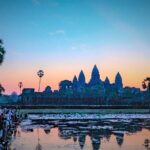
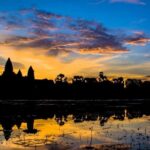
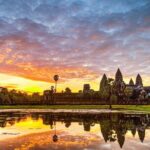
There’s also a specific visual payoff you should be ready for: the water features in front of the main temple area. Those ponds can mirror the sanctuary towers, so you get reflections that read like a second version of the temple. If you like photos, this is the kind of scene that rewards patience.
The tour is also active in a good way. You’re not just standing in lines; you’re moving between stops early, then resting when the temples and the heat ask for it.
Other Angkor Wat sunrise tours we've reviewed in Siem Reap
The practical 8-hour rhythm (and what it feels like on your body)
This is an 8-hour tour on paper, but what matters is the flow. You leave your hotel at 4:30 am, head to the Angkor Wat area for sunrise timing, then continue by bike to several major sites and one quieter temple.
Most of your time is spent in short bursts:
- a sunrise-focused temple entry
- compact temple visits and photo stops
- cycling sections between sites
- a lunch break plus a fruit break at one stop
That rhythm works well if you like your sightseeing in chunks. It also helps you avoid the classic Angkor problem: seeing the places everyone wants at the same time, under the same glare.
The early start is the trade-off. You’ll be tired before you’re impressed, then it flips.
Entering Angkor Wat: sunrise, ticket timing, and reflection ponds
Your day begins with pickup and a drive to the ticket area so you can purchase your temple entry pass for the sunrise experience. The tour info notes that temple entrance fees can be handled using Visa cards, which is helpful if you don’t want to hunt for cash before sunrise.
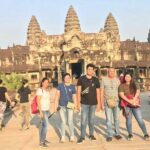
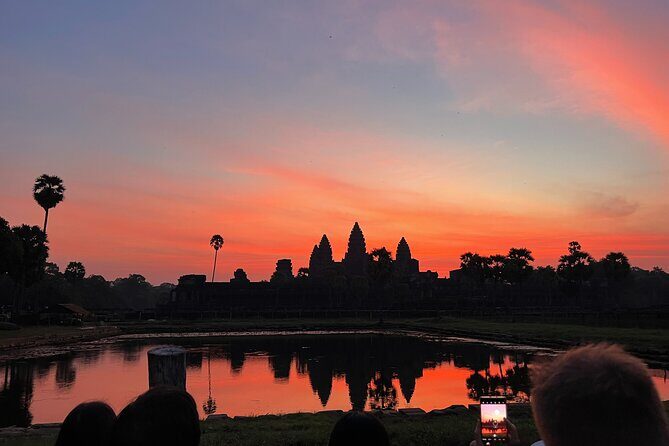
Once you’re inside, the main event is the view of the sunrise above Angkor Wat. The standout detail here is the water in front of the temple complex. Two ponds in the foreground can reflect the sanctuary towers, giving you that classic mirror effect that works best when the light is still low and angled.
Photo-wise, this is the most forgiving stop. At sunrise you can experiment without battling midday crowds in quite the same way. Your guide can also steer you toward good angles, and in past groups the guides have been praised for taking great photos themselves.
Possible downside: because the temple pass isn’t included, you’ll want to be ready to pay on arrival. Also, sunrise means you’re standing around early, so dress and comfort matter.
Angkor Thom and the Victory Gate: big-city scale, short time
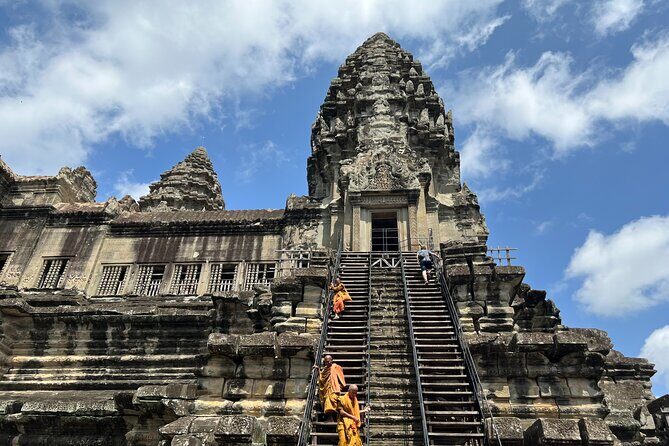
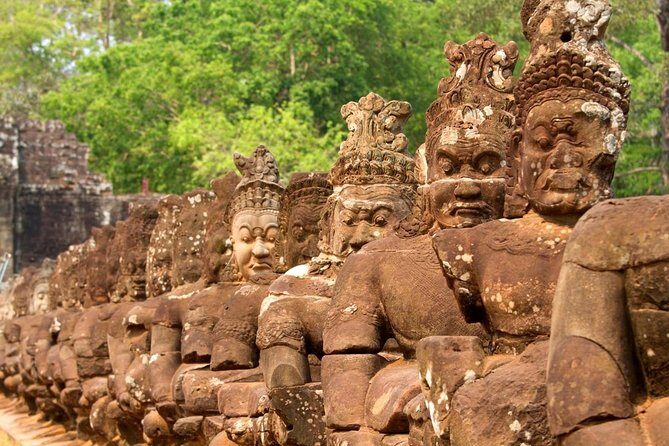
After Angkor Wat, you ride to Angkor Thom, where you’ll spend time exploring one of the most memorable gateways: the Victory Gate. This area gives you a different feel from Angkor Wat. It’s more about the scale of the city plan and the sense of moving through ancient Khmer urban space rather than focusing only on one main temple.
This stop also helps you understand context. The tour focuses on history of the Angkor civilization in a way that’s meant to help your eyes read what you’re seeing: gates, walls, and the way power and meaning were built into the layout.
Time is limited here compared with Angkor Wat, so treat it as a “reset and reframe” moment. You’ll get less lingering time, but it’s efficient.
Bayon Temple: faces, daily life scenes, and how Khmer builders made it work
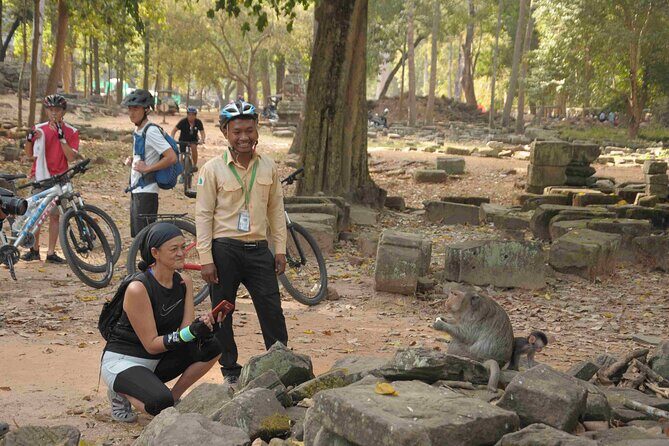
Next comes Bayon Temple, best known for its stone faces and the way the carvings help you imagine the kingdom that commissioned them. This stop is more storytelling than postcard.
What I like about this part of the route is that it’s not only about looking up at the faces. The tour framing includes:
- the king’s background
- people’s daily routines
- military scenes
- the ingenious methods used by Khmer builders
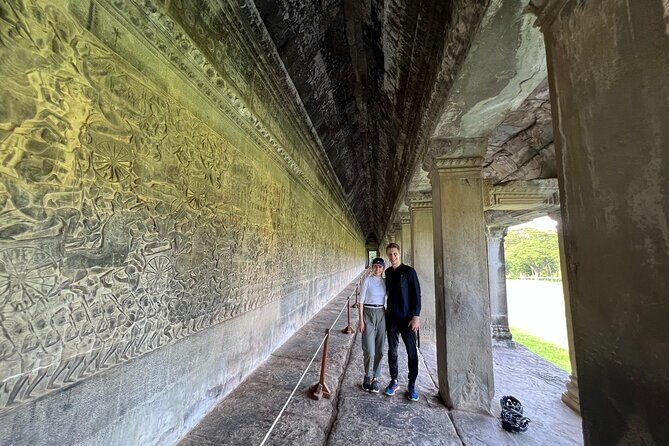
That context changes how you move through the temple. Instead of just spotting iconic features, you start noticing patterns and themes in the carvings.
For many people, Bayon becomes the most thought-provoking stop because you’re seeing a whole picture of life and power carved into stone. It’s also a strong contrast after the wide openness around Angkor Wat.
Other cycling tours in Siem Reap
Ta Nei Temple: a quieter jungle stop plus a fruit break
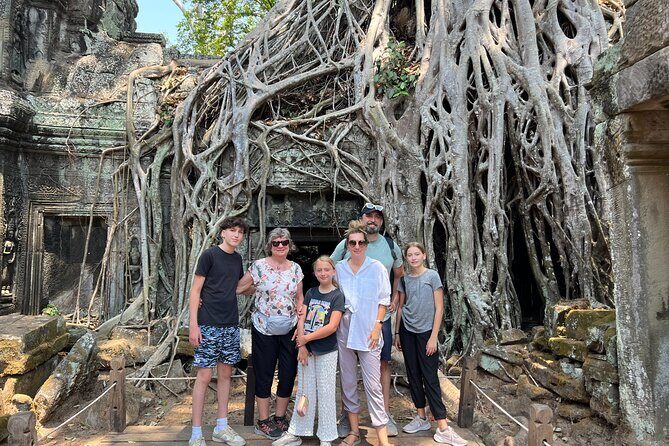
Ta Nei Temple is where the day changes pace. Instead of another headline monument, it’s a ruined temple in the jungle along a trail that many people miss.
This is the part of the tour that feels like a breather. You get a shorter stop time, and you’re also told you can relax and enjoy local fresh fruit here. That fruit break matters on a bike tour because you’re more likely to actually absorb energy rather than rushing straight into the next temple.
If you like seeing something a bit less crowded, this stop has a clear role. It balances the “major temple” sections with a more human-scaled feel.
Ta Prohm among giant trees: crowd-smart timing by route choice
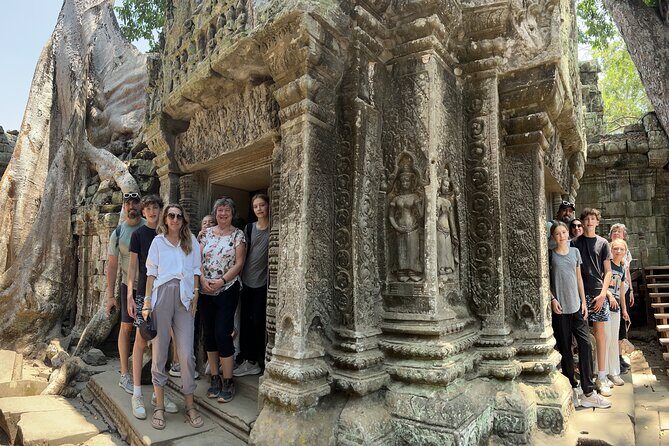
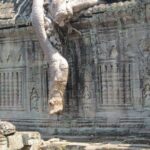
Then you ride toward Ta Prohm, a temple known for massive trees that grow through and around the ruins. It’s one of the most atmospheric places at Angkor, but it can also be crowded later in the day.
The tour plan includes a route choice meant to help you avoid the thickest crowd flow. The basic idea is that you go in a direction designed to reduce overlap, so your experience tends to feel more like exploring than fighting for space.
You’ll have about 1.5 hours at this stop, including time to rest among the giant trees and look around at the temple surfaces.
Possible consideration: Ta Prohm is visually spectacular, which means you’ll want to keep your expectations flexible. It’s easy to get “photo tunnel vision.” Try to step back occasionally and just watch how the light moves through the tree canopy.
Bikes, guide style, and why group size really matters
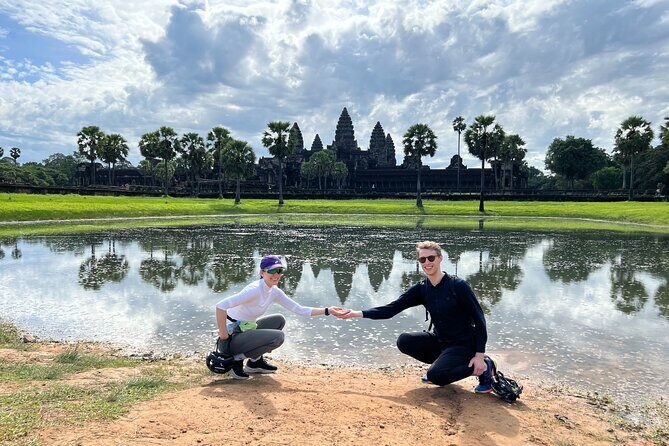
This tour is designed for small groups. The info says the group size is nice and small, starting from a minimum of 2 and going up to 7, and it also notes a maximum of 10. In practice, that matters at Angkor because the heritage sites can get crowded fast. With fewer people, you’re less likely to feel like you’re stuck behind a moving wall.
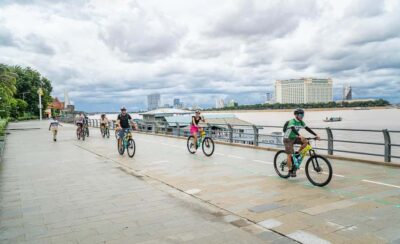
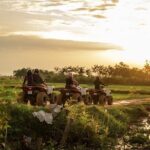
You’ll ride Giant Trek mountain bikes as part of the included package. That’s a solid choice for a day that combines smooth sections with rougher temple-road surfaces.
Most importantly, the guide experience is a major reason people rate this tour so highly. You’ll get an English-speaking guide, and two names come through clearly in past experiences: Pok and Voleak, also known as Handsome. Guides have been praised for humor, strong Cambodia context, and even photo tips. If photography matters to you, this is a quiet advantage because you’re not guessing where to stand.
One more detail: you receive bottle water during the tour. That’s not glamorous, but it’s the difference between pushing on happily and feeling sluggish early.
Price and value: what $55 includes (and what costs extra)
At $55 per person, the price looks like a bargain because several core things are included:
- hotel pickup and drop-off
- English-speaking guide
- transportation
- bottled water
- Giant Trek mountain bike
- lunch plus fresh fruit
That’s a lot bundled into one price, especially for a day that starts before sunrise.
What’s not included is equally important:
- temple pass (admission ticket)
- breakfast
- personal expenses
- tips
The temple pass is the big extra, so build that into your budget. Also, breakfast is not included. Since the tour starts at 4:30 am, you’ll likely need to eat something light before pickup, or have a plan for post-tour food when you’re back.
Bottom line: you’re paying for an early start, a trained guide, bike time, and meals. If you’re already planning to visit Angkor Wat and multiple additional temples, this format tends to be better value than booking separate tickets and rides.
What to wear and bring for early starts and temple rules
Angkor temples require respectful dress, and this tour is explicit about it. You should dress properly for visiting temples, meaning shorts and T-shirts must be knee length and shoulder covered. Tank tops are not allowed, and you should avoid needing a scarf or shawl.
For comfort in Siem Reap’s heat and humidity, the advice is light cotton clothes. Comfortable walking shoes are also recommended, even though you’re biking; you’ll still be stepping in temple areas.
Since you’re out early, treat your clothing like “hot weather with temple rules.” If you follow the guidelines, you’ll spend less time worrying and more time looking.
If you bring your camera, great. The sunrise reflections and water-pond mirror shots make a real difference, and guides are good at pointing out photo moments.
Who should book this sunrise bike tour
This is a strong fit if you want:
- Sunrise at Angkor Wat without doing it as a chaotic standalone day
- an active way to see several key temples in one go
- a small-group experience that doesn’t feel like a crowded bus day
- lunch handled for you, along with fresh fruit
It’s also ideal if you’re comfortable with an early start and willing to accept a bit of physical effort. Cycling is central here, so the day won’t be “sit and admire only.”
You might skip it if you:
- dislike sunrise wake-up schedules
- want a fully unstructured itinerary with lots of extra free time at each site
- don’t want to pay the temple pass on the day
Should you book this Angkor Sunrise Bike Tour?
If you’re choosing between simply seeing Angkor Wat and actually using that sunrise time to build a full temple day, I’d book this. The value is strong because your pickup, guide, bike, water, and lunch are included, and the small group size helps the day feel manageable.
The best reason to go is the combination: sunrise light at Angkor Wat plus the chance to ride to multiple temples while the area is still waking up. Add in the reflection ponds and the guide-led context at Bayon, and you get more than a single iconic photo.
Just be honest about the temple pass and the early hour. If you can plan for those two points, this tour is one of the more efficient and enjoyable ways to experience Angkor’s core sights in a single day.
FAQ
What time does the tour start?
Pickup is offered and the start time is 4:30 am, with the tour leaving your hotel then.
What’s included in the $55 price?
The price includes hotel pickup and drop-off, an English-speaking tour guide, bottle water, transportation, a Giant Trek mountain bike, and lunch plus fresh fruit.
What isn’t included?
Temple admission tickets (temple pass) are not included, and breakfast is also not included. Personal expenses and tips are not included.
Do I need to buy a temple pass for the sunrise?
Yes. The temple pass is not included, and you’ll be sent toward the ticket booth area to purchase it.
How big are the groups?
It’s designed for small groups, with a minimum of 2 and a maximum of 7, and the overall maximum size is listed as 10 travelers.
Do I get a bike during the tour?
Yes. A Giant Trek mountain bike is included as part of the tour.