REVIEW · SIEM REAP
Angkor Wat Guided Sunrise Tour
Book on GetYourGuide →Operated by Angkor Pro Travel · Bookable on GetYourGuide
Waking up before sunrise sounds brutal. This tour makes it worth it, with Angkor Wat at dawn and a planned stop at the lotus pond for that classic reflection moment. You’ll also get a local English-speaking guide with 20+ years of focused experience, so the temples feel more like living religion than just photo stops.
My favorite part is the pacing: you don’t just rush through names, you learn what you’re looking at—Hindu carvings, sacred Buddhist statues, and the mix of Khmer-era beliefs you see across the complex. The second big win is the small group (up to 14), which helps you move as a unit without constant waiting. One real consideration: with tours starting around 4:45am, you should be strict about pickup timing and guide-language expectations, because early-morning problems are hard to fix once you’re already en route.
In This Review
- Key Points to Know Before You Go
- Why This Sunrise Circuit Works: 4:45am to Lotus Pond Light
- Getting Tickets and Finding Your Guide Without Stress
- Angkor Wat at Dawn: Towers, Hindu-Buddhist Symbolism, and Carving Time
- Angkor Thom: South Gate Faces, Bayon’s Smiling Towers, and Key Terraces
- Ta Prohm Tree Roots: Film Fame, Real Scale, and How to Enjoy It
- Price and Logistics: What the $10 Fee Really Covers
- Comfort, Timing, and What to Bring for a 7-Hour Temple Day
- Who This Guided Sunrise Tour Is Best For
- Should You Book This Angkor Wat Guided Sunrise Tour?
- FAQ
- How long is the Angkor Wat guided sunrise tour?
- What is included in the $10 per person tour price?
- Is the Angkor Wat temple pass included?
- What time does pickup happen?
- Do you get breakfast during the tour?
- What languages are the guides available in?
- Can I cancel for a full refund?
Key Points to Know Before You Go
- Sunrise at Angkor Wat plus a lotus-pond reflection opportunity, before the crowd crush.
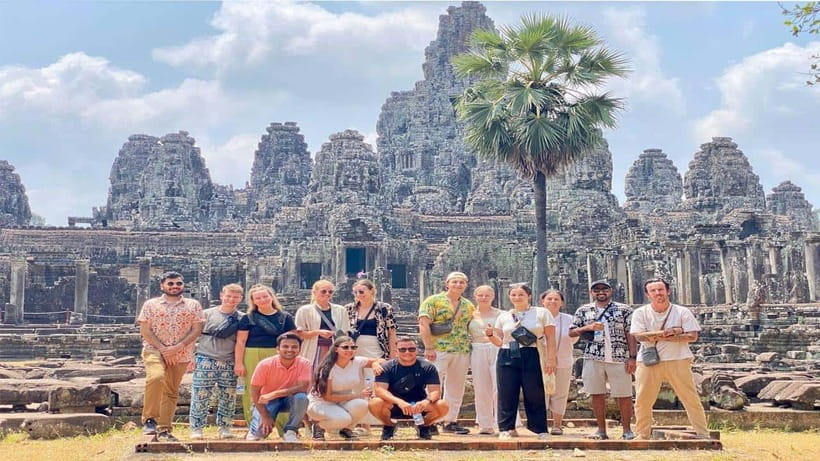
- Bayon Temple’s 200 smiling faces and the South Gate details on the way into Angkor Thom.
- Ta Prohm tree roots and the famous movie link to Tomb Raider, with time to slow down and look.
- Small group size (14 max) and hotel pickup/drop-off by air-conditioned minibus.
- Pass and meals are extra: the $10 tour fee doesn’t include the $37 temple pass or your breakfast/food.
Why This Sunrise Circuit Works: 4:45am to Lotus Pond Light
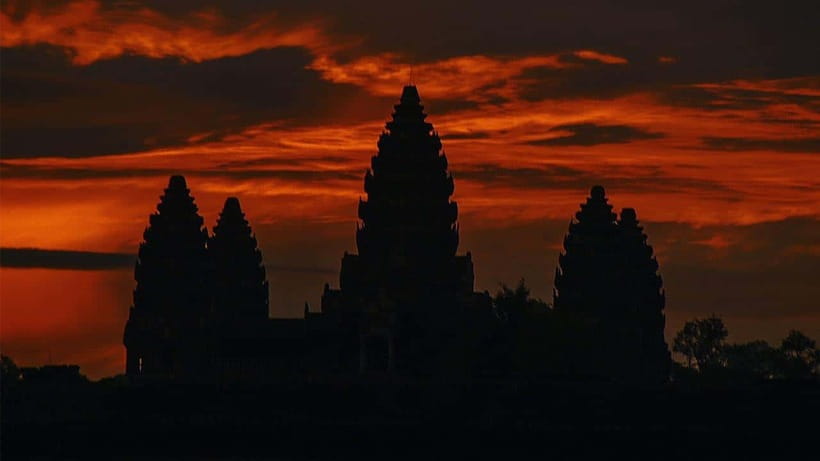
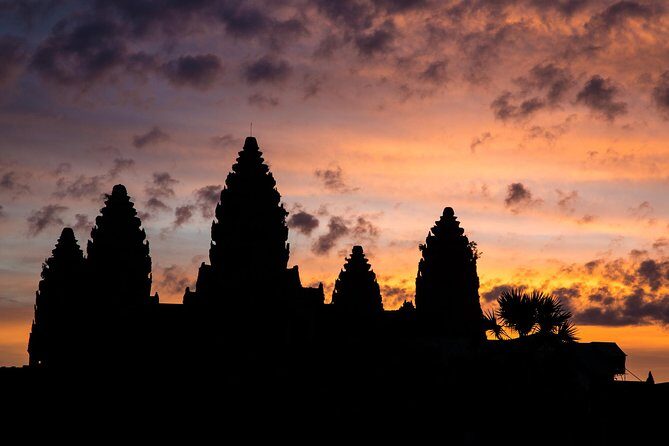
Starting around 4:45am is the heart of this experience. You’re trading comfort for light, and Angkor rewards that trade—morning atmosphere changes how the stone looks and how the whole site feels. Even if you’ve seen photos, sunrise at Angkor Wat is the kind of scene that makes you pause and stop scanning for the “perfect shot.”
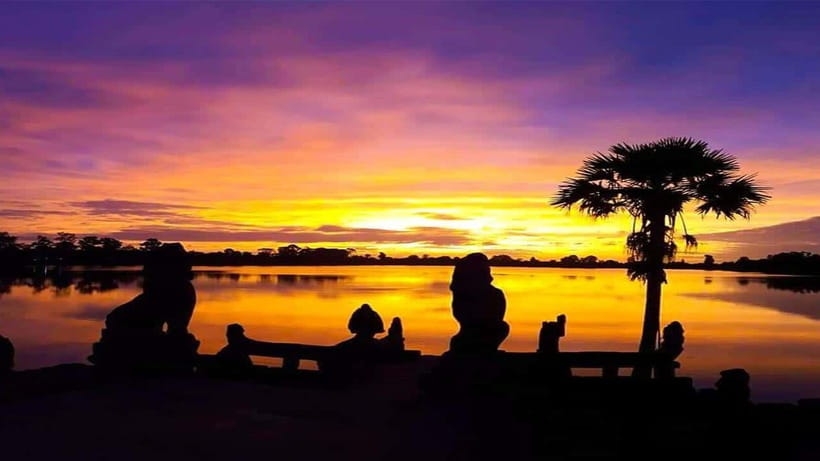
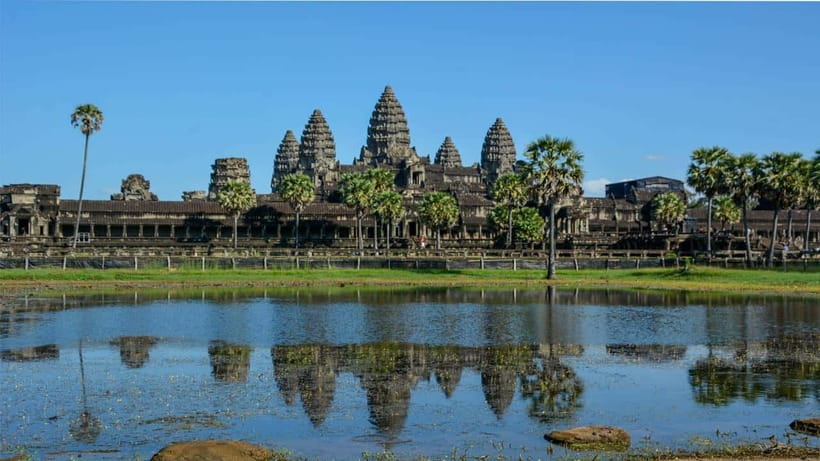
The lotus pond stop is especially smart. It’s not just scenery; it gives you a second angle on the temple silhouette and makes the sunrise moment feel fuller. If you’re the type who likes to understand why a place is iconic, this is a good fit because your guide isn’t just pointing; they’re explaining.
On the practical side, this is a day that involves two big outings. You’ll go out early, return for breakfast, then go back out again for the rest of Angkor Thom and Ta Prohm, plus more time back at Angkor Wat in the afternoon.
If you're still narrowing it down, here are other tours in Siem Reap we've reviewed.
Getting Tickets and Finding Your Guide Without Stress
The tour price is $10 per person, but the temple pass is $37 per person and isn’t included. You can’t skip that cost if you want to enter the temples, so budget for it up front. The official pass website is https://www.angkorenterprise.gov.kh/, which is useful if you prefer to lock it in early.
Here’s the timing detail you’ll want to take seriously: your guide meets you in your hotel lobby around 4:45am, but the exact pickup time can vary based on where your hotel is. The operator says they’ll confirm the exact time one day before the tour starts, so don’t ignore those messages. If you’re staying close to the center, you might get picked up a touch earlier; if you’re farther out, it can shift.
Language matters, and the tour doesn’t list Japanese. What you can expect is an English-speaking guide, with other options available in French and German. So if you’re traveling with tight language needs, double-check what’s confirmed at booking.
One more thing: the early start can make small delays feel huge. If your guide is running late or communication gets messy, it’s difficult to “fix it later” once sunrise is gone, so be ready and keep your phone charged.
Angkor Wat at Dawn: Towers, Hindu-Buddhist Symbolism, and Carving Time
Angkor Wat is the headline, and the schedule is built around seeing it when the world is still quiet. You’ll drive through the Angkor jungle area toward the temple, then wait for sunrise over the towers. The plan also includes time to capture the sunrise reflection at the lotus pond, which is a big part of why this dawn tour exists.
What I like about this approach is that the sunrise isn’t treated as a one-minute stunt. You get the moment, then you shift into learning mode—your guide brings facts and context about this religious monument, including the way it reflects both Hindu and Buddhist traditions. The tour includes time to explore galleries of Hindu carvings and sacred Buddhist statues, which helps you connect the details on the walls to the big picture.
Angkor Wat was built in the 12th century under Suryavarman II, and your guide is there to explain how the architecture and carvings connect to the Khmer Empire. That matters because Angkor can otherwise feel like “random temples and random stone.” With guidance, the site becomes a readable map of power, belief, and artistry.
After you return for breakfast, you go back out again and later revisit Angkor Wat in the afternoon for more guided exploration. That second block is useful because it changes how you experience the carvings and courtyards. In the heat of the day, you’ll want shade and structure, and having planned time means you’re not just drifting.
Angkor Thom: South Gate Faces, Bayon’s Smiling Towers, and Key Terraces
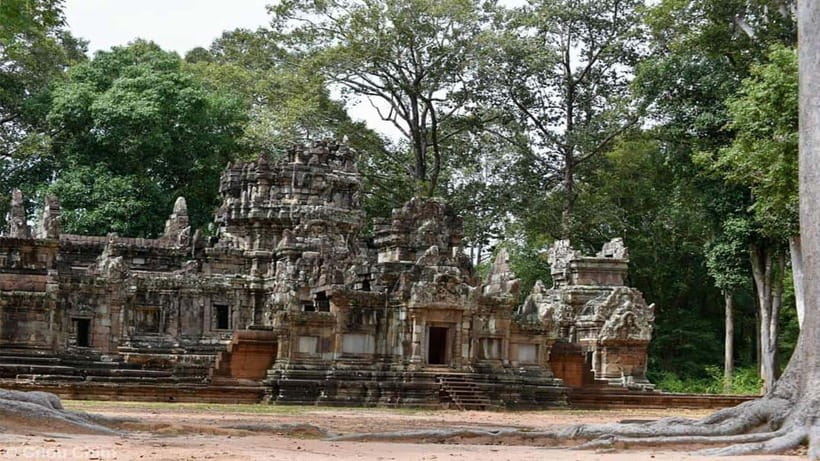
After breakfast, you head to Angkor Thom via the South Gate. The gate is famous for its four giant faces, representing compassion, sympathy, equanimity, and charity. Even before you reach the main sights, this stop sets the tone: Angkor Thom isn’t only about war or ruins, it’s also about spiritual meaning and symbolism.
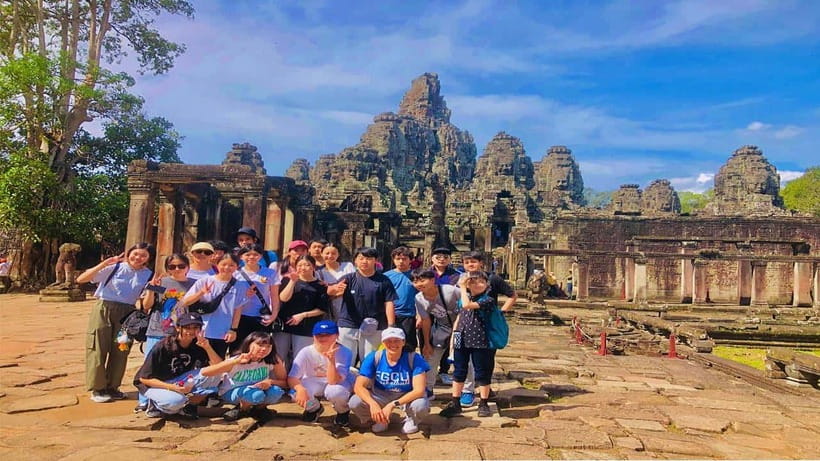
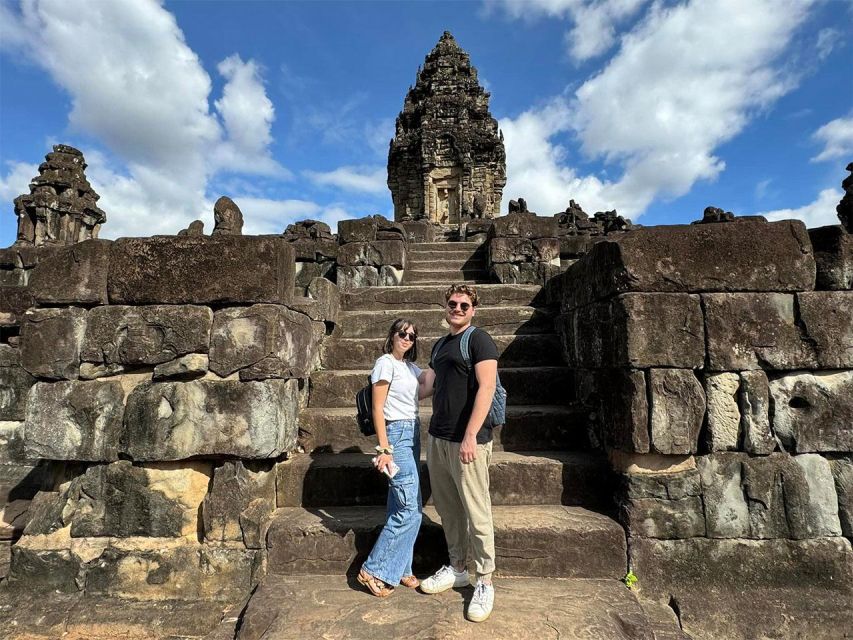
From there, you’ll explore the Bayon Temple, known for more than 200 smiling faces in stone. This is one of those places where the guide’s interpretation really pays off. You’ll spend time walking and understanding how Bayon’s faces and layouts relate to the site’s religious identity.
The tour also includes a cluster of nearby highlights linked with Bayon’s overall complex. You’ll have time to see sights such as Baphuon, Phimeanakas, and the terrace of the leper king and terrace of elephant. Even if you don’t memorize every historical label, being shown where these elements are—and what they represent—keeps you from feeling like you’re just trudging from one ruin to the next.
You’ll also see the contrast between old and living culture. The tour is designed so you can catch a glimpse of modern monks alongside the ancient stones. That blend is part of the value here: Angkor isn’t a closed museum, and seeing that continuity makes the whole place feel more real.
Ta Prohm Tree Roots: Film Fame, Real Scale, and How to Enjoy It
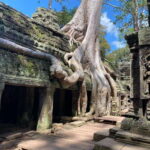
Ta Prohm is the temple you recognize instantly once you see it. The dramatic detail here is the tree roots wrapping around stone, creating those twisting shapes that look almost planted for a movie scene. The tour calls out the Tomb Raider filming connection, which is part of the reason so many people come—yet the roots are impressive even if you forget the film.
In this tour, you’ll visit Ta Prohm for guided time, with enough space to slow down and actually look. That matters because Ta Prohm isn’t a “one view and done” site. Your eyes need a minute to adjust to the way light hits the stone, and to how the roots create frames within frames.
A practical tip: wear shoes you trust. You’ll be walking on uneven ground and stone surfaces, and Ta Prohm’s roots add extra texture to trip points. If you’re tempted to go light with footwear, don’t—this is one of the places where you’ll feel every step.
Ta Prohm is also a great palate cleanser after the geometry of Angkor Thom and the big symmetry of Angkor Wat. Where the earlier stops can feel structured and formal, Ta Prohm feels like nature’s takeover—less orderly, more chaotic, and oddly calming once you’re there.


Price and Logistics: What the $10 Fee Really Covers
The headline price is $10 per person for the guided tour. That’s honestly fair for the structure you get: hotel pickup and drop-off, an air-conditioned minibus, an English-speaking guide, and chilled bottled water during the ride. In a city where you can find cheaper day options, this one stays focused on the big temple route and includes transportation that removes a lot of hassle.
But you’ll need to account for the two biggest extras:
- Temple pass: $37 per person
- Food and drinks: not included, including breakfast (even though you return to your hotel for it)
So the realistic “all-in” cost usually starts around $47 per person before meals. For most visitors, that’s still good value because you’re spending the day at major, high-demand sites with a guide who helps you interpret what you’re seeing. If you’re traveling solo and comfortable building your own route with tuk-tuks, you might spend less on logistics. Still, a guided early start is one of those times where guidance is worth paying for.
This tour is also designed as a small group capped at 14 participants. That’s not just a comfort perk. It reduces the odds of long stops where you’re waiting on the slowest person in a large crowd.
Comfort, Timing, and What to Bring for a 7-Hour Temple Day
The total duration is 7 hours, but the day doesn’t feel like a simple sprint. You’re up early, out for the sunrise and first temple segment, then back to your hotel for breakfast, then out again for the rest of the temples and more time at Angkor Wat.
Because it’s a split day, your “what to pack” strategy matters. Wear layers if the morning is chilly on your arrival day. Keep water on your mind too: bottled water is included, but you’ll still want to stay hydrated on the walking portions.
Also plan for early visibility and sun exposure later. The schedule includes sunrise waiting and then a full afternoon in temple areas. Sunglasses help, and a hat can be the difference between enjoying the day and counting minutes until shade.
Lastly, be ready for group movement. You’ll have guided walks and visits, so you don’t wander freely for long. That’s a good thing if you like structure and learning, but it’s worth knowing if you prefer “go your own pace” sightseeing.
Who This Guided Sunrise Tour Is Best For
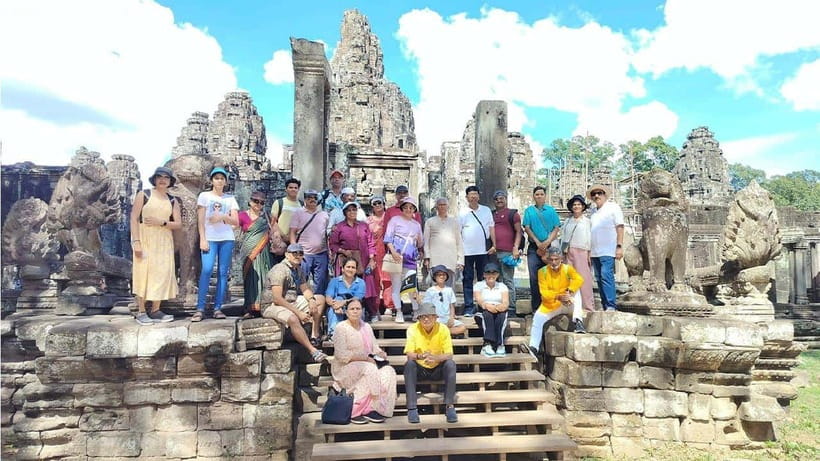
This tour fits you if you want the classic Angkor experience but also want it explained. If you like religious symbolism, carving details, and the reasons behind the main layouts, the guide time is a big part of the value. Seeing Hindu carvings, Buddhist statues, and the emotional power of Bayon’s smiling faces feels more meaningful with someone guiding your attention.
It also works well for couples and small groups who don’t want to negotiate logistics at dawn. The air-conditioned minibus and hotel pickup reduce stress, especially at 4:45am when the city is half-asleep.
If you’re the kind of traveler who hates early mornings, this isn’t your tour. But if you’re willing to trade sleep for light and learning, you’ll likely feel like you got more than just “tickets and photos.”
And if your language needs are strict, confirm what’s available at booking. The tour lists English, French, and German, so adjust expectations if you were hoping for another language.
Should You Book This Angkor Wat Guided Sunrise Tour?
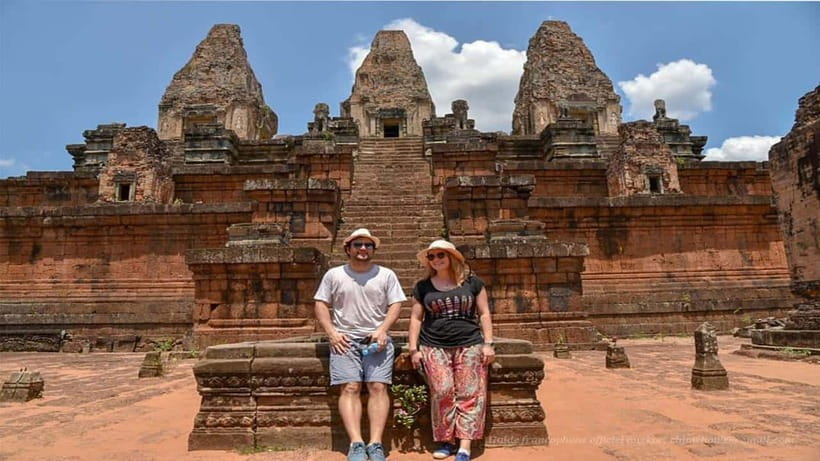
I’d book this when you want a structured, small-group day that hits Angkor Wat sunrise, the core Angkor Thom sights, and Ta Prohm with enough time to actually look. The guide focus and the included transportation make it easier to have a smooth day, not a scavenger hunt.
I’d pause before booking if you hate early starts or if you’re traveling with specific language requirements not listed in English/French/German. Also, because pickup is critical at dawn, choose this tour only if you’re comfortable double-checking your pickup confirmation the day before and being ready at your hotel lobby on time.
If you’re flexible and okay paying extra for the temple pass and your own meals, this is a strong value way to see Angkor with context, not just crowds.
FAQ
How long is the Angkor Wat guided sunrise tour?
The duration is listed as 7 hours.
What is included in the $10 per person tour price?
Hotel pickup and drop-off, an air-conditioned minibus, an English-speaking tour guide, exploring the temples on the program, and chilled bottled water are included.
Is the Angkor Wat temple pass included?
No. The Angkor Wat Temple Pass is listed as $37 per person and is not included.
What time does pickup happen?
You’re greeted at about 4:45am at your hotel’s lobby. The exact pickup time depends on your hotel location, and you’ll be informed one day before the tour.
Do you get breakfast during the tour?
Breakfast is not included. You return to your hotel for breakfast before heading out again.
What languages are the guides available in?
The tour lists English, French, and German.
Can I cancel for a full refund?
Yes. You can cancel up to 24 hours in advance for a full refund.