REVIEW · SIEM REAP
Classic Angkor Wat Sunrise or Sunset Private and Small GroupTour
Book on Viator →Operated by MyProGuide Cambodia · Bookable on Viator
Sunrise or sunset at Angkor feels unreal. This Angkor Wat sunrise/sunset small-group tour threads together Angkor Wat, Ta Prohm, Ta Nei, and Bayon with a professional English-speaking guide, then finishes with the Phnom Bakheng viewpoint moment.
I love how tight the plan is: you get real time at each temple (Angkor Wat first, then Ta Prohm, Ta Nei, and Bayon) instead of a rushed dash. My guide Tola brought the history to life and even helped with photo timing so I could actually get the shots I wanted.
One thing to watch: the tour price is low, but the Angkor Wat admission (USD $37 per person) is not included, so your total will be more than the headline number.
In This Review
- Key highlights you’ll feel fast
- Sunrise vs sunset: picking your light at Angkor
- The day’s flow: temples in a “doable” sequence
- Stop 1: Angkor Wat—your long, iconic first chapter
- Stop 2: Ta Prohm—stone and roots, up close
- Stop 3: Ta Nei—monastic style, calmer pace
- Stop 4: Bayon—Angkor Thom and those famous faces
- Stop 5: Phnom Bakheng—sunset panorama payoff
- Price and value: what you’re really paying for
- Comfort, pickup, and what to wear so the day goes smoothly
- Who this tour suits best (and who might want a different pace)
- Should you book this Angkor Wat sunrise or sunset tour?
- FAQ
- What’s the tour length?
- What’s included in the tour price?
- Is Angkor Wat admission included?
- Does the tour have a small group size?
- Is pickup from my hotel included?
- Is the guide English-speaking?
- What temples are included in the itinerary?
- Can I choose sunrise or sunset?
- What should I wear?
- Can I cancel for a refund?
Key highlights you’ll feel fast
- Small group up to 15 people for a calmer pace and more personal answers
- Hotel pickup and drop-off plus an air-conditioned vehicle for low-stress logistics
- Cold water and towels handed out during the day (small thing, big help in heat)
- A guide who pays attention to your photos (Tola’s approach shows)
- Sunset at Phnom Bakheng or sunrise options depending on which departure you choose
Sunrise vs sunset: picking your light at Angkor
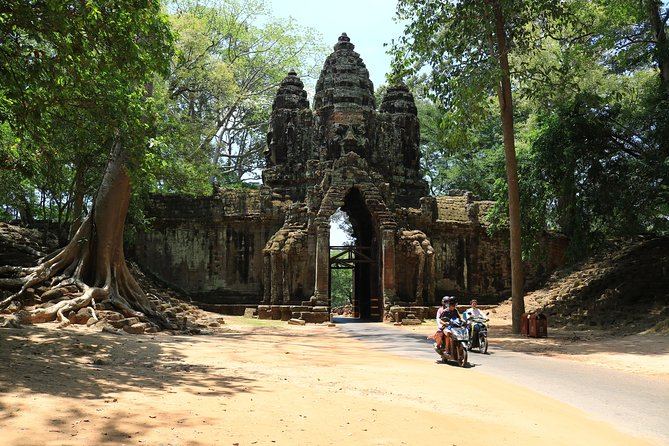
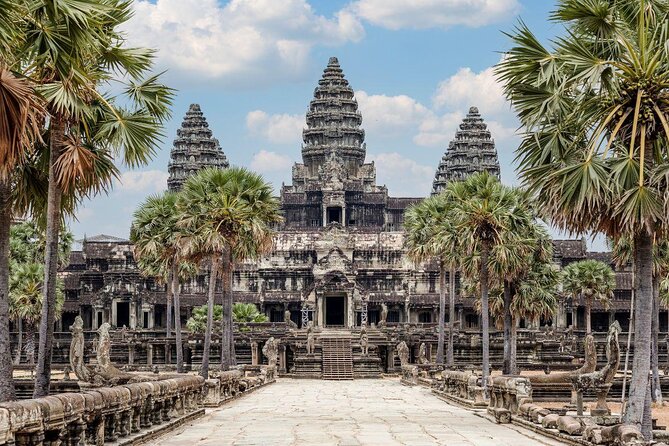
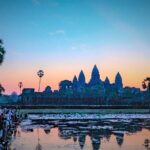
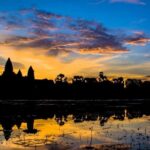
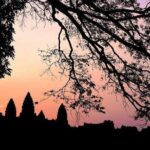
The big choice here is the viewing moment. If you pick the sunset option, you’ll end the tour at Phnom Bakheng for a panoramic sky-to-stone experience. If you pick the sunrise option, you’ll target that famous early-light look over Angkor Wat so the temple feels almost cinematic before the day fully ramps up.
Either way, the tour is built around timing, not just checklists. That matters because Angkor temples look best when the light is kind. Bright midday can be harsh and draining. Early morning or late afternoon gives you softer shadows, nicer photos, and a more comfortable day for walking.
If you're still narrowing it down, here are other tours in Siem Reap we've reviewed.
The day’s flow: temples in a “doable” sequence
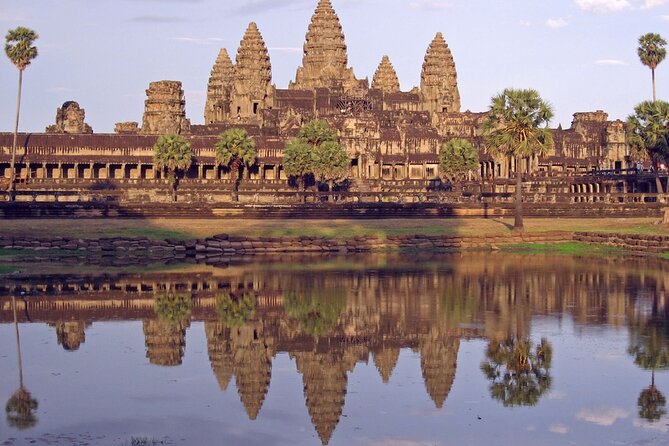
This is an 8 to 9 hour tour with a clear order: Angkor Wat first, then Ta Prohm, Ta Nei, and Bayon, with Phnom Bakheng as the final stop on the sunset version. Each temple gets a set amount of time—about 1 hour 30 minutes at Angkor Wat, then around 1 hour at Ta Prohm, Ta Nei, and Bayon, and about 1 hour at Phnom Bakheng.
Why I like that pacing: it keeps you moving forward without turning the experience into a frantic sprint. You also get enough time at each place to notice details—faces, carvings, layouts—rather than spending all your energy just trying to find your way.
It’s also a smart way for first-timers. Angkor is big. You’re not trying to “win” by seeing everything. You’re trying to see the most meaningful things in a way that makes sense.
Stop 1: Angkor Wat—your long, iconic first chapter
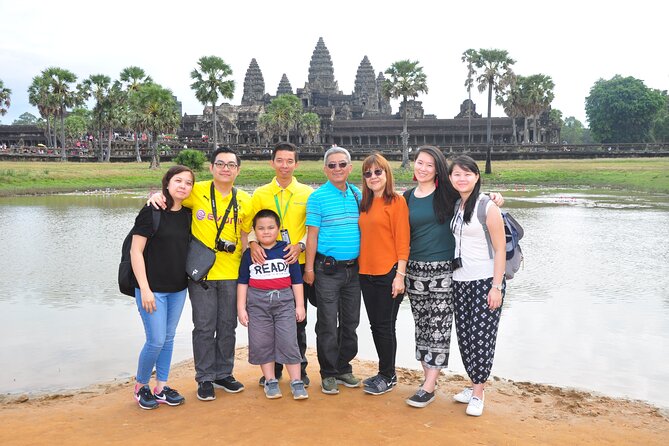
You start at Angkor Wat, with about 1 hour 30 minutes on site. This is the temple that sets the tone for the whole day. The guide frames what you’re seeing with context—how Angkor’s culture shows up in layout and design, and why this place became such a focal point.
You’ll want to treat this time like your anchor. If you’re the kind of traveler who likes photos, use this first segment to orient yourself. Don’t wait until later in the day to figure out where the best views and angles are. The guide’s English explanations help you understand what you’re looking at as you walk.
Also note the practical part: Angkor Wat admission is not included. The tour includes the guide and transport, but you’ll need to budget that temple ticket separately (USD $37 per person as listed).
Stop 2: Ta Prohm—stone and roots, up close
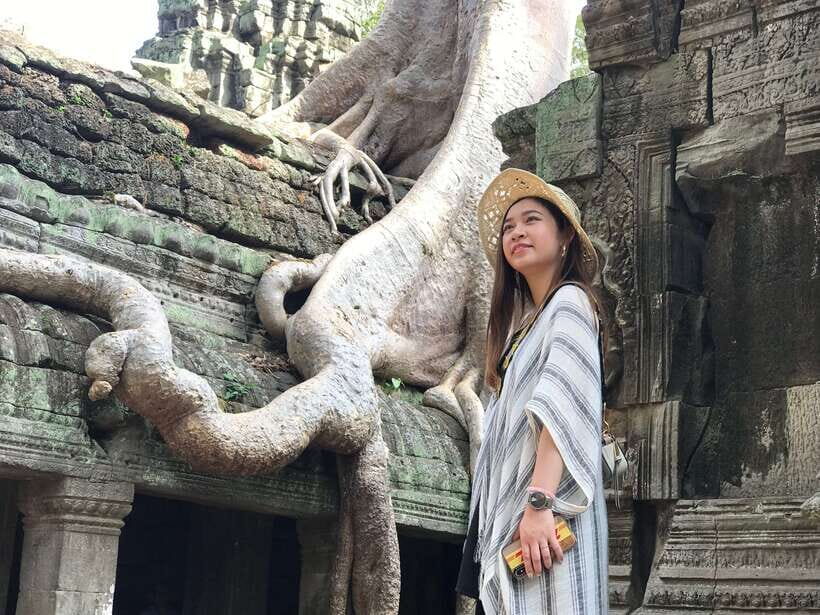
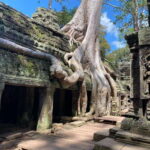
Next is Ta Prohm, with about 1 hour to explore. This is the temple where you feel like nature is actively participating in the scene. The tour includes time to get closer to the ancient architecture and the relics in the area, so you’re not just viewing from the edges.
The value here is the guide’s commentary. Even when you know the famous “roots” look, it helps to have someone explain how the site reads—where to look for structure, how the temple’s layout pulls your attention, and what makes this one distinct from the others you’ll see that day.
Photo-wise, this is one of the spots where angles matter. I appreciated that my guide (Tola) had a photo-oriented mindset without turning the day into a photoshoot. It felt like he was helping me capture the moment while still understanding it.
Stop 3: Ta Nei—monastic style, calmer pace
After the busy drama of Ta Prohm, Ta Nei offers a different flavor. You’ll spend about 1 hour here, and the focus is on a monastic complex-style temple—so you get more of that contemplative, tucked-away feel.
What I liked about this stop is the contrast. Angkor often hits you with grand scale, but Ta Nei lets you notice different kinds of detail through a slower walk. The guide’s explanation gives you a way to “read” what you’re seeing, rather than treating it like another temple you’re trying to rush through.
If you’re someone who enjoys architecture and atmosphere more than only big-photo moments, this is a strong stop in the lineup. It breaks up the day and makes the journey feel varied, not repetitive.

Stop 4: Bayon—Angkor Thom and those famous faces
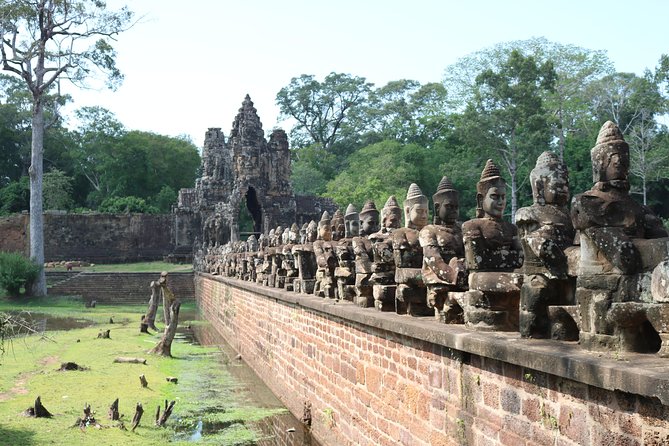
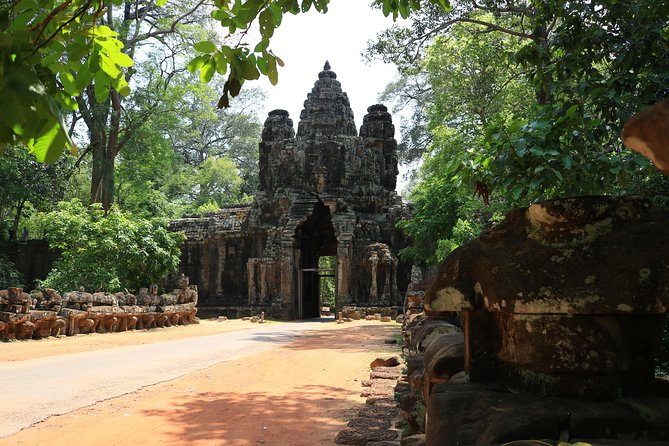
Then comes Bayon Temple inside the Angkor Thom area. You’ll get about 1 hour here, and the tour frames Bayon as a 12th-century Buddhist temple. This is where the mood shifts again: you’re surrounded by sculpted faces and a layout that makes you keep moving to follow the views.
The guide’s role is especially useful at Bayon because it’s easy to get lost in the scale. Having someone point out what matters helps you avoid the common problem: walking around, seeing impressive details, but leaving without a clear sense of what you were actually looking at.
In a small-group format, the pace feels more flexible. You can ask questions without feeling like the rest of the group is waiting for you to catch up.
Stop 5: Phnom Bakheng—sunset panorama payoff
If you choose the sunset option, the day ends at Phnom Bakheng for about 1 hour. This is the “finish strong” moment. The viewpoint gives you a wide panorama feel, turning all the earlier walking into one big scene.
This last hour is also where your energy management matters. By this point, you’ve had long focus stops (Angkor Wat, Ta Prohm, Ta Nei, Bayon). Phnom Bakheng works best when you treat it like a reward rather than another checklist. Sit down if you can, watch the light change, and take in the scale of what you’ve been exploring.
You’ll also appreciate the way the tour builds to this. It’s not randomly thrown in; it’s the planned finale for the sunset departure.
Price and value: what you’re really paying for
The headline price is $14.40 per person. That sounds almost too good—until you remember the important catch: the Angkor Wat admission fee (USD $37 per person) is not included.
So how does this shake out in real terms? For your budget, assume the tour cost plus the temple ticket. In other words, you’re likely paying around $51.40 per person before any extra spending, based on the Angkor Wat fee listed.
Now for why the value still makes sense: the price covers a professional English tour guide, an air-conditioned vehicle, and essentials like cold water and towels. It also includes hotel pickup and drop-off, which saves you the time and hassle of coordinating rides early or late.
This is the kind of tour that’s priced for the middle ground. You’re not paying for luxury. You are paying for structure, interpretation, and comfort that helps you get the most out of a long day.
Comfort, pickup, and what to wear so the day goes smoothly
This tour is designed to keep logistics simple. Hotel pickup and drop-off are included, and the vehicle is air-conditioned—a big practical win in Cambodia heat. You also get cold water and towels, which helps you stay functional instead of just surviving.
Dress code matters at Angkor. You’ll want casual clothes and comfortable shoes, but your clothing also needs to cover shoulders and knees. That’s not the time to wear your favorite light outfit that shows too much. Plan to bring a cover layer if your clothes aren’t temple-friendly.
Also bring a bit of small cash if you want seasonal fruit or souvenirs. It’s easy to forget until you see something you want.
Who this tour suits best (and who might want a different pace)
This works great if you’re:
- Visiting Angkor for the first time and want a guided, well-paced route
- Trying to balance famous highlights with a few less-overexposed stops
- Photo-minded and appreciate guidance on when/where to stand
- Prefer a small group (max 15) instead of a huge bus situation
It might be less ideal if you want to spend much longer inside any single temple. The tour is structured with set time blocks, so you’ll see a lot, but you won’t have hours of free wandering to go ultra-deep on one site.
Should you book this Angkor Wat sunrise or sunset tour?
If you’re deciding between doing it on your own or hiring a guided setup, I’d lean toward booking this one—especially if it’s your first time at Angkor. The combination of an English guide, comfortable transport, temple-by-temple timing, and a real payoff viewpoint at Phnom Bakheng makes it feel like a day planned for humans, not just schedules.
Book it if you want your day to be efficient and meaningful: understand what you’re seeing as you walk, avoid dead time, and finish with the light-changing panorama moment. If you’re comfortable handling temple tickets yourself and you’re already confident navigating Angkor, you could DIY. But the low tour price compared to the admission ticket still makes this option feel like a strong deal for the guidance you get.
If you want sunrise, pick the sunrise departure. If you want the wide, relaxing finale, pick sunset. Either way, you’ll get a classic Angkor route with enough variety to keep your interest through the full 8 to 9 hours.
FAQ
What’s the tour length?
The tour runs about 8 to 9 hours.
What’s included in the tour price?
It includes a professional English tour guide, cold water and towels, and an air-conditioned vehicle. Hotel pickup and drop-off are also included.
Is Angkor Wat admission included?
No. The Angkor Wat admission fee is listed separately at USD $37 per person.
Does the tour have a small group size?
Yes. The maximum group size is 15 travelers.
Is pickup from my hotel included?
Yes, hotel pickup and drop-off are included.
Is the guide English-speaking?
Yes. The tour includes a professional English tour guide.
What temples are included in the itinerary?
You’ll visit Angkor Wat, Ta Prohm, Ta Nei, Bayon Temple, and Phnom Bakheng (for the sunset option).
Can I choose sunrise or sunset?
Yes. There is a sunrise option over Angkor Wat and a sunset option at Phnom Bakheng.
What should I wear?
Wear casual clothes and comfortable shoes, and make sure shoulders and knees are covered.
Can I cancel for a refund?
Free cancellation is available. You can cancel up to 24 hours in advance for a full refund. The experience also depends on good weather, and if it’s canceled due to poor weather, you’ll be offered a different date or a full refund.