REVIEW · SIEM REAP
From Siem Reap: Battambang Day Trip Bamboo Train, Bats Cave
Book on GetYourGuide →Operated by GREEN ERA TRAVEL · Bookable on GetYourGuide
Bats at sunset, bamboo trains by daylight. This is a long day trip that balances Battambang countryside charm with major sights, guided in English and paced so you’re not just rushing from one photo stop to the next.
I especially love the bamboo train ride itself. It’s fun in a simple, old-school way, and you actually get to watch real villages and farmland slide by as your group rolls through Battambang’s backroads.
One possible drawback: it’s a full 10-hour day with an early pickup and no breakfast or lunch included, so plan to eat when you’re given the chance and bring a hat for the heat.
In This Review
- Key things that make this tour worth your time
- Battambang Day Trip Basics: Early Pickup, Real Time, Real Places
- Ek Phnom Temple: A White Buddha on Angkor-Era Stone
- Rice Paper Local Factory: Where Snacks Become Culture
- Psa Nat Market Stop: Eat What People Actually Eat
- Old Colonial Buildings and Photo Spots: Battambang’s Human Scale
- Bamboo Train Through Battambang Countryside: The Ride’s Magic Is Its Simplicity
- Bat Caves at Phnom Sampeou / Phnom Sompov: The Sunset Moment
- The heavier cave history stop
- Logistics That Matter: Timing, Seats, Heat, and When to Go Easy
- Price and Value: Is $159 Good for What You Get?
- Who Should Book This Tour (and Who Might Rethink It)
- Final Verdict: Should You Book the Bamboo Train and Bat Cave Day Trip?
- FAQ
- How long is the Battambang day trip?
- What time is the pickup in Siem Reap?
- How large is the group?
- Is there an English-speaking guide?
- What’s included in the price?
- Are meals included?
- What should I bring?
- FAQ
- Where does the bat cave visit take place?
- Can I cancel and get a refund?
- Is alcohol allowed on the tour?
Key things that make this tour worth your time
- Small group (max 8) means you stay together and your guide can manage the day without chaos
- Ek Phnom Temple brings you to Angkor-era stone with a striking white Buddha statue
- Rice paper factory + Psa Nat market turns food into part of the lesson, not just a snack break
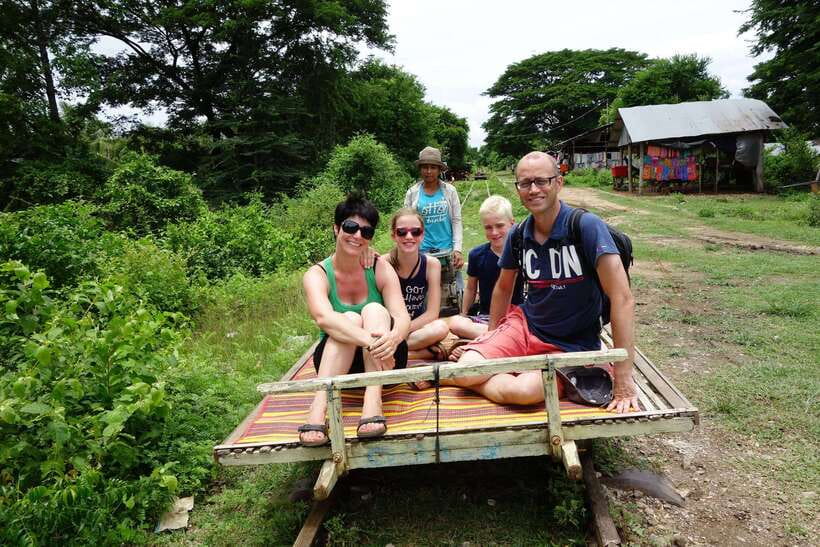
- Bamboo train ride is the big moving highlight, with countryside views along the way
- Phnom Sompov bat cave sunset delivers the famous moment when the bats stream out
- Roundtrip transport, tickets, and bottled water are handled for you, so you’re not negotiating or paying extra mid-day
Battambang Day Trip Basics: Early Pickup, Real Time, Real Places
This tour is built for one thing: getting you out of Siem Reap early enough to experience Battambang properly, then getting you back at night without you having to plan the logistics yourself. The timing matters. Pickup happens between 7:00 and 7:30 AM, and the departure is at 7:30 AM, so you’ll want to be ready from 7 AM.
You’re looking at a 10-hour day, led by an English-speaking guide and run as a small group of up to 8. In practice, that small group size is what makes the day feel thoughtful. You can hear explanations, you’re not stuck waiting for a large bus to regroup, and the guide can adjust the pace when a stop needs an extra minute.
The other “basic” factor is meals. Breakfast, lunch, and dinner are not included, so you’ll want to treat the food stops as your main chances to eat. You do get bottled water, which is helpful, but you should still bring your own method for staying comfortable in the heat.
If you're still narrowing it down, here are other tours in Siem Reap we've reviewed.
Ek Phnom Temple: A White Buddha on Angkor-Era Stone
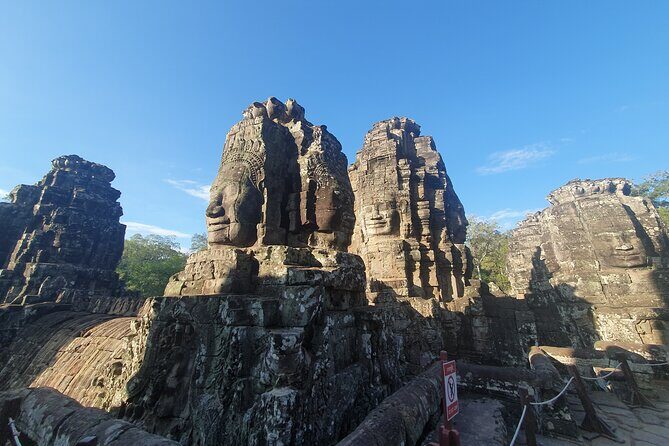
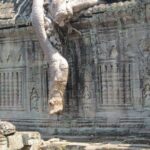
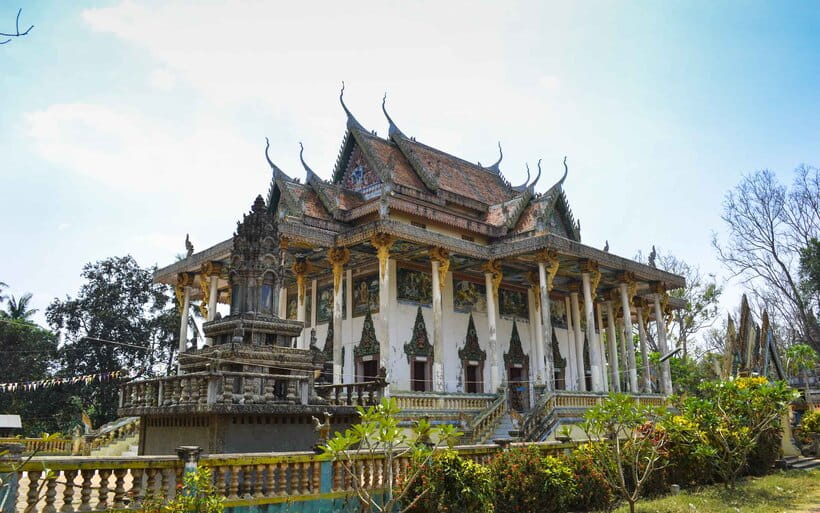
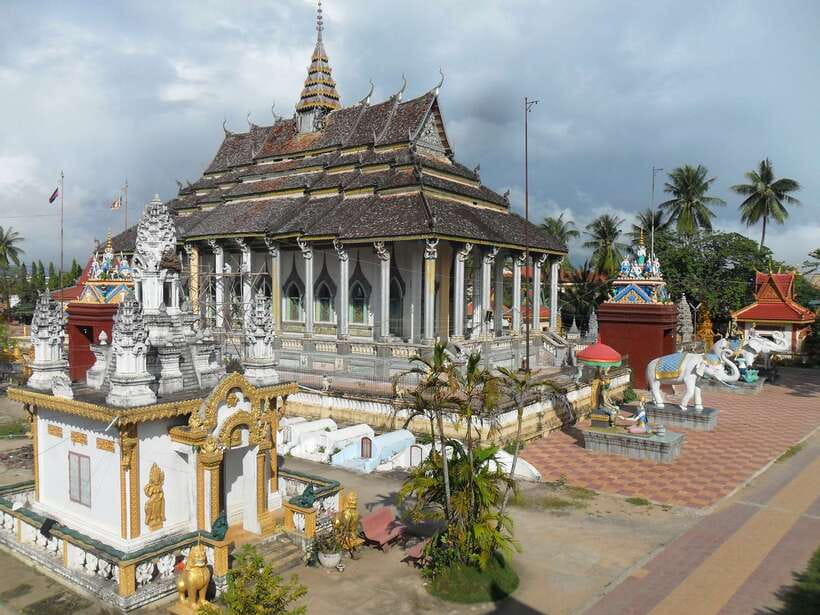
Your day starts with a visit to Ek Phnom Temple, dating from Angkorian times. The appeal here is that it’s not trying to be everything at once. It’s a clear, focused stop that sets the tone for Battambang: old stone, quiet religious spaces, and strong visual moments.
The headline feature is the massive white stone Buddha statue. Even if you don’t read every detail, the statue gives you an instant sense of scale and craftsmanship. It’s the kind of place where you can slow down for a few minutes, take photos, and let the guide’s context land.
A small practical tip: temples are usually easiest if you wear something comfortable and breathable. You’ll be doing walking and standing at a few stops across the day, and your hat (bring one) will likely matter again later.
Rice Paper Local Factory: Where Snacks Become Culture
Next up is the rice paper factory, where you learn why rice paper is such a big deal in Cambodian daily life. This stop works best if you treat it like a mini behind-the-scenes workshop rather than a quick photo stop. The process is the point.
You’ll see how rice paper is made and hear why it’s important locally—then you connect that lesson to what you’ll eat soon after. It’s also one of those experiences that makes the rest of the day feel more grounded. When you later try foods at the market, you’re not just tasting randomly; you understand what you’re looking at.
If you’re the type who likes practical travel facts—how people produce everyday staples—this is one of the best uses of time on the itinerary.
Psa Nat Market Stop: Eat What People Actually Eat
After the rice paper lesson, you head to Psa Nat market, where you can grab a bite and try traditional foods. This is the moment where the day turns from “learn” to “taste,” and it’s usually what makes the trip feel personal.
The value here is simple: you’re eating with a guide who can help you choose. The market stop is set up so you can work your way through a variety of foods without feeling lost, and you’re able to ask questions in English.
What to keep in mind: markets mean options, but they also mean lots of smells and busy movement. Go in with a flexible attitude. Your guide will help you navigate what’s reasonable and safe to try, but you should still pace yourself so you don’t feel rushed later.
Old Colonial Buildings and Photo Spots: Battambang’s Human Scale
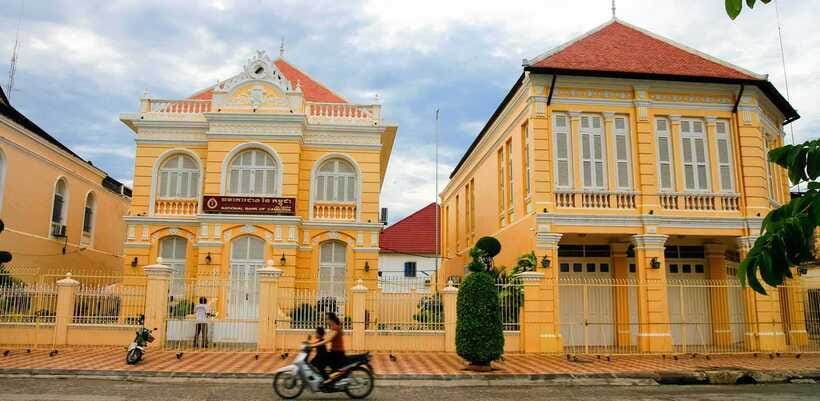
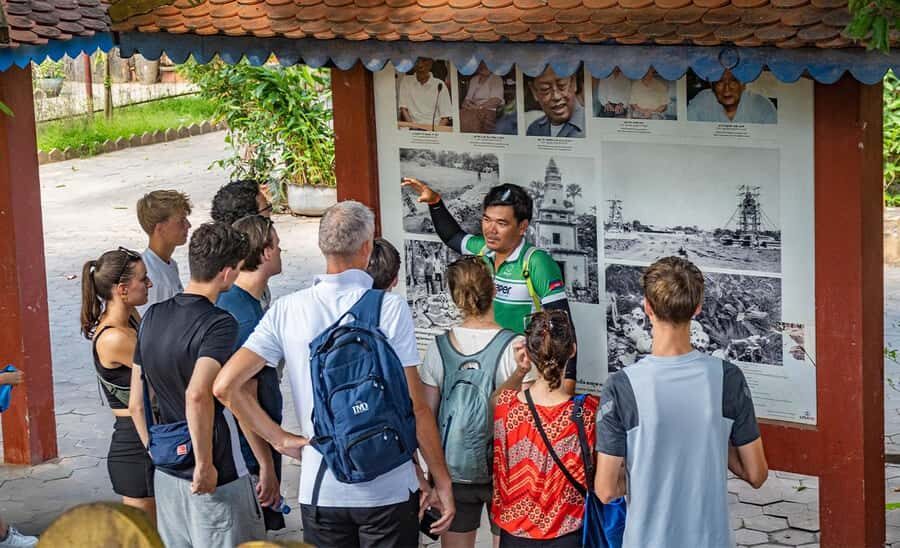
From food, the day shifts into places that explain how the city functioned historically. You’ll visit old colonial buildings that once housed the Governor, then see traditional costumes and historic photographs.
This stop isn’t just decorative. It gives you a way to picture Battambang beyond temples and countryside rides. You start seeing the city as a place with institutions, fashion, documentation, and daily life—things that help history feel less abstract.
A plus for photo lovers: costume and photo displays give you more variety than the usual roadside temple shot. You’ll likely want a minute here to slow down and take a few careful pictures rather than snapping everything quickly.


Bamboo Train Through Battambang Countryside: The Ride’s Magic Is Its Simplicity
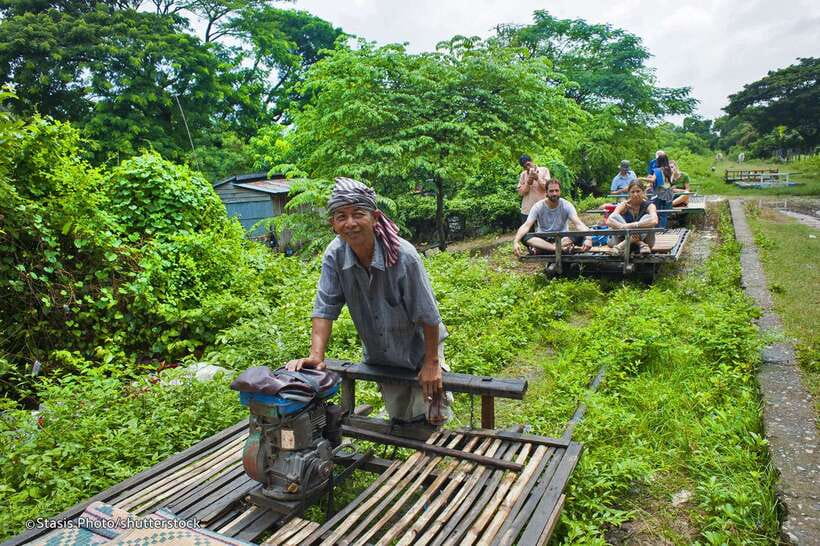
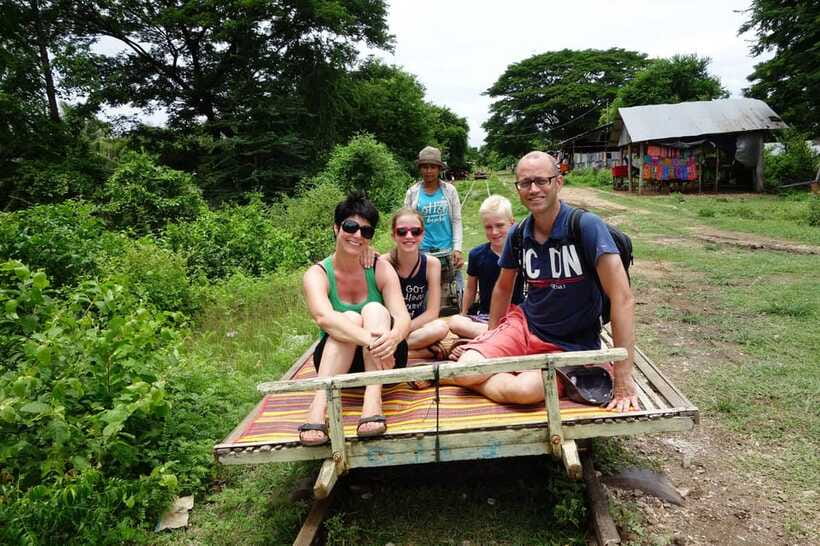
Now for the main “wow” moment. You’ll experience the famous bamboo train ride, traveling through the countryside and past local villages. This is one of those activities that feels both playful and real. No fancy production, just a unique way people in the region have adapted to movement and transport.
What makes it memorable is the sense of motion and the view. From your seat, you watch rural life and farmland slide by, and it’s easy to imagine how this kind of route fits into daily routines. The ride also offers a break from the more structured museum-and-temple stops.
Practical note: keep your phone/camera secure. You’ll be on a ride that’s part traditional and part local ingenuity. Also, if you tend to feel carsick, you’ll want to sit where you feel most stable and follow your guide’s advice.
Bat Caves at Phnom Sampeou / Phnom Sompov: The Sunset Moment
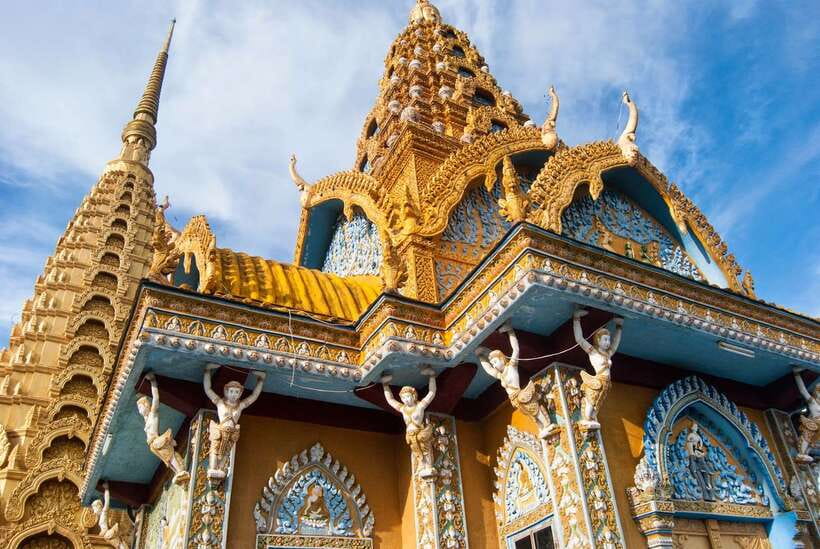
Later, you head to the bat cave area tied to Phnom Sampeou and Phnom Sompov (Sompov Mountain). The highlight is simple and unforgettable: you’ll watch millions of bats leave the cave during sunset.
This is where Battambang’s reputation really earns its keep. Sunset timing matters, so the guide will likely work the schedule to get you into position. When the first bats lift off, it’s not a slow trickle. It’s dramatic, fast, and loud enough that you’ll feel it as much as see it.
A respectful caution: bat cave moments are amazing, but they can also be emotional, depending on how you personally handle wildlife and what the area represents. Stay aware of where you’re standing and follow guide directions closely.
The heavier cave history stop
You may also include a sobering stop connected to the caves known for Khmer Rouge-era atrocities. One of the strongest pieces of feedback from past guests is that this part of the day carries real sadness. If you choose to visit, treat it as a moment for understanding and respect rather than quick sightseeing. You don’t need to rush it, and you may want a minute afterward to reset your mood before heading back toward dinner time.
Logistics That Matter: Timing, Seats, Heat, and When to Go Easy
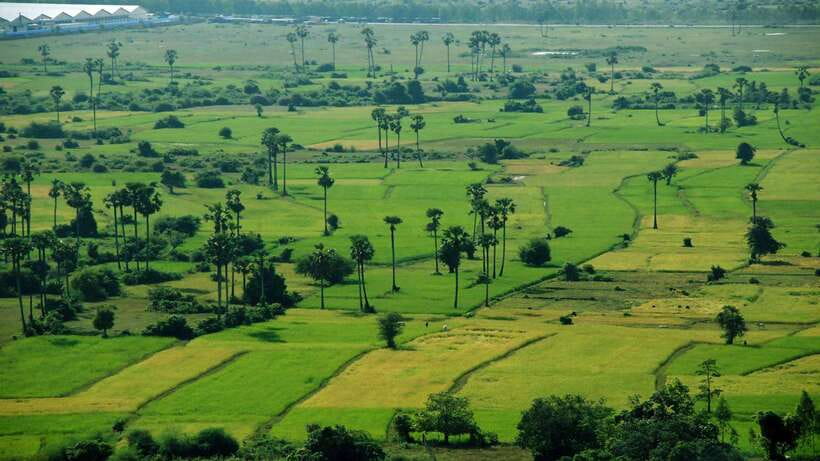
A trip like this can feel like a sprint if you ignore small details. With a 10-hour day, you’ll be alternating between riding time and stop time, and the best strategy is to conserve energy.
Here’s what’s worth planning around:
- Heat and sun: bring a hat, and wear something that breathes. You’ll likely be outdoors for parts of the day, especially at the sunset bat cave moment.
- Footwear: choose shoes you can walk in comfortably, including uneven ground near viewpoints and cave entrances.
- Snacks strategy: since meals aren’t included, think about grabbing something when the day gives you a chance (especially around market time). You don’t want to wait until you’re starving and then make rushed choices.
- Group pace: with a max group size of 8, you can usually move at a human rhythm. If someone needs a restroom break or a minute to breathe, it’s easier for the guide to handle.
Also note a couple of behavior rules that affect the day’s vibe: alcohol and drugs aren’t allowed. So don’t count on a drink to “settle in” during the ride.
Price and Value: Is $159 Good for What You Get?
At $159 per person, this is priced like a true day tour, not a budget DIY option. The question isn’t whether it’s cheap—it’s whether it’s fair for the time, effort, and included stuff.
What you get for that price is meaningful:
- an English-speaking guide
- roundtrip transportation from Siem Reap
- bamboo train ride
- all entrance fees and tickets
- bottled water
- hotel pickup and drop-off
What you don’t get is equally important:
- no breakfast, lunch, or dinner
- no travel insurance
- no other soft drinks or alcoholic drinks
So where’s the value? In Cambodia, paying someone to handle transportation, tickets, and guiding during a full-day cross-province itinerary can save you time and frustration. You’re also buying peace of mind: you show up, the day runs, and you’re not figuring out timing between stops.
In short, this is a strong deal if you want a guided experience and you don’t want the stress of self-arranging a long day. It may feel steep if you only care about one activity—like the bamboo train—because you’re paying for the full structure that gets you to all the highlights.
Who Should Book This Tour (and Who Might Rethink It)
This tour fits best if you want a small-group, guided overview of Battambang—temples, food, a colonial history stop, a countryside bamboo ride, and the bat cave sunset all in one go.
It’s also a good match for people who like having someone explain what they’re seeing. Past participants highlighted that the guides made the day feel worthwhile by sharing Cambodian history and culture in a way that’s easy to follow. You may meet guides with names like Nak or Sorphea, and the trip can also involve drivers such as Channa. The important part for you is not the name—it’s that the guiding style tends to be friendly, organized, and informative.
Who might rethink it:
- If you have altitude sickness concerns, it’s listed as not suitable.
- If you strongly dislike long days with early starts and missing included meals, you might prefer a shorter option or a tour with lunch.
If you’re comfortable packing a hat, being flexible with food timing, and enjoying a packed-but-managed day, you’ll likely feel like this was time well spent.
Final Verdict: Should You Book the Bamboo Train and Bat Cave Day Trip?
If you’re planning your Siem Reap days and you want one full trip that mixes fun, food, culture, and a true Battambang signature moment, I think this is an easy yes.
The bamboo train ride is the playful centerpiece, but the real reason to book is the full structure: Ek Phnom Temple sets context, rice paper and the Psa Nat market give you food you can actually taste, and the Phnom Sompov bat cave sunset is the kind of experience that sticks with you long after you’ve left Cambodia.
Just go in knowing it’s a long day with no included meals. Pack smart, bring your hat, and use the guide’s expertise to make the market stop efficient. If you do that, you’ll come away with Battambang that feels real—not just photographed.
FAQ
How long is the Battambang day trip?
It lasts about 10 hours.
What time is the pickup in Siem Reap?
Pickup is included and the tour departs at 7:30 AM. Pickup varies from 7:00 to 7:30 AM, and you should be ready from 7:00 AM.
How large is the group?
It’s a small group limited to 8 participants.
Is there an English-speaking guide?
Yes, the tour includes a live English-speaking guide.
What’s included in the price?
The tour includes the guide, roundtrip transportation, bamboo train ride, all entrance fees and tickets, bottled water, and hotel pickup and drop-off.
Are meals included?
No. Breakfast, lunch, and dinner are not included.
What should I bring?
Bring a hat.
FAQ
Where does the bat cave visit take place?
The bat cave area is associated with Phnom Sampeou off National Highway 57 in Battambang Province, and the experience includes Phnom Sompov (Sompov Mountain) for the sunset bat viewing.
Can I cancel and get a refund?
Yes. You can cancel up to 24 hours in advance for a full refund.
Is alcohol allowed on the tour?
Alcohol and drugs are not allowed.