REVIEW · SIEM REAP
From Siem Reap: Tonle Sap Floating Villages Tour
Book on GetYourGuide →Operated by Khmerdetours · Bookable on GetYourGuide
Four hours on the lake changes your perspective. This Tonle Sap tour mixes a private boat cruise with close-up views of floating homes, markets, schools, and even churches, plus a guide who connects daily life to bigger environmental realities. I also like that the route builds in nature time, from a lotus stop to bird-spotting in the surrounding sanctuary. One consideration: it is a half-day, so you’ll mostly observe from the boat and lunch/quiet time, rather than doing a long, walk-everywhere village experience.
The best part is how structured the day feels: hotel pick-up, a 10:00 departure, and door-to-door timing of about 4 hours. You’ll learn why Tonle Sap matters—it’s part of a UNESCO biosphere reserve—and you’ll see how Khmer, ethnic Vietnamese, and Cham communities live with the lake as their calendar. With that said, the day runs in all weather, so plan for sun and heat or bring appropriate rain protection.
In This Review
- Key highlights you’ll notice fast
- Tonle Sap at 10:00: the best kind of contrast from Angkor days
- Private boat cruising: floating houses, markets, schools, and churches
- Lotus flowers stop: Buddhism in bloom, plus a taste if the route includes it
- Floating village visit: Khmer, Vietnamese, Cham communities and what keeps them afloat
- Floating crocodile and fish farm: a short stop with big questions
- Lunch on the Queen Tara: where the day slows down
- Bird sanctuary spotting: painted stork and spot-billed pelicans
- Weather, comfort, and why the small group limit matters
- Price and value: what $65 really buys in this half-day
- Guide energy: when names like Moni and Mali show up
- Who should book this Tonle Sap floating villages tour
- Should you book this Tonle Sap floating villages tour?
- FAQ
- What time does the tour start?
- How long is the tour?
- Is lunch included?
- Are there vegetarian meal options?
- Is the boat trip private?
- Can children join, and can minors travel alone?
Key highlights you’ll notice fast
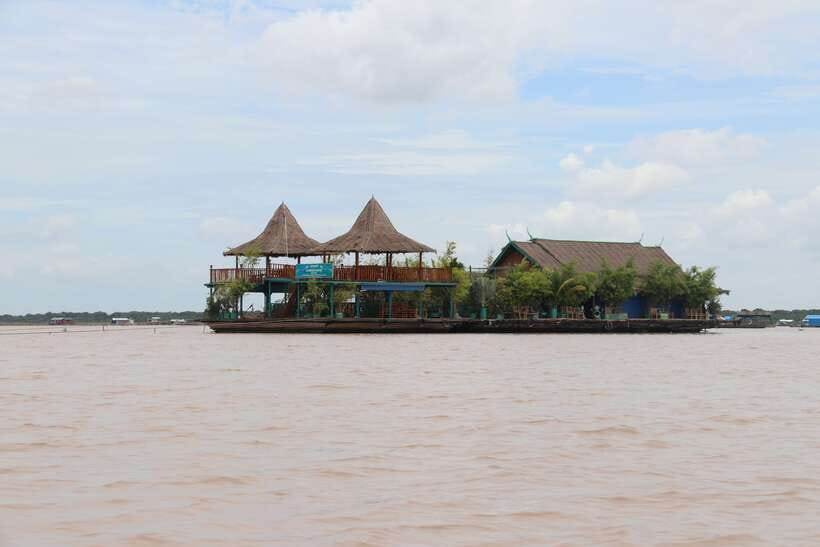
- Private boat cruising through floating villages with a local English-speaking lake guide
- Floating community sights: houses, markets, schools, and even churches
- Lotus stop for photos and uses tied to Buddhism, plus lotus fruit tasting on some days
- Queen Tara lunch in the floating village, with lunch plus a couple of free drinks
- Bird sanctuary viewing with chances to spot painted stork and spot-billed pelicans
- Floating crocodile and fish farm on the route when water levels allow
Tonle Sap at 10:00: the best kind of contrast from Angkor days
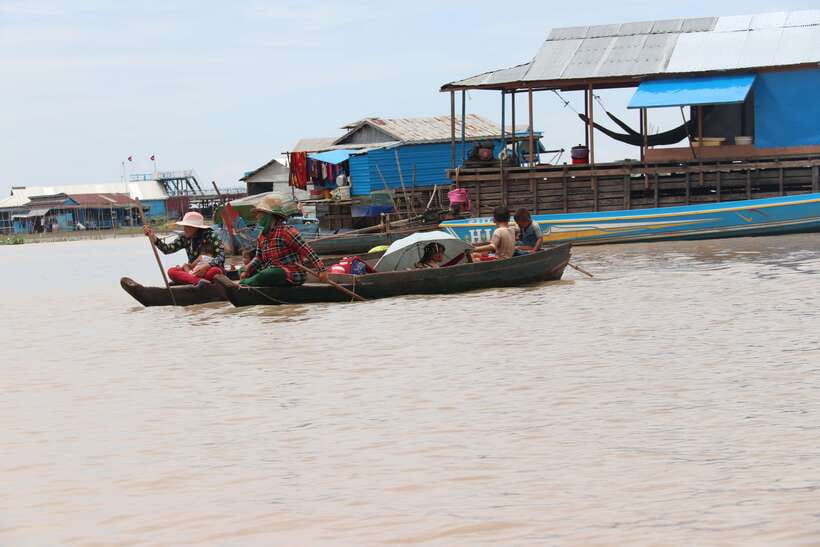
If your Siem Reap days are already heavy on temples, this is a clean shift. Instead of carved stone, you get living water-worlds on one of Southeast Asia’s biggest freshwater lakes—Tonle Sap, often called the Great Lake. And because the tour starts at 10:00 and runs about 4 hours door-to-door, it works well as a half-day reset between longer activities.
What makes this route feel meaningful is the UNESCO angle. The lake and surrounding rivers are designated as a biosphere reserve for high biodiversity. Your guide explains how that biodiversity links to the communities building their lives on the water, and how the same system also faces threats that can ripple into daily survival. That context gives the cruise more weight than just sightseeing.
If you're still narrowing it down, here are other tours in Siem Reap we've reviewed.
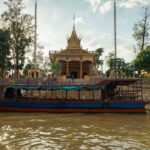
Private boat cruising: floating houses, markets, schools, and churches
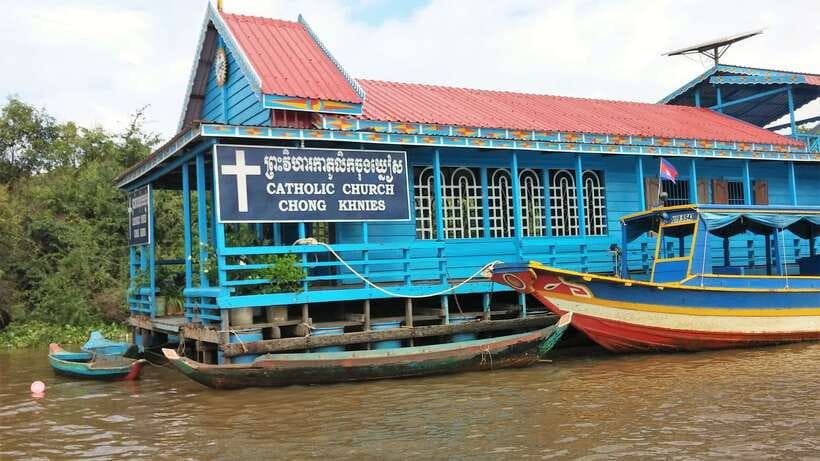
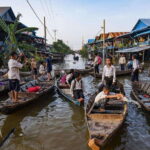
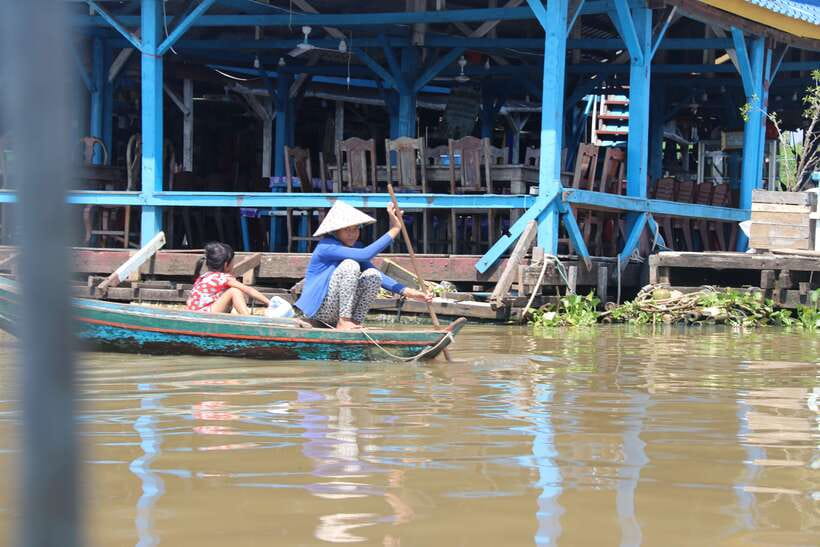
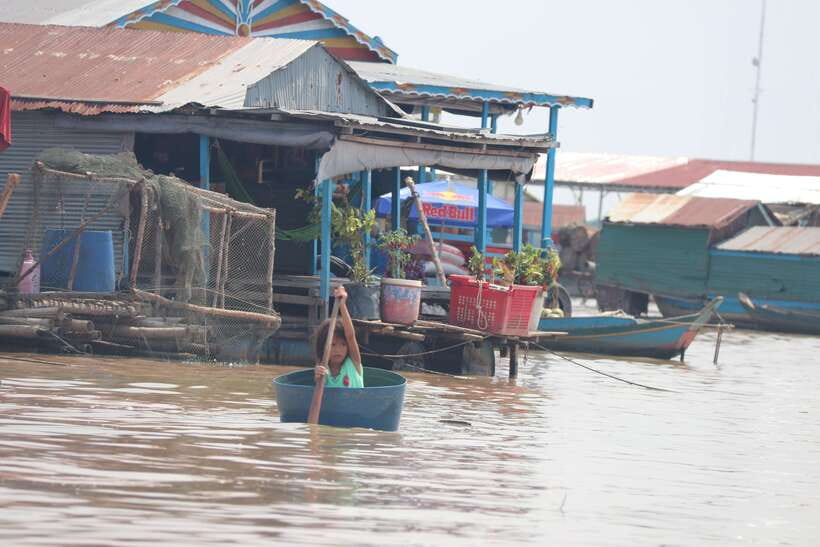
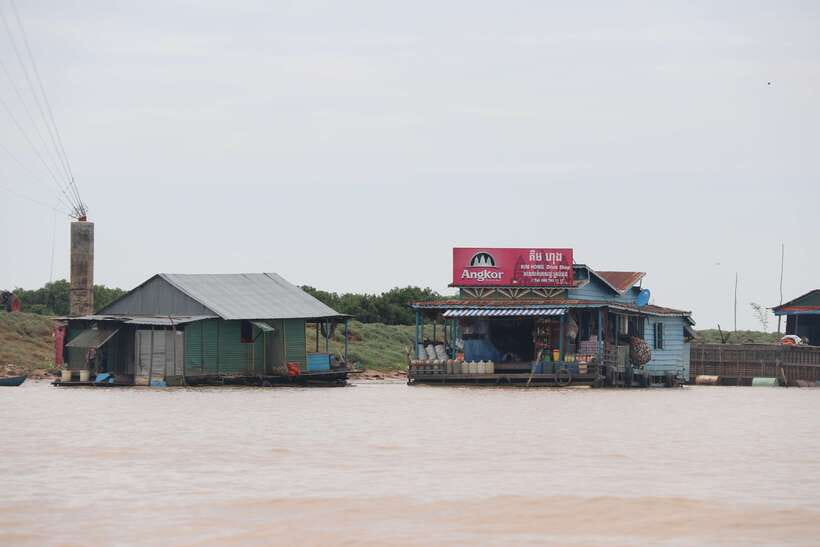
The heart of the experience is the private boat trip—you’re not squeezed into a large cattle-style ride. As you cruise, you’ll pass floating houses and see day-to-day areas like markets and schools. The interesting twist is that these are not staged photo points. They function as real spaces where life continues, just with the ground replaced by water.
One practical benefit of being on a boat is how you get a moving viewpoint. From one angle you might notice dense clusters of homes, and from another you’ll understand the layout: how people organize work, living, and community spaces on shifting water. This is also where your guide’s commentary matters. A good explanation turns what could feel like a quick look into something you can actually interpret.
Depending on the day and current water movement, you may spend more time observing village life than you do stepping into lots of land-based areas. If you’re hoping for a long, on-foot tour, adjust your expectations and treat the boat cruise as the main attraction.
Lotus flowers stop: Buddhism in bloom, plus a taste if the route includes it
Before the lake portion really takes over, the tour includes an on-route stop for lotus flowers—and yes, you get time to take photos. In Buddhism, the lotus is deeply important, and your guide explains why it’s more than just a pretty flower. You’ll hear about the different uses of the plant, from practical applications like parts of the plant being used in steam and beyond.
On some departures, the day also includes a lotus-related stop tied to local farming, where you might try lotus fruit. This is one of those small moments that makes the whole trip feel more grounded: you’re not only seeing culture from the water; you’re also learning how people grow and use a crop that matches their beliefs and daily routines.
Floating village visit: Khmer, Vietnamese, Cham communities and what keeps them afloat
Once you reach one of the larger floating villages, the tour shifts into explanation mode. You’ll travel by boat with a local English-speaking lake guide who walks you through how life formed around the lake and how it continues today. One key detail here: the floating villages aren’t a single community. The area includes Khmer and ethnic Vietnamese and Cham communities, and your guide will connect those identities to how people live and work on the water.
Pay attention to how the guide frames change. The tour isn’t just about what’s charming or unusual. You also learn what threats these communities and their dwellings face—because living on water means the environment isn’t background scenery. It’s part of the infrastructure.
A subtle but useful thing: your viewpoint is moving. As the boat glides, you can see both human routines and how the village adapts to water conditions. That moving vantage is one reason this half-day can still feel full even when it doesn’t include long walking tours.
Floating crocodile and fish farm: a short stop with big questions
On the route, the tour may include a floating crocodile and fish farm, depending on current water levels. This is worth treating as more than an animal encounter. It helps you understand how commercial life plugs into the lake ecosystem and how people manage livelihood in a space that changes shape with season and water flow.
Because it’s conditional on water levels, don’t be surprised if your exact timing or stop order shifts slightly. If you’re visiting during a period where access is limited, the tour still keeps its core: boat cruising, village explanation, and lunch.
If seeing farms feels a bit unusual after temple days, that’s normal. But it also makes the trip more honest. Tonle Sap communities don’t survive on tradition alone—they also adapt through farming and harvesting systems that match the lake.

Lunch on the Queen Tara: where the day slows down
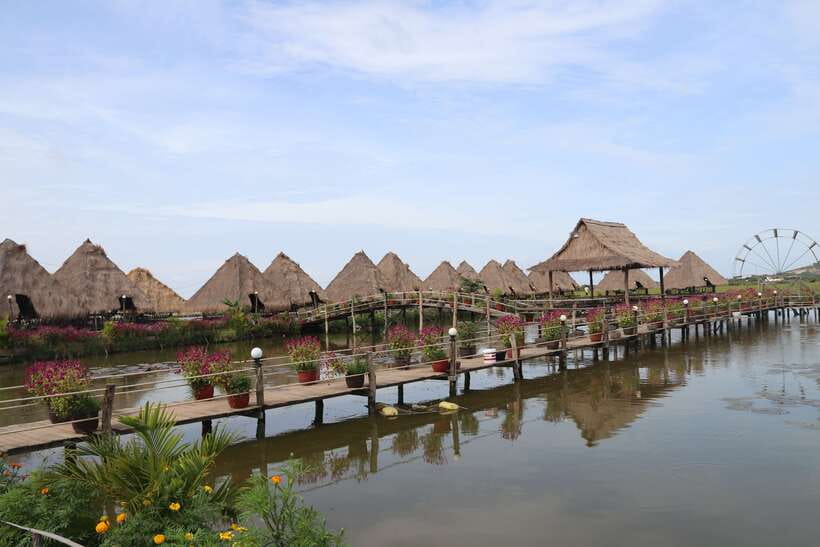
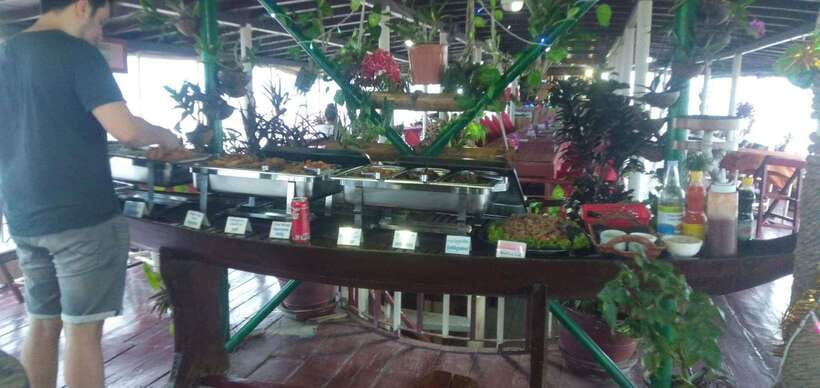
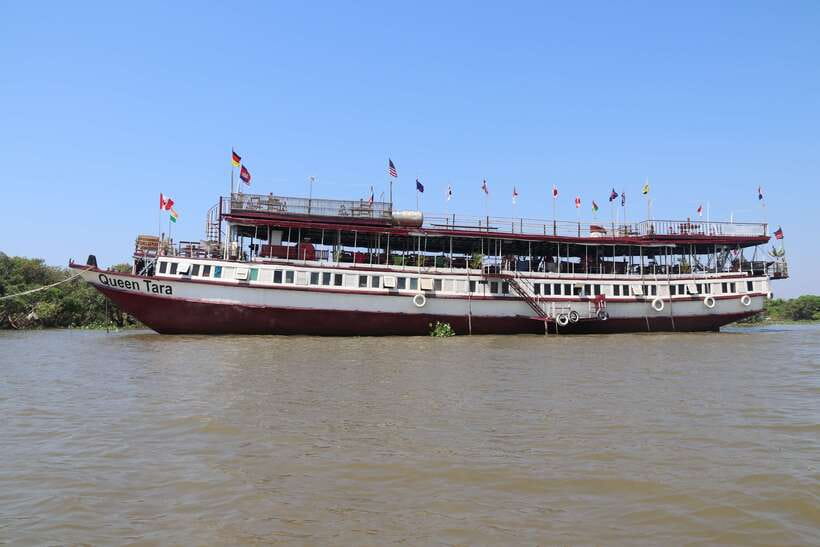
Lunch is included, served at Queen Tara in the heart of the floating village, along with a couple of free drinks. This is one of the best value pieces of the tour because you’re not just paying for a boat ride; you’re also paying for a meal inside the setting you’ve come to see.
In practice, lunch time helps you reset. You’ll have a clearer sense of the day’s scale after sitting down: the lake world isn’t only something passing by your camera; it’s a place where people eat, talk, and keep living. And since it’s included, you avoid the hassle of finding food at the end of a half-day tour.
Vegetarian options are available if you request them when booking. If you have any dietary needs, handle it early so you don’t spend your lunch thinking about substitutions.
Bird sanctuary spotting: painted stork and spot-billed pelicans
On this cruise, birdlife isn’t an add-on. You’re told to look out for birds connected to the neighboring bird sanctuary, which attracts a rich mix of species. Two named highlights are painted stork and large spot-billed pelicans.
Here’s how to make this part work for you: keep your eyes scanning as you move, not only staring at the exact spot where you think birds should land. On a moving boat, bird spotting is partly about timing. Even if you don’t identify every species, the chance to see major birds in a lake reserve context adds a natural layer that makes the villages feel even more interconnected with their environment.
Weather, comfort, and why the small group limit matters
The tour operates in all weather conditions, so dress appropriately. That simple note matters, because half-day tours can feel uncomfortable fast if you only bring temple-day outfits. Plan for sun and heat, and also think about rain protection since you’ll be outdoors around the water and on the boat.
Cold towels are included, which is a nice practical touch. They help a lot after sun exposure or if you get breezy wind on the lake.
The group is limited to 11 participants, and it’s a private boat trip, so you’re more likely to get a guide who can answer questions without rushing. You’ll also have an easier time hearing explanations, especially since the lake guide is English-speaking. That language factor is part of the value: the cruise feels far more satisfying when someone can explain what you’re seeing in plain terms.
Price and value: what $65 really buys in this half-day
At $65 per person for about four hours door-to-door, you’re paying for a package, not just a boat ticket. Included is hotel transportation, an expert guide, the private boat trip, cold towels, entrance fees, and lunch.
That matters because many short tours around Siem Reap charge a low base price but then add costs for meals or access. Here, lunch is part of the main structure, and that reduces decision fatigue. You also skip the ticket line, which saves time when you’re moving between stops.
So is it “worth it”? For me, it lands in the yes category if you want a focused half-day that combines real village life, a natural-biosphere setting, and a meal in the middle of the floating area. If you want the option to spend all day on foot exploring or deep-dive into history in multiple locations, you might prefer a longer format.
Guide energy: when names like Moni and Mali show up
A big reason this kind of tour works is the guide. You might meet guides such as Moni or Mali, and each one affects the feel of the day. In particular, you’ll get the most out of the floating village visit if your guide takes time to explain what you’re seeing—how the village formed, how it survives, and what challenges it faces.
Some guides also build in extra useful stops along the way. One guide example is Moni, who has been noted for adding extra stops like a lily farm and a lotus farm where lotus fruit might be tasted. Another guide example is Mali, who’s described as answering questions and pacing explanations so you don’t feel lost.
Language can be part of the experience too. English is provided, but accents vary, so if you’re sensitive to fast speech, ask follow-up questions early so you get a comfortable rhythm with your guide.
Who should book this Tonle Sap floating villages tour
This is a great fit if you want:
- A half-day outing from Siem Reap that feels different from temples
- A lake-and-lifestyle experience with real community context
- A tour where lunch is included and you don’t have to manage food logistics
- Chances to see birds tied to a sanctuary, not just village houses
It might be less ideal if:
- You’re expecting a long, on-foot walkthrough with lots of land time
- You want only one main activity and nothing else (the tour includes multiple themed stops: lotus, village, possible crocodile/fish farm, lunch, bird spotting)
- You need unaccompanied child travel (unaccompanied minors are not allowed)
Should you book this Tonle Sap floating villages tour?
I’d book it if you’re after a compact, well-paced day that mixes human life with nature context—especially the UNESCO biosphere framing and the boat-based viewpoint. The value holds up because you’re getting transportation, a private boat, entrance fees, cold towels, and lunch for one set price.
If you’re on the fence, make your decision based on what you want most: a moving view of floating life with guide-led explanation, plus a bird-and-lotus route. If that matches your mood, this is one of the most sensible ways to experience Tonle Sap without turning the day into a complicated juggling act.
FAQ
What time does the tour start?
The departure time is 10:00 from your Siem Reap pickup.
How long is the tour?
Each tour lasts about 4 hours door-to-door.
Is lunch included?
Yes. Lunch is included and served on Queen Tara, plus a couple of free drinks.
Are there vegetarian meal options?
Yes. A vegetarian option is available—advise the operator at the time of booking.
Is the boat trip private?
The tour includes a private boat trip. The group is limited to a maximum of 11 participants.
Can children join, and can minors travel alone?
Unaccompanied minors are not allowed. Children 10 or under are half price, and children 5 or under are free, but children must be accompanied by an adult.