REVIEW · SIEM REAP
Siem Reap: Kompong Khleang Floating Village Guided Tour
Book on GetYourGuide →Operated by Angkor One Daily Tour · Bookable on GetYourGuide
Tonle Sap changes by season, and fast. This Kompong Khleang visit is one of the largest stilted villages on the lake, and seeing it in person feels like watching local life adapt to water. Kompong Khleang and the Tonle Sap Lake boat ride are the two biggest wins, and I also really like how the day is explained by an English-speaking guide (often Dara). The main thing to plan around: it is not fully all-in—there’s an extra $20 adult entrance/private boat fee and the full floating look depends on when you go.
I like that this is set up for small groups (price is per group up to 3), so the pace stays calm and questions are easy to ask. The scenic drive through rice fields and villages also matters, because you get context before you reach the water. One possible drawback is that some people won’t love the walking and timing involved—this isn’t a good fit for wheelchair users, people with major mobility limits, or very young kids.
In This Review
- Key Things That Make This Tour Worth Your Time
- A Small-Group Stilt Village Day Trip From Siem Reap
- The Drive That Sets the Tone: Rice Fields and Countryside Stops
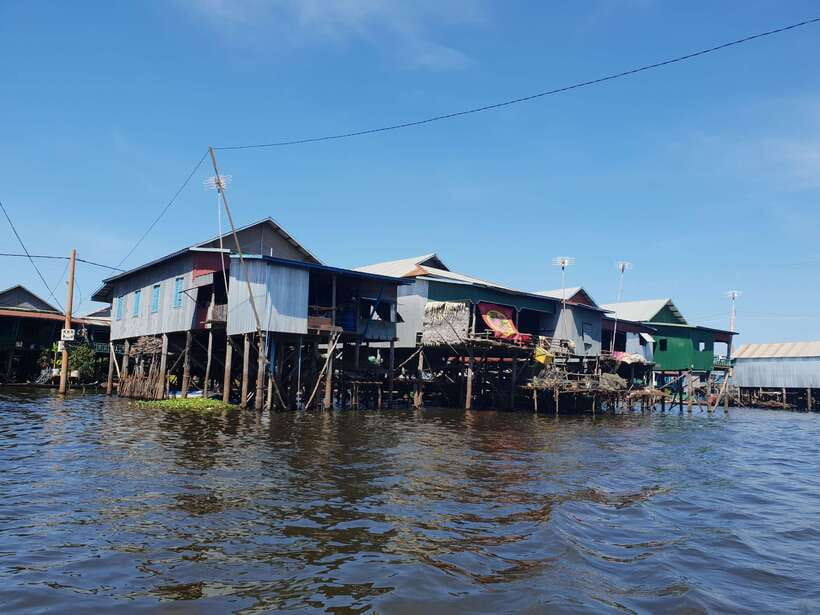
- Arriving at Kompong Khleang: Stilted Homes Built for Living With Water
- What You’ll Likely See on the Lake-Side Village Walk
- Tonle Sap by Boat: Floating Schools, Pagodas, and Working Waterways
- Seasonal Timing: When the Village Really Looks Like It Floats
- Pricing and Value: What $100 Covers and What Costs Extra
- Booking-Friendly Details That Matter on a Practical Day
- What to Bring (and What to Skip)
- Who This Tour Suits Best
- Should You Book Kompong Khleang?
- FAQ
- How long is the Kompong Khleang floating village tour?
- What is the price for this tour?
- What’s included in the $100 price?
- What costs extra that I should budget for?
- Is hotel pickup and drop-off included?
- Can I cancel for a refund?
- What should I bring with me?
- Who is this tour not suitable for?
Key Things That Make This Tour Worth Your Time
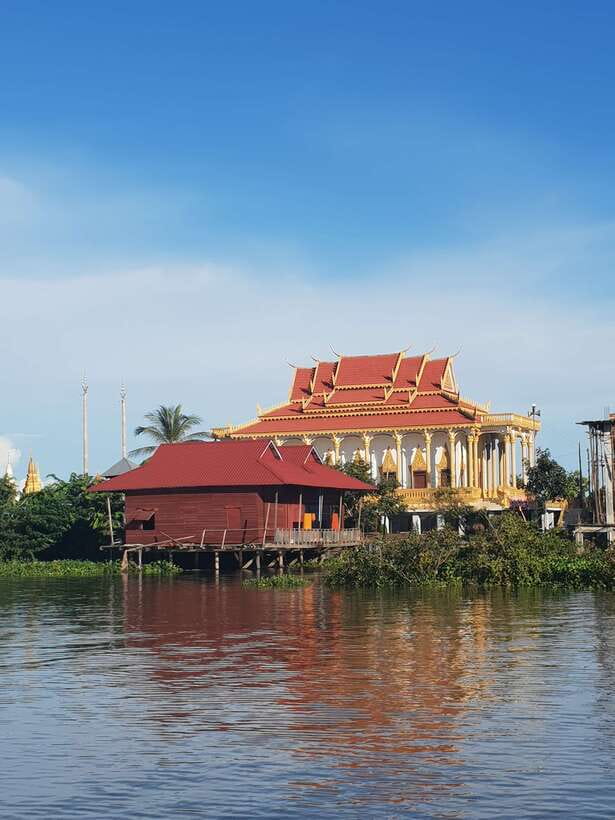
- Stilted village scale: Kompong Khleang is among the largest on the lake, so it feels real and lived-in, not staged.
- Seasonal transformation: wet season can make houses look like they float; dry season shows towering stilts clearly.
- Boat time on Tonle Sap: you’ll pass floating schools, pagodas, and lake homes while your guide explains daily life.
- A guide who talks like a person: Dara gets praised for clear explanations and a friendly, funny style.
- Practical stops on the way: you may see how fish are prepared and get a chance to taste sticky rice.
- Small-group comfort: hotel pickup, air-conditioned transport, and a manageable day length (6 hours).
A Small-Group Stilt Village Day Trip From Siem Reap
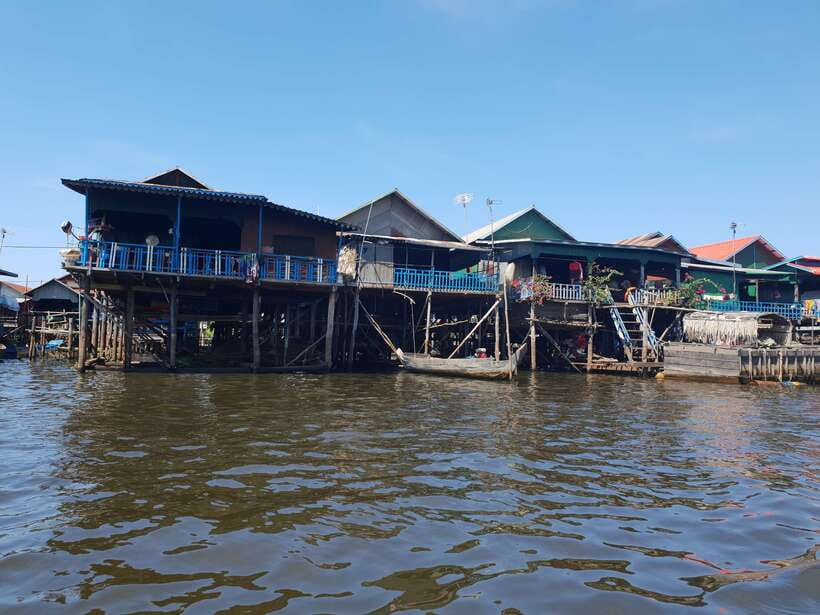
This is a focused half-day trip built around one place: Kompong Khleang, about 50 km from Siem Reap. You start with pickup from several areas around town (roads like Sok San Road, 7 Makara Street, National Road 6, Bakheng Road, and Salakamreuk Rd), then head out into countryside roads and rice fields.
With the tour priced per group up to 3, it tends to feel more personal than the big-bus style days. You also get an English-speaking local guide and air-conditioned transportation, plus mineral water for the ride—small touches that keep the day from feeling chaotic.
If you're still narrowing it down, here are other tours in Siem Reap we've reviewed.
The Drive That Sets the Tone: Rice Fields and Countryside Stops
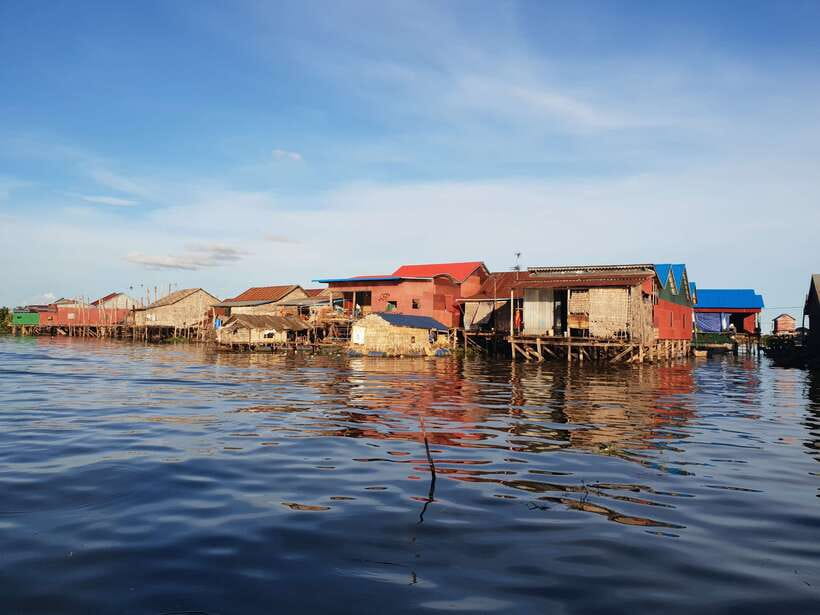
The best part of the morning drive is that it puts you in the right mindset. As you move away from Siem Reap, you pass rural villages and rice fields, and you start to see how the lake and farming connect to the rhythm of the year.
On the route, your guide may include brief explanation stops. In one recent experience, the stops included seeing how fish caught from the lake is prepared, and there was also a chance to taste sticky rice. Even if your exact route varies, this kind of roadside context helps you understand what you’re about to see at Kompong Khleang.
Arriving at Kompong Khleang: Stilted Homes Built for Living With Water
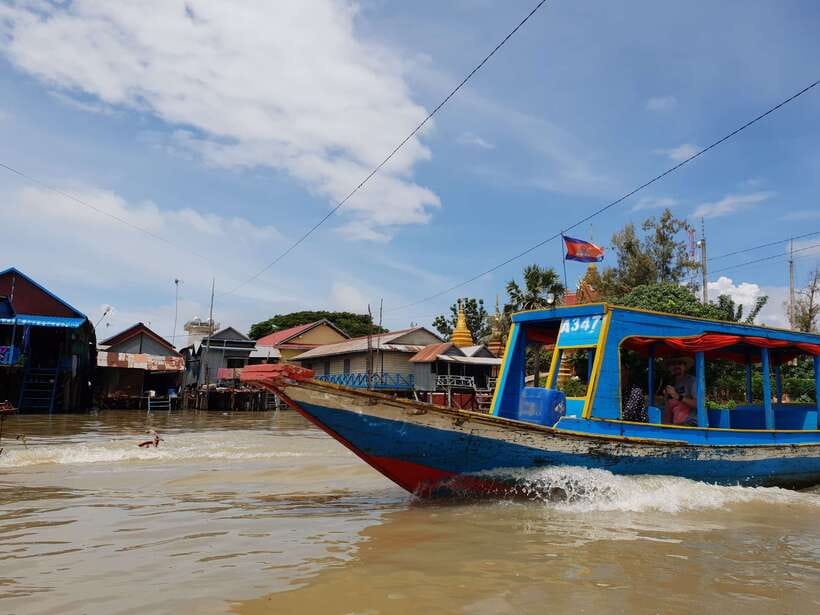
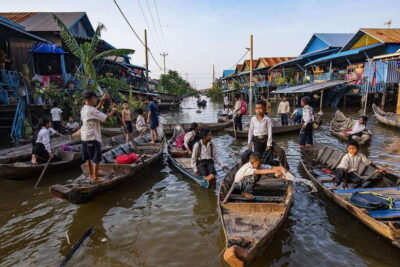
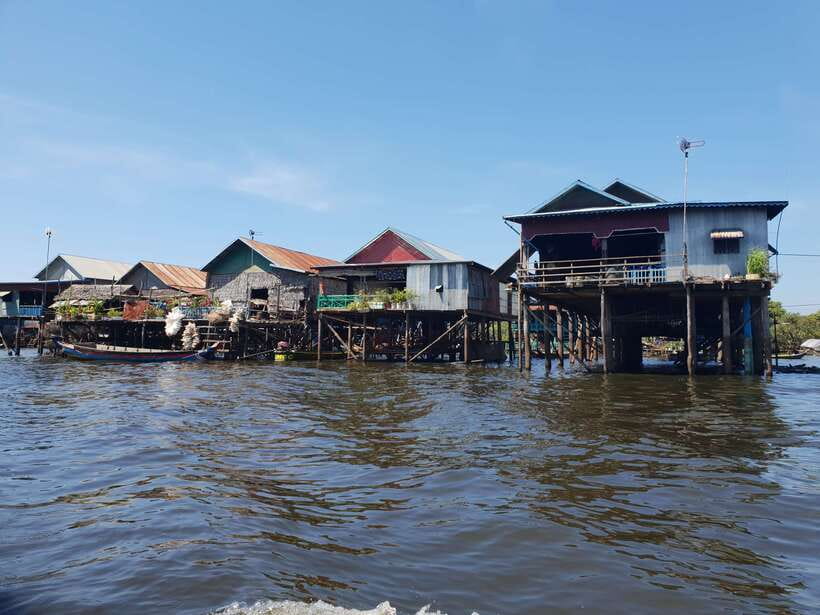
When you reach Kompong Khleang, the first impression is the sheer verticality. Houses sit on stilts, and the height changes how the village looks depending on the season. In rainy periods, more water covers the area, so homes can appear to float. In drier months, the stilts are more exposed, and you get a clearer view of the framework that supports daily life.
This is not just a pretty viewpoint. Your guide should connect the structures to the local routine—how fishermen work, how farmers plan around seasonal water shifts, and how people move through waterways rather than streets.
A key value here is perspective. Many visitors come thinking of a floating village as a single photo moment. Kompong Khleang is more like a living system: the water level changes, but the community keeps functioning.
What You’ll Likely See on the Lake-Side Village Walk
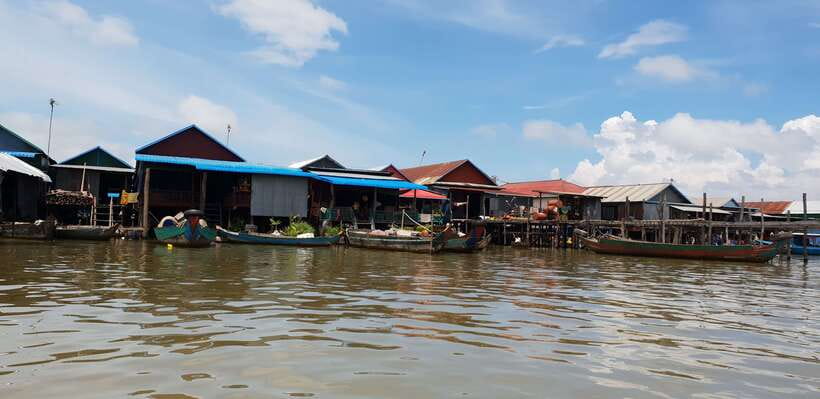
Once you’re in the village area, expect a calm, culturally focused visit. You should spend time around the practical parts of life: lake work, homes above the waterline, and the small interactions that make communities feel human rather than museum-like.
Your guide typically shares cultural insights into traditional Khmer lifestyle and how locals adapt to being surrounded by Tonle Sap. If you’re the type who likes asking questions, this is a good place to do it. The tone is usually friendly, and in multiple bookings Dara is mentioned for answering questions well and keeping the mood relaxed.
One thing to remember: this is a community you’re entering. You’ll get more from the visit if you stay mindful with photography and keep your attention on what people are doing, not just how things look.
Tonle Sap by Boat: Floating Schools, Pagodas, and Working Waterways
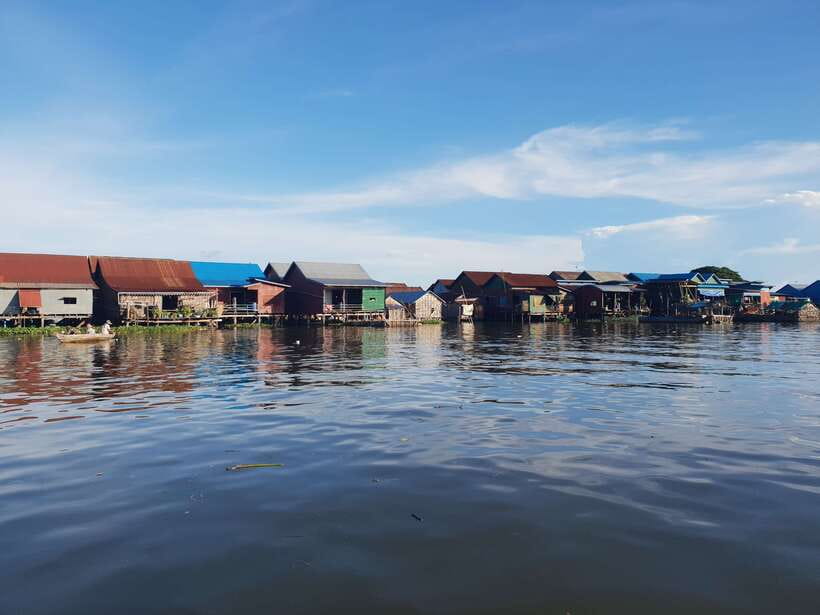
The tour includes a boat trip across Tonle Sap Lake, and that’s where the day really clicks. From the water, you can see more of the village layout and the way waterways act like the area’s highways.
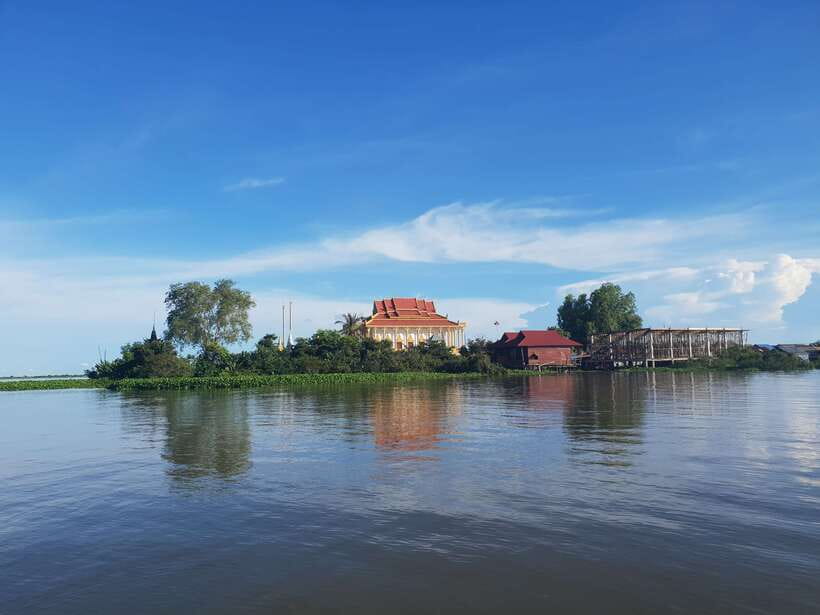
On the boat portion, you may pass floating schools, pagodas, and other homes connected to the lake. Your guide’s job is to connect those sights to daily life—how people go about education, worship, and work when the environment itself changes.
This boat ride is also a good timing tool. Since the lake moves with the seasons, you’re seeing a different Tonle Sap at different times of year. Even if you’ve read about floating communities before, the scale tends to feel more real once you’re out on the water.





Seasonal Timing: When the Village Really Looks Like It Floats
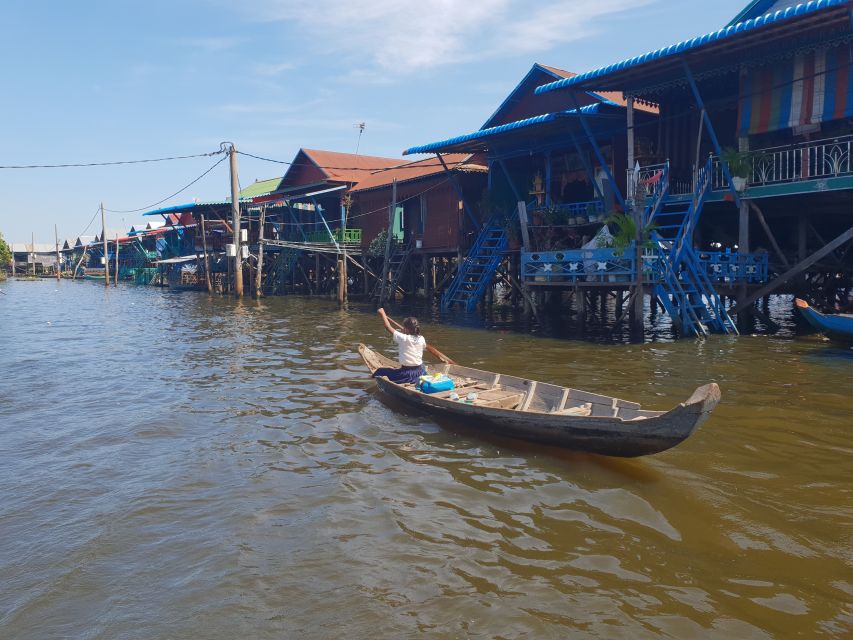
Season is the difference between a “nice visit” and the full effect. The tour itself explicitly notes that the village changes with the rainy and dry seasons—wet season tends to push water higher so houses look like they float, while dry season reveals the taller stilts.
A practical tip from real-world experience: if you’re aiming for the strongest floating look, plan for May through December. One booking mentioned that visiting at the wrong time can reduce the full-floating effect, though the day still stays enjoyable.
If you can only travel at one time of year, don’t panic. The stilt village structure is impressive in any season. Just adjust your expectations: you might see more of the “on stilts” side in the dry months, and more of the “water-surrounded” side during wetter periods.
Pricing and Value: What $100 Covers and What Costs Extra
At $100 per group (up to 3 people), the pricing is fairly simple. You’re paying for a guide, air-conditioned transport, and the core tour plan.
But here’s the part you should not ignore: food and drinks are not included, and there’s an entrance ticket ($20 USD per adult) for entry and private boat exploring. You also need to plan for the day’s cash needs—cash is specifically listed as something to bring.
So is it good value? In my view, it can be. You get:
- hotel pickup and drop-off service in Siem Reap,
- an English-speaking local guide,
- air-conditioned transportation,
- mineral water,
- and a lake boat experience as part of the program.
If you’re traveling as a small group of 2–3, the per-person value tends to improve quickly. If you’re traveling solo, the total may feel higher once you factor in the $20 adult ticket.
Also note: the listing mentions skipping the ticket line. That matters on busy days, because ticket queues can eat time you’d rather spend on the water.
Booking-Friendly Details That Matter on a Practical Day
This trip offers free cancellation up to 24 hours in advance for a full refund and a reserve-now, pay-later option. That’s useful in Cambodia, where plans often shift around heat, weather, or how your energy holds up after temple days.
The tour duration is 6 hours, which is a comfortable slot if you want something cultural without committing to a full day. Just don’t plan anything tight right afterward—between pickup, driving time, and boat timing, the day feels more like a half-day excursion than a quick photo stop.
What to Bring (and What to Skip)
Bring sun protection seriously. The tour suggests sunglasses, a hat, and sunscreen, plus a camera if you want photos of the stilt houses and Tonle Sap from the boat.
Wear comfortable clothes you don’t mind getting dusty, and bring cash for the extra $20 per adult entry/private boat fee and any personal spending. Water is included, but you’ll still want to think about what you’ll do for food since meals and drinks aren’t included.
Also, there are clear “not allowed” rules: no baby carriages, no explosive substances, and no riding animals. Those restrictions help keep things safe and orderly.
Who This Tour Suits Best
This is a strong fit if you:
- want a cultural day that’s about how people live, not just what monuments look like,
- like small-group pacing and having time for questions,
- are curious about how seasonal water changes shape daily life.
It’s also a good match if you like travel days with variety: countryside drive, village life, then boat time on Tonle Sap.
But skip it if you need wheelchair access, have mobility impairments, or you’re dealing with significant back problems. The tour also isn’t recommended for people over 80, and children under 3 shouldn’t join.
Should You Book Kompong Khleang?
Book it if you want one of the most meaningful experiences around Siem Reap that doesn’t require temple stamina. The combination of Kompong Khleang’s stilted village setting plus Tonle Sap boat views gives you both “how it works” and “what it looks like,” and guides like Dara are a big reason the day lands well.
Don’t book it if:
- you don’t want to budget the extra $20 adult ticket,
- you’re traveling with major mobility limits,
- or you expect a guaranteed “floating houses everywhere” effect regardless of season.
If you match those expectations, this is the kind of day that leaves you thinking about Cambodia as a living relationship with water—not just a backdrop for photos.
FAQ
How long is the Kompong Khleang floating village tour?
The tour lasts 6 hours.
What is the price for this tour?
It costs $100 per group, up to 3 people.
What’s included in the $100 price?
You get an English-speaking local guide, air-conditioned transportation, and mineral water.
What costs extra that I should budget for?
Food and drinks are not included. There is also an entrance ticket of $20 USD per adult for entry and private boat exploring.
Is hotel pickup and drop-off included?
Yes. Pickup and drop-off are included, with multiple pickup/drop-off road options. You’re asked to wait in the hotel lobby 10 minutes before pickup time.
Can I cancel for a refund?
Yes. You can cancel up to 24 hours in advance for a full refund.
What should I bring with me?
Bring sunglasses, a hat, a camera, sunscreen, comfortable clothes, and cash.
Who is this tour not suitable for?
It is not suitable for children under 3 years, people with back problems, people with mobility impairments, wheelchair users, and people over 80 years.