REVIEW · SIEM REAP
Siem Reap Morning Culinary & Culture Tour – (Vego also available)
Book on Viator →Operated by Urban Forage · Bookable on Viator
Breakfast becomes a street lesson in Siem Reap. I like how this small-group morning (max 6 people) mixes real Khmer food with quick culture stops instead of just handing you plates. I also love the focus on Khmer ingredients and how the dishes connect to history, from an early breakfast rooted in the 13th century to family-run street bites you’ll actually remember.
One thing to plan for: it runs in the morning and depends on good weather, so if you hate walking or you’re sensitive to heat, wear light layers and bring water. It’s about 3 hours, and it ends back at the same meeting point—plus there are two surprises waiting at the finish.
In This Review
- Key points I think are worth your attention
- Where the Siem Reap morning starts: Made in Cambodia Market at 9:00
- Market morning tastings: Khmer ingredients and a 13th-century link
- Pagoda walk and street shop breakfast: seeing daily life up close
- Final breakfast at a produce-grown dining spot: what’s next for Khmer food
- The two surprise moments: why the ending matters
- Price and value: what $45 buys in a 3-hour morning
- Pacing, walking, and weather: how to make the morning feel easy
- Who should book this Siem Reap breakfast tour?
- Should you book the Siem Reap Morning Culinary & Culture Tour?
- FAQ
- How long is the Siem Reap morning culinary tour?
- What time does the tour start, and where does it meet?
- Is there a vegetarian option?
- What will I eat during the tour?
- How big are the groups?
- Does the tour run in any weather?
- Can I cancel for free?
Key points I think are worth your attention
- Three Cambodian breakfasts across different spots, not just one stop-and-go tasting
- Local market start where you learn Khmer ingredients you might not notice on your own
- Pagoda walk + family-run street shop for a proper slice of daily life
- Final breakfast with produce grown next to the table, in an up-market setting
- Two surprise moments at the end, keeping the tour from feeling like a straight checklist
Where the Siem Reap morning starts: Made in Cambodia Market at 9:00
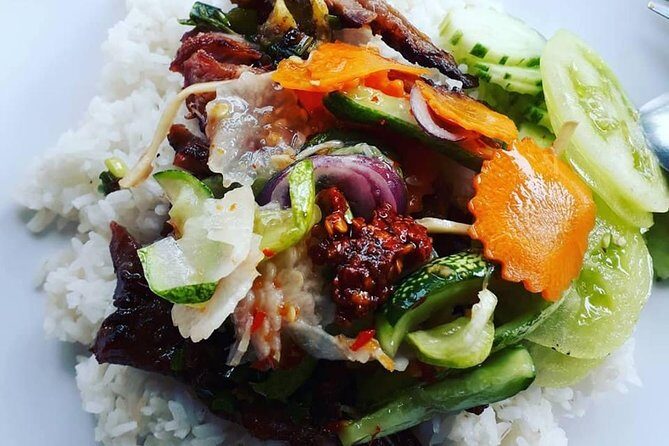
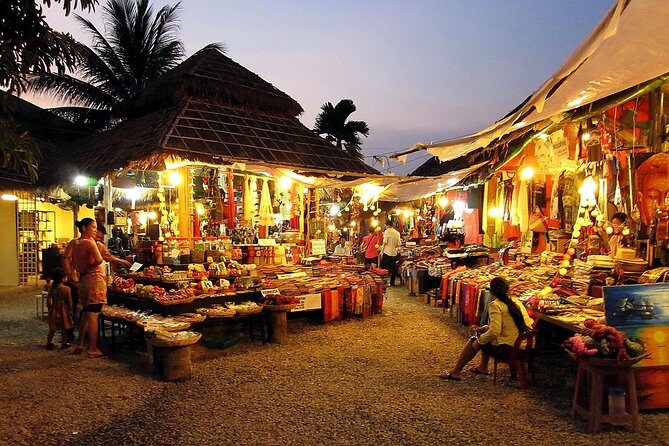
This tour kicks off at 9:00 am at Sombai Liqueur Stall @ Made in Cambodia Market on Achar Sva Street, within the Made in Cambodia Market area. You’ll end back at the same meeting point, so you’re not stuck navigating Siem Reap afterward with a full stomach and a phone battery at 3%.
The location choice is smart for a morning food tour. Markets are where you see ingredients before they become dishes, and starting there sets your brain up to notice flavors, textures, and even how people shop. If you’re arriving early, give yourself a few minutes to orient—market streets can feel busy even when the tour group stays small.
Also, this is run by Urban Forage, a food and art tour operator. That matters because it’s not only about eating; the pacing is designed to connect what you taste to what you see on the streets.
Tip from me to you: if you’re doing this after temple sightseeing, try not to cram too much the night before. A 9:00 am start is early enough that you want your mornings to feel easy, not rushed.
A few more Angkor & Siem Reap tours and experiences worth a look
Market morning tastings: Khmer ingredients and a 13th-century link
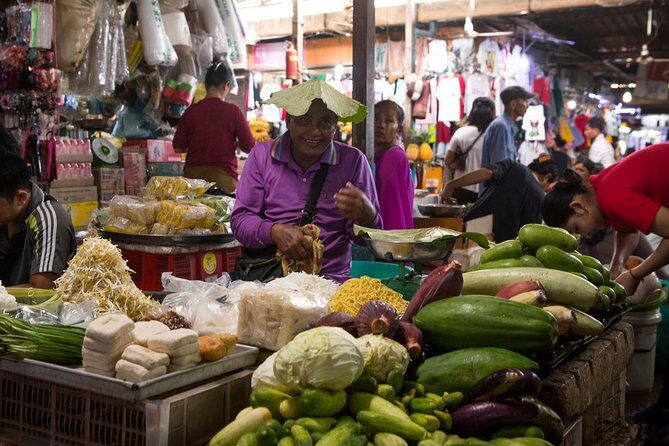
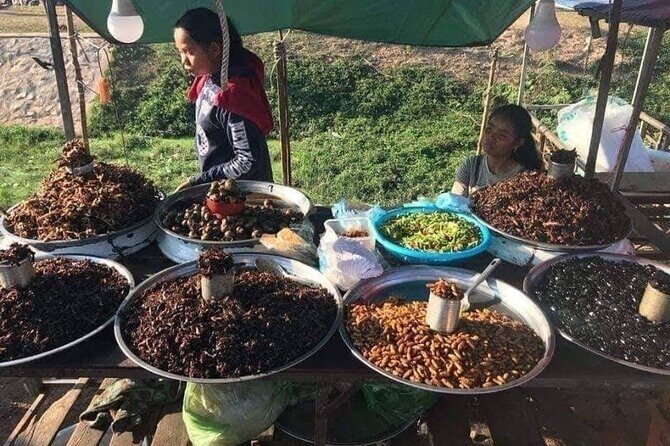
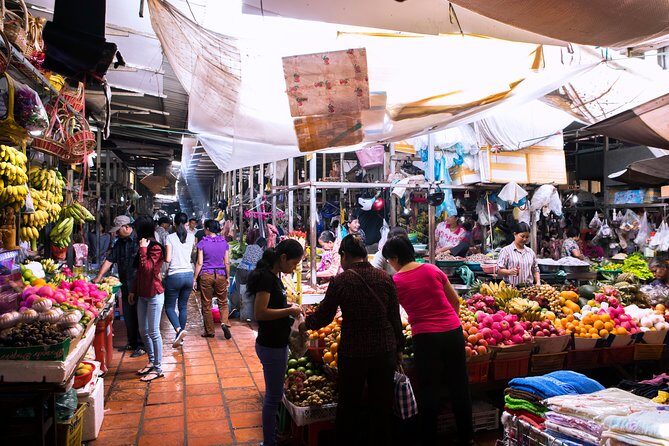
Your first stop is a colorful local market, and the tour leans into that full-sense feeling—smells, sights, sounds, the way stalls work together to feed the neighborhood. This is where you’ll get an introduction to Khmer cuisine and ingredients, including some that don’t always get the spotlight when people talk about Cambodian food.
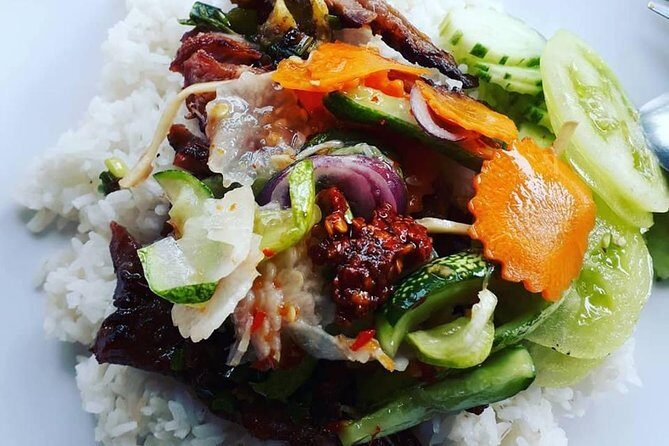
Then comes your first Cambodian breakfast dish. The tour frames it as a dish rooted in Cambodian history going back to the 13th century. Even if you don’t care about dates, that connection helps you eat with a bit more context: you’re not just tasting something tasty today; you’re tasting a style of breakfast that has had a long life in Khmer daily routines.
What makes this market section valuable is how it sets you up to understand the rest of the tour. You’ll start noticing how ingredients behave—how they’re prepared, how they’re combined, and why certain flavors show up again and again. It’s the kind of lesson you can carry into future meals, even when you’re eating without a guide.
Possible drawback: markets can be a lot in the first 15 minutes, especially if you’re not into crowds or strong smells. Pace yourself, take small breaks, and focus on questions you can actually use—What are they using? What’s the base flavor? What’s the texture like?
Pagoda walk and street shop breakfast: seeing daily life up close
After the market, you’ll head out on a guided mini city orientation and a pagoda walk. This is a good reset from pure food focus. You get a short orientation to the area so you can make sense of what you’re seeing later in Siem Reap, and the pagoda stop adds a calm counterpoint to the market energy.
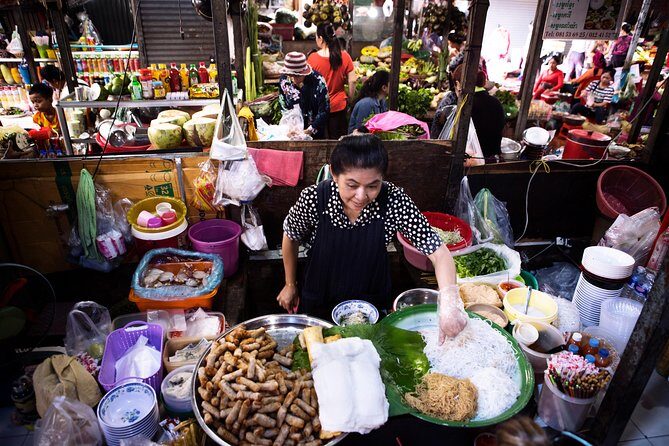
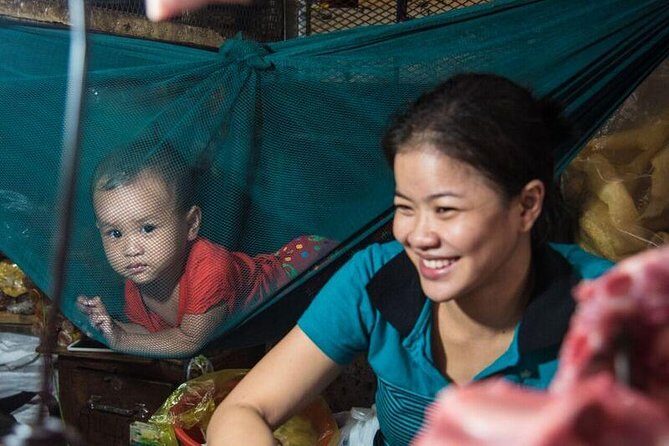
Then the tour stops at a mother-and-daughter-run street shop for another Cambodian breakfast favorite. The emphasis here is on the everyday side of Khmer eating—small, family-run, and made to serve regular morning customers, not tourists searching for a landmark meal.
The tour also describes this dish as arguably the most famous Cambodian breakfast. Even without a fancy setting, that reputation tells you something: this is the kind of food locals often treat as normal, comforting routine food. That’s a big part of why I like this stop. It helps you taste the country as it actually eats, not as a brochure suggests it should eat.
Here’s the practical side: because it’s a walking tour with multiple tastings, you should keep your expectations realistic. You’re not trying to out-eat the guide; you’re trying to sample, compare, and learn. If you go in hungry but with a steady pace, the route works really well.
If you want to get the most out of this portion, use the walk to ask about how breakfast fits into daily life—what people choose in the morning, and what flavors show up consistently across dishes.
Final breakfast at a produce-grown dining spot: what’s next for Khmer food
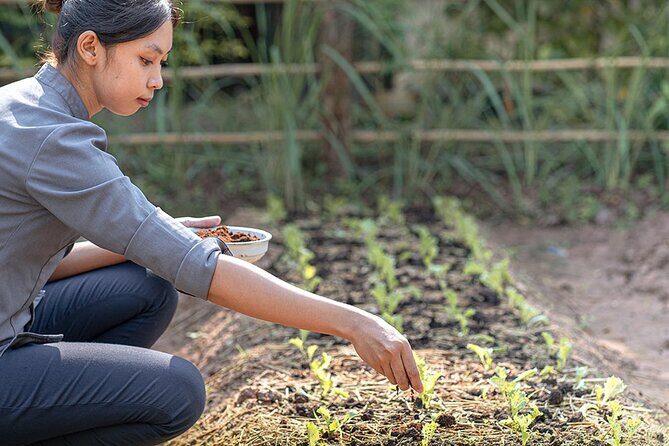
After a small walk, you settle in for the final breakfast at a unique dining spot in a more up-market setting. The big detail here is the produce connection: the tour highlights that the produce is grown next to where you eat.
That one fact changes how you experience the food. When ingredients come from right by your table, you tend to notice freshness more easily—crunch, aroma, and the way flavors feel cleaner. It’s also a lesson in where Khmer cuisine may be heading next, with local produce playing a central role.
The guide frames this as a sign of the future of Khmer cuisine. You don’t need to buy the future-sales pitch to appreciate the point. For a visitor, this last stop is the most comfortable meal of the morning and a chance to reflect on what you tasted earlier. The flavors you learned at the market and street stalls aren’t gone—they get refined, plated, and served with more attention to the dining experience.
Balanced advice from me to you: if you’re the kind of eater who worries about getting too full too fast, save a little space in your stomach. This final meal is meant to be your finish line, not your final nap.
Also, since the tour is about breakfast, you’ll feel the logic of the schedule. Early dishes first, then a calmer sit-down environment as you wrap up.
The two surprise moments: why the ending matters
Every good food tour has a finish that leaves you with more than leftovers. This one includes a surprise—actually two surprises—at the end.
We don’t get details on what they are, but that lack of specifics is part of the value. It keeps attention high when you might otherwise be thinking only about the last bites and the walk back. And it gives you a sense that the tour has been designed with real experience in mind, not only a list of tasting stops.
For your planning, treat the finish as part of the program, not an optional extra. If you schedule something right after 12:00 pm, leave buffer time. You’ll want to be ready to take part fully, especially if you’re using the tour as your morning anchor while you explore temples and streets later.



Price and value: what $45 buys in a 3-hour morning
The price is $45 per person for about 3 hours, and you’re getting a lot more than a single tasting. You start at a market, you get guided city orientation and a pagoda walk, and you enjoy multiple Cambodian breakfasts across different settings—street stall to sit-down dining.
Here’s how I’d think about value if you’re deciding whether to book:
- You’re paying for interpretation: the point isn’t just eating; it’s learning how ingredients and dishes connect to Khmer culture and daily life.
- You’re paying for access: markets and family-run street shops can be hard to approach confidently on your own. A guide helps you order and understand without guessing.
- You’re paying for pacing: the tour spreads food across stops instead of dumping everything on you at once.
Small group size (max 6) also matters for comfort and attention. In a big group, it’s easy to lose the thread. Here, it’s more likely you can ask questions and get real explanations.
If you’re comparing this to doing breakfast on your own, remember that you’re not only buying food. You’re buying a guided morning that teaches you what to look for next time you’re eating in Siem Reap.
One more practical note: this tour is often booked about 34 days in advance on average. If your dates are fixed, don’t wait for “maybe we’ll do it.”
Pacing, walking, and weather: how to make the morning feel easy
This is a 3-hour walking-focused experience, and it’s set up like a guided route through market areas, streets, and a pagoda walk. That means the biggest “work” you’ll do is moving between stops and staying present while you taste.
The tour also requires good weather. If conditions are poor, you should expect the tour to be rescheduled or refunded. That’s not a minor detail—you’re walking outdoors—so check the forecast the day before and plan a flexible morning.
What you can control:
- Wear comfortable shoes you trust for uneven sidewalks.
- Bring water. Breakfast tours still make you thirsty.
- Don’t schedule something stressful right before the tour. Morning food tasting is best when you can relax.
And if you’re the kind of person who likes to take photos, do it between tastings. Market light and street scenes are great, but you’ll enjoy the food more when you’re not constantly juggling eating while also trying to capture every second.
Who should book this Siem Reap breakfast tour?

This tour is a strong fit if you want:
- Khmer food beyond the standard highlight list
- A morning plan that mixes culture + practical food knowledge
- A route you can’t easily replicate on your own without losing time and confidence
- A smaller-group experience where you can actually absorb explanations
It’s especially good if you’re doing temple-heavy days. A breakfast tour like this gives you a different kind of Siem Reap story—how people eat, shop, and live, not only what they built.
If you’re the type who hates walking or you need lots of downtime, consider your comfort level. The tour is short, but it’s still a walk with multiple tastings.
Also note: there is a Vego option available. If you prefer vegetarian-focused choices, that could be the way to go.
Should you book the Siem Reap Morning Culinary & Culture Tour?
Yes, you should book it if you want a guided breakfast that teaches you how Khmer food works—ingredients, habits, and the everyday reality behind the dishes. At $45 for a 3-hour morning, the value comes from multiple tastings plus the guided context, not just one meal.
Skip it or reconsider if you’re worried about weather, hate outdoor walking, or you only want a simple self-guided meal. Also, if you’re very sensitive to smells and market crowd noise, go in with a calm mindset and pace yourself.
FAQ
How long is the Siem Reap morning culinary tour?
It lasts about 3 hours.
What time does the tour start, and where does it meet?
It starts at 9:00 am. The meeting point is Sombai Liqueur Stall @ Made in Cambodia Market on Achar Sva Street.
Is there a vegetarian option?
Yes. There is a Vego option available.
What will I eat during the tour?
You’ll enjoy multiple Cambodian breakfast dishes across different stops, including one dish linked to history dating back to the 13th century, plus another well-known Cambodian breakfast favorite and a final breakfast at a dining spot where produce is grown nearby.
How big are the groups?
The tour has a maximum of 6 travelers.
Does the tour run in any weather?
It requires good weather. If canceled due to poor weather, you’ll be offered a different date or a full refund.
Can I cancel for free?
Yes. You can cancel for a full refund if you cancel at least 24 hours before the experience starts.