REVIEW · SIEM REAP
Small-Group Full Day Angkor wat Guide tour with Sun set
Book on GetYourGuide →Operated by Angkor Wat Share Tours · Bookable on GetYourGuide
Angkor hits different at sunset. This full-day small-group circuit gives you a guided route through the Khmer heartland, ending with views from Phnom Bakheng. I like how the day is built around the big emotional moments (Angkor Wat’s carvings, Ta Prohm’s roots, Bayon’s faces), not just a checklist. The only thing to watch is the Angkor Pass cost, which you pay on the day.
What makes this work well is the human factor: you’re not wandering alone, and the English guides tend to bring the temples to life with stories, humor, and photo help. Names that come up often include Vone, Kosal, Mr John, and Coco, and their style is the kind that keeps the day moving without turning it into a race. If your English is picky or you want lots of solo time, you might need to manage expectations on pacing because you’ll be hopping between sites with a planned flow.
In This Review
- Quick hits
- Price and what you’re truly paying for (and why it’s good value)
- How the day runs: pickup, drive times, and staying sane
- Entering Angkor Wat: the biggest temple, explained in a way that clicks
- Ta Prohm: the temple where the jungle takes over
- Angkor Thom and Bayon: southern gate giants to the face towers
- Ta Keo: the unfinished pyramid with big attitude
- Lunch timing and Banteay Kdei: refuel without losing the day
- Phnom Bakheng at sunset: where the whole circuit lands
- Your guide is the difference maker (and you’ll feel it fast)
- What to bring: the small kit that prevents a miserable day
- Dress code and on-site rules: keep it simple and covered
- Who this tour is best for (and who might want a different option)
- The real call: should you book this Angkor Wat with sunset tour?
- FAQ
- Is the Angkor Pass included in the tour price?
- What temples are visited on this tour?
- How long is the full day tour?
- Do they provide hotel pickup and drop-off?
- What should I bring for the day?
- Are meals included?
Quick hits
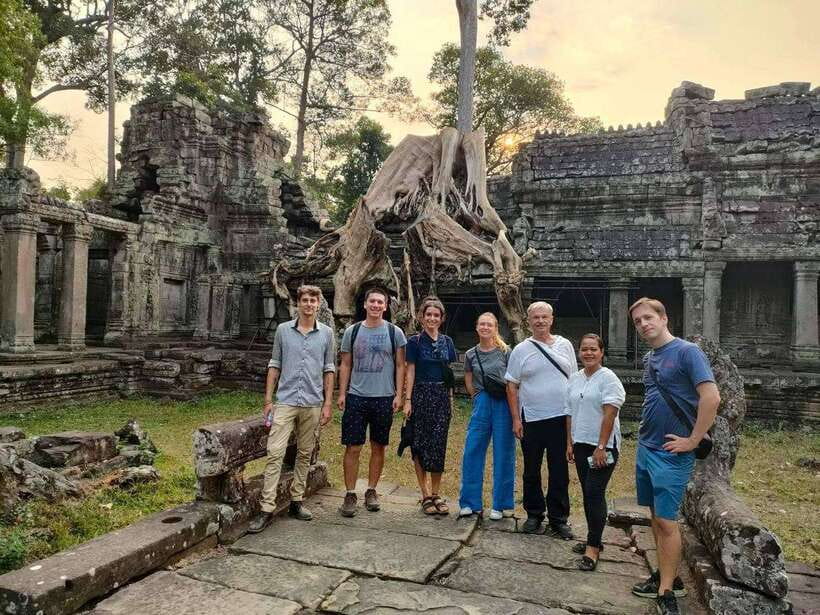
- 6 key stops in one day, including Angkor Wat, Angkor Thom (southern gate + Bayon), Ta Prohm, Ta Keo, and a sunset viewpoint at Phnom Bakheng
- A real guide in your ear the whole time, with room for questions and practical photo tips
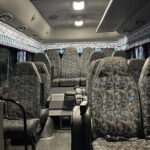
- Air-conditioned van/coach plus cold water and wet towels for the heat
- Jungle-lined Ta Prohm path with the signature entwining tree roots
- Short climbing moments (not marathon efforts) that let you feel the scale from terraces
Price and what you’re truly paying for (and why it’s good value)
The listed tour price is $14 per person, and the big catch is that the Angkor Pass (one-day ticket) is an additional $37 paid on the day. Tickets often feel like the “real cost,” but here’s the way to think about value: your money mostly buys logistics plus interpretation.
You’re paying for:
- Hotel pickup and drop-off in Krong Siem Reap
- English-speaking guide for the main temples
- Air-conditioned transport to stitch together sites that would be painful to coordinate on your own
- Cooling help: cool water and wet towels
- A guided set of major temples, including the sunset viewpoint
Once you add the $37 pass, you’ll still be in a reasonable zone compared with hiring private transport for a full day of temple visits. And the guide matters more than people expect. Angkor is crowded with symbols, myth, and architecture details. Without guidance, you’ll still be impressed, but you’ll miss the “why it’s shaped that way” part.
If you're still narrowing it down, here are other tours in Siem Reap we've reviewed.
How the day runs: pickup, drive times, and staying sane
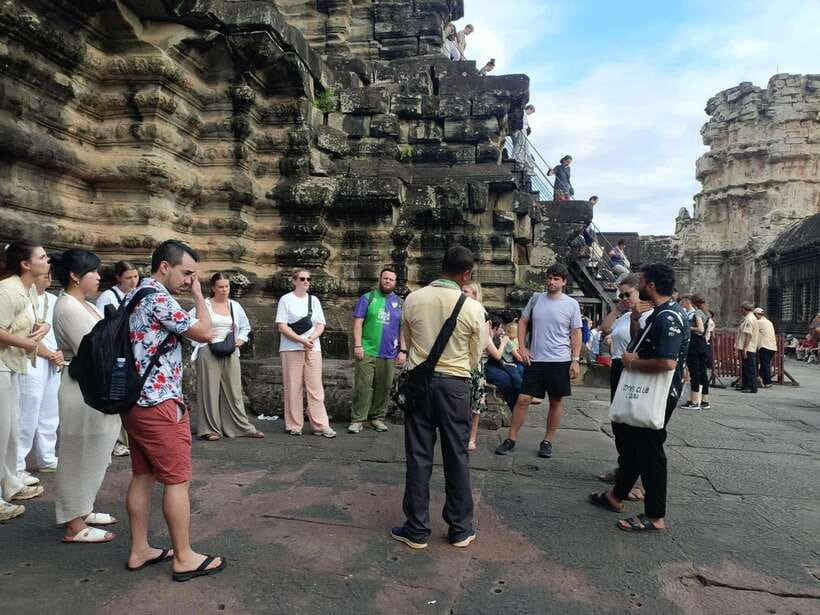
This is an 8–10 hour full-day outing. Expect a fairly clear schedule that begins with pickup from your accommodation in Krong Siem Reap. You’ll want to be ready around 30 minutes before the start time to avoid delays.
Between temples, you’ll ride in an air-conditioned mini van/coach, typically with short drive legs (the itinerary includes multiple transfers). That’s not just for comfort. It’s a heat-management strategy. Angkor days can be brutal, and the guided stops work because the transportation helps you avoid wasting time in transit when you’d rather be seeing.
Also, this tour provides cool water and a wet towel. I’d treat that like a gift, not a bonus. Drink early, wipe sweat often, and take the guide’s suggested breaks seriously. Your photos will be better, too.
Entering Angkor Wat: the biggest temple, explained in a way that clicks
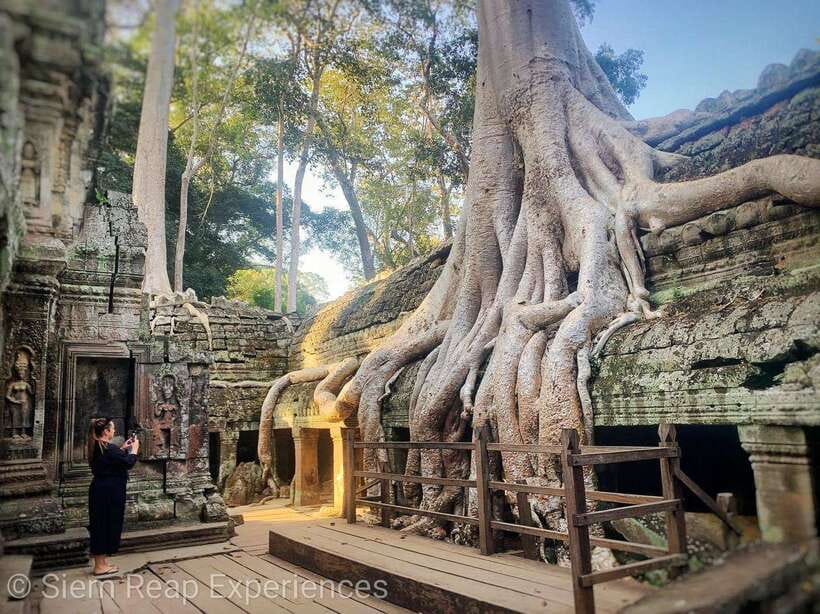
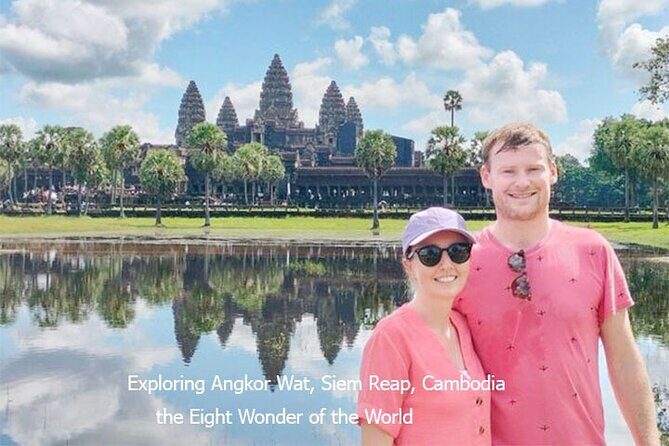
Angkor Wat is the headline for a reason: it’s the world’s largest religious monument, and it’s built for slow awe. Your guided time here is about 2+ hours, which is enough to understand the layout without feeling like you’re stuck in endless corridors.
What you’ll do (and what to look for):
- You’ll cross the moat and pass through the outer wall to get your bearings.
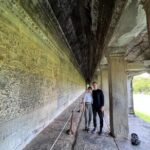
- Then you move through the rectangular galleries, where the carvings start to “tell stories” instead of just decorating stone.
- You’ll spend time on the bas-reliefs—mythology and scenes of kings and battles—so the temple’s imagery has context.
Two things I love about a guided Angkor Wat stop:
1) Your guide helps you notice patterns you’d otherwise overlook, like how scenes are organized and why certain motifs appear where they do.
2) You get help timing your movement so you can avoid the worst crush at key spots.
A practical consideration: Angkor Wat is big. Even with guidance, there’s a lot of walking and sun exposure. Bring sunglasses and sunscreen, and wear shoes you can handle for a full day.
Ta Prohm: the temple where the jungle takes over
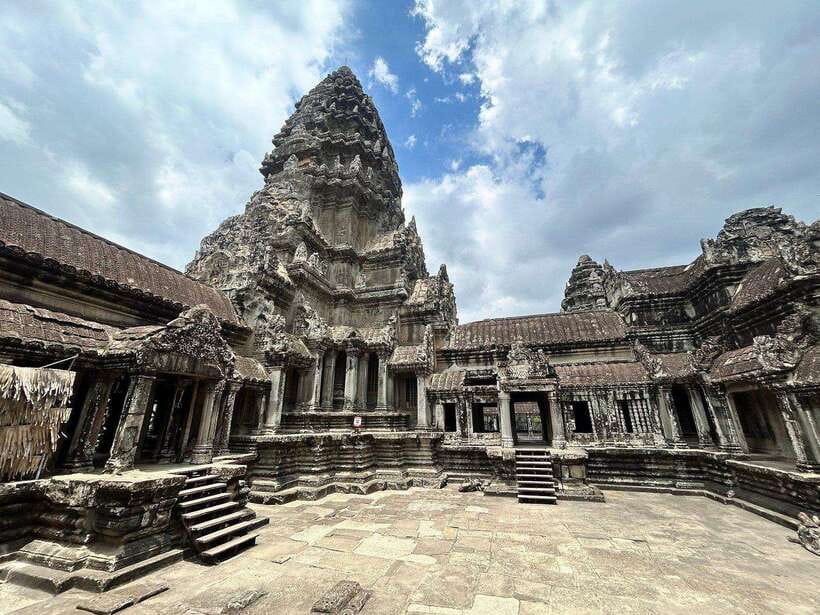
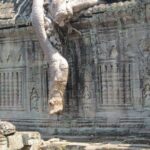
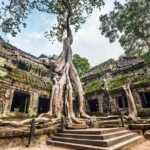
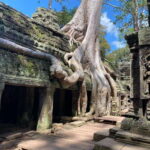
If Angkor Wat is the masterpiece, Ta Prohm is the movie scene. You’ll walk along a jungle-lined path and then reach the famous ruins where tree roots and branches intertwine through the stone.
You’ll get about 1.5 hours here with guidance. This is the part that usually makes people forget they’re standing in the middle of a tour route. Roots twist over doorways, stones feel like they’re holding their breath, and the whole place looks “alive” in a way that photos often fail to capture unless you’re in the right angles.
What to expect:
- A guided route that helps you see the most striking viewpoints without wandering in circles.
- Time to pause and let the place sink in, especially if your guide helps with photo spots.
Possible drawback: Ta Prohm can feel slower and more enclosed because of the vegetation and the way paths funnel traffic. If you hate waiting behind others, lean into the guide’s pace and be flexible.
Angkor Thom and Bayon: southern gate giants to the face towers
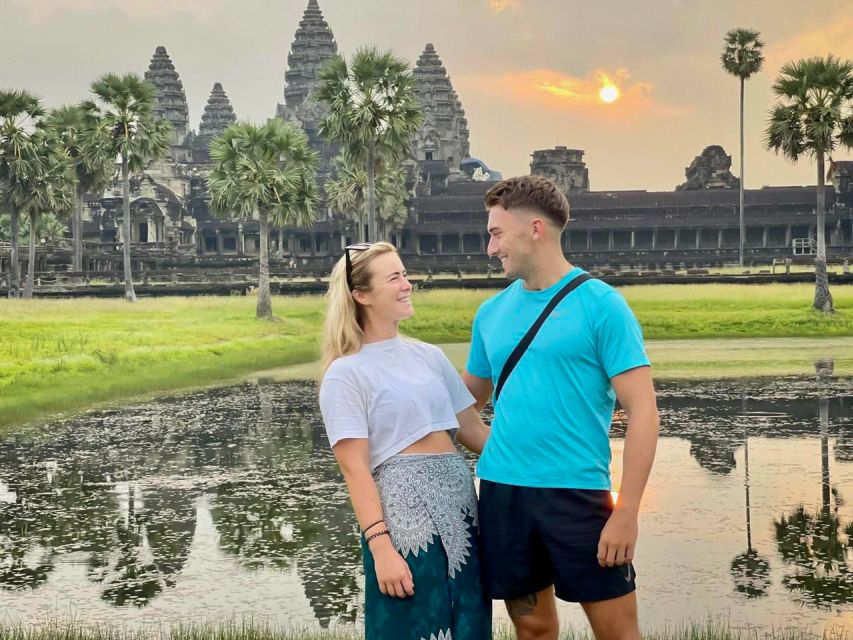
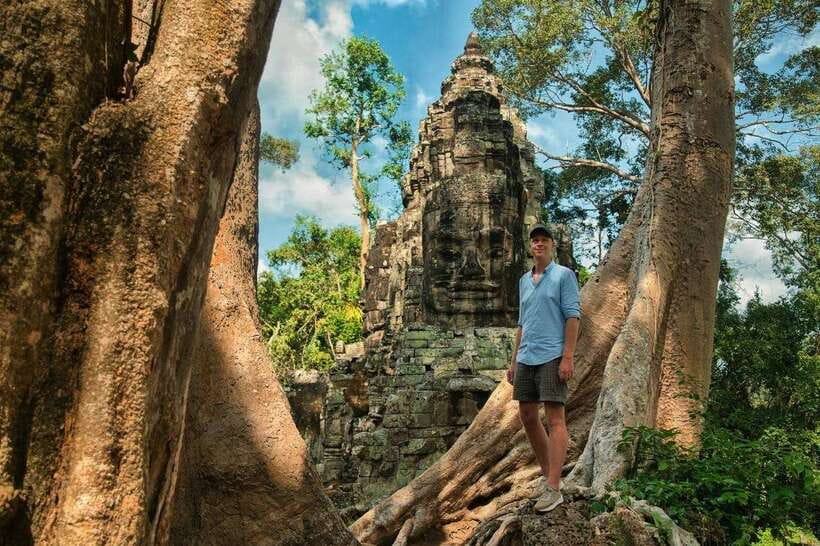
After Ta Prohm, you’ll head to Angkor Thom, the final and grander capital of the Khmer Empire. The standout approach is the southern gate, where a causeway is lined by stone figures—gods and demons frozen in stone, gripping the road like guardians.
Then you’ll visit Bayon Temple, famous for its serene stone faces on towers. You’ll get about 1.5 hours with guidance, including a climb to the upper terrace. That climb is short-to-moderate by temple standards, but it’s worth it. From up there you feel the “grid” of the city layout and see why Bayon is designed to watch you as you watch it back.
Why I think this stop is more than sightseeing:
- Bayon’s faces are easy to admire, but harder to interpret. A guide gives you the symbolism and the architectural intent so the repetition of faces starts to make sense.
- The southern gate sets the tone. It’s not just a doorway. It’s a narrative start.

Ta Keo: the unfinished pyramid with big attitude
Next is Ta Keo, a towering pyramid temple. What’s especially interesting here is that it was left unfinished, but it still commands the space with massive sandstone structure.
You’ll get about 1 hour of guided time and walking. Your guide should help you notice connections between temple areas and “secret routes” that connect sites in the broader complex. Even if you don’t go into deep trivia mode, Ta Keo gives you a different texture than the other temples: fewer crowds at key moments (depending on the day), and a sense of architectural intention without the same level of jungle takeover.
What you’ll like if you enjoy architecture:
- The clean, severe pyramid lines.
- The way unfinished elements create their own dramatic rhythm.
A consideration: you’ll still be outdoors and climbing some steps. Comfortable walking shoes matter here more than fashionable sandals.
Lunch timing and Banteay Kdei: refuel without losing the day
The itinerary includes time at Banteay Kdei, paired with a lunch break. Lunch is not included, so you’ll be eating on your own during the about 1 hour break.
This is a smart spot to rest because it sits between major temple climbs. If you’re sensitive to heat, treat this as your chance to cool down properly: eat something simple, drink water, and don’t just power through. The rest of the day includes a sunset viewpoint, and you want energy for it.
Phnom Bakheng at sunset: where the whole circuit lands
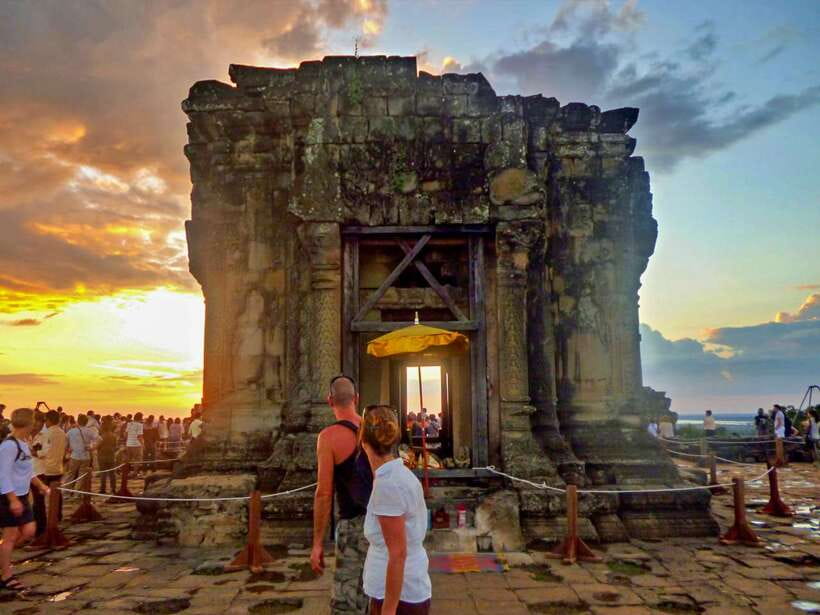
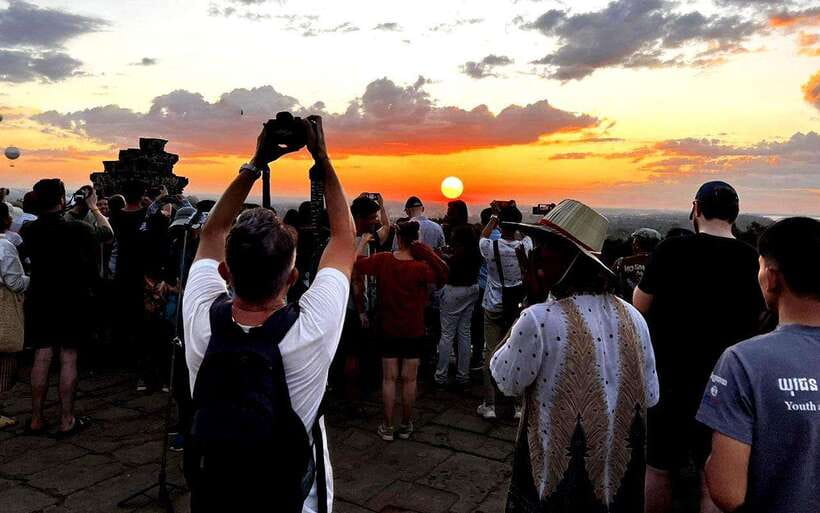
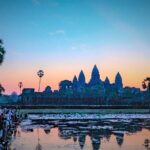
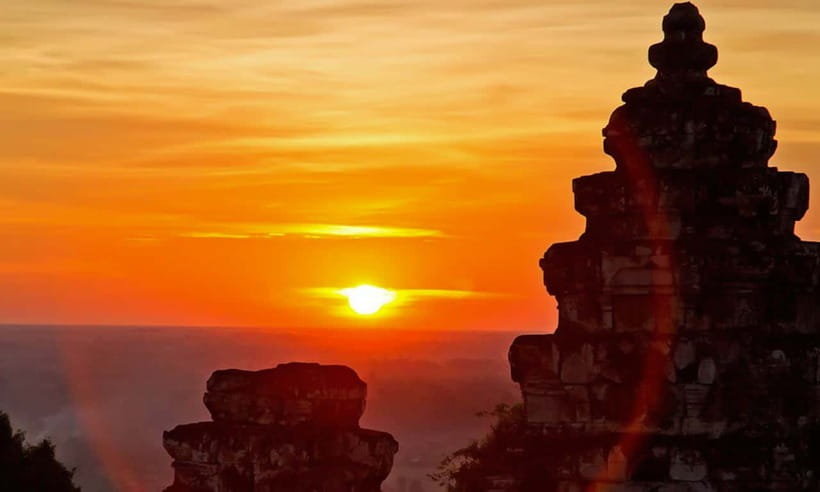
The finale is Phnom Bakheng hill, where you’ll watch sunset and get a view over the temple site. You’ll have about 1 hour with guidance at this stop.
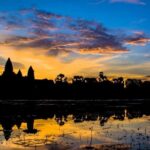
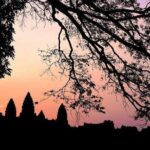
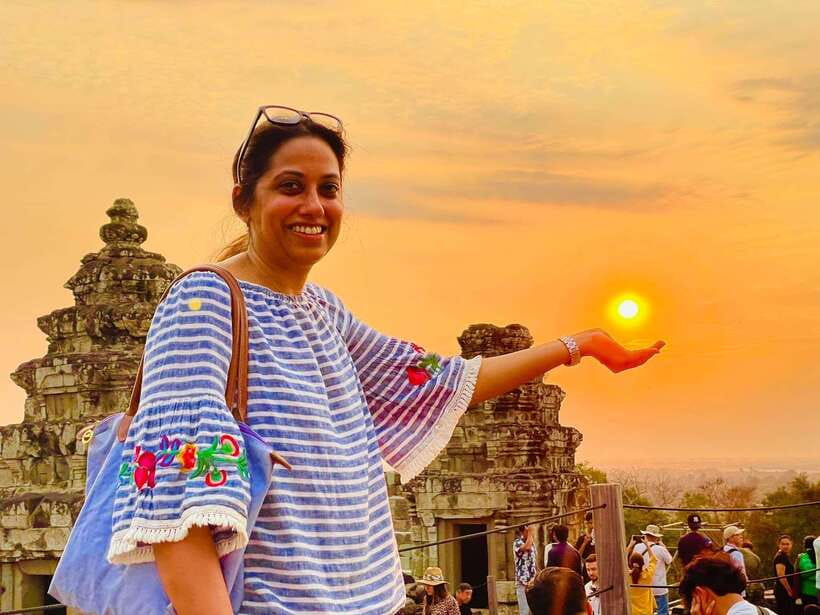
Sunset here is the emotional payoff. You’ve been staring at stone carvings, faces, roots, and unfinished towers all day; at sunset the tones shift. The light softens edges, distances stretch, and the entire area feels more connected.
Practical advice:
- Bring sunglasses and keep water handy even near the end. Cooling isn’t optional in Cambodia heat.
- Expect some walking and uneven paths. Wear shoes with grip.
The payoff is huge, but plan around the fact that sunset means more people near the viewpoint areas. Your guide’s timing helps a lot.
Your guide is the difference maker (and you’ll feel it fast)
The reviews and guide style signals match what you’ll experience in practice: guides like Vone, Kosal, Mr John, Coco, and Sayon tend to combine three things:
1) Temple stories and symbolism explained in plain language
2) A sense of humor that keeps the pace from feeling heavy
3) Practical photo help, including patient positioning for group shots
I really like that guides here don’t just lecture. They answer questions, and they adjust pacing as best as they can to keep you seeing rather than just moving.
If you want to get the most from Angkor, this is where you’ll win your money. You’ll understand why certain carvings matter and what you’re looking at when you’re standing in front of it.
What to bring: the small kit that prevents a miserable day
Here’s the practical checklist you should follow:
- Sunglasses
- Camera
- Insect repellent (important for outdoor ruins)
- Sunscreen
- Sun hat
- Insect spray is specifically noted, so if you’re very prone to bites, bring it
And don’t underestimate shoes:
- Comfortable walking shoes are strongly recommended.
- You’ll be walking multiple temple circuits and climbing small sections.
Dress code and on-site rules: keep it simple and covered
Temple sites require respectful dress. You’ll need clothing that covers your shoulders and knees. It’s not about style; it’s about getting through without friction.
Also note what’s not allowed:
- Alcohol and drugs are not permitted.
- Non-folding wheelchairs are not allowed.
Who this tour is best for (and who might want a different option)
This tour is a strong fit if:
- You want a single full day that covers the major Angkor highlights
- You like learning as you go, not after the fact
- You’d rather have transport and timing handled than piece together tuk-tuk legs yourself
- You want the sunset viewpoint without having to coordinate it alone
You might consider a different setup if:
- You hate group schedules and prefer long, unstructured wandering
- You need lots of downtime between temples
- You strongly prefer visiting fewer sites in more depth (this day is packed)
There’s also a private group option available, which can help if you want quieter photo stops or more flexibility.
The real call: should you book this Angkor Wat with sunset tour?
I’d book it if you’re a first-timer or if your time in Siem Reap is tight. The combination of major temples plus sunset at Phnom Bakheng, handled by an English guide and backed by air-conditioned transport, is exactly how you make Angkor feel big without turning the day into chaos.
If you’re the type who enjoys details—why the carvings matter, what the faces represent, how the temple layout is meant to move you—this tour is a good match. And if you hate wasting time in the heat, the day’s structure plus cold water and wet towels help you keep going.
Just do two things before you go:
- Budget for the $37 Angkor Pass so it doesn’t surprise you.
- Pack for sun and walking, especially if you’re visiting during hotter months.
If you want, tell me your travel month and your hotel area in Siem Reap, and I can suggest an ideal arrival time strategy for the sunset component.
FAQ
Is the Angkor Pass included in the tour price?
No. The Angkor Pass is not included. You pay an additional $37 on the day of your activity.
What temples are visited on this tour?
You visit Angkor Wat, Angkor Thom (including the southern gates and Bayon Temple), Ta Prohm, Ta Keo, and Phnom Bakheng at sunset. The schedule also includes a stop at Banteay Kdei.
How long is the full day tour?
The tour duration is 8–10 hours.
Do they provide hotel pickup and drop-off?
Yes. Hotel pickup and drop-off are included, starting from your accommodation in Krong Siem Reap.
What should I bring for the day?
Bring sunglasses, a camera, insect repellent (or spray), sunscreen, and a sun hat. Comfortable walking shoes are also recommended.
Are meals included?
No. Meals are not included, and lunch is on your own during the break.