Two days, zero logistics stress. This 2-day private tour takes you through the biggest names in the Khmer ruins world—Angkor Wat, Ta Prohm, Bayon, plus the quieter temples of Koh Ker and Beng Mealea—without you spending your vacation hunting for rides. You’ll meet in Siem Reap with transport organized all the way and a guide who can explain what you’re seeing as you go.
I especially like two things: first, the guide gives in-depth explanations at each stop, not just dates and photos. Second, you can keep a relaxed rhythm—no rush between temples—because the schedule is built around you having time to look, walk, and ask questions.
One thing to plan for: the temple costs aren’t included. You’ll need extra cash for the temple passes, and you also have to follow the temple dress rule (shoulders and knees covered).
In This Review
- Key highlights you’ll feel right away
- Why This 2-Day Private Angkor Plan Works in Real Life
- Day 1: Angkor Wat, Ta Prohm, Bayon Without the Puzzle Pieces
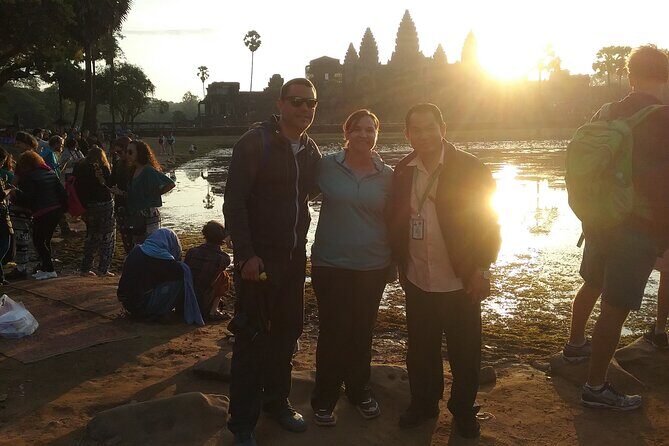
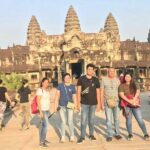
- Angkor Wat: The Khmer Masterpiece You’ll Want to See Slowly
- Ta Prohm: The Jungle-Overgrown Tomb Raider Temple Moment
- Bayon and Angkor Thom: How to Read the Face Towers
- Day 2 to Koh Ker: A 7-Tier Pyramid in Dense Jungle Quiet
- Beng Mealea: When Angkor Looks Familiar but Isn’t Intact
- Price and Temple Passes: What You’re Really Paying For
- Temple Rules and Heat-Smart Tips That Make the Day Easier
- Group Size, Pace, and How Private Actually Feels Here
- Who Should Book This Tour
- Should You Book This 2-Day Angkor Wat, Koh Ker & Beng Mealea Tour?
- FAQ
- Is this tour in Siem Reap, Cambodia?
- How long is the tour?
- What sites are included in the tour?
- Do I need to buy a temple pass?
- What are the temple pass costs listed for this experience?
- Is food included?
- What is included in the tour price?
- What should I wear to enter the temples?
- Is the tour private?
- Can I get a full refund if plans change?
Key highlights you’ll feel right away
- Private, guided flow through Angkor Wat, Ta Prohm, Bayon, Koh Ker, and Beng Mealea
- Transport handled for you, so you’re not bargaining for motorcycles or taxis
- Cold drinking water provided by your guide (worth it in the heat)
- Koh Ker is quieter because of its jungle setting and location
- Beng Mealea mirrors Angkor Wat patterns, but in a more ruined, more personal way
- You go at your own pace with time to stop and read the stone
Why This 2-Day Private Angkor Plan Works in Real Life
Angkor ruins can feel a bit like a rush job if you’re trying to piece everything together yourself. Cars, pickup times, ticket lines, and figuring out the right order can chew up the hours you’d rather spend staring at carvings and planning your next photo angle.
This tour’s big practical strength is simple: you don’t do the logistics. Transport is set up for the group size, and a guide stays with you across both days. That means you spend your energy on the temples—not on route planning.
You’ll also get a clear, “from the top to the bottom” mix. Day 1 covers the classic icons—Angkor Wat, Ta Prohm, Bayon—so you get the landmark experience most people come for. Day 2 shifts to places that feel different: Koh Ker for its distinctive pyramid form and Beng Mealea for its scattered, stone-heavy ruin atmosphere. It’s a smart way to avoid spending two days only in the busiest zones.
And yes, there’s a small comfort win that matters: your guide brings cold drinking water. When you’re walking in the heat, that’s not a luxury—it’s just smart.
If you're still narrowing it down, here are other tours in Siem Reap we've reviewed.
Day 1: Angkor Wat, Ta Prohm, Bayon Without the Puzzle Pieces
Day 1 is built around the core highlights of the Angkor Archaeological Park. If this is your first trip, it’s also the most efficient way to get your bearings. You’ll start with Angkor Wat, then move to Ta Prohm, and finish with Bayon inside Angkor Thom.
Here’s the practical value of that order. Angkor Wat is the anchor. Seeing it first helps your brain understand the layout of the wider site—how everything connects visually and conceptually. Then Ta Prohm adds contrast with its jungle-through-stone vibe. Finally, Bayon brings you back into a more “city center” feeling with its face towers.
A guide makes a difference here. Instead of treating the temples like a checklist, you can learn what to look for while you’re still there. A recent booking highlighted how the guide combined strong explanations with genuine curiosity about what’s still unknown about the past. That kind of mindset turns your walk into something more than sightseeing.
Also, you’ll want to dress for temple rules from the moment you step outside your hotel. Shoulders and knees need to be covered to enter, so don’t count on a last-minute fix.
Angkor Wat: The Khmer Masterpiece You’ll Want to See Slowly
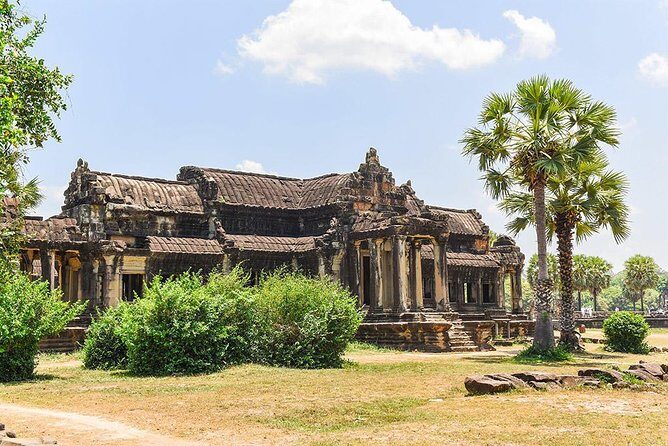
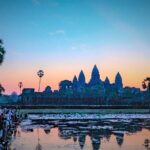
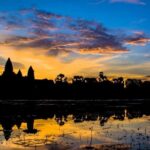
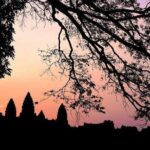
Angkor Wat is the reason many people pick Siem Reap in the first place. It’s described as the largest temple built during the Khmer empire, and it draws massive numbers—over 2 million visitors per year. Even if you’ve seen it in pictures, being there in person changes the scale and the geometry.
When I think of Angkor Wat, I don’t think only of beauty. I think of design choices that guide your eyes: causeways, walls, and towers that create a sense of movement. If you’ve only got a short window, the temptation is to sprint from one viewpoint to the next. This tour’s pace helps with that. You can take breaks, step back to view the whole composition, and notice smaller details instead of just getting one “been there” snapshot.
The downside of Angkor Wat, honestly, is crowd pressure—because it’s crowd pressure you can’t fully escape. The advantage here is that your guide can help you manage your time and keep the experience from turning into queue math.
And one more reality check: plan your budget for the temple pass. Your tour fee doesn’t include it, and you’ll need extra cash on the day(s) you visit the covered sites.
Ta Prohm: The Jungle-Overgrown Tomb Raider Temple Moment
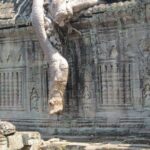
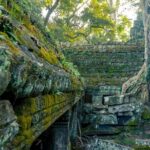
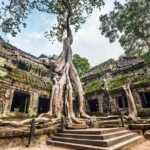
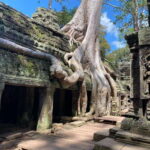
Next up is Ta Prohm, often nicknamed the Tomb Raider temple because it was used as a set for the movie starring Angelina Jolie. Even if you never watched the film, the visual impact is real: the jungle has grown into and around parts of the complex, leaving a dramatic mix of stone and roots.
What makes Ta Prohm worth your time is how it changes your interpretation of ruins. At Angkor Wat, you’re often reading clean lines and intentional symmetry. At Ta Prohm, nature takes the script and rewrites it. You start noticing textures: cracked stone, exposed roots, and the way vegetation can make walls feel both softer and older.
This is also a stop where going slower helps. Try to pause at a few points and look at how the “framing” works—what the trees obscure, what they reveal, and how the building still holds structure even while being swallowed.
Bayon and Angkor Thom: How to Read the Face Towers
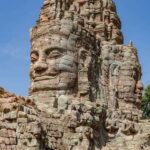
Day 1’s final major stop is Bayon Temple, set in the middle of Angkor Thom, the ancient walled city that was the heart of the Khmer Empire for centuries. Bayon is famous for the face towers—stone faces said to represent the king or gods looking down over the city.
This is one of those places where a guide’s explanations pay off fast. Without context, the faces can feel like decoration. With context, you start to see how the towers function as symbols: a reminder of authority, spirituality, and how power was displayed across space.
Bayon is also a good place to slow down for your own reasons. When you’re standing there, you’ll naturally want to compare expressions from different angles. The guide can help you think through what you’re seeing and why the temple was designed the way it was.

Day 2 to Koh Ker: A 7-Tier Pyramid in Dense Jungle Quiet
Day 2 is where the tour shifts from the big-name crowds to something more atmospheric. You’ll visit Koh Ker, famous for its 7-tiered pyramid style temple. What makes Koh Ker stand out is that it doesn’t look like the other Khmer temple styles people expect to see in the region. That difference is part of what makes it so interesting: experts point out that its design doesn’t match the familiar pattern, and it’s led to theories (including speculation) about how it was built.
Even if you don’t care about theories, Koh Ker has a sensory appeal. The entire complex sits in dense jungle, and the location means you don’t get the same scale of visitor crowds. In practice, that gives you breathing room. You can walk, pause, and take in views without feeling like you’re constantly squeezed through a moving line.
It’s also a temple that benefits from time. A few hours exploring the pyramid and surrounding area is the right amount of commitment if you like ruins that feel more “found” than “presented.” The guide will help you focus on what matters so you don’t wander randomly in a place where every direction looks like a doorway to somewhere interesting.
Beng Mealea: When Angkor Looks Familiar but Isn’t Intact
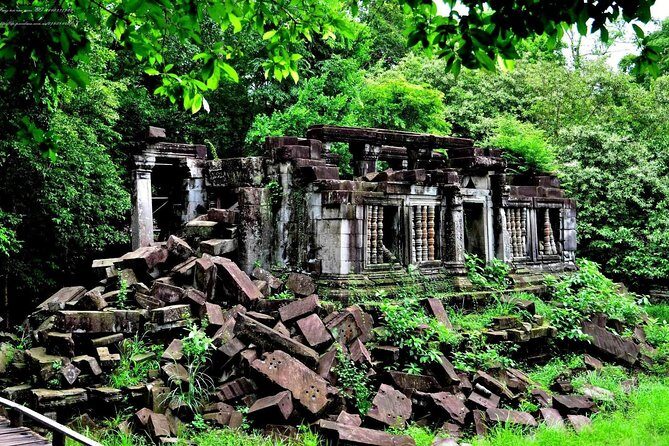
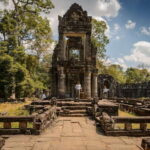
After Koh Ker, you’ll go to Beng Mealea, a large temple ruin that used to sit on an ancient highway connected to major Angkor sites like Preah Khan. Today, you get stunning ruins designed to look exactly the same as Angkor Wat.
That comparison is the key to why Beng Mealea is worth adding. You’ll recognize patterns, but the experience isn’t the polished version. It’s broken stone and unfinished-feeling spaces, which makes the temple feel more real and less curated. Instead of walking through an intact masterpiece, you’re walking around a complex history of decay and rebuilding, where the “story” is visible in the damage.
Beng Mealea is also described as dwarfing many other ruins—but still smaller compared to Angkor Wat. That size note matters: it means you can explore without feeling like you need a full day just to cover the basics. With your guide and transport already lined up, you can focus on walking where it feels meaningful.
Price and Temple Passes: What You’re Really Paying For
The tour price is listed at $147.44 per person and the experience runs about 2 days. It also notes mobile tickets and group discounts.
The value here isn’t only that you get transport. It’s that you get a guide through multiple major sites across two different zones—Angkor’s core and the more remote Koh Ker and Beng Mealea areas. If you were building this yourself, you’d be paying for rides, time, and the frustration of coordinating everything in heat and humidity.
That said, you should budget for temple access. Temple passes are not included. The listed costs are:
- $37 per person for a 1-day pass
- $10 per person for Koh Ker
- $5 per person for Beng Mealea
So if you add those numbers together as listed, the temple pass total comes to $52 per person, on top of the tour fee. Food and drinks are also not included, and you’ll handle accommodation separately.
If you’re trying to decide whether it’s worth it, here’s the quick test: if you don’t want to spend time negotiating rides and mapping routes, paying for this organized plan is usually the smarter move. If you love DIY planning and you’re already comfortable booking transport and tracking tickets, you might save money on the tour fee—but you’ll pay that savings back in time and stress.
Temple Rules and Heat-Smart Tips That Make the Day Easier
Small logistics can make a huge difference in Angkor. This tour already handles the heavy lifting, but you’ll still want to show up ready.
- Dress code: cover shoulders and knees for temple entry.
- Bring extra cash for the Temple Pass. Since it’s not included, you don’t want to discover the cost on site without a plan.
- Hydration: your guide provides cold drinking water, but you should still keep an eye on your own comfort and take breaks when you need them.
Another practical point: the meeting point in Siem Reap is described as easy to find. That matters because the first hour of a trip sets the tone. If you’re already tired from travel, you’ll appreciate not adding more confusion.
Finally, expect the days to involve walking and sun exposure. The tour is private and paced, but it isn’t a “sit on a bus all day” experience.
Group Size, Pace, and How Private Actually Feels Here
This is a private tour/activity, which means it’s just your group. That typically matters for two reasons: you won’t be trapped following other people’s speed, and you can ask questions without feeling like your guide is splitting attention.
The tour also says you can go at your own pace. In real terms, that means you’re not forced into a hard sprint between photo stops. You’ll be able to slow down when something catches your eye—like a face tower at Bayon, a root structure at Ta Prohm, or the shape shift from jungle to pyramid lines at Koh Ker.
One extra consideration: there can be communication mishaps. A past experience noted a late start due to a mix-up involving Sam and Viator. That’s not something you can fully control, but it’s a good reminder to confirm key details ahead of time and keep your contact info handy.
Who Should Book This Tour
This tour is a great fit if you want the classic Angkor highlights plus two places that feel quieter and more distinct.
You’ll probably like it if:
- you want a guide who explains what you see, not just points and moves on
- you don’t want to deal with booking motorcycles or taxis across multiple temples
- you like contrast: polished landmarks one day, jungle-leaning ruins the next
- you prefer a relaxed pace and don’t want to feel squeezed by crowds all day
If you already have a car, driver, and deep temple-pass certainty, you might find a cheaper DIY route. But if your goal is to make the trip simple and meaningful, this is designed for that.
Should You Book This 2-Day Angkor Wat, Koh Ker & Beng Mealea Tour?
Book it if you want a smart two-day shape to your Angkor trip: Angkor Wat, Ta Prohm, and Bayon first, then Koh Ker and Beng Mealea for a more secluded, “different angle” experience. The private guide, organized transport, and cold water support make it feel less like work and more like exploration.
Don’t book it if you’re determined to DIY every piece and you’re comfortable handling temple passes, transport timing, and route planning yourself. Also, keep in mind the temple pass costs are extra, so check your budget before you fall in love with the itinerary.
If you want your time in Siem Reap to feel smooth and temple-focused, this is a solid choice.
FAQ
Is this tour in Siem Reap, Cambodia?
Yes. It starts in Siem Reap, Siem Reap Province.
How long is the tour?
It’s listed as a 2-day tour (approx.).
What sites are included in the tour?
You’ll visit Angkor Wat, Ta Prohm, Bayon, Koh Ker, and Beng Mealea.
Do I need to buy a temple pass?
Yes. Temple passes are not included. You should bring extra cash for the Temple Pass.
What are the temple pass costs listed for this experience?
The listed costs are: $37 per person for a 1-day pass, Koh Ker = $10 per person, and Beng Mealea = $5 per person.
Is food included?
No. Food and drinks are not included.
What is included in the tour price?
A tour guide, cold drinking water, and transport suitable for the group size are included.
What should I wear to enter the temples?
You must cover your shoulders and knees to enter the temples.
Is the tour private?
Yes. Only your group participates.
Can I get a full refund if plans change?
Free cancellation is available, with a full refund if you cancel at least 24 hours in advance of the experience’s start time.