REVIEW · SIEM REAP
3-Days Discovery Of Angkor: Waterfalls,Floating Village and Banteay Srei temple
Book on Viator →Operated by Asean Angkor Guide · Bookable on Viator
Angkor feels huge. This 3-day plan keeps it efficient without feeling like you’re speed-running history. I like that the route mixes the big, famous Angkor temples with lesser-seen stops in the countryside like Kulen and the floating village.
Two things that really work for you: the schedule builds in sunrise and sunset moments at Angkor Wat, and you get private, air-conditioned transport with a guide who keeps you moving at a human pace. The only real drawback to watch is that many temple and national-park fees are not included, plus hot-day walking can be a lot in the midday sun.
In This Review
- Key Highlights Worth Your Time
- Three Days Around Angkor: How This Route Works
- Day 1: Angkor Thom’s Gate-to-Temple Loop and Angkor Wat’s Afternoon Focus
- Angkor Thom South Gate, Bayon, Baphuon
- Terrace of the Elephants and Terrace of the Leper King
- Angkor Archaeological Park lunch and then Angkor Wat
- Phnom Bakheng sunset: worth the effort, even if you’re tired
- Day 2: Kulen Waterfalls (Seasonal), Kbal Spean Lingas, and the Compact Beauty of Banteay Srei
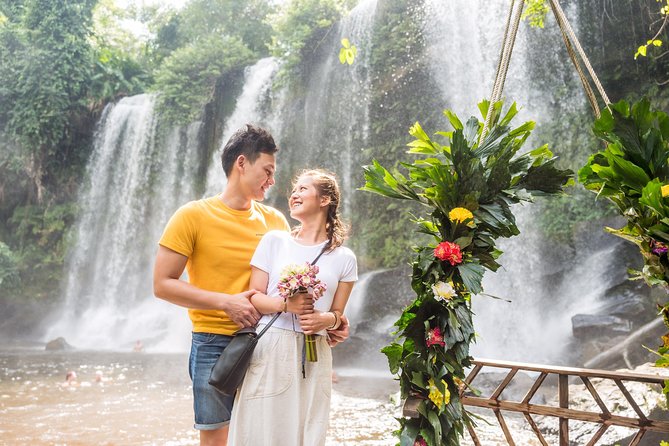
- Phnom Kulen National Park: waterfalls, and what to expect in dry season
- Kbal Spean: riverbed lingas carvings
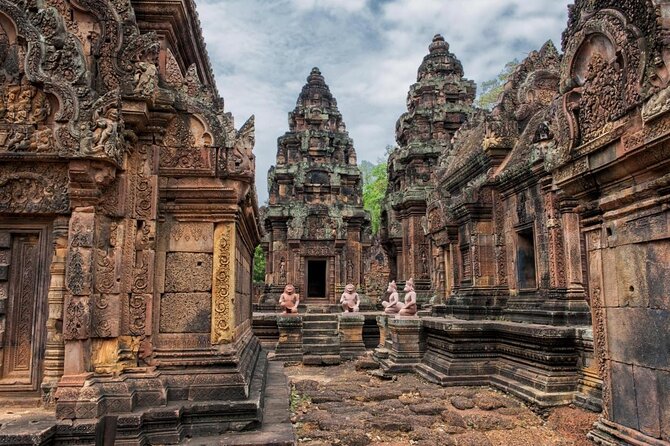
- Banteay Srei: sculptures in a shorter visit
- Kampong Phluk and Tonle Sap: flooded life and a private boat ride
- Day 3: 4:40 AM Angkor Wat Sunrise, Then Ta Prohm and the Temples That Feel Less Crowded
- Ta Prohm: the roots and the mood
- Pre Rup and Ta Som: pyramid views and quiet corners
- Neak Pean and Preah Khan: the quieter circuit
- What You Pay For: The Included Comforts vs. the Separate Fees
- Guide and Driver: Why Service Details Matter on Long Temple Days
- Practical Tips That Keep the Trip Comfortable (Not Just Impressive)
- Dress rules for temples
- Bring your sun and bug basics
- Plan for walking fatigue
- Who Should Book This Tour
- Should You Book This 3-Day Discovery Tour?
- FAQ
- What’s included in the tour price?
- Do I need to buy an Angkor pass?
- Are the Tonle Sap and boat ride costs included?
- Are Phnom Kulen and mountain passes included?
- What time is the Angkor Wat sunrise pick-up on Day 3?
- Can you swim at the waterfalls in Kulen National Park?
- What should I wear to the temples?
Key Highlights Worth Your Time
- Angkor Wat sunrise and Bakheng sunset: early starts, big payoffs for lighting and calmer viewing
- Angkor Thom core sights: South Gate, Bayon, Baphuon, and the Terrace stops in one efficient loop
- Kulen National Park focus: waterfalls (seasonal), plus the riverside carvings at Kbal Spean
- Banteay Srei for sculpture lovers: short enough to stay fresh, detailed enough to feel special
- Tonle Sap via Kampong Phluk: flooded living village + a private boat ride
- Private pacing: your group can slow down, take breaks, and adjust to how you feel
Three Days Around Angkor: How This Route Works
Siem Reap can turn into a blur if you let it. This itinerary works because it groups sites by area and then staggers the most photogenic moments. You’re not just bouncing between far-apart places all day; the plan is built around timing, with early mornings and a late-afternoon temple climb.
You’ll also notice the tour avoids the usual problem of getting trapped at the back of a big crowd. It’s private, so your guide can steer you toward the best paths and pacing for your group. In practice, that usually means fewer moments of wasted time waiting to catch up and more time actually looking at what you paid to see.
One more smart thing: it mixes temples with landscape stops. Angkor is the headline, but Kulen National Park and the Tonle Sap floating village add contrast. If you only do stone all day, the trip can feel repetitive. Here, you get water, carvings, and daily life, which makes the whole experience stick.
If you're still narrowing it down, here are other tours in Siem Reap we've reviewed.
Day 1: Angkor Thom’s Gate-to-Temple Loop and Angkor Wat’s Afternoon Focus
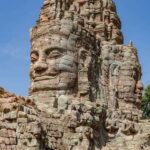
Day 1 starts with Angkor Thom South Gate. This is a strong opening because it sets the mood: massive faces, layered symbolism, and the sense that you’re entering an ancient power center. The tour then moves into the heart of Angkor Thom with Bayon and Baphuon, plus quick stops at the Terrace areas.
Angkor Thom South Gate, Bayon, Baphuon
South Gate is short but memorable. It’s the kind of place where you’ll want to slow down for photos because the carvings are dense and the scale is hard to judge from a distance.
Bayon is the emotional center for many people. You’re surrounded by faces—some calm, some watchful—and your guide’s explanations help connect what you’re seeing to the Khmer world that built it. If you like architecture and symbolism, Bayon rewards attention.
Baphuon sits near Bayon and keeps the momentum. Even in a short visit, it’s a good contrast because it’s a different temple structure style than the face-heavy Bayon.
Terrace of the Elephants and Terrace of the Leper King
These terrace stops are quick, but they’re worth it. The Terraces give you a sense of how Angkor Thom functioned beyond just worship—this was a city with ceremonies, viewpoints, and royal life.
If you’re the kind of person who likes details, this is where you’ll enjoy the guide’s pacing. You can walk, look, and understand without needing to stand still for too long.
Angkor Archaeological Park lunch and then Angkor Wat
After several temple blocks, the tour takes a lunch break inside the park area at a local restaurant. Food is paid by you, so bring a little cash buffer and plan to eat something simple. This is one of those days where you’ll want energy more than variety.
Then comes Angkor Wat. The afternoon visit is a practical choice: you avoid only doing temples in the dark and you still get plenty of daylight to see details clearly. Expect a long walk inside a huge complex. Even with good timing, it’s easy to overdo it if you go too fast.

Phnom Bakheng sunset: worth the effort, even if you’re tired
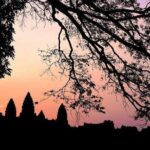
If you still feel okay after Angkor Wat, the day ends with sunset at Phnom Bakheng. The key detail is the climb timing: you usually start around 4:00 pm. That means it’s not just sunset viewing—it’s a late-afternoon workout.
Bring water and plan for slow steps. The reward is the view at golden hour, with the temple rooftops and forest backdrop pulling everything together.
Day 2: Kulen Waterfalls (Seasonal), Kbal Spean Lingas, and the Compact Beauty of Banteay Srei
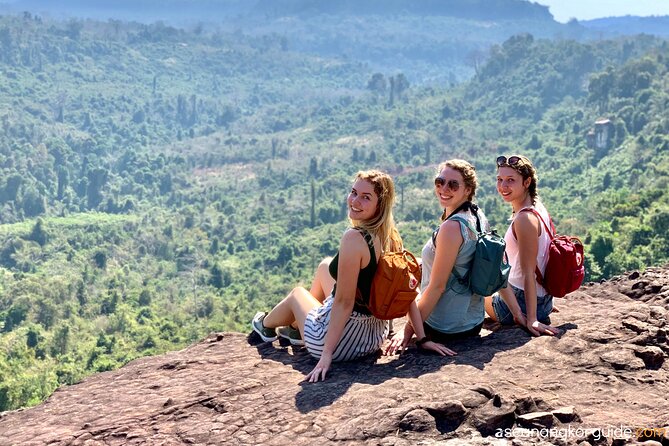
Day 2 is a break from Angkor’s dense stone, but it still feels like part of the same story. You head to Phnom Kulen National Park starting at 8:00 am. This day is about waterfalls, river carvings, and then a highly detailed temple stop before heading to Tonle Sap.
Phnom Kulen National Park: waterfalls, and what to expect in dry season
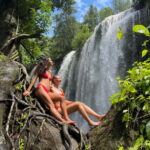
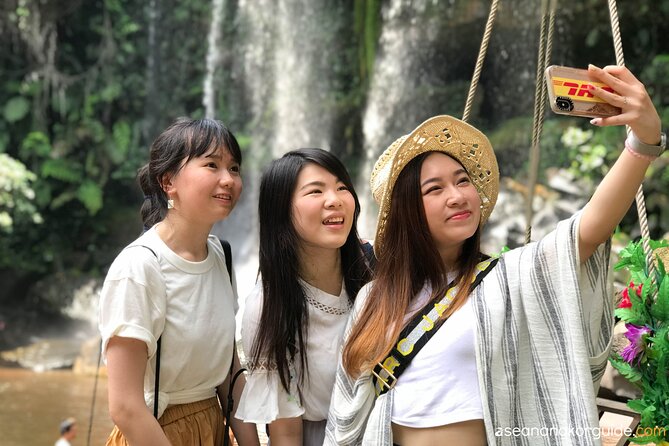
You can swim at the waterfalls, but there may not be much water during the dry season from March to July. That matters for your expectations. If you’re traveling in that window, treat the waterfalls as a bonus, not the main event.
The bigger win is the setting and the spiritual feel of the area. It’s also where you connect to the story behind the Khmer religious landscape.
Kbal Spean: riverbed lingas carvings
This tour’s Kulen day is built around seeing the riverbed lingas at Kbal Spean (the overview calls this out directly). These carvings are fascinating because you’re not looking at a single temple wall—you’re looking at sacred art placed into nature. It’s a different kind of wow moment, and it adds variety after a full day of Angkor stone.
Banteay Srei: sculptures in a shorter visit
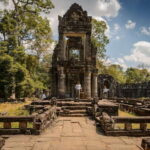
After Kulen, you go to Banteay Srei. This is a 10th-century temple dedicated to Shiva, and it’s famous for incredible sculpture work. The visit is listed as 45 minutes, which is a good length for two reasons: it’s enough time to appreciate the carvings, but short enough that you’re not dragging yourself through another long hot walk.
If you care about fine details, this is the stop you’ll remember when you think about Angkor’s artistry beyond massive monuments.
Kampong Phluk and Tonle Sap: flooded life and a private boat ride
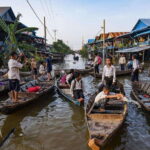
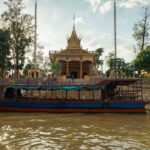
Then it’s on to Kampong Phluk floating village at Tonle Sap Lake, including a private boat ride for about an hour. This is one of the best “change of pace” parts of the trip. The water environment makes everything feel different: color, movement, and the sense of a living system.
A small budgeting note: the Tonle Sap pass with the private boat ride is listed at $15 per person. So you’ll plan for that as part of your trip total.
Day 3: 4:40 AM Angkor Wat Sunrise, Then Ta Prohm and the Temples That Feel Less Crowded
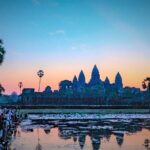
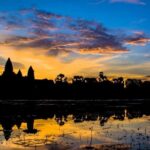
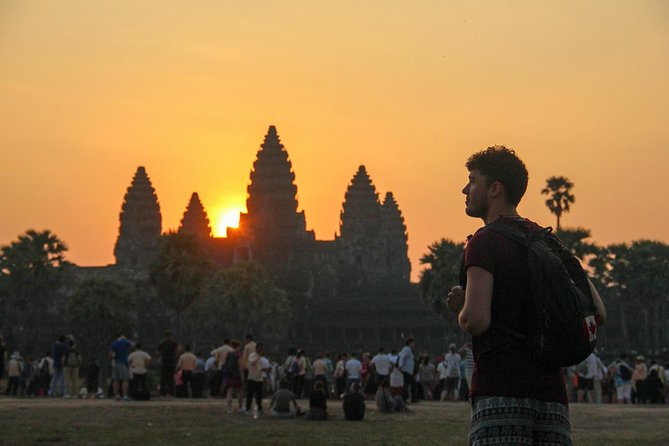
Day 3 is the early one. You’re picked up before sunrise at 4:40 AM for Angkor Wat. Sunrise at Angkor Wat is one of those once-in-a-lifetime moments, and this schedule gives you real time to enjoy it rather than just snapping a quick shot and leaving.
You then continue with additional Angkor area temples: Ta Prohm, Pre Rup, Ta Som, Neak Pean, and Preah Khan. This is the part of the plan that helps the trip feel complete rather than repetitive.
Ta Prohm: the roots and the mood
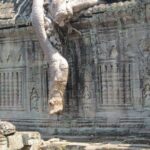
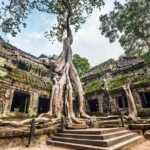
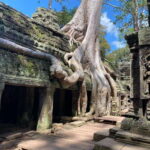
Ta Prohm is known for the iconic tree roots and the impression of a temple being reclaimed by nature. The visit is listed at 1 hour, which is the right amount of time to see both structure and story.
If you’re into photography, Ta Prohm can be a headache if you rush. Here, the pacing should give you enough time to find angles without sprinting.
Pre Rup and Ta Som: pyramid views and quiet corners
Pre Rup is a pyramid temple dedicated to Shiva, and the visit is about 35 minutes. Short stop, but the structure offers a different angle on Khmer temple design—more climbable, more view-focused.
Ta Som is another stop around 35 minutes. It’s smaller than the headline temples, but that can be a benefit. The tour gives you time to notice details without it feeling like you’re trapped in a stampede.
Neak Pean and Preah Khan: the quieter circuit
Neak Pean is an artificial island with a Buddhist temple on a circular island. It’s a smaller stop (about 20 minutes), and it works best as a breather before the longer final stretch.
Preah Khan is listed at 1 hour. This is a strong closer because it feels like you’re still traveling through Angkor’s living religious layout, not only seeing one famous face and moving on.
What You Pay For: The Included Comforts vs. the Separate Fees
The listed price is $183.08 per person, and you’re also getting private, air-conditioned transport plus a guide, pickup, and drop-off. You also get cool water and cool towels during the tour, which matters a lot in Siem Reap heat.
Here’s what’s included versus not:
Included:
- Professional English-speaking tour guide and driver
- Hotel pick-up and drop-off
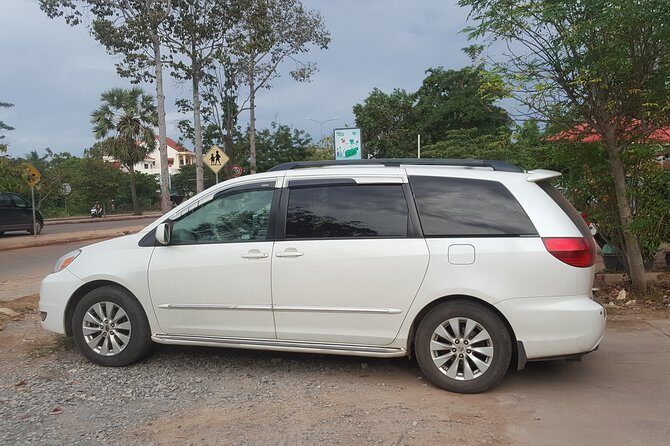
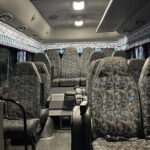
- Private air-conditioned transport
- Cool water and cool towels
- Breakfast on Day 3 only
Not included:
- Angkor pass (you buy it during the first morning)
- Tonle Sap pass with private boat ride: $15 per person
- Phnom Kulen National Park admission: $20 per person
- Kulen Mountain pass: $20 per person
- Food and soft drinks
- Temple admission fees where applicable (the stops note these aren’t included)
So what’s the real value? You’re paying for three days of guided sequencing, transportation, and timing—so you don’t have to coordinate passes, drive yourself, or worry about which stop comes next. If you were to DIY it, you’d spend a lot of time on planning and transit, and you’d still need to handle admissions. For most visitors, paying for a guide is what turns the day from complicated into smooth.
Guide and Driver: Why Service Details Matter on Long Temple Days
This kind of trip lives or dies on how it feels midday. That’s where the best guides and drivers earn their keep.
In this tour style, guides are reported as very good at explaining what you’re seeing and helping you understand the Khmer stories behind the temples. Names that show up in the service history include Sean, Seila, Sam, and Samath. Drivers noted include Tha, Leap, Sophat, Samady, and others.
What you can count on from the tour format itself:
- Cold water and towels on the return to the van
- Air-conditioned driving between sites
- A private group pace, so you don’t have to keep up with strangers
- Flexibility if you need to move slower or adjust timing
One detail I really like for your comfort: the tour is designed around heat. That doesn’t remove the heat, but it gives you breaks and cooling. If you’re traveling with elders or anyone who tires easily, the private setup helps a lot.
Also, sunrise and sunset are where timing becomes everything. The better guides pick viewing spots and help you handle the sequence so you’re not wandering around in the dark.
Practical Tips That Keep the Trip Comfortable (Not Just Impressive)
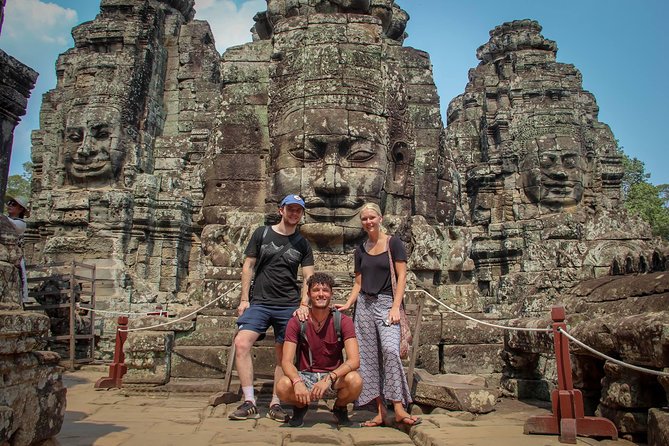
Siem Reap heat can turn a great day into a stressful one. The tour itself warns you about clothing and sun safety, and you should treat that seriously.
Dress rules for temples
For Angkor sites, you’ll want modest clothes that cover shoulders and knees. Loose, lightweight long clothing can be both respectful and cooler than you might think. Comfortable shoes are a must.
If your clothing is considered immodest, access can be refused by the park authority. So skip anything that feels borderline.
Bring your sun and bug basics
It can get very hot walking around the temple complex. Carry water and use sunscreen. Mosquito spray is also smart. You can buy sun protection and repellent in town, but it’s better not to rely on a last-minute hunt.
Plan for walking fatigue
Even when visits are timed (15 minutes here, 45 there, 1 hour elsewhere), the total walking adds up. Pace yourself. If your body starts to protest, tell the guide early. Private means you can slow down instead of pushing through.
Who Should Book This Tour
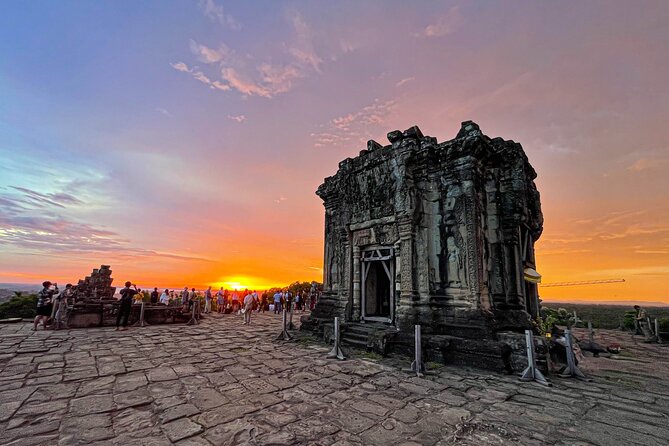
This tour is a good fit if you want:
- A structured way to see main Angkor highlights without the chaos of a large group
- Both signature moments at Angkor Wat (sunrise and sunset)
- A change of scenery with Kulen and the Tonle Sap floating village
- A private guide experience so your pace stays comfortable
You might also like it if you’re the type who cares about context. The guide role here is to connect Khmer temple stories to what you see in front of you, not just point at carvings.
If you hate early mornings, Day 3 may challenge you. But the payoff at Angkor Wat at sunrise is the kind of thing that tends to justify the alarm.
Should You Book This 3-Day Discovery Tour?
I’d book it if you want the best mix of big-name Angkor moments plus countryside experiences without having to manage logistics. The value comes from three days of guided sequencing, private transport, and service comforts like cool water and towels.
I’d think twice if you’re on a very tight budget because several fees are separate: Angkor pass, Kulen admissions, Tonle Sap pass and boat ride, and temple/meal costs. Still, those costs are normal for this region. The bigger question is whether you want to pay to remove planning stress.
If you can handle heat and early mornings, this is the kind of tour that keeps your trip feeling organized, meaningful, and varied.
FAQ
What’s included in the tour price?
You get a professional English-speaking tour guide and driver, hotel pick-up and drop-off, private air-conditioned transport, cool water and cool towels, and breakfast on Day 3 only. Temple and park admissions, meals, and several passes are listed as not included.
Do I need to buy an Angkor pass?
Yes. The first day includes a stop to buy the Angkor pass before entering the Angkor Archaeological Park.
Are the Tonle Sap and boat ride costs included?
No. The Tonle Sap pass with a private boat ride is listed as $15.00 per person and is not included.
Are Phnom Kulen and mountain passes included?
No. Phnom Kulen National Park admission is listed at $20.00 per person, and the Kulen Mountain pass is also listed at $20.00 per person.
What time is the Angkor Wat sunrise pick-up on Day 3?
You’re picked up from your hotel lobby before sunrise at 4:40 AM for the Day 3 Angkor Wat sunrise.
Can you swim at the waterfalls in Kulen National Park?
You can swim, but the tour notes there may not be much water at the waterfalls during the dry season from March to July.
What should I wear to the temples?
Wear clothing that covers shoulders and knees. Loose, lightweight long clothing works well in the heat. Comfortable shoes are required, and access may be refused if your clothing is considered immodest.