REVIEW · SIEM REAP
Siem Reap: Bike the Angkor Temples – Full-Day 30km Tour
Book on GetYourGuide →Operated by Discova Southeast Asia · Bookable on GetYourGuide
Pedaling Angkor feels like a secret path. This small-group bike tour turns the big-name temples into something personal, with quiet forest tracks between stops and guide storytelling that makes each carved face and terrace make sense, whether you’re with guides like Tu or Soun Chen. I especially love how you arrive on two wheels, not a bus, so the morning feels calmer and cooler, and the day has a real sense of flow.
The best part for me is the mix: temple time plus everyday life as you pass farms, stilt houses, villages, and hidden tracks locals use. One consideration: it’s a 30 km ride with off-road sections, so you’ll want at least a basic fitness level and comfort cycling on mixed surfaces.
In This Review
- Key Things I’d Book This For
- Meeting at Pte Kru Café (and the New Gingold Coffee Stop) Before 7:30
- The Siem Reap River Ride to Angkor: Why the First Segment Matters
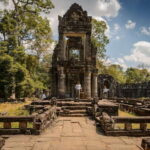
- Angkor Wat on a Bike: Seeing the Scale Without Feeling Packed In
- Angkor Thom to Bayon: Forest Tracks That Turn a Famous Place Into Yours
- Elephant Terrace and Lunch: Khmer Culture Meets a Much-Needed Reset
- Ta Prohm’s Tree Roots by Red-Earth Tracks and Dirt Roads
- 30 km, Mixed Surfaces, and the Pacing Reality
- Bike Quality, Support, and Why Helmets Actually Matter Here
- Temple Dress Rules and What to Pack for Siem Reap Heat
- Value at $35: What You’re Really Buying
- Who This Tour Suits Best (and Who Should Skip It)
- Should You Book This Angkor Bike Tour?
- FAQ
- How long is the Siem Reap bike tour?
- What does the $35 price include?
- Do I need an Angkor Pass for this tour?
- Where do I meet the guide?
- Are bikes and seats available for children?
- Is the tour suitable for everyone?
Key Things I’d Book This For
- Crowd-avoidant entrances and back routes, so you spend less time stuck with slow-moving masses
- 30 km of countryside riding past farms and stilt houses, not just temple parking lots
- Expert English-speaking guides who connect Khmer symbolism to what you’re actually seeing
- Quality mountain bikes with helmets, plus full vehicle support for peace of mind
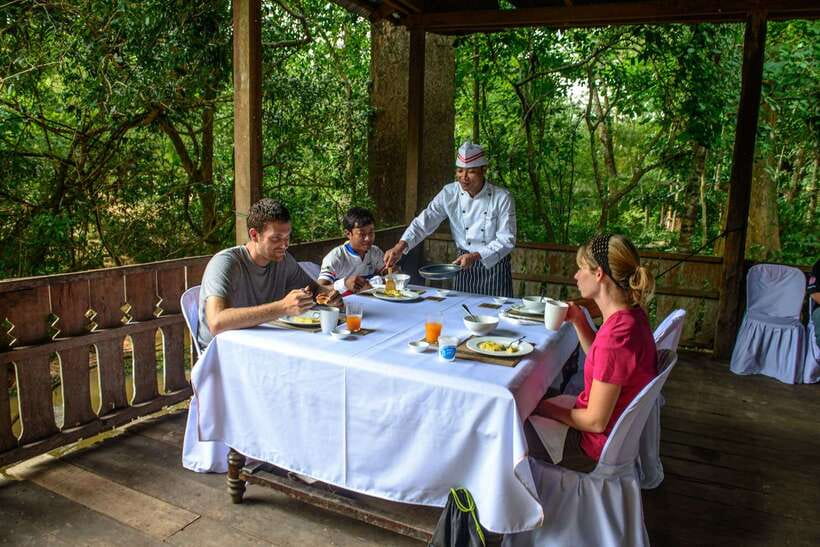
- Lunch as a real break, with snacks, fruit, and bottled water included either way
Meeting at Pte Kru Café (and the New Gingold Coffee Stop) Before 7:30
You’ll meet your guide early at Pte Kru Café (Preah Sihanouk Ave, Siem Reap), with bikes ready to go. The day runs on a tight rhythm: you meet around 7:15 AM, then start pedaling about 7:30 AM.
Note the meeting point change: starting 05 February, the meeting point is Gingold Coffee on Sivutha Boulevard. If you’re arriving close to start time, I’d rather you get there early and relax with a quick drink than rush with your helmet in hand.
If you're still narrowing it down, here are other tours in Siem Reap we've reviewed.
The Siem Reap River Ride to Angkor: Why the First Segment Matters
Once you roll out, you’re not immediately dropped into temple crowds. You’ll cycle along a peaceful road beside the Siem Reap River, building momentum before entering the Angkor zone.
This early stretch does two things for you. First, it helps you settle into the bike and pacing with your group. Second, it puts you in the right mindset: you’re heading into a huge site, but you’re doing it slowly, by choice, with shade and scenery.
Angkor Wat on a Bike: Seeing the Scale Without Feeling Packed In
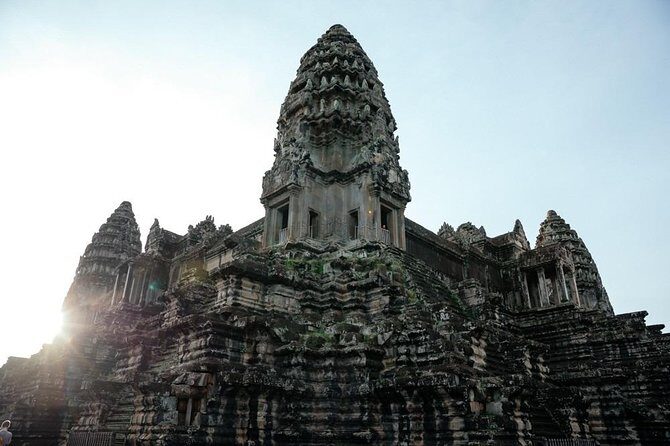
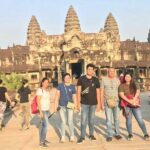
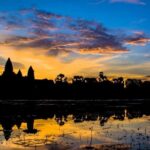
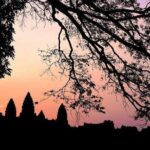
Your first major stop is Angkor Wat, timed so the towers rise in the morning light. From a bicycle, the experience feels different because you’re not just walking between viewing platforms. You can control your own pauses, and your guide can help you look at details you might otherwise miss at normal temple speed.
You’ll explore the temple’s vast galleries and bas-reliefs, then keep riding toward the ancient city of Angkor Thom. The route shift is key: you move from the main flow into quieter approaches, so the site doesn’t feel like a single long queue.
Angkor Thom to Bayon: Forest Tracks That Turn a Famous Place Into Yours
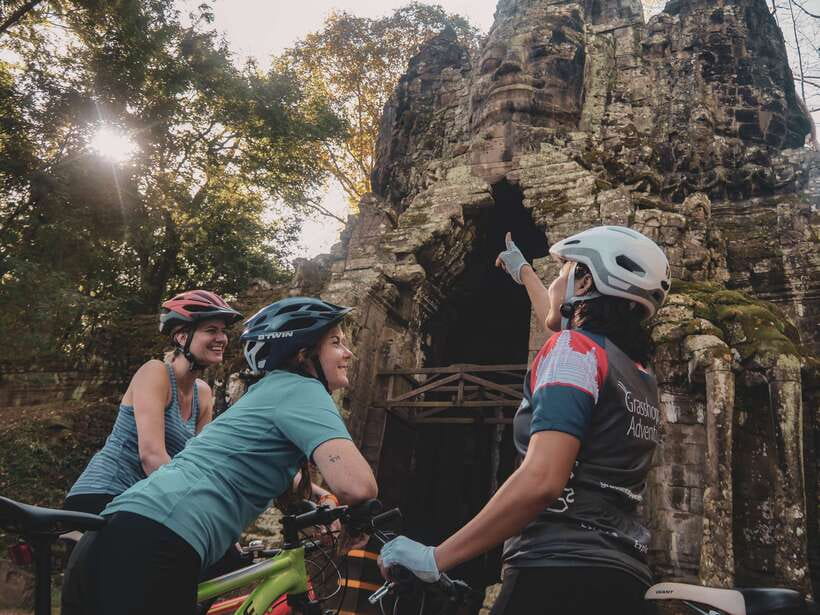
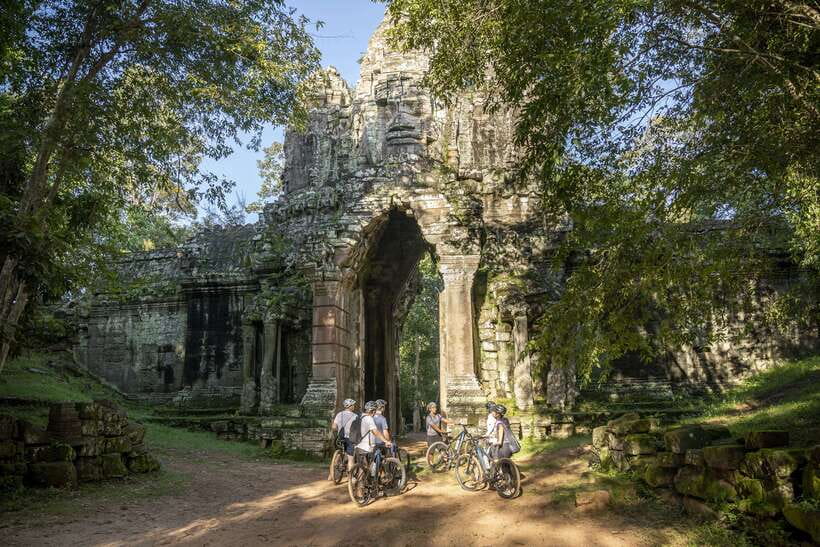
Just after the gate of Angkor Thom, you leave the main road and slip onto secluded forest paths and lesser-used tracks. This is where the bike format really pays off. Angkor is famous, but the journey between highlights can still feel like discovery.
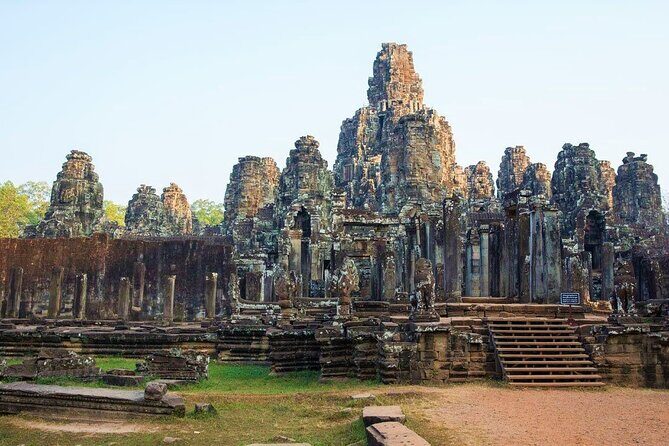
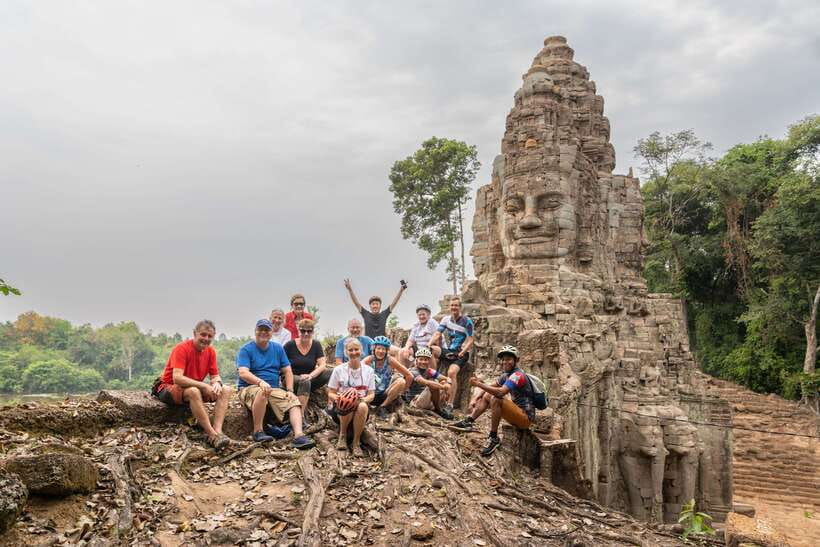
As you ride beneath towering trees, you reach Bayon, known for its serene stone faces. Your guide’s job here is practical and memorable: not just naming what you see, but explaining the symbolism and Khmer context so the carvings connect to a story, not a textbook.
Elephant Terrace and Lunch: Khmer Culture Meets a Much-Needed Reset
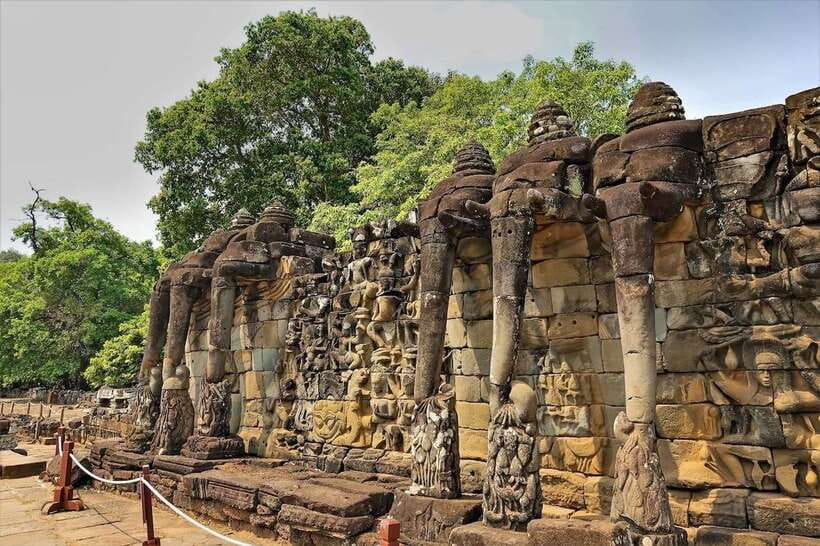
Next comes the Elephant Terrace Complex, with time to look around before the day’s temperature rises too much. It’s a strong midway anchor: you’ve already seen a top temple and a major city feature, and now you get a chance to breathe.
Then you break for lunch (if you chose the option). The meal is arranged in advance as a local restaurant stop, and the tour also includes snacks, fruit, and bottled water throughout the ride. If you didn’t select lunch, you’ll have free time to explore or eat independently before regrouping.
A balanced take: some people find the included lunch perfect for refueling, while others rate it as good-but-not-life-changing. Either way, I’d treat lunch as a recovery tool, not a destination. After all, the real point is what’s ahead at Ta Prohm and the return ride through villages and forest.

Ta Prohm’s Tree Roots by Red-Earth Tracks and Dirt Roads
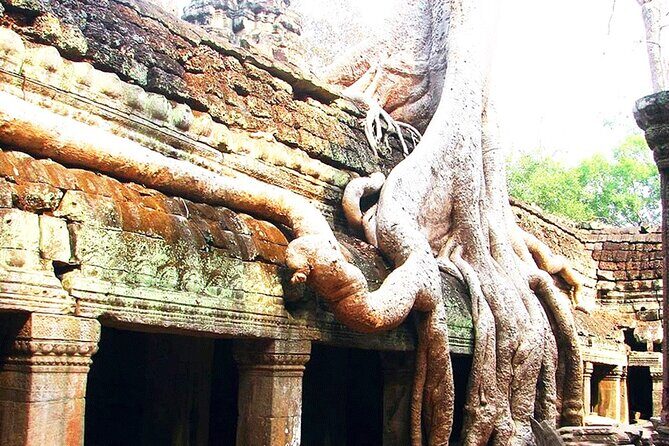
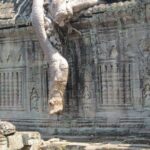
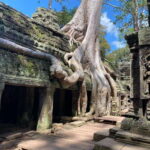
In the afternoon, the tone shifts. You’ll move through peaceful jungle corridors toward Ta Prohm, the atmospheric temple wrapped in twisting tree roots and moss-covered stones.
Arriving by bike matters because Ta Prohm is one of those places where momentum ruins the mood. When you’re on a bicycle and guided at a steady pace, you can stop where the scene changes—stone roots, shaded doorways, and those half-lit corners that feel almost staged by nature.
From Ta Prohm, you follow red-earth tracks and village paths back toward town. This return leg tends to feel relaxed and scenic, and it’s often the part that makes Angkor feel less like a museum and more like a living region.
30 km, Mixed Surfaces, and the Pacing Reality
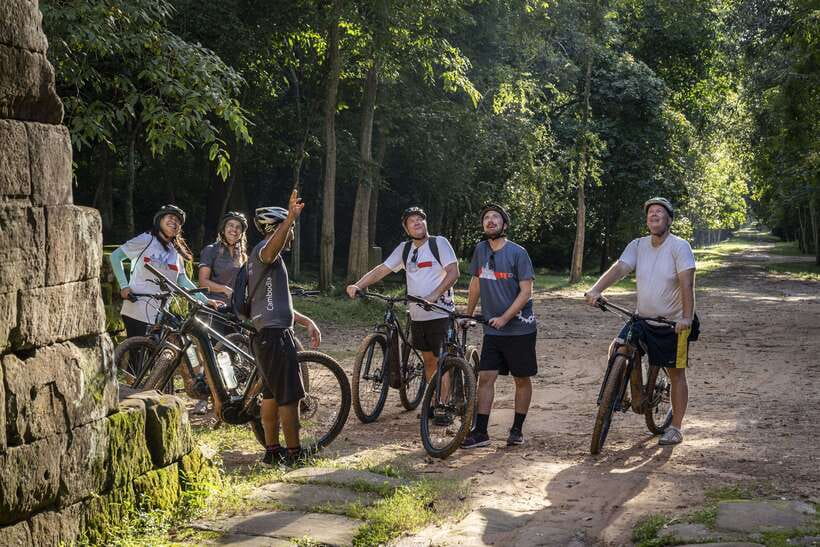
This tour covers about 30 km and lasts roughly 7.5 hours. The riding is typically split between quieter roads and tracks, with shade helping in many sections, but you will spend time on off-road paths.
Based on what I’d want to know before committing, here’s the fitness reality check:
- You should be comfortable cycling for a long stretch without stopping constantly.
- Expect some uneven ground and dirt segments.
- Many groups find the return requires a final push, especially if you’ve gone slower through the earlier temples.
Also, it’s built for active families, and the group size is capped at eight guests, which keeps the pace manageable. If you’re the type who wants a gentle, mostly-flat stroll, this might feel tougher than you expected. If you like a real ride with temple breaks, you’ll likely love the rhythm.
Bike Quality, Support, and Why Helmets Actually Matter Here
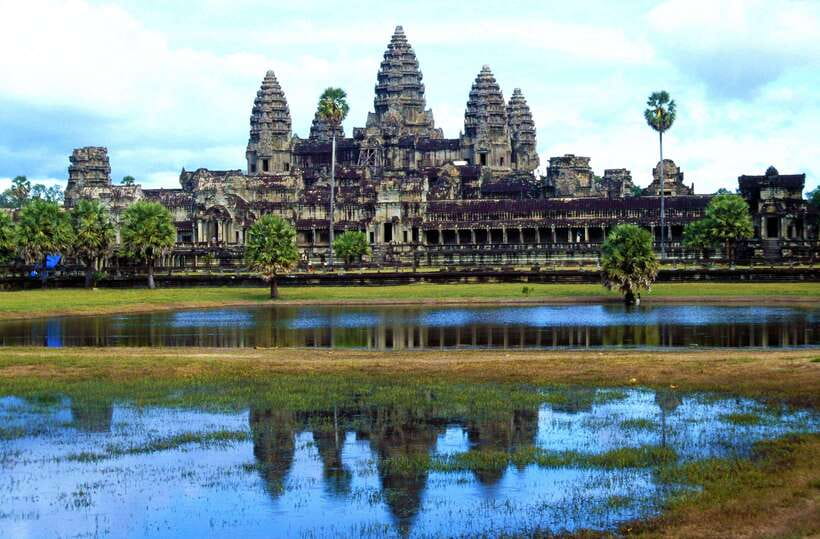
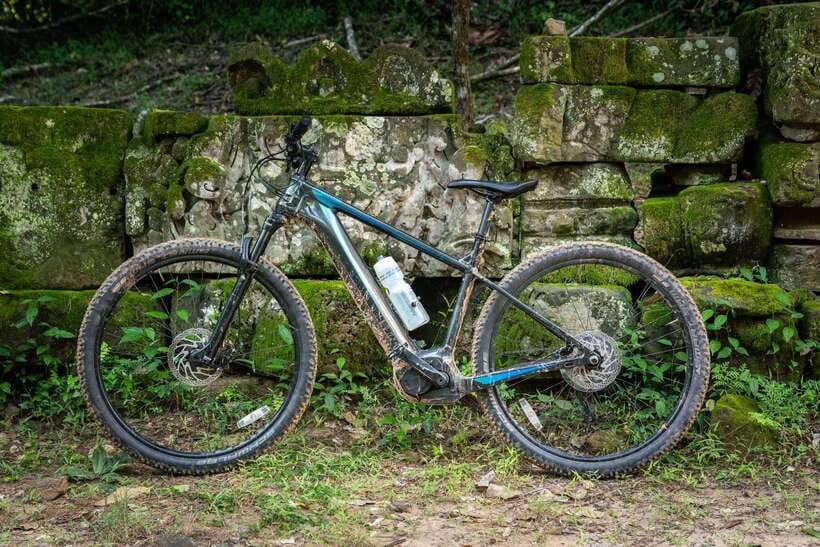
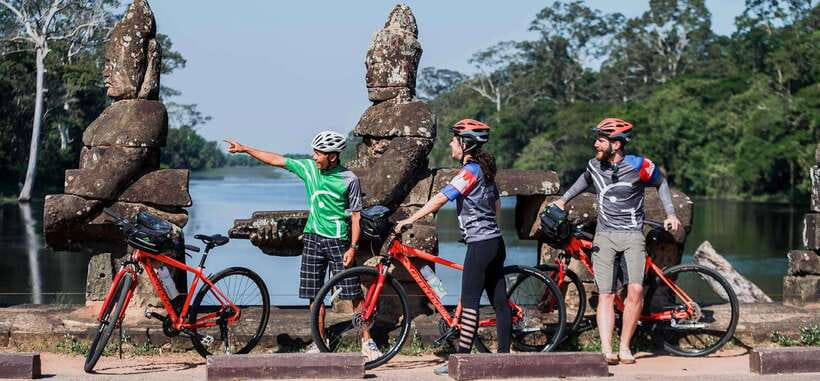
You get a quality mountain bike and a helmet, and you also have full vehicle support. That support matters more than you might think. It means you can focus on riding and seeing, rather than worrying about what happens if something goes wrong.
The bike format also helps you stay comfortable during stops. With a helmet on and the group organized, you can move efficiently at temples without turning the day into one long “wait for the slowest person” drama.
Temple Dress Rules and What to Pack for Siem Reap Heat
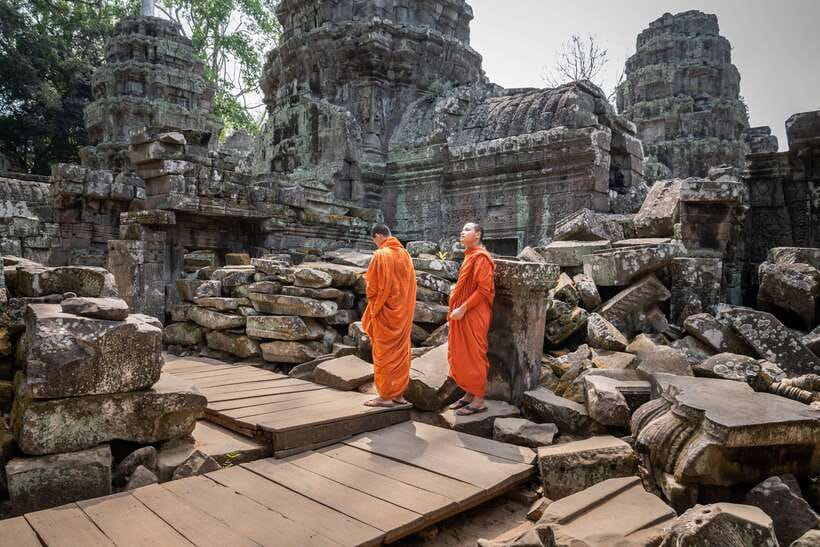
Cambodia’s sun can be intense, and Angkor is outdoors. Bring sunscreen, sunglasses, and a sun hat, plus a camera you can access quickly.
There’s also a temple dress rule: sleeveless shirts aren’t allowed. I’d plan your outfit with that in mind before you arrive, because it’s easy to get caught unprepared when you’re thinking about riding gear first.
And yes, you may end up dusty in places. If you’re sensitive to mess, long sleeves that still breathe can help, and closed-toe shoes generally keep you happier on rougher sections.
Value at $35: What You’re Really Buying
At $35 per person, this tour looks like a bargain for what’s included: the bike and helmet, an English-speaking cycling guide, and snacks, fruit, and bottled water. If you choose the lunch option, that’s included too.
What’s not included is the Angkor Pass / Historical Park Pass. You’ll need an Angkor pass for this tour, and if you don’t already have one, you can purchase the ticket at entry to the Angkor zone in the morning from the official Angkor Enterprise site.
So the value equation is simple:
- If you already have your pass, $35 is buying a full-day guide-led ride with transport support and real extras like snacks and water.
- If you need to buy the pass, plan for that extra cost on top of the $35.
Compared to a basic day trip that just buses you around, this gives you movement, shade, and a more flexible experience with fewer “only-photo-from-the-front” moments.
Who This Tour Suits Best (and Who Should Skip It)
I’d strongly consider this if you:
- want Angkor Wat, Bayon, Elephant Terrace, and Ta Prohm in one day, but without turning the whole experience into standing in lines
- enjoy cycling enough to pedal for most of the day, including off-road segments
- like learning context, not just ticking boxes at monuments
It’s also a good fit for active families, and the operator can arrange children’s bikes, baby seats, and tag-along trailers on request. Child seats are limited to a child weight of 14 kg.
Skip it if you’re pregnant, since it’s not suitable for that situation. And if you’re not confident on a bike or you dislike mixed surfaces, you might find the riding part stressful rather than fun.
Should You Book This Angkor Bike Tour?
Book it if you want the Angkor temples as a slower, more personal experience. The strongest reason is the combination: big monuments plus rural cycling on quiet routes, led by guides who know how to connect Khmer art to what you’re seeing in real time, often with guides like Tu, Lem, Moon, or Chen showing up in standout experiences.
I’d only hesitate if you know you’ll struggle with long distances on a bike or if off-road riding makes you nervous. If that’s you, you may prefer a more walking-based or gentler itinerary.
If you’re comfortable riding 30 km and you can respect the temple dress rule, this is one of the most satisfying ways to see Angkor without feeling like you’re trapped in the usual flow.
FAQ
How long is the Siem Reap bike tour?
The tour is about 7.5 hours from start to finish, with you returning to Siem Reap in the mid-afternoon.
What does the $35 price include?
It includes the bike and helmet, an English-speaking cycling guide, snacks, fruits, and bottled water. Lunch is included only if you choose the lunch option.
Do I need an Angkor Pass for this tour?
Yes. You need an Angkor Historical Park Pass for this tour. If you don’t have one, you can purchase it on the morning of the tour at entry to the Angkor zone.
Where do I meet the guide?
You meet at Pte Kru Café (Preah Sihanouk Ave) at 7:15 AM. Starting 05 February, the meeting point changes to Gingold Coffee on Sivutha Boulevard.
Are bikes and seats available for children?
Yes. Children’s bikes are available, and baby seats and tag-along trailers can be arranged on request. Child seats can accommodate up to 14 kg, and there are discounts for children age 12 and under with kids bikes.
Is the tour suitable for everyone?
It’s suitable for active families, but it’s not suitable for pregnant women. You should be comfortable cycling for a full-day ride that includes quiet roads and tracks.